Quick Facts
- Current Trend: Female divers now account for 40% of all PADI certifications globally as of 2026.
- Top Safety Priority: For those looking into solo female scuba diving travel, liveaboards remain the gold standard for combined safety and social connection.
- Gear Focus: Modern women scuba diving gear now emphasizes anatomical engineering, such as shorter BCD torsos and smaller regulator mouthpieces, rather than just aesthetic changes.
- 2026 Event: The upcoming padi women's dive day 2026 events will mark twelve years of a rapidly expanding global dive sisterhood.
- Key Destination: Tubbataha Reefs in the Philippines is a top 2026 pick; travelers should book 6-12 months ahead for the March-June season.
- Leadership: Representation is surging at the professional level, with women making up over 30% of new divemaster candidates.
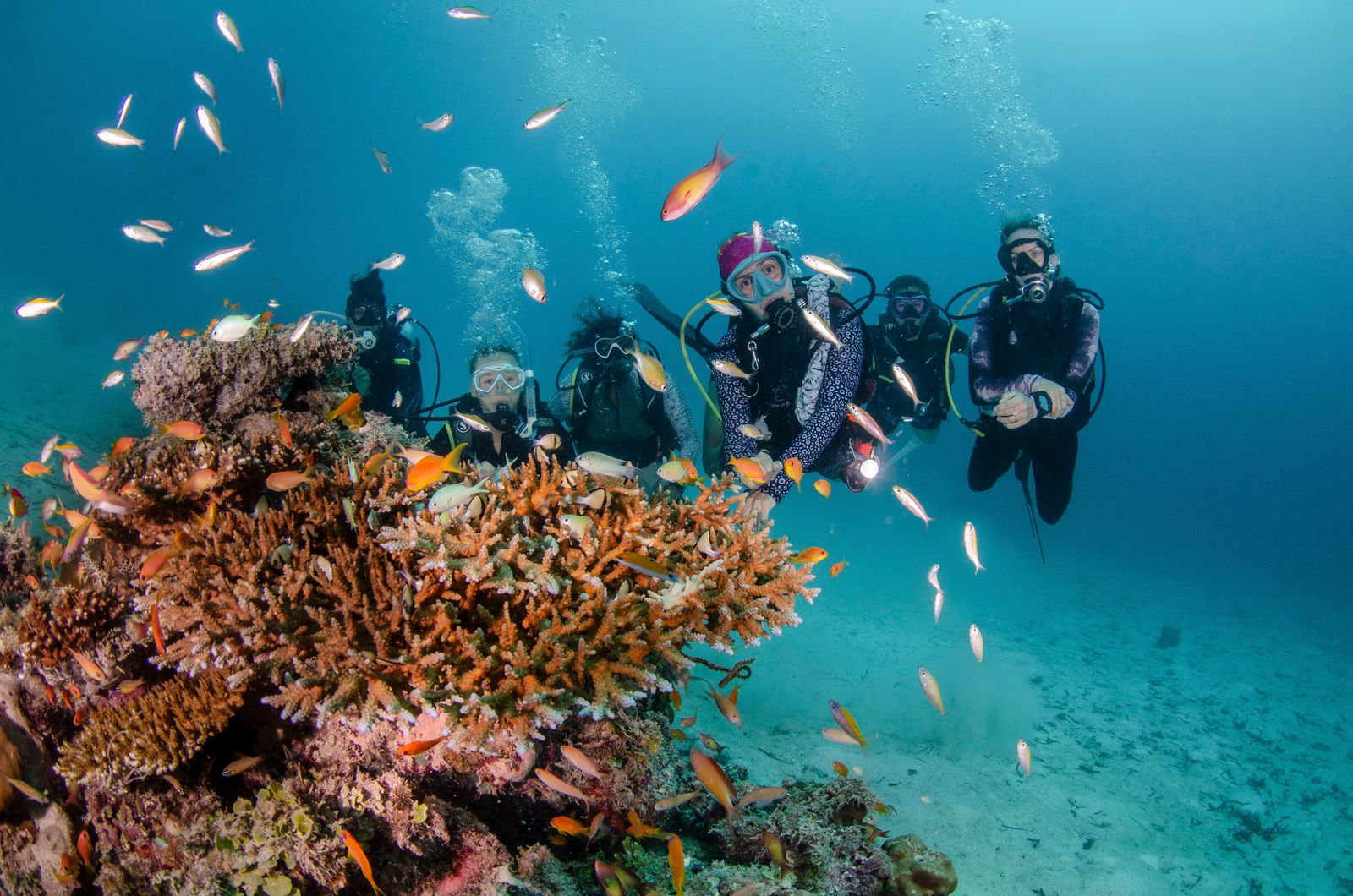
The landscape of women scuba diving has reached a transformative milestone in 2026. With nearly 40% of certifications held by women, the industry is shifting toward anatomical engineering and inclusive solo travel infrastructure that prioritizes female empowerment and marine conservation leadership.
The Rise of the Dive Sisterhood: 2026 Statistics & Professional Growth
I have spent the better part of two decades exploring remote shorelines, but the most profound shift I have witnessed lately isn't in the technology of our dive computers—it is in who is checking them on the dive deck. For a long time, the underwater world was a bit of a "boys' club," but those days are firmly in the rearview mirror. We are now living in an era defined by a massive dive sisterhood that is reshaping everything from local reef management to international travel logistics.
The numbers tell a compelling story of inclusion. Since the launch of the Women in Diving initiative in 2015, the gender gap has narrowed dramatically. Today, 40% of all recreational-level PADI certifications are earned by women. What is even more impressive is the pace of change; the growth rate for female certifications has consistently outpaced that of males for nearly ten years, bringing more than 250,000 additional women into the sport.
This momentum is hitting its stride with the padi women's dive day 2026 events, which celebrate twelve years of global community building. It is not just about recreational fun, either. We are seeing a surge in women taking the lead in professional roles. As of 2024, women accounted for 30.6% of all new PADI Divemaster certifications worldwide.
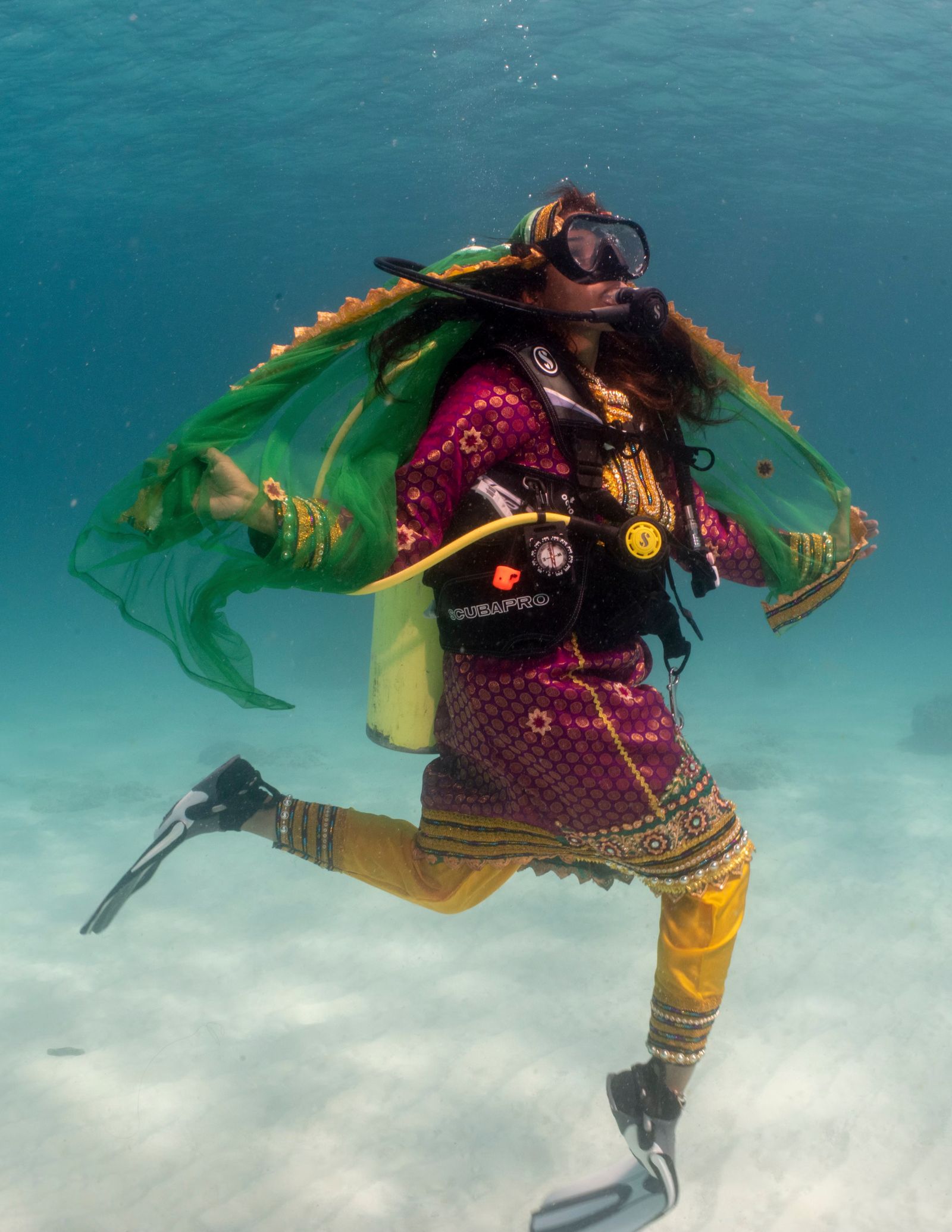
Take the story of Yvanah Kassao from Vanuatu, for example. As the first female Ni-Vanuatu instructor, she has become a symbol of how cultural adaptation and local community impact are tied to professional growth. She isn't just teaching people how to breathe underwater; she is showing young girls in her community that the ocean is a space where they can lead. These famous female scuba divers are no longer just Hollywood icons; they are the instructors and shop owners you meet on your next expedition.
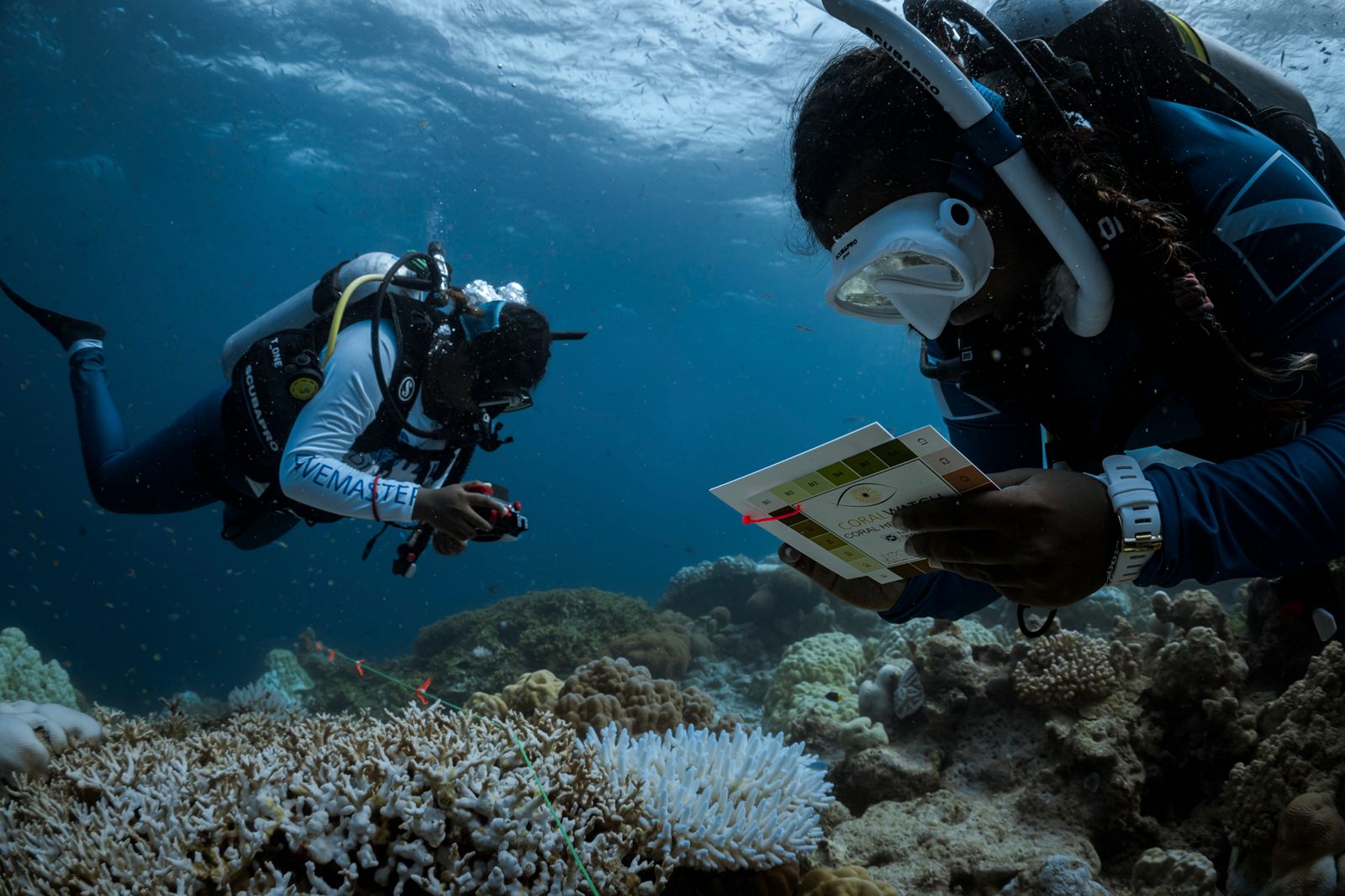
Anatomical Engineering: Essential Scuba Diving Gear for Women
In my early years as an editor, I often saw manufacturers take a standard piece of equipment, make it smaller, paint it pink, and call it women's gear. Thankfully, we have moved far beyond the "shrink it and pink it" philosophy. The gear hitting the shelves in 2026 is a result of serious anatomical engineering designed to improve safety and comfort for different body shapes.
When you are looking for scuba diving gear for women, the priority should always be fit over fashion. A poorly fitting buoyancy control device can cause you to roll in the water or push your tank into the back of your head. Here is what you should look for to ensure your gear works with your body, not against it:
- The BCD: Knowing how to choose a women's specific BCD is a game-changer for buoyancy control. These units typically feature shorter torsos and shoulder straps that are contoured to sit comfortably across the chest. Look for models with integrated weight systems that distribute the load toward the hips rather than the lower back.
- The Regulator: Jaw fatigue is a common complaint among female divers. Many women have smaller mouths, and gripping a standard-sized mouthpiece for sixty minutes can lead to significant discomfort. Modern regulators now offer smaller, more flexible mouthpieces that reduce the strain on the jaw.
- The Mask: It seems like a small detail until your hair gets caught in a rubber strap. Specialized masks now feature neoprene covers or buckle systems designed to prevent tangling. More importantly, they are often designed with a narrower skirt to provide a better seal on smaller faces.
- The Fins: Fins designed for narrower feet help prevent the painful cramps and blisters that come from a foot pocket that is too wide.
Effective women scuba diving gear is about removing friction points so you can focus on the environment around you. When your gear fits perfectly, you consume less air and feel more confident during every phase of the dive.
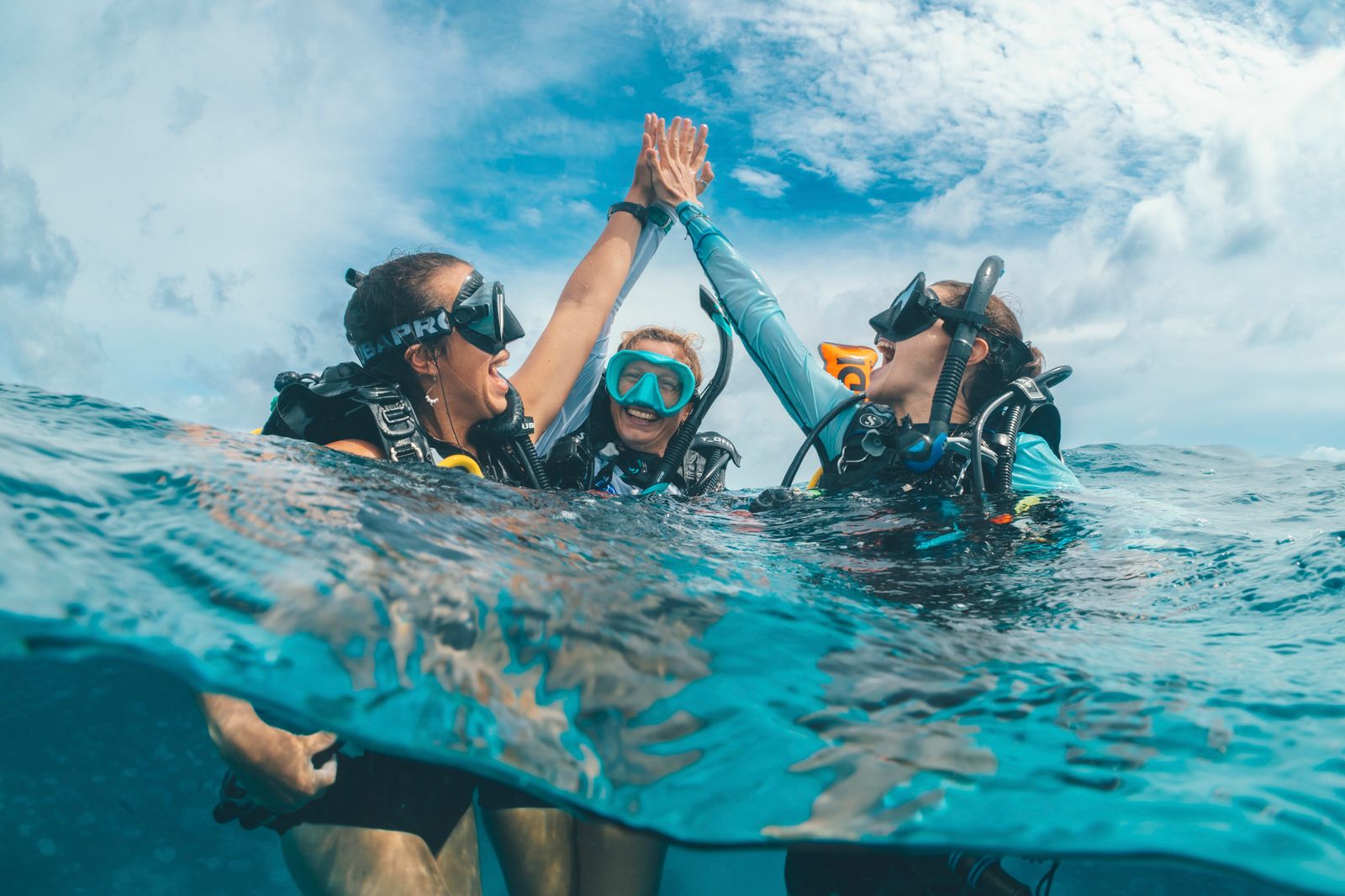
Solo But Not Alone: Best Scuba Diving Destinations for Solo Female Travelers
One of the most frequent questions I get in my inbox is: "Marcus, where can I go as a solo female traveler where I’ll feel safe but also get some world-class diving?" My answer for 2026 is simple: the liveaboard model is your best friend. For those diving into a solo female scuba diving travel guide for the first time, a liveaboard provides a secure, self-contained environment with professional guidance and an instant community.
Choosing the right destination depends on your skill level and what you want to see. Here is a decision matrix for the top spots in 2026:
| Destination | Best Months | Skill Level | Solo Safety Rating | Highlights |
|---|---|---|---|---|
| Socorro Islands, Mexico | November - May | Advanced | High (Liveaboard) | Giant Manta Rays & Sharks |
| Tubbataha Reefs, Philippines | March - June | Advanced | Excellent | Pristine Coral & Pelagics |
| Red Sea, Egypt | Year-round | All Levels | Moderate to High | Historic Wrecks & Gardens |
| Raja Ampat, Indonesia | October - April | Intermediate | High | Marine Biodiversity Hub |
The Socorro Islands are a personal favorite of mine for those who want an adrenaline hit. While it is a remote destination, the liveaboards operating there are incredibly professional and cater heavily to solo travelers. On the other hand, the Red Sea offers fantastic value and a very robust support network for independent female travelers.
Regardless of where you go, the best scuba diving destinations for solo female travelers are those that foster a sense of dive sisterhood on the boat. You might arrive alone, but by the second dive, you’ve usually found a buddy who is just as excited about that nudibranch or whale shark as you are.
Safety and Community: Expert Tips for Independent Exploration
Safety is the cornerstone of any adventure, but for women traveling alone, it requires a slightly more strategic approach. My first tip is to perform deep pre-trip research on female-led operators. There is a growing movement of shops owned and operated by women who prioritize inclusive environments and mentorship.
Here are a few essential scuba diving safety tips for solo women to keep in mind:
- Verify Your Skills: Before booking a high-current destination like Socorro or Raja Ampat, be honest about your comfort level. If you haven't dived in a year, take a refresher course locally so you can arrive at the boat confident and ready.
- Join Conservation Efforts: Solo travel is a fantastic way to engage with marine conservation. Many female divers are now leading coral restoration projects globally. Organizations like Coral Catch empower women to become restoration "scholars," providing a path to combine diving with environmental impact.
- Check the Tech: Ensure your dive insurance is up to date and specifically covers the depths you plan to explore. Keep a digital and physical copy of your certification card and insurance details.
- Communicate Your Plan: Even on a supervised liveaboard, make sure someone back home has your itinerary and the boat's contact information.
By participating in these trips, you aren't just a tourist; you are contributing to a global shift toward underwater exploration that is more inclusive and environmentally conscious. The rise of women in marine conservation is proving that a more diverse group of divers leads to better protection for our oceans.
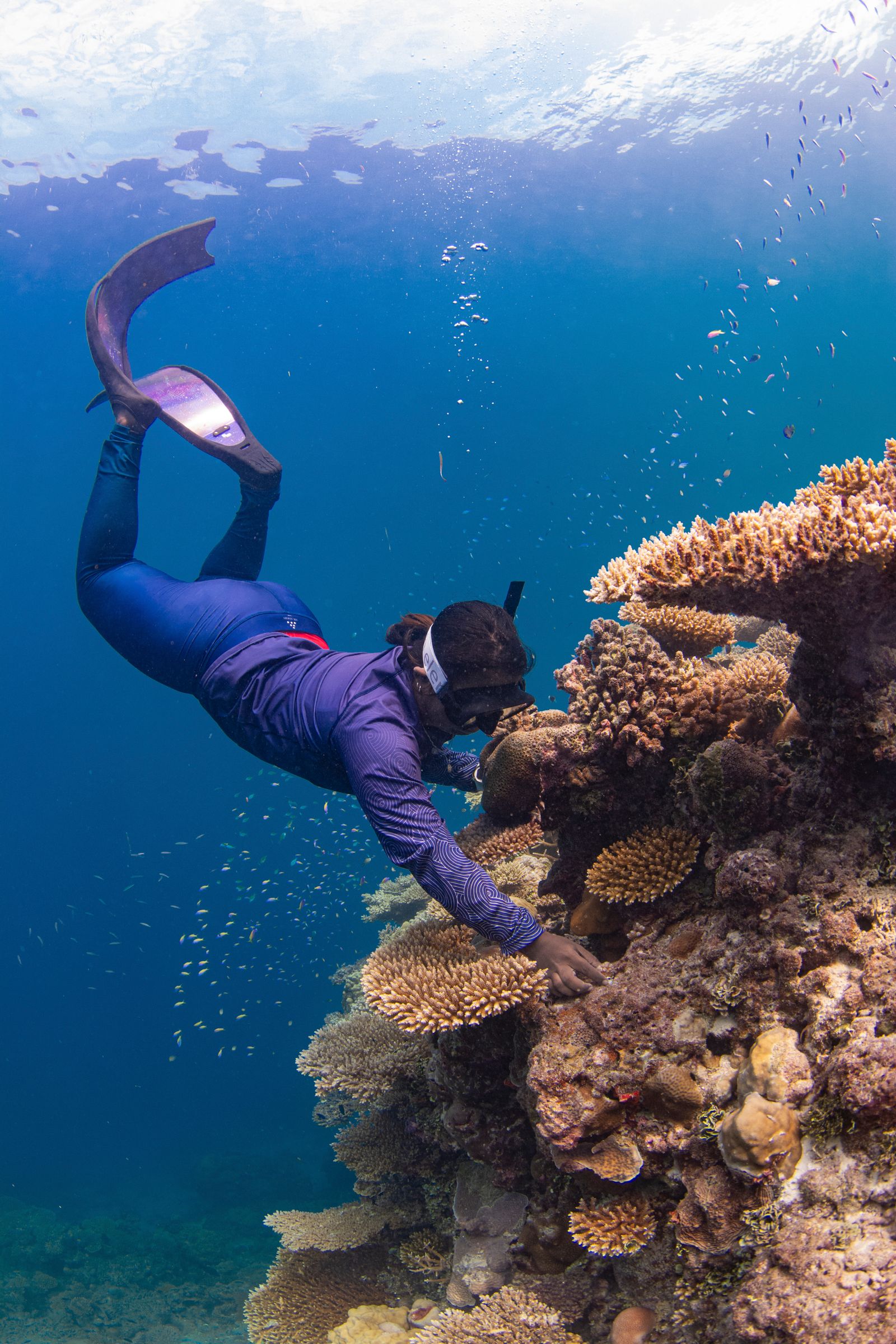
The future of the sport is bright, and it is being shaped by women who refuse to be sidelined by gear that doesn't fit or travel myths that don't hold water. Whether you are looking for your first mask or planning your tenth liveaboard trip, remember that the most important piece of equipment you have is your own curiosity.
FAQ
What percentage of scuba divers are female?
As of 2026, women make up approximately 40% of all recreational PADI certifications worldwide. This number has grown steadily since 2015, with female participation rates consistently outpacing male growth for nearly a decade.
Can I scuba dive with rheumatoid arthritis?
Many people with rheumatoid arthritis find that the weightlessness of diving helps alleviate joint pressure, but it is essential to consult a physician first. The main concerns are mobility for gear handling and ensuring you have enough grip strength to operate safety equipment like your inflator hose or weight release.
Can thyroid patients do scuba diving?
Generally, yes, provided the condition is well-managed and the patient is asymptomatic. Hyperthyroidism or hypothyroidism can affect your heart rate and temperature regulation, so a medical clearance from a diving physician is a standard requirement to ensure safety underwater.
What disqualifies you from scuba diving?
Conditions that typically disqualify a person include untreated pneumothorax (collapsed lung), severe epilepsy, certain heart conditions, and any condition that might cause a sudden loss of consciousness. Most dive centers require a medical questionnaire, and if you have any pre-existing conditions, a doctor's sign-off is mandatory.