Quick Facts
- Terrain: Entirely off-trail; expect "tussock hopping," glacial river crossings, and dense willow thickets.
- Access: No roads or established trails exist within Gates of the Arctic; access is almost exclusively via bush plane from Fairbanks, Bettles, or Coldfoot.
- Peak Season: The best time for hiking and wildlife spotting is during the short summer window of June, July, and August.
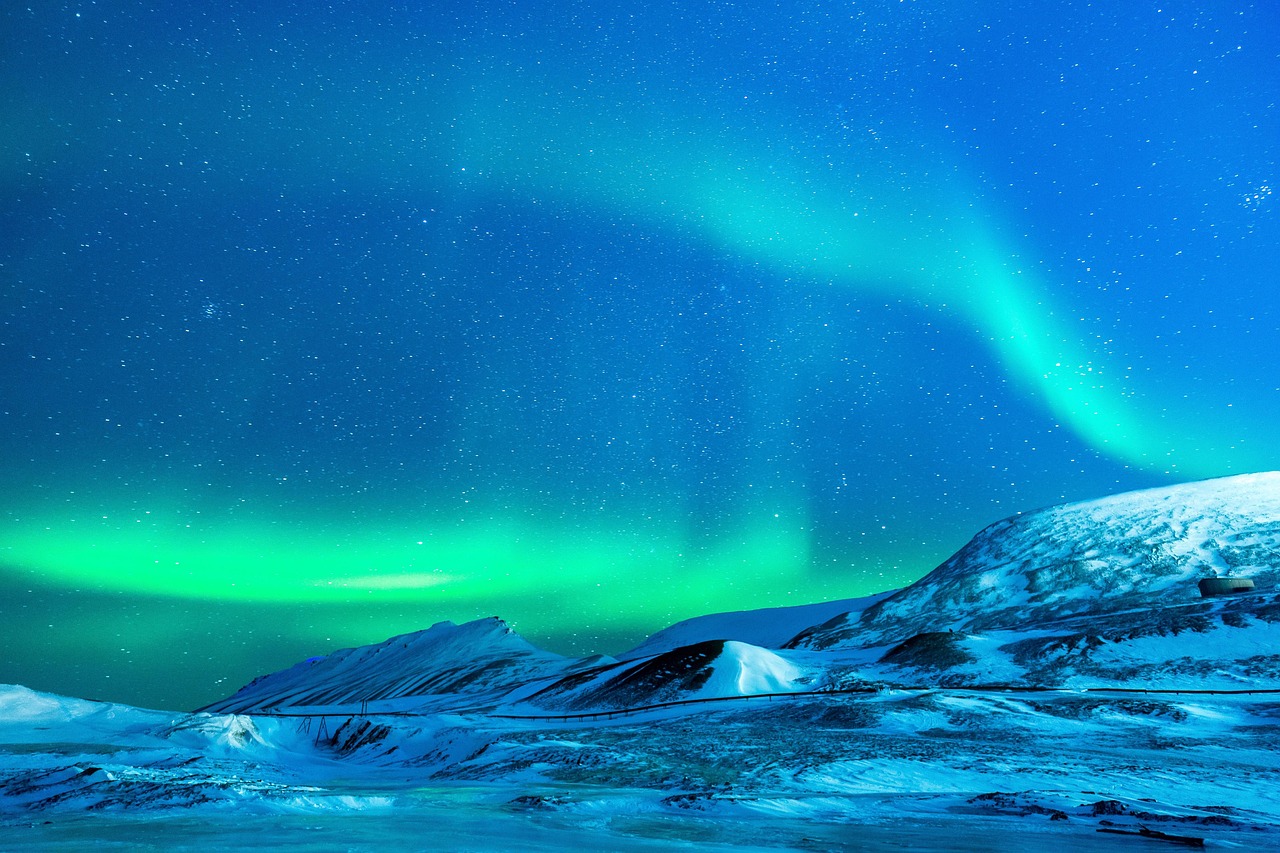
- The Lights: If your goal is the Aurora Borealis, plan your visit between September and April when the nights are dark enough to see the sky ignite.
- Logistics: Remote expeditions typically range from 8 to 30 days, with luxury small-ship cruises for 2026 averaging around 10,000 USD per person.
Introduction: The Raw Allure of the High North
The first thing the Arctic teaches you is that your ego has no place here. I remember standing on a gravel bar next to the Alatna River, watching the DeHavilland Beaver bush plane that dropped me off disappear into a speck over the Brooks Range. The silence that followed wasn't peaceful; it was heavy. It was the sound of a landscape that doesn't care if you're there or not. In the lower 48, we "conquer" peaks. In the Arctic, you don't conquer anything. You bend. You adapt. You wait for the river to go down, for the fog to lift, or for the grizzly to move along.
For those of us who live for the "off-the-beaten-path," the Arctic Circle is the final frontier. It’s a place where the sun refuses to set in June and the earth feels like it’s still in the middle of being created. If you're looking for an Arctic hiking guide that tells you which well-marked path to follow, turn back now. There are no paths. There are only possibilities.
The best time to visit the Arctic for hiking and wildlife spotting is during the summer months of June, July, and August, while the Northern Lights are best viewed between September and April when the velvet darkness returns to the sky.
The Heart of the Wilderness: Gates of the Arctic & Arrigetch Peaks
Gates of the Arctic National Park is the crown jewel of the American North, yet it remains one of the least visited parks in the system. Why? Because it’s hard. It’s 8.4 million acres of pure, unadulterated wilderness with zero infrastructure. No visitor centers, no campgrounds, no cell service. Just you, the caribou, and the ancient granite.
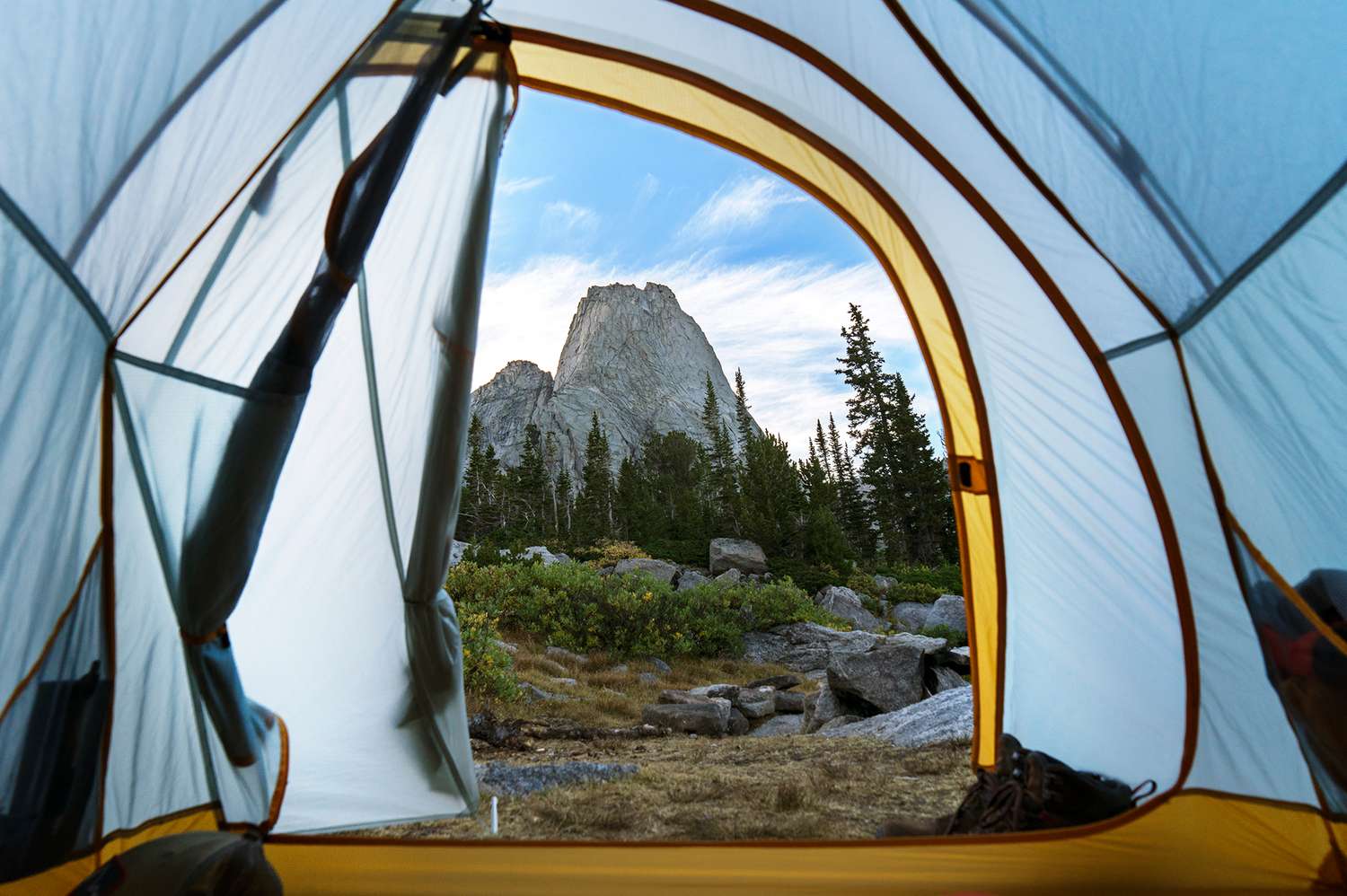
The Arrigetch Peaks are the park’s most iconic feature. The name comes from the Inupiat word for "fingers of the outstretched hand," and when you see them, you’ll understand why. These are steep granitic spires that pierce the sky like the claws of some subterranean giant. Reaching them isn't a weekend stroll; the Arrigetch Peaks, located in Alaska's Gates of the Arctic National Park, are known for their steep granitic spires and require advanced off-trail navigation and bush pilot access.
Walking here is an exercise in humility. You’ll encounter "tussocks"—clumps of sedge grass that act like wobbly bowling balls under your feet. You’ll spend hours "bushwhacking" through head-high willows, making enough noise to ensure any local bears know you’re coming. But when you finally break out onto the alpine tundra and see the Alatna River snaking through the valley below, every bruise feels like a badge of honor.
Arctic Survival 101: Gear and Grit
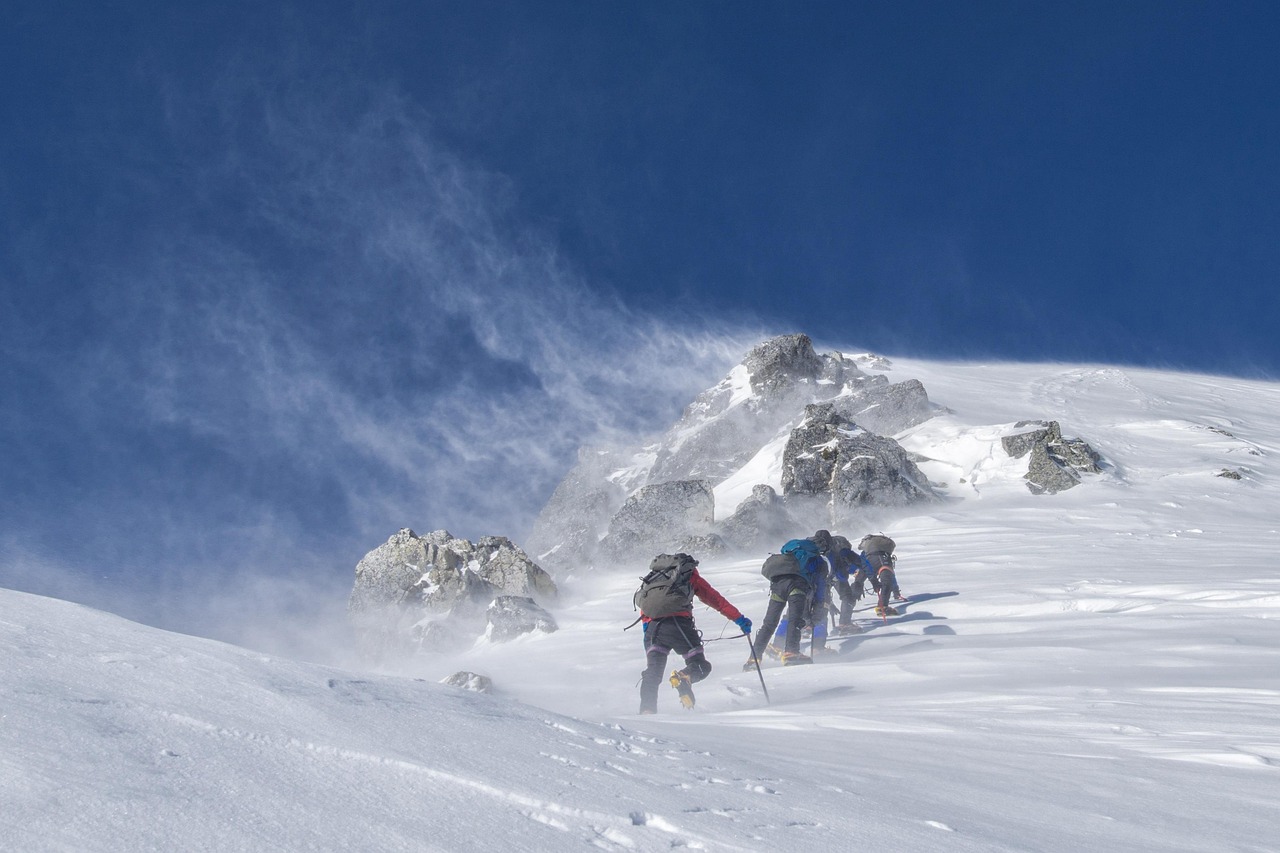
In the Arctic, gear isn't just about comfort; it's your life support system. I’ve seen grown men cry because they brought cotton socks that never dried, leading to "trench foot" in 40-degree weather. Let’s get one thing straight: Cotton is the enemy. It absorbs moisture, saps your body heat, and weighs a ton when wet.
Your layering system needs to be a well-oiled machine. Essential survival gear for Arctic trekking includes moisture-wicking merino wool base layers, insulated waterproof boots, and high-energy foods like nuts and chocolate to fuel the body's increased caloric burn. You are burning twice the calories here just staying warm and navigating unstable ground.
Pro Tip: The "Wet-Dry" System Always keep one set of clothes—your "sleeping clothes"—in a dry bag that never, ever gets wet. No matter how soaked you get during a river crossing or a three-day storm, having a dry base layer to crawl into at night is the difference between a miserable night and dangerous hypothermia.
Safety in Gates of the Arctic National Park travel also means being bear-aware. You are in the home of the grizzly and the black bear. Carry bear spray on a hip holster, not buried in your pack. Use a bear-resistant food canister (BRFC)—it’s not just a suggestion; it’s often a requirement.
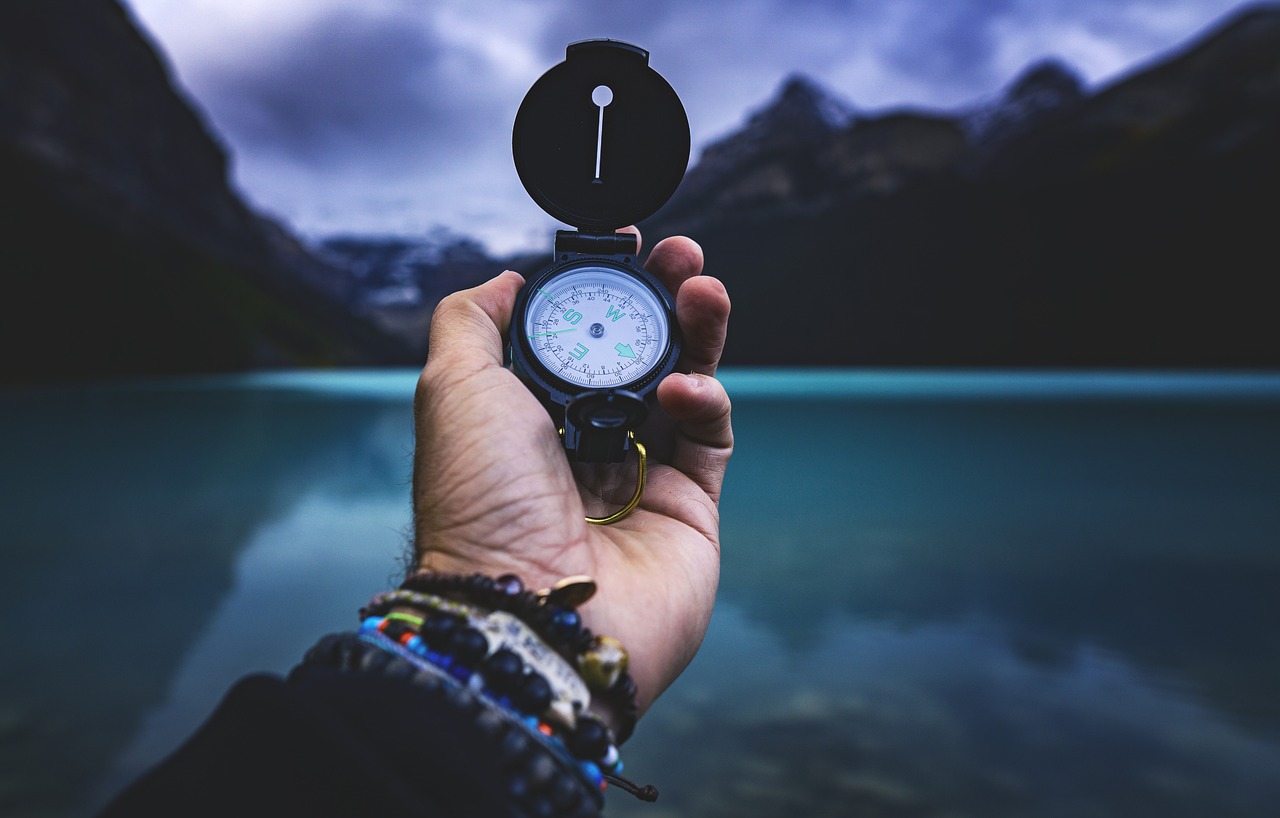
Expanding the Horizon: 2026 Arctic Destination Breakdown
While Alaska offers the rawest trekking, the broader Arctic region is opening up for the 2026 season with more diversity than ever. Whether you want to see the "Wildlife Capital" or witness a celestial event, here is where you should be looking:
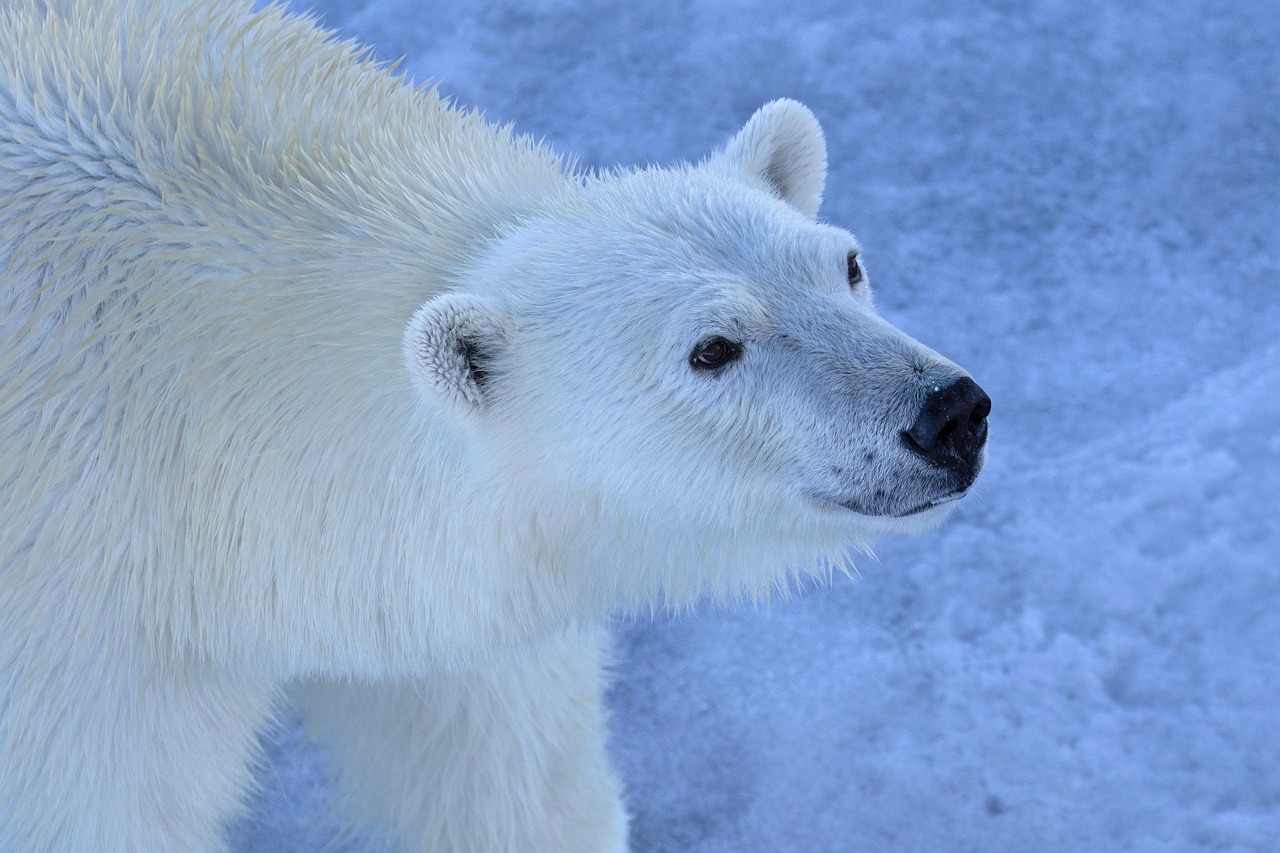
Svalbard, Norway: The Land of the Ice Bear
If your primary goal is wildlife, Svalbard is unbeatable. It’s one of the few places on Earth where polar bears outnumber humans. In 2026, the focus is on "slow travel"—longer expeditions that allow you to sit and watch a glacier calving for hours rather than rushing to the next port.
Greenland: Icebergs and Inuit Tradition
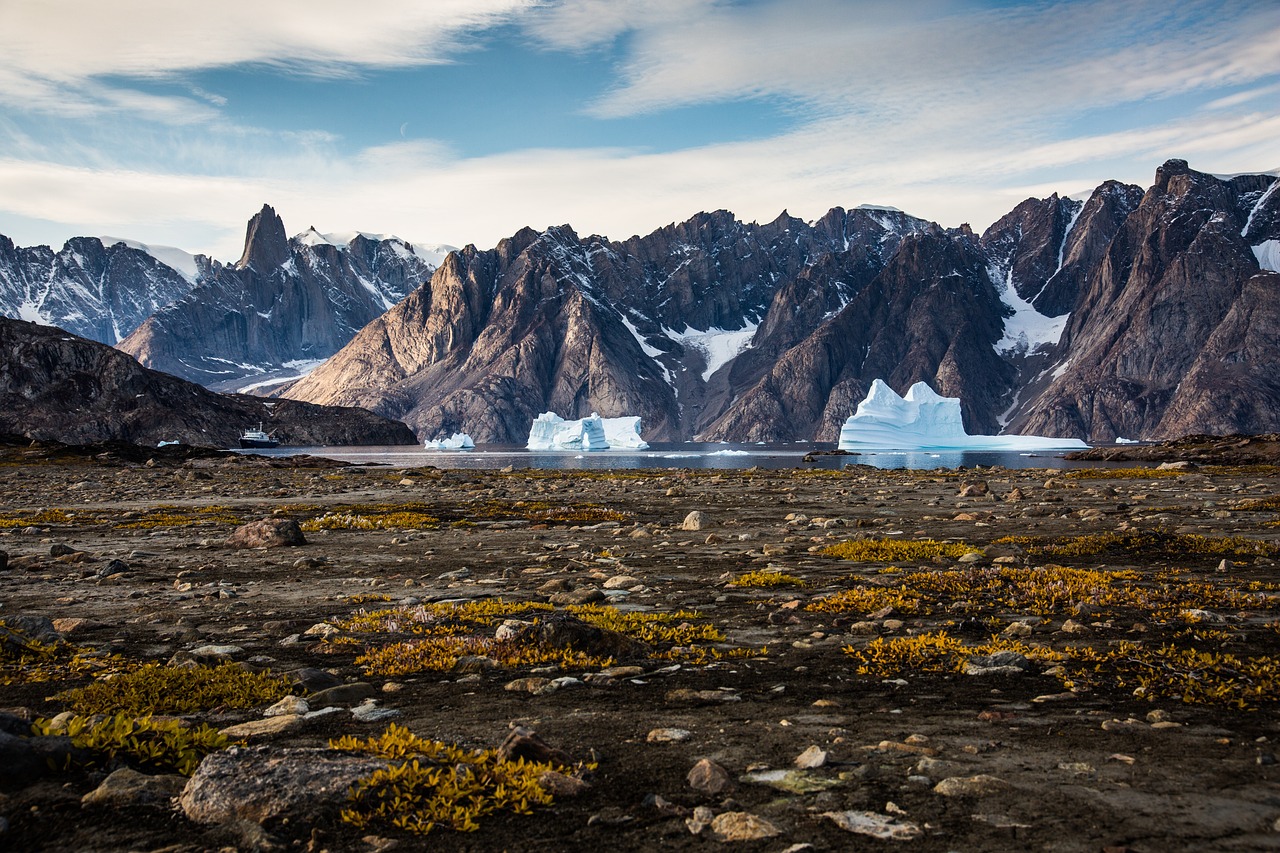
Greenland is for the traveler who wants scale. Everything here is massive. We’re talking icebergs the size of city blocks and fjords that make the Grand Canyon look like a ditch. For 2026, look for expeditions focusing on the East Coast, where the Inuit culture remains deeply tied to the rhythms of the sea ice.
Iceland: Fire, Ice, and the 2026 Eclipse
Iceland is the "gateway drug" to the Arctic. It’s accessible and stunning. However, August 12, 2026, is the date everyone is circling on their calendars. A total solar eclipse will pass directly over the western fjords. If you haven't booked your 2026 Iceland expedition yet, you’re already behind the curve.
Canadian Arctic: The Northwest Passage
Retracing the steps of Franklin and Amundsen, the Canadian Arctic is a labyrinth of islands and history. It’s the best place to spot the "Unicorn of the Sea"—the narwhal—and learn about the resilient communities of Nunavut.
Destination Comparison Table
| Destination | Primary Draw | Difficulty | Best Way to See It |
|---|---|---|---|
| Alaska (Gates of the Arctic) | True Solitude & Trekking | Extreme | Bush Plane / Backpacking |
| Svalbard | Polar Bears & Walruses | Moderate | Expedition Small Ship |
| Greenland | Massive Ice & Inuit Culture | High | Ship-to-Shore Zodiacs |
| Iceland | Volcanoes & Solar Eclipse | Easy-Moderate | Self-Drive or Coastal Ship |
Planning Your 2026 Expedition: Logistics and Costs
If the idea of hauling a 60-pound pack through a swamp in Alaska sounds a bit too "gritty," you aren't out of luck. The rise of luxury expedition cruising has made the Arctic accessible to those who want the adventure without the freeze-dried meals.
Aurora Expeditions is leading the charge for the 2026 season. They feature 42 unique itineraries for the 2026 Arctic season, utilizing purpose-built small ships like the Greg Mortimer or Ocean Explorer. These aren't your grandmother's cruise ships; they feature X-BOW technology for smoother crossings and fleets of Zodiacs for rapid deployment into remote bays.
Arctic expeditions typically range in duration from 8 to 30 days, depending on how deep into the pack ice you want to go. This isn't a budget vacation. Starting costs for luxury small-ship cruises average around 10,000 USD per person, which covers your passage, meals, expert guides (biologists, historians, professional photographers), and often your specialized polar gear.
FAQs: Everything You Need to Know Before You Go
Q: Do I really need a guide for Gates of the Arctic? A: Unless you are an expert in off-trail navigation, grizzly country protocols, and wilderness first aid, yes. There are no trails. If you get lost or injured, a satellite phone is your only hope, and help could be days away depending on the weather.
Q: Is it cold in the summer? A: "Cold" is relative. In June and July, temperatures can hit 70°F (21°C) during the day, but they can plummet to 30°F (-1°C) at night. The wind off the glaciers is what really bites. Always dress in layers.
Q: Can I see the Northern Lights during a summer hiking trip? A: Generally, no. From late May through early August, the Arctic experiences the "Midnight Sun." It never gets dark enough for the Aurora to be visible. If the lights are your priority, target late September or March.
Conclusion: The Arctic Transformation
The Arctic changes you. You go in thinking you're going to see a place, but you end up seeing yourself. When you're miles from the nearest road, stripped of your notifications and your "to-do" lists, you start to remember what it’s like to be a human being in a natural world.
Whether you’re sweating through a climb in the Arrigetch Peaks or watching a polar bear mother lead her cubs across a floe from the deck of an expedition ship, the message is the same: Nature doesn't bend for us. We bend for it. And in that bending, we find a strength we didn't know we had.
If you’re ready to test your grit and witness the most spectacular landscapes on the planet, 2026 is your year. The North is calling. Will you answer?