Quick Facts
- Top Recommendations for 2026: Alberobello (UNESCO charm), Maratea (untouched coastline), and San Gimignano (medieval luxury).
- The Travel Shift: High-end travelers are moving toward "Slow Travel," with 2026 forecasts showing an 18% increase in boutique bookings in Puglia and Sicily.
- Best Time to Visit: May–June and September–October offer the perfect balance of mild weather and exclusive availability.
- Authenticity Metric: Many of Italy’s most beautiful villages, such as Portofino, maintain a permanent population of under 400 residents, ensuring an intimate, crowd-free atmosphere.
There is a specific kind of magic that occurs when you leave the shadow of the Colosseum or the wake of a Venetian gondola. It is the sound of a distant church bell echoing across a valley of vines, the scent of wild oregano crushed underfoot, and the sight of a nonna expertly folding orecchiette on a sun-drenched stone doorstep. For 2026, the discerning traveler is looking beyond the "Big Three" toward the borghi più belli—the most beautiful villages—where time seems to have paused to catch its breath.
Luxury travel forecasts for 2026 reveal a significant shift in how we experience the peninsula. Boutique accommodations in regions like Puglia and Sicily are seeing an 18% increase in early bookings compared to traditional city hubs. Travelers are no longer content with being spectators of history; they want to live within its marrow. This guide explores 20 small Italian towns that offer exactly that: an immersive, sensory-rich journey into the heart of the Dolce Vita.
Coastal Escapes: Azure Waters and Rugged Cliffs
The Italian coastline is a masterpiece of verticality, where pastel houses cling to limestone cliffs and the Tyrrhenian and Adriatic seas provide a constant, shimmering soundtrack.
Maratea, Basilicata
Often whispered about as the "undeveloped Amalfi," Maratea is a sanctuary for those who find Positano too loud. With its 44 churches and the towering Christ the Redeemer statue overlooking the Gulf of Policastro, it feels ethereal. The air here smells of salt and pine.
Local Flavor: Taste the Alici di Maratea—anchovies prepared with local olive oil and chili, a testament to the town's humble maritime roots.
Tropea, Calabria
Perched on a sheer cliff, Tropea is a town of myth and legend, allegedly founded by Hercules himself. The "Coast of the Gods" offers beaches with sand as fine as powdered sugar and water so clear you can see the shadows of tiny fish on the seabed.
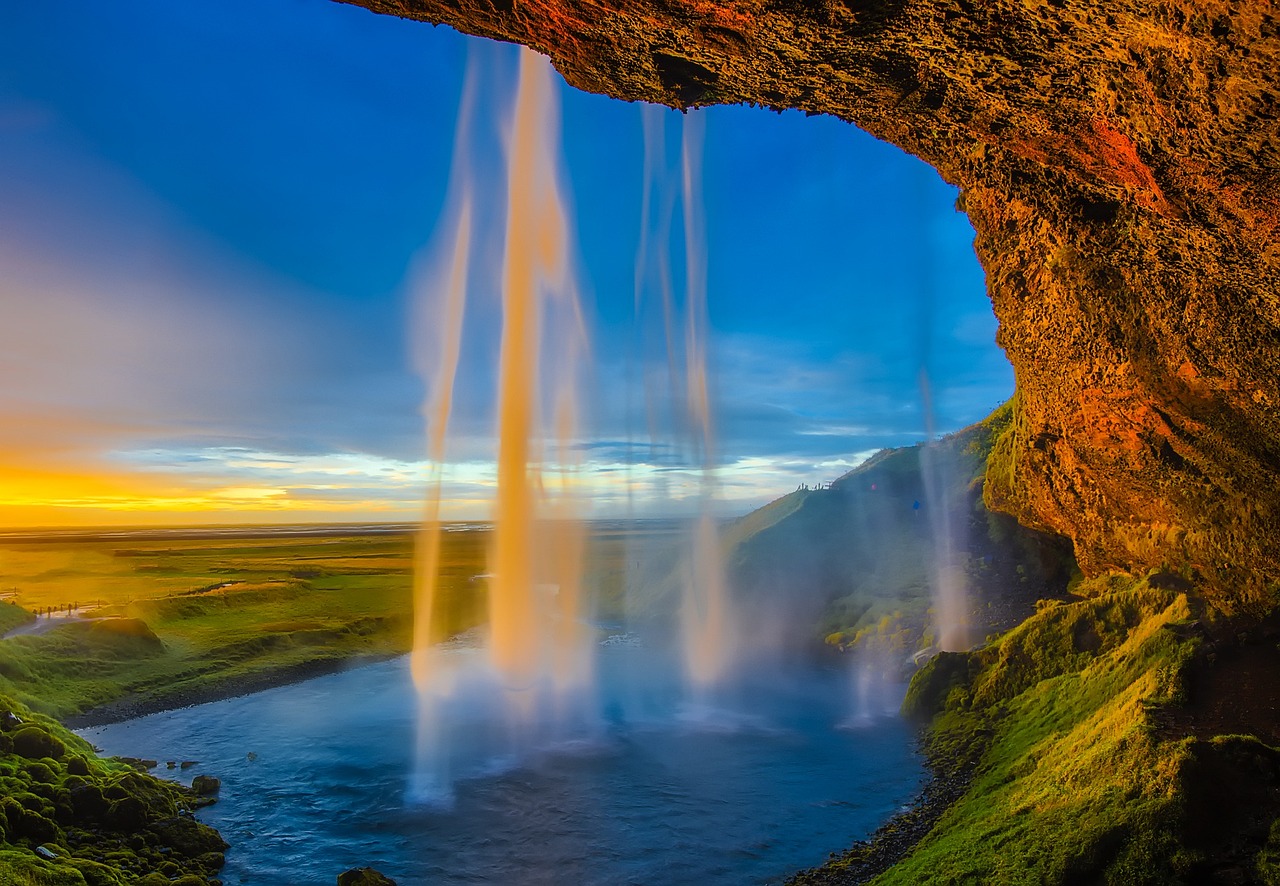
Local Flavor: The Cipolla Rossa di Tropea (red onion) is world-famous for its sweetness. Try it in a marmalade served with aged pecorino.
Sperlonga, Lazio
Halfway between Rome and Naples, Sperlonga is a labyrinth of white-washed alleys that feel more Greek than Italian. It was once the playground of Emperor Tiberius, whose villa ruins still sit by the shore. The town’s aesthetic is clean, bright, and utterly romantic.
Polignano a Mare, Puglia
The "Pearl of the Adriatic" is built into limestone cliffs riddled with sea caves. Standing on the balcony of the Monachile beach, you feel the spray of the turquoise water. It is a town of poetry—literally—with verses painted on doors and staircases throughout the historic center.
Positano & Praiano, Campania
While Positano remains the luxury gold standard, its quieter neighbor, Praiano, offers a more grounded perspective of the Amalfi Coast. This is Steinbeck’s "dream place," where the sunsets turn the Tyrrhenian Sea into liquid gold.
Local Flavor: Sip a Limoncello made from the colossal Sfusato Amalfitano lemons that grow in the terraced gardens above the town.
Vernazza, Liguria
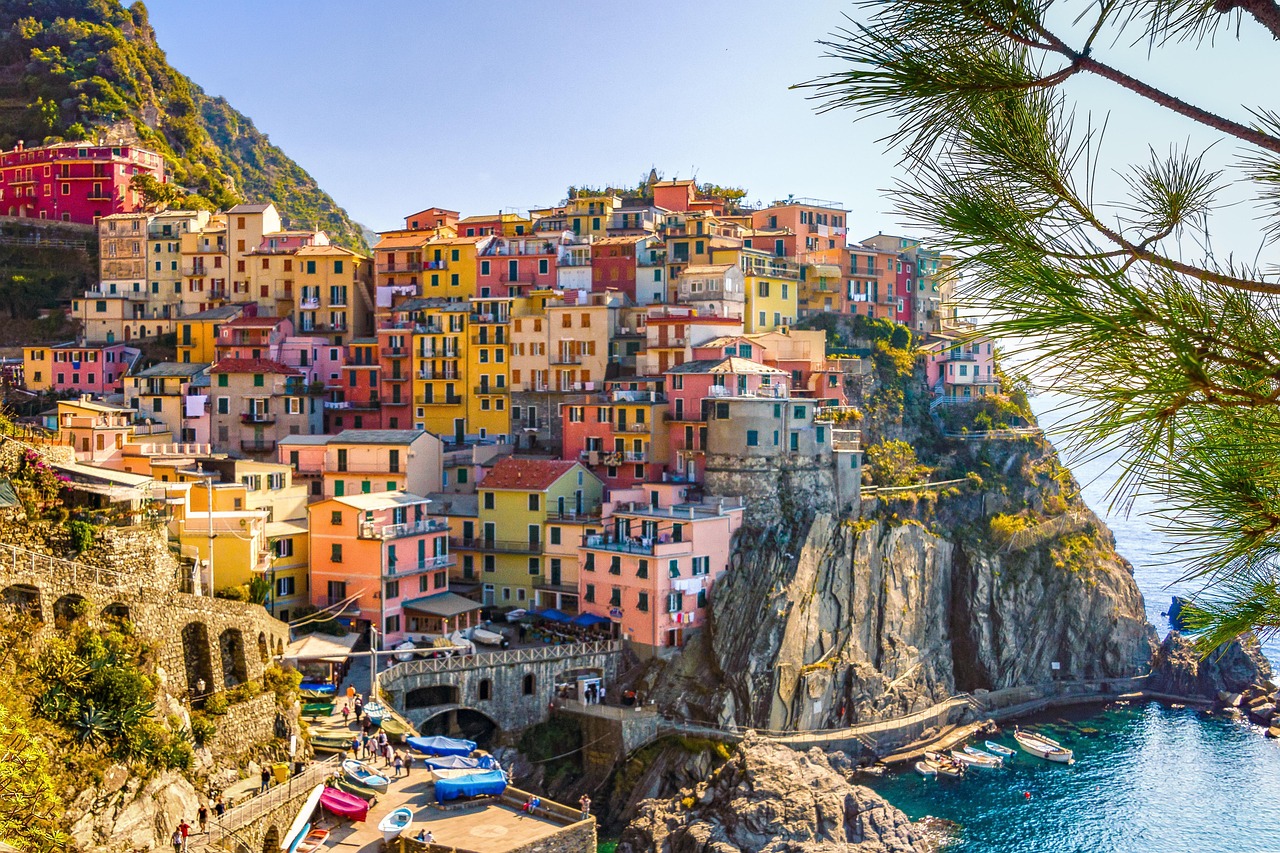
Arguably the steepest and loveliest of the Cinque Terre, Vernazza is a car-free haven. The small harbor is guarded by a medieval castle, and the surrounding vineyards produce some of the most sought-after white wines in the region.
Carloforte, Sardinia
Located on San Pietro Island, Carloforte is a cultural anomaly. Founded by Ligurian sailors, the locals speak a dialect closer to Genoese than Sardinian. It is a place of tuna fishing traditions and rugged, unspoiled coastlines that feel a world away from the glamorous Costa Smeralda.
Hilltop Wonders & Medieval Strongholds
Tuscany, Umbria, and Puglia hold secrets in their high places—towns built of stone and spirit that have survived centuries of change.
San Gimignano, Tuscany
Known as the "Manhattan of the Middle Ages," San Gimignano's skyline is defined by 13 preserved tower houses. Walking here in the early morning, before the day-trippers arrive, is like stepping into a 14th-century fresco.
Local Flavor: Visit the Gelateria Dondoli for a scoop of Vernaccia sorbet, made from the town’s signature white wine.
Alberobello, Puglia
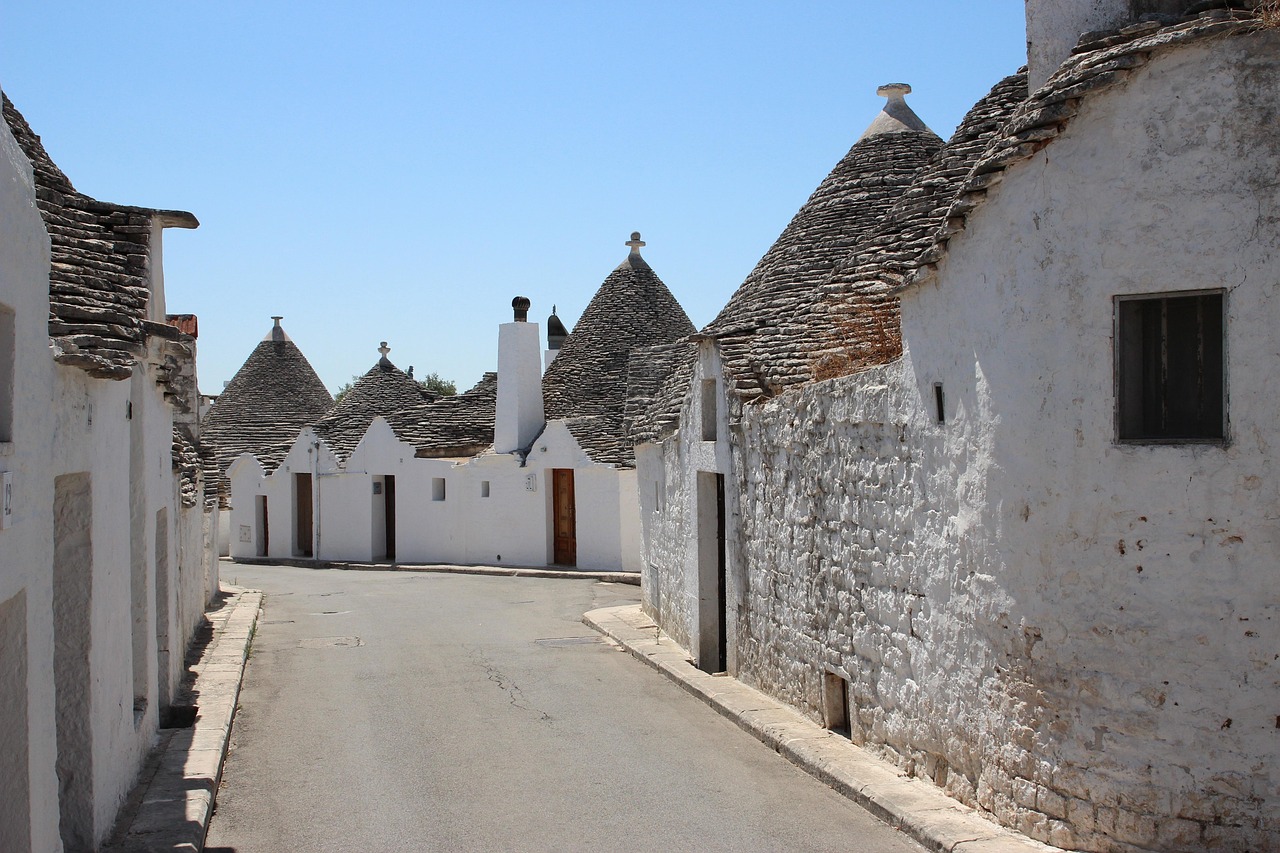
In the heart of the Valle d'Itria, Alberobello is a fairy-tale come to life. Its UNESCO World Heritage trulli—conical-roofed limestone huts—look like something out of a storybook. Staying in a restored trullo offers a unique architectural intimacy found nowhere else on earth.
Castel Gandolfo, Lazio
Overlooking the volcanic Lake Albano, this town has served as the Papal summer residence for centuries. The gardens of the Villa Barberini are a masterclass in Renaissance landscaping, offering a serene escape just an hour from Rome.
Allerona, Umbria
Tucked away in Italy’s "Green Heart," Allerona is surrounded by ancient forests. It is a place for foraging—truffles, wild asparagus, and mushrooms—and for experiencing the slow, rhythmic pace of the olive harvest.
Guardiagrele, Abruzzo
Set against the backdrop of the Maiella mountains, Guardiagrele is famous for its artisanal heritage, particularly its intricate filigree jewelry. The views of the rugged peaks from the town's wrought-iron balconies are breathtaking.
Civita di Bagnoregio, Lazio
Known as "The Dying City" due to the erosion of the volcanic plateau it sits upon, Civita is accessible only via a long, narrow pedestrian bridge. It is hauntingly beautiful, a silent sentinel of stone suspended between earth and sky.
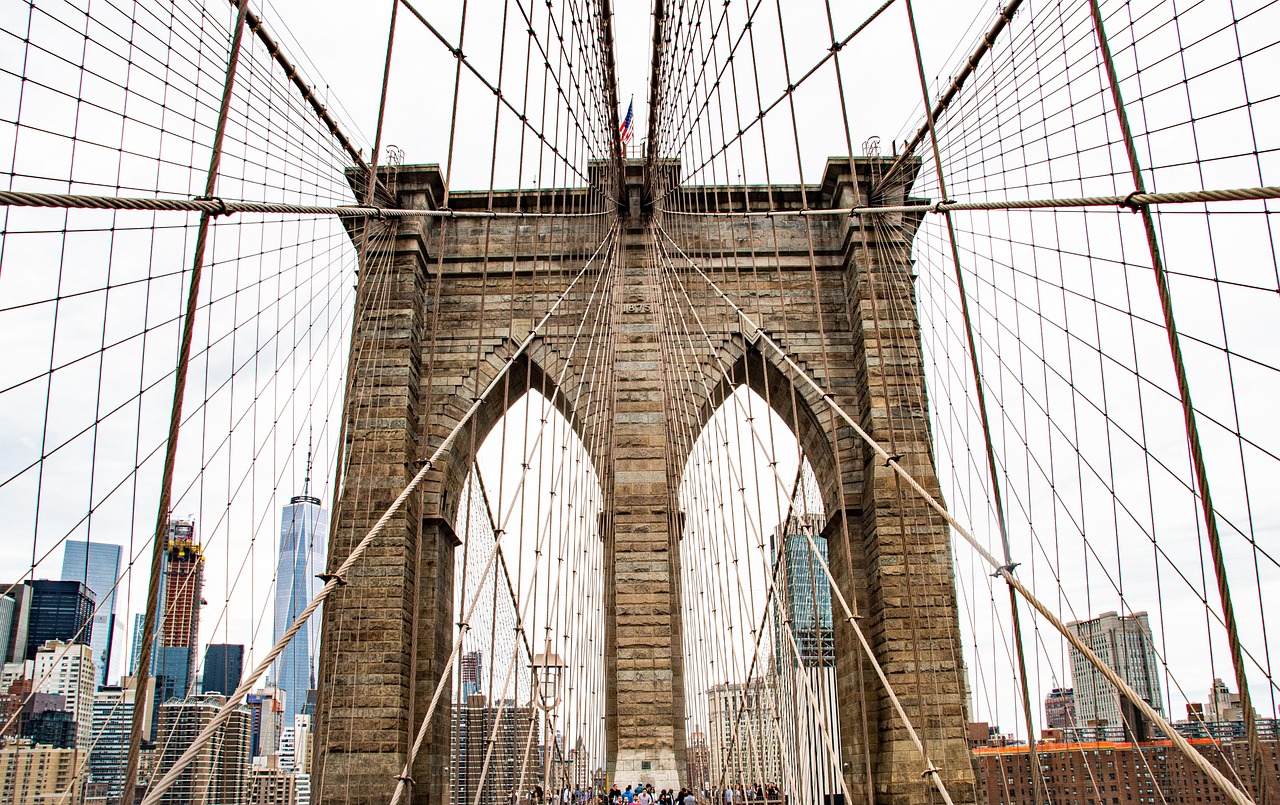
Lakeside Serenity and Mountain Grandeur
The north of Italy offers a different kind of luxury—one defined by the stillness of deep alpine lakes and the jagged peaks of the Dolomites.
Sirmione, Lombardy
Guarding the entrance to Lake Garda, Sirmione is home to the Scaligero Castle and the sprawling ruins of Grotte di Catullo. The thermal waters here have been a source of healing since the days of the Roman poet Catullus.
Monte Isola, Lombardy
Rising from the center of Lake Iseo, Monte Isola is the largest lake island in Europe. Entirely car-free, it is a haven for cyclists and hikers. The 20-minute ferry ride from the mainland feels like a crossing into a more peaceful era.
Cortina d’Ampezzo, Veneto
As the co-host of the 2026 Winter Olympics, Cortina is the pinnacle of Alpine luxury. Beyond the world-class skiing, it offers high-end shopping and "rifugios" (mountain huts) where you can dine on Michelin-starred cuisine while surrounded by 360-degree mountain vistas.
Bressanone (Brixen), South Tyrol
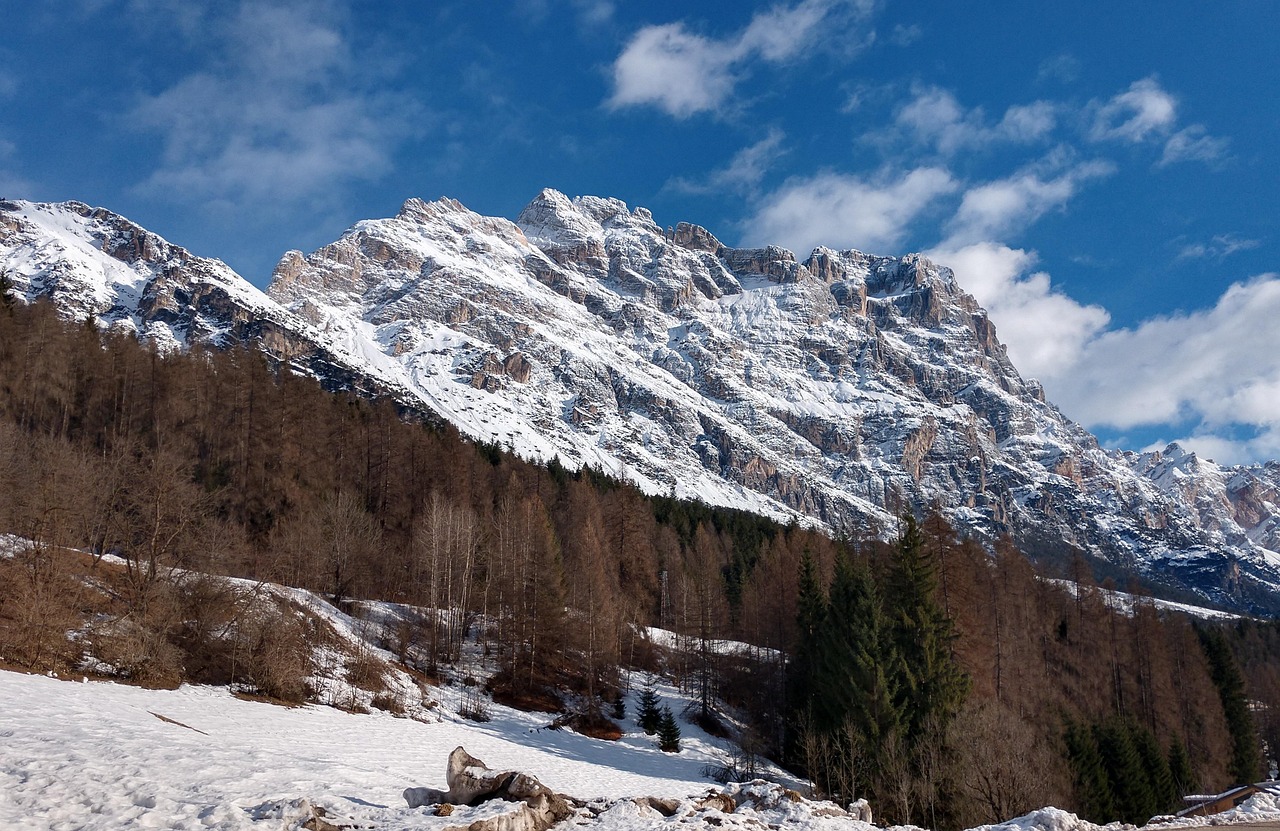
Where Italian flair meets Austrian efficiency, Bressanone is a city of design hotels and eco-friendly mountain vibes. The blend of Baroque architecture and modern sustainable living makes it a must-visit for the conscious 2026 traveler.
The Sicilian & Piedmontese Circuit
In the south and the northwest, the focus shifts to the terroir—the deep connection between the land and the table.
Taormina, Sicily
Perched high above the Ionian Sea, Taormina has enjoyed a renewed surge of popularity as the filming location for The White Lotus. Between the ancient Greek theater and the chic boutiques of Corso Umberto, it remains a timeless symbol of Sicilian glamour.
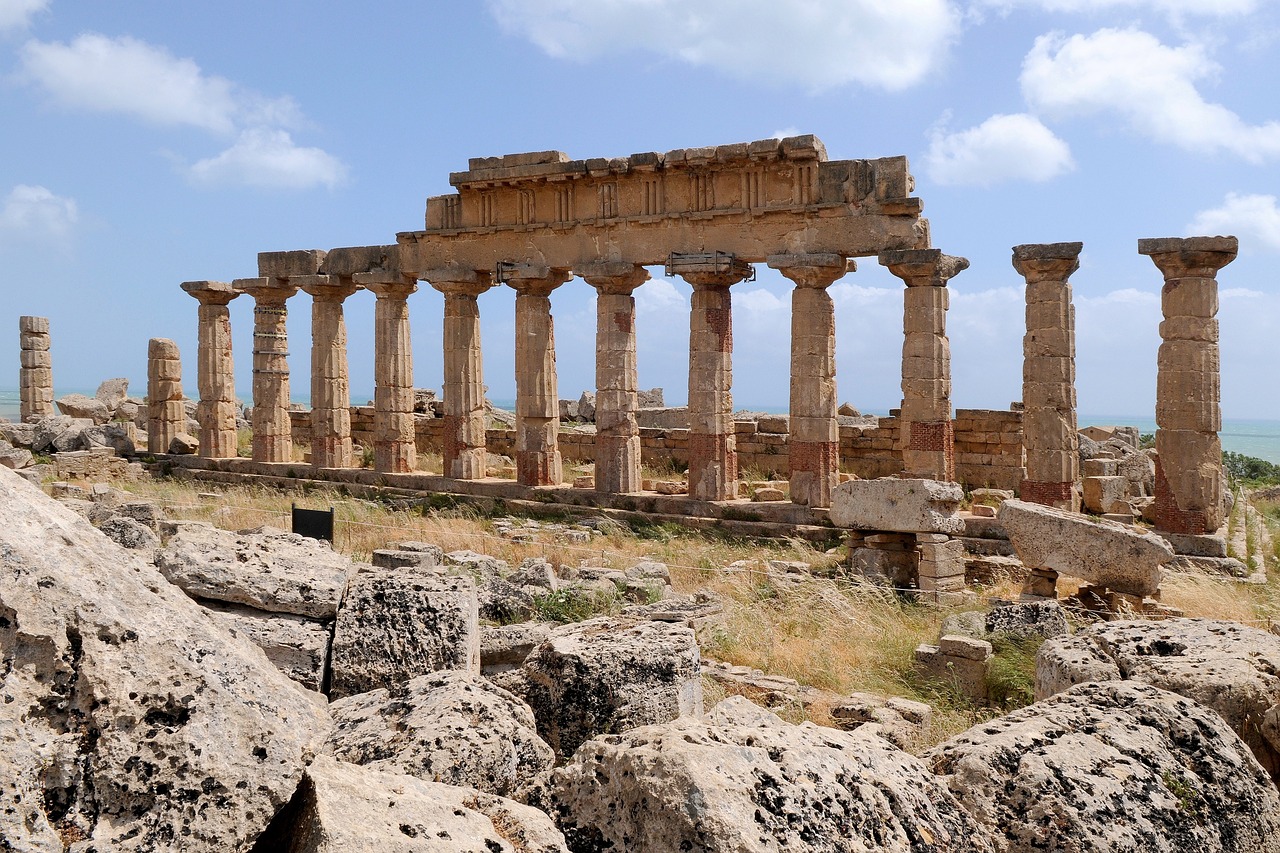
Barolo, Piedmont
For wine connoisseurs, Barolo is a pilgrimage site. Surrounded by 500+ wineries, the town is a celebration of the Nebbiolo grape. Contemporary art installations in the vineyards add a modern layer to this historic landscape.
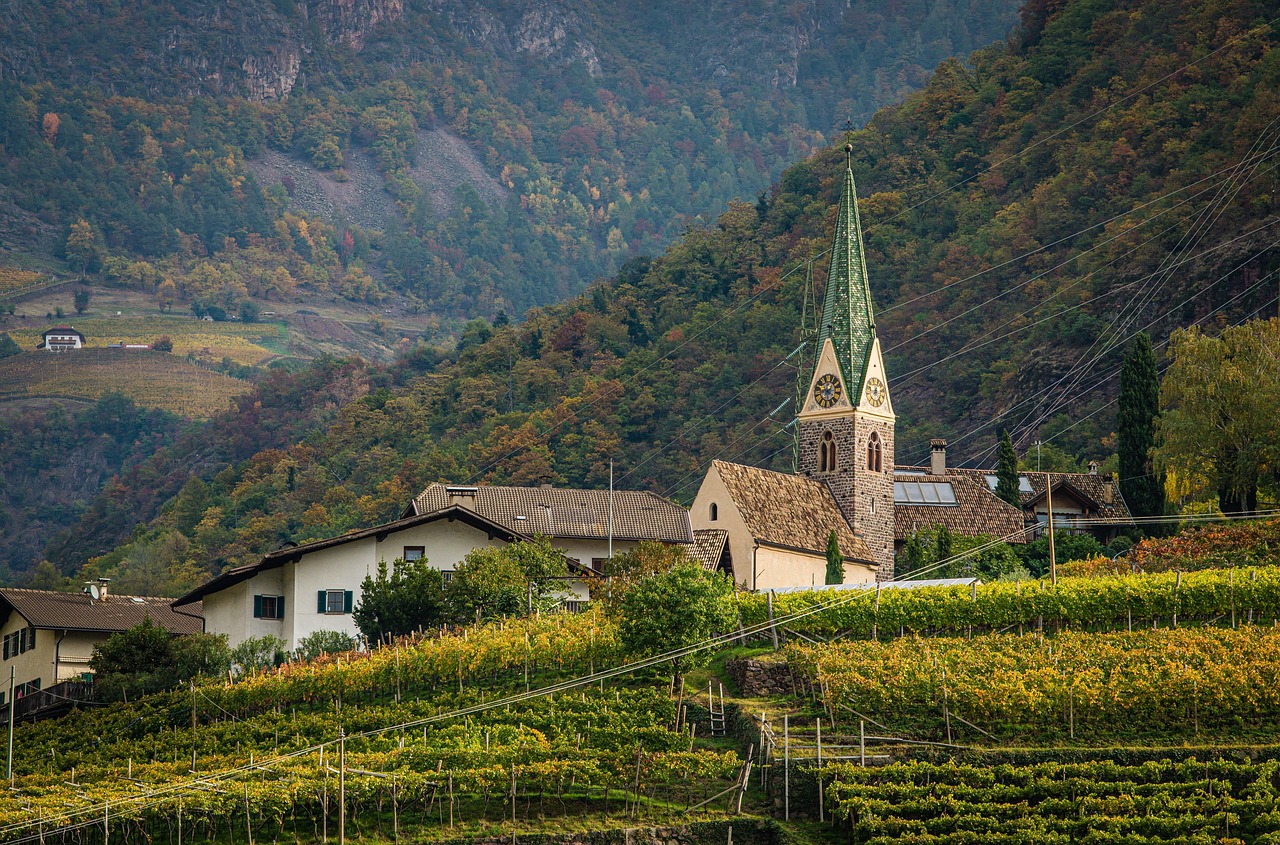
Ragusa Ibla, Sicily
A masterpiece of Sicilian Baroque architecture, Ragusa Ibla is a labyrinthine dream of grey stone and ornate balconies. After the 1693 earthquake, the town was rebuilt with a theatricality that makes every street corner feel like a movie set.
Practical Guide for the 2026 Traveler
Planning a journey through Italy's small towns requires a different approach than a city-hopping tour. Here, the logistics are part of the adventure.
When to Visit The "sweet spot" for almost all these regions remains May through June and September through October. During these months, the weather is mild enough for long lunches alfresco but avoids the sweltering heat and the August ferragosto crowds when many locals head on vacation.
The Intimate Scale One of the most compelling reasons to choose small towns is the intimacy. Portofino, for instance, maintains a permanent population of fewer than 400 residents. This ensures that once the sun sets and the day-trippers depart, the town regains its quiet, local soul. High-end travelers in 2026 are increasingly seeking this "after-hours" authenticity.
Navigating Logistics While Italy's high-speed train network (Frecciarossa) is excellent for connecting major hubs, reaching these hidden gems often requires private transfers or a luxury car rental. For a seamless experience, I recommend a mix:
- High-Speed Rail: Use this to get to the nearest major city (e.g., Bari for Puglia or Catania for Sicily).
- Private Transfer: Pre-book a chauffeur for the final leg to ensure you arrive at your boutique villa without the stress of navigating narrow medieval roads.
Small Town Comparison Table
| Category | Top Choice | Why Visit? | Best Local Delicacy |
|---|---|---|---|
| For Foodies | Barolo, Piedmont | Wine heritage & truffles | Agnolotti del Plin |
| For Beach Lovers | Tropea, Calabria | Crystal clear water | Red Onion Marmalade |
| For History Buffs | San Gimignano | Medieval towers | Vernaccia Wine |
| For Quiet Luxury | Maratea, Basilicata | Undeveloped coast | Marinated Anchovies |
If you are ready to curate your own Italian odyssey, start by looking at the maps less traveled. The beauty of Italy in 2026 lies not in its famous monuments, but in its quietest corners.
Plan Your Slow Travel Itinerary →
FAQ
Q: Is it difficult to get around these small towns without a car? A: While some, like Vernazza and Monte Isola, are car-free and easily accessible by train or ferry, others like the hilltop towns of Abruzzo or the wineries of Piedmont are best explored with a private driver or a rental car to fully enjoy the surrounding countryside.
Q: Are these towns suitable for a luxury stay? A: Absolutely. In fact, many of Italy's most exclusive boutique hotels—converted monasteries, restored trulli, and aristocratic villas—are located in these smaller towns rather than the bustling city centers.
Q: Will I face a language barrier in these smaller villages? A: While English is less common than in Rome or Venice, the hospitality in small-town Italy is legendary. A few basic Italian phrases and a smile will open doors to authentic experiences that most tourists never see.
About Olivia Tanaka: Olivia is a Culture & Food Editor who believes that the best way to understand a country is through its smallest villages and its oldest recipes. She has spent the last decade uncovering the hidden corners of the Mediterranean.