Travel is increasingly becoming a game of margins. As we look toward 2026, the global hospitality landscape continues to shift under the weight of post-inflationary adjustments and a resurging demand for "bucket-list" experiences. For the modern traveler, lodging often represents the single largest line item in a trip budget—sometimes surpassing international airfare. However, data from our 2026 forecast suggests that the difference between an average stay and a high-value excursion isn't necessarily where you go, but when you choose to check in.
The "Cold Shoulder" season—that brief, often overlooked window immediately following the festive rush—remains the most potent weapon for budget management. In major financial and cultural hubs across the Northern Hemisphere, hotel rates in January can drop by 20% to 40% below their yearly averages. This isn't merely a result of colder weather; it is a calculated recalibration by hoteliers to fill rooms during the deepest trough of the annual travel cycle.
Key Insight: What are the cheapest months to book hotels in major cities? For most Northern Hemisphere hubs like London, New York, and Tokyo, January is the definitive cheapest month. Rates typically bottom out during the second and third weeks of the month, offering savings of $60 to $120 per night compared to peak summer or December averages.
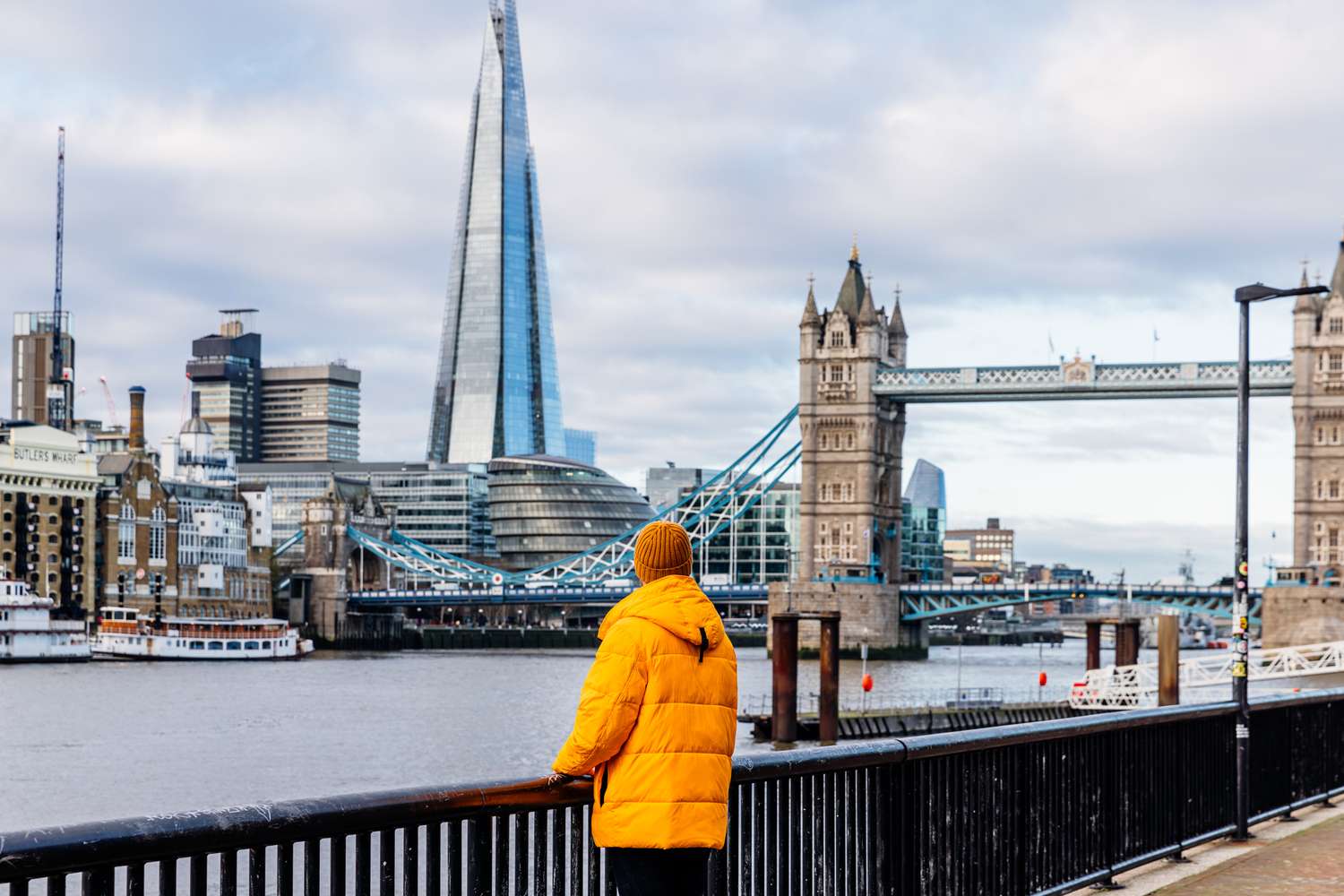
The January Standard: Urban Centers at Their Lowest
In the world’s most iconic cities, the January price dip is a reliable economic constant. In London, for instance, the average nightly rate for a mid-to-upper-tier hotel is projected to sit at approximately $209 in January 2026. Compare this to the yearly average of $300, or the June peak which often exceeds $380, and the logic becomes clear: a one-week stay in January yields nearly $600 in savings.
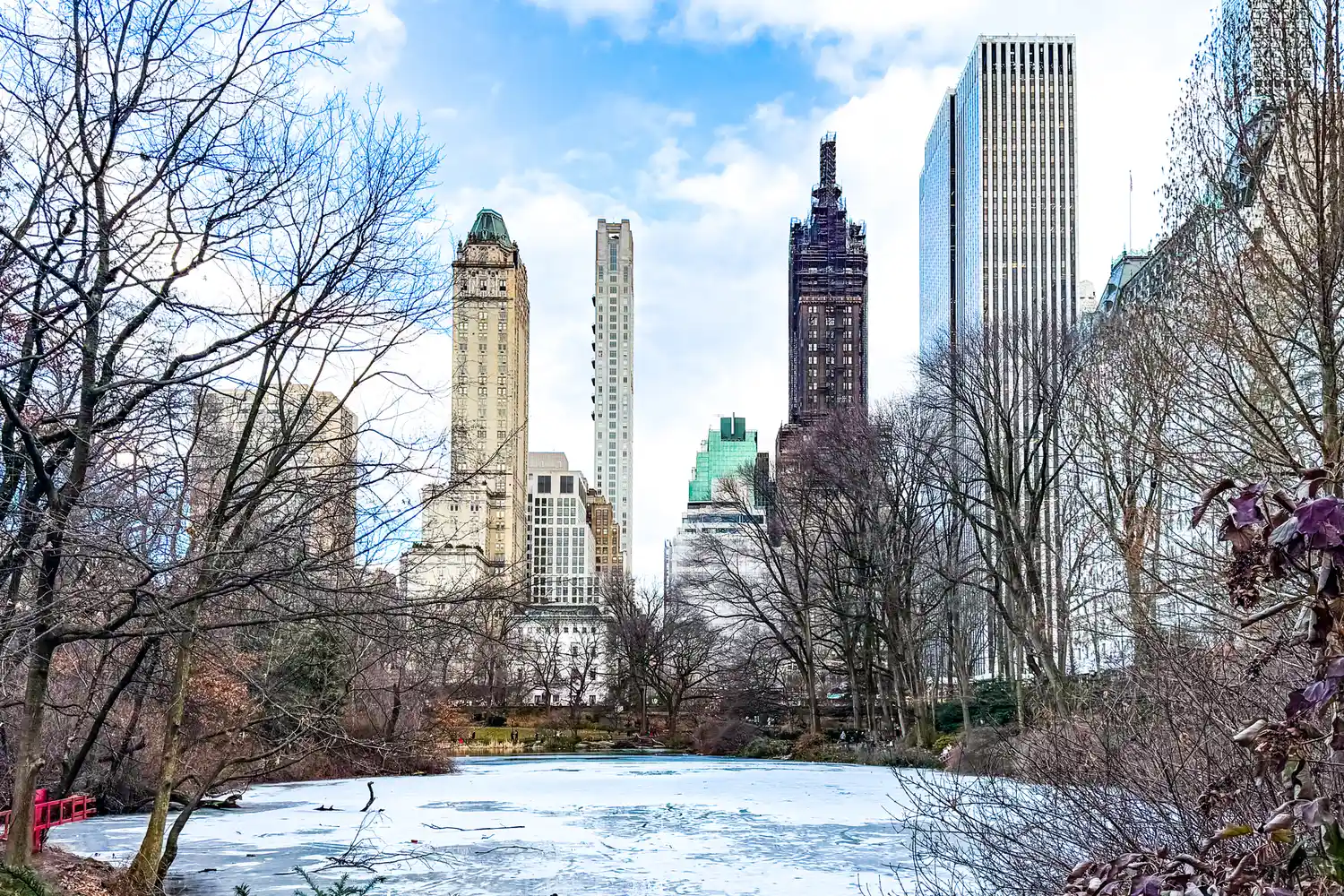
New York City presents a similar, albeit more dramatic, opportunity. While the Big Apple is notoriously expensive, January rates are forecast to drop to an average of $242. This is driven by what analysts call "negative sentiment" impacts—the psychological aversion travelers have to the Northeast winter. However, for those willing to endure a brisk walk through Manhattan, the trade-off is unprecedented access to high-end inventory that is otherwise gated by $400+ price tags.
Tokyo and Istanbul represent the highest potential for value-driven travelers. Tokyo’s hotel market, which has seen significant upward pressure due to a weak yen attracting record tourism, still softens in January with an average rate of $177. This correlates perfectly with airfare trends, where transpacific flights often hit their annual lows of around $845 during the same window.
Istanbul, however, is the "high-saver" champion of 2026. Travelers can find luxury accommodations for an average of $108 per night in January—a staggering 40% reduction from the yearly average of $180. The city's unique position as a bridge between continents means that while the weather is cool, the cultural vibrance remains un-dimmed, making it the most cost-effective urban escape on the map.

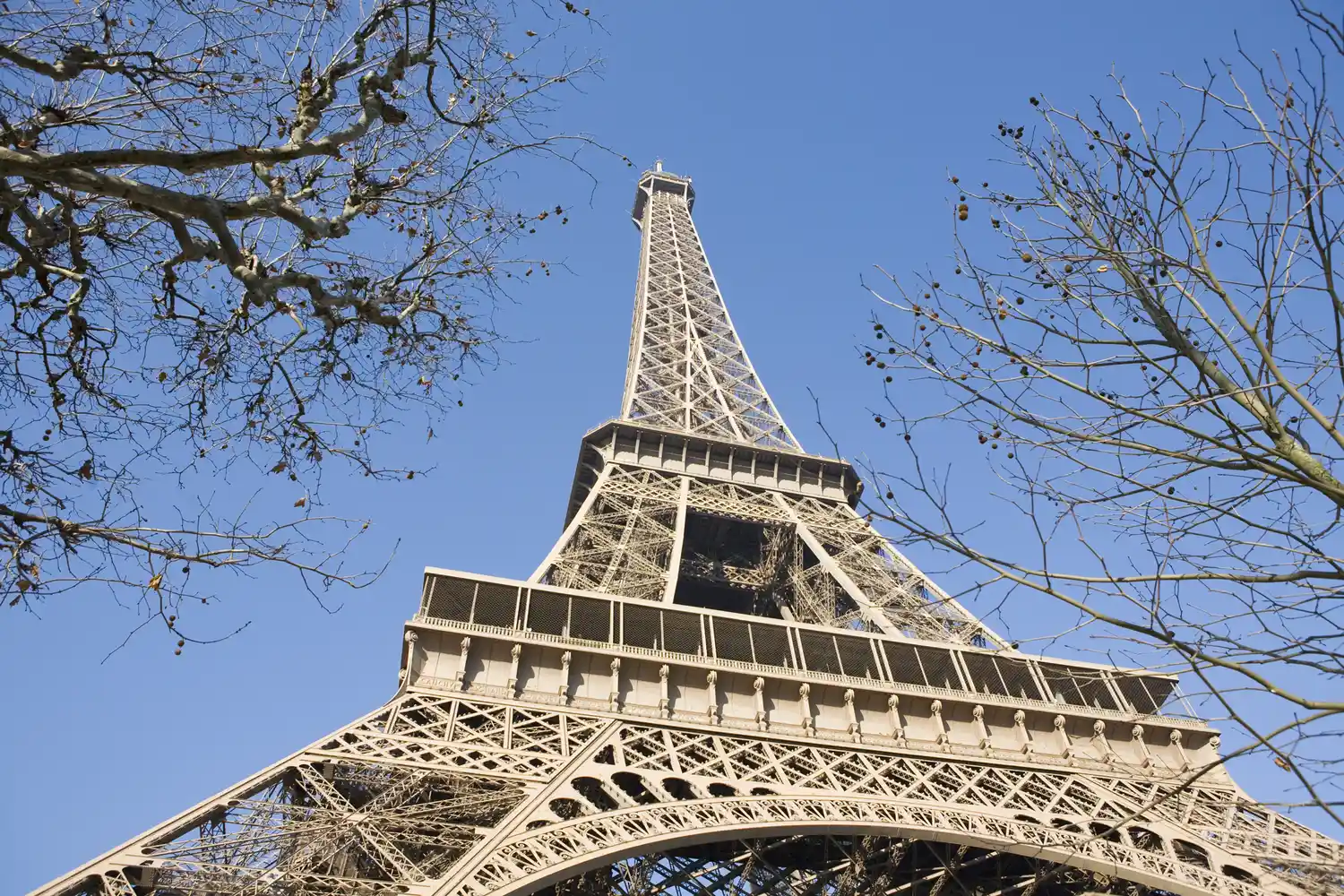
While January is the king of savings, Paris and Rome offer a strategic "sweet spot" in February. While slightly warmer than January, February remains firmly in the off-peak category. In Paris, the lull between Fashion Week and the spring bloom allows savvy travelers to secure four-star boutique stays at a fraction of the cost, usually around 25% below the annual mean.
The Tropical Inversion: Late Summer & Fall Savings
The rules of the "Cold Shoulder" season flip when the destination is defined by its heat. In sun-drenched markets, the cheapest months are governed not by the calendar year's end, but by the mercury's peak and the return of the school year.
Key Insight: When is the best time to find cheap hotel rates in warm destinations? In cities like Las Vegas, Orlando, and Miami, the lowest rates are found between August and October. This "Tropical Inversion" is caused by extreme summer heat and the post-summer travel lull, with prices often dipping 30% below spring break peaks.
Las Vegas sees its deepest discounts in August. With temperatures frequently exceeding 100°F, leisure demand wanes, driving average nightly rates down to approximately $162. For those who prioritize indoor amenities—world-class dining, casinos, and shows—the heat is a negligible factor compared to the $100+ nightly savings found relative to the October convention season.
In Orlando and Miami, the window opens in September and October. This coincides with the peak of the Atlantic hurricane season and the "back-to-school" transition. For Disney World travelers in 2026, the specific "Value Season" dates of January 5–9 and August 16–27 are critical. Disney’s pricing model has become increasingly transparent, utilizing what I call the "Kohl’s Model"—setting high MSRPs only to offer deep, predictable discounts during low-occupancy windows to maintain volume.
2026 Global Forecast: Where Rates are Rising
The 2026 outlook from the Amex GBT Hotel Monitor indicates a generally upward trajectory for hotel prices, driven by stabilized but persistent inflation and increased labor costs. North America is expected to see a 4.0% aggregate increase, while Europe settles at a more modest 2.4%. However, the Asia-Pacific region is the outlier, with a projected 6.4% growth.
- Toronto, Canada (+5.8%): A surge in corporate travel and a limited pipeline of new hotel openings make Toronto one of the most aggressive markets in North America for 2026.
- Bengaluru, India (+6.4%): India’s tech hub continues to see explosive demand, making off-peak booking here a necessity rather than a luxury.
- Mexico City, Mexico (+2.0%): Conversely, Mexico City remains one of the more stable markets, offering excellent value for travelers looking for a metropolitan experience without the volatile price swings of NYC or London.

The luxury tier (five-star and "ultra-luxe" properties) will remain largely insulated from economic moderation. These rates are expected to stay high regardless of the month, as the "Luxury Buck" continues to chase exclusivity over value. For travelers looking to save, the most movement will be seen in the three- and four-star sectors, where price elasticity is highest.
The 2026 'Event Tax' Alert: FIFA World Cup Impacts
The single greatest disruptor to hotel pricing in 2026 will be the FIFA World Cup, hosted across the United States, Canada, and Mexico. During the tournament window (June and July), traditional seasonal trends will be completely overwritten by an "Event Tax."
Strategic Insight: Is it cheaper to fly and stay in January? Yes. There is a near-perfect correlation between airfare and hotel pricing. In 2026, flight savings to cities like Rome and Tokyo can reach over $250 compared to annual averages when booked for January or February travel, compounding the hotel savings for a significant total trip reduction.
2026 World Cup Host City Forecast (June/July)
| City | Estimated Price Surge | Supply Status | Risk Level |
|---|---|---|---|
| Vancouver | +150% | Stagnant | Critical |
| New York (Jersey) | +85% | High | High |
| Guadalajara | +210% | Moderate | Critical |
| Toronto | +90% | Low | High |
| Seattle | +75% | Moderate | Moderate |
| Monterrey | +180% | Low | High |
Vancouver represents a particular warning for 2026 travelers. With an already constrained hotel supply and peak pricing reaching $1,455 per night in some corridors during high-demand periods, it will likely be the most expensive destination in North America during the World Cup. Travelers should avoid these cities during the tournament unless they are attending the matches, as the price-to-value ratio will be at its annual nadir.
Strategic Booking Hacks for 2026
To navigate these trends, travelers must move beyond traditional search engines. The rise of AI in Planning allows for more sophisticated discovery. Generative AI tools can now cross-reference historical weather patterns with real-time rate volatility, but "rate anchoring"—checking the price of a specific hotel multiple times over a month—remains the gold standard for verifying a deal.
We are also seeing the rise of "Coolcationing." As heatwaves become more frequent and severe in Southern Europe and the American Southwest, travelers are seeking out Scandinavia and the Alps during the summer. While this drives prices up in those regions, it creates a secondary "value window" in traditional summer hotspots like Madrid or Seville, where the heat is high but the hotel rates are uncharacteristically low.
Finally, do not underestimate the Social Media Influence. Platforms like TikTok have popularized "Instagrammable" budget stays, which can ironically drive prices up for specific properties. My advice: use social media for inspiration, but use data for the booking. If a hotel is trending on TikTok, you are likely already too late to get the "off-peak" price.
FAQ: Your 2026 Travel Planning
Q: If I can’t travel in January, what is the next best month for savings? A: November (excluding Thanksgiving week in the US) is the "shoulder of the shoulder." It offers similar price drops to January, though with slightly more volatility due to early holiday events.
Q: How far in advance should I book for the 2026 World Cup cities? A: For host cities, the "sweet spot" is 10-12 months out. Once the 6-month window opens, supply typically vanishes, and remaining rooms are priced at "distress" rates for the consumer.
Q: Are "last-minute" deals still a viable strategy for 2026? A: Only in high-inventory markets like Las Vegas or Orlando. In supply-constrained cities like London or Vancouver, last-minute booking is a high-risk strategy that usually results in paying a premium.
The Bottom Line
2026 is a year for the disciplined traveler. By shifting your perspective from the peak of summer to the quietude of January—or braving the August heat in the desert—you can unlock a tier of luxury that remains inaccessible to the masses. The data is clear: the "Cold Shoulder" is your greatest financial asset.