Quick Facts
- Global Leaders: Tel Aviv hosts the highest concentration of Bauhaus buildings (4,000+), while Miami Beach holds the world's largest Art Deco collection (800+).
- The 2026 Milestone: Barcelona's Sagrada Família is slated for completion in 2026, marking the centenary of Antoni Gaudí’s death.
- Brutalist Hub: Skopje, North Macedonia, remains a premier destination for monumental concrete architecture following its post-1963 reconstruction.
- Design Trend: Architecture-led travel is projected to be a primary motivator for high-end tourism in 2026, shifting focus from "sights" to "structural narratives."
Introduction: Why Architecture Defines the Travel Experience
To the discerning traveler, a city is not merely a collection of streets and services; it is a tectonic biography. Architecture is history made physical—the calcification of a society’s ambitions, fears, and aesthetic triumphs. As we look toward 2026, the travel landscape is shifting. Travelers are increasingly seeking "design-led" journeys, moving beyond the superficiality of social-media backdrops toward a deeper understanding of urban form.
From the rigid symmetry of classical stonework to the defiant, unpolished weight of Brutalist concrete, the following twenty cities offer more than just a skyline. They offer a masterclass in human ingenuity. Whether you are drawn to the pastel-hued geometric optimism of Art Deco or the fluid, digital precision of Neo-Futurism, these destinations represent the pinnacle of architectural achievement.
I. The Foundation: Classical and Renaissance Elegance
The journey into architectural appreciation must begin with the foundations of Western proportion. These cities represent the moment when construction transitioned from survival to artistry, emphasizing symmetry, light, and the enduring power of stone.
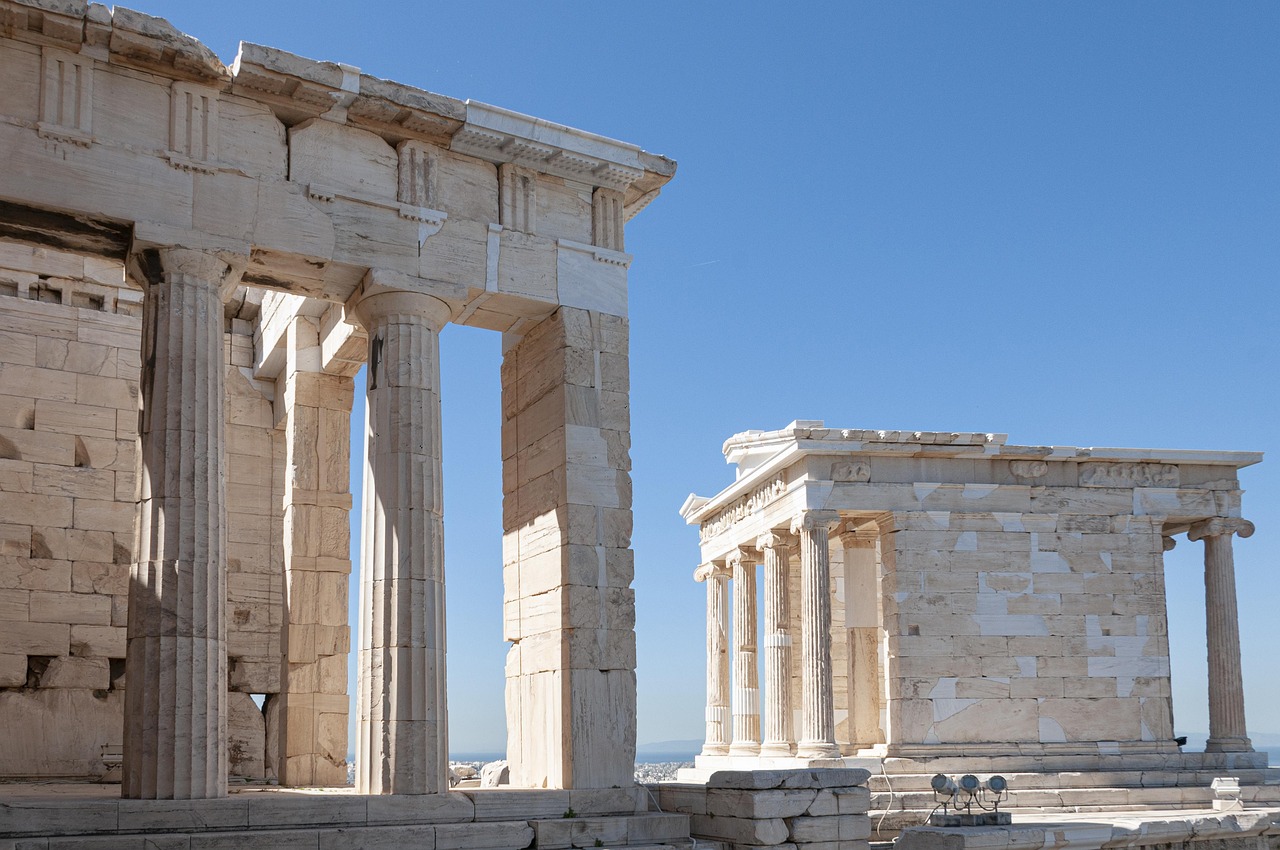
1. Athens, Greece: The Birth of Classical Stonework
Athens serves as the primordial source of Western architectural vocabulary. The city is a living laboratory of the Doric and Ionic orders. The Parthenon (5th Century BC) remains the definitive study in optical refinement, where seemingly straight lines are subtly curved to achieve a perfect visual equilibrium. Beyond the Acropolis, the Temple of Hephaestus offers one of the best-preserved examples of classical Greek proportion.
2. Rome, Italy: The Theatricality of Baroque
Rome is a city of layers, but it is the Baroque period that lends the city its theatrical gravity. Architects like Bernini and Borromini transformed the urban fabric into a stage. The Trevi Fountain and St. Peter’s Square utilize forced perspective and dynamic curves to evoke emotional responses, a stark contrast to the rigid geometry of the earlier Renaissance.
3. Florence, Italy: Symmetrical Renaissance Perfection
If Rome is theater, Florence is mathematics. The city’s Renaissance core is built on the principles of humanism and perspective. Brunelleschi’s Duomo stands as a structural miracle, while the Basilica of Santa Maria Novella showcases the era's obsession with symmetrical façades and the "Golden Ratio."
| City | Primary Style | Period/Movement | Key Material |
|---|---|---|---|
| Athens | Classical | 5th Century BC | Pentelic Marble |
| Rome | Baroque | 17th Century | Travertine & Stucco |
| Florence | Renaissance | 15th Century | Sandstone & Marble |
II. Modernist Movements: Bauhaus, Art Deco, and Prairie Style
The early 20th century saw a radical departure from ornament. As technology advanced, architects sought to reflect the speed, industry, and social changes of the modern age.
4. Miami Beach, Florida: The Pastel Art Deco Capital
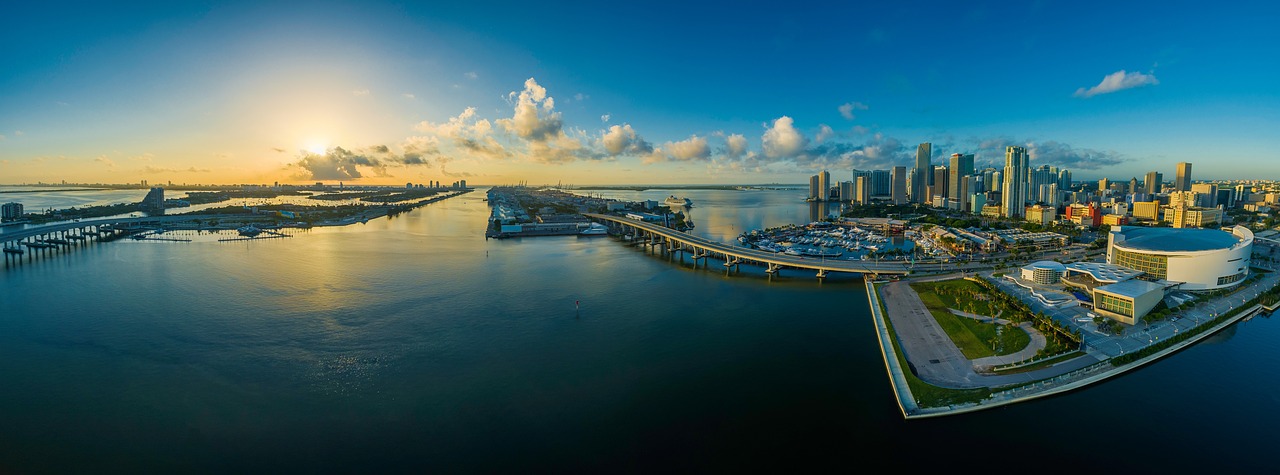
Miami Beach contains the world’s largest collection of Art Deco architecture, specifically within its Art Deco Historic District. This area features over 800 buildings characterized by signature pastel colors, geometric symmetry, and nautical motifs like porthole windows and "eyebrow" window shades. It is a rare instance where architecture was designed to evoke a sense of perpetual vacation and optimism.
5. Tel Aviv, Israel: The White City’s Bauhaus Legacy
Tel Aviv’s ‘White City’ is a UNESCO World Heritage site hosting over 4,000 Bauhaus-style buildings—the highest concentration of the International Style globally. These structures, built in the 1930s and 40s by German-Jewish architects fleeing the Nazi regime, adapted European Modernism to a Mediterranean climate. The buildings are characterized by white plaster, functionalism, and long "ribbon" balconies that allow for ventilation.
6. Mason City, Iowa: Frank Lloyd Wright’s Prairie School
Often overlooked, Mason City holds the world's largest collection of Prairie-style homes in a single setting. The centerpiece is the Park Inn Hotel (1910), the last remaining hotel designed by Frank Lloyd Wright. The architecture here emphasizes horizontal lines, flat roofs with broad overhanging eaves, and an integration with the natural landscape, marking the birth of a uniquely American modernist identity.
7. Budapest, Hungary: The Flourish of Art Nouveau
Budapest’s architecture is a romantic, swirling reaction against industrial rigidity. The Hungarian Secession (Art Nouveau) is best viewed at the Gresham Palace or the Postal Savings Bank. Look for the colorful Zsolnay ceramic tiles and organic, flowing motifs that define the city’s skyline.
Expert Tip: When visiting Tel Aviv, schedule your walking tour for the late afternoon. The "White City" glows most intensely just before sunset, highlighting the subtle shadows of the Bauhaus balconies.
III. The Concrete Revolution: Brutalism and Mid-Century Modernism
Post-WWII architecture was defined by "Béton Brut" (raw concrete). Often misunderstood as cold or harsh, these cities demonstrate the sculptural potential and social ambition of the modernist concrete revolution.
8. Skopje, North Macedonia: The Brutalist Masterpiece
Skopje is a premier destination for Brutalism. Following a devastating 1963 earthquake, the city was reimagined by Japanese architect Kenzō Tange. This led to a reconstruction characterized by monumental concrete landmarks. The Central Post Office, with its lotus-like concrete forms, and the Ss. Cyril and Methodius University Campus are essential viewings for those seeking the "heroic" scale of 20th-century design.
9. Brasília, Brazil: Futurism and Modernist Unity
Planned from scratch in 1956, Brasília is a testament to Oscar Niemeyer’s vision of structural expressionism. The city is laid out in the shape of an airplane (the Plano Piloto). The Cathedral of Brasília, with its sixteen parabolic concrete columns reaching toward the sky, remains one of the most significant modernist religious structures in the world.
10. Chandigarh, India: Le Corbusier’s Grid City
In the foothills of the Himalayas, Le Corbusier realized his dream of a "total" city. Chandigarh’s Capitol Complex, featuring the Palace of Assembly and the High Court, utilizes bold, cantilevered concrete and primary colors to create a sense of civic order and monumental power.
11. London, UK: The Brutalist Southbank Hub
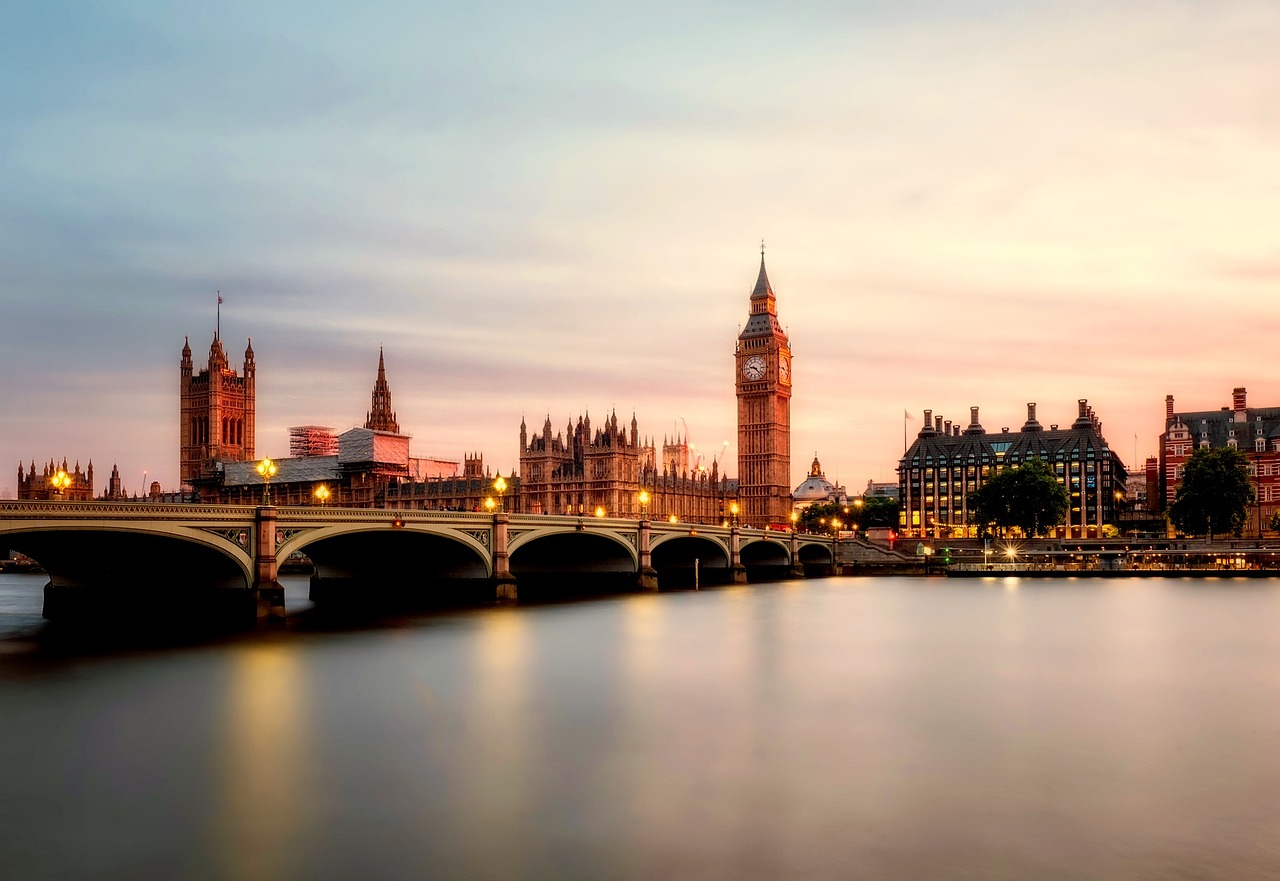
London offers a gritty, sophisticated take on Brutalism. The Barbican Centre—a massive residential and cultural complex—is a "city within a city" featuring textured concrete, elevated walkways, and lake-side views. Nearby, the National Theatre stands as a masterpiece of interlocking geometric volumes.
IV. Regional Vernacular and Colonial Influences
Architecture is often a dialogue between local traditions and external influences. These cities offer a masterclass in how environment and history shape the built world.
12. Kyoto, Japan: The Shoin-zukuri Harmony
Kyoto is the pinnacle of Japanese traditional architecture. The Shoin-zukuri style emphasizes indoor-outdoor synergy, using sliding doors (fusuma) and tatami mats to create flexible spaces. Nijō Castle and the city’s numerous wooden temples demonstrate a profound respect for natural materials and minimalist aesthetic precision.
13. Marrakech, Morocco: The Intimacy of Moorish Riads
Marrakech is an introverted city. While the exteriors of its buildings are often plain red clay, the interiors reveal the intricate beauty of Moorish design. The Medersa Ben Youssef is a prime example, featuring "zellige" tilework, carved cedar wood, and complex stuccos that showcase centuries of artisan mastery.
14. Hanoi, Vietnam: The French Colonial Palette
Hanoi offers a unique architectural synthesis. The "French Quarter" is characterized by yellow-washed façades, wrought iron balconies, and shuttered windows—a Southeast Asian interpretation of Parisian neoclassicism. The Hanoi Opera House remains the crown jewel of this colonial legacy.
| City | Movement | Signature Feature |
|---|---|---|
| Kyoto | Shoin-zukuri | Interlocking Joinery (no nails) |
| Marrakech | Moorish/Islamic | Central Courtyards & Zellige |
| Hanoi | French Colonial | Ochre Walls & Louver Windows |
V. The 2026 Horizon: Future-Facing Design Cities
As we look toward 2026, several cities are reaching critical milestones in their architectural evolution. These are the destinations defining the next century of design.
15. Barcelona, Spain: The Completion of Gaudi’s Vision
Barcelona’s Sagrada Família is projected for completion in 2026, marking the 100th anniversary of Antoni Gaudí’s birth. This will be a historic milestone for Catalan Modernism, finishing a project that began in 1882. The city remains the world's greatest gallery of "organic" architecture, where stone is made to mimic bone, vine, and forest.
16. Baku, Azerbaijan: Zaha Hadid’s Neo-Futurism
Baku has transformed itself into a hub of "Post-Soviet Futurism." The Heydar Aliyev Centre, designed by the late Zaha Hadid, defies traditional geometry. Its continuous, fluid skin blurs the line between the building’s walls and the surrounding plaza, representing a shift toward curvilinear, computer-aided design.
17. Seoul, South Korea: Urban Reinvention and Digital Precision
Seoul is at the forefront of "smart" architecture. The Dongdaemun Design Plaza (DDP) is an aluminum-clad behemoth that looks like a fallen spacecraft. The city’s commitment to urban reinvention is also seen in projects like the Seoullo 7017, a highway turned into a sky garden.
18. Hiroshima, Japan: Modernist Rebirth
In 2026, Hiroshima will host a major international architecture exhibition focusing on sustainable rebirth. Beyond the somber Peace Memorial (A-Bomb Dome), look for Shigeru Ban’s Simose Art Garden Villa, which uses innovative shipping container technology and paper-tube structures to redefine luxury and sustainability.
19. Tashkent, Uzbekistan: Silk Road Soviet Modernism
Tashkent is a hidden gem for architecture critics. After a 1966 earthquake, it was rebuilt as a model Soviet city, blending brutalist scale with Silk Road motifs. The Chorsu Bazaar’s massive blue dome and the Tashkent Metro’s chandelier-lit halls are world-class examples of Soviet Modernism.
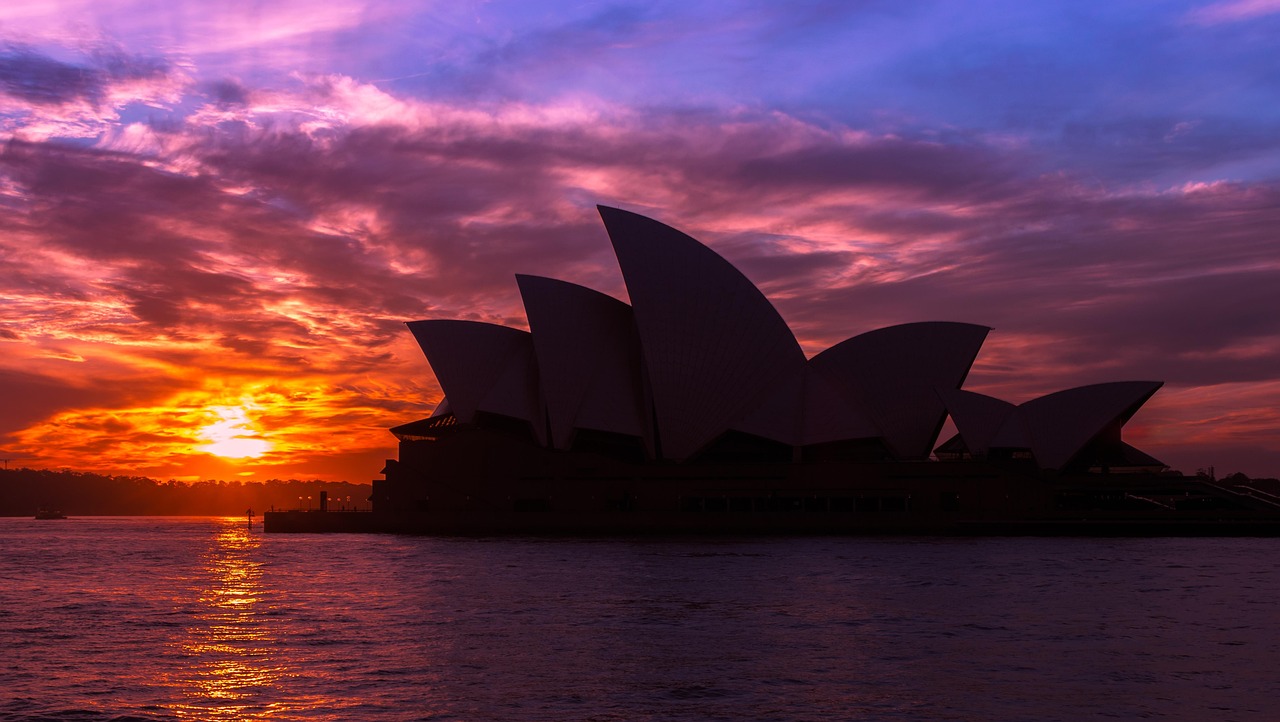
20. Sydney, Australia: Expressionism on the Harbor
The Sydney Opera House remains the most recognizable example of expressionist design. Jørn Utzon’s sail-like shells were decades ahead of their time structurally. In 2026, the building continues to anchor a city that balances bold, harbor-front modernism with cutting-edge sustainable skyscrapers like the Quay Quarter Tower.
Planning Your Architecture Pilgrimage in 2026
To truly appreciate these cities, one must plan beyond the standard tourist trail. Architecture is best experienced when the light is right and the crowds are thin.
- Best Times to Visit: Aim for the "shoulder seasons" (late spring or early autumn) for most European and North American cities to avoid the glare of high summer and the obscuring gray of winter.
- Design-Led Hotels: For a fully immersive experience, stay in buildings that are landmarks themselves. In Miami, the Pelican Hotel offers pure Art Deco kitsch; in London, The Barbican offers short-term rentals in a brutalist icon.
- Walking Tours: Skip the bus. Architecture is about scale and texture, which can only be felt at street level. Look for tours led by local architects or historians rather than general guides.
Explore More Design Destinations →
FAQ
Q: Which city is best for a three-day architectural intensive? A: Barcelona. The density of Gaudí’s works, combined with the Eixample district’s rationalist grid and the recent completion of the Sagrada Família, makes it the most rewarding short-term destination for design lovers.
Q: Is Brutalist architecture "ugly"? A: Beauty is subjective, but "objective" critics value Brutalism for its structural honesty and sculptural ambition. Cities like Skopje or London offer a chance to see concrete used as a fine art medium, rather than just a construction material.
Q: Why is 2026 a significant year for architecture travel? A: Aside from the completion of the Sagrada Família, 2026 marks several anniversaries of the Bauhaus and Modernist movements, leading to a global series of exhibitions and newly opened heritage sites.
James Wright is a Senior Travel Critic who has spent two decades documenting the intersection of urban planning and luxury travel. His work focuses on how the built environment influences the traveler’s psyche. For more in-depth reviews of the world's most significant buildings, subscribe to our monthly architectural newsletter.