Quick Facts
- Environmental Resilience: Following the 2020 'Black Summer' bushfires, which impacted nearly half the island, Kangaroo Island has become a global case study in ecological recovery and sustainable tourism.
- Infrastructure Innovation: The rebuilt Southern Ocean Lodge now operates with a state-of-the-art hybrid solar-battery system and a massive 1.5-million-gallon rainwater harvesting network.
- Citizen Science: The "Passport 2 Recovery" app allows travelers to actively participate in conservation by logging wildlife sightings and environmental data in exchange for local rewards.
- Unique Biodiversity: The island remains a sanctuary for species found nowhere else, including the Kangaroo Island kangaroo and the world’s last pure-bred colony of Ligurian bees.
Introduction: Beyond the Embers of 2020
I remember standing on the rugged limestone cliffs of Kangaroo Island just a few years ago, the air thick with the scent of salt and eucalyptus. Back then, the conversation was dominated by the "Black Summer." The 2020 bushfires were not just a fire; they were a cataclysm that claimed the lives of more than 60,000 koalas and scorched the heart of this "pendant of primordial land." But nature has a way of rewriting its own narrative.
Today, as I walk through the burgeoning scrub of Flinders Chase National Park, the landscape is defined by the "extraordinary seed drop" that follows such heat. Most symbolic of this rebirth is the Yakka tree (Xanthorrhoea). These ancient grass trees require the intense heat of a fire to trigger their flowering. Seeing their tall, green spikes piercing through the charred remains of the old forest is a visceral reminder of resilience. Kangaroo Island isn't just recovering; it is being reimagined through the lens of conservation-minded hospitality.
Moving from the embers of 2020 to the dense bush of today, the island has transitioned from a site of tragedy to a beacon of sustainable travel. It is a place where luxury is no longer defined just by thread counts, but by the ecological footprint left behind.
Sustainable Luxury: The Rebirth of Southern Ocean Lodge
If there is a flagship for this green rebirth, it is undoubtedly Southern Ocean Lodge. When the original lodge was destroyed in the 2020 fires, the owners, Baillie Lodges, faced a choice: rebuild as it was, or rebuild for a different future. They chose the latter.
The "SOL 2.0" is a masterclass in how to practice sustainable hospitality at the highest level. The new structure is a near-replica in terms of its breathtaking aesthetics—the "Great Room" still cantilevers over the bone-colored beaches of Hanson Bay—but beneath the surface, the technology is revolutionary.
The Sustainability Shift: To minimize environmental impact, the lodge implemented a hybrid solar-battery power system that significantly reduces reliance on diesel. Perhaps even more impressive is the new sustainable infrastructure capable of capturing and storing up to 1.5 million gallons of rainwater, which is then converted into potable water for the entire property.
The landscaping around the lodge has also been redesigned with "fire-smart" principles. Using a buffer zone of native, fire-retardant plants, the lodge creates a natural shield while providing a habitat for local birdlife. This integration of fire-smart design and luxury amenities shows that high-end tourism can, and must, coexist with a sensitive environment.
Wildlife Recovery: Observing the Unique Fauna
The question I am asked most often is, "Is the wildlife back?" The answer is a resounding yes, though the experience of seeing them has changed. The thinning of the canopy has made spotting the island’s icons—the Kangaroo Island kangaroo (a shorter, darker subspecies of the Western Grey), the shy Tammar wallabies, and the rare Glossy Black Cockatoos—somewhat easier for the keen-eyed traveler.
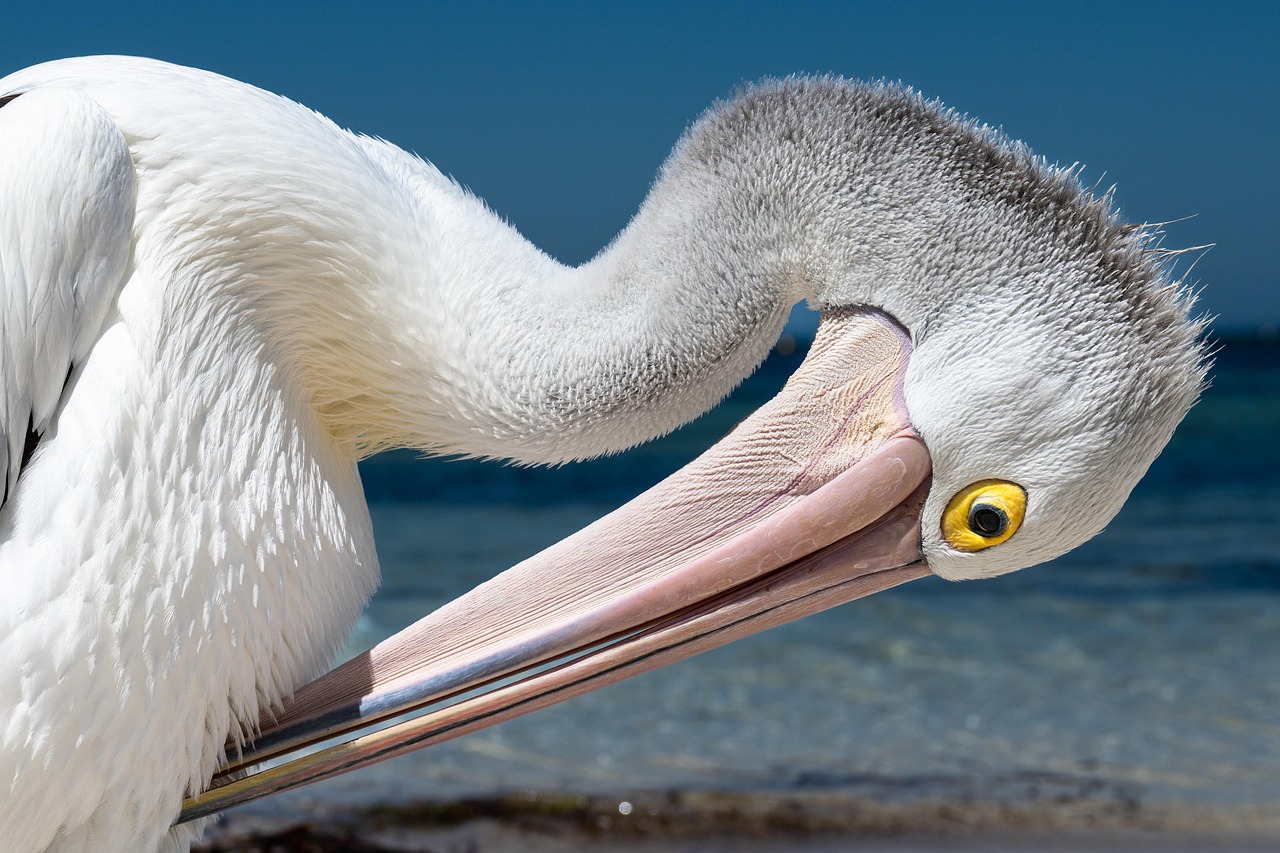
One of the most profound experiences remains Seal Bay Conservation Park. Here, there are no enclosures or glass walls. You walk along the sand as Australian sea lions bask in the sun, nursing their pups or returning from days-long fishing trips in the Southern Ocean. It is an ethical encounter that funds the ongoing protection of this endangered species.
The island’s isolation has also protected its most delicate residents. Kangaroo Island remains home to the only disease-free koala population in Australia and the world's only pure-bred colony of Ligurian bees, brought over from Italy in the 1880s.
A Conscious Traveler’s Wildlife Checklist:
- Kangaroo Island Kangaroos: Best seen at dusk in the open pastures of the island's interior.
- Australian Sea Lions: Join a guided tour at Seal Bay to learn about their unique breeding cycles.
- Glossy Black Cockatoos: Look for them in the casuarina trees near American River; their return is a key indicator of habitat recovery.
- Short-beaked Echidnas: Often found shuffling through the leaf litter in the cooler morning hours.
Impact Travel: The 'Passport 2 Recovery' Program
For the modern conscious traveler, "take only photos, leave only footprints" is no longer enough. We want to contribute. This is where the Passport 2 Recovery initiative comes in. Led by Flinders University, this brilliant citizen science program turns every visitor into an "Island Guardian."
Through a dedicated app, tourists are encouraged to visit specific "eco-stops" and collect data on wildlife sightings, vegetation growth, and even the presence of feral species. This data is invaluable for scientists monitoring the long-term recovery of the island's ecosystems.
As a "thank you" for your contribution, the program rewards you with points that can be redeemed at local businesses across the island. It’s a circular economy of conservation: your data helps the environment, and your rewards support the local community that was hit so hard by the fires. It transforms a standard vacation into a mission of impact travel.

Curating Your Eco-Itinerary: Where to Stay and How to Explore
When planning your escape to Kangaroo Island, choosing the right partners is essential. Many local operators have pursued ECO Destination certification, ensuring that their operations meet the highest standards of environmental and socio-cultural sustainability.
For an immersive wilderness experience, I highly recommend exploring with Kangaroo Island Trails. Their guides are not just drivers; they are passionate naturalists who understand the subtle nuances of post-fire ecology. They can take you to the hidden corners of the island where the bush is at its most vibrant.
Recommended Sustainable Stays:
| Property | Eco-Focus | Vibe |
|---|---|---|
| Oceanview Eco Villas | 100% off-grid, solar-powered luxury. | Intimate, clifftop elegance. |
| Cape Cassini Retreat | Wildlife conservation and low-impact living. | Rugged, authentic wilderness. |
| Wander Pods | Minimalist footprint, off-grid architecture. | Modern, immersive, and "slow." |
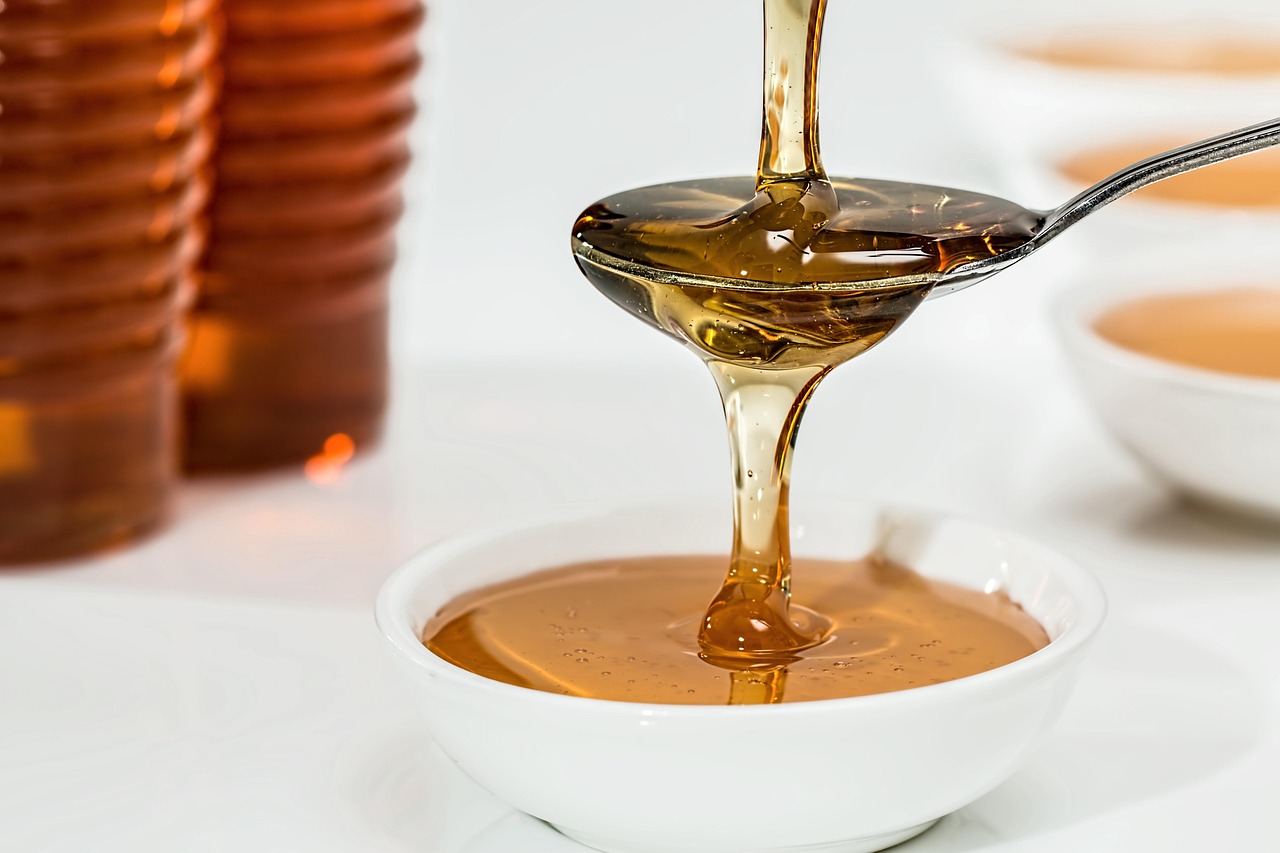
Supporting the island's "farm-gate" experiences is another way to travel sustainably. Visit the local honey producers to taste the delicate Ligurian honey, or stop by the many cellar doors like Islander Estate Vineyards, which have worked tirelessly to restore their vines following the fires.
FAQ
Q: Is Kangaroo Island still worth visiting after the fires?
A: Absolutely. While the landscape has changed, the "green rebirth" is a fascinating biological event to witness. The infrastructure is better than ever, and your visit directly supports the economic and environmental recovery of the region.
Q: How do I participate in the Passport 2 Recovery program?
A: Simply download the "Passport 2 Recovery" app before you arrive. It provides a map of citizen science locations and instructions on how to upload your observations.
Q: What is the best time of year for wildlife spotting?
A: While wildlife is visible year-round, the winter and spring months (June to November) are particularly special. You’ll see joey kangaroos and wallabies emerging from pouches, and the wildflowers are in spectacular bloom.
Plan Your Sustainable Escape
Kangaroo Island is a testament to the fact that tourism can be a force for good. By choosing conservation-minded hospitality, participating in citizen science, and respecting the delicate balance of this unique ecosystem, we don't just witness the island's recovery—we become a part of it.
Whether you are watching the sunset from a solar-powered villa or logging a cockatoo sighting on your phone, you are contributing to a future where travel and nature thrive together.