Quick Facts
- Definition: Car camping turns your vehicle into a mobile hub for sleeping and gear storage, allowing for more luxury and less physical strain than traditional backpacking.
- Where to Stay: It is legal across the US. Free "dispersed" camping is found on BLM and National Forest lands, while National and State Parks require paid reservations.
- Growth Trends: The 2024 KOA Camping and Outdoor Hospitality Report highlighted that 3.7 million car camping nights are now spent annually, reflecting a massive shift toward mobile adventure.
- Safety Essentials: Never head out without a well-stocked first-aid kit, a portable fire extinguisher, physical maps for dead zones, and wildlife-proof food storage like bear kegs.
Introduction: The New Era of the Mobile Basecamp
I’ve spent the better part of a decade waking up in places that most people only see on postcards. From the jagged peaks of the Tetons to the silent, red-rock cathedrals of Utah, my "office" has often been the tailgate of an SUV. In the early days, car camping was seen as a "stepping stone" to real wilderness. But in 2026, it has evolved into a discipline of its own—a sophisticated way to marry the rugged freedom of the outdoors with the comforts of home.
Car camping is essentially the art of using your vehicle as a versatile hub. Unlike backpacking, where every gram of weight is a debt paid in sweat, car camping allows you to bring the cast-iron skillet, the thick memory foam mattress, and the heavy-duty cooler. It’s about accessibility. According to the 2024 KOA Camping and Outdoor Hospitality Report, the outdoor community anticipated over 3.7 million car camping nights in a single year. That’s not just a trend; it’s a movement of people realizing they don’t need a $100,000 RV to experience a million-star hotel.
Choosing Your Adventure Vessel
You don’t need a customized 4x4 rig to start, but your choice of vehicle dictates your lifestyle on the road. Whether you're reclaiming a minivan for "stealth" camping in coastal towns or rigging a pickup for the backcountry, understanding your vessel's strengths is key.
The biggest game-changer I’ve seen recently is the modular revolution. Expert testing shows that modern modular camper conversion kits can now transform a standard SUV or minivan into a functional campsite in under 5 minutes without the use of tools or screws. This means your daily driver can become a basecamp on Friday night and be back to carpool duty by Monday morning.
| Vehicle Type | Best For... | Pros | Cons |
|---|---|---|---|
| Minivan | Stealth & Space | Massive interior volume; "invisible" for urban camping. | Lower ground clearance for off-road trails. |
| SUV / Crossover | Versatility | Balanced fuel economy; often features AWD/4WD. | Limited vertical space for interior "living." |
| Pickup Truck | Rugged Terrain | High clearance; separate "dirty" gear storage in the bed. | Harder to access gear from the cab; requires a shell or tent. |
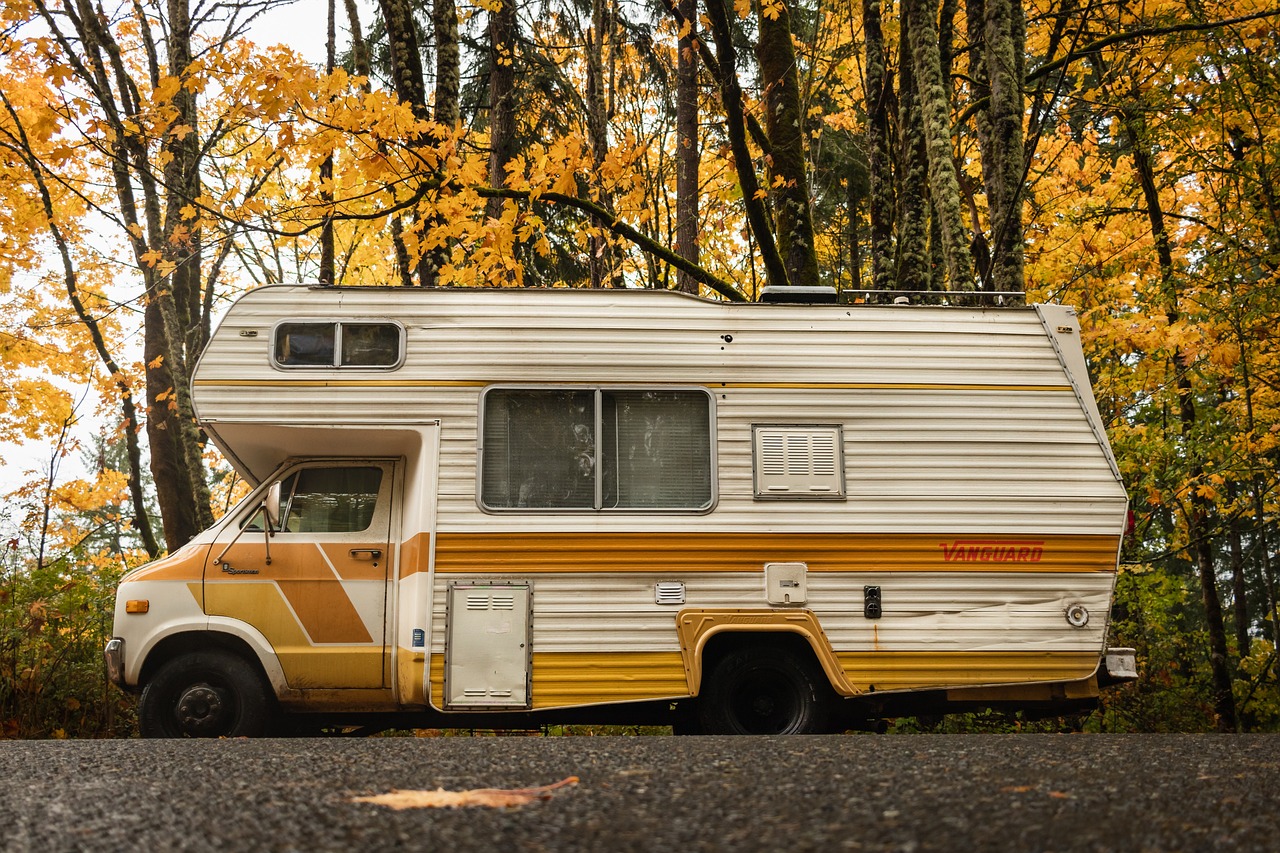
Finding Your Legal Home for the Night
One of the biggest hurdles for beginners is the anxiety of "Where can I actually park?" The answer depends on the experience you want.
Generally, car camping is legal across the United States, but the rules change based on whose land you're on. For those seeking solitude, Bureau of Land Management (BLM) and National Forest lands are your best friend. This is "dispersed camping"—it's usually free, but there are no toilets, water, or trash services. Most of these areas allow you to stay for up to 14 days.
On the other end of the spectrum are National and State Parks. These offer designated sites with fire rings, picnic tables, and often "luxury" amenities like pit toilets or even hot showers. The catch? You need to reserve them months in advance, and they come with a fee.
Marcus’s Pro-Tip: Don't rely on a single source. Download apps like iOverlander, The Dyrt, or Gaia GPS to cross-reference legal spots and check for seasonal road closures.
The Golden Rules of Your Sleeping Setup
If you don’t sleep well, you won’t adventure well. The first rule of car camping is the Level Ground Rule. Even a 2-degree incline will have you sliding off your pad all night. I carry a few pieces of scrap 2x4 wood to shove under tires to level the rig if the ground is uneven.
Inside the vehicle, you need to manage two things: temperature and privacy. Even in summer, temperatures can plummet at high altitudes. I always recommend a high-R-value sleeping pad (R-4 or higher) to insulate you from the cold air underneath the car.
For privacy and condensation control, custom-cut Reflectix or magnetic window covers are essential. They block light so you can sleep past sunrise and keep your interior from becoming a fishbowl for passersby.
The Gourmet Camp Kitchen
The "car" in car camping means you can move beyond freeze-dried bags of sodium. I’ve cooked everything from ribeye steaks to fresh shakshuka on a tailgate. The key is organization. I use a "modular bin" system: one bin for dry food, one for the "pantry" (oils/spices), and one for the hardware (stove/fuel).
Cooler Management 101:
- Pre-chill: Put ice in your cooler 24 hours before you pack it to drop the internal temp.
- The Shelf Hack: Use a wire rack to keep delicate items (eggs, veggies) above the "ice melt" waterline.
- Freeze your water: Use frozen 1-gallon jugs instead of loose cubes. They last longer and provide cold drinking water as they melt.
However, a great kitchen requires great responsibility. Wildlife—from squirrels to grizzly bears—will be attracted to your setup. In many Western states, bear-resistant food storage or bear kegs are mandatory. Never leave food or trash outside overnight, even in a locked cooler. Bears have been known to peel car doors open like sardine cans for a bag of beef jerky.

Hygiene and Safety: The 'Just in Case' Protocol
Staying clean on the road is a matter of morale as much as health. I swear by biodegradable "body wipes" for quick refreshes and a portable 12V pressure shower for rinsing off mud or salt after a hike.
Safety, however, is where you cannot compromise. Because you are often in "dead zones" without cell service, your vehicle needs to be self-sufficient. Every rig should have a dedicated safety bin containing a professional-grade first-aid kit, a 5-lb fire extinguisher, and physical paper maps (the Benchmark Road & Recreation Atlas series is the gold standard).
Also, manage your power. If you’re charging phones, drones, and cameras off your car’s starter battery, you’re going to get stranded. Invest in a portable power station (like a Jackery or EcoFlow) to keep your gadgets running without draining your engine's battery.
The Ultimate 2026 Car Camping Checklist
Use this checklist to ensure you aren't leaving the essentials behind.
| Clothing & Sleep | Tools & Tech | Kitchen & Misc |
|---|---|---|
| Merino wool base layers | Multi-tool (Leatherman style) | Two-burner propane stove |
| Moisture-wicking socks | Rechargeable headlamp | 5-gallon water jerry can |
| Slip-on camp shoes | Portable power bank (1000Wh+) | Biodegradable soap/wipes |
| Memory foam or R-4 pad | Physical topo maps | Collapsible trash bin |
| 20°F rated sleeping bag | Duct tape & Zip ties | Bear-proof storage / Keg |
| Window privacy covers | Small shovel (for digging cat holes) | Hammock & Binoculars |
View Official Safety Guidelines →
Pro Tips for a Seamless Experience
The 'Arrive Before Dark' Rule: I cannot stress this enough. Setting up camp in the dark is a recipe for frustration, lost tent stakes, and choosing a spot that looks flat but turns out to be a drainage ditch. Arriving two hours before sunset allows you to scout the perimeter, level your vehicle, and enjoy the "blue hour" transition into the night with a drink in your hand, not a flashlight in your mouth.
The Nighttime Routine: Before you crawl into your sleeping bag, do a "sweep." Secure all food in the vehicle or bear keg, pack away loose chairs that might blow away in a midnight gust, and ensure your keys are always in the same designated spot (I use a magnetic hook near the ceiling).
FAQ
Is car camping safe for solo travelers? Yes, it can be incredibly safe, often more so than tent camping because you have a locking metal shell around you. The key is situational awareness. If a spot feels "off," trust your gut and move. Always let someone know your GPS coordinates before you lose service.
What are the best states for free dispersed camping? The "Big Three" are Utah, Oregon, and Colorado. These states have massive tracts of BLM and National Forest land. However, Nevada and Arizona are phenomenal in the winter months when the mountains are snowed in.
How do I manage power and charging on long trips? Don't rely on your car's battery. Use a dedicated portable power station. You can charge these via a 12V port while you drive or by using foldable solar blankets when you’re stationary. This ensures your "house" power and "engine" power stay separate.
Conclusion: Start Small, Explore Far
The beauty of car camping is that the barrier to entry is as low as your driveway. You don't need to fly to Patagonia to find adventure; you just need to pack your SUV and head two hours past the city lights.
My final piece of advice? Conduct an "Overnight Test." Pack your rig and spend one night in your driveway or at a local state park just 30 minutes away. You’ll quickly realize what gear you actually use and what’s just taking up space. Once you’ve dialed in your kit, the map is yours. I’ll see you out there on the fire roads.