Quick Facts
- Permit Season: Late May through mid-October.
- Permit Cost: $2 non-refundable reservation fee (plus park entrance fee).
- Highest Point: 14,259 feet (Longs Peak summit).
- Trail Network: Over 350 miles of diverse terrain.
- Drive Time: Roughly 1.5 hours from Denver International Airport.
The Crown Jewel of the Rockies
There is a specific kind of silence you only find above 11,000 feet. It’s a thin, crystalline quiet, broken only by the whistle of a yellow-bellied marmot or the distant rush of a meltwater stream. This is Rocky Mountain National Park (RMNP)—415 square miles of some of the most rugged, accessible, and breathtaking alpine tundra in the lower 48. Whether you’re here to bag your first "14er" or simply want to cruise the highest continuous paved road in the United States, this park demands respect and a bit of a "game plan."
In my years of leading expeditions and scouting trails, I’ve learned that RMNP is a park of two halves: the accessible, lush valley floors and the uncompromising, wind-swept peaks. But before you can lace up your boots, you have to navigate the modern reality of national park travel—the permit system.
To enter Rocky Mountain National Park between late May and mid-October, you must secure a timed-entry permit via Recreation.gov. There are two distinct options: the "Timed Entry" permit for general park access and the "Timed Entry Plus" permit, which is required specifically for the hyper-popular Bear Lake Road corridor. If you don't have these, your high-altitude dreams might end at the ranger station.
Master the Permit System: 2025-2026 Rules
Don’t let the bureaucracy dampen your spirit; the permit system is actually a blessing in disguise, preventing the trails from turning into a suburban mall crawl. Understanding which one you need is the difference between seeing the iconic Dream Lake and being turned away at the gate.
| Permit Type | Coverage | Required Hours | Best For |
|---|---|---|---|
| Timed Entry Plus | Entire Park + Bear Lake Road | 5 AM – 6 PM | Famous alpine lakes (Nymph, Dream, Emerald), Sky Pond, and Alberta Falls. |
| Timed Entry | Entire Park (Excludes Bear Lake Road) | 9 AM – 2 PM | Trail Ridge Road, Old Fall River Road, and the quieter West Side (Grand Lake). |
Pro-Tip: The "Early Bird" Loophole If you strike out on permits, remember this: the permit requirements only apply during specific hours. If you enter the Bear Lake corridor before 5 AM or the rest of the park before 9 AM, you don't need a reservation. For a guy like me, being on the trail by 4:30 AM isn't a chore—it’s the best way to see the sunrise hit the peaks.
The release schedule is strict. Reservations open at 8 AM MT on the first of the month for the following month (e.g., June permits open May 1st). If you miss the window, 40% of permits are held for "next-day" release at 7 PM MT via Recreation.gov. Be on your phone at 6:59 PM; they go in seconds.
When to Visit: From Wildflowers to Golden Aspens
Timing your trip to RMNP is all about what kind of "suffering" you enjoy—the thin air of summer or the biting wind of winter.
July to September is the undisputed "Golden Window." This is the only time you’re virtually guaranteed snow-free hiking on high-altitude trails and the full opening of Trail Ridge Road. In July, the wildflowers in the alpine tundra are neon-bright and resilient.
September, however, is my personal favorite. The air turns crisp, the mosquitoes vanish, and the golden aspen leaves begin to quiver against the granite backdrops. This is also the season of the elk rut. You’ll hear the haunting, prehistoric bugles of bull elk echoing through Moraine Park as they compete for harems. It’s one of the greatest wildlife spectacles in North America.
From mid-October to May, the park transforms into a winter wonderland. While the through-road (Trail Ridge) closes due to massive snowdrifts, the lower elevations become a playground for snowshoeing and cross-country skiing. Just be prepared for "closed" signs on most high-alpine routes.
Getting There & Getting Around
The park has two primary gateways, and your choice determines your experience.
- Estes Park (East Entrance): This is the "action" side. It’s closer to Denver (1.5 hours) and provides the easiest access to the high peaks and Bear Lake. It’s vibrant, crowded, and home to the legendary Stanley Hotel.
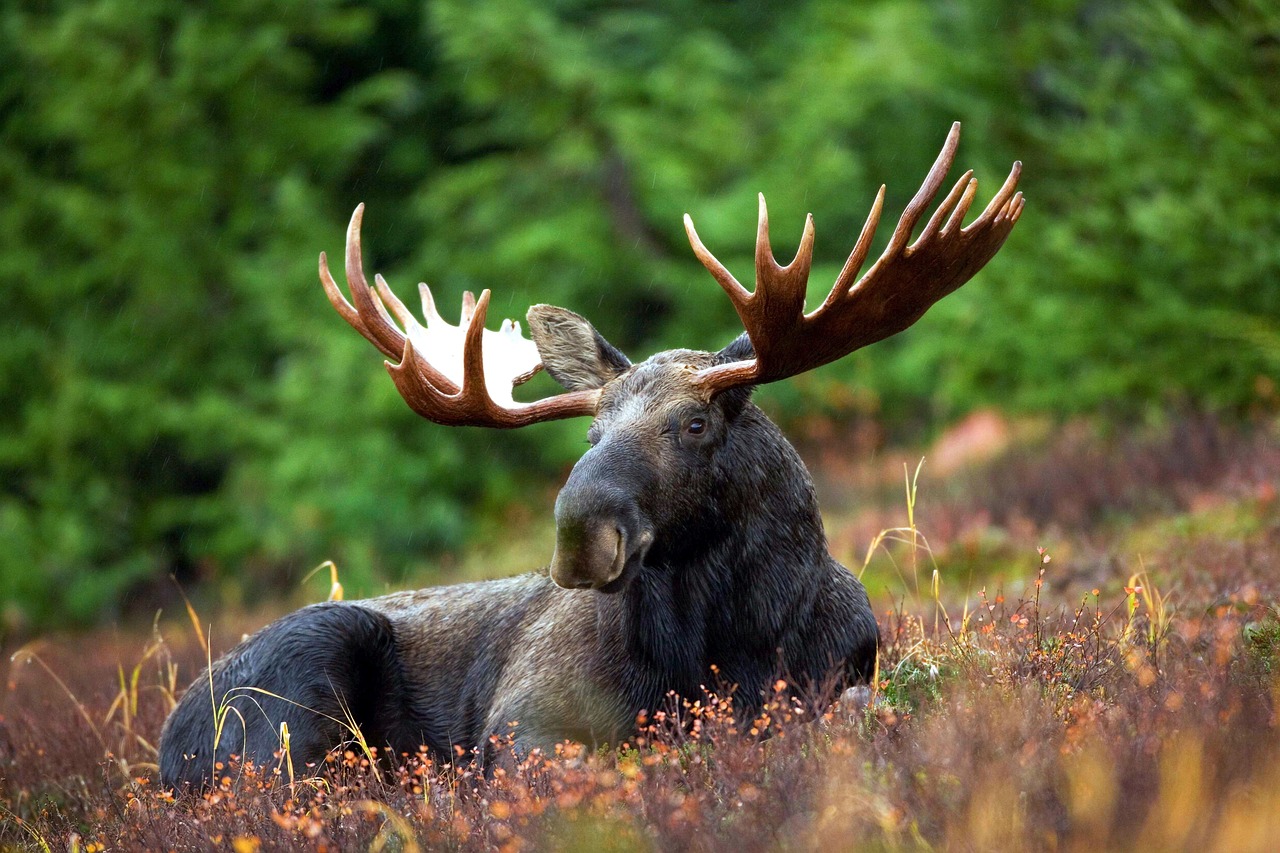
- Grand Lake (West Entrance): The "quiet" side. It’s more laid back, centered around Colorado’s largest natural lake, and offers a better chance of spotting moose in the Kawuneeche Valley.
Internal Shuttles are your best friend. Parking at the Bear Lake trailhead often fills by 6 AM. Rather than circling like a vulture, park at the large "Park & Ride" lot across from Glacier Basin Campground and hop on the free shuttle. It’s efficient, eco-friendly, and saves you the mid-morning headache.
Scenic Drives: The Highway to the Sky
If your legs need a break, the park offers two of the most spectacular drives in the world.
Trail Ridge Road is the heavy hitter. Spanning 48 miles between Estes Park and Grand Lake, it features a continuous 11-mile stretch above the treeline. You’ll top out at 12,183 feet, looking down on the clouds. It’s the highest continuous paved road in the U.S., and the drop-offs are enough to make even a seasoned explorer's heart skip a beat.
Expert Insight: Watch the weather. I’ve seen it go from 70°F and sunny in Estes Park to a horizontal snowstorm at the Alpine Visitor Center in the middle of July. Always pack a shell, even if you’re just staying in the car.
For those who want a more "vintage" feel, take Old Fall River Road. This is the original motor route into the park—a one-way, uphill gravel road with tight switchbacks and no guardrails. It’s a slower-paced adventure that makes you feel like a 1920s pioneer.
Best Hiking Trails: 350 Miles of Choice
With 350 miles of trails, you could spend a lifetime here and still find new corners to explore. Here’s how I’d break down your priorities:
The Easy Wins
- Alberta Falls (1.6 miles round-trip): A thunderous waterfall that’s easy enough for the kids but scenic enough for the pros.
- Bear Lake Loop (0.6 miles): Flat, paved, and offers a postcard view of Hallett Peak reflecting in the water.
The Moderate Must-Dos
- The Emerald Lake Trio (3.6 miles round-trip): This is the "one-two-three punch." You’ll hit Nymph Lake (lilies), Dream Lake (dramatic jagged peaks), and finally Emerald Lake. It’s busy for a reason—it’s stunning.
- Sky Pond (9.5 miles round-trip): This is for the hikers who want a challenge. You’ll scramble up the side of Timberline Falls to reach an alpine cirque surrounded by "The Sharkstooth" spires.
The High Tundra Experience
- Mt. Ida (9.6 miles round-trip): If you want the "top of the world" feeling without the technical danger of Longs Peak, this is it. You spend almost the entire hike on the ridgeline of the Continental Divide, with views that stretch to Wyoming.
Climbing Longs Peak: The 14er Challenge
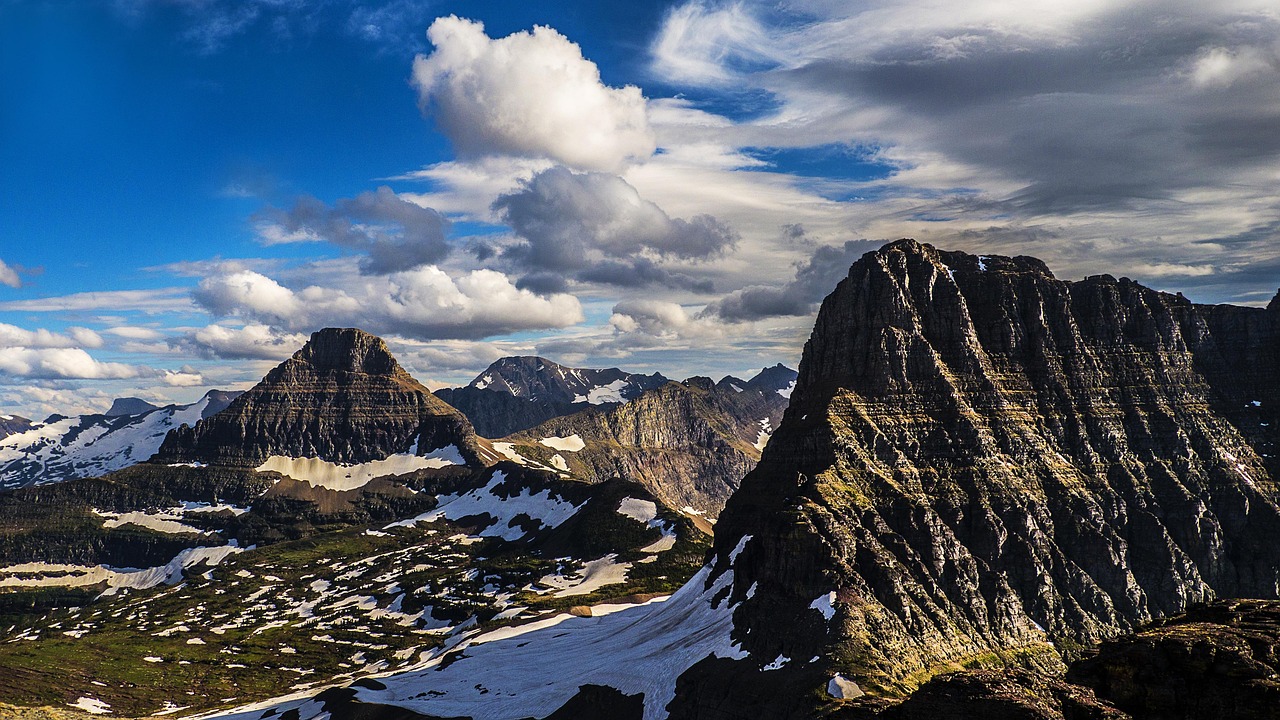
For many, RMNP is synonymous with Longs Peak. Standing at 14,259 feet, it is the northernmost "14er" in the state and a massive undertaking. This isn't just a "hike"; it's a strenuous Class-3 scramble that covers 15 miles round-trip with over 5,000 feet of elevation gain.
Climbing Longs Peak via the Keyhole Route requires a pre-dawn start—I’m talking 2 AM to 3 AM. Why? Because the Colorado Rockies are famous for violent afternoon thunderstorms. The rule of thumb is to be off the summit and heading back down by noon. Lightning on a granite peak is a death sentence.
The route takes you through the "Boulder Field," through the iconic "Keyhole" rock formation, and across narrow ledges like "The Narrows" and "The Homestretch." It’s physically grueling and mentally taxing. If you have a fear of heights, this one might be best viewed from the binoculars at the trailhead.
Beyond Hiking: Wildlife & Stargazing
If you’re not looking to burn 4,000 calories on a trail, the park offers incredible passive adventures.
Wildlife Hotspots:
- Moraine Park: The premier spot for elk. In the evenings, you’ll see hundreds grazing in the meadow.
- Kawuneeche Valley: On the West Side, this is moose territory. Look for them in the willows along the Colorado River (which is just a small stream here!).
Stargazing: Because of the high altitude and lack of light pollution, RMNP is a dark-sky paradise. Drive up to the Alpine Visitor Center after dark. You’ll see the Milky Way with such clarity it looks like a painted smear across the sky. Just bring a heavy parka—temperatures drop fast once the sun dips.
Staying & Refueling: Gateway Towns
There are no hotels inside the park boundaries, so you’ll be basing yourself in one of the gateway towns or pitching a tent.
- Lodging: For a touch of history (and maybe a ghost story), stay at The Stanley Hotel in Estes Park. If you prefer the West Side’s rustic charm, the Grand Lake Lodge offers incredible views overlooking the water.
- Camping: Moraine Park and Glacier Basin are the most popular campgrounds (reservations are mandatory and fill up months in advance). For a more secluded feel, look into the backcountry camping permits, but remember your bear-proof canisters!
- Dining: After a long trek, I head to Bird & Jim in Estes Park for locally sourced Colorado fare. On the Grand Lake side, you can’t beat the ribs at Sagebrush BBQ.
Essential Packing List
The mountains are beautiful, but they are indifferent to your comfort. Over-prepare so you can enjoy the experience.
- Layers: A moisture-wicking base layer, a fleece mid-layer, and a waterproof/windproof outer shell.
- Hydration: At high altitude, you lose water faster through breathing. Carry a 3-liter reservoir and electrolytes.
- Sun Protection: The UV rays at 12,000 feet are no joke. High-SPF sunscreen and polarized sunglasses are non-negotiable.
- Traction: If you’re hiking in June or early July, "micro-spikes" are often necessary for crossing lingering snowfields on trails like Sky Pond.
FAQ
Q: Do I need a permit if I have a National Park Pass? A: Yes. The America the Beautiful Pass (or the $30 standard entrance fee) covers your entry, but the Timed Entry Permit is a separate reservation required to manage vehicle volume. You need both.
Q: Can I bring my dog on the trails? A: In short: No. To protect wildlife and the fragile ecosystem, pets are only allowed in developed areas (parking lots, picnic areas, and roadsides) and must be on a leash. They are strictly prohibited on all trails and tundra.
Q: Is the air really that much thinner? A: Absolutely. Coming from sea level to 12,000 feet can cause altitude sickness (headaches, nausea, dizziness). Spend a day in Denver or Estes Park (7,500 ft) to acclimate before attempting a major summit.
Ready to stand on the Continental Divide? The peaks are waiting, but the permits aren't. Head over to the official reservation site to lock in your dates and start planning your high-altitude escape.