I’ve spent the better part of a decade living out of a backpack, moving through remote mountain ranges and humid coastal jungles, and if there’s one thing I’ve learned, it’s this: Your gear is either your greatest asset or your heaviest burden.
Last year, I tackled a 23-day expedition spanning two very different worlds—the high-tech, brisk streets of South Korea and the sweltering, chaotic alleys of Thailand. I faced 10+ modes of transport, from sleeper trains to long-tail boats and budget regional airlines with notoriously stingy baggage limits. I did the whole thing with a single carry-on bag. By ditching the checked suitcase, I didn’t just save $300 in fees; I gained the freedom to jump off a ferry and trek straight to a hostel without dragging a wheeled behemoth through the sand.
If you want to survive 3+ weeks in Southeast Asia with one bag, you have to stop thinking about "what if" and start thinking about "what works." This isn't just about packing light; it’s about packing smart.
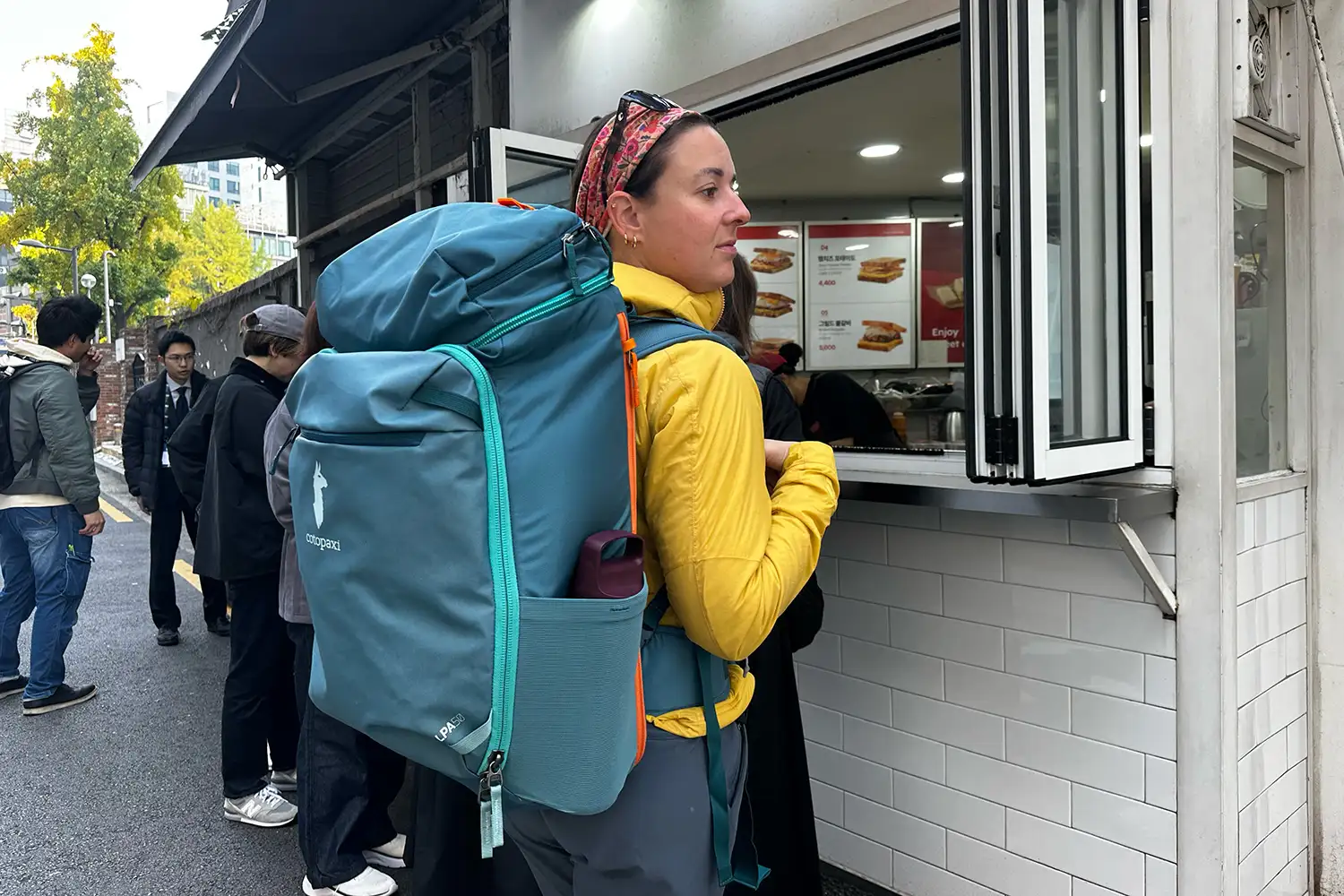
Choosing Your 'Engine': The Best Carry-On Backpacks
Your backpack is the "engine" of your entire travel system. If the harness doesn't distribute weight correctly, or if the dimensions exceed regional airline overhead bins (looking at you, AirAsia), your trip becomes a logistical nightmare.
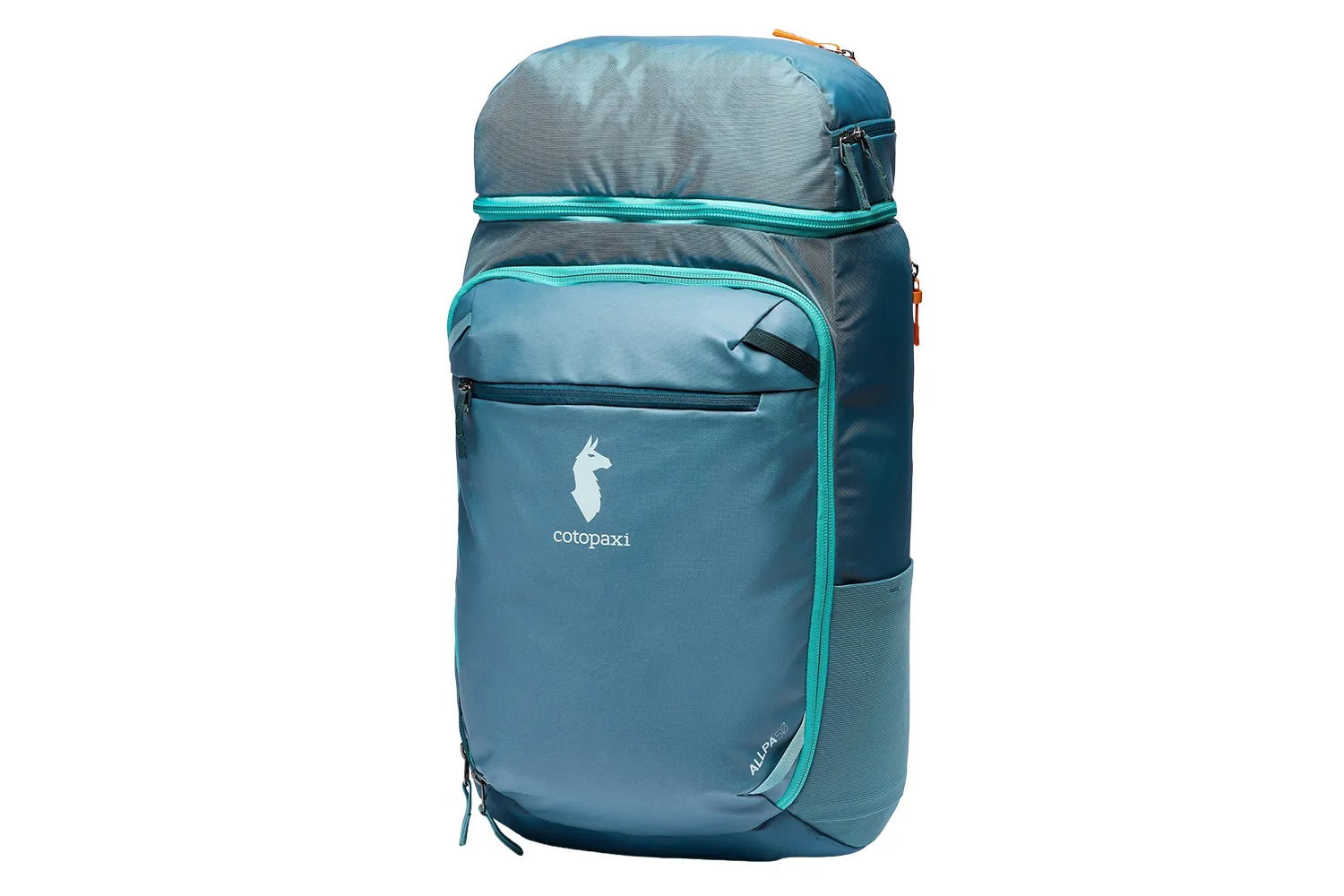
For a 23-day trip, the sweet spot is a 40L to 50L carry-on backpack. Anything smaller and you’re doing laundry every 48 hours; anything larger and you’re getting flagged at the boarding gate. My top pick for this specific route is the Cotopaxi Allpa 50L. Its "clamshell" opening means you don’t have to dig to the bottom to find a clean pair of socks, and the TPU-coated polyester is essentially bulletproof against tropical downpours.
If you’re sticking to strictly enforced 7kg weight limits, the Osprey Farpoint 40 is the gold standard for weight-to-comfort ratio. It features a superior suspension system that makes a 20-pound load feel like ten.
| Backpack | Capacity | Weight | Best For |
|---|---|---|---|
| Cotopaxi Allpa 50 | 50L | 3 lbs 15 oz | Maximum capacity and organization |
| Osprey Farpoint 40 | 40L | 3 lbs 11 oz | Ergonomic carry and strict airline limits |
| Peak Design Travel | 45L | 4 lbs 8 oz | Tech-heavy travelers and photographers |
Pro-Tip: Always check the "under-seat" dimensions of smaller regional planes. Even if a 50L bag is technically a carry-on, keep a small, packable daypack handy for your "personal item" essentials like passports and tablets.
The Secret to 35% Volume Reduction: Modular Packing Systems
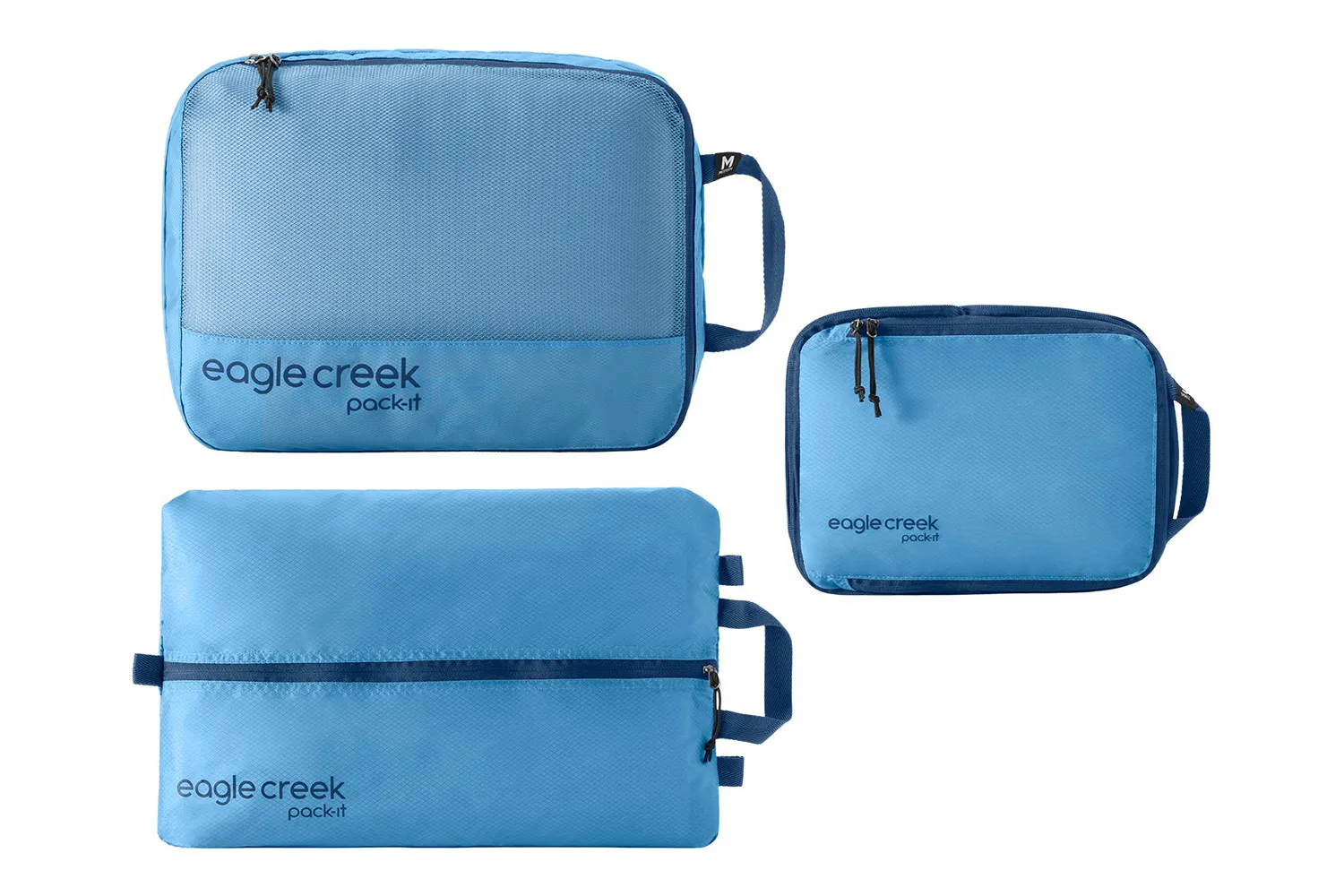
Most people fail at one-bag travel because they "stuff" rather than "systematize." Implementing a modular packing cube system with compression features isn't just an organization hack—it’s a spatial necessity. In my experience, using compression cubes can reduce your total luggage volume by up to 35%, effectively turning a 40L bag into a 55L storage space.
I swear by the Three-Cube Method:
- The Large Cube: All bottoms (2 pairs of lightweight trousers, 2 pairs of shorts).
- The Medium Cube: All tops (5 shirts, 1 mid-layer).
- The Small Cube: "Smalls" (6 pairs of antimicrobial underwear, 4 pairs of socks).
In high-humidity climates like Thailand or Vietnam, antimicrobial materials are non-negotiable. I use the Eagle Creek Pack-It Essentials Set because the fabric is treated to resist odors. When you’re sweating through three shirts a day, you don’t want your entire bag smelling like a gym locker by Day 4.
Clothing Strategy: The 'Wear More, Pack Less' Rule
Packing for 23 days doesn't mean packing 23 outfits. It means packing 5 days of high-performance gear and embracing the "sink wash" lifestyle. For diverse Asian climates—ranging from the air-conditioned malls of Seoul to the humid temples of Bangkok—you need gear that bridges the gap between technical performance and social acceptability.
The Moisture-Wicking Mandate Cotton is your enemy. It absorbs sweat, stays heavy, and takes days to dry in the tropics. Switch to merino wool or high-performance synthetics. My "Holy Grail" item is a high-end mountain bike jersey. Why? They are designed to dump heat, dry instantly, and many modern designs look like a standard polo or T-shirt, making them perfect for both a jungle hike and a rooftop dinner.
The Long-Sleeve Paradox It sounds counter-intuitive to pack long sleeves for 90-degree weather, but a lightweight, UPF-rated long-sleeve shirt is essential. It protects you from the brutal Southeast Asian sun during boat rides and ensures you meet the strict dress codes for temples (where shoulders must be covered) without having to rent a communal wrap at the door.
Weight Specs for Your Wardrobe:
- 1x Lightweight Rain Shell: Look for something sub-10oz.
- 2x Hybrid Shorts: Boardshorts that look like chino shorts—swim in the morning, lunch in the afternoon.
- 1x Merino Hoodie: Essential for those freezing 12-hour overnight bus rides.
Tech & Electronics: Cutting Weight by 60%
The heaviest part of most modern bags isn't the clothes—it’s the "tech nest." Between laptop bricks, phone chargers, and camera cables, the weight adds up fast. The solution is the GaN (Gallium Nitride) Revolution.
By switching to a 3-port GaN fast charger instead of individual power bricks, I managed to reduce my travel electronics weight by approximately 60%. A single high-wattage GaN plug can charge a MacBook, an iPhone, and a pair of noise-canceling headphones simultaneously.
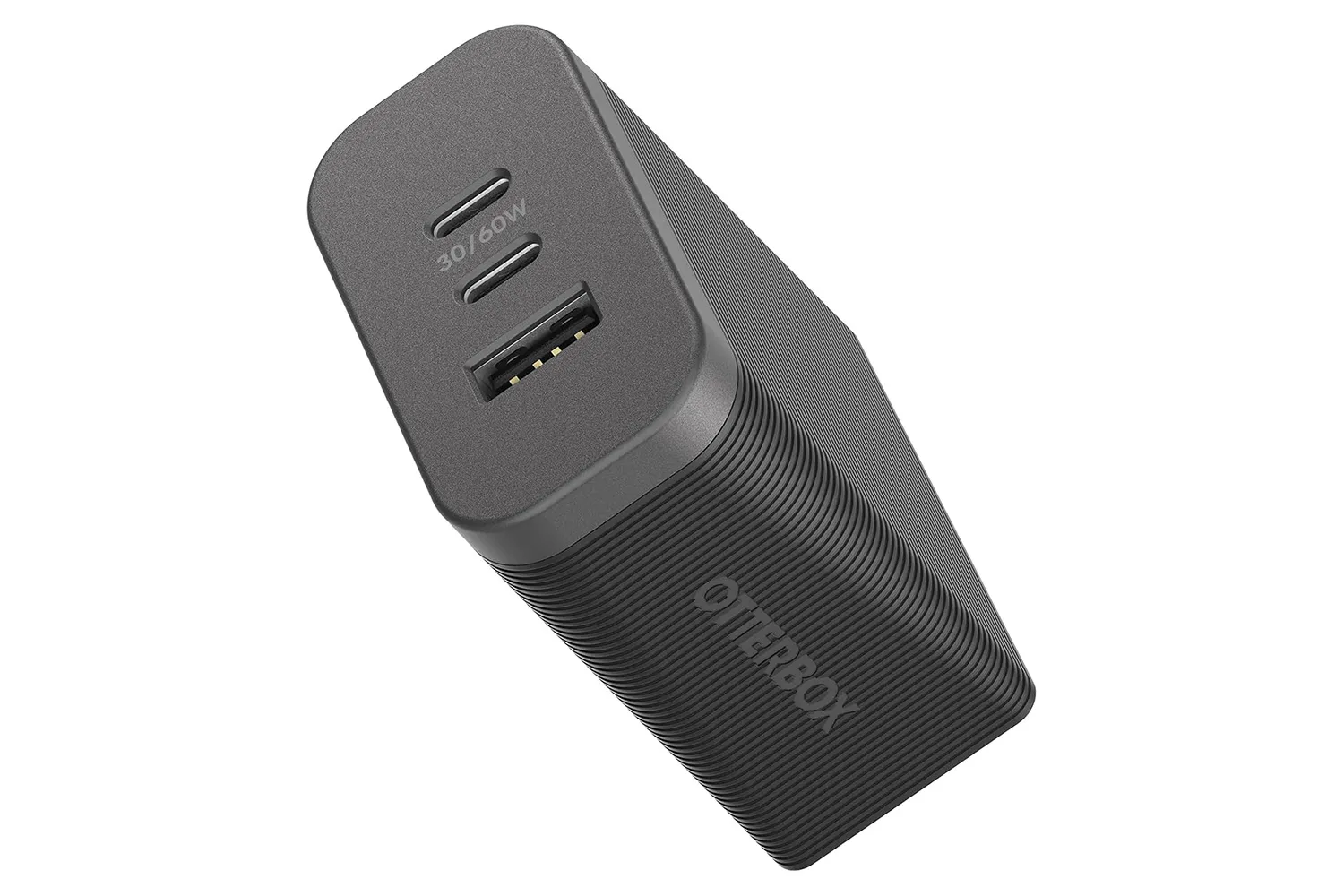
Marcus’s Gear Logic: If a device doesn't charge via USB-C, it doesn't come on the trip. Standardizing your cables to one format is the ultimate minimalist move.
Health, Hydration & Hygiene
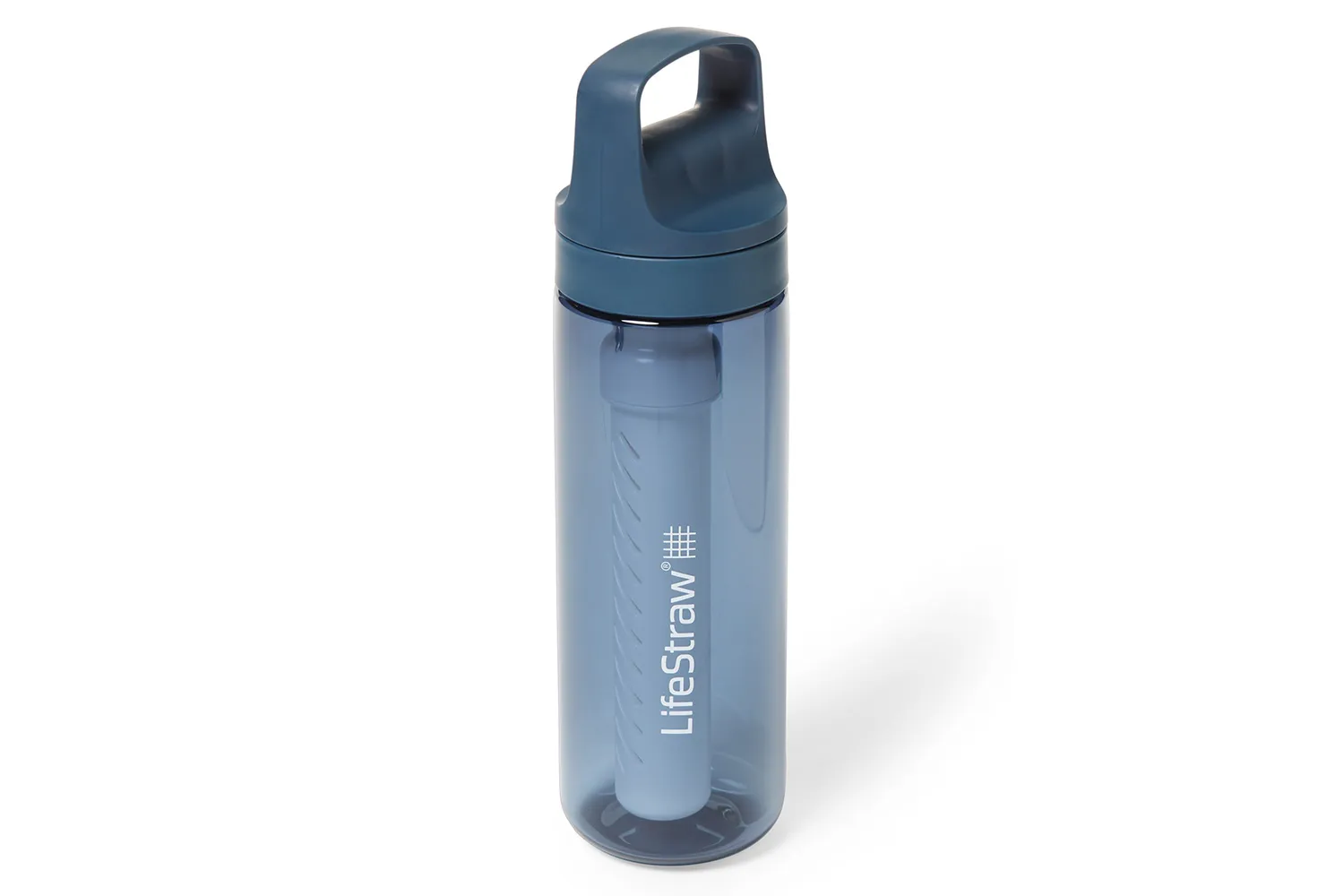
In Southeast Asia, hydration is a constant battle, and the plastic waste from bottled water is staggering. A portable water filter bottle is a non-negotiable essential for the modern explorer. I carry the LifeStraw Go Series. It allows me to fill up from any tap—or even a river in a pinch—and ensures the water is free of bacteria, parasites, and microplastics. It pays for itself in a week by eliminating the need to buy plastic bottles.
For hygiene, I follow the "Solid Soap Hack." Replace your liquid body wash, shampoo, and even laundry detergent with solid bars. This bypasses the TSA 3-1-1 liquids rule entirely, meaning you have more room in your clear bag for essential sunblock and mosquito repellent. Plus, a solid bar will never leak and ruin your expensive merino wool shirts.
Footwear: The One-Pair Challenge
If you’re trying to fit 23 days into one bag, you cannot afford the luxury of three pairs of shoes. You need one "master pair" that handles city-to-trail transitions.
Heavy leather hiking boots are overkill for most of Southeast Asia and will make your feet boil. Instead, opt for high-traction, breathable trail-running sneakers. These provide the grip needed for wet jungle trails and limestone scrambles but are stylish enough to wear in a metropolitan setting. Look for models with "engineered mesh" uppers; they allow air to circulate and, more importantly, they dry in hours if you get caught in a monsoon.

Summary: Final Packing Checklist
Before you zip that bag, run through this final list. If it isn't here, you probably don't need it.
- The Engine: 40L-50L Backpack (e.g., Cotopaxi Allpa).
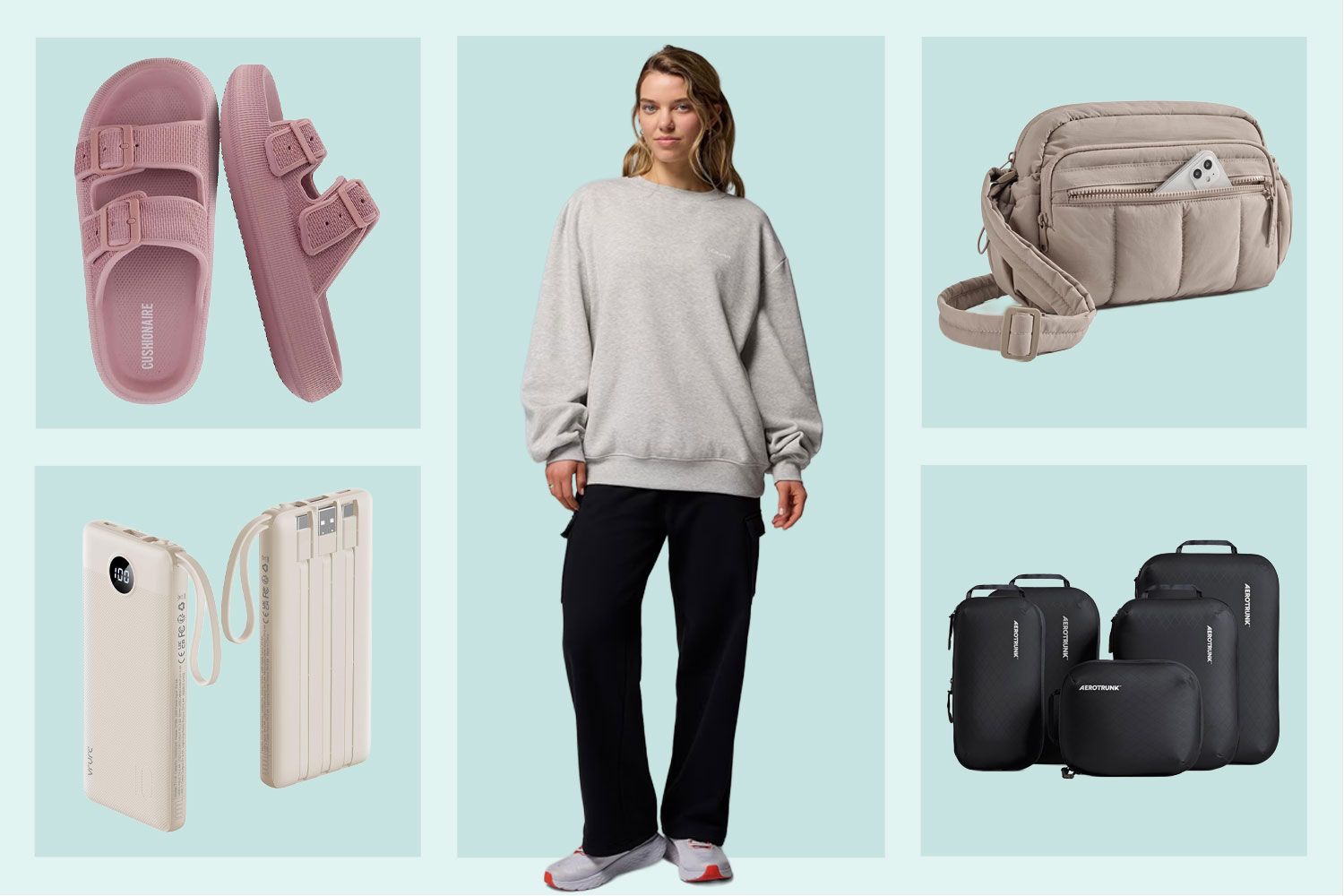
- The Organization: 3x Compression Packing Cubes.
- Clothing: 5x shirts (merino/synthetic), 2x hybrid shorts, 1x long-sleeve UPF shirt, 1x lightweight rain shell.
- Tech: 1x 3-port GaN charger, 2x USB-C cables, 1x Power bank (10,000mAh), Noise-canceling buds.
- Health: LifeStraw Filter Bottle, solid toiletries, 30% DEET repellent, high-SPF sunblock.
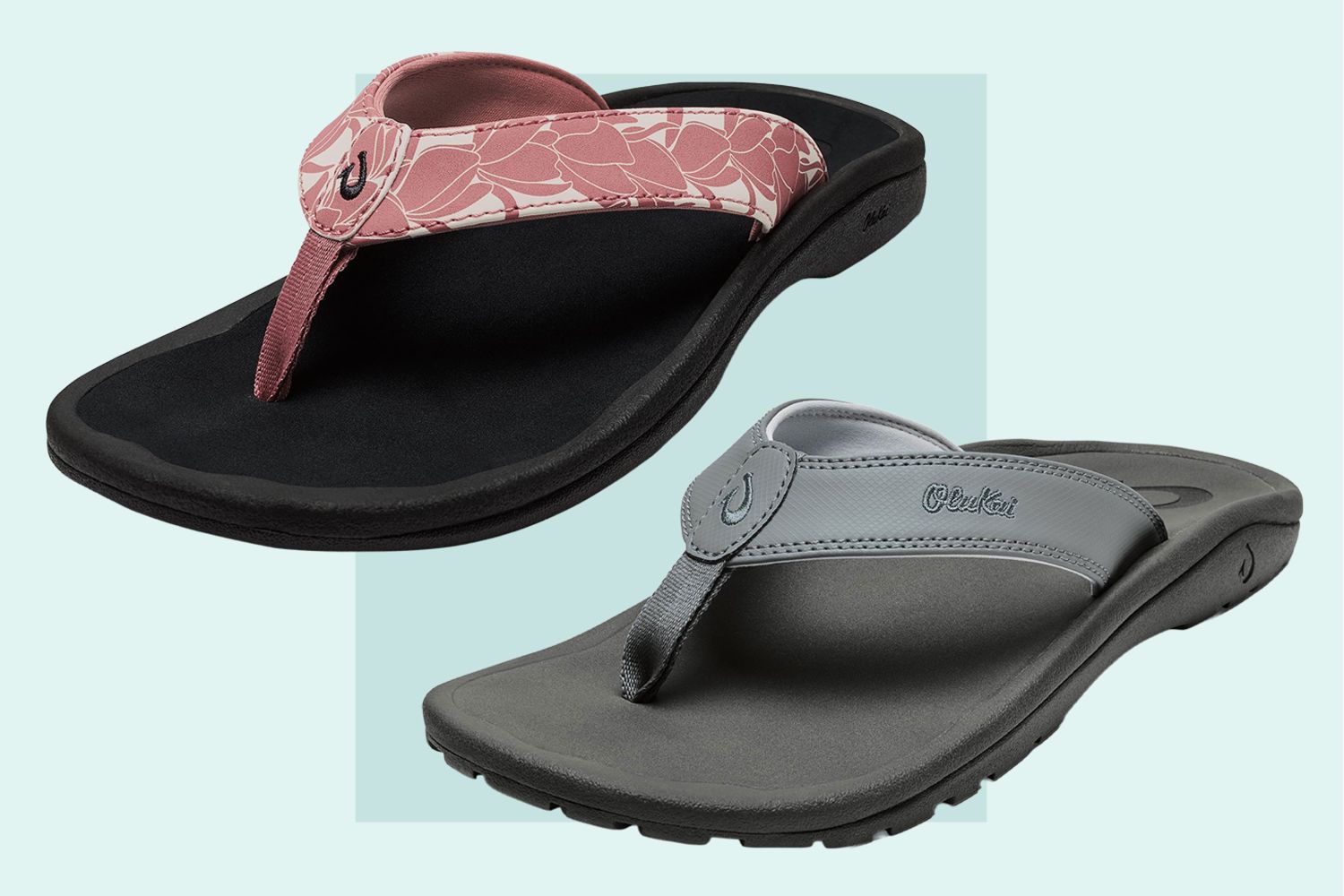
- Footwear: 1 pair trail runners, 1 pair lightweight flip-flops (for showers/beach).
FAQ: Your One-Bag Questions Answered
Q: How do I handle 23 days of laundry? A: Most guesthouses in Southeast Asia offer laundry services for about $1-$2 per kilogram. Alternatively, I use the "Shower Wash" method: take your synthetic clothes into the shower with you, scrub them with a bit of solid soap, wring them in a towel, and they’ll be dry by morning.
Q: Isn't a 50L bag too heavy for a carry-on? A: The volume is rarely the issue; the weight is. Most budget airlines have a 7kg (15lb) limit. By choosing lightweight tech and technical fabrics, you can easily keep a 50L bag under that limit. If it looks "squishy" rather than "bursting," agents are less likely to weigh it.
Q: Should I pack a sleeping bag or towel? A: Absolutely not. Even the cheapest hostels provide bedding. For a towel, pack a small microfiber travel towel. It’s about the size of a burrito and dries ten times faster than cotton.
CTA: Start Your Minimalist Journey
The secret to a 23-day trip isn't a bigger bag; it's a better strategy. By investing in multi-use gear and a modular system, you trade the burden of luggage for the agility of an explorer.