Quick Facts
- The Documentary: Kerouac's Road: The Beat of a Nation, directed by Ebs Burnough and produced by Eliza Hindmarch, re-examines Jack Kerouac's On the Road legacy through a diverse, 21st-century lens.
- A Modern Perspective: The film follows travelers from marginalized backgrounds—including a gay Black man and a woman in her 60s—challenging the 1950s "privileged white male" road trip archetype.
- The 2026 Budget: A 12–14 day US road trip for two adults in 2026 is projected to cost between $3,500 and $4,500, with lodging making up nearly half of the expenses.
- Life Cycle Narratives: The film organizes its journey into three stages—Youth (18), Mid-life (40s), and Late-life (68+)—serving as a metaphor for the evolving American identity.
The Beat of a Nation in 2026
There is a specific, metabolic signature to Jack Kerouac’s On the Road. It is a rhythm of frantic typing on a 120-foot scroll of tracing paper, a cadence of jazz-inflected prose that, for nearly seventy years, has served as the ultimate siren song for the restless American soul. But as we look toward 2026, the America that Sal Paradise and Dean Moriarty traversed—a land of neon diners and wide-open, exclusionary frontiers—has fundamentally shifted.
The new documentary Kerouac's Road: The Beat of a Nation addresses this transformation head-on. Directed by Ebs Burnough and produced by Eliza Hindmarch, the film explores the enduring legacy of Kerouac's masterpiece by following modern travelers—including a gay Black man and a woman in her 60s—to redefine the American road trip for the 21st century. It is a film that asks not just where we are going, but who is allowed to feel at home on the asphalt. For the modern traveler planning a 2026 pilgrimage, the documentary serves as both a cultural critique and a spiritual compass.
While Kerouac’s original journey was fueled by a singular, masculine "it," Burnough’s film suggests that the "beat" of the nation today is far more polyphonic. It acknowledges that the freedom of the road was never distributed equally. By revisiting Kerouac’s routes through the eyes of those who were historically excluded from the narrative, the documentary creates a new blueprint for exploration—one that balances the wild spontaneity of the Beat Generation with the nuanced realities of contemporary American life.
The New Lens: Behind 'Kerouac’s Road'
In the hands of Ebs Burnough, the road trip ceases to be a mere vacation and becomes a profound sociopolitical inquiry. Burnough, known for his ability to dissect social structures, intentionally breaks the "privileged white male" perspective that dominated the 1950s travelogue. The documentary isn't just a tribute; it’s a recalibration. By casting a diverse group of travelers, the film mirrors the complexity of the current American landscape, where identity dictates the "safety" of a sunset or the "welcome" of a small-town tavern.
The narrative structure of Kerouac's Road is built upon a central metaphor: the human life cycle. The film follows three distinct travelers representing three distinct stages of existence: youth (18), mid-life (40s), and late-life (68+). This creates a powerful narrative arc that suggests the American road trip isn't just a rite of passage for the young, but a recurring necessity for every decade of life. Whether you are searching for hope, navigating an "in-between" crisis, or seeking a final reconciliation with the land, the road remains the most intimate confession booth we have.

Mapping the Spirit: 2026 Itineraries for Every Life Stage
Taking inspiration from the film’s life-cycle framework, we have curated three distinct 2026 itineraries. Each route mirrors the emotional and geographic depth explored by Burnough’s travelers, providing a modern way to "beat" the path across the lower 48.
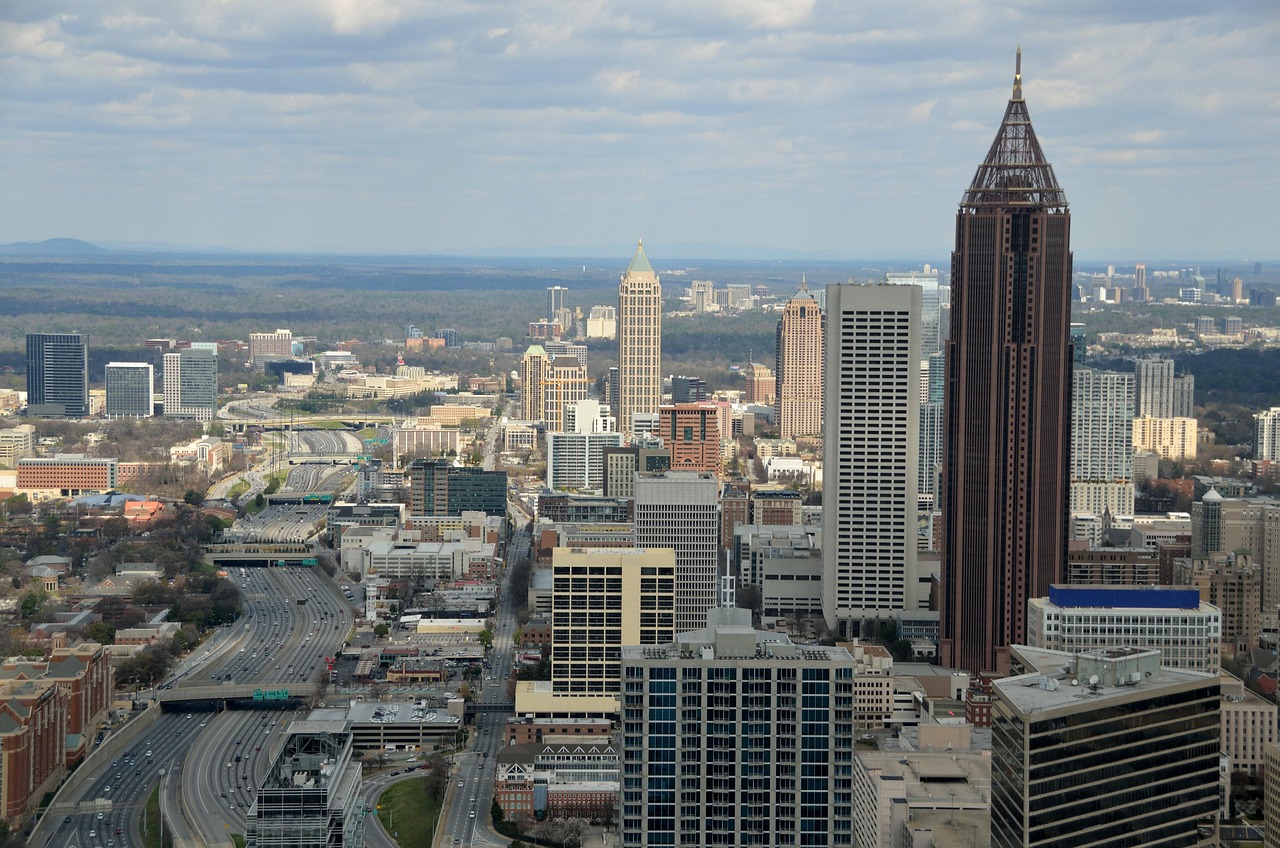
Stage 1: The Youthful Dream (Philadelphia to Atlanta)
For those in their late teens and early twenties, the road is a laboratory for identity. This route—The "Morehouse College" route—moves from the historical weight of Philadelphia down through the shifting cultural landscapes of the Mid-Atlantic and into the vibrant, recharging energy of Atlanta. In the documentary, this stage focuses on the "American Dream" under attack and the resilience of youth.
- Key Stop: The Blue Ridge Parkway: Spend two days meandering through the Appalachian highlands. In late May, the rhododendrons are in bloom, and the air carries a crispness that invites long, contemplative hikes.
- The Experience: Focus on community hubs—small-town bookstores in Virginia, jazz clubs in Charlotte, and the civil rights monuments in Atlanta. This is a journey of education and awakening.
Stage 2: The Mid-Life Search (The High-Desert Loops)
By the time we hit our 40s, the road is no longer about finding out who we are, but about remembering who we intended to be. The film’s mid-life traveler navigates the "lost in-between" stage, finding solace in the vastness of the American West. A 2026 itinerary focusing on the high-desert loops of Colorado and Utah offers the perfect backdrop for this internal navigation.
- Key Stop: Arches and Canyonlands: The scale of these landscapes provides a necessary perspective. The silence of the red rock is the perfect antidote to the digital noise of middle management and domestic routine.
- The Experience: This is the time for solo drives and long-exposure photography. The goal is to disconnect from the "grid" and reconnect with the raw, geological timeline of the earth.

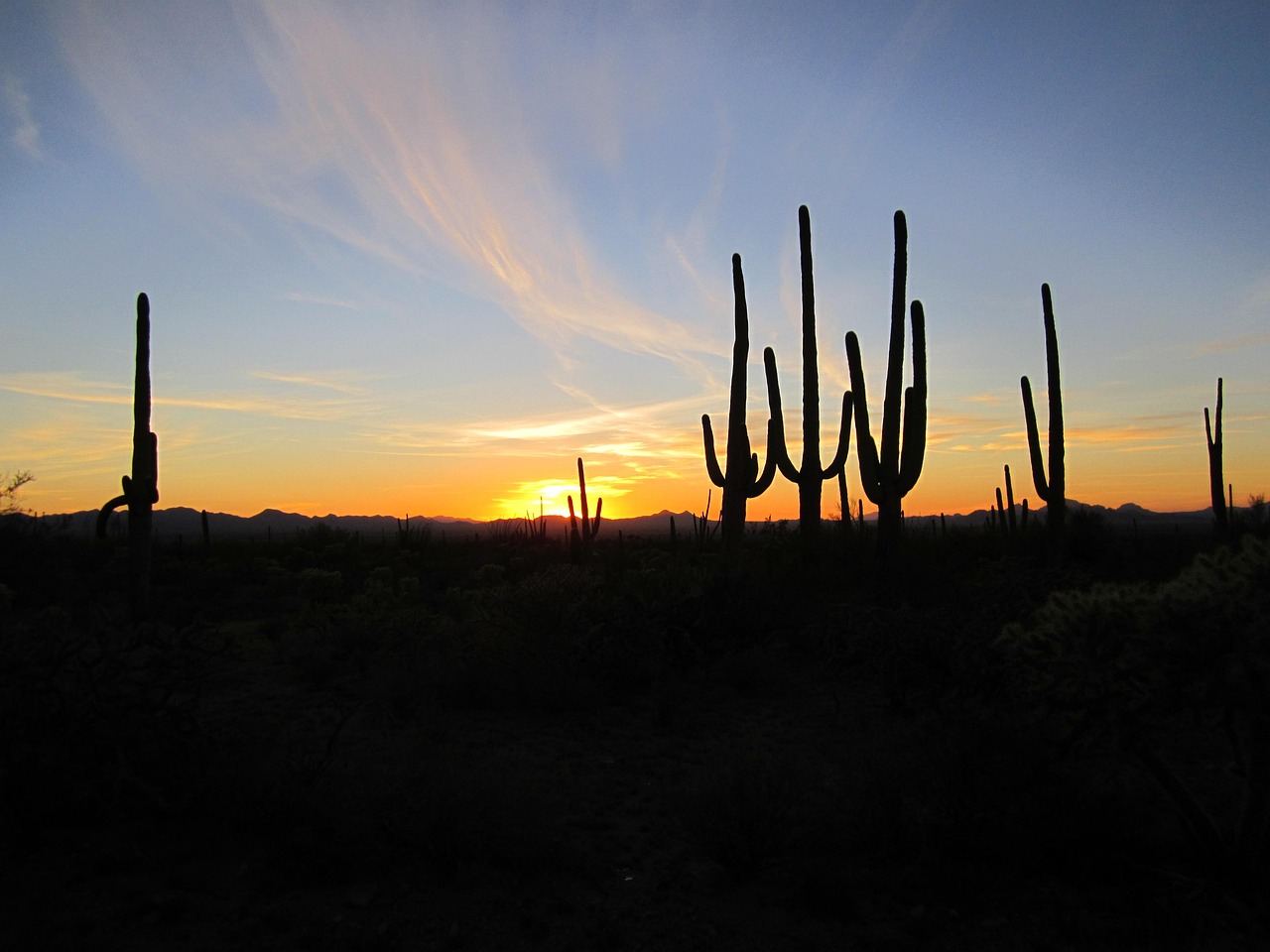
Stage 3: The Late-Life Reconciliation (Arizona and Texas Vistas)
For the traveler in their 60s and beyond, as represented by the woman in Burnough's film, the road trip is an act of homecoming and peace. The route through the Arizona and Texas vistas—spanning from the Grand Canyon to the artsy isolation of Marfa—emphasizes beauty, connection, and the luxury of time.
- Key Stop: Sedona and the Sonoran Desert: The golden hour in the desert is a spiritual experience. In 2026, look for low-impact, luxury eco-lodges that allow you to witness the desert's shift from day to night in total comfort.
- The Experience: This stage is about the "slow road." It’s about stopping at every historical marker, engaging with locals at a Texas diner, and perhaps traveling with grandchildren to pass on the lore of the journey.
Planning Your 2026 'Great American Road Trip'
While Kerouac sought the unknown with little more than a thumb and a pocketful of dreams, your 2026 journey requires a more precise blueprint. Economic shifts and the evolving travel landscape mean that spontaneity now works best when underpinned by a solid financial plan.
Based on current travel trends and inflation forecasts, a 12–14 day road trip for two adults in 2026 is estimated to cost between $3,500 and $4,500. This budget covers mid-range lodging, fuel, daily meals, and national park entrance fees. Interestingly, the documentary highlights that the "freedom" of the road is increasingly tied to one's ability to navigate these rising costs.
2026 Budget Allocation Table
| Expense Category | Estimated Cost (2 Weeks) | Percentage of Total | Notes |
|---|---|---|---|
| Lodging | $1,320 – $2,380 | 40% – 50% | Based on $110–$170/night (mid-range) |
| Fuel | $500 – $750 | 15% – 20% | Varies by vehicle efficiency and region |
| Food & Dining | $800 – $1,100 | 25% | Mix of grocery stops and local diners |
| Activities & Fees | $300 – $400 | 10% | National Park passes, museums, tours |
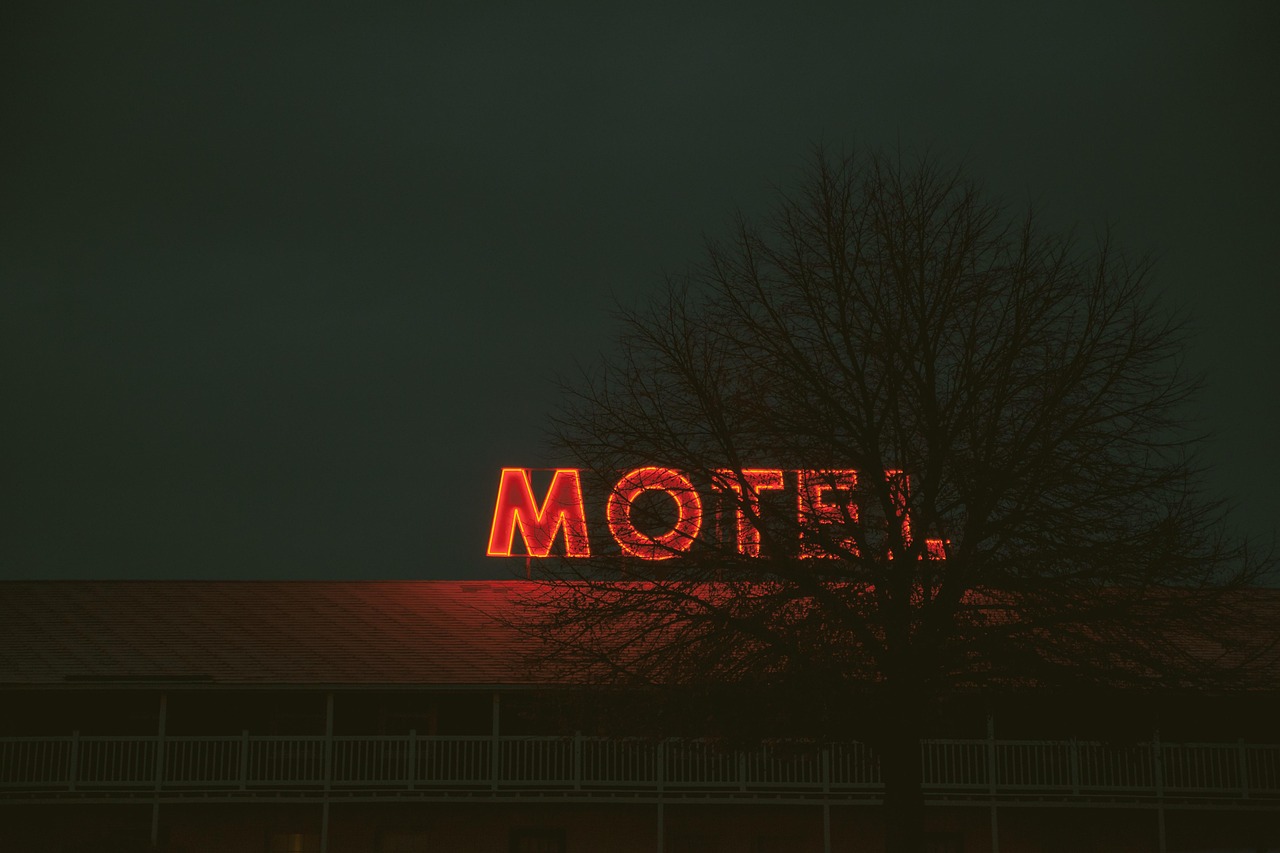
Lodging remains the single largest expense, often accounting for nearly half of the total journey cost. To maintain the "Beat" spirit without breaking the bank, many 2026 travelers are opting for a hybrid approach: alternating between boutique roadside motels (which are seeing a massive design-led revival) and modern, well-equipped campsites or glamping sites.
Practical Prep: Beyond the Phone
The most poignant lesson from Kerouac's Road: The Beat of a Nation is the necessity of presence. In an age of algorithmic travel suggestions, the true "Beat" experience comes from the unplanned encounter. However, to be present, you must be prepared.
The 2026 'Safety & Connection' Kit
- Vehicle Health: Before departure, ensure a full inspection of tires, brakes, and fluids. The high heat of the Southwest or the steep inclines of the Rockies are unforgiving to neglected engines.
- Analog Redundancy: While Google Maps is a staple, 2026 is the year to embrace offline GPS tools like Gaia GPS for remote areas. Better yet, keep a physical Rand McNally road atlas in the glovebox—it doesn't need a signal to show you the scenic bypass.
- The Community Shift: Shift from digital silos to actual community. The documentary emphasizes that the "Beat" is found in the "intimate confession booths of driver's seats." Make it a point to put the phone away in diners and rest stops. The most valuable insight of your trip won't come from a Yelp review; it will come from a stranger in a Texas diner telling you about the secret swimming hole five miles down the dirt road.
Editor's Tip: "The modern road trip is a balancing act. Use your phone to find the destination, but turn it off to experience the journey. 2026 is about reclaiming the tactile experience—the smell of rain on hot asphalt, the weight of a physical book, and the sound of a radio station fading into static as you cross a state line."
FAQ
What are the best US road trips for 2026? Beyond the classic Route 66, 2026 is trending toward "regional deep-dives." The Chesapeake Bay Loop in September offers incredible seafood and maritime history, while the Great Lakes Corridor provides a cooler, lush alternative to the scorched Southern routes in mid-summer.
How to follow the Kerouac trail today? While many of the specific bars and flophouses from the 1950s are gone, you can still follow the spirit of the trail by focusing on the "interstitial" spaces. Visit the Beat Museum in San Francisco or the Jack Kerouac Commemorative in Lowell, Massachusetts, but spend the majority of your time in the vast stretches of Nebraska and the high-altitude passes of Colorado to truly feel the scale of his prose.
Are US National Parks increasing fees in 2026? Most major parks have implemented or increased reservation fees to combat over-tourism. It is highly recommended to purchase the 'America the Beautiful' Pass ($80) well in advance, which covers entrance fees for a full year and is the most cost-effective way for road trippers to explore multiple parks.
Embark on Your Journey
The American road trip is not a relic of the past; it is a living, breathing dialogue with the soul of the country. Whether you are inspired by the diverse voices in Ebs Burnough’s new documentary or the frantic energy of Kerouac’s original scroll, 2026 is the year to find your own rhythm on the asphalt.