Quick Facts
- Six-Month Standard: Approximately 70 countries worldwide enforce the six-month passport validity rule, requiring your document to be active for half a year beyond arrival or departure.
- European Regulations: For travel within the Schengen Area, your passport must remain valid for a minimum of three months after your intended date of departure.
- 2026 Digital Shifts: Implementation of the EES biometric system begins in April 2026, followed by mandatory ETIAS authorization for most visitors by late 2026.
- Space Requirements: Many destinations in Africa, Asia, and the Middle East mandate between two and four completely blank pages for entry stamps.
- Renewal Window: The U.S. Department of State advises travelers to inspect expiration dates at least nine months before departure to allow for processing.
- Airline Authority: Carriers can and will deny boarding if passport validity does not meet the destination's specific entry criteria, regardless of the printed expiration date.
Passport validity is the minimum period of time a foreign government requires your travel document to remain active for entry, which often extends months beyond your actual duration of stay. While your travel document is legally functional until the date shown on the data page, understanding the nuances of passport validity is essential to avoiding entry denials at international borders or being refused a boarding pass by your airline.
Planning an international trip involves more than just booking flights; understanding passport validity requirements is the first step to avoiding a travel disaster. Even if your document hasn't expired, many countries enforce the six-month passport validity rule. This guide covers everything from Schengen Area requirements to the new 2026 ETIAS authorization, ensuring your next adventure isn't halted at the boarding gate.
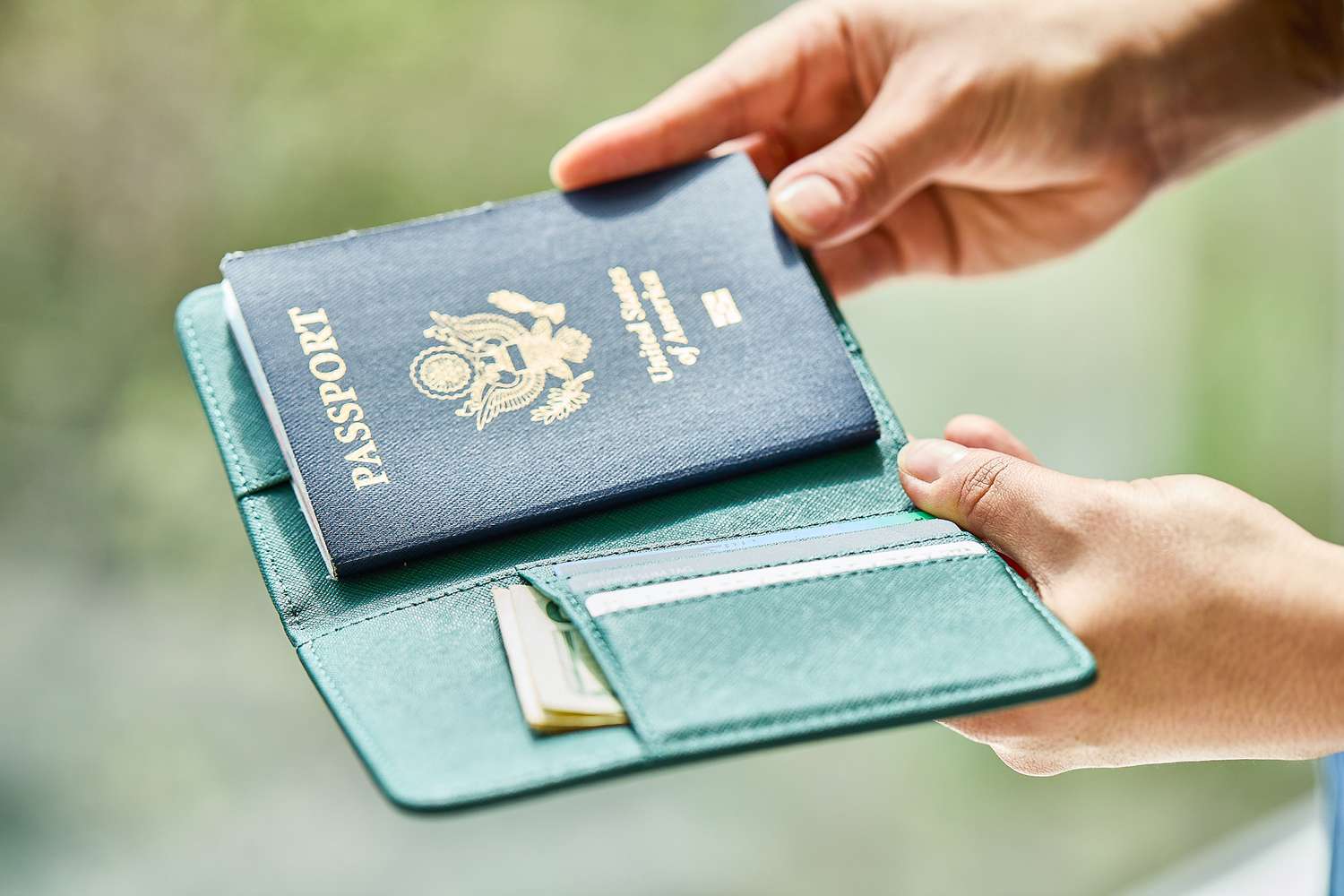
The Six-Month Rule vs. Reality
For many travelers, the expiration date printed on their passport feels like a definitive "sell-by" date. However, in the world of international diplomacy and border security, that date is secondary to the specific entry rules of the host nation. The six-month passport validity rule is perhaps the most frequent cause of travel disruptions. It mandates that your document remain valid for six months either from the day you enter the country or, in many cases, from the day you plan to depart.
This isn't merely a bureaucratic suggestion; it is a strict enforcement tool used by countries such as China, Thailand, and the UAE. The logic behind this policy is pragmatic. Foreign governments want to ensure that if a traveler experiences an emergency, a medical delay, or a legal issue that extends their stay, their passport will remain valid long enough for them to be processed by consular services and return home without their document becoming invalid while abroad.
A common point of confusion for travelers is the role of the airline. Travelers often assume that if an airline sells them a ticket and issues a confirmation, their documents must be in order. In reality, airline boarding requirements are the first line of defense for the destination country. Airlines are frequently fined thousands of dollars for transporting passengers who do not meet entry requirements. Consequently, gate agents are trained to check if your passport validity meets the specific count of months required by your destination. If your passport expires within that six-month window, even if it is technically active for the duration of your trip, the airline may legally refuse to issue a boarding pass.
To calculate your safe window, do not simply look at the month. If you are entering a country on July 1st, 2026, and they require six months of validity, your passport must expire no earlier than January 2nd, 2027. Relying on "roughly six months" is a risk that can result in thousands of dollars in lost non-refundable bookings.
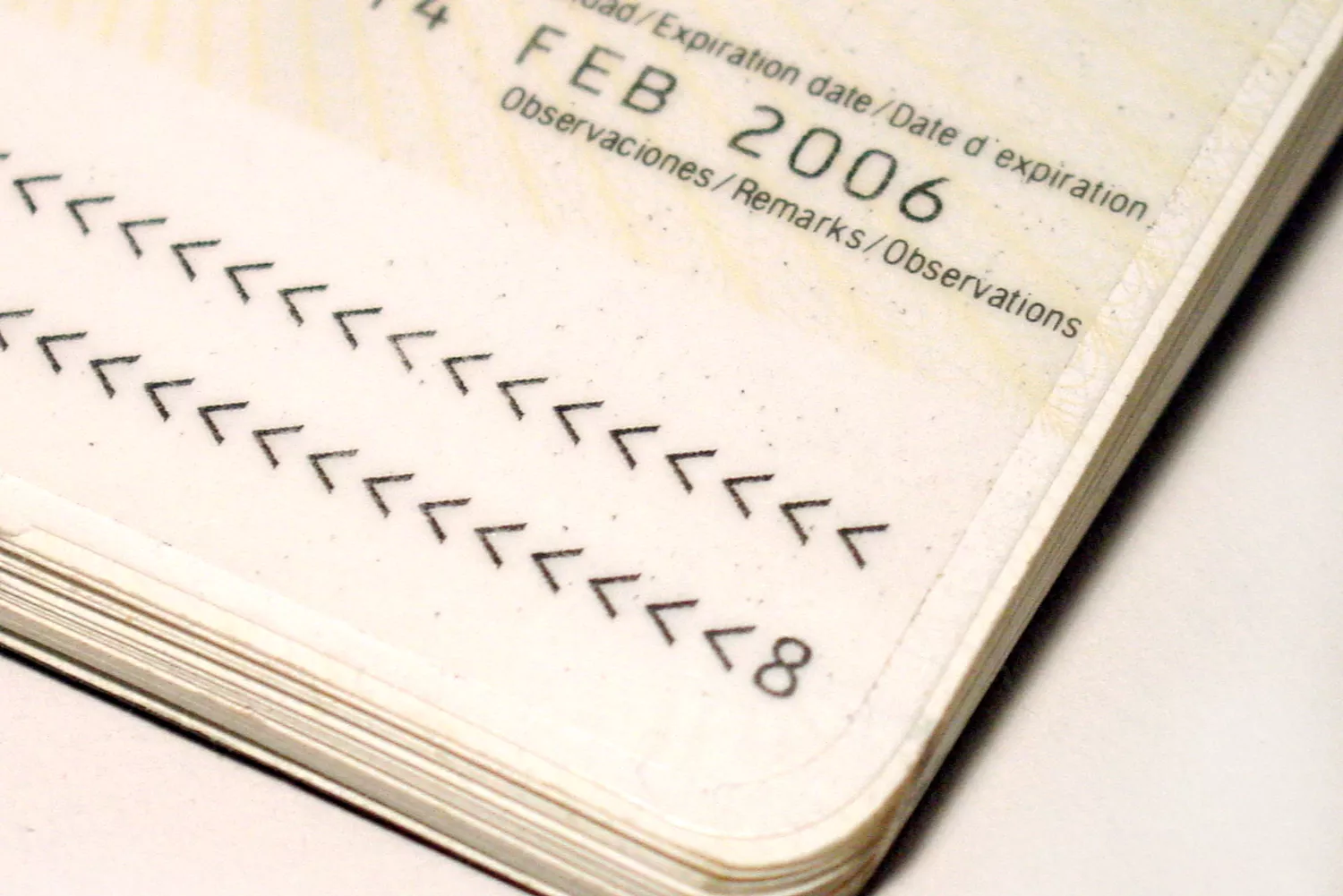
The 3-Tier Validity Framework: Where Can You Go?
Navigating the web of global entry rules is easier when you categorize destinations by their specific duration requirements. Not every country demands a six-month buffer, but almost all demand some level of "leftover" time. When asking is passport validity date the expiration date, the answer is almost always "no" for the purposes of international entry.
The following table breaks down the three primary tiers of passport validity requirements.
| Requirement Tier | Typical Regions/Countries | Key Conditions |
|---|---|---|
| 6-Month Rule | China, Thailand, Vietnam, Egypt, Saudi Arabia, UAE, Bhutan | Passport must be valid for 6 months beyond the date of arrival or departure. |
| 3-Month Rule | Schengen Area (most of Europe: France, Germany, Italy, Spain), New Zealand | Passport must be valid for at least 3 months after your intended date of departure. |
| Valid on Arrival | Mexico, Canada, United Kingdom, Japan (though 6 months is often recommended) | Passport only needs to be valid for the duration of your stay. |
For those looking at passport validity for travel to europe, the Schengen Area has a very specific "three-plus-ten" rule. Your passport must be valid for at least three months beyond your planned date of exit, and the document must have been issued within the last ten years. This second part often trips up travelers from countries that allow passport renewals through extensions rather than new document issuance.
Conversely, passport validity for mexico is generally more relaxed. Mexico technically only requires that your passport be valid for the duration of your stay. However, even when a country has no formal multi-month rule, travelers are often met with more scrutiny at immigration checkpoints if their document expires shortly after their return flight. I always recommend maintaining at least a six-month buffer as a universal safety net, regardless of the destination.
If you are looking for a comprehensive passport validity requirements country by country guide, you should consult the U.S. State Department’s "Country Information" pages or the official consulate website of your destination. Policies change frequently, and what was a three-month rule last year may be updated to a six-month rule tomorrow.
Beyond Expiration: Physical and Digital Health
A passport can be valid in terms of dates but "invalid" in terms of its physical or digital status. This is a nuance that even seasoned travelers often overlook. One of the most common reasons for denial of entry, particularly at more sophisticated immigration checkpoints, is a damaged RFID chip. These chips, embedded in the cover or data page, store your biometric data. If the chip is unreadable due to "invisible damage"—perhaps from being stored near strong magnets or simply from years of wear and tear—you may be denied entry.
Furthermore, the passport blank pages requirement for international travel is a major hurdle in certain regions. Many countries in Africa and Asia require two to four completely blank "Visa" pages. An entry stamp might only take up a small square, but some nations require a full page for the entry visa and another full page for the exit stamp. If your passport is nearing its end and consists mostly of stamps from previous trips, you may be turned away even if your expiration date is years away.
The digital landscape is also shifting. By April 2026, the European Union will have fully integrated the Entry/Exit System (EES), which replaces manual passport stamping with biometric registration. Furthermore, in late 2026, the ETIAS authorization will become a mandatory requirement for travelers from visa-exempt countries (such as the U.S. and Canada) entering Europe. The ETIAS is not a visa, but it is a pre-travel authorization tied directly to your passport. If your passport is set to expire shortly after you obtain ETIAS, the authorization will expire with it. You will need to obtain a new passport first, then apply for ETIAS, to ensure long-term travel eligibility.
Passport Health Audit Checklist
- Blank Pages: Ensure you have at least 2-4 consecutive blank pages left.
- Cover Integrity: Check for peeling, water damage, or significant fraying.
- Data Page: Ensure the laminate is not lifting and the machine-readable zone (the text at the bottom) is clear.
- RFID Chip: Use a smartphone app to verify if the chip is still readable if you suspect damage.
- Photo Clarity: Ensure the photo is still a recognizable likeness, especially for children whose appearances change rapidly.
Passport Renewal Logistics 2026
Given the complexity of international rules and the impending 2026 digital mandates, the timeline for passport renewal has become more critical. The U.S. Department of State currently recommends that travelers begin the renewal process nine months before their current document expires. This accounts for the routine six-to-eight-week processing window and leaves room for any delays or errors in the application.
For adults, the Form DS-82 is the standard for mail-in renewals. When filling this out, ensure your new photo meets all modern requirements—no glasses, neutral expression, and a plain white background. Any error here can add weeks to your timeline. If you have a trip booked within the next 14 days and your passport falls short of the validity rules, you will need to seek an emergency passport renewal timeline for international trips. This involves securing an in-person appointment at a regional passport agency, many of which require proof of "life or death" emergencies or imminent international travel within 72 hours.
There are specialized senior travel passport renewal tips 2026 for older travelers who may have held the same 10-year document for decades. Seniors should be particularly aware of the RFID chip issue, as older documents may have less durable technology. Additionally, if you are planning a multi-country celebratory tour for a retirement or anniversary, ensure the six-month rule is met for every single stop on the itinerary, not just the first or last country. Some travelers have found themselves stuck mid-journey because a connecting flight through a strict-validity country (like the UAE or Singapore) barred them from their connection despite having valid entry for their final destination.
If you find yourself in the position of needing to know which countries do not require 6 months of passport validity because of an upcoming last-minute trip, consider the "Six-Month Club" nations. These are countries that have bilateral agreements with the U.S. to treat passports as valid for six months beyond their actual expiration date for entry purposes. However, relying on this is risky, as airline systems often default to the stricter requirement.
FAQ
What countries need 6 months on a passport?
Approximately 70 countries implement this rule. High-traffic destinations include China, Thailand, Vietnam, Egypt, Saudi Arabia, the United Arab Emirates, and many nations across Southeast Asia and Africa. In these locations, the six-month count usually starts from your date of arrival, though some countries count from your planned date of departure.
Can I travel with my passport less than 6 months?
Yes, but it depends entirely on your destination. You can travel to Mexico, Canada, or the United Kingdom as long as your passport is valid for the duration of your stay. However, if you are traveling to a country with a strict three-month or six-month validity rule, you will likely be denied boarding by the airline before you even leave your home country.
How strict is the 6 month passport rule?
It is extremely strict. These rules are coded into the automated systems used by airlines at check-in. If the system detects that your expiration date is less than 180 days from your return flight, the agent often cannot override the system to issue a boarding pass. Immigration agents in countries like Singapore or Thailand are equally fastidious and will typically deny entry to anyone not meeting the requirement.
Can I still travel with 3 months left on my passport?
You can travel to some locations, most notably the Schengen Area countries in Europe (like France, Italy, and Germany), which require three months of validity beyond your intended departure date. However, if your trip is 14 days long, you actually need three months and 14 days of validity. It is a narrow margin that leaves no room for travel delays.
What is the new rule for passport renewal?
For 2026, the most significant "new rule" is the requirement for digital authorizations like ETIAS in Europe and ETA in the UK, both of which require your passport to have significant remaining validity to be approved. Additionally, the U.S. State Department is increasingly moving toward online renewal options for eligible adults, which can significantly reduce the turnaround time compared to traditional mail-in methods.
The golden rule of modern travel is to treat your passport's expiration date as a recommendation, not a deadline. The true expiration date for the purposes of international exploration is essentially six months prior to the date printed on your document. By staying proactive and renewing early, you ensure that the only things you bring back from your trip are memories and entry stamps, rather than a story of being turned away at the airport.