Quick Facts
- Acclaim: Charleston has been voted the #1 City in the U.S. by leading travel publications for 10 consecutive years, a testament to its enduring charm and world-class hospitality.
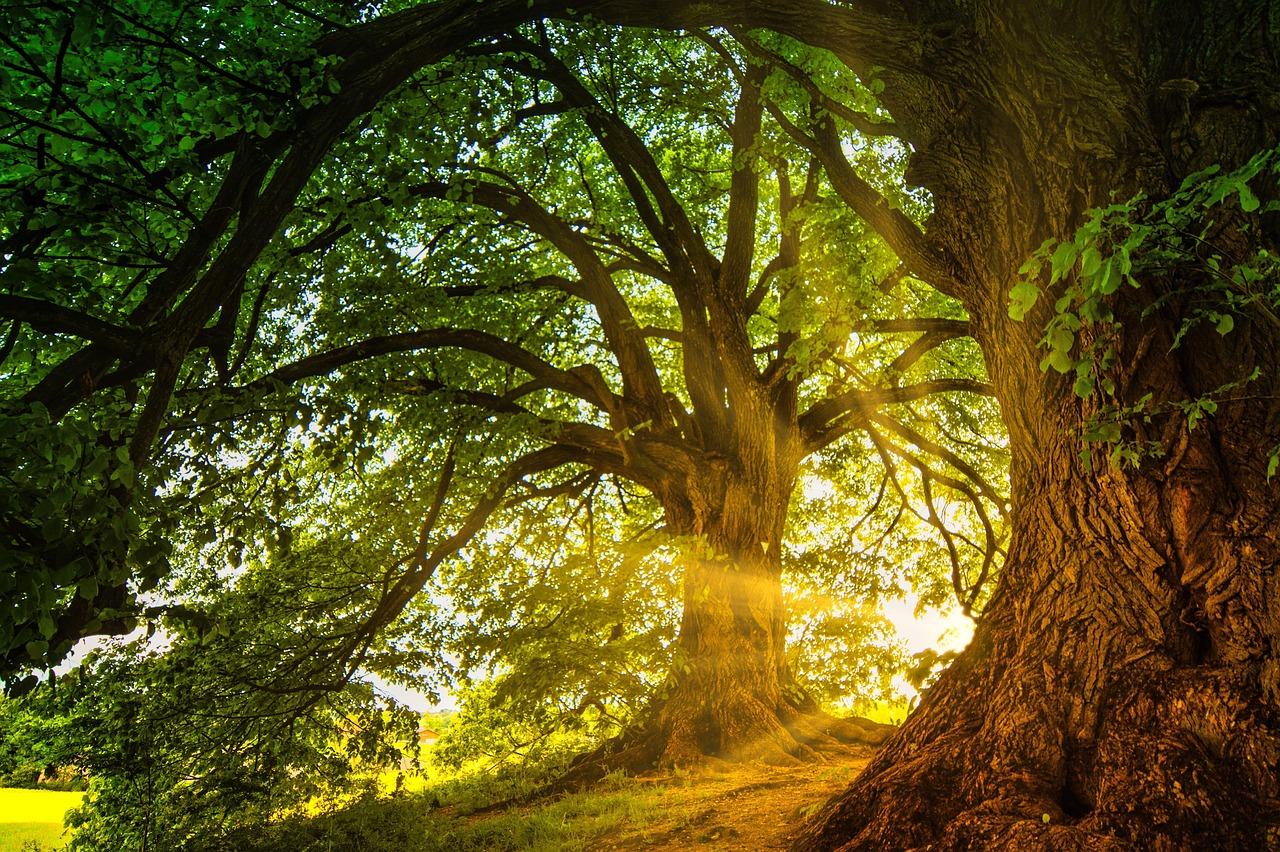
- Must-See Landmark: The 400-year-old Angel Oak Tree on Johns Island is a biological marvel and a sacred symbol of Lowcountry resilience.
- Artistic Legacy: The Gibbes Museum of Art houses a permanent collection spanning four centuries, featuring American portraits dating back to 1711.
- Hidden Retreat: To escape the bustling crowds of the Battery, locals frequent the 60-acre Hampton Park or the tranquil Pitt Street Bridge in Mount Pleasant.
Charleston is a city where time seems to fold in on itself. Walking down the cobblestone streets of the French Quarter, the scent of salt air mingles with the sweet fragrance of jasmine, and the tolling of church bells—giving the "Holy City" its nickname—reminds you of a history that predates the nation itself. As a destination editor, I have explored countless coastal enclaves, yet Charleston remains a singular obsession. It is a sophisticated confluence of 18th-century architecture, untamed coastal wilderness, and a culinary scene that manages to be both fiercely traditional and restlessly innovative.
Whether you are drawn by the stately allure of neoclassical mansions or the quiet mystery of a blackwater swamp, Charleston offers an immersive experience that rewards the curious traveler. This guide explores 26 essential experiences for 2024, balancing the city’s legendary landmarks with the whispered secrets of the Lowcountry.
1. Historic Landmarks & Cultural Treasures
The architecture of Charleston is its most visible narrative. The city’s commitment to preservation has created an outdoor museum of sorts, where every wrought-iron gate and pastel-hued brick tells a story of ambition, struggle, and survival.
The Nathaniel Russell House
The 1808 Nathaniel Russell House is perhaps the finest example of neoclassical architecture in the United States. Following a multi-year, multi-million dollar restoration, the house has been returned to its original 19th-century appearance. The centerpiece is the iconic "free-flying" spiral staircase, which rises three stories without apparent support—a feat of engineering that leaves even modern architects in awe.
Gibbes Museum of Art
To understand the soul of the South, one must look at its art. The Gibbes Museum of Art, housed in a magnificent Beaux Arts building, curates a collection that spans over 400 years. From 18th-century miniature portraits to contemporary installations, the museum offers a visual history of the Lowcountry’s evolution.
The Charleston Museum
Founded in 1773, this is America's first museum. It recently celebrated its 250th anniversary, offering a comprehensive look at the region's natural history and the complex social structures of the early South. It is an essential stop for those who want to understand the "why" behind Charleston's unique cultural landscape.
Boone Hall Plantation & Gardens
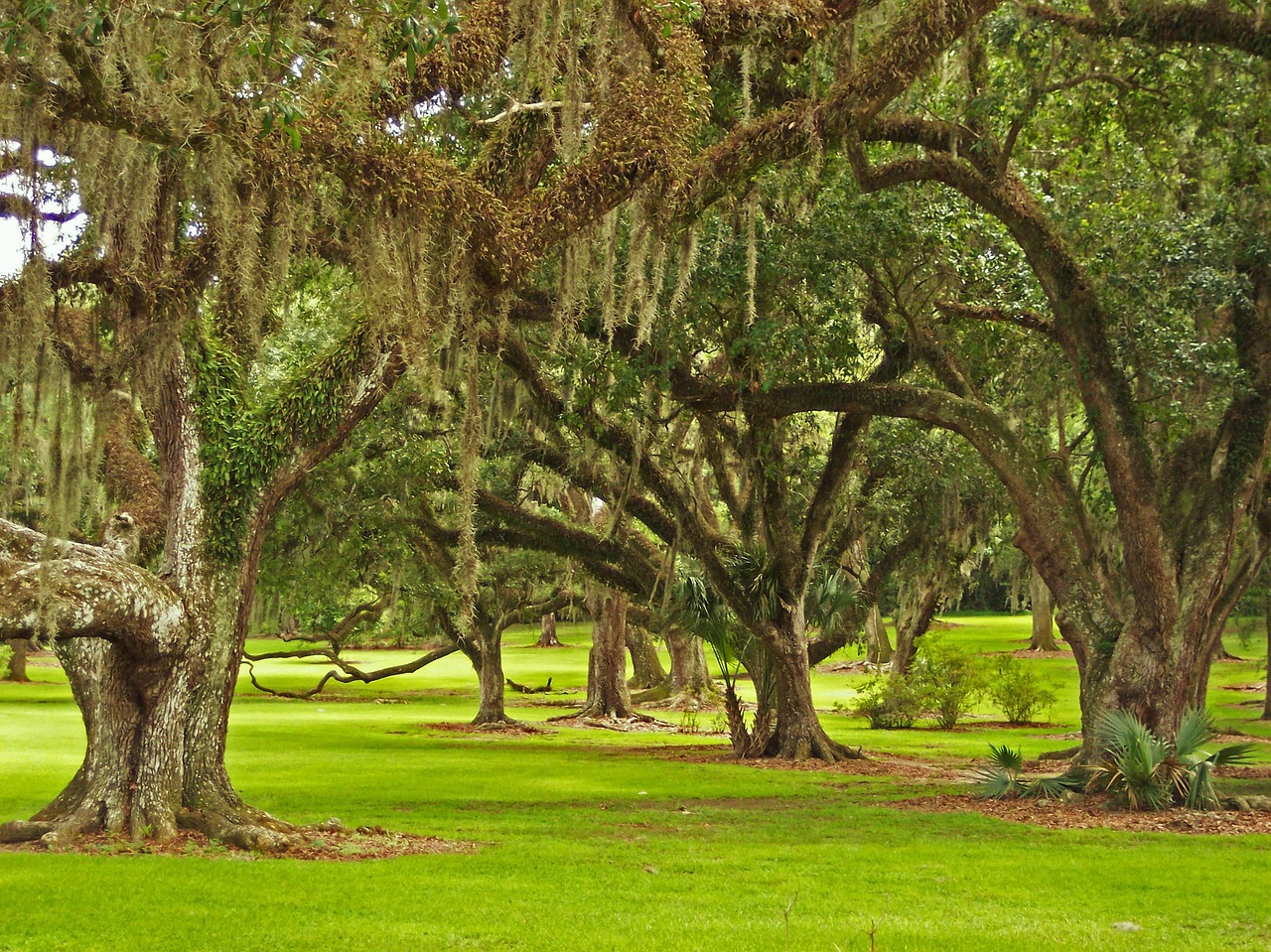
While many plantations exist in the region, Boone Hall is distinguished by its "Avenue of Oaks"—three-quarters of a mile of 280-year-old moss-draped trees. Crucially, the site provides an immersive look at Gullah culture through its "Black History in America" exhibit, ensuring that the stories of the enslaved people who built this wealth are centered in the narrative.
Insider Pro-Tip: When visiting historic houses, book the "Behind the Scenes" or specialized architecture tours. These often grant access to areas typically closed to the public, such as the servant quarters or upper balconies with harbor views.
2. Lowcountry Nature & Outdoor Adventures
Beyond the manicured gardens of the historic district lies a landscape defined by water and ancient flora. The Lowcountry is a place of "blackwater" swamps, salt marshes, and windswept barrier islands that feel entirely removed from the 21st century.
The Angel Oak Tree
Located on Johns Island, the Angel Oak is a living monument. Estimated to be over 400 years old, its massive, twisting limbs sprawl across 17,000 square feet, some dipping underground before resurfacing. It is a place of quiet reverence and a masterclass in natural preservation.
Cypress Gardens
For a truly immersive outdoor experience, head to Cypress Gardens. Here, visitors can row their own boats through a prehistoric-looking blackwater swamp filled with cypress and tupelo trees. If the scenery looks familiar, it’s because it served as the romantic backdrop for the rowing scene in The Notebook.
Charleston Sailing Charters
The best view of the Charleston skyline is undoubtedly from the water. Take a sunset cruise on the "Fate," a 50-foot luxury sailboat, or a vintage motor yacht. Navigating the harbor allows you to see Fort Sumter and the Battery from the same perspective as the explorers and merchants of centuries past.
Bulls Island & Boneyard Beach
Part of the Cape Romain National Wildlife Refuge, Bulls Island is accessible only by ferry. The highlight is Boneyard Beach, where the skeletal remains of salt-bleached oaks rise from the sand like natural sculptures. It is one of the most hauntingly beautiful and "untamed" coastal sites in the Southeast.
| Activity | Best For | Location |
|---|---|---|
| Kayaking | Wildlife spotting | Shem Creek |
| Sailing | Romantic sunsets | Charleston Harbor |
| Hiking | Coastal wilderness | Bulls Island |
| Rowing | Quiet reflection | Cypress Gardens |
3. Hidden Gems & Secret Passages
Charleston’s true character is often found in the spaces between the major attractions. To find the "Lowcountry Secrets" mentioned in the title, one must venture into the narrow alleys and local haunts that the tour buses miss.
Philadelphia Alley (Dueler’s Alley)
Tucked away in the French Quarter, this narrow brick path is officially named Philadelphia Alley but is locally known as Dueler’s Alley. Legend has it that many a gentleman settled his disputes here with pistols at dawn. Today, it is a peaceful corridor of ivy-covered walls and quiet gardens.
Pitt Street Bridge
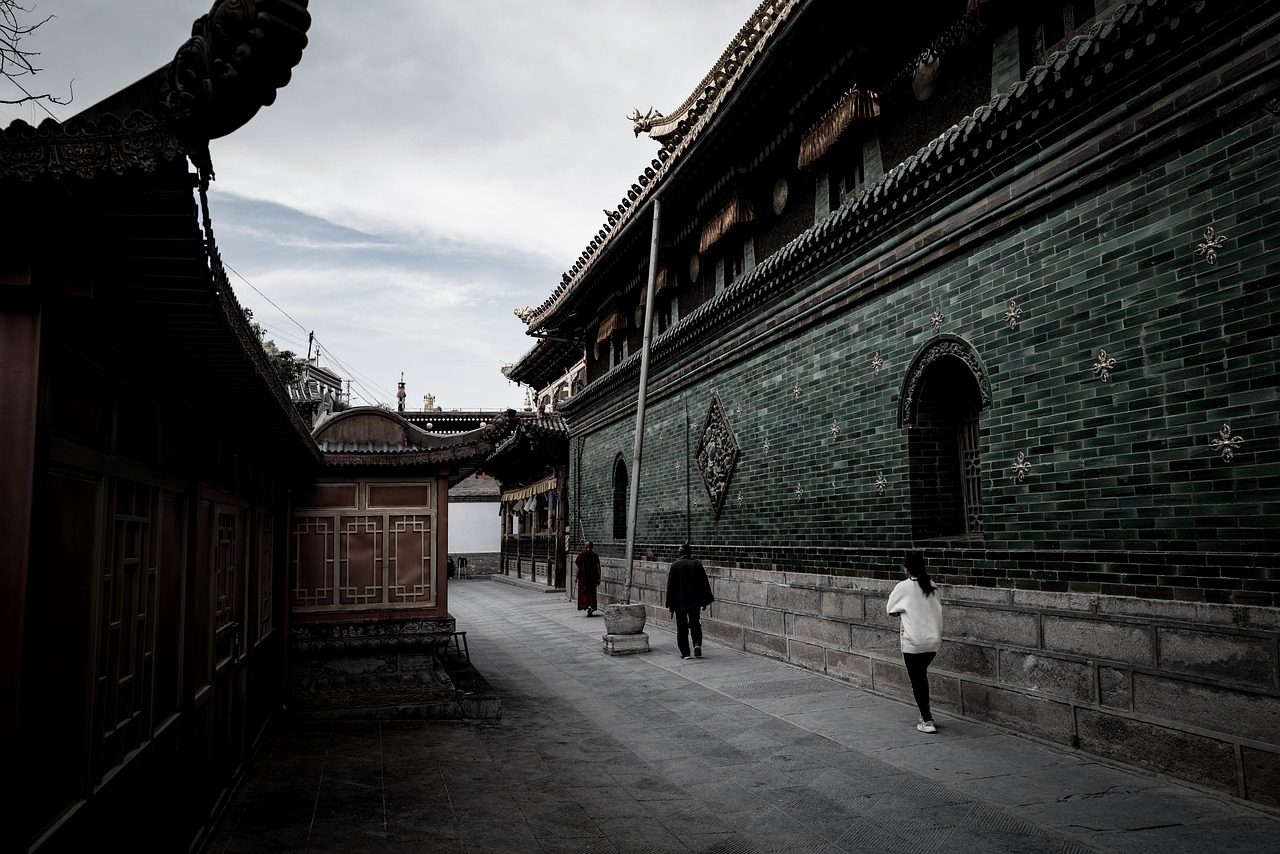
In the Old Village of Mount Pleasant, the Pitt Street Bridge was once the only way to reach the nearby beaches. Today, it is a pedestrian park jutting into the harbor. It is the perfect place for a sunset stroll, offering panoramic views of the Ravenel Bridge and the downtown skyline without the crowds of the Battery.
Hampton Park
While the tourists flock to White Point Garden, locals find solace in Hampton Park. This 60-acre green space features extensive floral displays, a serene duck pond, and wide paths perfect for cycling. It’s an ideal spot for a picnic under the shade of ancient oaks.
The Gateway Walk
Established by the Garden Club of Charleston in 1930, this "secret" walk winds through the graveyards and gardens of some of the city's most historic churches, including St. Philip’s and the Circular Congregational Church. It feels like stepping into a private world of wrought iron and quiet contemplation.
4. Culinary Delights & Spirits
Charleston is often described as a city that "lives to eat." The culinary scene here is a sophisticated blend of Gullah-Geechee heritage, French technique, and modern farm-to-table ethics.
Afternoon Tea at Hotel Bennett
For a taste of Charleston's more refined side, afternoon tea at Camellias Bar inside Hotel Bennett is a must. The room is a vision of pink marble and crystals, inspired by a Fabergé egg. The menu, curated by renowned pastry chef Rémy Fünfrock, features exquisite French-inspired pastries and traditional Southern scones.

High Wire Distilling
Witness the "grain-to-glass" movement at High Wire Distilling. They specialize in using heritage grains, like Jimmy Red corn, to create spirits with a distinct sense of place. Their distillery tour, featuring their hand-hammered copper pot stills, is both educational and intoxicatingly aromatic.
Bluegrass Brunch at High Cotton
Sundays in Charleston are best spent at High Cotton. The restaurant hosts a legendary Bluegrass Brunch, where the sounds of live fiddles and banjos accompany Southern staples like shrimp and grits or crab cake Benedict. It is a convivial, high-energy experience that captures the festive spirit of the city.
The Caviar Bar at Zero George
For an intimate, upscale evening, head to the veranda of Zero George. This 1804 historic house offers a Caviar Bar experience that is both luxurious and approachable. Pairing high-quality caviar with local sparkling wines while overlooking a hidden courtyard is the epitome of Charleston's "new" luxury.
Insider Pro-Tip: Dining reservations in Charleston are competitive. For high-demand spots like FIG or The Ordinary, set an alarm for when reservations open (often 30 days in advance) or check for "hidden" bar seating which is usually first-come, first-served.
5. Shopping & Traditional Crafts
Shopping in Charleston is an exercise in discerning the authentic from the mass-produced. The city’s markets and boutiques offer a direct connection to both local artisans and global craftsmanship.
Sweetgrass Basket Makers Highway
Along Highway 17 in Mount Pleasant, you will find the stands of local sweetgrass basket makers. This is one of the oldest African-origin handicrafts in the United States, brought to the Lowcountry by enslaved West Africans. Purchasing a basket here directly supports the Gullah artisans who have kept this intricate weaving tradition alive for over 300 years.

The King Street Districts
King Street is the city's commercial artery, divided into three distinct zones:
- Lower King (Antiques District): Home to high-end galleries and century-old antique dealers.
- Middle King (Fashion District): A blend of national retailers and local boutiques.
- Upper King (Design & Dining): The "trendy" end of the street, filled with interior design shops and the city’s best nightlife.
Charleston Farmers Market
Every Saturday morning at Marion Square, the Farmers Market becomes the city's living room. It’s a sensory explosion of local produce, Lowcountry flowers, and handmade gifts. It is the best place to find unique souvenirs, from locally harvested sea salt to hand-poured candles.
6. Planning Your 2024 Charleston Trip
Charleston is a year-round destination, but each season offers a different atmosphere. Spring (March to May) is perhaps the most famous time to visit, as the azaleas and wisteria are in full bloom and the weather is mild enough for walking. Fall (October to November) is equally stunning, with cooler temperatures and a vibrant festival schedule.
Transportation and Navigation
While the historic district is highly walkable, a narrated tour is the best way to gain historical context quickly. The Old Town Trolley Tours provide a "hop-on, hop-off" service that covers the major landmarks, making it easy to navigate the city without the stress of parking in narrow 18th-century streets.

Book Your Historic Trolley Tour →
2024 Travel Essentials
- Walking Shoes: The cobblestones are unforgiving; prioritize comfort over fashion for daytime exploration.
- Reservations: As mentioned, book your dining and museum tickets at least 2-4 weeks in advance.
- Hydration: The humidity in the Lowcountry is legendary—even in the shoulder seasons.
FAQ
1. Is Charleston a walkable city? Absolutely. The historic district is very compact and designed for walking. However, to see sites like the Angel Oak or the plantations, you will need a car or a guided tour.
2. How many days do I need in Charleston? To experience the highlights (history, nature, and food), a 3 to 4-day itinerary is ideal. This allows time for one day in the historic district, one day for the surrounding islands, and plenty of time for leisurely dining.
3. What is the "best" hidden gem for a first-time visitor? The Pitt Street Bridge. It offers the best view in the city and a glimpse into the local way of life, away from the more manicured tourist paths.
Experience the Magic of the Lowcountry
Charleston is more than just a collection of historic buildings; it is a sensory experience that lingers in the memory long after you’ve left. From the rustle of palmetto leaves to the taste of a perfectly prepared oyster, the city invites you to slow down and savor the moment. Start planning your 2024 journey today and discover why this "Holy City" remains the crown jewel of the American South.