Quick Facts
- The "Psychological Wormhole": Travel acts as a catalyst that melts routine social defenses, allowing travelers to reach levels of intimacy in days that usually take years to form at home.
- Identity Fluidity: Being anonymous in a foreign land allows individuals to shed their professional and social "resumes," leading to more authentic interactions.
- Shared Endorphins: Physical challenges—from trekking mountain passes to navigating complex transit systems—release neurochemicals that bond groups through shared resilience.
- 2026 Shift: Modern travelers are moving away from material luxury, with 67% prioritizing meaningful experiences and 55% seeking deep human connection as their primary goal.
- Ichigo Ichie: The Japanese philosophy of "once-in-a-lifetime encounters" encourages travelers to embrace the beauty of temporary, high-intensity friendships.
The 'Psychological Wormhole' of the Road
I remember a humid evening in 2018, sitting in the back of a vintage red Chevrolet traversing the crumbling, sun-drenched streets of Havana. Beside me were three people whose names I hadn’t known forty-eight hours prior: a retired architect from Melbourne, a PhD student from Berlin, and a local musician. By the time the sun dipped below the Malecón, we were discussing our greatest fears, our failed romances, and the quiet dreams we’d never told our closest friends back home.
This phenomenon isn't just "vacation magic"—it’s what psychologists often refer to as a psychological wormhole. In our daily lives, we are guarded by the armor of our routines, our titles, and our histories. But travel strips this away. When we enter an unfamiliar setting, our routine defenses melt like an ice cube on a summer sidewalk. We become more authentic, more open-minded, and curiously willing to take the kind of social risks that foster fast, deep friendships.
In this "wormhole," time dilates. A week spent sharing meals and navigating a foreign tongue feels like ten years of neighborhood coffee dates. We aren't just meeting people; we are collecting meaningful fragments of identity alongside them.
The Science of Social Lubrication: Why Defenses Drop
Why do we tell our life stories to a stranger in a Oaxacan café? The answer lies in the freedom of anonymity. At home, you are "the marketing director," "the parent," or "the quiet neighbor." On the road, you are simply you. This shifting identity creates a vacuum where the pressure to maintain a specific social persona disappears.
"Travel removes the routine social filters we use to protect ourselves. When you are lost in a city where no one knows your name, the only thing you have to offer is your true self. That vulnerability is the ultimate social lubricant." — Dr. Elena Voss, Social Psychologist.
Shared vulnerability is the secondary engine of these bonds. Whether it’s the collective confusion of reading a kanji-filled menu or the shared exhaustion of a delayed flight in Delhi, these "micro-crises" demand immediate cooperation. When we are vulnerable, we seek connection for safety and comfort, bypassing the months of small talk usually required to build trust.
Endorphins and the Shared Struggle
There is a biological component to the "fast friend" phenomenon, often called the "Hiking Effect." When we engage in shared physical challenges—climbing the mist-covered steps of Machu Picchu or even the simple, grueling task of walking 20,000 steps through Rome—our bodies release endorphins. These neurotransmitters trigger feelings of pleasure and joy, which we then subconsciously associate with the people standing next to us.
Furthermore, focusing on a common task reduces the "social pressure" of making conversation. When two people are looking at a map or a mountain peak, they aren't staring at each other, which lowers the stakes of the interaction.
- Shared Goals: Navigating a new city creates a "we’re in this together" mentality.
- Physiological Bonding: Physical exertion acts as a shortcut to trust, mimicking the bonding rituals of early human tribes.
- Sensory Overload: Taking in new sights and smells together creates a shared "sensory history" that feels exclusive and intimate.
The 2026 Shift: Seeking Connection Over Commodities
As we look toward the travel landscape of 2026, a profound shift is occurring. We are seeing a rejection of "performative luxury" in favor of "human-centric exploration." Travelers are no longer just looking for the perfect Instagram backdrop; they are looking for a mirror in another person.
According to recent travel research, the metrics for a "successful" trip have changed. We are seeing a move toward "Destination Dupes" and lesser-traveled paths specifically because they facilitate deeper bonds with both locals and fellow travelers.
By the Numbers: The 2026 Human Connection Report
| Metric | Statistic | Impact on Travel |
|---|---|---|
| Experience Over Possessions | 67% of Americans | Prioritizing travel budgets over material goods like cars or tech. |
| Primary Goal of Travel | 55% of Travelers | Defining success as "spending quality time and fostering human connection." |
| Social Investment | 42% Increase | Rise in solo travelers joining small-group, interest-based "immersion tours." |
This data suggests that the modern traveler is a "connection seeker." We are tired of the digital echo chamber and are using the physical world as a space to reclaim authentic human interaction.
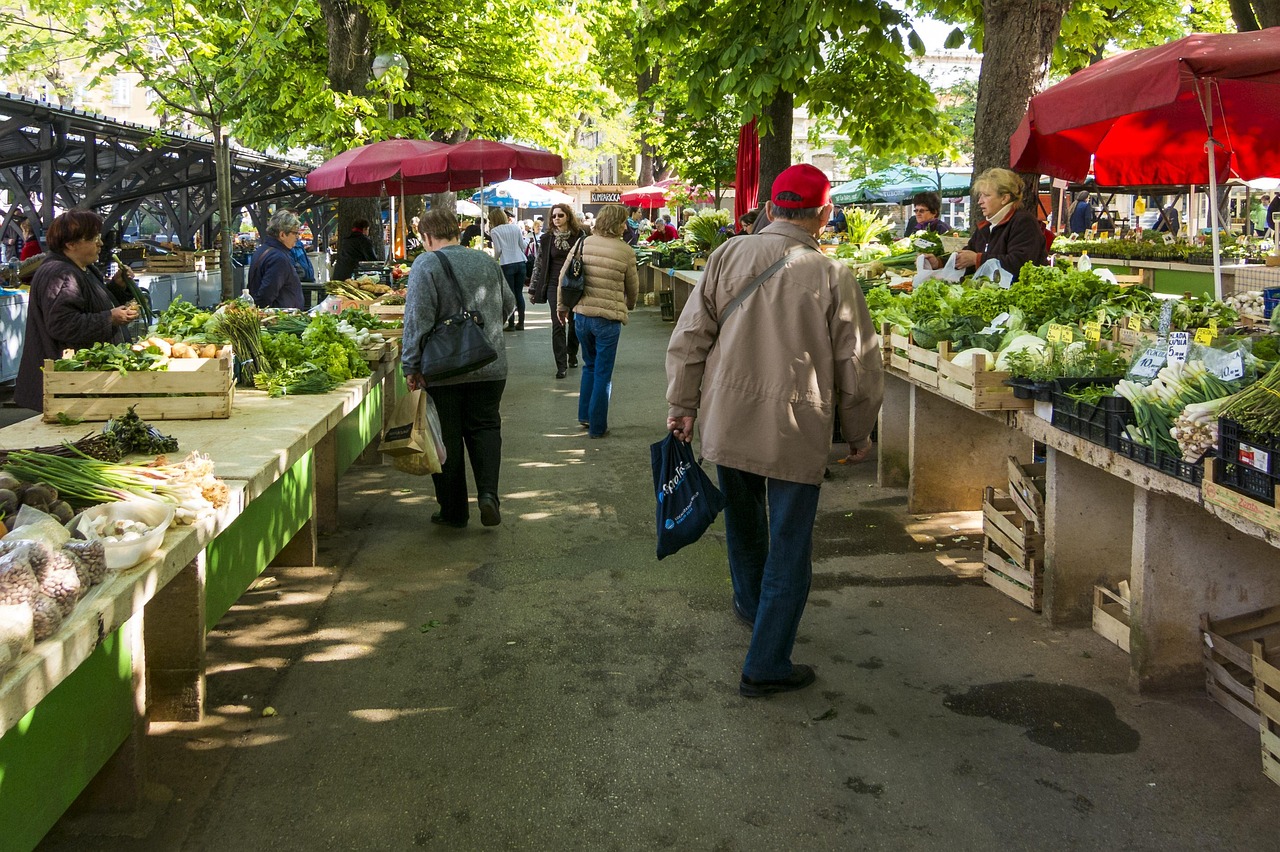
Ichigo Ichie: The Power of the Finite Moment
In Japanese tea ceremonies, there is a beautiful idiom: Ichigo ichie (一期一会). Translated literally as "one time, one meeting," it carries the weight of a profound philosophy: "for this time only." It teaches us that every encounter is unique and can never be repeated exactly as it is now.
The Spirit of Ichigo Ichie in Travel
Travel friendships are often defined by their "ticking clock." We know our time in this hostel, this city, or this shared van is limited. Instead of making us hesitant, this finiteness makes us more present. We lean in faster because there is no "next time." We share our secrets because the risk of social fallout is zero—they will be in London tomorrow, and I will be in Lisbon. It is a beautiful, temporary sanctuary of honesty.
This intensity is what makes travel friends feel so vital. They exist within a vacuum of pure experience, untainted by the mundane logistics of "real life"—laundry, bills, or workplace politics.
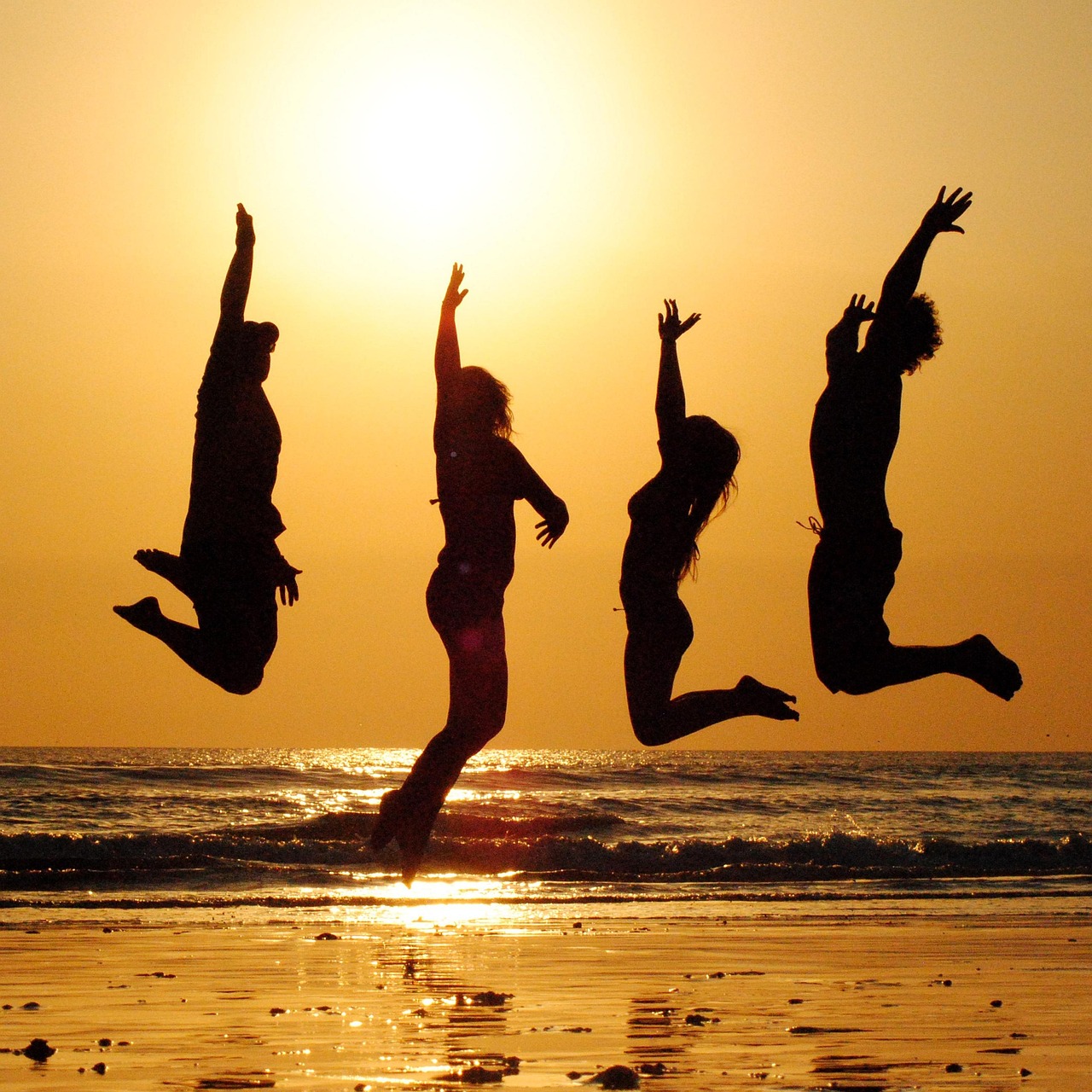
Do They Last? From Vacation Vibe to Real Life
The question inevitably arises: Can a "wormhole" friendship survive the harsh light of reality? Many travel friendships fade as soon as we reclaim our "regular" identities. The person who was a fearless adventurer in the Sahara might return to being a cautious accountant in Seattle, and the spark of shared adventure struggles to survive over Zoom calls.
However, some bonds transcend the itinerary. There is a famous case study often cited in travel circles—the "Aruba 1981" group. Four strangers met at a resort in 1981 and have met every two years since, across three continents. What allowed them to last?
- Intentionality: Moving the friendship from "shared location" to "shared values."
- Effort: Recognizing that long-distance bonds require more maintenance than local ones.
- Shared History: Using the initial trip as the foundation for a lifetime of new, evolving memories.
Ultimately, whether these friendships last forty years or four days doesn't negate their value. They serve as a reminder that we are far more capable of connection than our daily lives allow us to believe.

FAQ
Why do I feel more like "myself" when I'm traveling with strangers? Because you are free from the expectations of people who have known you for years. Travel provides a "blank slate" where you can express parts of your personality that might be suppressed in your professional or family life.
Is it normal to feel a sense of "grief" when a travel friendship ends? Absolutely. Because travel friendships are so high-intensity, parting ways can feel like a breakup. It’s the natural comedown from the "psychological wormhole" and the high levels of oxytocin and endorphins experienced during the trip.
How can solo travelers better facilitate these fast friendships? Look for "shared struggle" activities—walking tours, cooking classes, or group hikes. These provide a common task that naturally breaks the ice without the awkwardness of a forced introduction.
Are you ready to find your next "fast friend"? Whether it's through a shared bowl of pasta in Rome or a sunrise hike in the Himalayas, the world is waiting to introduce you to a version of yourself you haven't met yet.