Quick Facts: The 2025 Architectural Vanguard
Before we delve into the intricate details of these subterranean cathedrals and multimodal behemoths, here is a high-level summary of the 2025 Prix Versailles winners that are redefining global transit:
- The Sustainability Shift: Winners are now selected based on "intelligent sustainability," a framework where cultural resonance and architectural innovation elevate ecological responsibility.
- The Hub of Giants: China’s Baiyun Station sets a new record for integration, merging 24 high-speed rail lines and 6 subway lines into a single structure.
- Subterranean Mastery: Paris and Sydney are leading the "depth race," with stations like Villejuif—Gustave Roussy casting natural light nearly 164 feet below ground.
- Signature Architects: The 2025 list features a "who’s who" of contemporary design, including Foster + Partners, Zaha Hadid Architects, Kengo Kuma, and Santiago Calatrava.
Introduction: The New Era of Rail Destinations
For decades, the railway station was viewed through the lens of pure utility—a "liminal space" where the traveler’s only goal was to leave as quickly as possible. However, as we approach the mid-point of the decade, a profound architectural shift has occurred. The station has evolved from a transit node into a destination in its own right. The 2025 Prix Versailles architecture awards have highlighted a global trend toward "intelligent sustainability," where the world’s most beautiful train stations are no longer just glass-and-steel boxes but sophisticated cultural anchors.
These winners represent a marriage of high-tech engineering and deep-rooted heritage. From the deep-core excavations in Sydney to the wind-sculpted facades in Riyadh, these structures prove that public infrastructure can—and should—be breathtaking. These are the seven most beautiful train stations in the world for 2025, evaluated not just for their aesthetic grace, but for their contribution to the urban fabric.
1. Gadigal Station, Sydney, Australia
Located in the heart of Sydney’s Central Business District, Gadigal Station—named in honor of the Gadigal people of the Eora Nation—serves as the centerpiece of the ambitious Sydney Metro project. Designed by the world-renowned firm Foster + Partners, the station is a masterclass in modern subterranean navigation.
Quick Facts: Gadigal Station
- Architect: Foster + Partners
- Depth: 82 feet (25 meters) below ground level
- Unique Feature: Direct integration of Gadigal cultural heritage through contemporary art and nomenclature.
The architecture here is characterized by its "absolute modernity." The design team focused on intuitive wayfinding, using massive, soaring volumes and light-filled voids to guide passengers from the street to the platforms 82 feet below. The use of high-quality materials—terrazzo, stainless steel, and refined stone—elevates the daily commute into a premium experience. It is a space that feels both monumental and intensely local, bridging the gap between Sydney’s ancient roots and its future as a global financial hub.
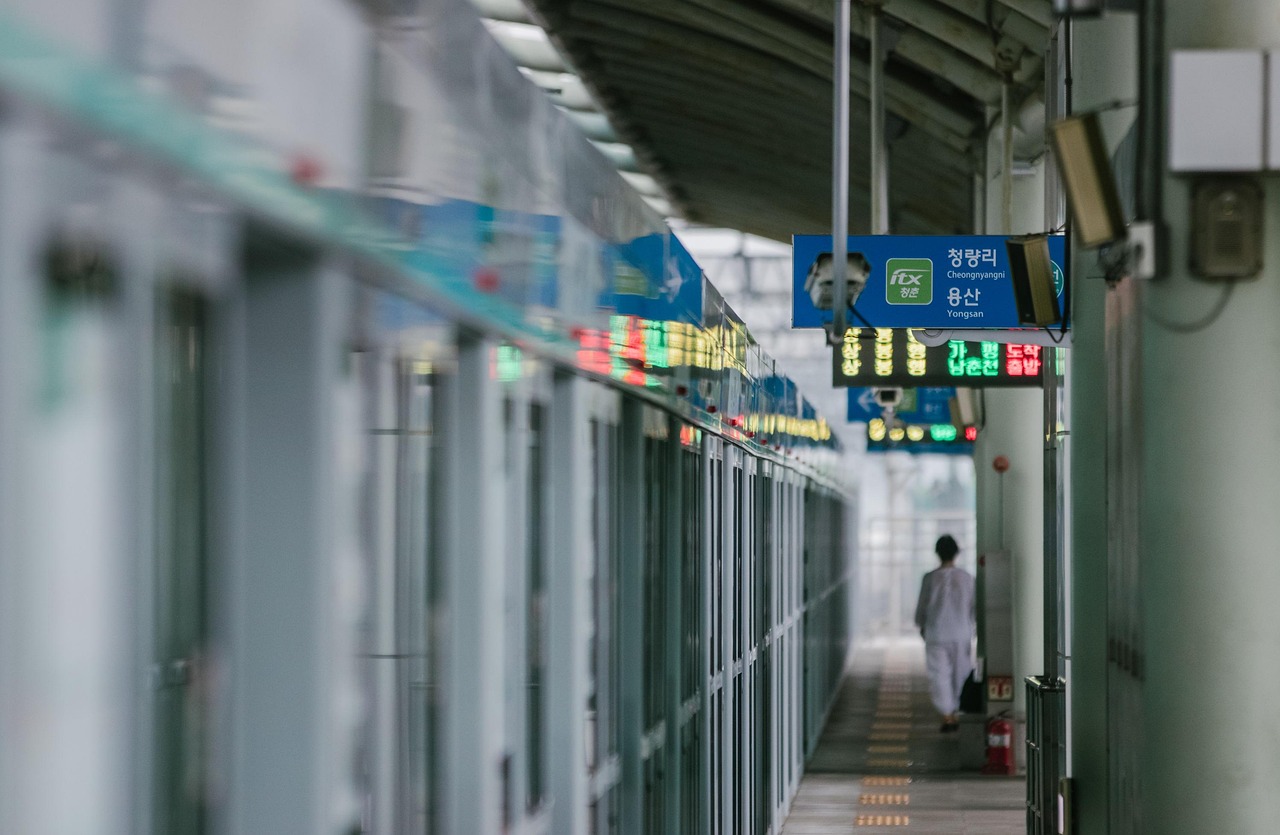
2. Mons Station, Mons, Belgium
Santiago Calatrava has a long-standing reputation for turning transit hubs into skeletal, organic sculptures, and Mons Station is perhaps his most refined work to date. Serving as a bridge between the historic city center and a developing commercial district, the station is more than a transit point; it is a vital urban ligament.
Quick Facts: Mons Station
- Architect: Santiago Calatrava
- Primary Materials: Steel, glass, and white concrete
- Unique Feature: A 600-foot-long pedestrian bridge that doubles as the station's main concourse.
Often described as a "futuristic cathedral," Mons Station features Calatrava’s signature sweeping steel arches. The structure’s most impressive feat is its temperature-regulating skylights, which utilize passive solar principles to maintain comfort throughout the Belgian seasons. The station’s soaring glass canopy allows light to wash over the platforms, creating a sense of weightlessness that defies the heavy industrial history of the region. It is a triumph of engineering that prioritizes the pedestrian over the machine.
3. Baiyun Station, Guangzhou, China
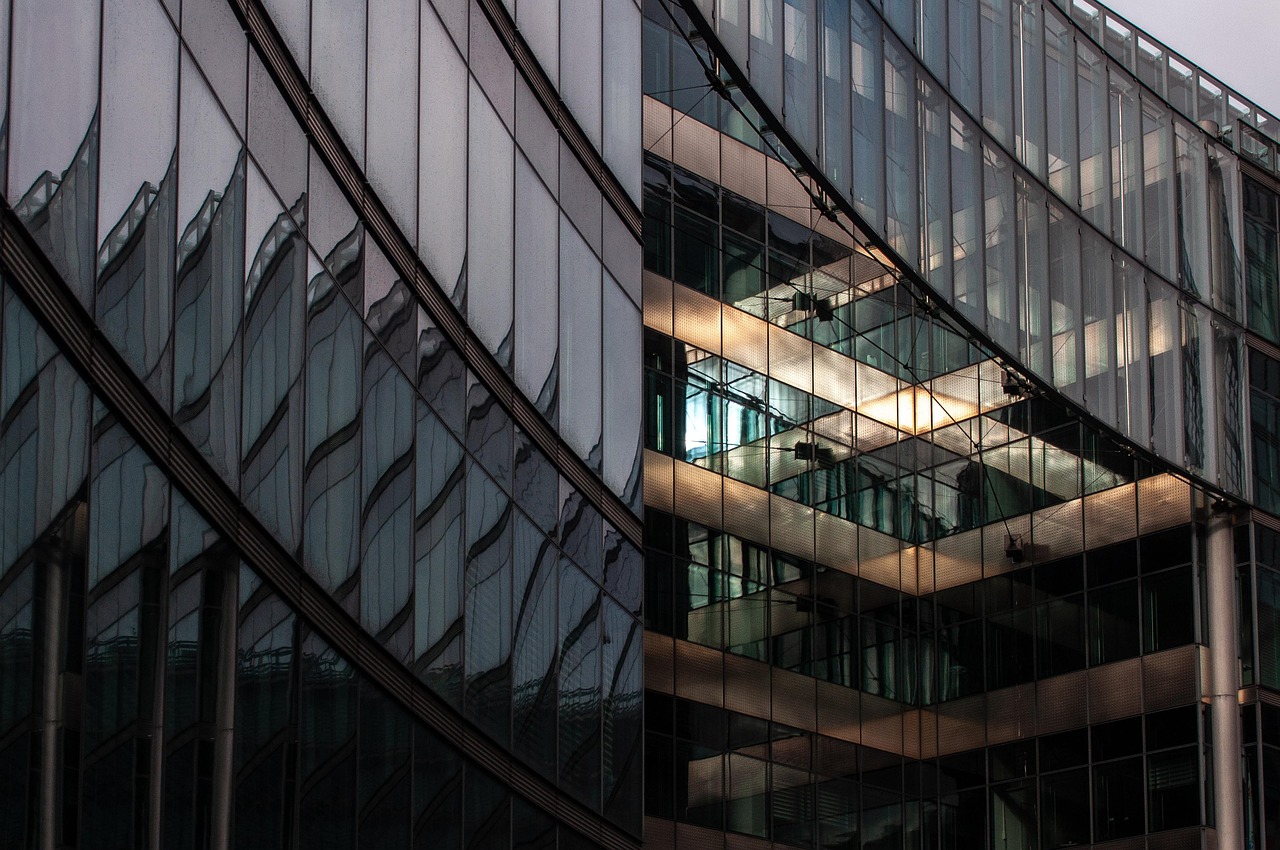
In the realm of scale, few projects can compete with Guangzhou’s Baiyun Station. Designed by Nikken Sekkei, this multimodal behemoth replaces the aging Tangxi station and serves as a critical node in China’s high-speed rail (HSR) network.
Quick Facts: Baiyun Station
- Design Firm: Nikken Sekkei
- Capacity: Integrates 24 HSR lines, 6 subway lines, and 3 bus terminals
- Design Language: "Flowing Petals" architecture, reflecting the "City of Flowers" (Guangzhou).
Baiyun is a testament to the sheer ambition of Chinese infrastructure. Despite its massive footprint, the station avoids the claustrophobia typical of such large hubs. The design utilizes a light, airy structure with a vast roof that mimics the petals of a flower. The integration of 24 high-speed lines within a single architectural envelope is a logistical miracle, yet the passenger experience remains surprisingly fluid. The use of natural ventilation and expansive skylights ensures that even in the humid climate of Southern China, the station remains a cool, tranquil sanctuary for the millions of travelers passing through each year.
4. Saint-Denis—Pleyel Station, Paris, France
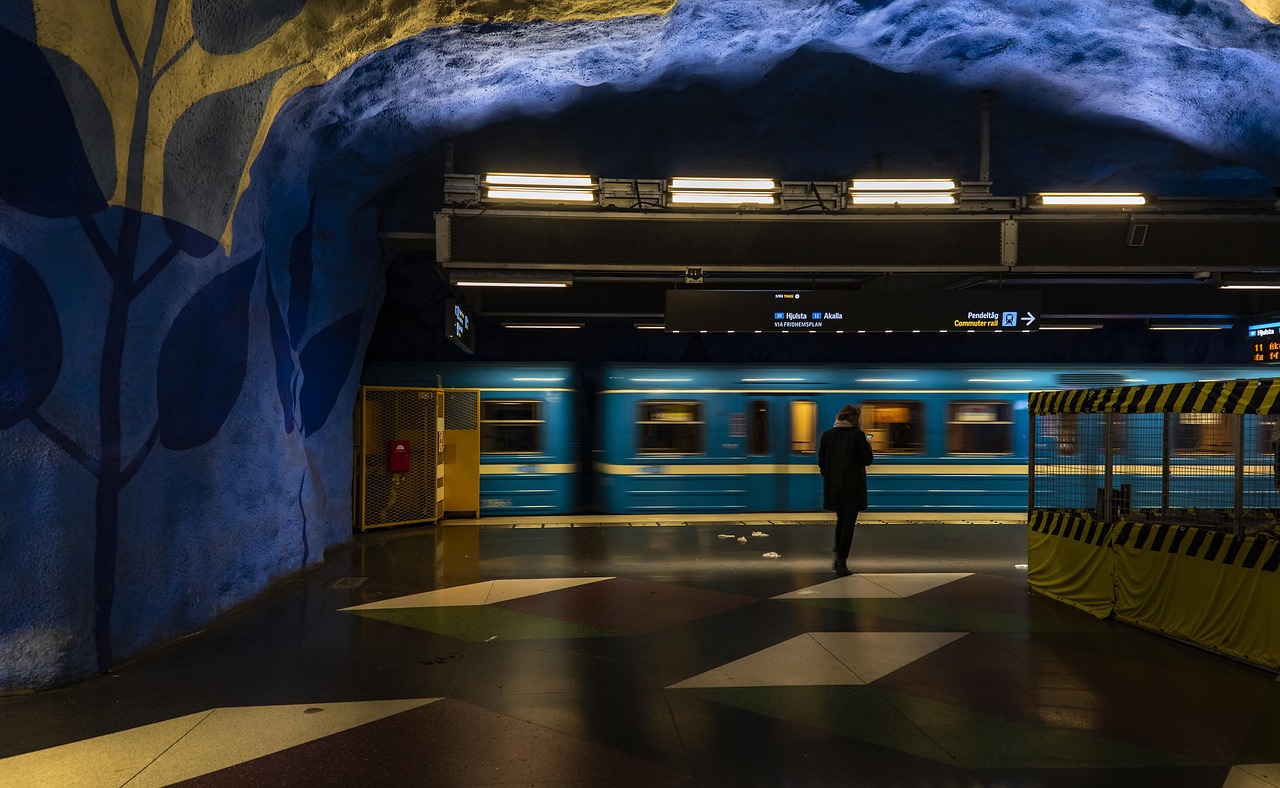
As part of the Grand Paris Express project, Saint-Denis—Pleyel is designed to be the "Châtelet of the North." Crafted by the legendary Kengo Kuma, the station is a radical departure from the utilitarian aesthetic of older Parisian Métro stations.
Quick Facts: Saint-Denis—Pleyel Station
- Architect: Kengo Kuma & Associates
- Depth: 88 feet below ground
- Cultural Element: Includes over 100 sculptures and a multi-level cultural center.
Kuma’s design is defined by a dramatic "draped" light effect. Massive timber fins and steel beams are arranged in a way that filters sunlight through the building’s many levels, reaching deep into the subterranean concourses. The station features a warm wooden atrium—a Kuma hallmark—that brings an organic, human touch to a space usually dominated by cold stone. Furthermore, the station doubles as a museum, housing sculptures inspired by Palaeolithic art, ensuring that the commute is an intellectually stimulating journey through time and space.

5. Villejuif—Gustave Roussy Station, Paris, France
If Saint-Denis—Pleyel is the cultural heart of the new Paris network, Villejuif—Gustave Roussy is its engineering marvel. Designed by Dominique Perrault, this station is one of the deepest passenger hubs in France, and its architecture is a bold exploration of verticality.
Quick Facts: Villejuif—Gustave Roussy
- Architect: Dominique Perrault Architecture
- Engineering Feat: A 230-foot (70-meter) diameter cylinder
- Natural Light: Sunlight reaches 164 feet below ground level.
The station’s defining feature is a massive circular shaft that pierces the earth. Perrault’s vision was to bring the sky to the platforms. By utilizing a 230-foot diameter cylinder, the design allows natural light to penetrate 164 feet below the surface, illuminating the deep-level platforms of Lines 14 and 15. This "sun well" eliminates the sense of being trapped underground, creating an atmospheric, almost ethereal environment that challenges our traditional understanding of subterranean space.
6. KAFD Station, Riyadh, Saudi Arabia
The King Abdullah Financial District (KAFD) Station in Riyadh is perhaps the most visually arresting project on this list. Designed by the late Zaha Hadid, it serves as the crown jewel of the city’s new 110-mile metro network.
Quick Facts: KAFD Station
- Architect: Zaha Hadid Architects
- Concept: "Desert Winds"
- Significance: Central exchange for three major metro lines.
The façade of KAFD Station is a complex, undulating pattern that mimics the rhythmic curves of sand dunes created by desert winds. This is not merely aesthetic; the lattice-like structure provides essential shading while allowing for air circulation—a necessity in the harsh Saudi Arabian climate. Inside, the station is a symphony of futuristic curves and crystalline structures. It represents a bold vision of the future where the station is not just a place of transit, but a civic landmark that symbolizes Riyadh's rapid modernization and global aspirations.
7. Qasr Al Hokm Station, Riyadh, Saudi Arabia
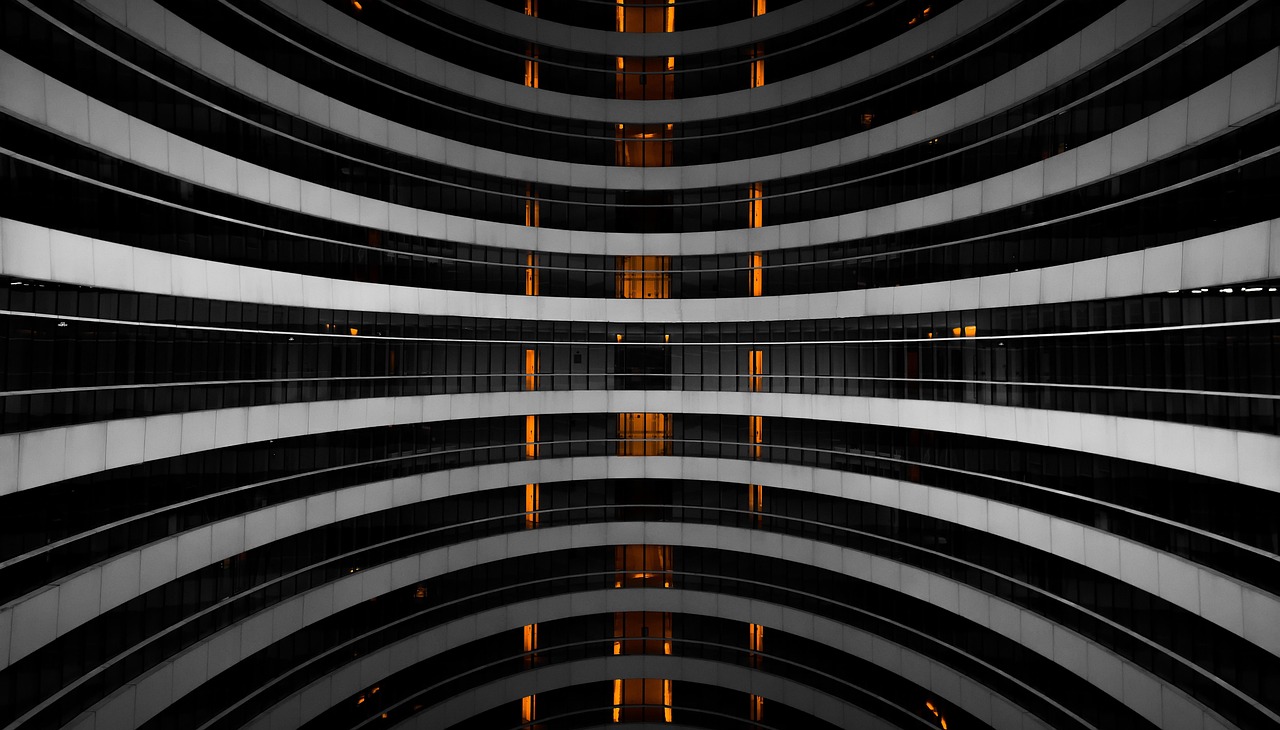
While KAFD is a vision of the future, Qasr Al Hokm Station—designed by the Norwegian firm Snøhetta—is a masterful blend of tradition and high-tech innovation. Located at the intersection of Riyadh’s two primary metro lines, it serves as a symbolic gateway to the city’s historic center.
Quick Facts: Qasr Al Hokm Station
- Architect: Snøhetta
- Design Philosophy: Najdi architecture reimagined
- Highlight: An underground garden of native, drought-tolerant flora.
The station’s most striking feature is its inverted canopy, which acts as a giant funnel, drawing light and fresh air into the lower levels. Snøhetta integrated traditional Najdi architectural elements, such as modern adobe-style interiors, with cutting-edge sustainable technology. Most impressively, the station houses a subterranean garden filled with native plants, creating a literal oasis in the middle of the metropolitan bustle. It is a stunning example of how "intelligent sustainability" can manifest as a living, breathing ecosystem within a transit hub.
Beyond Beauty: Emerging Rail Travel Trends for 2026
As we look toward 2026, the global rail landscape is shifting. It is no longer enough for a station to be beautiful; the entire travel experience is being upgraded to meet the demands of a new generation of "slow travelers."
- Luxury Upgrades: We are seeing a resurgence in private rail travel. For instance, the Amtrak Cascades and the Halloway line are introducing private rail cars that mimic the boutique hotel experience.
- Scenic Cross-Border Routes: Infrastructure is increasingly focused on the "experience of the journey." New Alpine Heritage Lines and Baltic corridors are being designed specifically to showcase the landscape, turning the train into a panoramic theater.
- The "Station-as-City" Concept: Following the model of the Prix Versailles winners, future stations will increasingly incorporate co-working spaces, luxury retail, and even vertical farms, further blurring the line between a transit hub and a metropolitan center.

FAQ
Q: What is the Prix Versailles, and why does it matter for train stations? A: The Prix Versailles is a prestigious global architecture award associated with UNESCO. It recognizes projects that exhibit "intelligent sustainability"—balancing environmental performance with cultural and aesthetic value. For train stations, it marks the shift from utility to landmark status.
Q: Are these stations open to the public yet? A: Most of these stations, including Gadigal and Mons, are currently operational. Others, particularly those in the Grand Paris Express and Riyadh Metro networks, are opening in phases throughout 2024 and 2025.
Q: How does modern station design affect the passenger experience? A: Beyond aesthetics, modern design focuses on "intuitive wayfinding." High ceilings, natural light, and clear sightlines reduce the stress of navigation, while integrated cultural spaces and gardens improve mental well-being during transit.
A Critic's Conclusion
As a travel critic, I have walked through hundreds of stations, from the grime of New York’s Penn Station to the historic grandeur of London’s St. Pancras. What we are witnessing in 2025 is a third era of rail: the Era of Transcendence. These seven stations are not merely transit hubs; they are statements of intent. They suggest that our public spaces can be as inspiring as our private ones and that the journey, truly, is as important as the destination.
For more on high-speed rail developments and luxury travel news, subscribe to our weekly briefing.