Quick Facts
- Social Alchemy: Shared physical challenges like cold water immersion strip away social masks, making them the ultimate catalyst for solo travelers to form deep, immediate bonds.
- The Gender Edge: Research confirms women possess a physiological advantage in wild swimming, including superior buoyancy and metabolic resilience to cold.
- Rapid Growth: The global aquatic wellness market now boasts over 360 specialized wild swimming retreats, with 64% concentrated in Europe and Latin America.
- Safety First: These retreats provide expert coaching and lifeguarding, allowing solo swimmers to push their limits without the risks of going it alone.
I’ve stood on plenty of jagged edges—alpine peaks, desert dunes, remote jungle cliffs—but nothing quite hits like the edge of a cold, grey Atlantic tidal pool at 6:00 AM. There’s a specific kind of silence that exists just before you jump. It’s not just the absence of noise; it’s the absence of the "digital self." Your job title, your social media following, and your mounting inbox don't matter when the water is 12°C.
For the solo traveler, this is the holy grail. Wild swimming retreats have exploded in popularity because they solve the primary paradox of solo travel: the desire for solitude mixed with the need for connection. They provide a structured communal environment where shared physical activity—specifically the visceral shock of cold water—strips away social status and fosters immediate, genuine emotional connections. You aren't just "somebody" on a trip; you’re a teammate in the plunge.
The Power of the Plunge: Why Solo Travelers are Diving In
When you travel solo, there’s often a lingering pressure to "perform"—to be the outgoing adventurer at the hostel bar or the savvy navigator. Wild swimming retreats replace that social performance with a shared vulnerability. There is something profoundly leveling about standing on a riverbank in nothing but a swimsuit and a silicone cap.
In my experience, the "stripped-back" effect is literal and metaphorical. When you are gasping for air together after a cold immersion, the barriers we usually keep up in polite society vanish. You aren’t asking someone what they do for a living; you’re asking them how they’re managing their breathing. It’s a shortcut to intimacy that usually takes months to build.
For those of us reeling from the loneliness of digital life, these retreats offer activity-based friendship. You aren't sitting across a table trying to find common ground; you are swimming toward the same buoy. The shared goal creates a "tribe" mentality that is incredibly welcoming for someone arriving on their own.

The Science of the Sisterhood
While wild swimming is for everyone, there is a distinct and powerful movement within women’s swimming retreats, particularly in the UK. This isn't just about social preference; it's backed by biology. Women are scientifically proven to outperform men in long-distance swimming due to higher metabolic efficiency, better buoyancy (thanks to fat distribution), and superior physiological resilience to cold-water exposure.
I’ve spoken with dozens of retreat leaders who describe their sessions as "rebirth" rituals. For many women, these retreats are a space to reclaim their bodies from societal expectations. In the water, your body is a vessel of strength and thermal regulation, not an aesthetic object.
"In the ocean, your buoyancy is your superpower. We see women who have been told to shrink their whole lives suddenly realize that their body is built to survive and thrive in the most hostile environments on earth." — Lead Coach, The Salt Sisterhood
This "Sisterhood of the Sea" has become a cornerstone of the industry. Many solo female travelers choose these retreats because they offer emotional safety. You are surrounded by people who understand the specific resilience required to navigate the world, and that shared understanding translates into a supportive, ego-free environment.
Top Solo-Friendly Wild Swimming Destinations
If you’re ready to take the plunge, the options are as varied as the bodies of water themselves. The global market is booming, featuring over 360 specialized wild swimming retreats, with Europe and Latin America together accounting for over 64% of total destinations. Here are my top picks for the solo explorer:
1. Cornwall, UK: The Gateway to the Atlantic
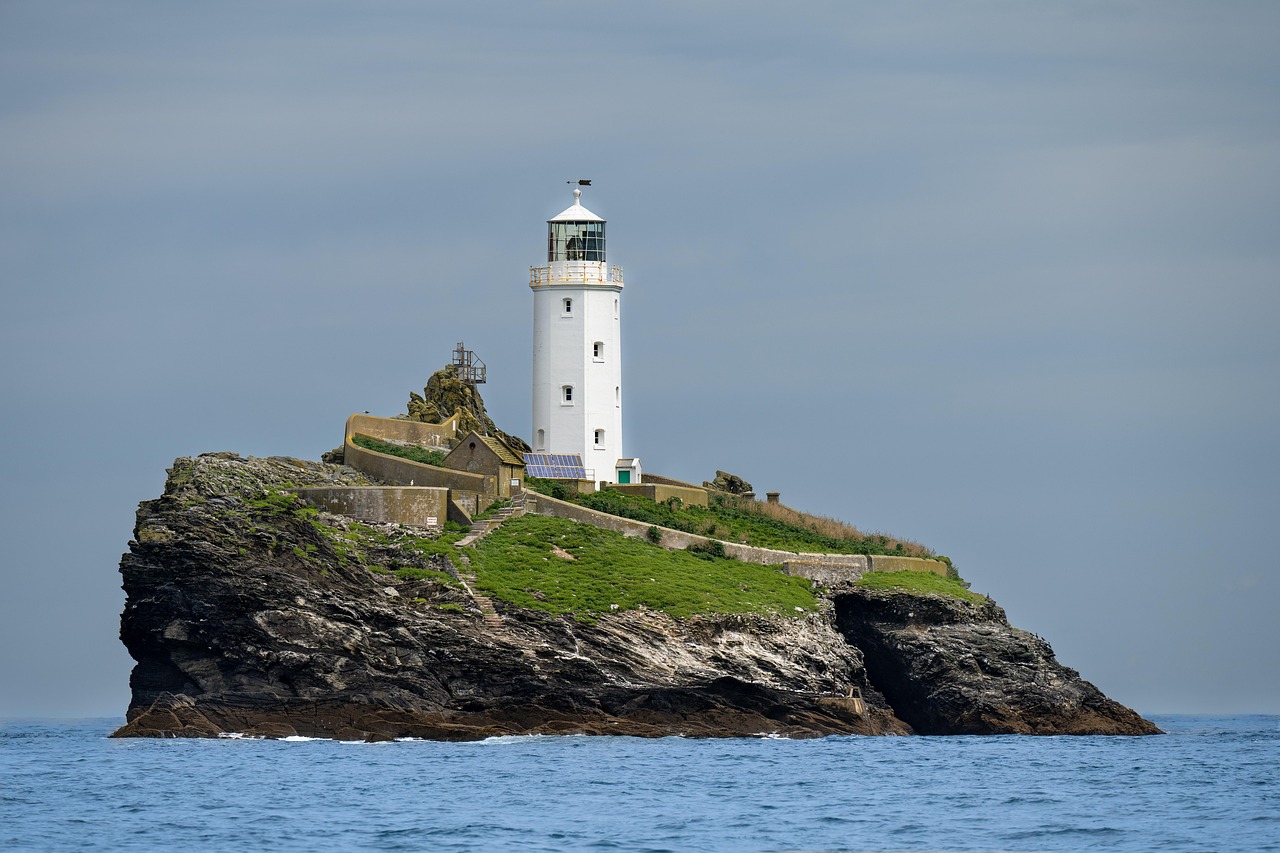
Cornwall is the spiritual home of the UK’s wild swimming revival. Between the rugged cliffs of the north coast and the sheltered coves of the south, it offers a playground for every level. I highly recommend looking for retreats that focus on Cornwall's secret tidal pools. These man-made, ocean-filled basins offer the safety of a pool with the raw energy of the Atlantic.
The "Salt Sisterhood" operates Scandi-style retreats here, combining cold water therapy with wood-fired saunas and communal beach bonfires. It’s the perfect entry point for a solo traveler who wants a mix of adventure and comfort.
2. The Lake District, UK: Mountain Tarn Magic
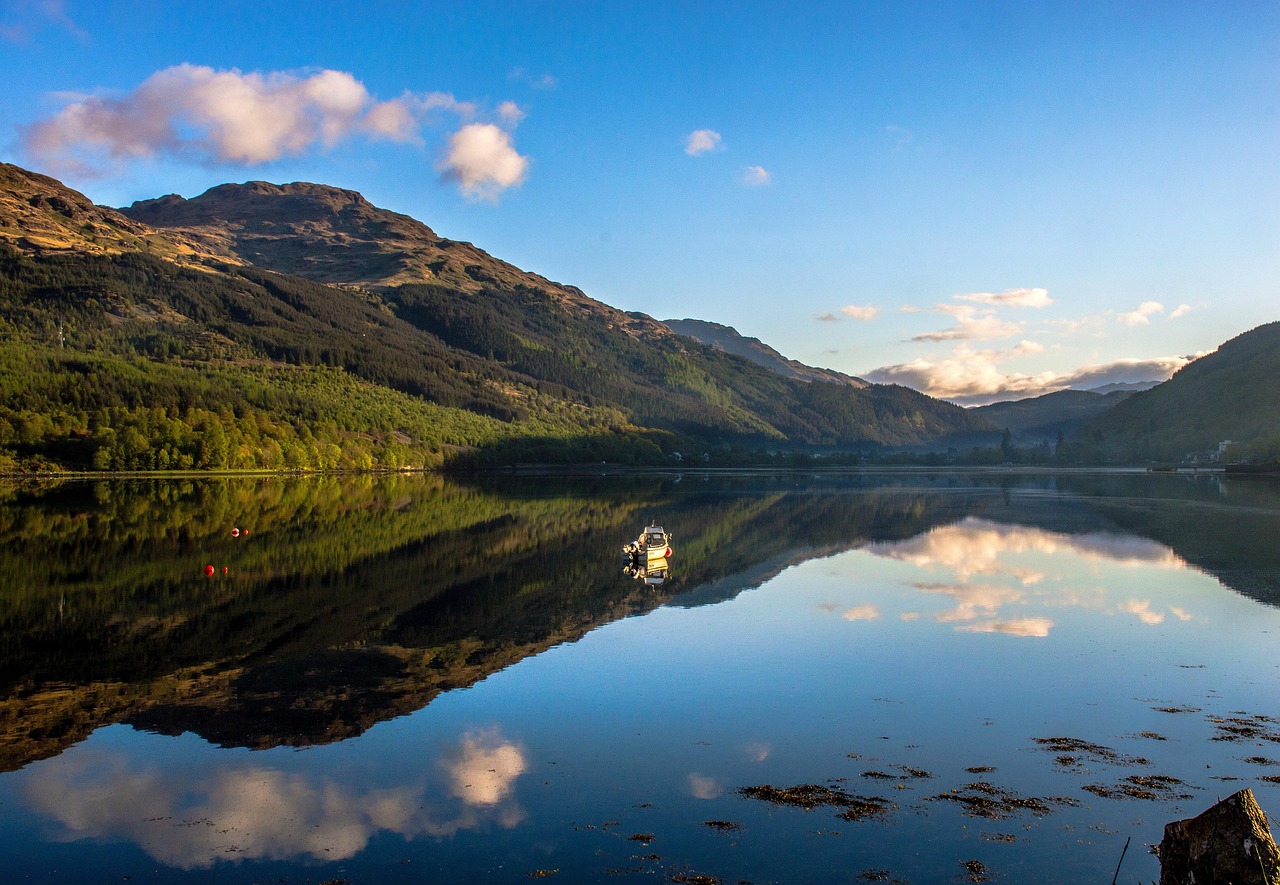
For those who prefer fresh water over salt, the Lake District is unparalleled. This is about "mountain tarns"—small, high-altitude lakes that require a hike to reach. Retreats here often center around "Another Place" or "Swim the Lakes," providing expert coaching in Lake Ullswater or Windermere.
The vibe here is "Athletic-Chic." You’ll spend your days learning the technical aspects of open-water sighting and your evenings in a luxury hotel bar discussing your stroke rate. It’s a great choice for solo travelers who want to improve their swimming skills while meeting like-minded fitness enthusiasts.
3. The Scottish Hebrides: The Wildest Frontier
If you want to truly disconnect, head north to the Isle of Harris or Lewis. The Scottish Hebrides offer remote sea lochs and waterfalls that look like they belong in a fantasy novel. The water is turquoise, the sand is white, and the temperature is... bracing.
Many retreats here utilize "Pottie Hottie" wood-fired tubs to warm up after a swim in a sea loch. It is the ultimate "solitude in a group" experience. You are in one of the most remote parts of Europe, but you’re sharing that awe with a small, tight-knit group.
Comparing the Vibes: UK vs. International
| Feature | UK Wild Swimming | International (Bali/Dominica) |
|---|---|---|
| Water Temp | 5°C - 16°C (Challenging) | 24°C - 28°C (Tropical) |
| Primary Focus | Cold water therapy & Resilience | Marine life & Long-distance endurance |
| Accommodations | Cozy B&Bs, Luxury Lakesides | Eco-lodges, Beach Villas |
| Community | The "Post-Swim High" tea & cake | Yoga, mindfulness, and sunset rituals |
What to Expect on Your First Solo Retreat
Walking into a retreat alone can be daunting, but the beauty of these programs is their structure. Most are designed with the solo traveler in mind, ensuring you’re never truly "alone" unless you want to be.
A Typical Itinerary
A wild swimming retreat isn't just about the swim; it’s about the holistic recovery. A standard day might look like this:
- 07:00 AM: Sunrise plunge followed by "breathing work" on the shore.
- 09:00 AM: Hearty communal breakfast (essential for replenishing calories lost to thermogenesis).
- 11:00 AM: Guided coastal hike or technical swim coaching session.
- 01:00 PM: Picnic lunch at a hidden cove.
- 03:00 PM: Restorative yoga or a "cake and tea" social session—a non-negotiable part of the culture.
- 07:00 PM: Communal dinner with storytelling and local folklore.
Accommodation and Safety
You can usually choose between communal dorms—perfect if you’re looking for maximum connection—or private 'Single Occupancy' rooms if you need space to decompress.
Crucially, these retreats prioritize safety. You aren't just jumping into a random lake; you are accompanied by qualified lifeguards and open-water coaches who understand the local currents, tides, and "afterdrop" (the continued cooling of the body’s core after exiting cold water).
Essential Gear for the Solo Swimmer
You don't need a lot to start, but the right gear can make the difference between a miserable shiver and a transformative experience.
- The DryRobe (or equivalent): This is the unofficial uniform of the wild swimmer. It’s an oversized, weather-proof changing robe that allows you to get out of wet gear and get warm instantly.
- Tow Float: For solo swimmers, this is a safety essential. It’s a bright inflatable bag that trails behind you, making you visible to boats and providing a buoyancy aid if you get a cramp.
- Thermal Base Layers: If you’re heading to the UK or Scandinavia, neoprene boots and gloves are your best friends. They protect your extremities, which are the first to feel the "bite."
- Waterproof Tracker: To log your distance and monitor your heart rate—not that anyone is checking, but it’s great for your own progress.
Browse Top-Rated Swimming Retreats →
FAQ
Are these retreats suitable for beginners? Absolutely. In fact, many are specifically designed for beginners. Coaches will teach you how to enter the water safely, how to manage the "gasp reflex," and how to warm up properly afterward. You don’t need to be an Olympian; you just need to be willing to get wet.
Do I need to be a strong swimmer? You should be comfortable in the water and able to swim at least 200 meters in a pool. However, many retreats focus more on the "dip" and the therapeutic benefits of the cold rather than distance. Always check the specific requirements of the retreat before booking.
What is the best time of year for a 'Cold Water Therapy' holiday? If you want the full "rebirth" experience, late autumn (October/November) or early spring (March/April) is ideal in the UK. The water is cold enough to trigger the therapeutic benefits but the air isn't so freezing that getting changed becomes a survival exercise.
Start Your Journey
There is a version of you that exists only in the middle of a lake—without a phone, without a schedule, and without the weight of expectations. Wild swimming retreats aren't just a holiday; they are a recalibration.
If you’re traveling solo, don’t fear the silence of the water. Dive in. You’ll find that when you strip away the noise of the world, the person you meet in the water is exactly who you were meant to be all along. And the friends you make while shivering on the shore? Those are the ones who will stay with you long after you’ve dried off.