Quick Facts
- The Podcast Legacy: The Women Who Travel podcast concluded a legendary eight-year run in September 2024, having featured hundreds of immersive stories from the world's most daring women.
- The Iditarod Challenge: Blair Braverman has navigated the 1,000-mile Iditarod Trail Sled Dog Race, a grueling trek across rugged Alaskan terrain that tests the limits of human and canine endurance.
- Alaskan Huskies: Unlike registered Siberian Huskies, Alaskan Huskies are bred purely for athleticism and grit, resulting in a diverse range of appearances and unparalleled stamina.
- New Frontiers: Braverman recently transitioned from the raw grit of dog sledding to exploring Antarctica via luxury cruise, all while navigating the new challenge of traveling with six-month-old twins.
There’s a certain kind of silence you only find in the Arctic—the kind where you can hear your own heartbeat rhythmically syncing with the sound of forty paws hitting the packed snow. I’ve spent my life chasing those quiet, raw moments in the backcountry, but few people articulate the "beautiful suffering" of the wilderness quite like Blair Braverman.
As the Women Who Travel podcast wrapped up its incredible eight-year journey in September 2024, it was only fitting that they sat down with Blair. She’s an Arctic dogsledder, an Outside columnist, and a woman who has redefined what it means to be "tough." Her stories aren't just about survival; they’re about the profound, almost spiritual connection between a musher and her team.
The Pleasures of the Trail: Mushing and the Iditarod
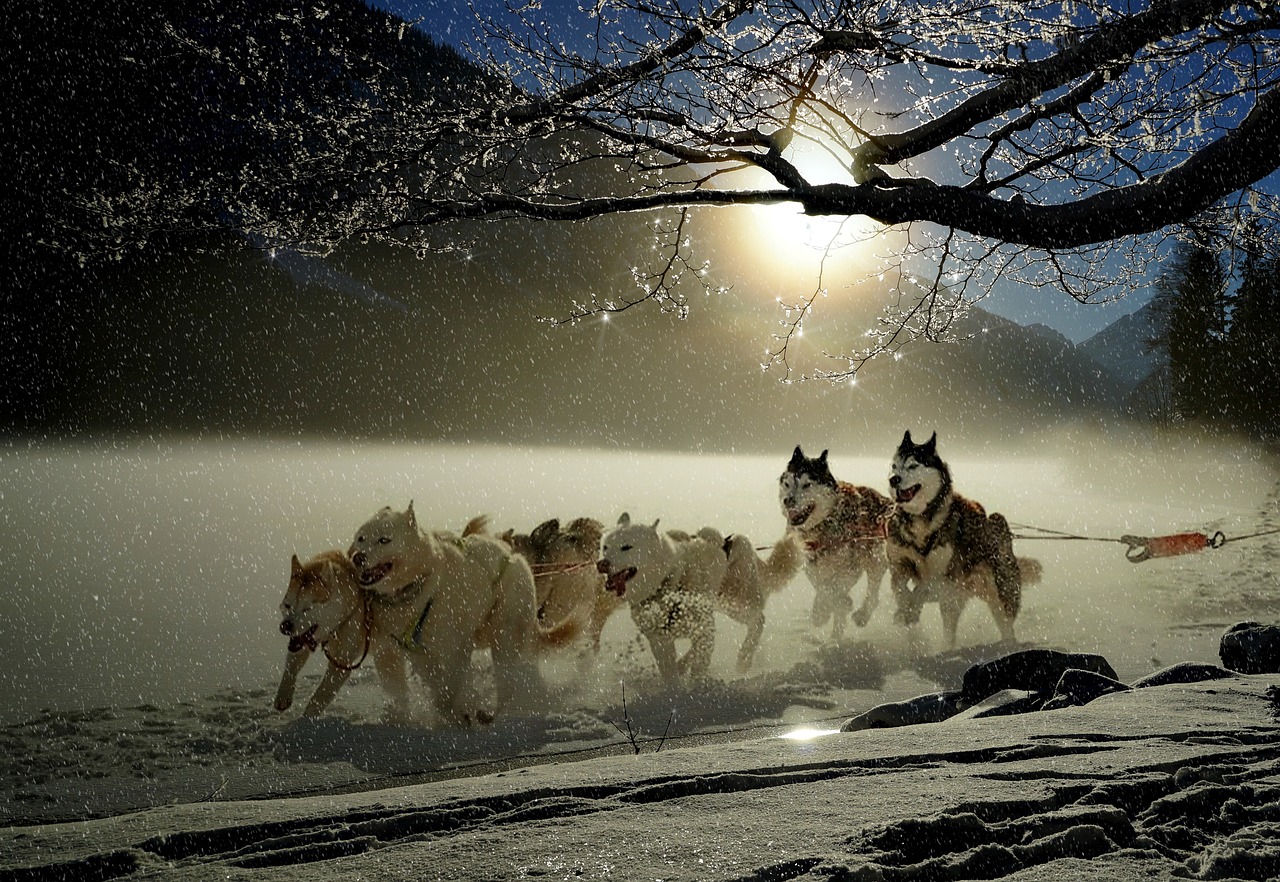
If you’ve never stood behind a sled, it’s hard to grasp the sheer scale of the Iditarod. We’re talking about 1,000 miles of Alaskan wilderness. Blair doesn't just "drive" dogs; she manages a complex social ecosystem. On the podcast, she dives deep into the reality of the trail—the long hours of darkness, the bone-chilling cold, and the incredible athleticism of her 20-dog team.
One of the most fascinating points she makes is about the dogs themselves. While the public often envisions the "movie version" of a husky—the blue-eyed, perfectly marked Siberian—the reality on the trail is the Alaskan Husky. These dogs are the elite marathoners of the animal kingdom. They aren’t bred for a pageant; they are bred for the heart and the hustle.
| Feature | Alaskan Husky | Siberian Husky (Standard) |
|---|---|---|
| Breeding Goal | Pure athleticism, endurance, and speed. | Conformity to breed standards and appearance. |
| Appearance | Varied; different eye colors, coat patterns, and sizes. | Uniform; specific markings and "wolf-like" look. |
| Build | Lean, long-legged, and highly efficient. | Stocky, thicker coats, built for moderate work. |
| Temperament | Highly focused, work-oriented, and social. | Friendly, often more independent or stubborn. |
Blair also touches on the deep Indigenous history of mushing. In the North, dog sledding wasn't a sport; it was a lifeline. For anyone inspired by her journey, she recommends checking out regional races like the UP 200 in Michigan or the John Beargrease Sled Dog Marathon in Minnesota. These events offer a front-row seat to the culture of mushing without the extreme logistics of the Alaskan interior.
Navigating the Perils: Blizzards and Dog Dynamics
In the wilderness, things go south fast. Blair describes the harrowing experience of navigating through whiteout blizzards where the trail simply disappears under a fresh coat of snow. In these moments, GPS is secondary to biology. She talks about the "lean-in"—trusting the lead dogs to sniff out a trail that is invisible to the human eye.
But the perils aren't just environmental; they're social. Managing a 20-dog team is like being a headmaster at a school for elite athletes. Tensions can flare. Blair’s job is to de-escalate conflicts before they turn into fights. She treats her dogs as partners, not tools. This information-sharing between species is what keeps them alive. When a dog looks back at her with a specific "expression," she knows the ice ahead is thin or the wind is about to shift. It’s a level of intuition that only comes from living outside the grid for months at a time.
The New Adventure: Traveling with Twins
Perhaps the most surprising part of Blair’s recent journey isn't a 1,000-mile race, but a cross-country drive. Shortly after having twins, she and her husband Quince Mountain packed up their lives in Wisconsin and drove to Alaska with six-month-old infants.
"People told us our lives were over when we had kids," Blair shared. "But the wilderness doesn't care if you're a parent. It just requires you to be more prepared."
She discusses the shift in lifestyle—how children adapt to the wild much faster than adults do. While she once focused purely on her own endurance, she’s now focused on the sensory experience of her children. Watching them react to the vastness of the Alaskan landscape has given her a new perspective on her own expeditions. She’s already eyeing a future ski expedition to the North Pole, proving that motherhood hasn't dampened her ambition; it’s just changed the packing list.

Antarctica: Luxury vs. The 'Earned' Expedition
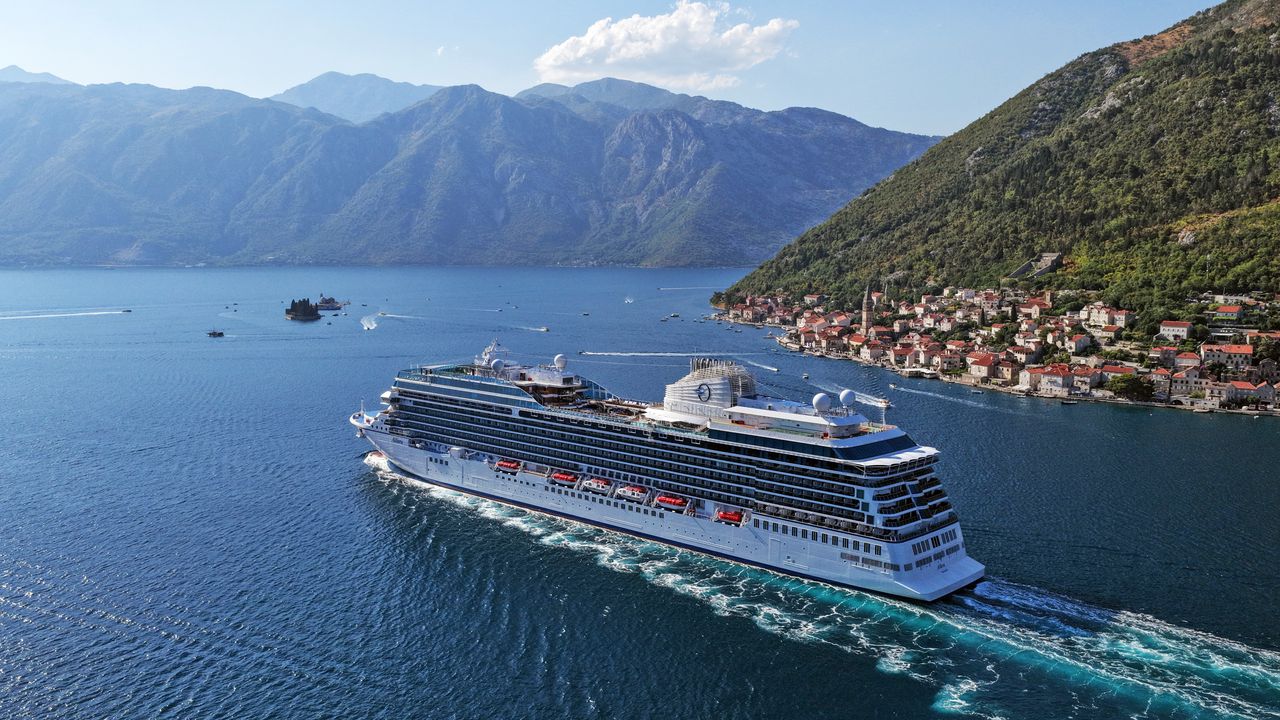
Transitioning from the raw, gritty reality of the Iditarod to a luxury Lindblad cruise in Antarctica provided Blair with a fascinating internal conflict. For a woman who has "earned" every mile she’s traveled through sweat and frostbite, the comfort of a heated cabin and gourmet meals felt foreign.
However, she highlights the importance of these expeditions for environmental advocacy. Seeing the pristine nature of the Antarctic landscape—the icebergs that look like sculptures and the silence of the Southern Ocean—is transformative. She even partook in the "Polar Plunge," jumping into the freezing waters, a rite of passage that bridges the gap between the luxury traveler and the hardcore adventurer. It’s a reminder that even in a controlled environment, the wild still has the power to shock your system.
Practical Safety Guide for Solo Female Travelers
Whether you’re mushing across the tundra or navigating a new city, safety is the foundation of adventure. Blair’s approach to safety is rooted in confidence and preparation. Here is a breakdown of the strategies she and other seasoned travelers use to stay secure:
- Confidence as Defense: Walk with purpose. Even if you’re lost, look like you know exactly where you’re going. Predators (human or otherwise) tend to look for vulnerability.
- The 'Perceived Connection' Strategy: When asked if you're alone, never say yes. Mention you're meeting a friend or that your "husband is just around the corner at the gear shop."
- Essential Tech:
- Noonlight: An app that allows you to hold a button; if you release it without entering a pin, emergency services are notified of your location.
- Offline Maps: Always download Google Maps for your area. GPS works even when cell service doesn't.
- Gear Up: Wear clothing designed for the job. Blair often speaks about the importance of specialized workwear that actually fits a woman’s body.
Blair’s Gear Checklist for the Wild
- Personal Safety Alarm: A small device that emits a piercing sound to deter threats.
- Satellite Messenger: Essential for any trip outside of cell range (e.g., Garmin inReach).
- Layering System: Merino wool base layers followed by a wind-resistant shell.
- Extra Calories: High-fat snacks like nut butters to keep your internal furnace burning in the cold.
FAQ
Q: Is dog sledding ethical for the dogs? A: In professional mushing, the dogs are elite athletes who live to run. Blair emphasizes that the dogs' well-being is the top priority; if a dog doesn't want to run, they don't. The bond between a musher and their team is built on mutual respect and care.
Q: How do I get started with mushing if I don't live in Alaska? A: Look for "dryland mushing" clubs or local sled dog rescues in the Northern US or Canada. Many kennels offer "mushing schools" where you can learn the basics over a weekend.
Q: Is Antarctica travel safe for solo women? A: Yes, particularly on expedition cruises. These trips are highly organized, and the community on board is typically very supportive and adventurous.
Follow the Journey
The Women Who Travel podcast may have finished its final season, but the spirit of adventure it championed is just getting started. I highly recommend going back and listening to the full episode with Blair Braverman—it’s a masterclass in resilience and the beauty of the unknown.
As for Blair, you can follow her "Brave Little State" and her ongoing expeditions through her social media and Outside columns. Whether she’s on a sled or with her twins, she continues to prove that the wilderness isn't something to be feared—it's something to be lived.
Ready for your next adventure? Get out there and make your own tracks.