Quick Facts
- The Philosophy of Safety: Contrary to common misconceptions, solo travel in the backcountry is often safer for women than navigating the daily constraints and expectations of society.
- Athleticism Over Aesthetics: Alaskan Huskies are not a formal breed but a lineage defined by endurance and intelligence, unlike the show-standard Siberian Husky.
- A Cultural Legacy: Dog mushing in Alaska is a vital Indigenous tradition and community lifeline, far predating the famous Iditarod race.
- The "Parka Gap": Professional expedition gear has historically ignored female proportions, leading to a dangerous lack of high-performance equipment for women in extreme cold.
- Podcast Milestone: This exploration of Blair Braverman’s career marks one of the final chapters of the Women Who Travel podcast, which concludes an eight-year run this September.
Introduction: The Call of the Cold
I’ve spent a decade chasing horizons, from the humid jungles of the Darien Gap to the wind-scoured ridges of the Andes, but there is a specific kind of grit that only comes from the Arctic. It’s a place where the margin for error is razor-thin and the rewards are primal. Recently, I sat down (figuratively, through the airwaves) with Blair Braverman on the Women Who Travel podcast. For the uninitiated, Blair is a musher, an adventurer, a mother, and perhaps the most articulate voice we have on the reality of life at minus forty degrees.
The context of our conversation carries a bit of bittersweet weight. The Women Who Travel podcast is wrapping up its incredible eight-year legacy this September. Over nearly a decade, it has been a lighthouse for female explorers. Ending that run with a figure like Blair—who recently drove 20 sled dogs and her twin toddlers from Wisconsin to Alaska—feels like the perfect closing ceremony. It’s a story about the logistics of the wild, the politics of safety, and why, sometimes, the safest place for a woman to be is deep in the woods, miles from the nearest road.
The Heart of Mushing: Culture, Community, and Connection
When most people think of dog mushing, they think of the Iditarod—the "Last Great Race on Earth" that spans over 1,000 miles of punishing Alaskan terrain. But as Blair points out, the Iditarod is just one chapter in a much older, deeper book. Mushing isn’t just a sport; it is the historical fabric of Alaska and its Indigenous peoples. For centuries, dog teams were the primary mode of subsistence travel, moving mail, supplies, and people across a landscape that remains inaccessible to cars even today.
What I found most compelling in Blair’s account was the shift from the "glory" of the big races to the intimacy of community mushing. She speaks of races like the Kobuk 440, where the "village name basket" tradition holds sway. In these events, the focus isn't on a corporate finish line, but on the villages that host the checkpoints. It’s a communal effort where the trail connects people rather than just testing them.
If you’re looking to experience this without the 1,000-mile commitment, there are spectator-friendly alternatives that capture the same spirit:
- UP 200 (Michigan): A midnight start that turns the town of Marquette into a glowing corridor of cheering fans.
- John Beargrease Sled Dog Marathon (Minnesota): The longest sled dog race in the lower 48, steeped in history.
- Copper Dog 150 (Michigan): Known for its incredible hospitality and tight-knit community feel.
The Athletes: Alaskan Huskies vs. Siberian Huskies
In my years of reporting, I’ve seen people get very protective of "pure" breeds. But in the world of high-performance mushing, the "Alaskan Husky" reigns supreme for a reason: it isn’t a registered breed. It’s an elite athlete bred for one thing—performance.
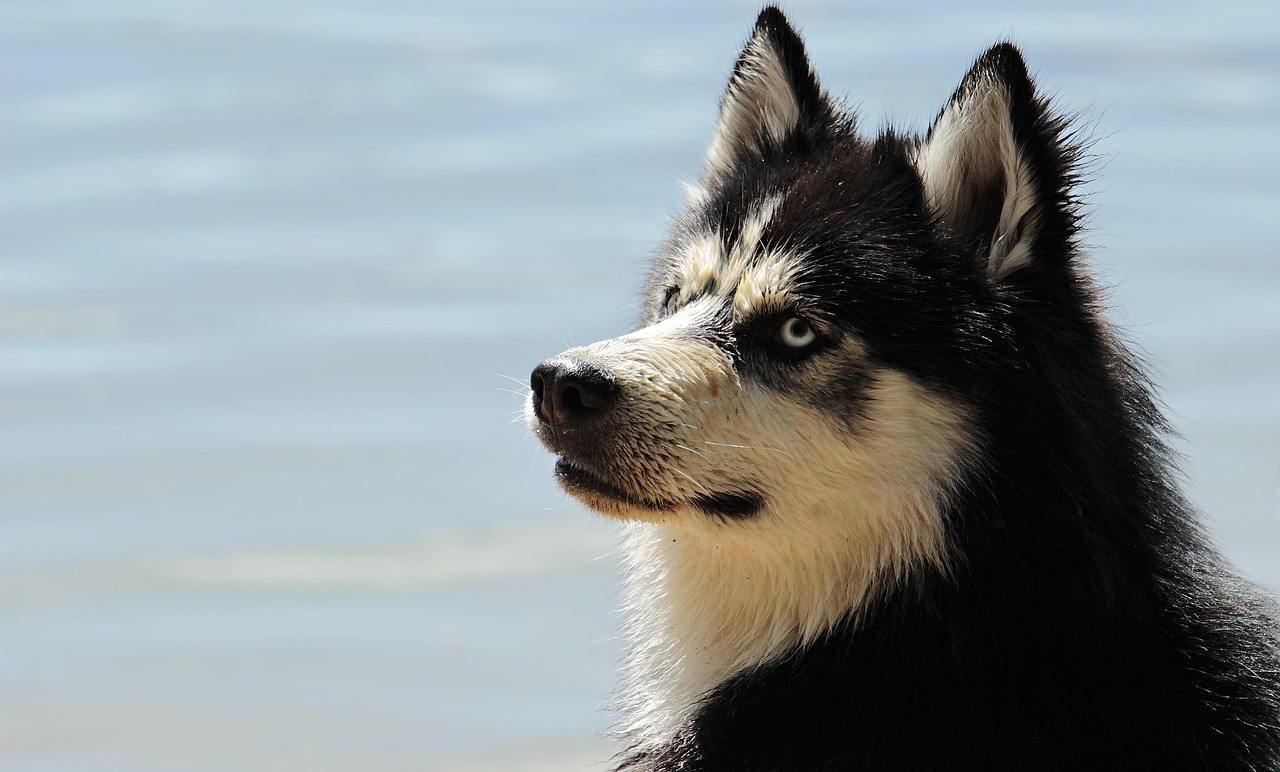
Blair breaks down the distinction beautifully. While Siberian Huskies are bred to a specific aesthetic standard (the blue eyes, the thick symmetrical masks, the curled tails), the Alaskan Husky is a masterclass in functional diversity. You’ll see floppy ears, long legs, short fur, or massive paws—all on the same team. The only standard that matters is: Can they run, and do they want to?
| Feature | Alaskan Husky | Siberian Husky |
|---|---|---|
| Status | Purpose-bred lineage (not a registered breed) | AKC/FCI registered breed |
| Primary Goal | Athleticism, speed, and endurance | Adherence to "Breed Standard" (Aesthetics) |
| Physical Traits | Highly variable; "mutt-like" appearance | Uniform; thick double coat, distinct markings |
| Temperament | Highly focused on work; varied personalities | Often more independent or stubborn |
| Usage | Competitive racing (Iditarod, Yukon Quest) | Sledding, showing, and companionship |
The real magic, however, lies in their individual personalities. Blair shared stories of dogs like "Blowhole," a pup who became an internet sensation during the Iditarod. These dogs aren't just motors; they are teammates with distinct roles. Some are "trail-breakers" who can find a path under three feet of fresh powder, while others are "de-escalators" who keep the team’s energy calm when a moose appears on the trail.
Solo Safety: The Wilderness as a Sanctuary
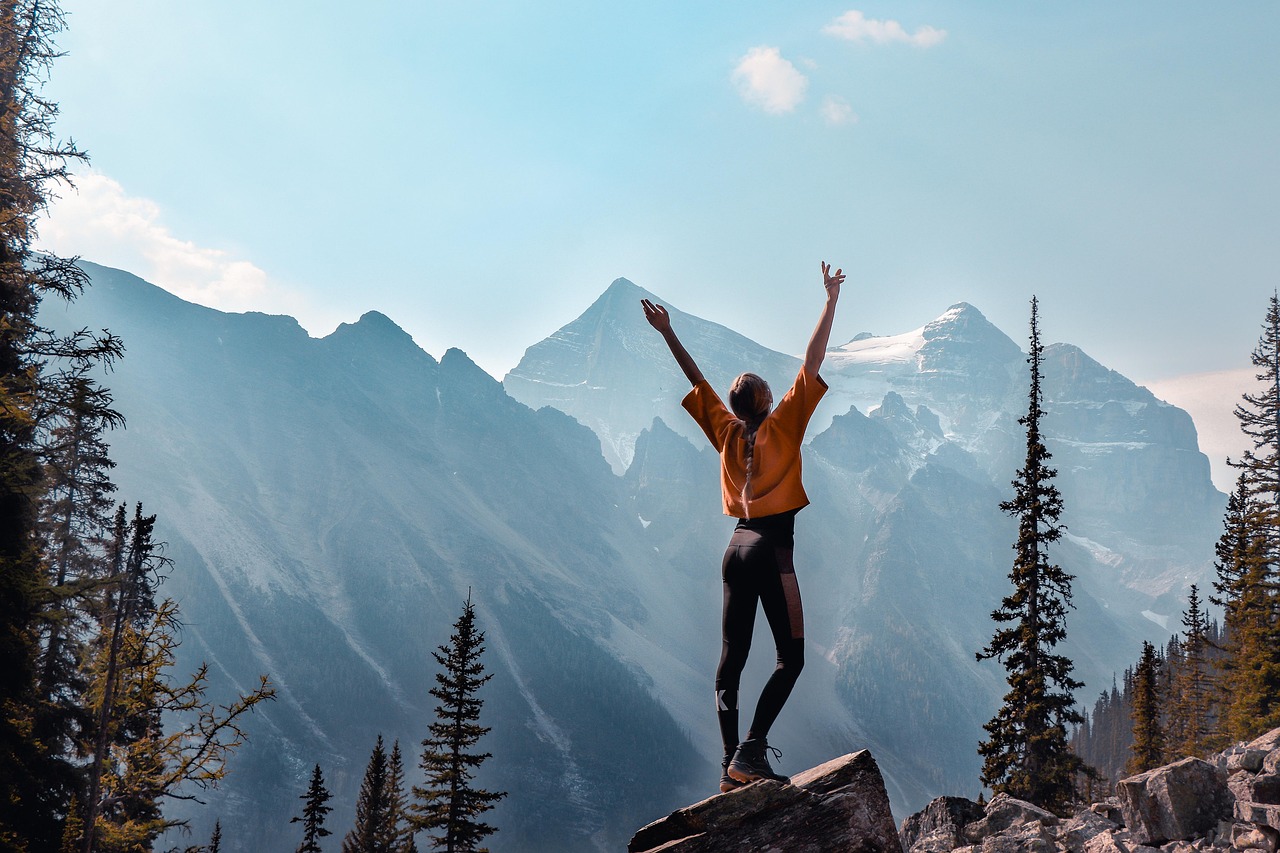
This is where the conversation takes a turn that every solo traveler needs to hear. We are often told that the wilderness is a dangerous place for women. We’re warned about predators—both four-legged and two-legged. But Blair challenges this narrative with a provocative truth: Solo travel in the backcountry is often safer for women than daily life in society.
In the wilderness, the "perils" are objective. Gravity, cold, and distance don't care about your gender. They don't have ulterior motives. For many women, the backcountry is the only place they can exist without the constant "threat assessment" that comes with walking down a city street at night. It is a place to reclaim strength and exist entirely for oneself.
"The wilderness isn’t where you go to be afraid; it’s where you go to be yourself, free from the expectations and 'shoulds' of a world that is often far more dangerous than the woods." — Blair Braverman
To those who have partners or family members trying to "forbid" them from solo expeditions under the guise of safety, Blair’s advice is "Tough Love": safety is a matter of skill and preparation, not permission. If you’re planning your first solo outing, here are my non-negotiable tips:
- Trust Your Instincts: If a campsite feels "off," move. Your subconscious picks up on details your conscious mind misses.
- Redundancy is Life: Carry a satellite beacon (like a Garmin InReach) and have a strict check-in schedule with someone back home.
- Self-Defense is Knowledge: Understanding how to handle a bear encounter or how to treat hypothermia is far more effective than carrying "protection" you don't know how to use.
From the Antarctic to the North Pole
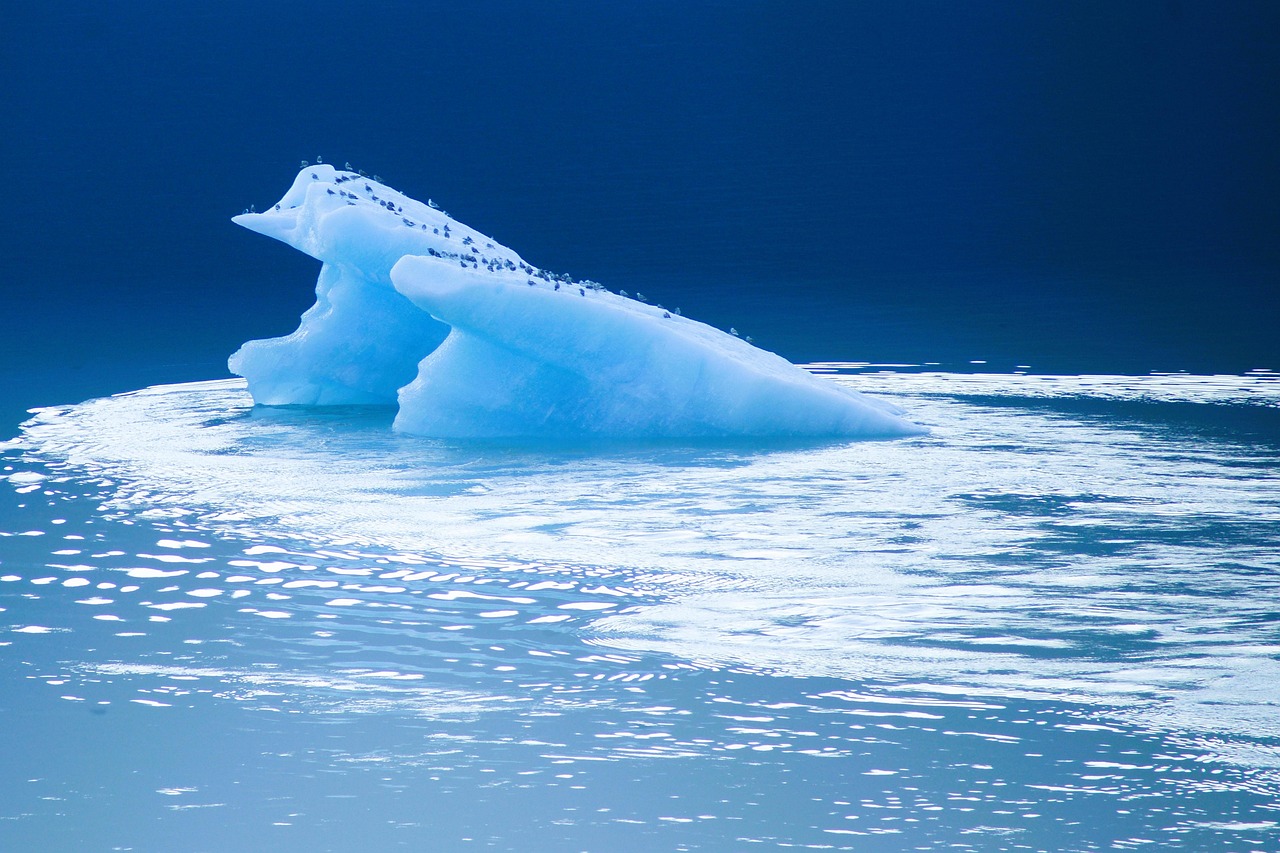
Blair’s journey hasn’t been confined to the back of a sled. She recently spent time in Antarctica, a place where dogs have been banned since the early 90s to protect the native seal populations. It’s a jarring shift for a musher—to be in a polar environment without her teammates.
She spoke candidly about the internal conflict of the "expedition" vs. the "luxury cruise." In a world where you can fly to the South Pole for a hefty fee, the value of earning the miles becomes a philosophical question. For Blair, the next horizon is the North Pole—not by plane, but on skis. It’s an ambition fueled by a desire to see the world at a human pace, where every mile is a conversation with the ice.
Gear for Women: Closing the 'Parka Gap'
Let’s talk shop. For years, women in extreme environments have had to settle for "shrunk and pinked" versions of men's gear, or worse, oversized men's parkas that leave huge gaps where cold air can circulate. In sub-zero temperatures, this isn't just an inconvenience; it's a safety hazard.
Blair has been vocal about the "Parka Gap"—the lack of professional-grade expedition gear designed for women's bodies. This led to her collaboration with Dovetail Workwear to design a parka that actually functions in the wild. We’re talking about articulated joints, pockets that don't interfere with a harness, and insulation that accounts for female thermoregulation.
When you’re out there, your gear is your life-support system. Don't compromise on fit. A parka that’s too big in the shoulders is a parka that’s losing heat. Look for brands that are finally listening to female explorers.
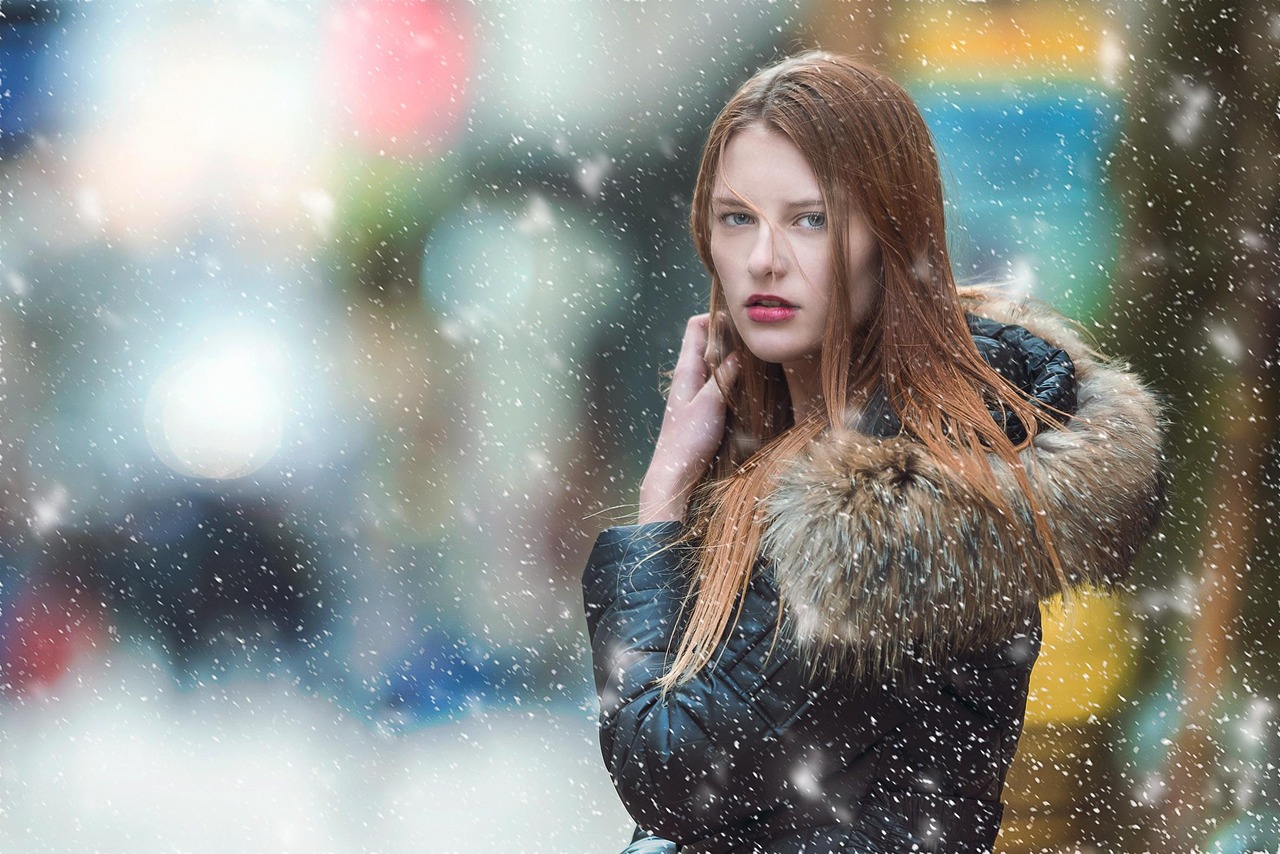
Shop Professional Women’s Expedition Gear →
FAQ
Q: Is dog mushing cruel to the dogs? A: When done ethically, mushing is the ultimate expression of a dog's natural drive. These dogs are bred to run and are often more athletic and better cared for than human Olympic athletes. Ethical mushers like Blair prioritize dog welfare above all else, including pulling out of races if the dogs aren't having fun.
Q: How do I get started in solo backpacking if I’m nervous? A: Start small. Do a "backyard camp" to test your gear. Then, move to a well-trafficked state park for one night. Knowledge is the best cure for anxiety—take a wilderness first aid course and learn to read a topographic map.
Q: What is the best way to support the legacy of the Women Who Travel podcast? A: Continue to share the stories! While the podcast is ending, the community remains. Engage with the archives, join the Facebook group, and most importantly, keep traveling and telling your own stories.
Ready to start your own adventure? Whether you’re eyeing a weekend in the local woods or a month in the Alaskan interior, the first step is always the hardest. Don’t let the world tell you where you "belong." Grab your pack, trust your dogs (or your feet), and go.