Quick Facts
- Top 2026 Destinations: Frankfurt, Milan & Cortina d’Ampezzo, Oulu, Peloponnese, Seville, Islay, Crete, Brussels, Upper Carniola, and the Hidden Gems of Nazaré/Utsjoki.
- Major Global Events: The 2026 Winter Olympics in Italy (Feb 6–22) and Frankfurt’s tenure as World Design Capital.
- Infrastructure Milestones: Completion of the 1,075-mile Peloponnese Trails network and the opening of the Kanal—Centre Pompidou in Brussels.
- Travel Policy Alert: The full implementation of the Biometric Entry/Exit System (EES) is expected to be standard by mid-2026.
Europe's New Era of Travel: An Analytical Outlook for 2026
As we look toward 2026, the European travel landscape is undergoing a profound structural shift. The traditional "bucket list" approach is being superseded by a more nuanced selection process, where travelers prioritize cultural milestones, "coolcation" escapes from rising summer temperatures, and high-spec infrastructure upgrades. The year 2026 marks a pivotal moment for several second-tier cities and under-the-radar regions that are finally stepping into the spotlight through significant investment and global designation.
Our analysis identifies ten premier destinations that offer the best value, cultural depth, and luxury potential for the 2026 calendar. From the design-centric streets of Frankfurt to the rugged, mythic trails of the Peloponnese, these selections represent the pinnacle of European tourism evolution. Whether you are seeking the athletic vigor of the Winter Olympics in Milan or the quiet, whisky-soaked shores of Islay, the following guide provides the data-driven insights necessary for sophisticated itinerary planning.
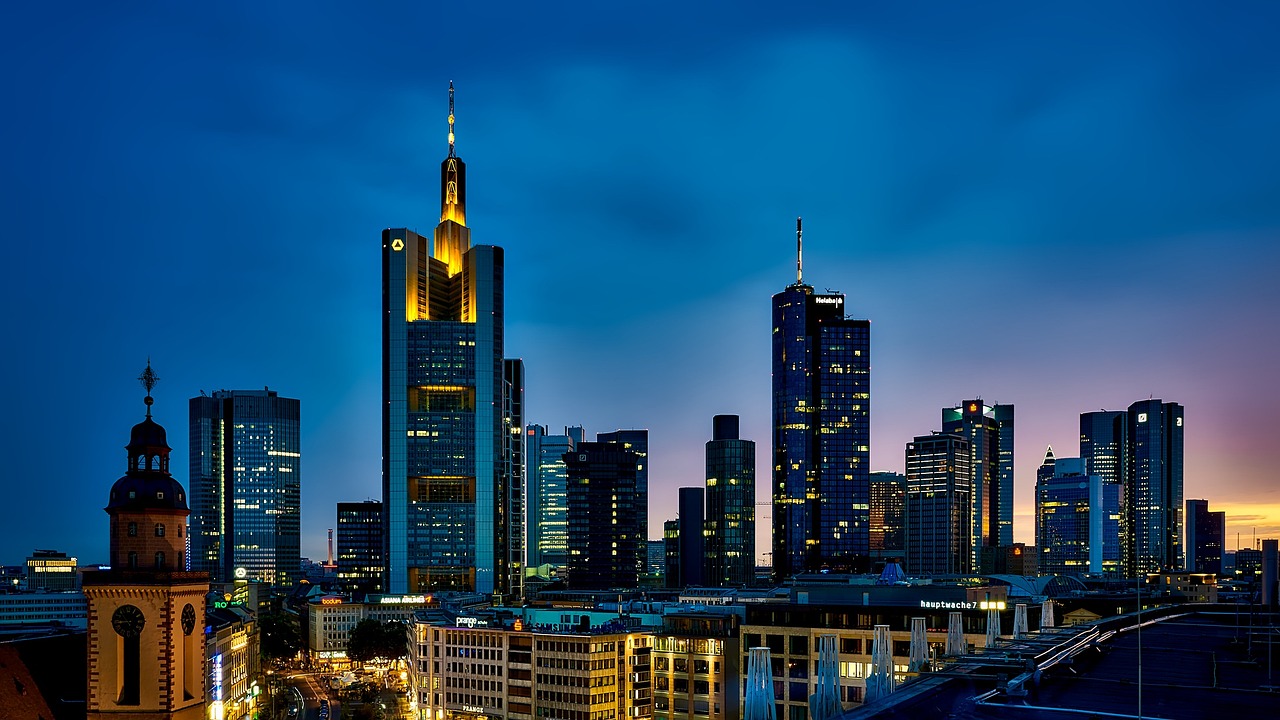
1. Frankfurt am Main, Germany: The World Design Capital
Frankfurt is often mischaracterized as a mere financial hub, but in 2026, the city will shed its corporate skin to host the prestigious World Design Capital title. Under the theme "Design for Democracy," the city and its surrounding Rhine-Main region will host over 2,000 events, exhibitions, and public interventions. This is not just about aesthetics; it is an ambitious urban project aimed at using design to solve social challenges.
The architectural landscape of the city is also maturing. The opening of the Jewish Academy in the Westend district adds a layer of intellectual and architectural gravitas to the city’s skyline. For the discerning traveler, the hospitality sector is responding with equal vigor. The return of Taj to the Grandhotel Hessischer Hof and the opening of the Kimpton Frankfurt signify a new era of luxury that moves beyond the sterile business hotel model.
2. Milan & Cortina d’Ampezzo, Italy: The Winter Olympic Stage
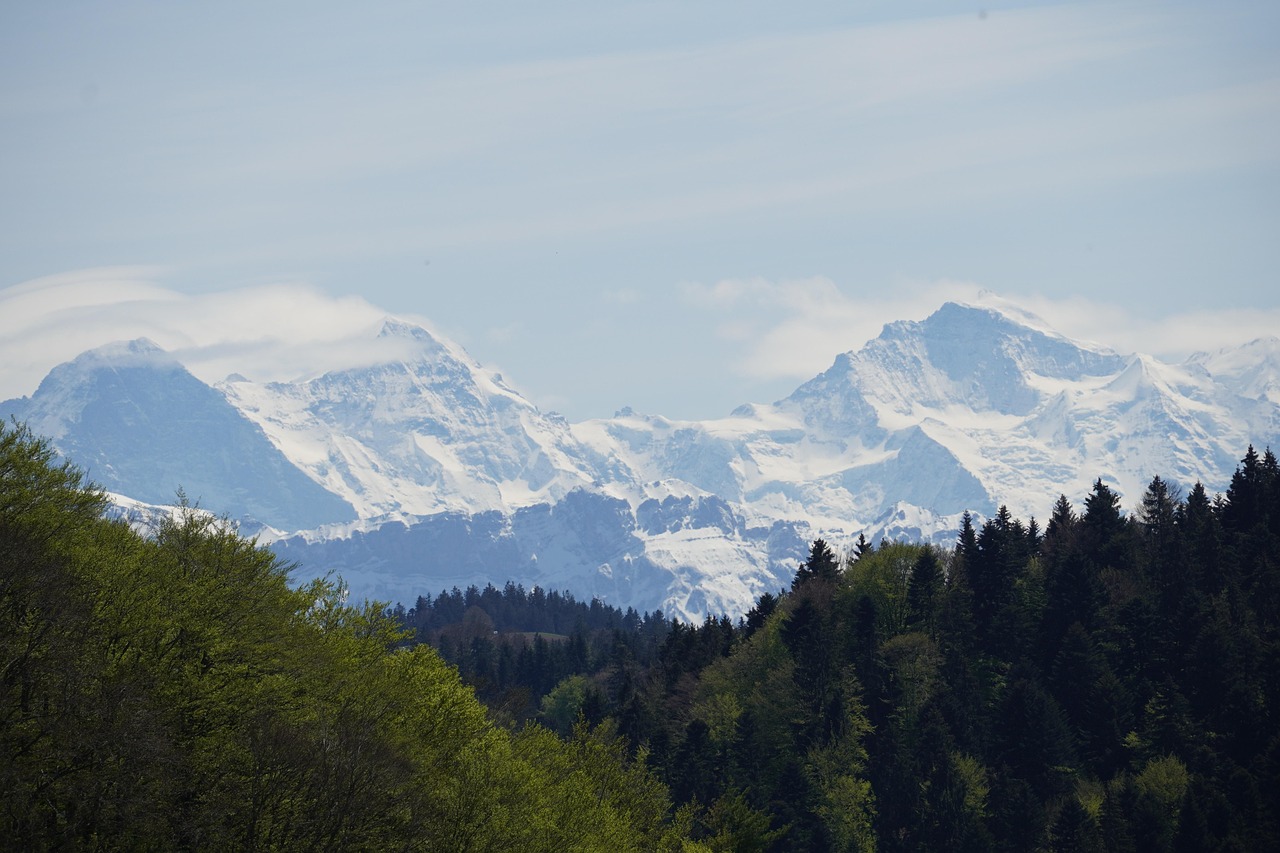
From February 6th to 22nd, 2026, the eyes of the world will be on Milan and the Dolomites. The 2026 Winter Olympic Games represent a historic milestone in sports diplomacy, notably achieving a record-breaking 47% female participation, making it the most gender-balanced Winter edition in history. While Milan provides the urban sophistication for the opening ceremonies and indoor events, Cortina d’Ampezzo offers the dramatic alpine theater for snow sports.
Logistically, the games are driving significant luxury development. Milan’s Brera district will see the debut of Six Senses Milan, while the much-anticipated Rosewood Milan (featuring 70 rooms) is set to redefine the city’s high-end hospitality landscape. If you are planning to attend, the data suggests booking at least 14 months in advance to secure prime accommodations near the Olympic Village.
3. Oulu, Finland: Arctic Culture Capital
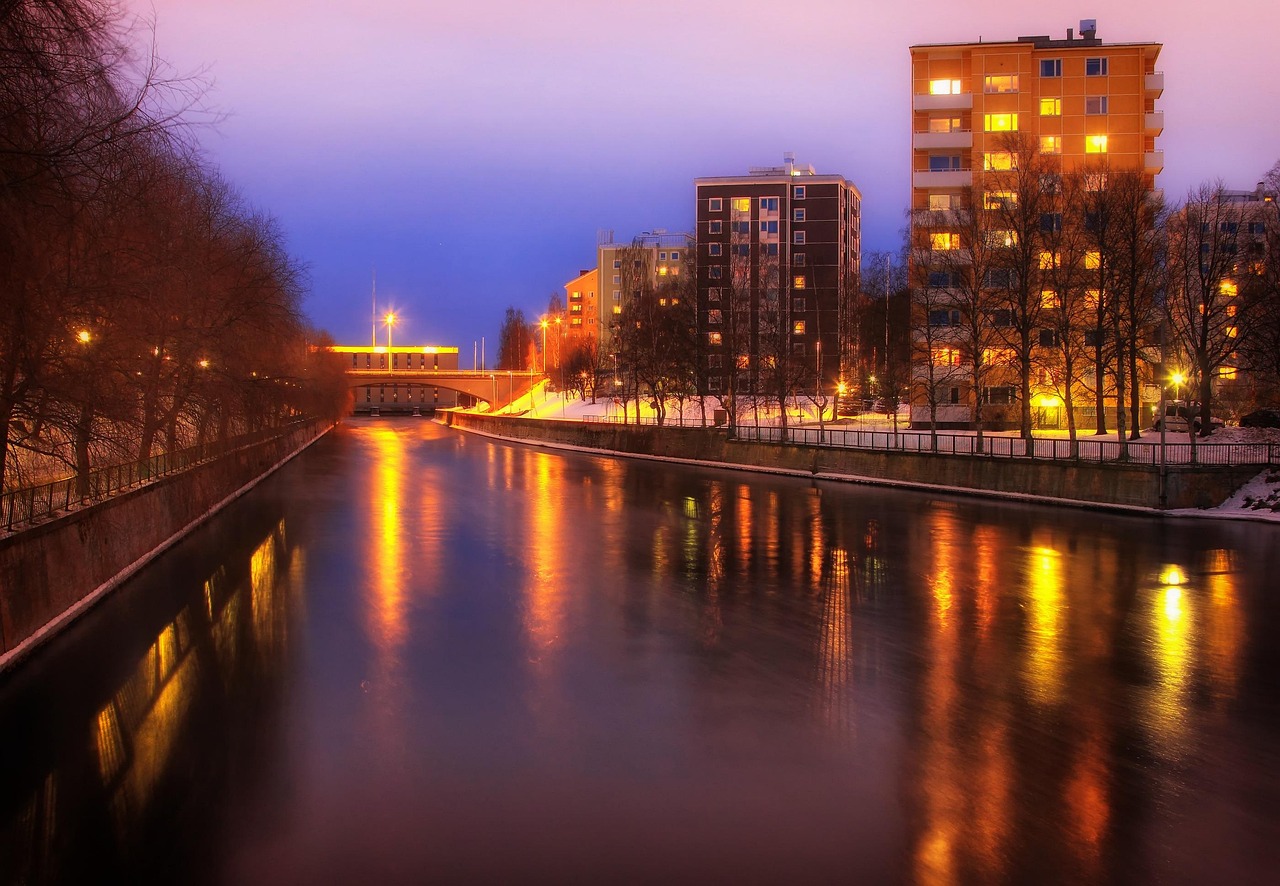
Oulu has been designated as the European Capital of Culture for 2026, centering its programming on the evocative theme of "Cultural Climate Change." Located just below the Arctic Circle, Oulu offers a unique proposition: a high-tech city (known for its 6G research) that remains deeply connected to the wild Finnish landscape.
The city’s transformation includes a massive 86,000-square-foot museum and science center scheduled to open in the fall of 2026. Oulu also boasts an impressive 600 miles of cycling paths, many of which are maintained year-round, offering a blueprint for sustainable urban mobility. For travelers looking to escape the over-tourism of Mediterranean hubs, Oulu provides a crisp, intellectually stimulating alternative.
4. The Peloponnese, Greece: Mythical Trails and Cinema
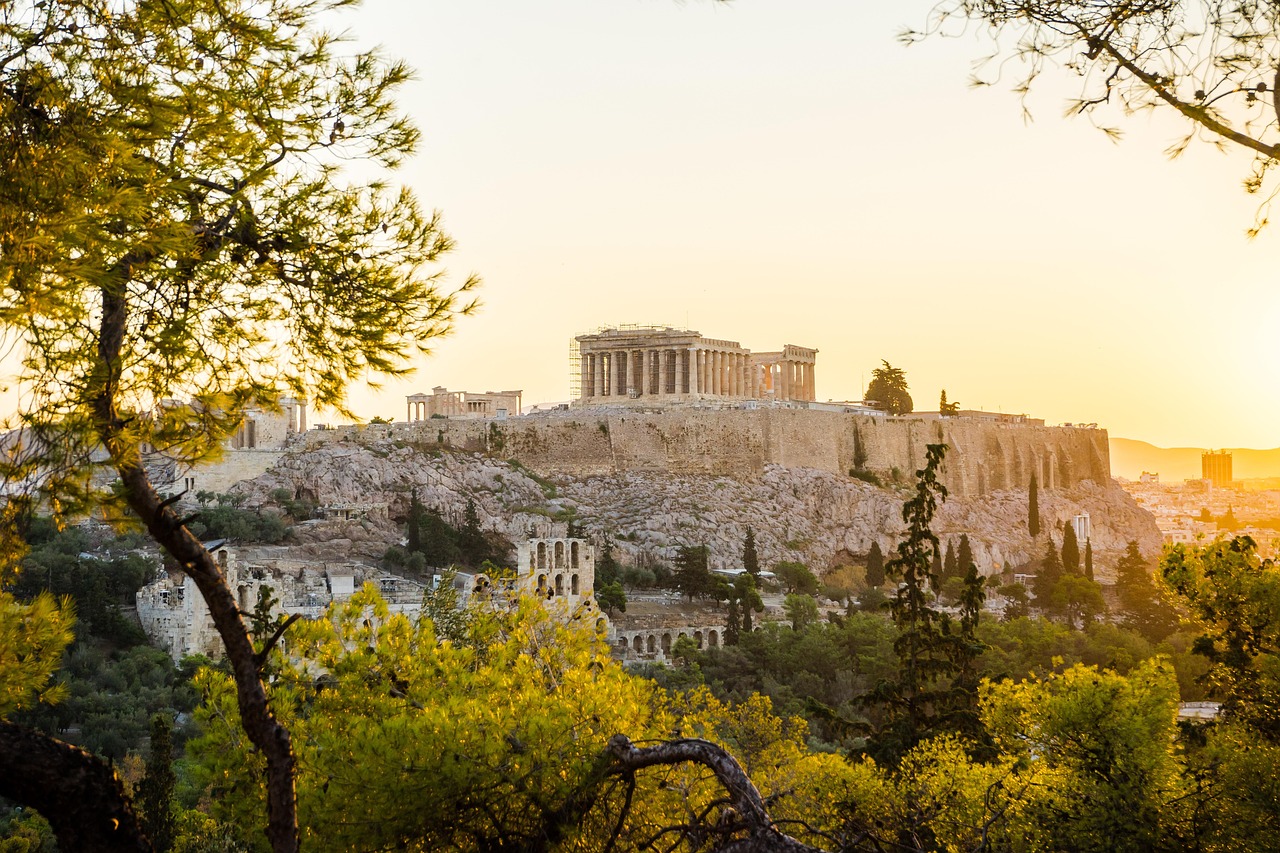
While the Greek islands continue to struggle with seasonal capacity, the Peloponnese is positioning itself as the premier destination for sustainable heritage tourism. The headline development for 2026 is the completion of the Peloponnese Trails network. By Spring 2026, this ambitious project will encompass 1,075 miles of restored ancient mule paths and mountain tracks, linking UNESCO World Heritage sites with remote mountain villages.
The region has also caught the eye of Hollywood. Following its use as a backdrop for various high-profile productions, rumors of its role in Christopher Nolan’s cinematic explorations of myth have spurred a new interest in the "Cinema of the Peloponnese." Beyond the screen, the restoration of these paths offers a tangible connection to the landscape that is increasingly rare in modern Europe.
5. Seville, Spain: The New Luxury Frontier
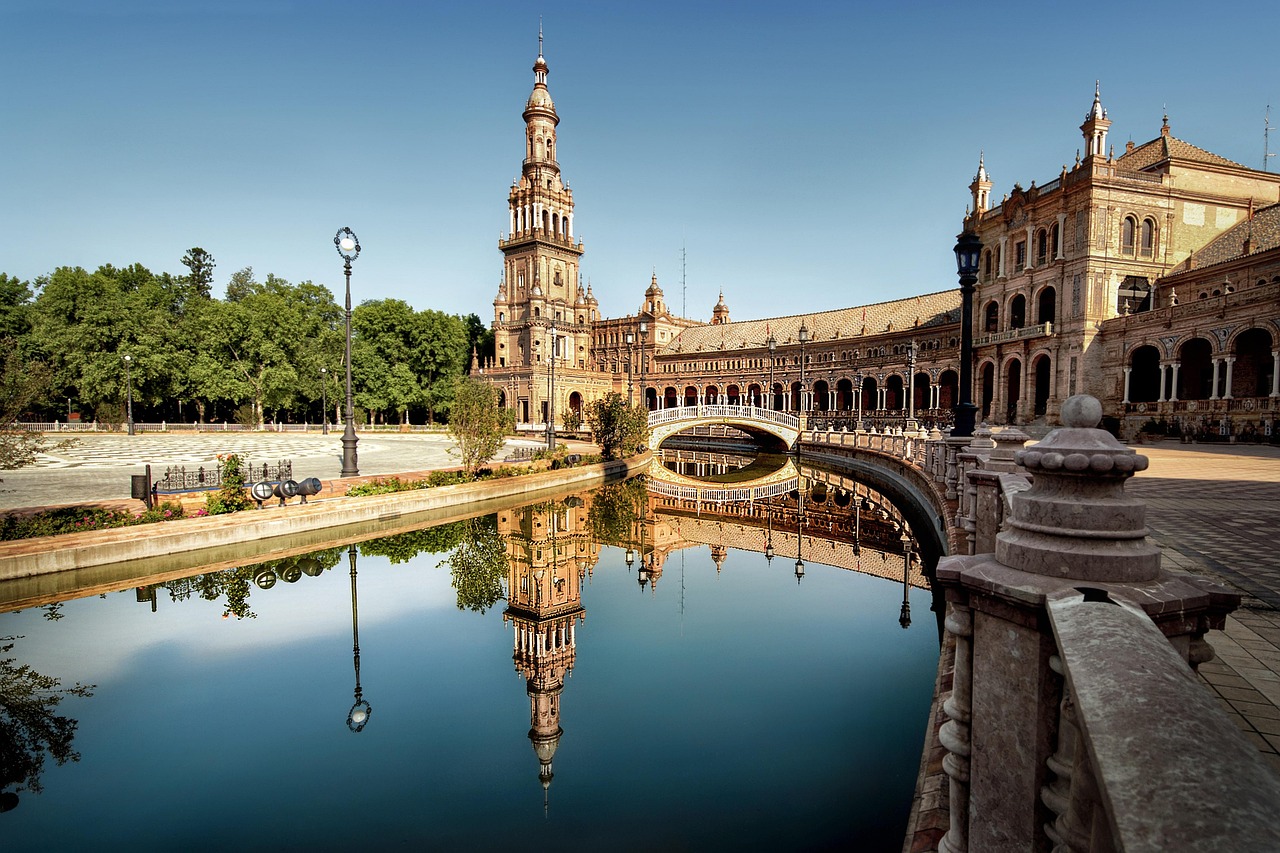
Seville is currently undergoing a luxury metamorphosis, positioning itself as Spain’s third most significant destination for high-end travelers after Madrid and Barcelona. The 2026 season will see the full operational capacity of the Thompson Sevilla, followed closely by the highly anticipated Four Seasons in 2027.
The city’s appeal is further bolstered by an innovative gastronomic scene that bridges the gap between traditional tapas and avant-garde molecular cuisine. Establishments like Casa Orzáez and Barra Baj are leading a movement that prioritizes hyper-local Andalusian ingredients. Seville remains a masterclass in balancing historical preservation with modern luxury, making it a critical stop for any 2026 European tour.
6. Islay, Scotland: The Whisky Renaissance
The "Queen of the Hebrides" is experiencing a distilling boom not seen since the 19th century. Islay will reach a new peak in 2026 with the arrival of Laggan Bay (the island's 12th distillery) and the continued maturation of Portintruan. These are not merely factories but architectural statements integrated into the rugged coastal landscape.
The luxury stay options are catching up with the spirits. LVMH’s Ardbeg House—a boutique residence designed with the brand’s signature whimsy and high-end finish—offers a private, elevated experience for whisky aficionados. The combination of peat smoke, Atlantic salt air, and world-class hospitality makes Islay an essential pick for 2026.

7. Crete, Greece: European Region of Gastronomy
In 2026, Crete will be celebrated as the European Region of Gastronomy. This designation focuses on the "Cretan Diet"—widely regarded as one of the healthiest and most sustainable culinary traditions in the world. The Cretan Diet Festival in Rethymnon (July 2026) will be the center-point of the celebrations, showcasing the island’s commitment to biodiversity and local production.
Travelers will also benefit from the soft launch of the island’s new international airport, which aims to modernize the arrival experience while the island continues to expand its high-end resort offerings in the Elounda and Chania regions.

8. Brussels, Belgium: The Art Hub Revival
Brussels is set to reclaim its title as the art capital of Northern Europe in late 2026. The major catalyst is the opening of the Kanal—Centre Pompidou. Housed in a former 1930s Citroën garage, this 375,000-square-foot museum will be one of the largest contemporary art institutions in the world.
To support this cultural influx, Brussels is upgrading its connectivity. New tram links will directly connect the international airport to the canal district, facilitating easier access for weekend art-seekers. The city’s blend of Art Nouveau heritage and gritty, industrial-chic galleries makes it a compelling choice for 2026.
9. Upper Carniola, Slovenia: The 'Coolcation' Escape
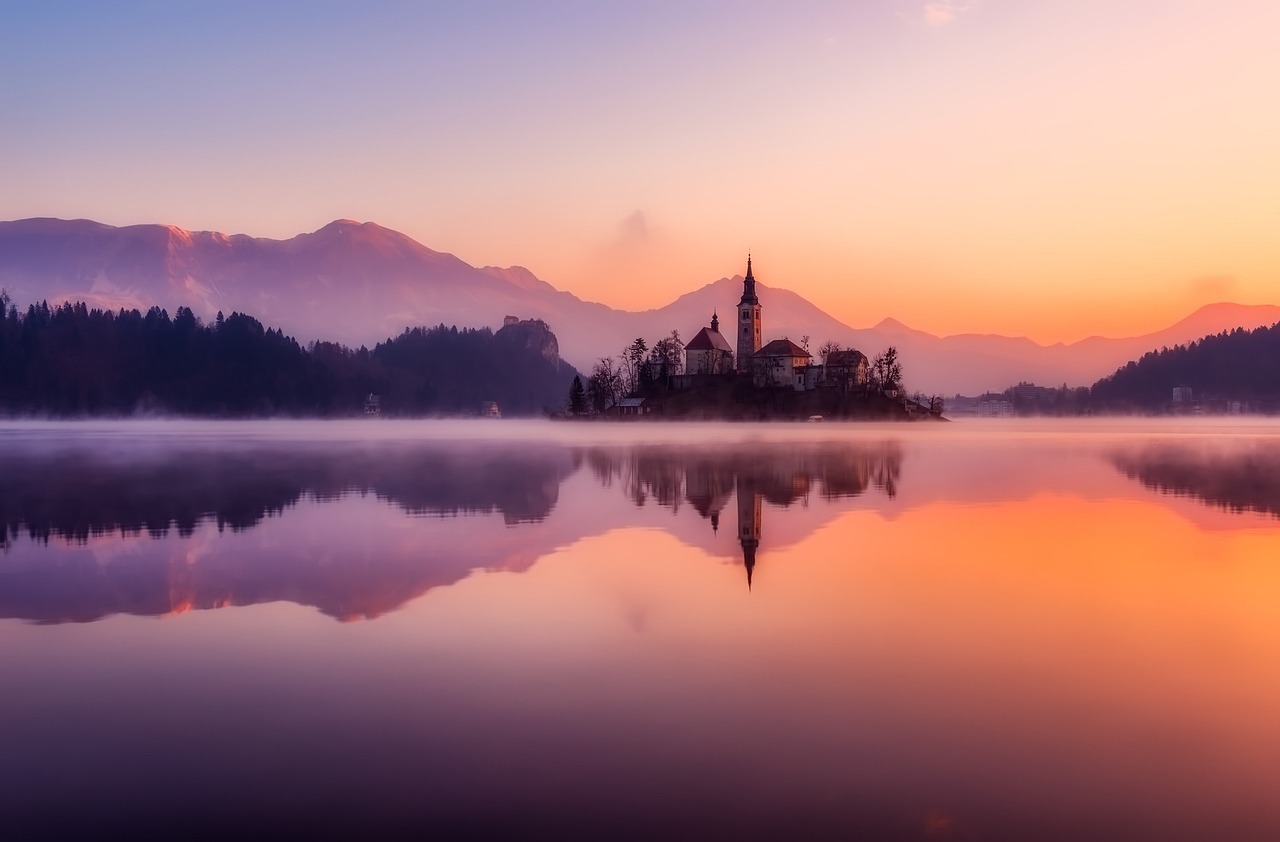
As Southern Europe grapples with extreme summer heat, Slovenia’s Upper Carniola region is becoming the ultimate "coolcation" destination. This region, encompassing Lake Bled and the Julian Alps, is seeing significant investment in "well-being tourism." The Kneipp NaturHotel Snovik is benefiting from a €22 million investment aimed at creating a world-class wellness retreat.
Furthermore, art lovers have a new reason to visit: the Muzej Lah. Perched on the slopes of Bled Castle, this new museum will house over 800 works of contemporary art, bridging the gap between Slovenia’s pristine nature and global cultural trends.
10. Hidden Gems: From Nazaré to Utsjoki
For those who seek the path less traveled, 2026 offers two extremes of the European experience. On the Atlantic coast of Portugal, Nazaré remains a titan of nature, where the world’s largest waves provide a visceral spectacle for those visiting during the winter swell.
Conversely, at the northernmost tip of Finland and the EU, Utsjoki offers a profound immersion into Arctic Sami culture. It is a place of silence and vast horizons, ideal for those looking to disconnect from the digital noise of the continent. For a truly unique experience, consider La Graciosa in the Canary Islands—one of the few inhabited places in Europe without paved roads, offering a "slow travel" experience that is increasingly a luxury in itself.

Iconic vs. Hidden Gem: 2026 Comparison
| Destination Type | Primary Appeal | Best Time to Visit | 2026 "X-Factor" |
|---|---|---|---|
| Frankfurt (Iconic) | Urban Design | May - September | World Design Capital Events |
| Milan (Iconic) | Sports & Fashion | February | Winter Olympic Games |
| Peloponnese (Iconic) | Heritage Hiking | April - June | Completion of 1,000+ mile trail |
| Utsjoki (Hidden) | Arctic Solitude | December - March | Aurora Borealis & Sami Culture |
| La Graciosa (Hidden) | Slow Living | Year-round | Car-free environment |
Essential 2026 Planning Guide: EES & Documentation
Travelers to Europe in 2026 must be prepared for the full implementation of the Entry/Exit System (EES). This biometric system will replace manual passport stamping for non-EU citizens entering the Schengen Area.
Expert Tip: Ensure your passport is valid for at least six months beyond your intended return date. While the ETIAS (European Travel Information and Authorisation System) will also be in full effect, the EES biometric registration at the border may slightly increase initial entry times during the first half of 2026.
Book Your 2026 European Stay Early →
FAQ
1. Is it safe to travel to Italy during the 2026 Winter Olympics? Yes, security will be at an all-time high. However, travelers should expect significant crowds and higher prices in Milan and Cortina d'Ampezzo during February. If you aren't attending the games, consider visiting these cities in late spring.
2. What is the 'Coolcation' trend mentioned for Slovenia? 'Coolcation' refers to travelers choosing Northern or high-altitude destinations to avoid the extreme heat waves currently impacting Southern Europe during the peak summer months of July and August.
3. Do I need a visa for Europe in 2026? Citizens of many countries (including the US, UK, and Canada) will need to apply for an ETIAS travel authorization before departure. This is not a traditional visa but a mandatory security pre-screening.
Plan Your 2026 Journey
The year 2026 promises to be a landmark for European travel, characterized by a sophisticated blend of high-octane sporting events and quiet, sustainable retreats. By prioritizing destinations like Frankfurt and Oulu that are investing in their cultural future, or exploring the newly accessible trails of the Peloponnese, you ensure a travel experience that is both contemporary and timeless.