Quick Facts
- Total Distance: Approximately 1,100 miles (The "Grand Loop").
- Total Estimated Cost: $3,800 – $4,200 for a family of four.
- Best Ages: 4 to 14 (Perfect for Junior Ranger age groups).
- Recommended Time of Year: Late May to early October for accessible mountain passes.
Why a Camper Van is the Ultimate Family Reconnection Move
I remember the first time we traded our usual hotel-and-rental-car routine for a 20-foot "cabin on wheels." My youngest was four, and I was terrified of the logistical chaos. But as we pulled into our first site, toasted quesadillas over a portable stove, and watched the stars emerge without a single "check-in" desk in sight, I realized something: camper van life eliminates the friction of travel. You aren’t constantly packing and unpacking suitcases or hunting for a kid-friendly restaurant at 7:00 PM in a town you don't know. Your kitchen, your beds, and your "home" are always with you.
For families, the best 10-day camper van route for Colorado and Utah is a loop starting and ending in Denver. This route takes you from the sky-high peaks of Rocky Mountain National Park to the prehistoric wonders of Dinosaur National Monument, into the red-rock heart of Moab (Arches and Canyonlands), and back through the dramatic depths of the Black Canyon of the Gunnison. It is a sensory feast of mustard-colored slickrock and alpine meadows that offers a much-needed reset from the digital world.

The Bottom Line: Budgeting for a Family of Four
Let’s talk numbers, because "van life" isn't always the "cheap" alternative—it's about the value of the experience. Based on our traveler data and my own experience, a 10-day national park camper van trip for a family of four typically costs approximately $4,000.
When you break it down, the statistics show a clear pattern:
- 65% on Rental and Lodging (~$2,600): This includes a fully equipped camper van (around $200–$250/night) and reserved campground fees ($30–$70/night).
- 25% on Airfare (~$1,000): Flying into Denver International Airport (DEN).
- 10% on Gas and Food (~$400): Fuel for the 1,000+ mile loop and grocery hauls for van-cooked meals.
Pro Tip: The 'Hotel Reset' Strategy Even the most adventurous families can get a little "cabin fever" in a van. I highly recommend booking one "mid-trip hotel night" in Moab or Breckenridge. It allows everyone to take a long, hot shower, do a load of laundry, and spread out for one night before diving back into the wilderness.
Logistics & Planning: The 1,000-Mile Loop
The golden rule for a successful family road trip? Limit daily drive times to under 4 hours. Traveler data indicates that this is the "sweet spot" to maximize family engagement and minimize the dreaded road fatigue. If you're pushing six hours a day, the kids won't remember the canyons; they’ll remember the back of your headrest.
Starting in Denver is the most logical choice. It has a massive inventory of rental vans—from rugged 4x4 Revels to family-friendly Class B motorhomes. Your first stop should always be a massive grocery haul at a local King Soopers or Target.
Stocking the Van Pantry:
- Easy Breakfasts: Yogurt pouches, granola, and fruit.
- Lunch on the Go: Tortilla wraps (they don't get crushed like bread!) and hummus.
- The "Emergency" Kit: Mac and cheese, instant oatmeal, and plenty of s'mores supplies.
Buy Your America the Beautiful Pass Here →
Day 1-2: Denver to Rocky Mountain National Park
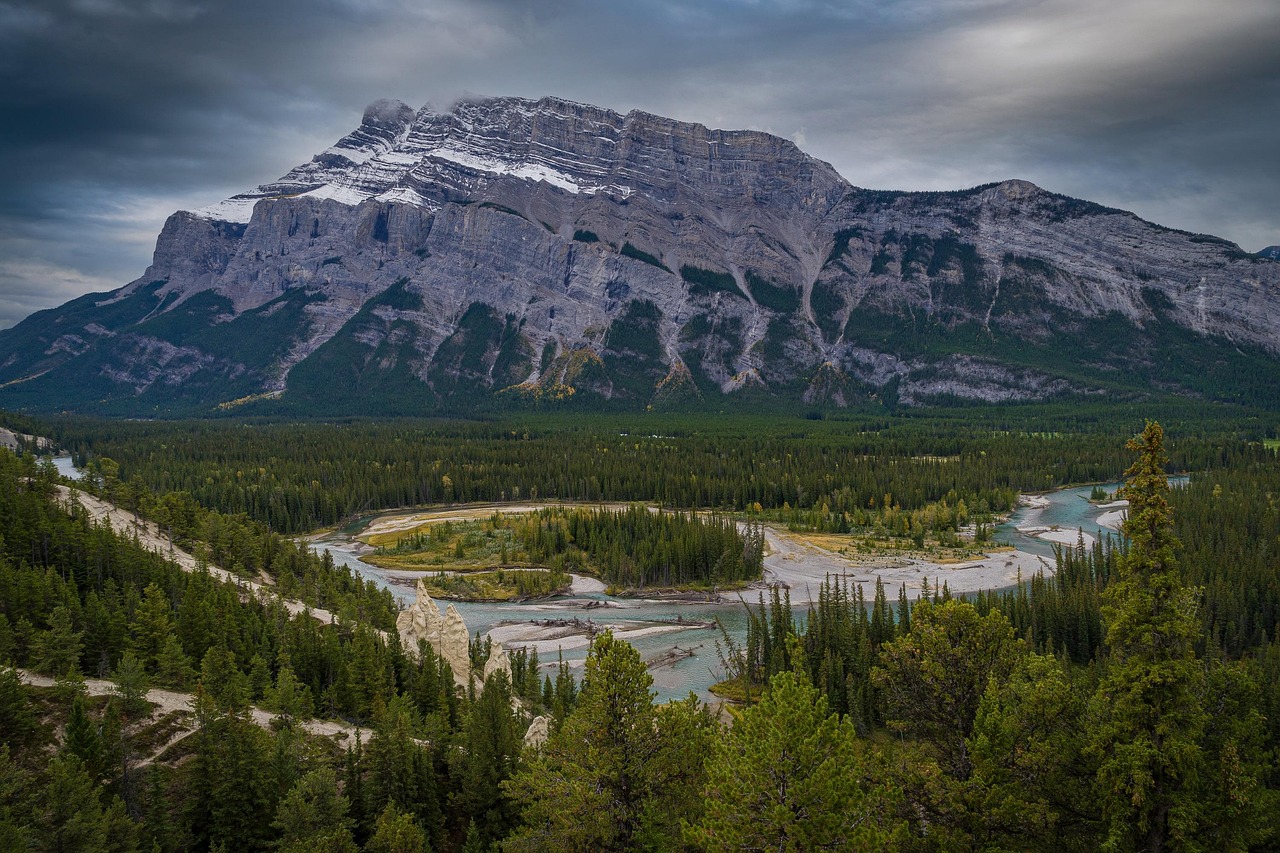
From Denver, it’s a quick 1.5-hour drive to Estes Park, the gateway to Rocky Mountain National Park (RMNP). This is where you’ll test your "mountain legs." Driving the Trail Ridge Road is a must; it’s the highest continuous paved road in the U.S., reaching over 12,000 feet. The kids will love seeing the "tundra" landscape where trees can't even grow.
Where to Park Your Home:
- Moraine Park Campground: Located inside the park, it offers incredible views and frequent elk sightings right outside your van door. (Book 6 months in advance!)
- Estes Park KOA: If the kids are begging for a swimming pool and a playground after the first day, this is your best bet just outside the park boundaries.
Day 3: Steamboat Springs to Dinosaur National Monument
Leaving the alpine peaks behind, head west toward the high desert. Steamboat Springs is a great lunch stop with its natural hot springs, but the real prize for the kids is Dinosaur National Monument.
This is a non-negotiable stop for any child (or adult) who has ever been obsessed with Jurassic Park. The Quarry Exhibit Hall features a wall of approximately 1,500 dinosaur bones still embedded in the rock. It’s educational, shaded (crucial!), and awe-inspiring.
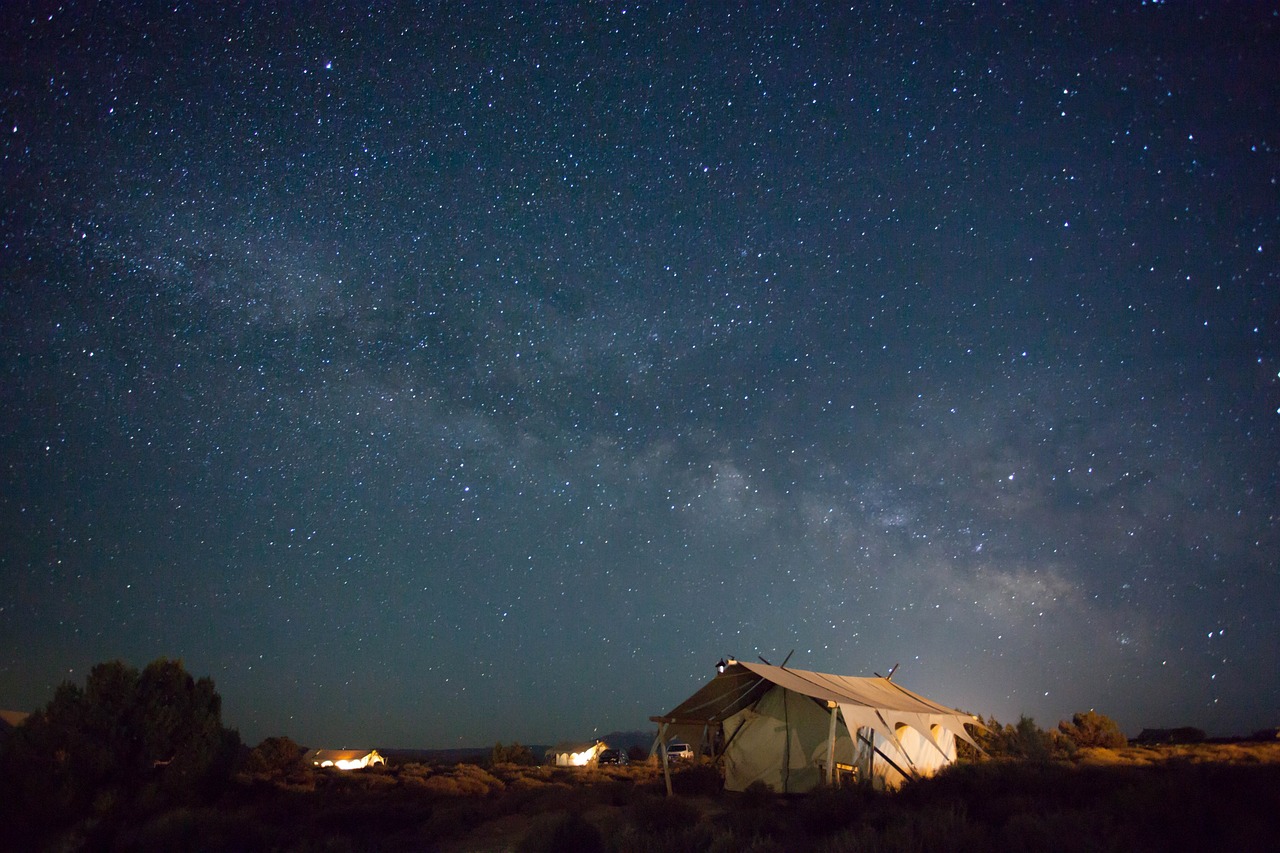
As night falls, take advantage of the fact that Dinosaur is an International Dark Sky Park. The lack of light pollution here is staggering. Pull out the camp chairs, turn off the van lights, and let the kids see the Milky Way for perhaps the first time.
Day 4-5: The Magic of Moab - Arches National Park
Moab is the crown jewel of the Utah "Mighty 5" and arguably the most kid-friendly destination in the Southwest. The red rocks are essentially a giant jungle gym.
When people ask, "Which Utah national parks are most kid-friendly?" I always point them to Arches. Specifically, the Sand Dune Arch trail. It’s a short, easy walk that leads to a secluded arch sitting over deep, fine orange sand. It acts as a natural sandbox where kids can play for hours in the shade while parents relax against the cool sandstone walls.
Ranger Secret: Delicate Arch Safety While Delicate Arch is iconic, the trail has a narrow ridge near the top that can be nerve-wracking with toddlers. If you have very small children, consider the Lower Delicate Arch Viewpoint—you get the view without the cliff-side stress.
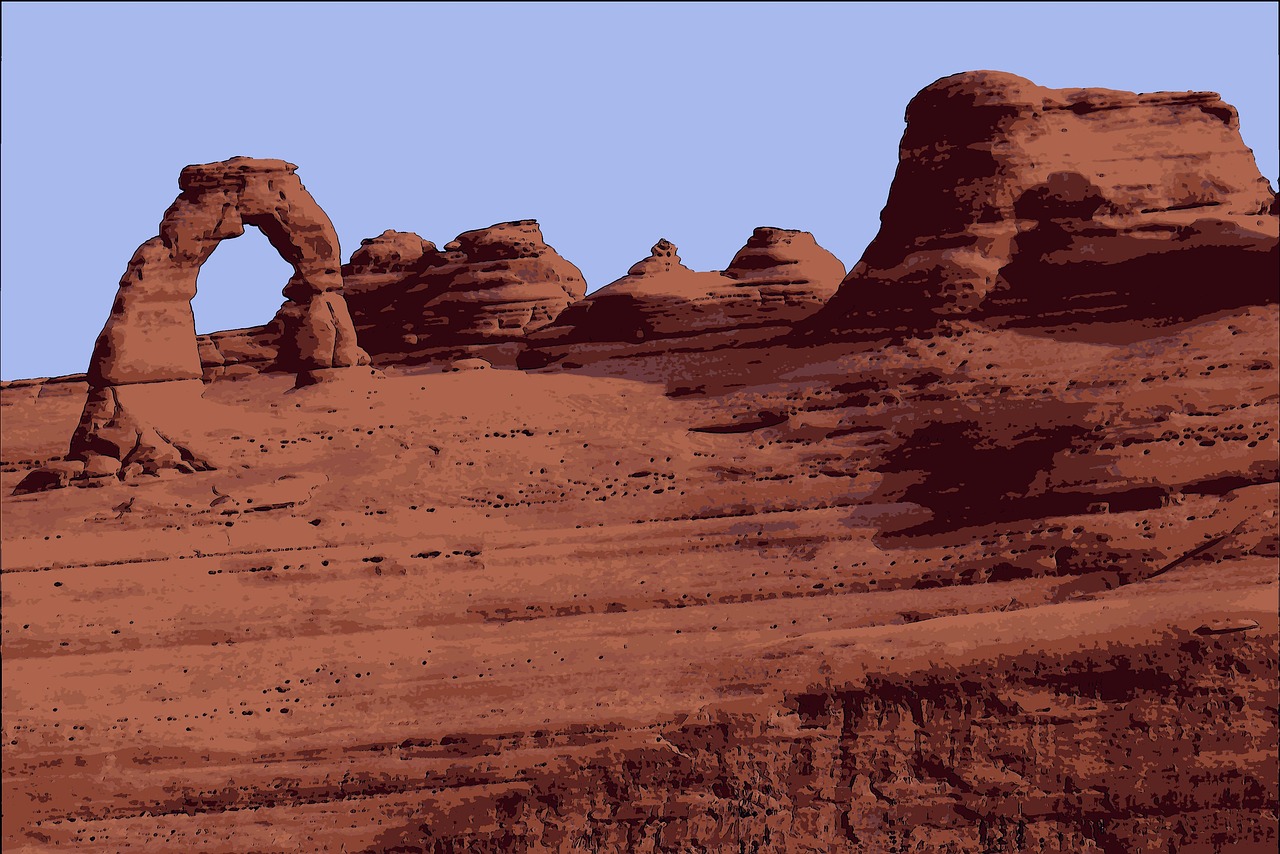
Day 6: Canyonlands (Island in the Sky) & Dead Horse Point
Just across the way from Arches lies Canyonlands. The Island in the Sky district is the most accessible for families. The overlooks here, like Mesa Arch and Green River Overlook, are just a short walk from the parking lot, offering "top of the world" views with minimal hiking effort.
If the park is crowded, head to nearby Dead Horse Point State Park. The views are just as dramatic, and the mountain biking trails are surprisingly kid-friendly if you want to rent bikes in Moab for the day.
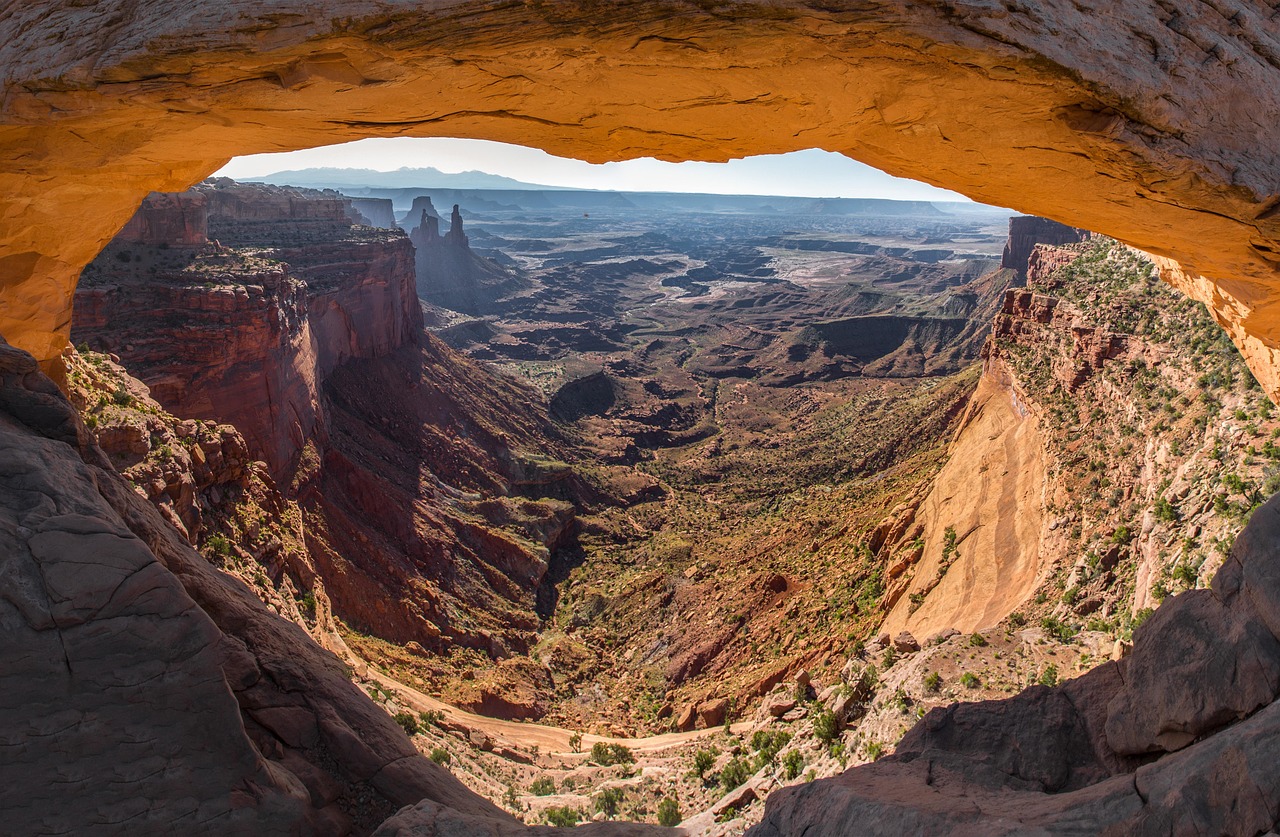
Day 7: Black Canyon of the Gunnison
As you loop back into Colorado, you’ll encounter the "Hidden Gem" of the trip: Black Canyon of the Gunnison. It doesn't get the fame of the Grand Canyon, but its verticality is terrifyingly beautiful. The canyon is so deep and narrow that some parts only receive 33 minutes of sunlight a day.
For families, the South Rim Drive offers 12 overlooks. The Junior Ranger program here is excellent, focusing on the unique geology and the constellations. Because it’s less crowded than Moab, it’s a peaceful place to let the kids engage with the park rangers and earn their badges.
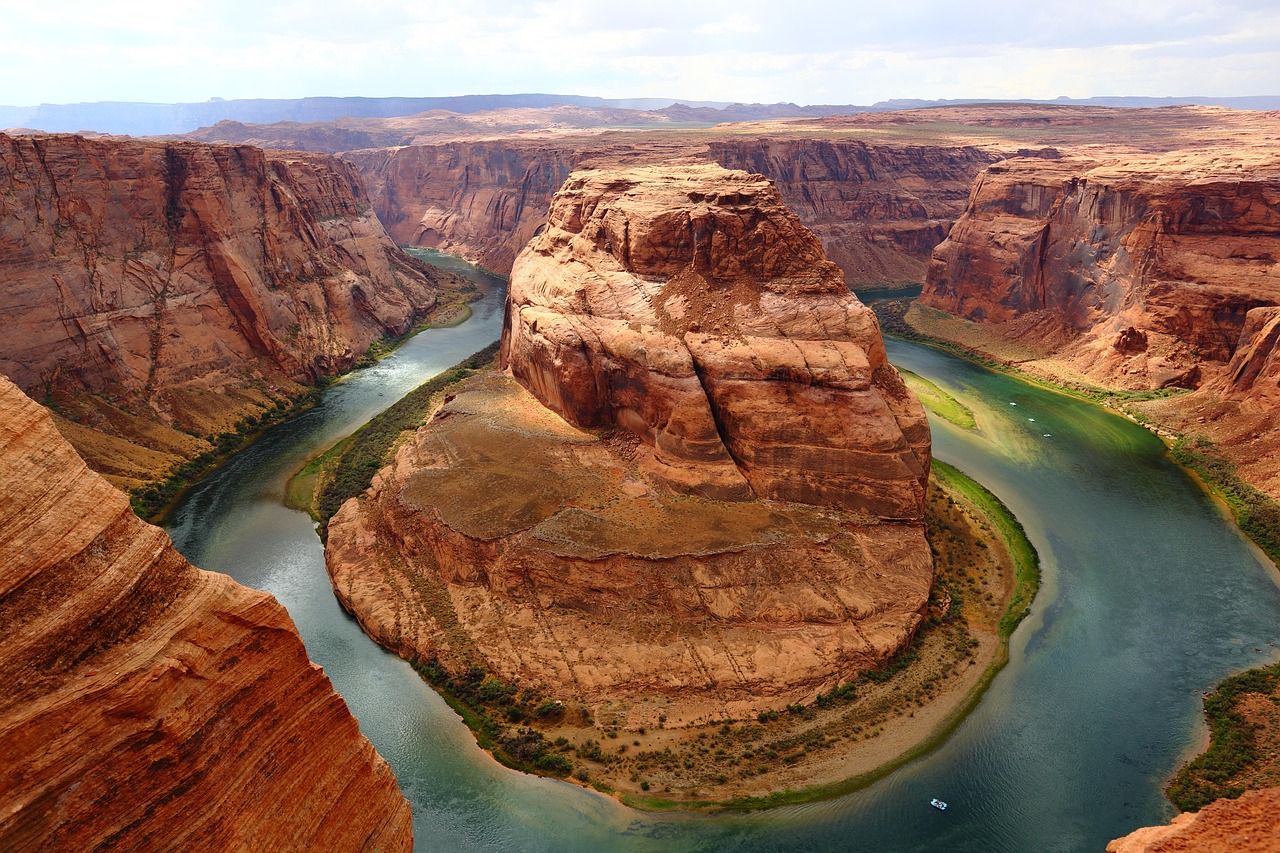
Day 8-9: Mountain Highs in Breckenridge
By day eight, the red rocks of Utah will feel like a distant dream as you ascend back into the Colorado Rockies. Breckenridge is the perfect "final hurrah." It transitions the trip from rugged exploration to mountain resort fun.
Family Activities in Breck:
- The Gold Runner Alpine Coaster: A thrilling way to see the mountainside.
- Sawmill Reservoir Hike: An easy, flat 1.5-mile loop around a beautiful lake—perfect for burning off some energy before the drive back to Denver.
- Main Street Stroll: This is the perfect time for that "Hotel Reset" we talked about. Enjoy a meal at a real table and let the kids pick out a souvenir.
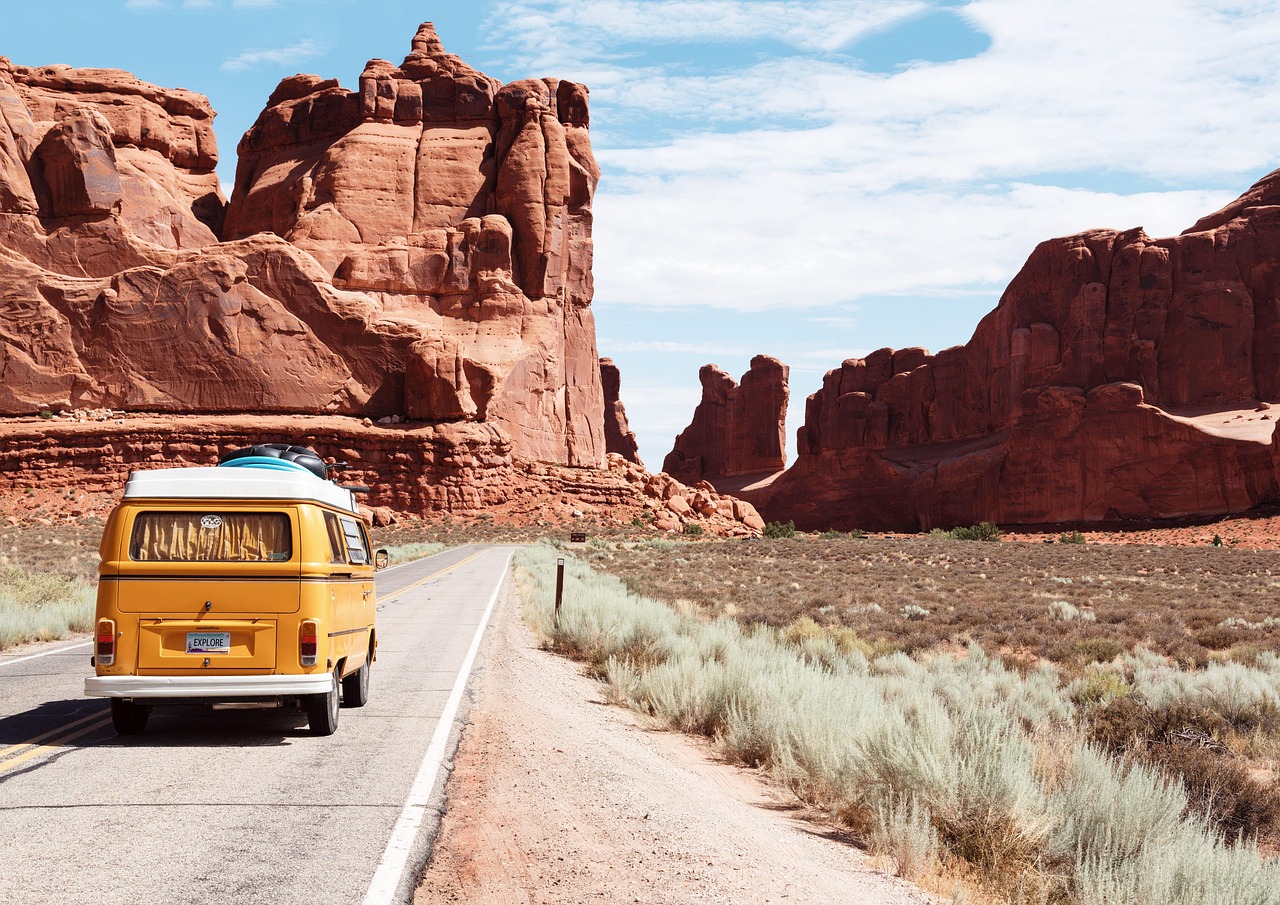
Day 10: The Final Reset & Denver Return
The final stretch back to Denver is only about two hours, but don't rush it. Take the morning to organize the van.
Van Return Checklist:
- Empty the "Gray Water" tanks: Do this at your last campsite to avoid fees.
- Consolidate Snacks: Whatever is left goes into a "plane bag" for the flight home.
- The Final Clean: A quick sweep makes the drop-off process much smoother.
Managing "Road Fatigue" on this last day is all about perspective. Remind the kids of their favorite moments—was it the dinosaur bones or the sand dune "sandbox"? These reflections turn a long drive into a storytelling session.
Camper Van Survival Guide: Tips for Parents
Traveling in a van requires a different mindset than a hotel stay. Here is the gear and the strategy that saved my sanity:
- Kid-Tested Gear:
- Headlamps: Essential for nighttime bathroom runs and making "cave exploring" in the van fun.
- Kid-Carrying Backpacks: Even if your child is a great walker, the Utah heat can sap their energy quickly.
- Collapsible Buckets: For the "natural sandboxes" in Arches.
- Handling the Heat: In Utah, the sun is your biggest challenge. Plan your hikes for 7:00 AM to 10:00 AM, and spend the midday hours in the van’s AC or at a high-elevation overlook.
- Connectivity: You will lose cell service in the canyons. Download offline maps (Google Maps allows this) and download audio guides like "Just Ahead" or "Shaka Guide" to keep the kids entertained with stories about the landscape.
FAQ
Do I need a special license to drive a camper van? No, most family-sized camper vans (Class B or smaller Class C) can be driven with a standard driver's license. They are essentially large SUVs or delivery vans.
How far in advance should I book campgrounds? For National Parks like Arches or RMNP, you need to book 6 months in advance the moment reservations open. If you miss out, look for private campgrounds like KOAs or use apps like 'The Dyrt' to find last-minute cancellations.
Is there enough room for a car seat in a camper van? Most modern rental vans come equipped with LATCH systems or tether anchors. Always confirm with your rental company beforehand to ensure the seating configuration allows for car seats behind the driver.
Ready to Hit the Road?
There is something truly transformative about seeing the American West through the eyes of your children. The scale of the mountains and the ancient history of the canyons provide a perspective that no classroom can match. This 10-day loop is more than a vacation; it’s an education in adventure.