If you’re staring at a $320 day-pass window at Vail or Aspen, you aren’t just paying for a lift ride; you’re paying for a monopoly. For years, the narrative has been that crossing the Atlantic for a ski trip is a luxury reserved for the "one percent." But as someone who has spent the last decade hunting for the world’s best powder on a shoestring, I’m here to tell you the opposite is true. In 2025, skiing in Europe isn’t just a bucket-list dream—it’s the most fiscally responsible way to hit the slopes.
Consider the math: A 6-day lift pass in Zermatt, Switzerland—one of the world’s most iconic resorts—costs approximately $640. In the United States, that same $640 buys you exactly two days of skiing at a major Colorado resort. Even when you factor in the flight, the fragmented European market and the "village-first" culture of the Alps offer a value proposition that the US simply cannot match.
Why European Skiing is Cheaper in 2025
The primary driver behind the price gap is market structure. In North America, the "Epic" and "Ikon" pass duopoly has consolidated the industry, driving up walk-up ticket prices to subsidize pass holders. Europe remains beautifully fragmented. Thousands of independent resorts compete for your business, keeping lift tickets, mountain lunches, and ski school rates grounded in reality.
However, the landscape is shifting. Switzerland recorded its highest level of skier engagement in 15 years during the 2024–2025 season, totaling 26.3 million ski days. This popularity, combined with inflation, means the "cheap" windows are narrowing. Looking ahead, family ski costs in 2026 are projected to rise significantly; Wengen, Switzerland, is expected to reach an average of £1,372.32 per week, a 32% increase from previous seasons.
To help you navigate these shifting snowdrifts, here is the 2025 price comparison between major US hubs and their European counterparts.
| Feature | Major US Resort (e.g., Vail) | Major European Resort (e.g., St. Anton) |
|---|---|---|
| 1-Day Lift Pass | $275 - $320 | $75 - $88 |
| Mountain Lunch | $35 (Burger & Soda) | $22 (Schnitzel & Beer) |
| Ski School (Full Day) | $250+ | $90 - $120 |
| Village Vibe | Corporate-owned base area | Historic mountain village |
| Total 7-Day Trip Est. | $5,500 - $7,000 | $3,500 - $4,000 |
The Golden Rules of Budget Skiing
Planning a budget-friendly European ski trip requires more than just picking a cheap destination; it requires "system-gaming" the logistics. If you follow these three rules, a comprehensive 7-day ski trip to world-class spots like Villars-sur-Ollon can easily be kept under the $4,000 mark, flights included.
Rule 1: Master the Timing
The most expensive mistake you can make is traveling during the "White Weeks" (February school holidays) or the Christmas/New Year peak.
- The Sweet Spot: Mid-January. Specifically, the two weeks following the New Year holiday and preceding the February school breaks. You’ll find empty lift lines and accommodation prices slashed by 40%.
- The Spring Hack: Early April. High-altitude resorts like Saas-Fee and Zermatt offer "spring skiing" discounts while maintaining excellent snow coverage.
Rule 2: Transit Intelligence
Don't rent a car. Between the cost of winter-tire surcharges, gas, and expensive resort parking, a rental car is a budget-killer.
- Swiss Precision: Use the SBB (Swiss Federal Railways). A second-class ticket is cleaner and more efficient than most first-class cabins elsewhere.
- The French "Snow Train": Eurostar offers direct services from London to the Tarentaise Valley, and local "Snow Trains" link major airports directly to the lifts.
- The Backpacker Move: For remote resorts like Val-d'Isère, check Flixbus. It’s the unsung hero of the Alps, offering transfers for as little as €15.
Pro-Tip: The Free Luggage Loophole Most airlines charge $50–$100 each way for ski bags. However, Swiss International Air Lines and United (on specific codeshare flights to Zurich/Geneva) often allow one set of ski equipment for free in addition to your standard baggage allowance. Always check the "Sports Equipment" policy before booking.
Rule 3: Rent, Don't Pack
Unless you’re a professional athlete, don't haul your skis across the ocean. The math of $230/week rentals vs. airline baggage fees and the hassle of transport usually favors renting. Modern rental fleets in Europe are updated annually, meaning you’ll likely be skiing on better tech than what’s sitting in your garage.
Top-Value Resorts for Adult Skiers
If your goal is maximum vertical meters for minimum euros, look east of the Alps or toward the lesser-known Italian valleys.
- Bardonecchia, Italy: ?? The current undisputed price champion. You can secure a full week of lift passes, lessons, and mountain lunches for roughly £601 total. It lacks the glitz of Cortina, but the terrain is legitimate.
- Bansko, Bulgaria: ?? This is the backpacker’s mecca of skiing. While the lift system can occasionally see queues, the "€2.50 pint" economy and affordable high-end hotels make it impossible to beat for pure value.
- Jasná, Slovakia: ?? A hidden gem in the Low Tatras. It offers a modern Alpine experience—heated gondolas and high-speed chairs—at Central European prices. Lift passes here are often half the price of those in France.
- Geilo, Norway: ?? Traditionally expensive, Scandinavia is becoming a value play due to favorable exchange rates against the Dollar and Euro. Geilo offers a unique, treeless "moonscape" skiing experience and incredibly reliable snow.
Best Budget Destinations for Families
Taking the kids skiing is usually a financial nightmare, but several European regions have built their entire business model around attracting young families with "Free Ski" policies.
Passo Tonale, Italy ⛷️ This glacier resort offers free lift passes for children under eight years old. Because the village is high-altitude, you’re guaranteed snow even in late March, which is great for the little ones who might struggle with slush.
Scandinavia (Trysil & Sälen) ?? The SkiStar resorts in Sweden and Norway are the gold standard for families. They offer a "Free Pass" policy for children under eight and provide some of the best English-speaking ski schools in the world.
Crans-Montana, Switzerland ?? While Switzerland is rarely associated with "budget," Crans-Montana offers free skiing for children under nine.
Accommodation Tip: The Catered Chalet For families, the "Catered Chalet" is the ultimate hack. These are traditional Alpine homes where a host prepares breakfast, afternoon tea, and a three-course dinner with wine. When you calculate the cost of eating out seven nights in a resort, the bundled chalet price usually saves a family of four over $1,000.
Using Epic & Ikon Passes Wisely
If you already own an Epic or Ikon pass, Europe becomes even more affordable. You can leverage your pass to cover the most expensive part of the trip (the lift tickets) in high-end resorts.
- Epic Pass Holders: Look at St. Anton (Arlberg) in Austria or Verbier in Switzerland. These are premium resorts where a 7-day pass would normally cost $500+. Use your pass here, but stay in "satellite villages" like Pettneu (near St. Anton) to save 50% on lodging.
- Ikon Pass Holders: Your best bet is Zermatt. While the town is pricey, Ikon holders can stay in Tasch (a 12-minute train ride away) for a fraction of the cost and commute into the Zermatt lift system.
Affordable Hotel Picks for Pass Holders:
- Hotel Bellerive (Zermatt): Excellent value for the quality, often offering "long-stay" discounts.
- Hotel Garni (St. Anton): Simple, clean, and perfectly located for those who spend all day on the mountain.
The 'Transfer Night' Strategy: Splurge Where it Counts
One of my favorite "Daniel Foster" hacks is the Transfer Night Strategy. Instead of paying $400/night for a mediocre resort hotel on your final Friday (when prices spike), head back to the city.
Take the train down to Zurich or Geneva on Friday afternoon. Save money by staying in a 2-star hotel mid-week so you can afford one final, glorious "Transfer Night" in a world-class city hotel. It allows you to decompress, enjoy a high-end meal, and be five minutes from the airport for your morning flight.
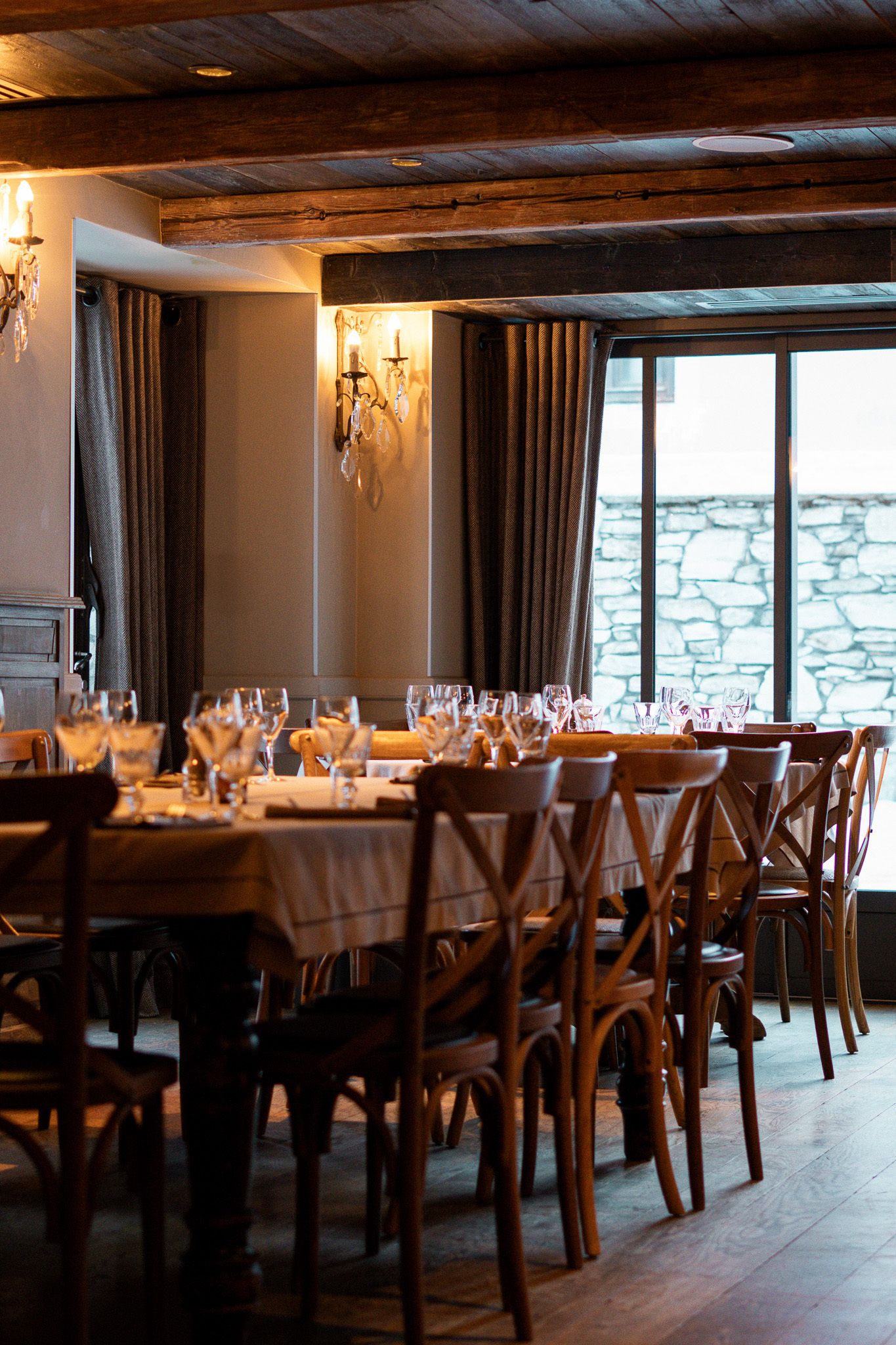
Recommendations:
- Storchen Zurich: For a historic, luxury finish overlooking the Limmat River.
- The Woodward (Geneva): An incredible all-suite hotel for those flying out of GVA.
FAQ: Planning Your Budget European Trip
Q: Is the language barrier a problem in the smaller, cheaper resorts? A: In major resorts, English is the lingua franca. In smaller "value" resorts like Jasná or Bardonecchia, you might need a translation app for menus, but the ski instructors and hotel staff almost always speak functional English.
Q: Do I need special insurance for European skiing? A: Absolutely. Ensure your travel insurance specifically covers "Off-Piste" skiing if you plan to leave the groomed trails. European mountain rescue (especially helicopter evacuation) is world-class but can cost upwards of $5,000 if you aren't covered.
Q: Can I really do a week in Switzerland for under $4,000? A: Yes. If you book your flight 4-6 months in advance ($800), use a mid-January window, stay in a 3-star apartment or hostel ($1,200/week), and use a rail pass ($300), you have $1,700 left for food and lift tickets. That is more than enough for a legendary week.
Start Your 2025/2026 Winter Planning
The 2025 season is already seeing high demand, and with the projected 32% price hike in 2026 for family-centric resorts like Wengen, the time to book is now. Whether it’s the rugged affordability of Bulgaria or the systemic gaming of the Swiss Alps, the snow is calling—and it’s cheaper than you think. Stop paying Vail prices and start living the Alpine dream.