Quick Facts
- Overall National Safety Rating: Level 1 (Exercise Normal Precautions).
- Targeted Warning Zone: Level 2 (Exercise Increased Caution) for coastal Eastern Sabah.
- Specific Area of Concern: The coastline from Kudat in the north to Tawau in the south, including Semporna and Sandakan.
- Primary Security Measure: A strict maritime curfew from 6:00 PM to 6:00 AM in the Eastern Sabah Security Zone (ESSZone).
- Economic Context: Despite security advisories, Sabah recorded 3.79 million tourist arrivals in 2025, generating RM8.74 billion in revenue.
For most global travelers, Malaysia represents one of Southeast Asia’s most stable and accessible destinations. With its sophisticated infrastructure and efficient policing, the country predominantly maintains a "Level 1" status from the U.S. State Department. However, a nuanced look at the latest security updates reveals a geographical divide that every traveler must understand. While the urban centers of Kuala Lumpur and the cultural hubs of Penang remain statistically very safe, a specific Level 2 "Exercise Increased Caution" advisory is currently in effect for the coastal regions of Eastern Sabah.
This distinction is critical for those planning excursions to Malaysia’s world-renowned dive sites and wildlife corridors. The advisory is not a blanket warning against the country, but rather a targeted notice regarding a specific risk: kidnapping-for-ransom by regional militant groups. Understanding the mechanics of this warning—and the robust security infrastructure the Malaysian government has built to counter it—is essential for any data-driven travel assessment.
Understanding the Kidnapping Risk in Eastern Sabah
The safety landscape in Malaysia is defined by its geography. While Western Malaysia (the peninsula) shares a land border with Thailand, Eastern Malaysia (on the island of Borneo) shares a porous maritime border with the southern Philippines. This proximity is the primary driver of the U.S. State Department’s localized kidnapping warning.
Direct Answer: Is coastal Malaysia safe for tourists? While the vast majority of Malaysia is considered very safe (Level 1), the U.S. State Department has issued a Level 2 advisory specifically for coastal Eastern Sabah. This is due to the persistent risk of kidnap-for-ransom activities by criminal and terrorist groups targeting maritime vessels and isolated island resorts.
The warning zone extends along the eastern coastline from the town of Kudat to the border town of Tawau. This includes popular entry points like Sandakan and Semporna—the latter being the gateway to the world-famous Sipadan and Mataking islands. The threat stems from groups based in the Sulu Archipelago of the Philippines, who can reach Sabah’s coastal waters in under an hour via high-speed boats. Historically, these groups have targeted foreign tourists and maritime workers for ransom, though such incidents have decreased significantly in recent years due to heightened military presence.
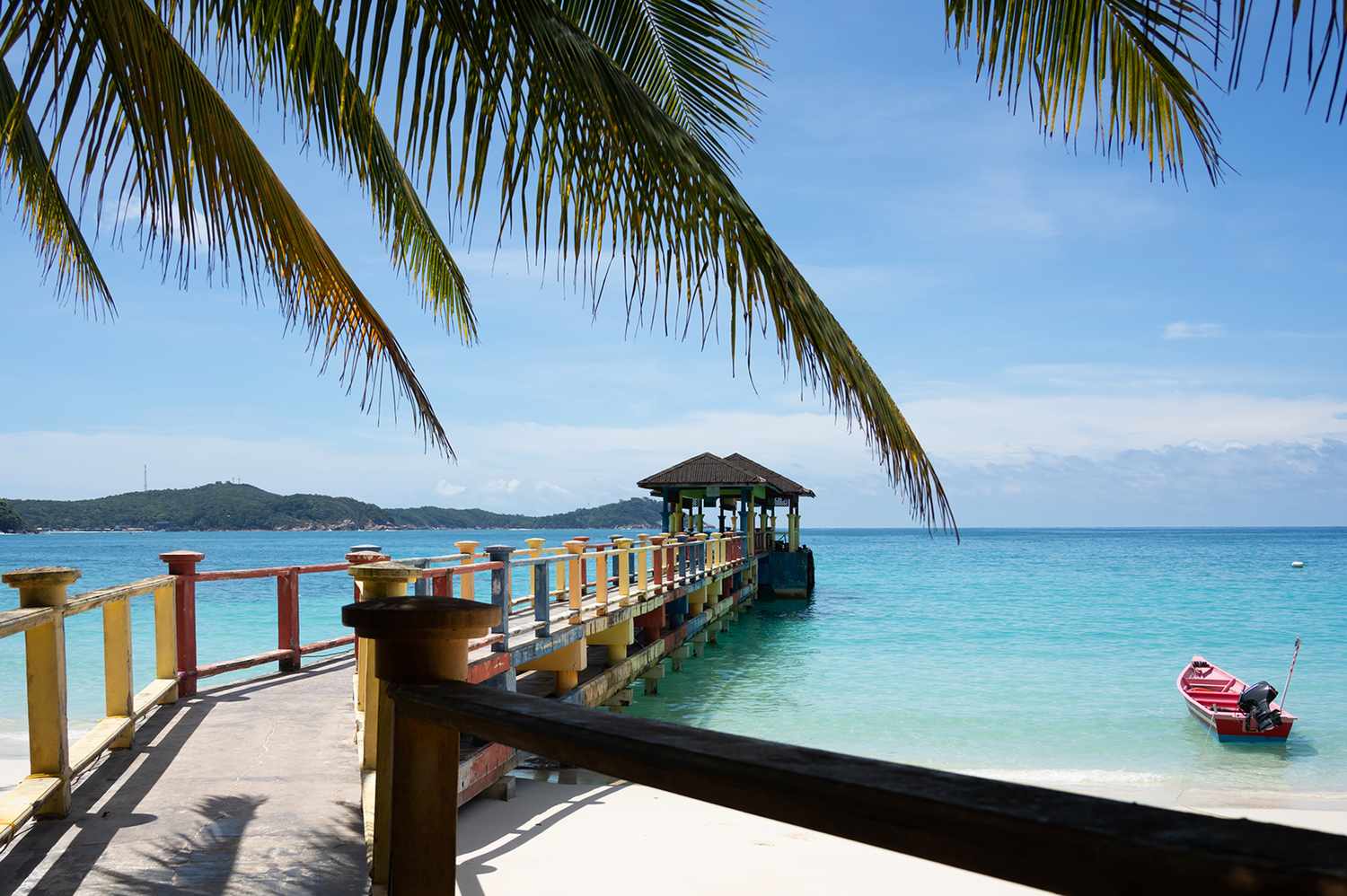
The Eastern Sabah Security Zone (ESSZone) Explained
In response to these regional threats, the Malaysian government established the Eastern Sabah Security Command (ESSCOM) and designated a specific Eastern Sabah Security Zone (ESSZone). This is not a zone of active conflict, but rather a high-surveillance corridor where the military and police have enhanced powers to monitor and intercept suspicious activity.
Direct Answer: What are the security restrictions in Sabah? Authorities have established the Eastern Sabah Security Zone (ESSZone), which includes a strict 6:00 PM to 6:00 AM maritime curfew in six coastal districts. Furthermore, all vessels operating within Lahad Datu and Sandakan must obtain mandatory permits from the police and travel along designated routes.
The ESSZone encompasses several key districts that travelers often visit for eco-tourism and diving:
- Beluran
- Kinabatangan (Famous for river cruises and pygmy elephants)
- Lahad Datu
- Kunak
- Semporna (The primary hub for scuba diving)
- Sandakan (Home to the Sepilok Orangutan Rehabilitation Centre)
The most tangible impact on travelers is the maritime curfew. It covers all offshore areas up to 3 nautical miles from the coast. This means that sunset cruises, late-night diving trips, or evening boat transfers between islands are strictly prohibited. Travelers should expect to see increased naval patrols and may be required to show identification at various checkpoints when traveling between coastal towns.
Safety Comparison: Level 1 vs. Level 2 Areas
To provide an objective perspective, it is helpful to compare the security environment of the mainland against the specific coastal regions of Sabah.
| Feature | Peninsula Malaysia (Kuala Lumpur, Penang, etc.) | Coastal Eastern Sabah (ESSZone) |
|---|---|---|
| U.S. State Dept Rating | Level 1: Exercise Normal Precautions | Level 2: Exercise Increased Caution |
| Primary Risk | Petty crime (bag snatching, fraud) | Kidnap-for-ransom (maritime) |
| Security Presence | Standard police patrols | Military-led ESSCOM patrols |
| Travel Restrictions | None | 6 PM - 6 AM Maritime Curfew |
| Major Tourist Draw | Urban culture, food, history | Diving, wildlife, marine biodiversity |
The shift from Level 1 to Level 2 does not mean a region is a "no-go" zone; rather, it indicates that travelers should be more aware of their surroundings and strictly adhere to local laws and security directives. In contrast to the urban safety of Kuala Lumpur, where the biggest threat is often a motorcycle-borne bag snatcher, the risks in Eastern Sabah are structural and geopolitical.
Beyond Kidnapping: General Crime and Hazards
While the international headlines focus on kidnapping, a balanced safety assessment must include more common daily risks. In urban centers like Kuala Lumpur and Johor Bahru, the most frequent security issues reported by tourists involve petty theft. Bag-snatching by thieves on motorbikes remains a persistent problem, particularly in crowded areas like Bukit Bintang or around the Petronas Towers.
Furthermore, environmental and health hazards often pose a more immediate threat than security issues:
- Monsoon Season: From October to February, the Northeast Monsoon can bring heavy rains, leading to flash floods and landslides, particularly in the mountainous regions and along the east coast of the peninsula.
- Health: Malaysia is a high-risk area for Dengue fever. Travelers are advised to use mosquito repellent and wear long sleeves during dawn and dusk. Additionally, while the risk is low in urban areas, rabies remains a concern in some rural parts of Borneo.
- Credit Card Fraud: While Malaysia has adopted PIN-and-chip technology, travelers should remain vigilant against skimming at ATMs and avoid using cards at smaller, unsecured vendors.
Is it Still Worth Visiting? Tourism Statistics vs. Risks
A critical data point for any traveler is the "crowd sentiment"—how many people are actually going despite the warnings? The 2025 data from the Sabah Tourism Board suggests that the perceived risk has not deterred the global travel community.
Sabah’s tourism sector reported a record 3.79 million arrivals in 2025, generating approximately RM8.74 billion in local revenue. This growth is a testament to the effectiveness of the security measures implemented by the Malaysian government. The presence of ESSCOM has largely stabilized the region, and many high-end resorts on islands like Mabul and Mataking now employ private security alongside the military's permanent stationing.
The reality for most travelers in Sabah is one of high security rather than high danger. When you land in Sandakan or Semporna, the military presence is visible, but the atmosphere remains hospitable. The key to a safe trip lies in choosing licensed tour operators. These companies are in constant communication with ESSCOM and are required to follow safety protocols that independent travelers might overlook.
Practical Steps for Travelers
For those who decide to visit the Level 2 zones of Eastern Sabah, specific precautionary measures can significantly mitigate risk.
- Enroll in STEP: The Smart Traveler Enrollment Program (STEP) is a free service for U.S. citizens that allows the local embassy to contact you in case of an emergency.
- Respect the Curfew: The 6:00 PM to 6:00 AM water curfew is non-negotiable. Ensure your boat transfers are scheduled well before sunset. Failure to comply can lead to detention by the Malaysian Maritime Enforcement Agency (MMEA).
- Stay Informed: Monitor local news and the U.S. Embassy in Kuala Lumpur’s website for sudden updates. If there is a spike in regional tension, security levels can change overnight.
- Use Licensed Operators: Do not hire "budget" private boatmen for island hopping. Only use registered operators who have the necessary ESSCOM permits and GPS tracking on their vessels.
- Emergency Contacts: Keep the local emergency number 999 saved. In the ESSZone, you may also see specific contact numbers for ESSCOM; keep these at hand if you are staying in remote coastal areas.
FAQ
Can I still go diving in Sipadan? Yes, Sipadan remains open and is one of the most protected areas in Malaysia. Divers must stay at resorts on nearby islands like Mabul or Kapalai, which are heavily monitored by security forces.
Is Kuala Lumpur included in the kidnapping warning? No. The kidnapping warning is strictly limited to the coastal areas of Eastern Sabah. Kuala Lumpur remains under a Level 1 (Exercise Normal Precautions) advisory.
How do I know if I am in the ESSZone? The zone covers the eastern coastline of Borneo. If you are in Sandakan, Semporna, Lahad Datu, or the surrounding islands, you are within the ESSZone and subject to maritime curfews.
Conclusion
Malaysia presents a complex safety profile that requires more than a cursory glance at a travel map. While the country at large is exceptionally safe, the localized Level 2 warning for coastal Eastern Sabah is a necessary precautionary measure. By acknowledging the kidnapping risk and adhering to the strict maritime curfews within the ESSZone, travelers can still safely enjoy some of the most spectacular natural wonders on the planet.
The record-breaking 3.79 million arrivals in 2025 demonstrate that with proper planning, the rewards of visiting Sabah—from its deep-sea biodiversity to its ancient rainforests—far outweigh the managed risks. As always, the best-protected traveler is the one who is best informed.