Quick Facts
- Visitor Stats: Approximately 6.03 million visitors in 2024, marking a 24 percent increase from the previous year.
- Iconic Duo: The Hungarian Parliament Building and St. Stephen’s Basilica, both reaching a symbolic height of 96m.
- Must-Visit: The newly completed House of Music Hungary and the Museum of Ethnography in the revitalized City Park.
- Transport: The M1 Millennium Underground, which is the oldest subway system in mainland Europe.
- Global Standing: In 2024, Budapest was one of only four European destinations recognized by Conde Nast Traveler as a top global spot.
In 2026, this budapest travel guide highlights the completed Liget Project and the House of Music Hungary as essential stops for any modern traveler. Beyond the 96m-tall Hungarian Parliament Building, visitors should explore the revitalized Jewish Quarter for authentic ruin bar culture and soak in the Art Nouveau luxury of the Gellért Baths.
The Grand Spine: Andrássy Avenue and the M1 Journey
To understand Budapest, one must walk Andrássy Avenue. Often called the Champs-Élysées of the East, this boulevard is a masterclass in Hapsburg architecture. The street was designed in the late 19th century to connect the city center with the City Park, and today it remains the city’s premier cultural artery. As you walk toward the Danube, the sheer scale of the limestone facades and ornate balconies tells the story of a city that was once a dual capital of a vast empire.
One of the most significant recent changes to this skyline was the 2023 reopening of the Drechsler Palace, which now houses the W Budapest. This restoration breathed new life into a neo-Renaissance masterpiece that had sat dormant for decades. For travelers looking for luxury hotels in budapest andrassy avenue, this district provides a perfect blend of historic preservation and high-end modern hospitality.
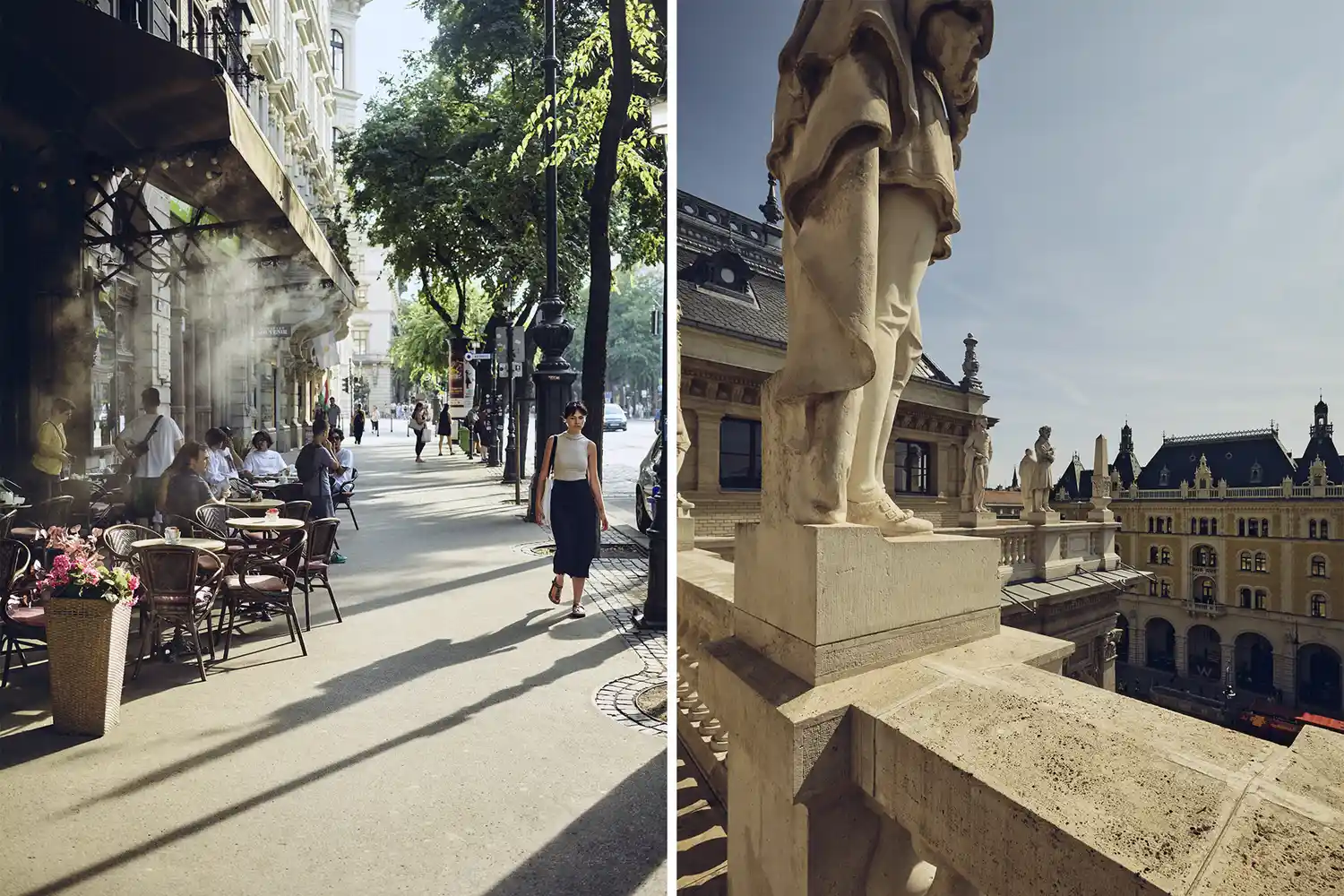
Below the pavement of Andrássy Avenue lies another treasure: the M1 Millennium Underground. Built in 1896, it feels less like a modern subway and more like a time capsule with its tiled stations and wood-paneled carriages. It is the best budapest travel guide tip for getting to Heroes' Square quickly while experiencing a piece of living history.
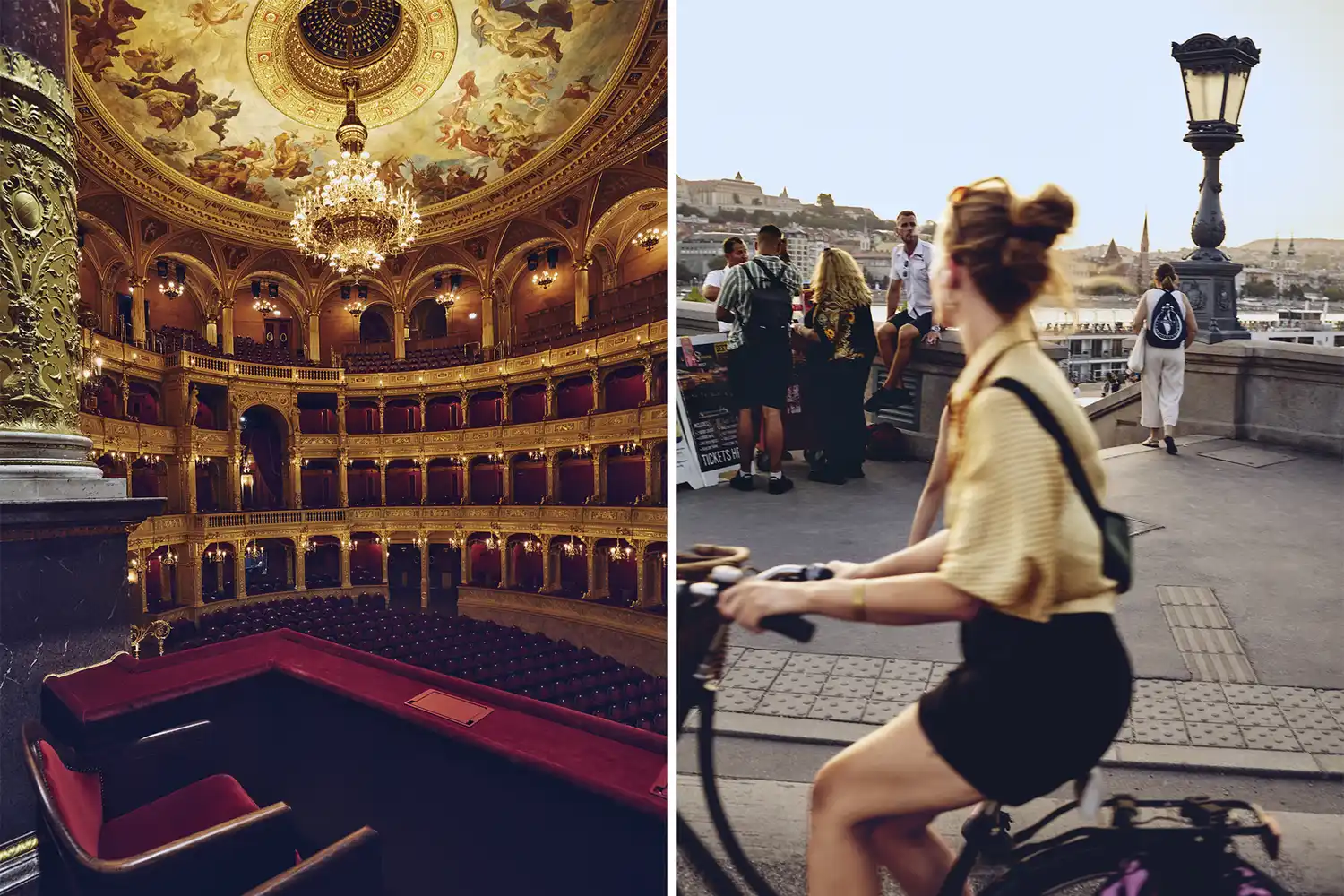
Near the midpoint of the avenue stands the Hungarian State Opera. Following a massive renovation completed in 2022, the interior is a riot of gold leaf and velvet. Even if you do not catch a performance, the guided tours offer a deep dive into the engineering and artistry of the Hapsburg era.
Buda Heights: Castle District and Panoramas
Across the river, the Buda Castle District offers a different rhythm. While Pest is flat and frantic, Buda is hilly and historical. The most photographed spot here is Fisherman’s Bastion. Its seven white stone turrets represent the seven Magyar tribes that founded the nation in 895. From these ramparts, you get the definitive view of the Hungarian Parliament Building across the water.
Exploring the Buda Castle District involves walking through cobblestone lanes that have survived medieval sieges and World War II. It is one of the most significant budapest cultural attractions, housing the National Gallery and the Budapest History Museum. For a quieter experience, head to the Tomb of Gül Baba, a 16th-century octagonal shrine surrounded by rose gardens, offering a peaceful glimpse into the Ottoman influence on the city.
For the best panoramic views, skip the tourist shuttles and walk up Gellért Hill. At the summit, the Citadella provides a 360-degree vantage point of the Danube riverfront. Crossing the Széchenyi Chain Bridge on foot remains a rite of passage, though the Elizabeth Bridge offers a sleeker, more modern path between the two sides of the city.
Liquid Gold: Navigating the Thermal Spa Tradition
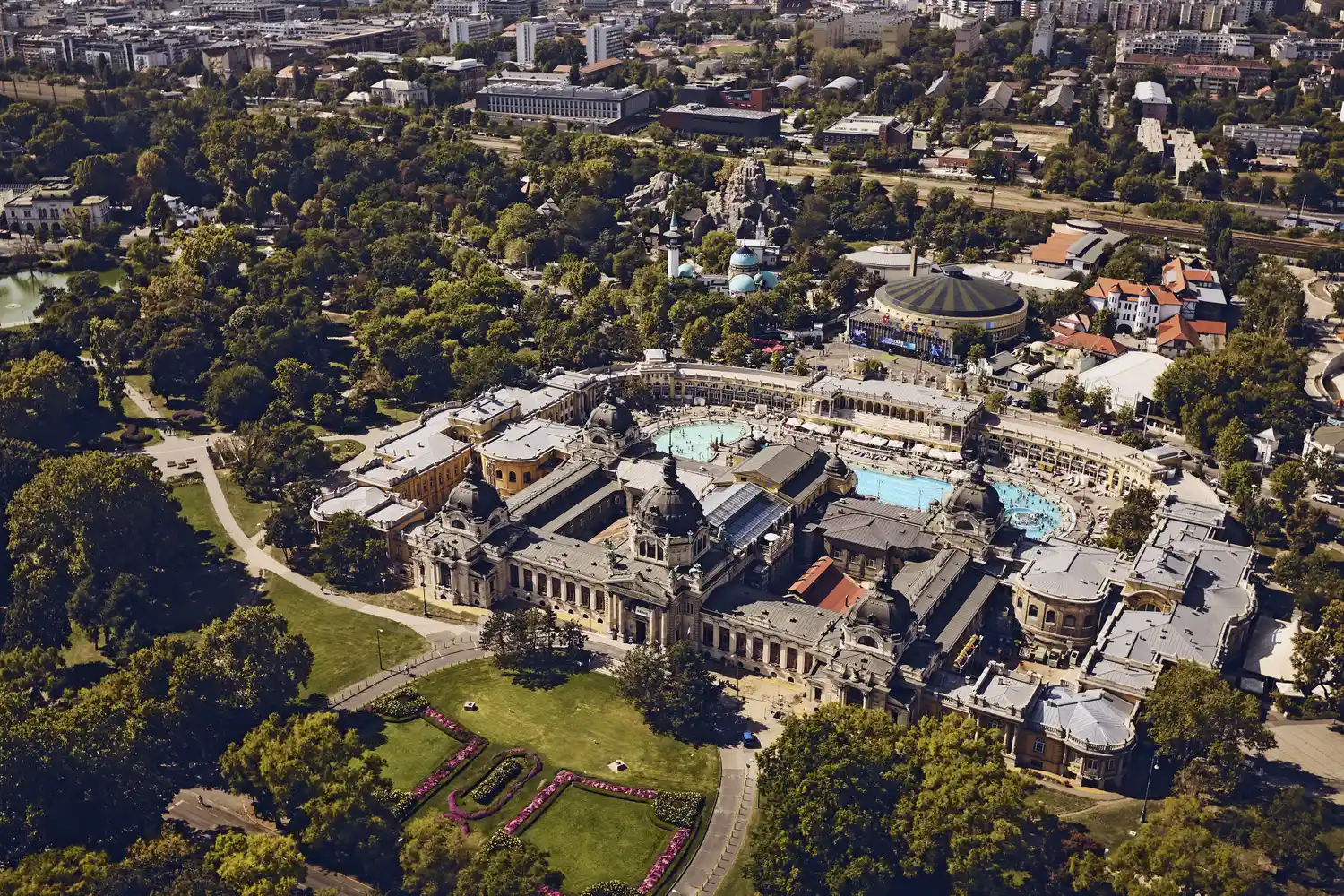
Budapest sits on a bubbling network of thermal springs, making the thermal spa tradition an inseparable part of local life. The choice of where to soak depends on the atmosphere you seek.
| Spa | Style | Best For |
|---|---|---|
| Széchenyi | Neo-Baroque | Outdoor grandeur and people-watching |
| Gellért | Art Nouveau | Architectural beauty and indoor mosaics |
| Rudas | Ottoman / Modern | Rooftop hot tubs and night bathing |
| Lukács | Local / Historic | Authentic atmosphere and healing waters |
The Széchenyi Thermal Bath is the most famous, known for its bright yellow courtyards and locals playing chess in the waist-deep water. For something more intimate, the Rudas Baths offer night bathing on Fridays and Saturdays from 22:00 to 03:00. This allows you to soak in a rooftop pool while looking out over the illuminated city lights. First-time bathers should remember to bring flip-flops and a swim cap if they intend to use the lap pools.
Beyond the Surface: Hidden Gems and Local Secrets
In 2026, the focus of the city has shifted toward the Liget Project in City Park. The standout is the House of Music Hungary, designed by Sou Fujimoto. Its roof is perforated with 100 unique holes, allowing trees to grow through the structure. Nearby, the Museum of Ethnography features a massive 500,000 pixel facade that displays patterns based on Hungarian folk art. These are the primary things to do in budapest 2026 for those interested in world-class contemporary architecture.
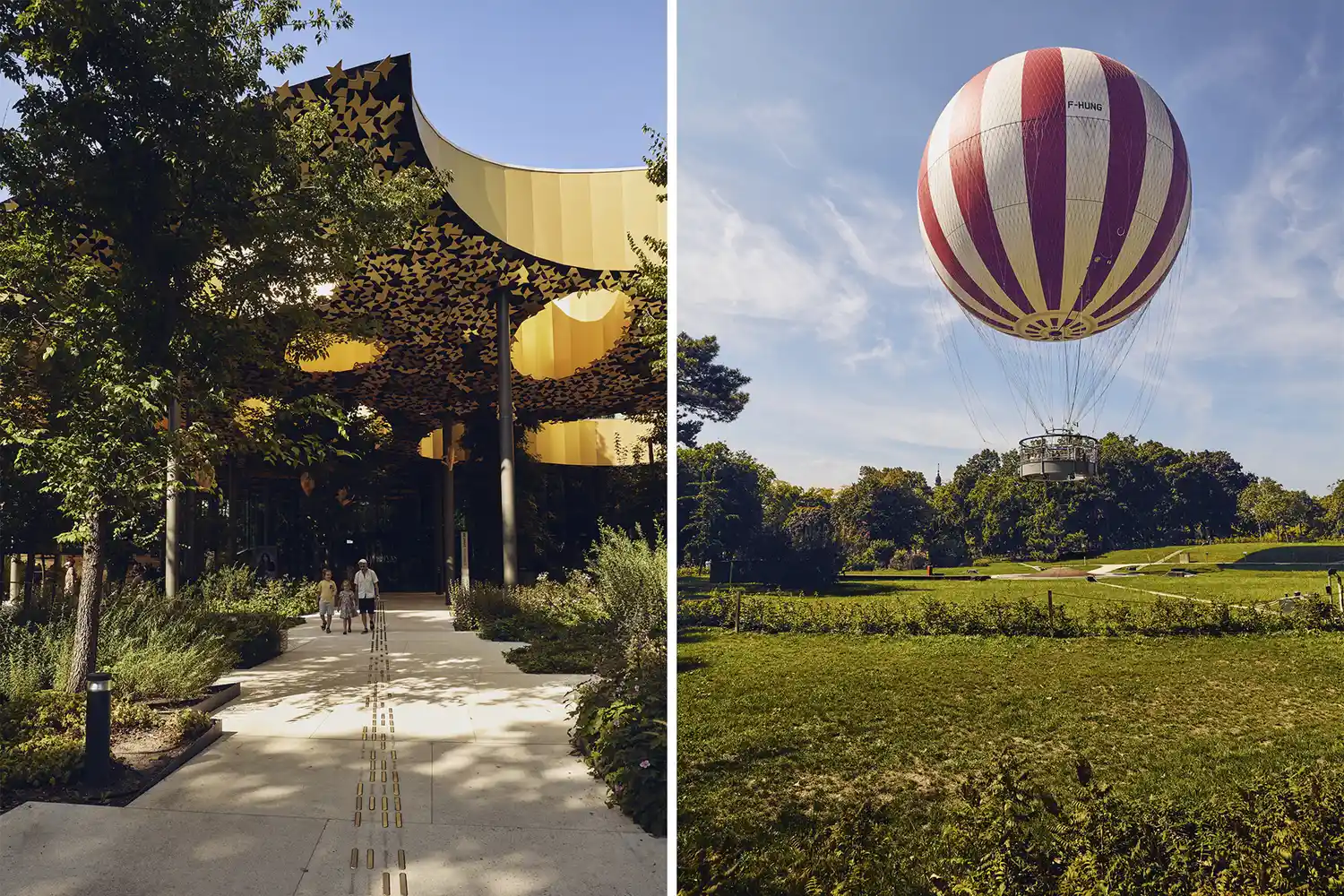
For those looking for budapest hidden gems for first-time visitors, head to the Eighth District. Long considered a gritty area, it has transformed into a hub for eclectic eateries and art spaces. You can find the Museum of Fine Arts’ restored Romanesque Hall by taking the M1 to the end of the line, or hunt for vintage curiosities at the Grand Ecseri Flea Market on the outskirts of town. A budapest travel guide map is helpful here, as many of these spots are tucked away in unassuming courtyards.
The Pulse of Pest: Jewish Quarter and Ruin Pubs
The Jewish Quarter (District VII) is the beating heart of Budapest’s nightlife and a central part of any budapest jewish quarter walking guide. The area is famous for its ruin pub culture—bars established in the shells of abandoned buildings, decorated with mismatched furniture and salvaged art. Szimpla Kert is the original, but for a more authentic budapest bars for locals experience, try the smaller holes-in-the-wall near the Rumbach Street Synagogue, which reopened in 2021 after extensive restoration.
During the day, the district is a place of somber history and vibrant street food. The shoes on the Danube bank memorial is a short walk away, providing a poignant reminder of the city's past. For lunch, the Karavan street food court offers local flavors like lángos (deep-fried dough) in a social, outdoor setting.
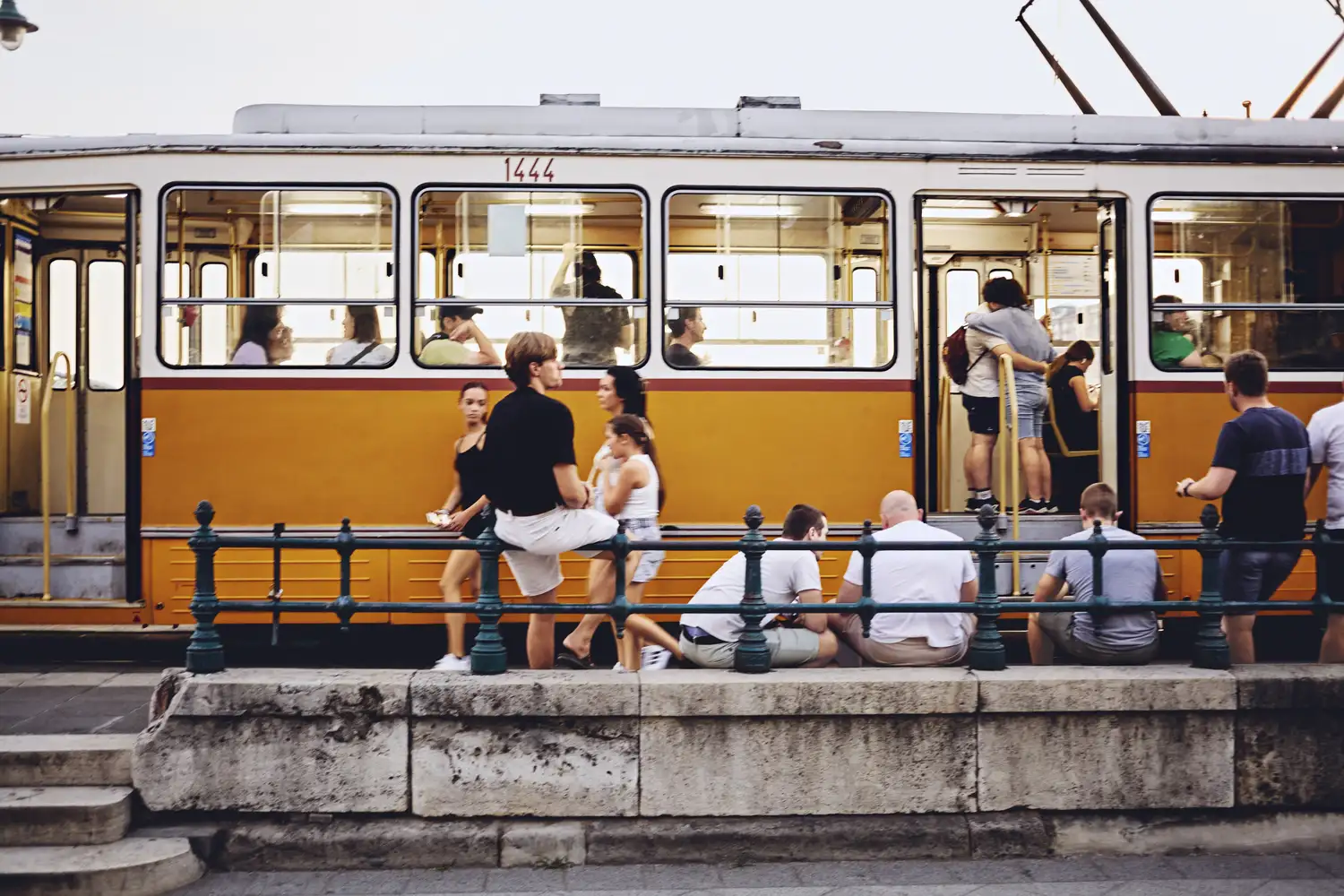
Navigating the city is easy thanks to the iconic yellow trams. Line 2, which runs along the Pest side of the Danube, is often cited as one of the most beautiful tram rides in the world, passing the Parliament and the Great Market Hall for the price of a standard transit ticket.
Grand Luxury and the Art Nouveau Legacy
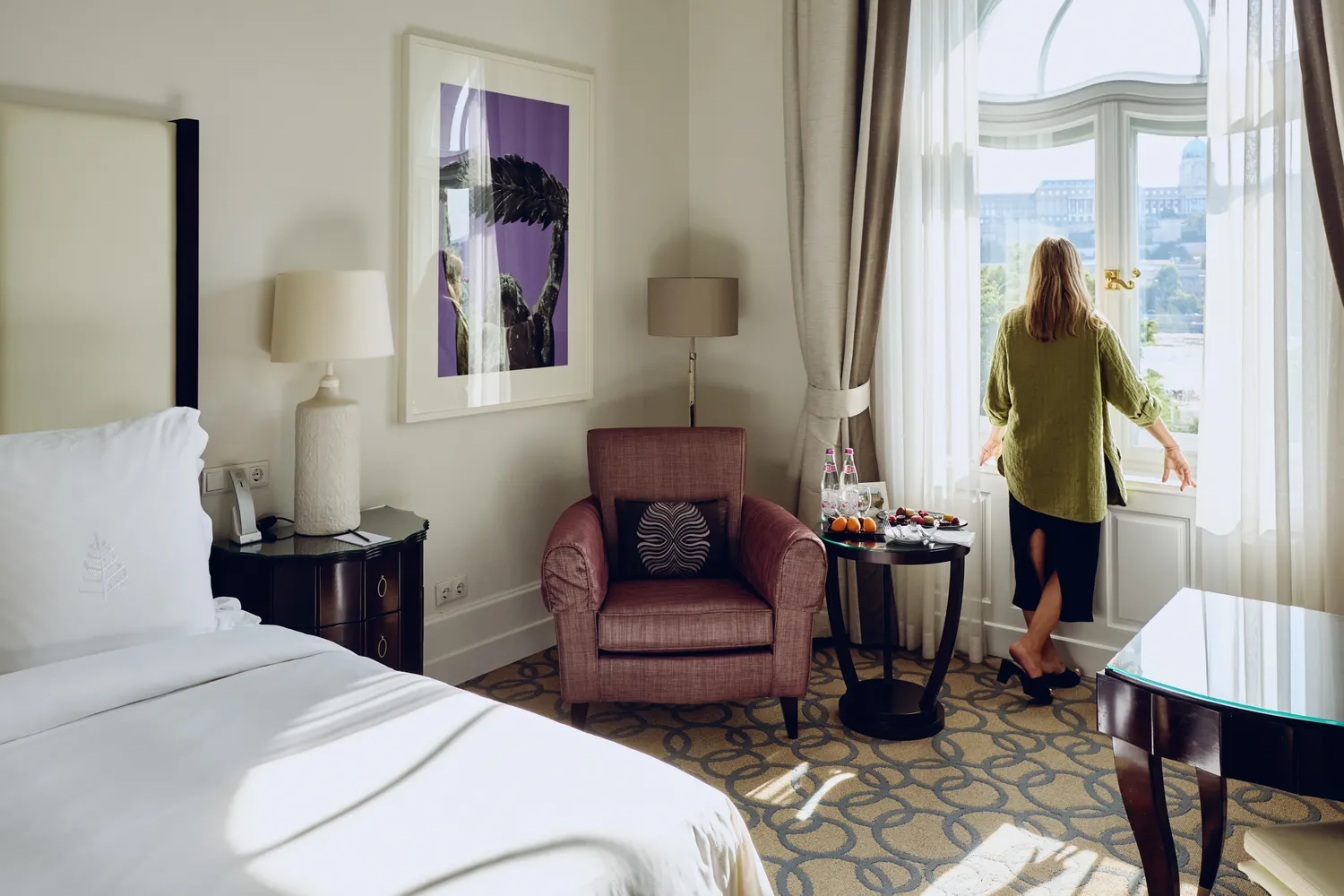
While the ruin bars offer grit, the riverfront offers pure glamour. The Four Seasons Hotel Gresham Palace is perhaps the finest example of Art Nouveau landmarks in Central Europe. Located at the foot of the Chain Bridge, its peacock-themed mosaics and glass-domed lobby represent the height of Hapsburg-era elegance.
The hospitality sector in Hungary is booming. Recent data indicates that the growth of foreign guest nights in Hungary, with Budapest accounting for 60 percent of that total, exceeded the European Union average by 150 percent during the first ten months of 2024. This surge has led to a wave of new boutique openings and the restoration of historic apartments into high-end rentals.
FAQ
How many days do I need to spend in Budapest?
To see the main sights like the Parliament, Castle District, and at least one thermal bath, you need 3 to 4 days. If you want to explore hidden gems like the Eighth District or take a day trip to the Danube Bend, plan for 5 days.
Is Prague or Budapest better?
Both are architectural masterpieces, but they offer different vibes. Prague is more compact and "fairytale" like, while Budapest is grander in scale, often cheaper, and features a unique thermal bath culture that Prague lacks.
What is the best month to visit Budapest?
May, June, and September are ideal. The weather is warm enough for outdoor cafes and river cruises, but you avoid the intense heat of July and the peak crowds of August. December is also popular for the world-class Christmas markets.
What are the do's and don'ts in Budapest?
Do validate your public transport ticket before boarding to avoid heavy fines. Do try local wines beyond the standard Tokaji. Don't clink your beer glasses—a tradition dating back to 1849—and don't expect the "ruin bars" to be quiet; they are lively social hubs.
Is Budapest friendly to American tourists?
Yes, Budapest is very welcoming to American tourists. English is widely spoken in the service industry, and the city is generally very safe for international travelers.
Whether you are watching the sunset over the Danube riverfront or exploring the latest exhibitions at the Museum of Ethnography, it is clear that Budapest has moved beyond its status as an "alternative" destination. It is now a primary pillar of European travel, offering a depth of experience that few other capitals can match. Be sure to use a budapest travel guide 2026 to stay updated on the ever-evolving cultural landscape of this magnificent city.