Quick Facts
- The Golden Rule: Use the 20-30% Rule—remove nearly a third of your packed items before zipping the bag to ensure you can handle train luggage racks.
- The Math: A strategic 12-15 piece capsule wardrobe is the secret to generating over 30 unique looks for a long trip.
- Luggage Choice: Opt for two-wheeled bags over four-wheeled spinners to survive the inevitable encounter with historic cobblestones.
- Weight Limit: European budget carriers are strict, often capping cabin bags at a maximum of 8 to 10 kilograms.
- Liquid Limit: As of late 2024, a strict 100ml limit on all liquid containers has been reinstated across all European Union airports.
- Daily Movement: Expect to walk 10,000 to 15,000 steps daily, making high-quality, supportive footwear a non-negotiable priority.
Planning a multi-stop adventure requires a strategic europe packing list to avoid the stress of heavy bags on cobblestones. Packing carry on only for Europe is about versatility and mobility, ensuring you can hop between trains and budget flights without paying extra fees or straining your back.
The Hardware: Choosing the Right Carry-On for Europe
I have spent the better part of a decade hauling gear across every corner of the continent, from the humid alleys of Lisbon to the snowy streets of Tallinn. If there is one hill I am willing to die on, it is this: do not bring a four-wheeled spinner suitcase to Europe. While those four-wheelers glide beautifully across a smooth airport terminal, they are a nightmare the second you hit a 15th-century street. Two-wheeled bags, often called uprights, have larger, more durable wheels that act like off-road tires. These cobblestone-friendly wheels allow you to tilt the bag and pull it over uneven surfaces, gaps in the pavement, and curbs without the wheels snapping off or the bag wobbling uncontrollably.
Furthermore, the physical layout of European accommodations should dictate your gear choice. Hotel rooms in cities like Paris or Amsterdam are notoriously compact. A traditional clamshell suitcase, which opens down the middle and requires double the floor space to access, can take up half your living area. Instead, I recommend a top-loading bag or a hybrid backpack-suitcase. This allows you to lean the bag against a wall and reach in for what you need without a total room takeover.
The most critical factor in your hardware choice, however, is the math. If you are flying between cities, you must respect budget airline dimensions. Major European budget airlines, including Ryanair and Wizz Air, restrict free hand luggage to a single personal item that must fit under the seat, typically with maximum dimensions of 40 x 20 x 25 cm or 40 x 30 x 20 cm. If you want to use the overhead bin, you usually have to pay for a priority fare.
| Airline | Personal Item Size (cm) | Cabin Bag Weight Limit |
|---|---|---|
| Ryanair | 40 x 20 x 25 | 10kg (Priority only) |
| Wizz Air | 40 x 30 x 20 | 10kg (Priority only) |
| EasyJet | 45 x 36 x 20 | 15kg |
| Lufthansa | 40 x 30 x 10 | 8kg |
Remember that carry-on weight limits for European carriers are often more restrictive than those in the United States, with most airlines capping cabin bags at between 8 and 10 kilograms. Even a few hundred grams over can result in a steep gate-checking fee that costs more than your actual flight.
The Capsule Wardrobe: 3 Weeks in 15 Pieces
Mastering the 3 week europe packing list female or male traveler requires a shift in mindset. You aren't packing for twenty-one different days; you are packing for three days, seven times over. The goal is to build a 12-15 piece capsule wardrobe where every single item can be worn with at least three others. This is the only way to make a 2 weeks in europe packing list fit into a small bag while still looking sharp for a dinner in Florence.
Start with the 5-4-3-2-1 rule as your framework: 5 tops, 4 bottoms, 3 accessories, 2 pairs of shoes, and 1 swimsuit or piece of outerwear. When selecting these items, lean heavily into mix-and-match neutrals. Think navy, charcoal, beige, and white. This allows you to re-wear items without looking like you are wearing a uniform. For summer travel, prioritize breathable linen fabric and cotton. Linen is a traveler's best friend—it wicks moisture, dries quickly, and even when it wrinkles, it carries a certain effortless European charm.
Expert Pro-Tip: Many European churches and cathedrals, such as St. Peter’s Basilica or the Pantheon, enforce a strict dress code. This usually means no bare shoulders and no knees showing. Even in a heatwave, keep a lightweight linen scarf or a thin cardigan at the top of your bag to cover up before entering these historic sites.
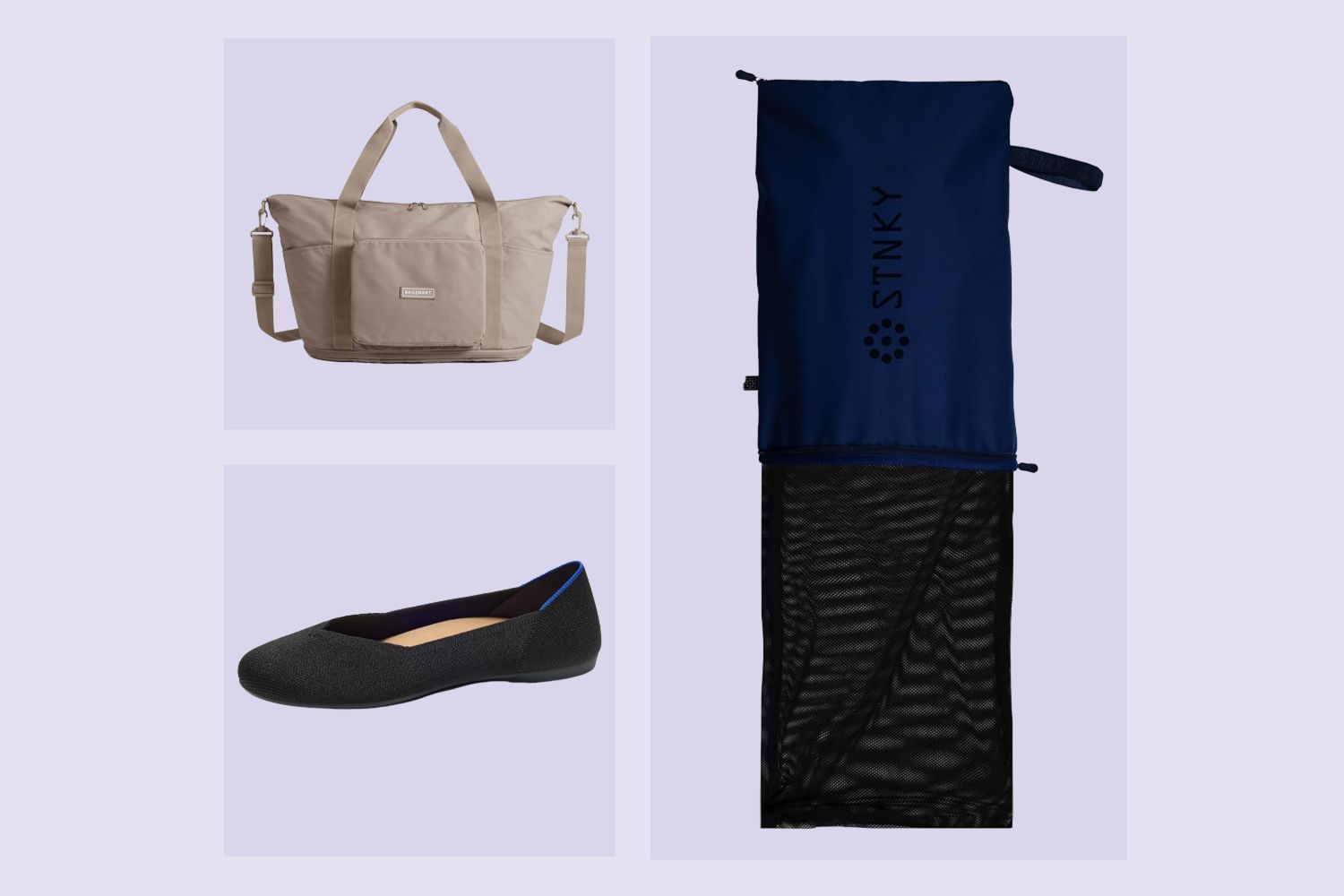
If you are building a europe capsule wardrobe packing list, do not forget the power of the layering system. A lightweight merino wool sweater takes up almost no space but provides significant warmth if a Mediterranean evening turns chilly. Using compression packing cubes is non-negotiable here. These aren't just for organization; the dual-zipper system physically removes excess air, allowing you to compress two weeks of clothing into a fraction of the space.
Essential Footwear and Gear
Footwear is where most europe packing list attempts fail. You will be walking significantly more than you do at home, often on hard, unforgiving stone. My rule is simple: two pairs of shoes, maximum. You need one pair of high-quality walking shoes that are broken in at least a month before your trip. Avoid the neon-colored gym shoes if you want to blend in; instead, look for sleek, leather or knit sneakers in dark tones that can handle a museum visit and a casual bistro. The second pair should be a versatile evening shoe—something like a supportive leather sandal or a low-profile loafer.
Beyond clothes, your packing for europe in carry on essentials must include the right tech and security tools. A universal power adapter is mandatory, but look for one that includes multiple USB-C ports so you can charge your phone, camera, and power bank simultaneously from a single outlet. Speaking of power, a portable power bank is essential for those days when you are using GPS to navigate the winding streets of Prague for ten hours straight.
Security is the other major concern in high-traffic tourist zones. While Europe is generally very safe, pickpocketing is an art form in cities like Rome and Paris. An anti-theft crossbody bag with locking zippers and slash-resistant straps is a smart investment. Keep your passport and bulk of your cash in a separate location, and use the crossbody for daily essentials. This keeps your hands free for taking photos or holding a gelato while ensuring your valuables are strapped securely to your front.
Finally, consider a foldable daypack. This is a lightweight, nylon bag that folds down to the size of an orange. It stays in your main luggage during transit days but becomes your primary bag for day trips to the beach or hiking in the Cinque Terre, keeping your heavy carry-on safely at the hotel.
Logistics: Laundry, Liquids, and The 20-30% Rule
The secret to a successful multi city europe packing guide isn't just what you bring, but how you maintain it. If you are traveling for more than a week, you have to do laundry. Instead of searching for a laundromat and wasting four hours of your vacation, pack a few travel laundry sheets. These are dry sheets of detergent that you can use in a hotel sink to wash socks, underwear, and lightweight tops. They take up zero space in your liquids bag and are a total game changer for the backpacking europe packing list crowd.
Speaking of liquids, as of September 2024, the European Union has reinstated the strict 100ml limit for liquid containers in carry-on baggage at all airports. This means even if an airport has the fancy new 3D scanners, you still have to follow the old rule: all liquids must fit within a single one-liter resealable plastic bag. Switch to solid toiletries wherever possible—solid shampoo, solid deodorant, and toothpaste tabs can save a massive amount of space in that tiny plastic bag.
Before you zip your bag for the final time, perform the pruning phase. This is the 20-30% rule. Lay everything out and look for the "just in case" items. If you haven't worn it in the last month at home, you won't wear it in Barcelona. Remove 20-30% of your initial choices. This extra space isn't just for souvenirs; it is for your sanity. A bag that is packed to 100% capacity is a nightmare to reorganize every time you change hotels.
Remember, you are moving through one of the most developed regions in the world. If you truly forget something, you can buy it there. This mindset shift—moving from a "prepared for every disaster" pack to a "resourceful traveler" pack—is what separates the amateurs from the pros. It allows you to move with grace through crowded train stations, skip the luggage carousels, and focus on the experience rather than the gear.
FAQ
What is the 5 4 3 2 1 rule for packing?
The 5-4-3-2-1 rule is a minimalist packing formula designed to help travelers create a versatile wardrobe without overpacking. It typically suggests packing five tops, four bottoms, three pairs of shoes, two bags (like a carry-on and a daypack), and one accessory set (including a hat or swimsuit). For a strict carry-on approach in Europe, many travelers modify this to include only two pairs of shoes to save weight and space.
What are must haves when traveling to Europe?
Beyond your clothing, the essential must haves include a universal power adapter, a high-capacity portable power bank, and an anti-theft crossbody bag to deter pickpockets. From a health perspective, bring a reusable water bottle and basic first-aid items like blister pads. A lightweight, water-resistant outer layer is also critical, as European weather can be unpredictable regardless of the season.
What is the 333 rule for packing clothes?
The 333 rule is a viral styling challenge that works perfectly for travel. You choose three tops, three bottoms, and three pairs of shoes. By mixing and matching these nine items, you can create over a dozen different outfits. While most 3-week travelers will need a bit more than nine items, the 333 rule is an excellent way to test the versatility of your capsule wardrobe before you put it in your suitcase.
What is the most forgotten item when traveling?
The most forgotten item is often a simple physical backup of important documents. While we rely on our phones, a dead battery or a stolen device can leave you without access to your passport copy, flight details, or hotel addresses. Other commonly missed items include a small laundry bag to separate dirty clothes, a basic sink stopper for laundry, and an extra pair of socks for those high-mileage walking days.