Season at a Glance: South Africa Travel Summary
| Season | Best For | Weather Conditions | Crowd Level | Budget Impact |
|---|---|---|---|---|
| Winter (June - August) | Big Five Safaris, Whale Watching | Cold mornings, dry interior, wet Cape | Low | Lightest on the pocket |
| Spring (Sept - October) | Wildflowers, Whale Festivals | Mild and pleasant | Medium | Moderate |
| Summer (Nov - Feb) | Beaches, Bird-watching, New Born Animals | Hot and sunny; interior thundershowers | High (Peak) | Most expensive |
| Autumn (March - May) | Hiking, Winelands, Surfing | Crisp air, golden foliage | Medium | Excellent value |
As Simon Mandy of The Royal Portfolio often observes, South Africa is less of a single country and more of a "world in one nation." This isn't just marketing hyperbole; it is a geographic reality born from over 1,700 miles of coastline and a topographical variance that ranges from sea-level subtropical forests to 11,000-foot mountain peaks.
South Africa is a premier year-round destination because its diverse geography ensures that while one region experiences winter rains, another offers perfect beach weather or prime safari conditions. Whether you are seeking the "predator’s paradise" of the winter bushveld or the white-sand beaches of a Cape summer, the Rainbow Nation always has a corner of the country in its prime.
The Safari Calendar: When to See the Big Five
For many, the primary pull of the tip of Africa is the call of the wild. However, the African bush changes its character entirely depending on the month you choose to visit.
The best time for a South Africa safari is during the dry season from June to September for optimal wildlife viewing, or November to February for bird-watching and seeing newborn animals.
The Dry Season (June to September)
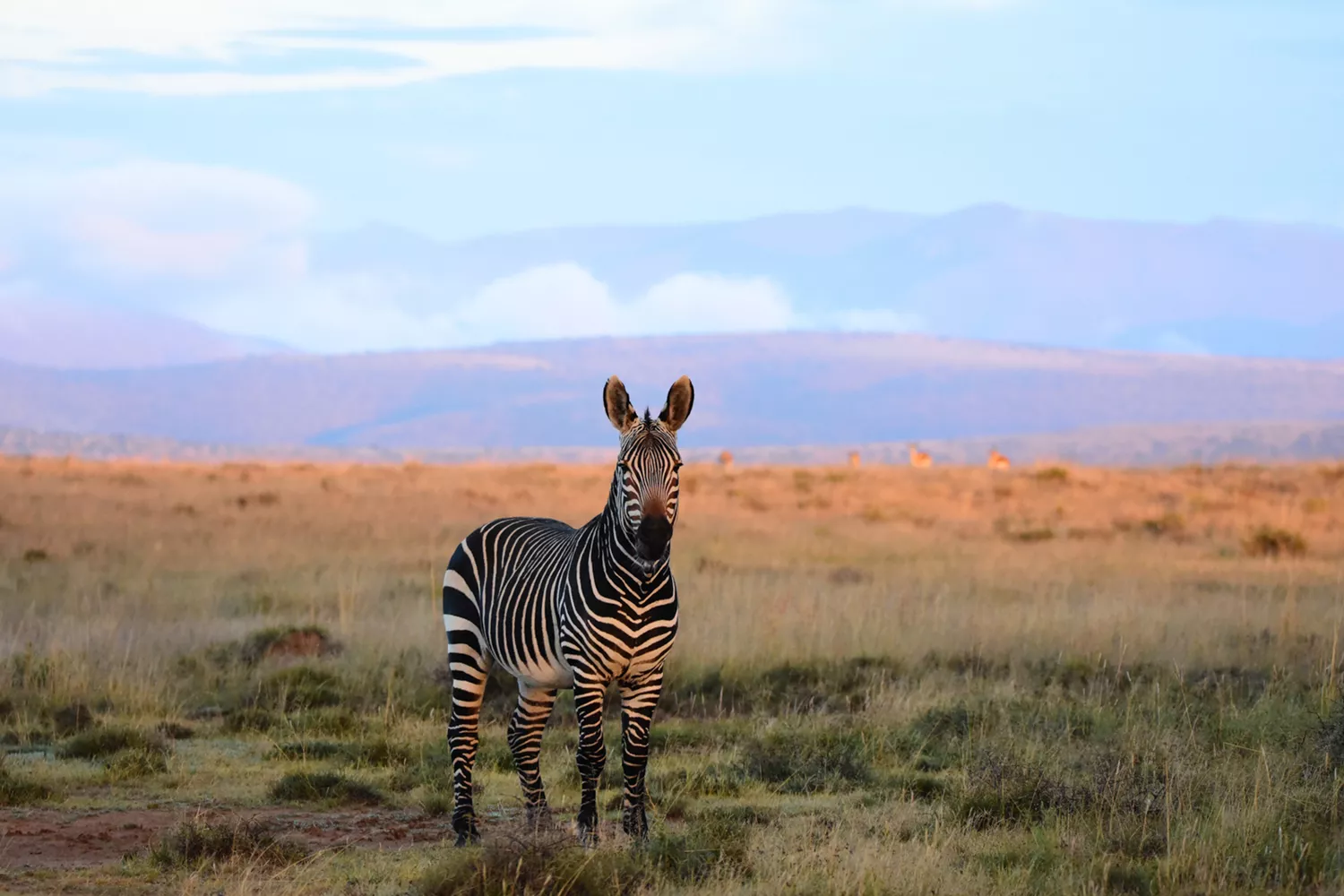
This is widely considered the "Gold Standard" for game viewing in the Greater Kruger area and northern reserves like Madikwe. As the rains vanish, the grass dies back and the thickets thin out, making it much harder for a leopard or lion to hide. More importantly, water becomes a scarce commodity. Animals are forced to congregate around permanent waterholes, allowing you to park your vehicle and wait for the drama to come to you.
- Pros: Minimal malaria risk, clear blue skies, and high animal visibility.
- Cons: Early morning game drives are biting cold (frost is common); the landscape can look parched and brown.
The Green Season (November to February)
When the summer rains arrive in November, the bush transforms into an emerald Eden overnight. This is the time of abundance. Thousands of impala lambs are born within a few weeks of each other, providing plenty of action for predators. For birders, this is the peak period as migratory species return from the north, filling the air with complex calls and vibrant plumage.
- Pros: Dramatic afternoon thundershowers, lush scenery, lower lodge prices.
- Cons: Thick vegetation makes spotting animals more difficult; humidity can be high.
Regional Deep Dive: Cape Town vs. The Interior
Understanding South Africa requires understanding its split personality when it comes to climate. The country is roughly divided into a Mediterranean climate in the southwest (the Western Cape) and a summer-rainfall climate for the rest of the interior and eastern coast.
Cape Town & The Western Cape
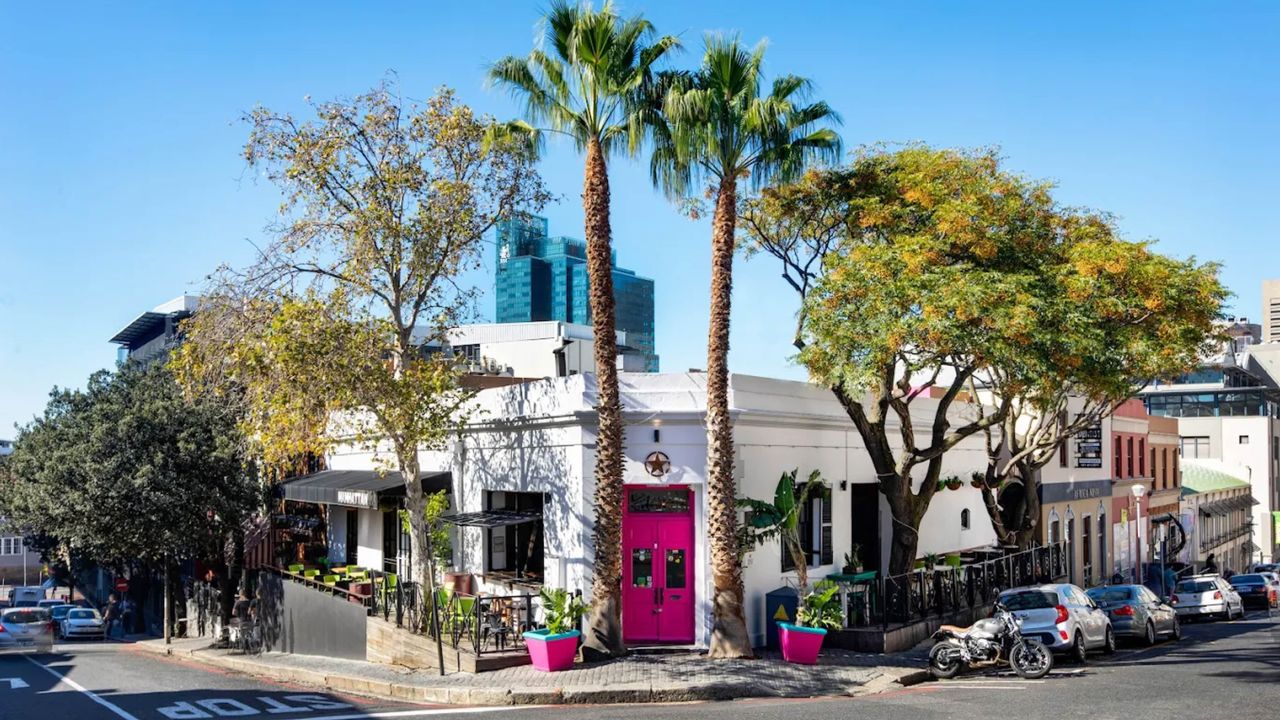
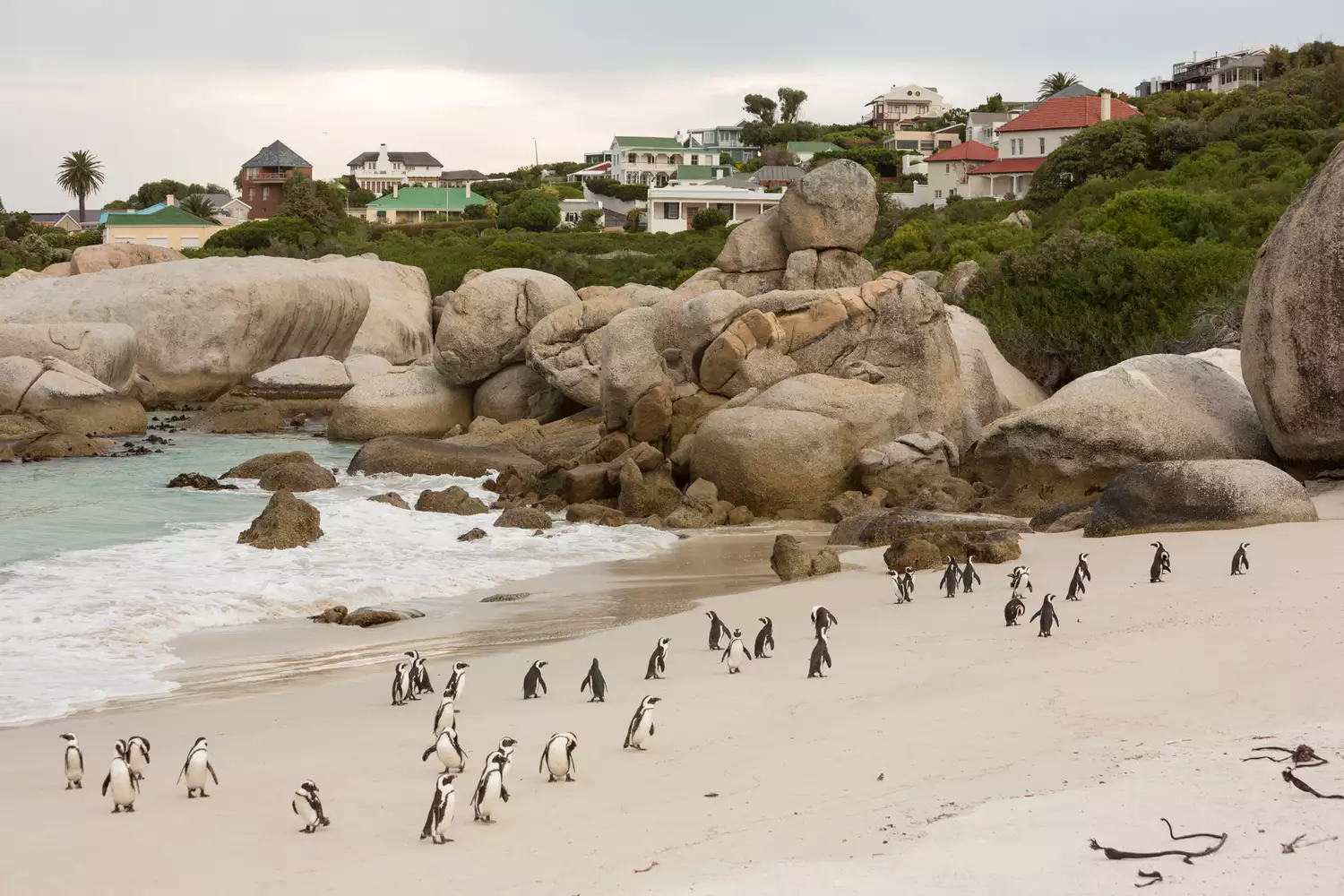
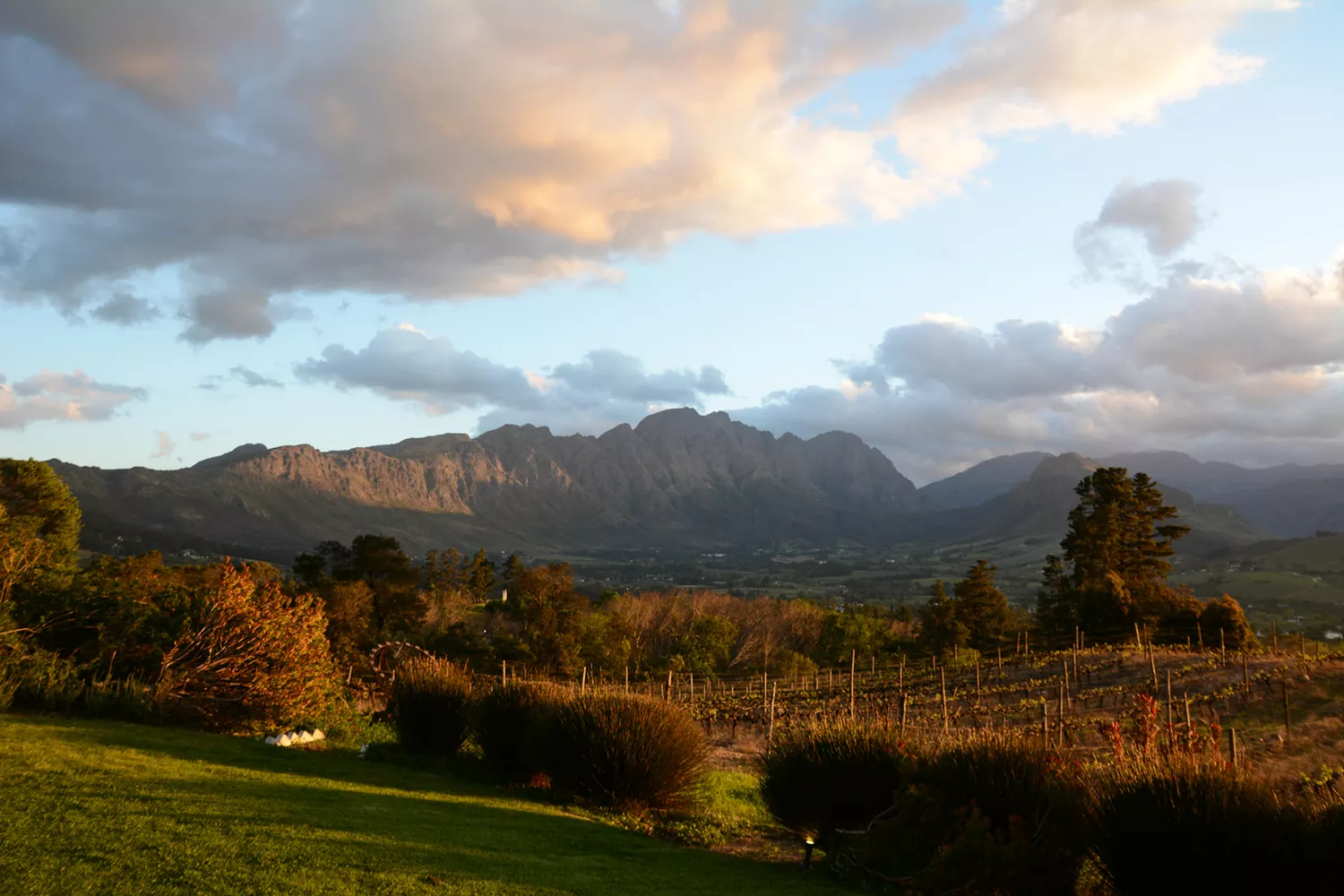
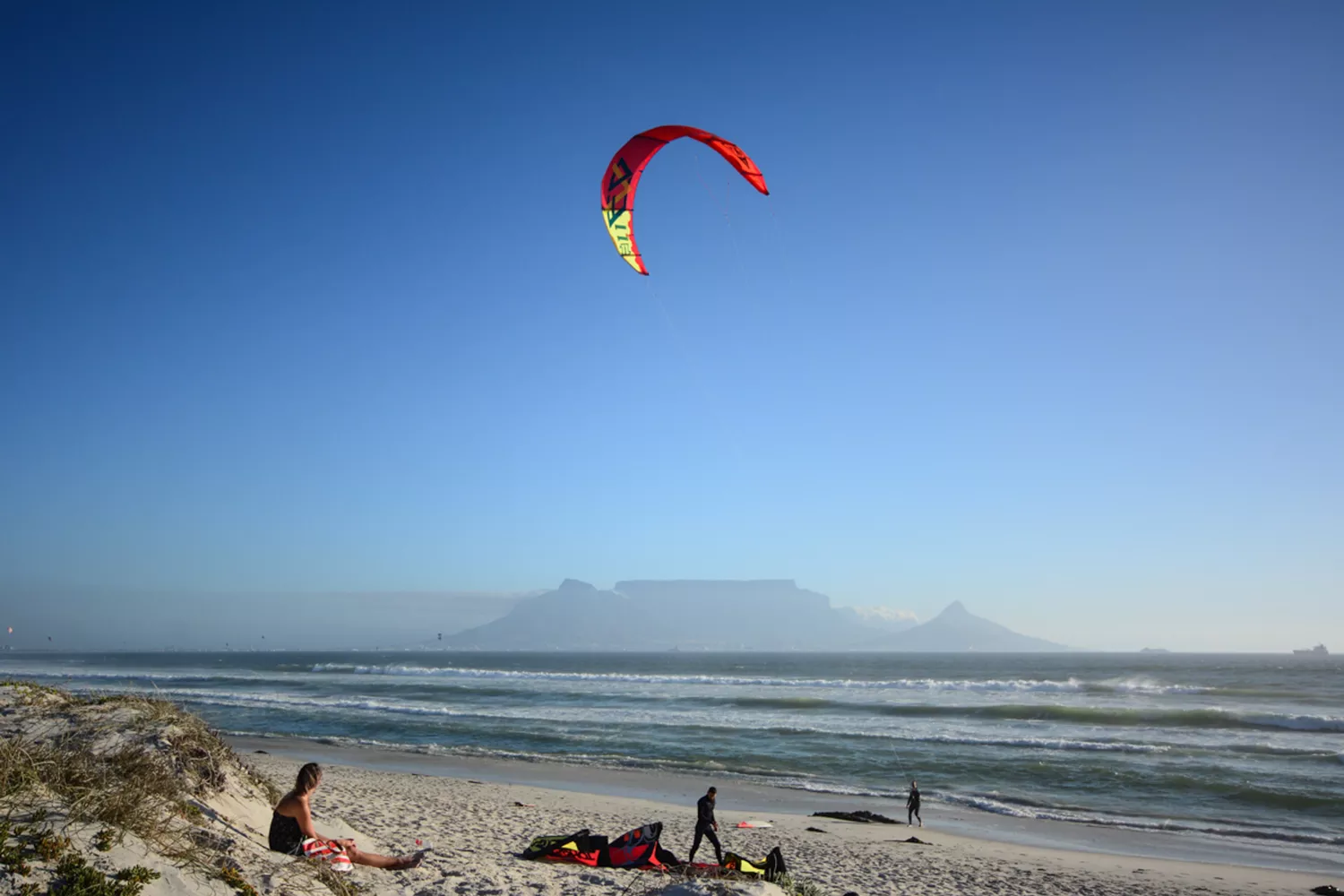
Cape Town is at its most glamorous from December to February. This is when the "South Easter" wind clears the air, and the beaches of Clifton and Camps Bay are packed with sun-seekers. However, locals often prefer the shoulder seasons of March to May. The wind dies down, the vineyards of Stellenbosch and Franschhoek turn shades of ochre and gold, and the hiking on Table Mountain is perfect without the blistering summer heat.
If you are a fan of marine giants, September is your month. This is the peak of the whale-watching season in Hermanus, where Southern Right whales come so close to the shore you can hear them breathe.
Johannesburg & The Kruger Interior
While the Cape is wet and grey in June and July, the interior is experiencing its "Champagne weather." You’ll find crisp, cold mornings followed by cloudless, sunny days with temperatures reaching a comfortable 20°C (68°F). It is the perfect weather for exploring the history of the Cradle of Humankind or the urban energy of Maboneng in Johannesburg.
Activity-Specific Timing
- Surfing: While you can surf year-round, the most consistent, world-class swells hit the coast from March to September.
- Hiking: The Drakensberg Mountains are best in April and May (autumn) or September and October (spring) to avoid the summer lightning storms and winter snow.
Traveling on a Budget in 2026
South Africa has long been a "value destination," but as we look toward 2026, the exchange rate remains highly favorable for travelers using USD, EUR, or GBP.
For the lowest prices and fewer crowds, visit South Africa during the low season (June to August) or the shoulder seasons (April to May and September to October).
In 2026, a comfortable budget trip to South Africa is estimated to cost between $80 and $100 per day. This budget allows for a high quality of life that would cost double or triple in Europe or North America.
The $100/Day Breakdown (Estimated 2026)
- Accommodation ($45): A stylish boutique guesthouse or a high-end Airbnb in a good neighborhood.
- Meals ($30): A hearty breakfast at a local café, a casual lunch, and a high-quality dinner with a glass of world-class South African wine.
- Transport & Activities ($25): A mix of Uber rides, a museum entry fee, or a portion of a car rental cost.
During the low season (winter), many high-end safari lodges and Cape Town hotels offer "stay for 3, pay for 2" deals or flat discounts of 30-40%. If you can handle the chill of a July morning, you can experience five-star luxury for three-star prices.
Seasonal Festivals & Local Events
To truly travel like a local, you should align your trip with the country's cultural heartbeat. South Africans love the outdoors, and the festival calendar reflects this.
- Summer Sunset Concerts (November – April): Every Sunday evening, the Kirstenbosch National Botanical Garden in Cape Town hosts open-air concerts. Packing a picnic basket and a bottle of Pinotage to watch local bands as the sun sets behind Table Mountain is a quintessential local experience.
- The Sardine Run (May – July): Often called "The Greatest Shoal on Earth," billions of sardines migrate up the east coast, followed by thousands of dolphins, sharks, and whales. It is a bucket-list event for divers and photographers.
- Cape Town International Jazz Festival (March/April): Known as "Africa's Grandest Gathering," this event brings the world’s best jazz musicians to the Mother City for a weekend of incredible music.
Practical Tips from a Local Insider
Coming from a background of geographic exploration, I’ve learned that the secret to enjoying South Africa is preparation for its "four seasons in one day" reality.
- Layering is Non-Negotiable: Even in the middle of summer, a sudden coastal mist or an afternoon thundershower can drop the temperature by 10 degrees in minutes. Always carry a light windbreaker or fleece.
- Sun Protection: The African sun is notoriously harsh. Even on overcast days, the UV index remains high. A wide-brimmed hat and high-SPF sunscreen are essential, especially if you are on an open safari vehicle.
- Transport Logistics: In the cities, Uber is the most reliable and safest way to get around. For longer distances, the Gautrain is an excellent link between Johannesburg’s airport and its northern suburbs. However, to see the best of the 1,700-mile coastline, renting a car is highly recommended—just remember we drive on the left!
- Hydration: Tap water in major South African urban centers is among the safest and cleanest in the world. Save your money and the environment by bringing a reusable bottle.
FAQ
Is it safe to visit South Africa in 2026? Like any major destination, South Africa requires "travel smarts." Stick to well-traveled areas, avoid displaying expensive jewelry or large amounts of cash, and always use reputable transport. When in doubt, ask your guesthouse host for advice on specific neighborhoods.
What should I pack for a winter safari? Think "Onion Style." You need a heavy jacket, beanie, and gloves for the 6:00 AM start. By 10:00 AM, you will likely be down to a t-shirt as the sun warms the savanna.
Do I need a visa for South Africa? Many nationalities (including US, UK, and most EU citizens) receive a 90-day tourist visa on arrival for free. However, always check the latest Department of Home Affairs regulations before booking as requirements can change.
Ready to Explore the Rainbow Nation?
South Africa doesn't demand that you choose between a beach holiday, a mountain trek, or a wildlife adventure. It offers them all, simultaneously, across a landscape that never ceases to surprise. Whether you’re chasing the winter sun or the summer swells, your 2026 journey starts with a single step.