Quick Facts
- Distance & Duration: A 1,300-kilometer (800-mile) journey from Ankara to Kars, taking between 26 and 32 hours depending on the service.
- The 2025-2026 Season: The Tourist Eastern Express operates from December to March, with only 60 scheduled journeys this season and a total capacity of approximately 9,600 passengers.
- Pricing: Expect to pay between 14,000 TL (low season) and 17,000 TL (high season) for a two-person sleeper compartment on the Tourist service.
- Key Stops: Long sightseeing layovers in Erzincan and Erzurum (outbound) or Divriği and Sivas (inbound).
- Best Time to Go: January and February offer the most dramatic snow-covered landscapes across the Anatolian High Plateau.
Introduction: Crossing the Heart of Anatolia
There is a specific kind of magic that occurs when the rhythmic clatter of steel on rail meets the silent, expansive white of the Anatolian winter. As the train pulls out of Ankara’s modern station, leaving the urban sprawl behind, you aren't just embarking on a transit; you are entering a 1,300-kilometer (800-mile) odyssey that bisects the very soul of Turkey. This is the Eastern Express (Doğu Ekspresi), a route that has evolved from a vital piece of national infrastructure into one of the world’s most coveted rail experiences.
The railway itself is a testament to human persistence. The Eastern Anatolian portion, a Herculean feat of engineering completed in 1939, features 138 tunnels carved through the rugged High Plateau. It was born of Mustafa Kemal Atatürk’s vision to connect the young Republic’s remote eastern frontiers with its new capital. Today, for the 2025-2026 season, the journey remains as evocative as ever, though it has split into two distinct spirits: the utilitarian Regular Express and the leisurely, experience-focused Tourist Eastern Express.
Whether you are seeking the "City of 1001 Churches" in Ani or simply the meditative solace of watching peach-colored skies settle over burnt ochre ravines, the 26-to-32-hour journey to Kars is a rite of passage for any serious traveler in Turkey.
The Crucial Choice: Tourist Eastern Express vs. Regular Eastern Express
Before you reach for the booking app, you must understand the two versions of this journey. They share the same tracks and the same stunning vistas, but they cater to entirely different styles of travel.
The Tourist Eastern Express (Turistik Doğu Ekspresi) is effectively a "hotel on wheels." It consists exclusively of sleeper wagons (yataklı) and is designed for sightseeing. It makes long stops (three hours or more) in key cities like Erzincan and Erzurum to allow passengers to disembark and explore. This service is seasonal, running only during the winter months when the landscape is at its most photogenic.
The Regular Eastern Express (Doğu Ekspresi), by contrast, runs daily throughout the year. It includes pulman (seated) cars and couchette (shared bunk) options. While it is significantly cheaper, it only stops for a few minutes at each station, meaning you won’t have time to visit the Twin Minaret Madrasa in Erzurum or sample local delicacies in town. It is the choice of locals, students, and budget travelers.
| Feature | Tourist Eastern Express | Regular Eastern Express |
|---|---|---|
| Duration | ~30-32 Hours | ~26 Hours |
| Frequency | Mon/Wed/Fri (Dec–Mar) | Daily |
| Accommodation | Private Sleeper (2 people) | Pulman, Couchette, Sleeper |
| Sightseeing Stops | Yes (3+ hours per stop) | No (approx. 5-15 mins) |
| Price (2025-26) | 14,000 - 17,000 TL | 800 - 2,500 TL (Estimated) |

Logistics for the 2025-2026 Season
The popularity of the Eastern Express has made securing a ticket something of a digital sport. For the 2025-2026 winter season, the Tourist Eastern Express is limited to just 60 journeys. This scarcity, combined with high demand, means tickets often sell out within minutes of being released.
Pricing and Booking: For the upcoming season, prices have seen a significant adjustment. A private two-person compartment on the Tourist service will cost approximately 14,000 TL during the shoulder weeks and up to 17,000 TL during the peak holiday windows in late January and February.
To book, you must use the TCDD (Turkish State Railways) E-Bilet website or mobile app. Tickets typically go on sale 30 days in advance of the departure date, usually at midnight.
Ethan’s Pro-Tip: Don’t wait for the English translation of the app to load perfectly. Familiarize yourself with the Turkish terms: Ankara Gar (Departure), Kars Gar (Destination), and Yataklı (Sleeper). If the Tourist train is sold out, check back frequently for cancellations, which are common 48 hours before departure.
Life Onboard: Your Home on the Rails
Once you step into your compartment, the rush of the booking process fades into the hum of the heater and the steady rhythm of the rails. The sleeper cabins are remarkably well-designed for the limited space. Each room features two bunk beds (the lower one converts into a sofa), a small washbasin with a mirror, a mini-fridge, and individual climate control.
The dining car is the social heart of the train. It is a nostalgic space with white tablecloths and a menu that usually features standard Turkish fare—think köfte (meatballs), omelets, and endless cups of black tea. However, the true "pro" way to travel the Eastern Express is "picnic style."
Long-haul travelers often transform their compartments into miniature banquet halls. It is a tradition to bring a stash of su böreği (layered pastry), olives, Turkish delight, and even small electric kettles for brewing your own tea or coffee. As the train winds through the mountains, the smell of fresh bread and oranges fills the corridors, and it’s not uncommon for neighbors to knock on your door to share a snack or a story.

Hygiene and Comfort: Each wagon has shared toilets at both ends—one Western-style and one traditional Turkish squat toilet. While the staff works hard to keep them clean, bringing your own toilet paper and wet wipes is a necessity. The heating is generally very effective (sometimes too effective), so dressing in layers is key.
The Itinerary: Iconic Stops Along the Way
The Tourist service is curated to showcase the highlights of Eastern Anatolia. While the view from the window is a constant stream of dramatic canyons and frozen rivers, the scheduled stops allow you to touch the history of the region.
Erzincan: Usually an evening or late-night stop, Erzincan offers a chance to stretch your legs. Many travelers use this time to buy the famous local tulum cheese, a salty, pungent goat's milk cheese aged in sheepskin, which is perfect for your onboard pantry.
Erzurum: This is the highlight of the outbound journey. The train stops here for roughly four hours in the morning. As you step onto the platform, the bracing cold of the high altitude hits you instantly. From the station, it’s a short taxi ride to the 13th-century Twin Minaret Madrasa (Çifte Minareli Medrese), an architectural masterpiece of the Seljuk era with its intricate stonework and towering turquoise-tiled minarets.
Before heading back to the train, you must eat Cağ Kebabı. This Erzurum specialty consists of marinated lamb stacked on a horizontal spit and grilled over wood fire. It is sliced thin and served on small skewers with lavaş bread—it is quite possibly the best meal you will have during your entire trip to Turkey.

Divriği & Sivas: On the return leg from Kars to Ankara, the train stops in Divriği, home to the UNESCO-listed Great Mosque and Hospital of Divriği. Built in 1228, the mosque is famous for its three-dimensional stone carvings that change appearance as the sun moves across the sky.
Destination Kars: Beyond the Final Stop
When the train finally glides into Kars, usually in the late afternoon or evening, you have reached one of Turkey’s most culturally distinct cities. Kars spent 40 years under Russian rule (1877–1917), and this legacy is visible in its "Baltic style" basalt architecture—grand, dark-stone buildings with high ceilings and ornate facades that feel more like Saint Petersburg than Anatolia.
The Ruins of Ani
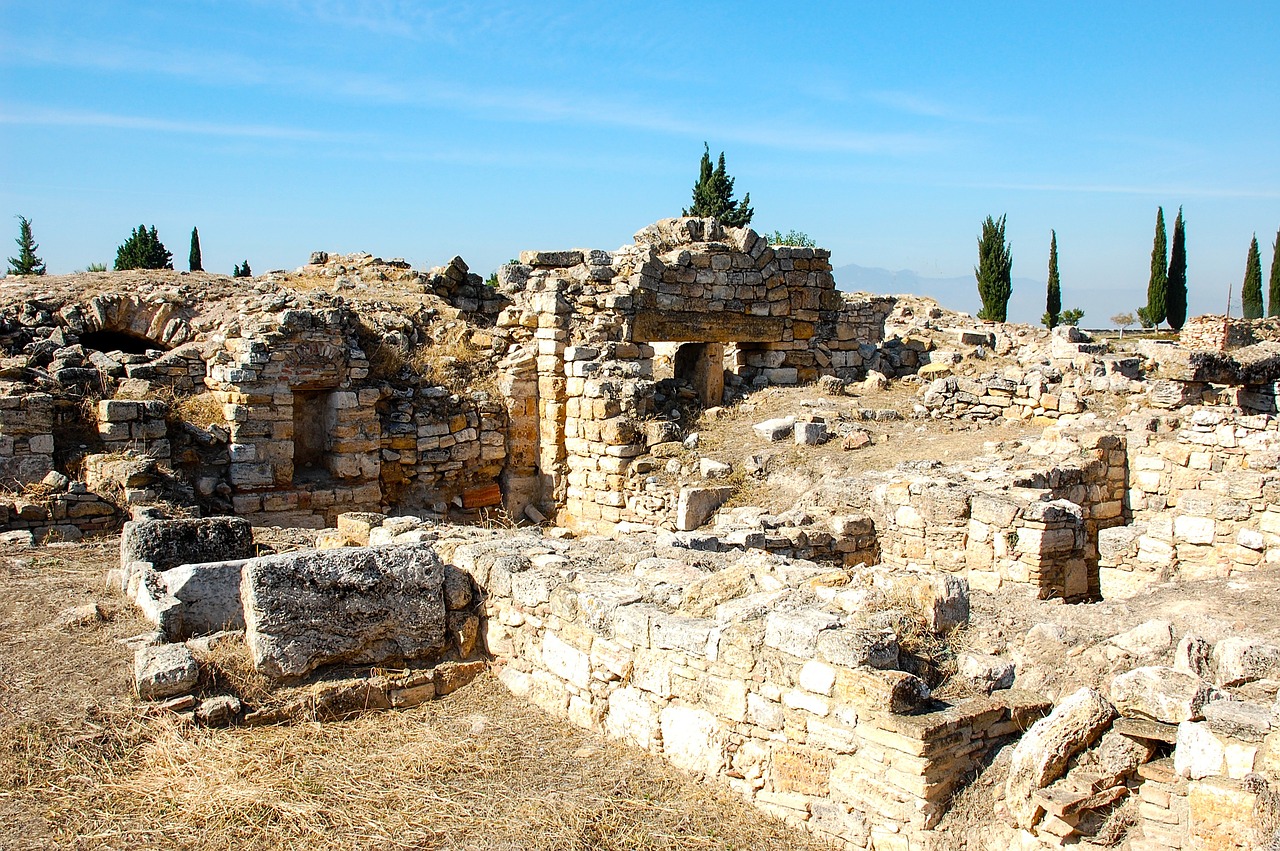
A 45-minute drive from the city center lies the medieval ghost city of Ani. Once the capital of a powerful Armenian kingdom and a vital stop on the Silk Road, Ani was known as the "City of 1001 Churches." Today, its ruins sit on a dramatic plateau overlooking the Akhuryan River, which forms the closed border with Armenia. Walking among the towering remains of the Cathedral of Ani and the Church of the Redeemer as the winter wind whistles through the empty arches is a haunting, deeply moving experience.
Lake Çıldır
For a change of pace, head north to Lake Çıldır. At an altitude of 1,900 meters, this massive 120-square-kilometer lake freezes solid in the winter. Local fishermen maintain the ancient tradition of "Eskimo-style" fishing, cutting holes in the meter-thick ice to catch yellow carp. Visitors can take horse-drawn sleigh rides across the glassy surface, a scene that feels like something out of a Siberian folk tale.
Kars Gastronomy: Kars is a paradise for food lovers. The city is famous for its goose meat, traditionally served over a bed of buttery bulgur pilaf. Don't leave without visiting a local cheese shop to buy Kars Gravyer (a Gruyère-style cheese influenced by Russian and Swiss techniques) and the local flower honey.
Packing Guide for -20°C Winters
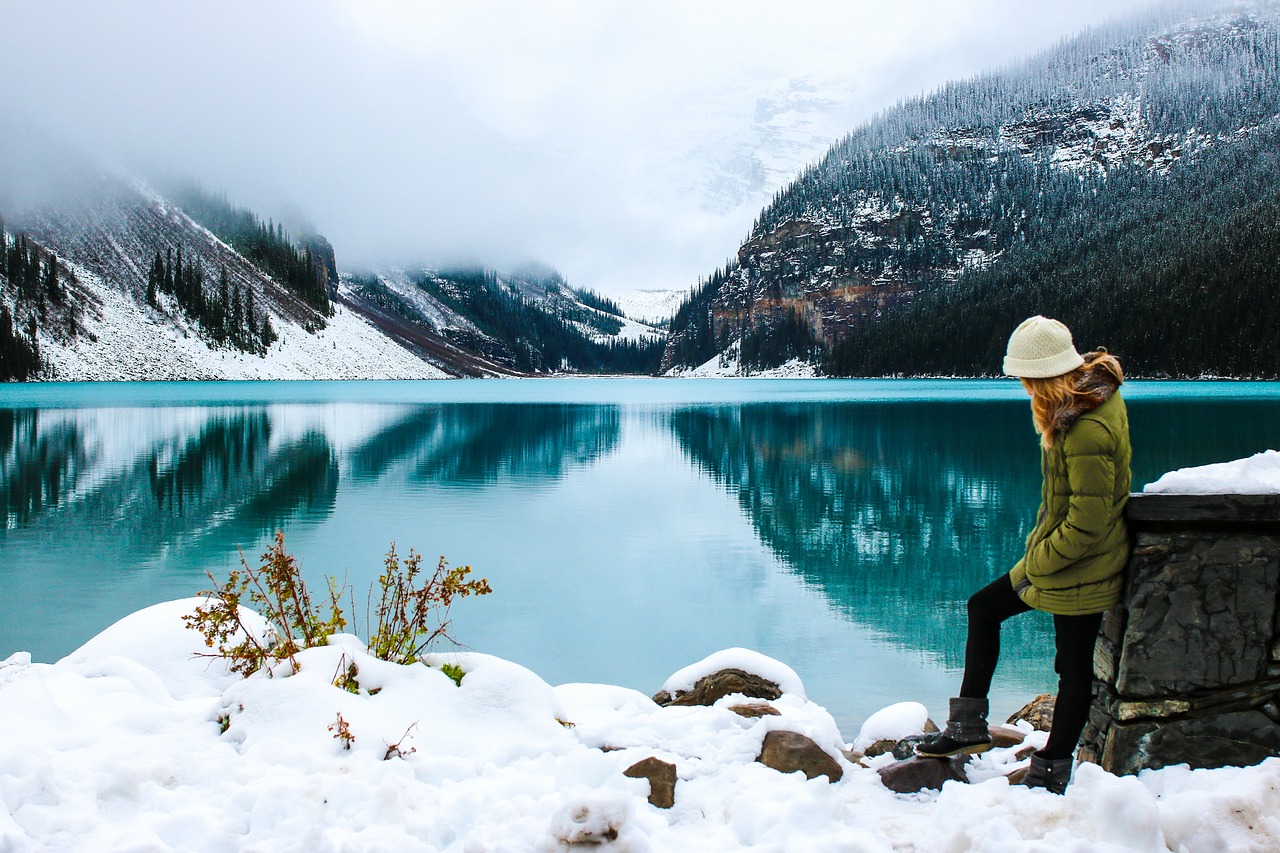
Eastern Anatolia in winter is no place for fashion over function. Temperatures in Kars regularly drop to -20°C (-4°F) and can go lower at night.
- Essential Layers: Start with high-quality thermal base layers (merino wool is best). Add a fleece or wool mid-layer and a windproof, waterproof heavy down parka.
- Footwear: Insulated, waterproof boots with a high-grip sole. The ice at Lake Çıldır and the ruins of Ani can be treacherous.
- Accessories: A warm beanie that covers your ears, thermal gloves (mufflers are also a great idea), and a heavy scarf.
- Tech Prep: Cold temperatures drain lithium-ion batteries rapidly. Carry a high-capacity power bank and keep your phone in an internal pocket close to your body heat.
FAQ
When do tickets go on sale for 2026? Tickets for the Tourist Eastern Express usually go on sale 30 days before the departure date. For the 2025-2026 season, this means the first tickets for December departures will appear in November 2025.
Can unmarried couples share a cabin? Yes. In the sleeper and couchette wagons, if you book the entire compartment (two beds or four beds), TCDD does not restrict who you share it with. However, if you book a single bed in a shared couchette, you will be placed in a gender-segregated cabin.
Is there Wi-Fi on the train? No, there is no official Wi-Fi on the Eastern Express. While cellular data works for much of the journey, you will lose signal frequently as the train passes through remote canyons and the 138 tunnels along the route. Treat it as a "digital detox."
The Eastern Express is more than just a train ride; it is a slow-motion cinematic experience that rewards the patient traveler. In an era of high-speed rail and budget flights, taking 30 hours to cross a country is a luxury of time and perspective. If you can navigate the hurdles of booking and brave the Anatolian frost, you will find a version of Turkey that few ever see—a land of quiet beauty, ancient ruins, and the warmest hospitality found in the coldest of places.