Quick Facts
- Currency: Canadian Dollar (CAD). Credit cards are accepted everywhere, but keep some cash for Kensington Market gems.
- Best Time to Visit: Late spring (April to May) or early fall (September to October). You’ll avoid the humid summer peak and the biting winter wind while enjoying mild hiking weather.
- Transport: The PRESTO card is your golden ticket for the TTC (subway, streetcars, buses), GO Transit, and the UP Express from the airport.
- Language: English is the primary language, but you’ll hear a symphony of over 160 languages spoken across the city's diverse neighborhoods.
Introduction: The World’s Most Multicultural City
Toronto is often described through the lens of superlatives—the "New York run by the Swiss" or the "City of Neighborhoods." But to truly understand Toronto in 2026, you must look at its people. This is a city where over 50% of its 3 million residents were born outside of Canada, creating a tapestry of global traditions that is perhaps more vibrant here than anywhere else on earth. It is a place where you can find authentic Tibetan momos, Portuguese custard tarts, and Caribbean doubles within the same three-block radius.
For first-time visitors looking to capture the essence of the city, there are three non-negotiables: a trip to the summit of the CN Tower for an unparalleled view of the Golden Horseshoe, an afternoon lost in the halls of the Royal Ontario Museum (ROM), and a twilight stroll through the cobblestone paths of the Distillery District. If you’re traveling on a budget, Toronto remains surprisingly accessible; you can spend hours browsing the historic St. Lawrence Market, wandering the bohemian alleys of Kensington Market, or catching the Art Gallery of Ontario (AGO) during its free admission hours on Wednesday evenings.
Essential Toronto Logistics for 2026
Most international travelers arrive via Toronto Pearson International Airport (YYZ). For the most seamless entry, take the UP Express train; it whisks you to Union Station in the heart of downtown in just 25 minutes. If you’re flying regionally from within North America, consider Billy Bishop Toronto City Airport (YTZ). Located on an island just offshore, it offers one of the most scenic approaches in aviation and puts you a short pedestrian tunnel walk away from the waterfront.
Navigating the city is a study in diverse transit. While the TTC subway forms the spine of the city, the iconic red-and-white streetcars offer a more cinematic view of the street life. If the weather turns sour, locals retreat into The PATH, a 19-mile (30-kilometer) underground pedestrian network lined with shops and restaurants that connects the major office towers and transit hubs.
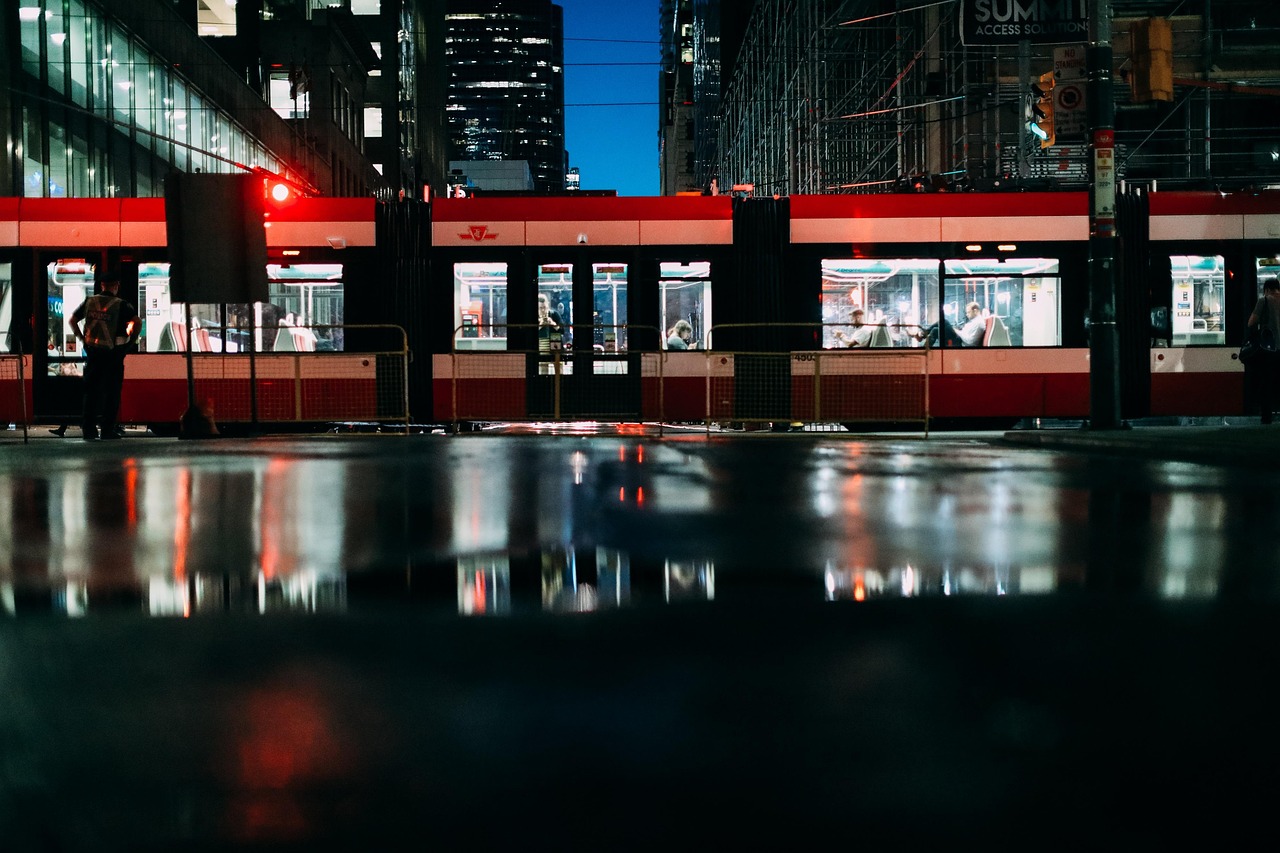
Pro-Tip: Download the 'Transit' or 'Citymapper' app. Toronto’s streetcar diversions due to construction are legendary, and these apps provide real-time updates that the official maps might miss.
The Iconic Landmarks
1. CN Tower It is a 1,815-foot concrete giant that defines the skyline. Beyond the panoramic views from the LookOut Level, the thrill-seekers can attempt the EdgeWalk, a hands-free walk on a 5-foot wide ledge encircling the top of the Tower’s main pod. For a more sedentary but equally impressive experience, book a table at the 360 Restaurant, which completes a full rotation every 72 minutes.
- How to get there: A 5-minute walk from Union Station.
- Cost: Approximately 43 CAD for general admission.
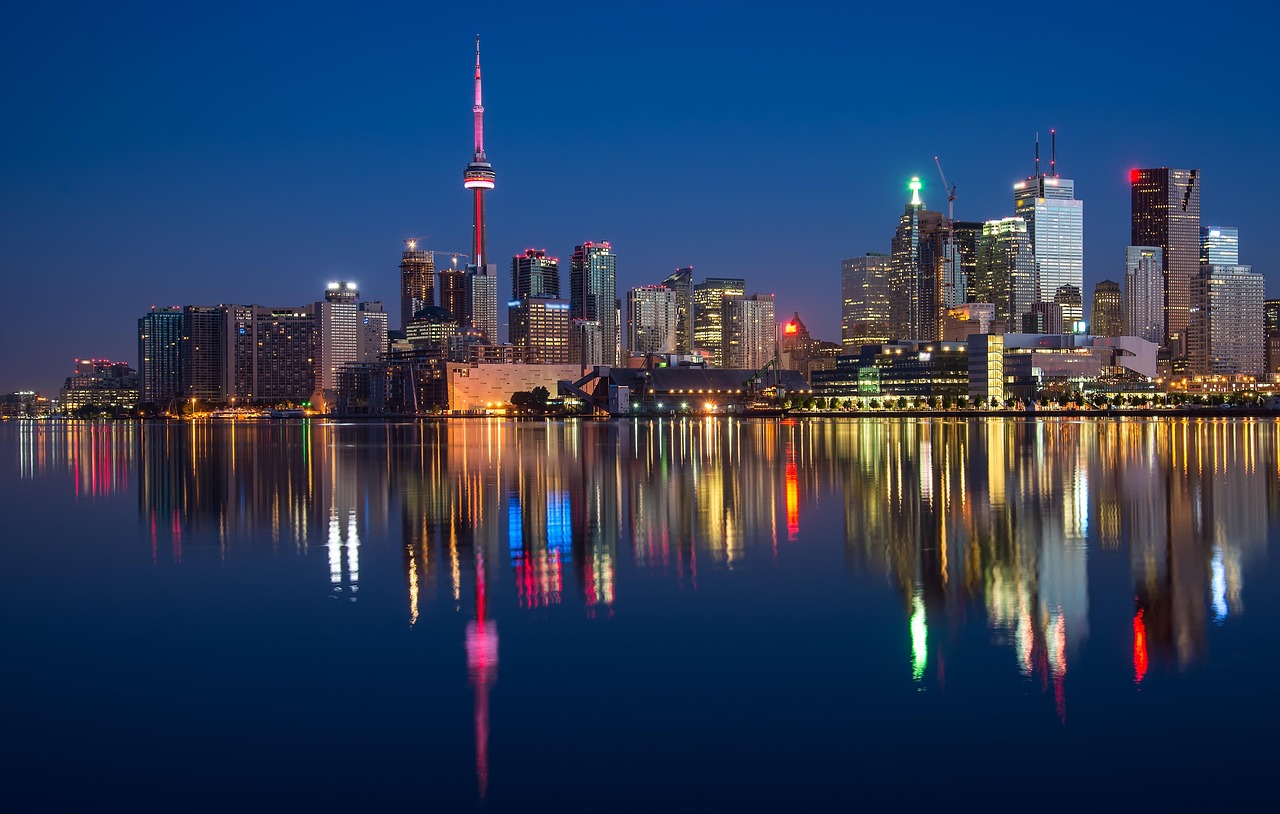
2. Casa Loma North America’s only real Gothic Revival castle was built by financier Sir Henry Pellatt in the early 20th century. With its secret passages, soaring battlements, and five acres of lush gardens, it offers a glimpse into the grand ambitions of old-world Toronto.
3. Hockey Hall of Fame Even if you aren’t a sports fan, the "Hallowed Hall" is a cultural cornerstone. Spanning 60,000 square feet inside a stunning former Bank of Montreal building, it houses the Stanley Cup and a massive collection of hockey lore.
- Cost: ~25 CAD.
4. Rogers Centre Catching a Blue Jays game is a summer rite of passage. In 2026, the stadium remains a marvel of engineering with its fully retractable roof. If you can’t catch a game, the stadium tours offer a fascinating look at the inner workings of the venue.
5. Nathan Phillips Square Home to the famous 3D "TORONTO" sign, this is the city's civic heart. In the winter, the reflecting pool transforms into a public skating rink, while the summer brings farmers' markets and art fairs.
Cultural Deep Dives: Museums & Arts
6. Royal Ontario Museum (ROM) The ROM is a masterclass in architectural juxtaposition. The "Crystal"—a jagged, modern addition by Daniel Libeskind—erupts from the original stone building. Inside, you’ll find over 6 million items, ranging from towering dinosaur skeletons to the world-renowned gallery of Chinese temple art.
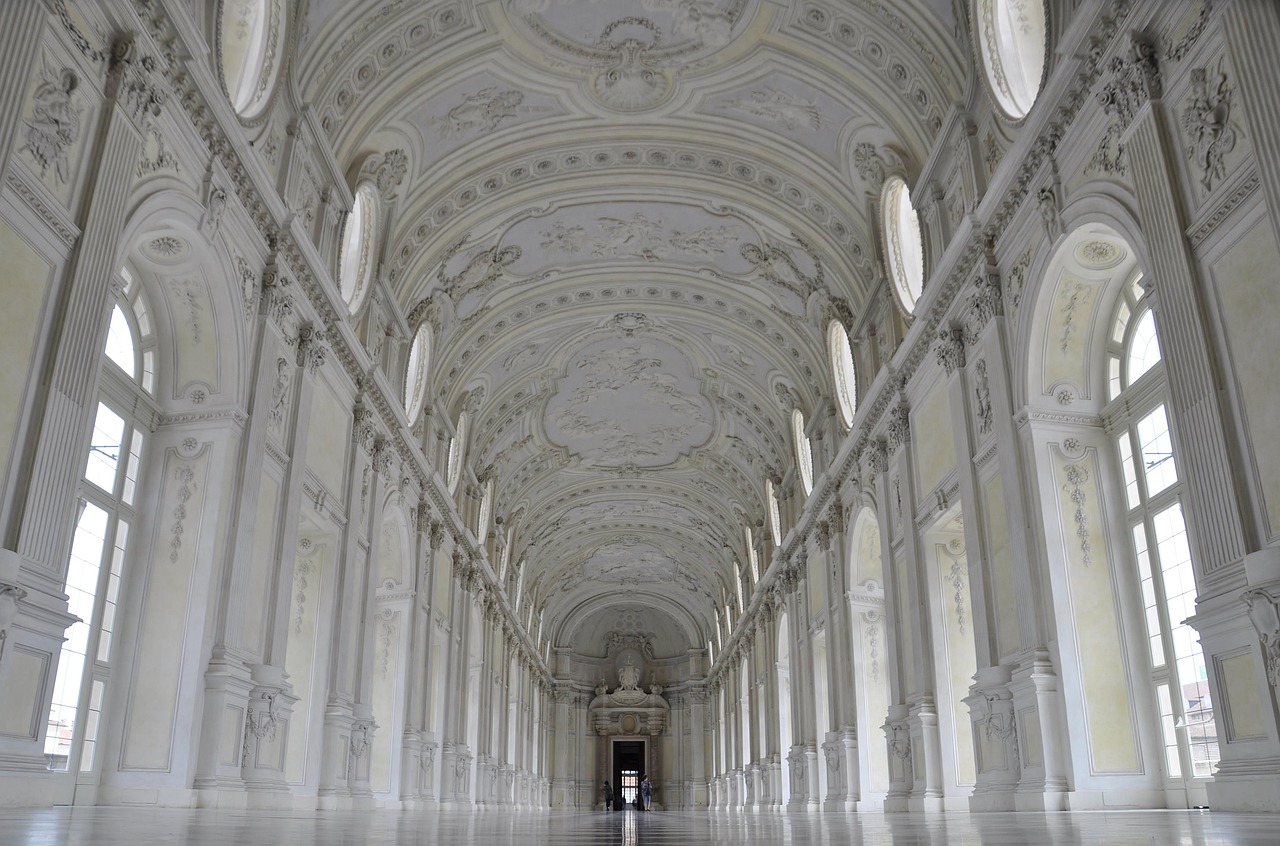
7. Art Gallery of Ontario (AGO) Redesigned by Toronto-born architect Frank Gehry, the AGO is a light-filled sanctuary for art lovers. It boasts an incredible collection of Canadian and Indigenous art, including works by the Group of Seven.
- Budget Hack: Entry is free for everyone under 25, and free for all on Wednesday evenings from 6:00 PM to 9:00 PM.
8. Aga Khan Museum Located slightly north of downtown, this is the first museum in North America dedicated to Islamic arts. The minimalist white granite architecture is a work of art in itself, designed to play with light and reflection.
9. Bata Shoe Museum A niche but fascinating stop, this museum tracks the history of humanity through its footwear. From ancient Egyptian sandals to Elton John’s platform boots, the 13,000-item collection is surprisingly engaging.
10. Museum of Contemporary Art (MOCA) Located in the Junction Triangle, MOCA is housed in a former aluminum factory. It focuses on cutting-edge, thought-provoking works by local and international artists, anchoring the city’s burgeoning West End art scene.
11. TIFF Bell Lightbox As the headquarters of the Toronto International Film Festival, this venue offers year-round screenings of indie films, retrospectives, and curated exhibits for cinephiles.
12. BAND Gallery Black Artists' Networks in Dialogue (BAND) showcases the work of Black artists. Located in a repurposed Victorian home, it provides an intimate and essential perspective on the city’s cultural landscape.
Markets and Culinary Neighborhoods
13. St. Lawrence Market Named by National Geographic as one of the world's best food markets, this historic brick building is a sensory delight. Do not leave without trying the World Famous Peameal Bacon Sandwich from Carousel Bakery—it’s the unofficial dish of the city.
14. Kensington Market A designated National Historic Site, Kensington is the soul of Toronto. It is a bohemian maze where vintage clothing stores sit next to Latin American pupuserias and Scandinavian cafes. There are no big-box stores here, only fiercely independent spirit.
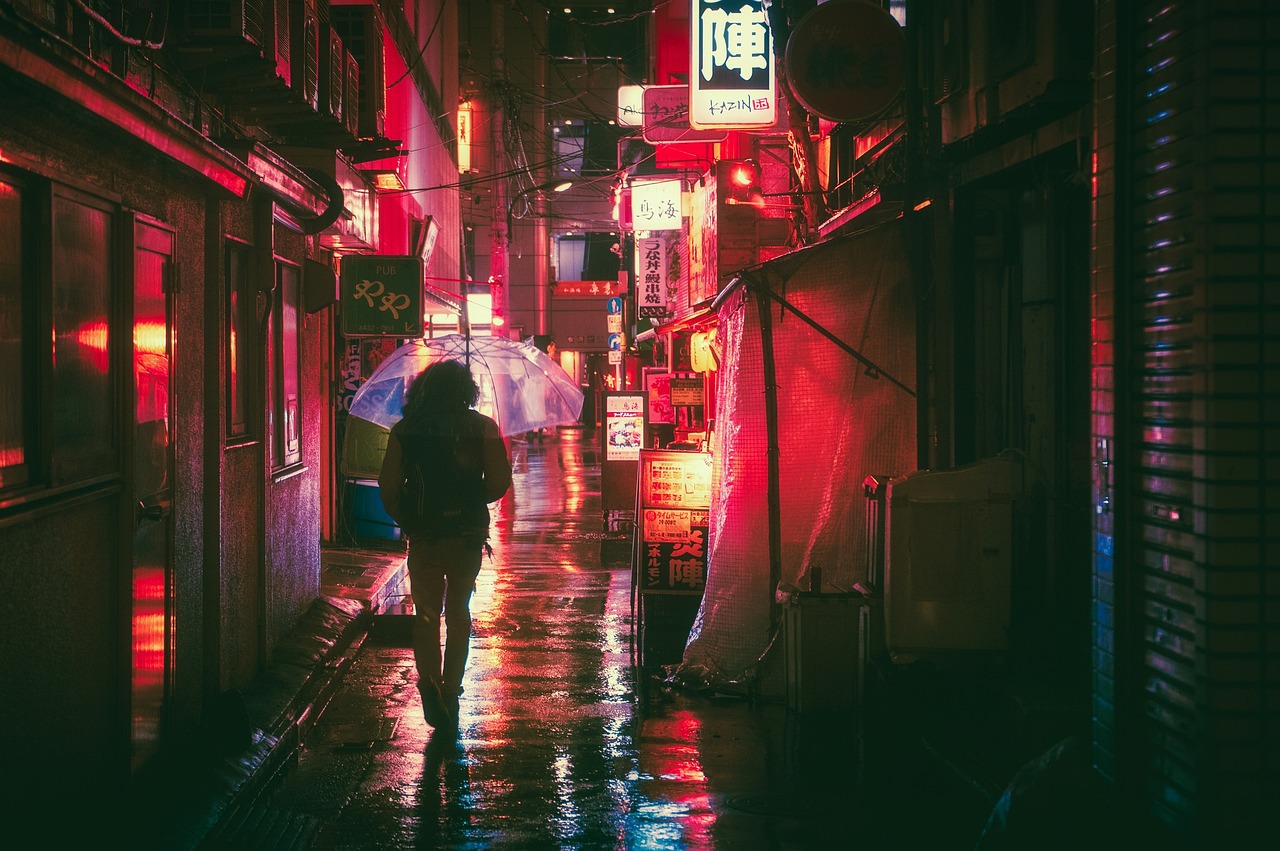
15. Distillery District This pedestrian-only enclave is the best-preserved collection of Victorian Industrial architecture in North America. Once the site of the Gooderham and Worts Distillery, it is now a luxury hub for galleries, boutiques, and high-end dining.
16. Chinatown (Spadina & Dundas) One of the largest Chinatowns in the world, this neighborhood is the place for authentic dim sum and bustling street markets. It’s also the gateway to some of the city's best hidden "speakeasy" bars.
17. Little Italy & Greektown While the demographics of the city are shifting, these neighborhoods remain culinary anchors. Head to College Street (Little Italy) for espresso and patio culture, or The Danforth (Greektown) for world-class souvlaki.
Nature, Parks, and the Waterfront
18. Toronto Islands A quick 15-minute ferry ride from the foot of Bay Street transports you to an 820-acre car-free oasis. The Islands offer sandy beaches, a charming residential village with no cars, and the most iconic view of the Toronto skyline.
- Cost: Ferry tickets are under 10 CAD round trip.
19. Harbourfront Centre This non-profit cultural organization is the engine of the waterfront. It organizes over 4,000 events annually, from international craft biennials to world music festivals, attracting 17 million visitors to the shores of Lake Ontario each year.
20. High Park Spanning 400 acres, High Park is Toronto’s version of Central Park. It features a free zoo, a massive wooden playground (Jamie Bell Adventure Playground), and in late April or early May, a spectacular display of cherry blossoms.
21. Toronto Music Garden Designed in collaboration with world-renowned cellist Yo-Yo Ma, this park is a physical interpretation of Bach's First Suite for Unaccompanied Cello. It’s a meditative spot for a summer walk.
22. Woodbine Beach Located in the historic "Beaches" neighborhood, this is the city's most popular sunbathing spot. With a long boardwalk and dozens of beach volleyball courts, it feels more like California than Canada during the summer months.
23. Allan Gardens Conservatory A historic glass conservatory that houses six greenhouses. It’s a lush, tropical escape even in the depths of winter. (Note: Portions have been under renovation; check for the grand 2026 reopening events).
24. Rouge National Urban Park The largest urban park in North America, Rouge offers the only campground within city limits. It’s a haven for biodiversity, featuring rare Carolinian forests and marshes.
25. Scarborough Bluffs For dramatic natural scenery, head east to the Bluffs. These towering white cliffs overlook the turquoise waters of Lake Ontario, offering trails that feel worlds away from the downtown skyscrapers.
Unique Activities and Hidden Gems
26. Graffiti Alley Running south of Queen Street West from Spadina to Bathurst, this three-block stretch is an ever-changing outdoor gallery of the city's finest street art. It’s the perfect spot for photography enthusiasts.
27. Black Creek Pioneer Village A living history museum that recreates life in Ontario in the mid-19th century. You can watch blacksmiths at work and taste historically accurate ales brewed on-site.
28. Fort York National Historic Site Built in 1793, this is the site where the Battle of York took place in 1813. Today, it offers a fascinating multimedia experience exploring Toronto’s military history amidst the surrounding modern condos.
29. Ontario Science Centre A favorite for families, featuring tornado machines, an IMAX dome, and hands-on physics exhibits. It remains one of the premier science institutions in the country.
30. Canada’s Wonderland Located just north of the city, this massive theme park features 17 roller coasters, including some of the tallest and fastest in the world. It’s an essential day trip for thrill-seekers.
31. Riverdale Farm Located in the heart of Cabbagetown, this 7.5-acre working farm allows visitors to see cows, pigs, and sheep in a pastoral setting that feels impossible given its proximity to the downtown core.
2026 Events Calendar
| Festival | Month | Highlight |
|---|---|---|
| Luminato | June | A city-wide takeover of multi-disciplinary arts and light installations. |
| Toronto Pride | June | One of the largest Pride celebrations in the world, culminating in the massive parade. |
| TIFF | September | The Toronto International Film Festival—spot Hollywood stars and catch world premieres. |
| Nuit Blanche | October | A sunset-to-sunrise contemporary art event that transforms the streets into a gallery. |
| Royal Agricultural Winter Fair | November | The world's largest combined indoor agricultural and equestrian event. |
Frequently Asked Questions (FAQ)
Is Toronto safe for solo travelers? Absolutely. Toronto consistently ranks as one of the safest large cities in North America. While you should exercise standard urban caution in crowded areas, the city is welcoming and easy to navigate alone.
Do I need a car in Toronto? Generally, no. The downtown core is very walkable, and the TTC transit system is comprehensive. A car is only recommended if you plan to explore the surrounding regions like Niagara Falls or Algonquin Park.
What is the "must-eat" food in Toronto? Aside from the Peameal Bacon sandwich at St. Lawrence Market, you must try a "Toronto-style" pizza or explore the authentic Tibetan "momo" shops in Parkdale.
Explore Toronto in 2026
Toronto is a city that rewards the curious. Whether you’re standing on the glass floor of the CN Tower or sharing a plate of dumplings in a Spadina basement, you are participating in a grand, global experiment that actually works. Plan your visit for the shoulder seasons to get the most out of the weather and the local culture.