Quick Facts
- What defines a PADI Eco Center? It is a premier accreditation for dive operators demonstrating high commitment to conservation via the UNEP-partnered Green Fins program and PADI’s Adopt the Blue initiative.
- Why book an Eco Center? You are guaranteed that the operator undergoes rigorous independent assessments of their environmental impact, waste management, and reef protection protocols.
- Top 2026 Destinations: Marsa Alam (Egypt), the Mesoamerican Reef (Mexico), and the "ABC" Islands (Bonaire and Curaçao) are leading the world in reef restoration.
- The Global Movement: These centers are part of the world’s largest underwater conservation network, contributing to the 'Adopt the Blue' program spanning over 6,600 dive sites globally.
The Call of the Blue: Why Sustainable Diving Defines 2026
Imagine hovering in weightless silence, the only sound the rhythmic pulse of your own breath. Below you, a reef doesn't just exist; it vibrates. Corals shimmer like living confetti—electric purples, deep ochres, and neon greens—while clouds of anthias pulse in synchrony with the current. This isn't just a dive; it’s a witness statement to a healthy planet. As we move into 2026, the travel landscape has shifted. We are no longer just "tourists" looking for a pretty backdrop; we have become "stewards" of the places we visit.
The modern diver is more conscious than ever. According to a landmark study by the Reef-World Foundation, a staggering 95% of scuba divers want to book with sustainable operators. Yet, for years, "greenwashing" made it difficult to tell which shops were truly walking the talk. Enter the PADI Eco Center. This designation isn't just a sticker on a window; it’s a rigorous, data-driven accreditation that ensures your vacation dollars are directly funding the protection of the ocean. By choosing an Eco Center, you are joining a global movement of 6,600+ centers dedicated to the 'Adopt the Blue' program, the world's largest network for underwater conservation.
The Gold Standard: What Makes a PADI Eco Center?
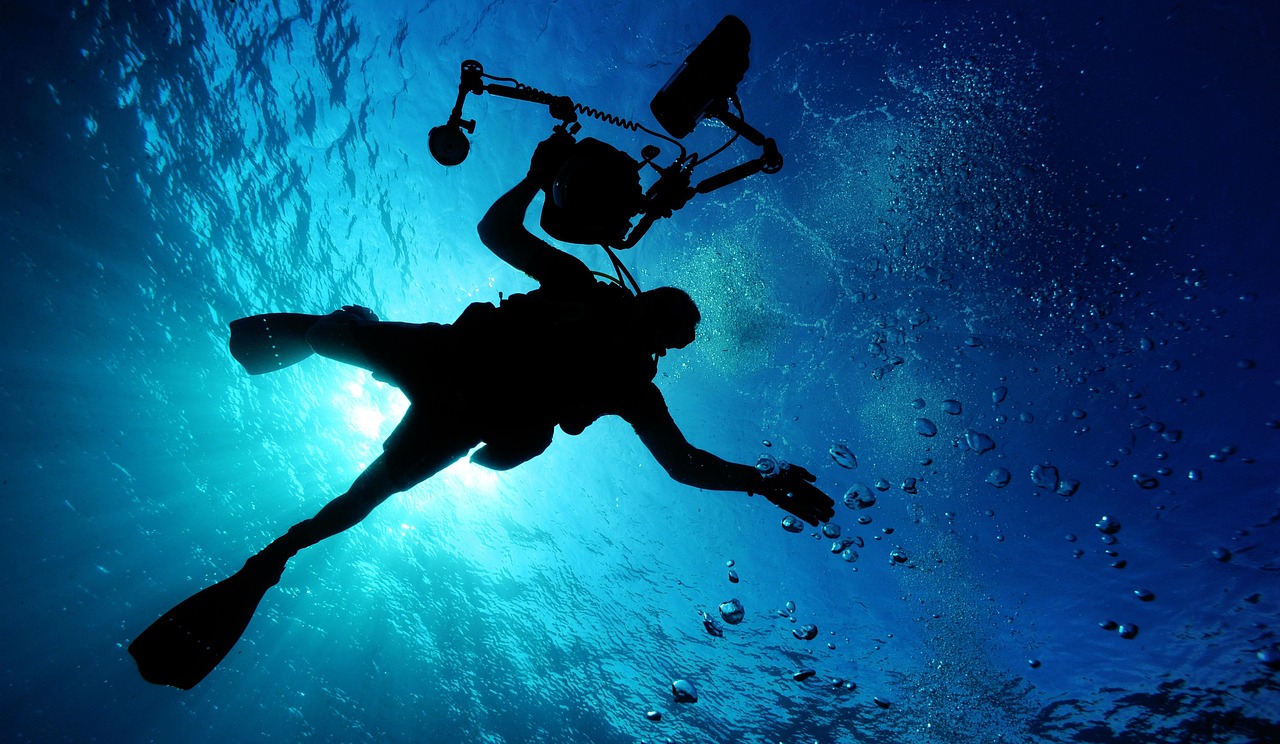
To understand why a PADI Eco Center is the gold standard for 2026, we have to look at the "Rigorous Trio" of standards they must meet. First is the Green Fins certification. Managed by the Reef-World Foundation in partnership with the UN Environment Programme (UNEP), Green Fins uses a points-based system to assess everything from how a boat anchors to how the shop handles chemical waste.
Secondly, these centers must be active participants in Adopt the Blue, PADI AWARE’s flagship program where dive centers "adopt" a specific local dive site to monitor, protect, and advocate for. Finally, they must demonstrate a proven track record of community involvement and environmental education. When you book with an Eco Center, you aren't just a customer; you're a participant in a verified system of reef health and marine protection.
Maya’s Pro-Tip: Always look for the digital Green Fins certificate on a dive shop’s website. It provides a transparent score of their environmental performance, updated annually.
Top PADI Eco Center Destinations for 2026
1. The Caribbean: Pioneers of Restoration
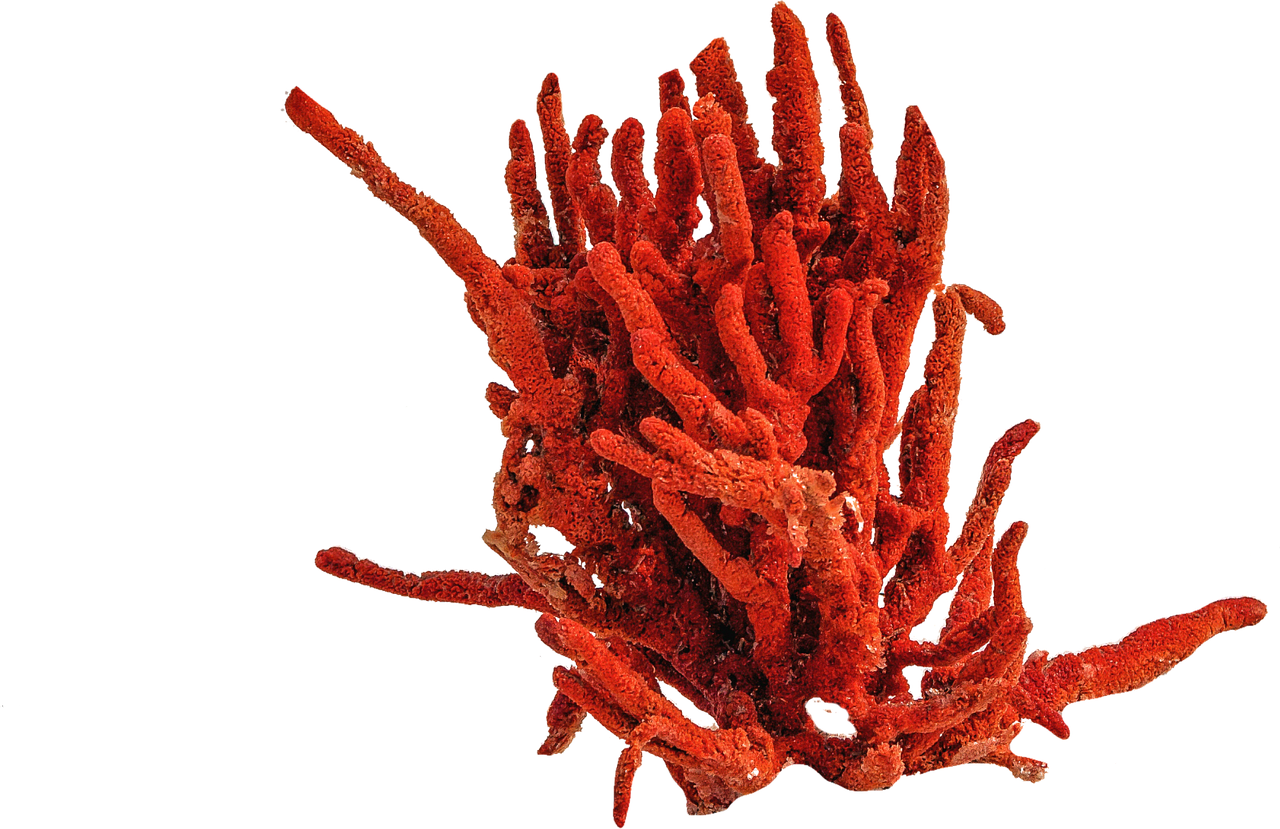
The Caribbean has become the global laboratory for coral restoration. In Bonaire, often called the "Shore Diving Capital of the World," Buddy Dive Resort has set the pace for decades. Their nurseries are suspended in the clear blue, growing staghorn and elkhorn corals that are eventually outplanted back onto the reef.
Further south in Curaçao, the synergy between Ocean Encounters and the LionsDive Beach Resort offers a masterclass in "Eco-Cultural" travel. Here, you can spend your morning outplanting coral and your afternoon enjoying a farm-to-table meal that supports local inland growers. Meanwhile, in Mexico, Dive Ninja Expeditions in Cabo San Lucas continues to redefine the "citizen science" model, leading expeditions that track whale shark migrations and mobula ray aggregations.
2. The Red Sea & Middle East: Unspoiled Frontiers
Egypt’s Marsa Alam remains a beacon of sustainability in a rapidly developing region. Red Sea Diving Safari (comprising Marsa Shagra, Nakari, and Wadi Lehem) was an "eco" pioneer long before it was a buzzword. Their "off-grid" feel and strict limit on diver numbers per site ensure that the house reefs remain some of the most pristine in the northern hemisphere.
As we look toward late 2026, Saudi Arabia is emerging as a fascinating new frontier. With the opening of the Red Sea Project, centers in Jeddah and Yanbu are adopting PADI Eco Center standards from day one, focusing on "regenerative tourism" where the goal isn't just to leave no trace, but to leave the reef better than you found it.
3. Indo-Pacific & Southeast Asia: Biodiversity Hubs
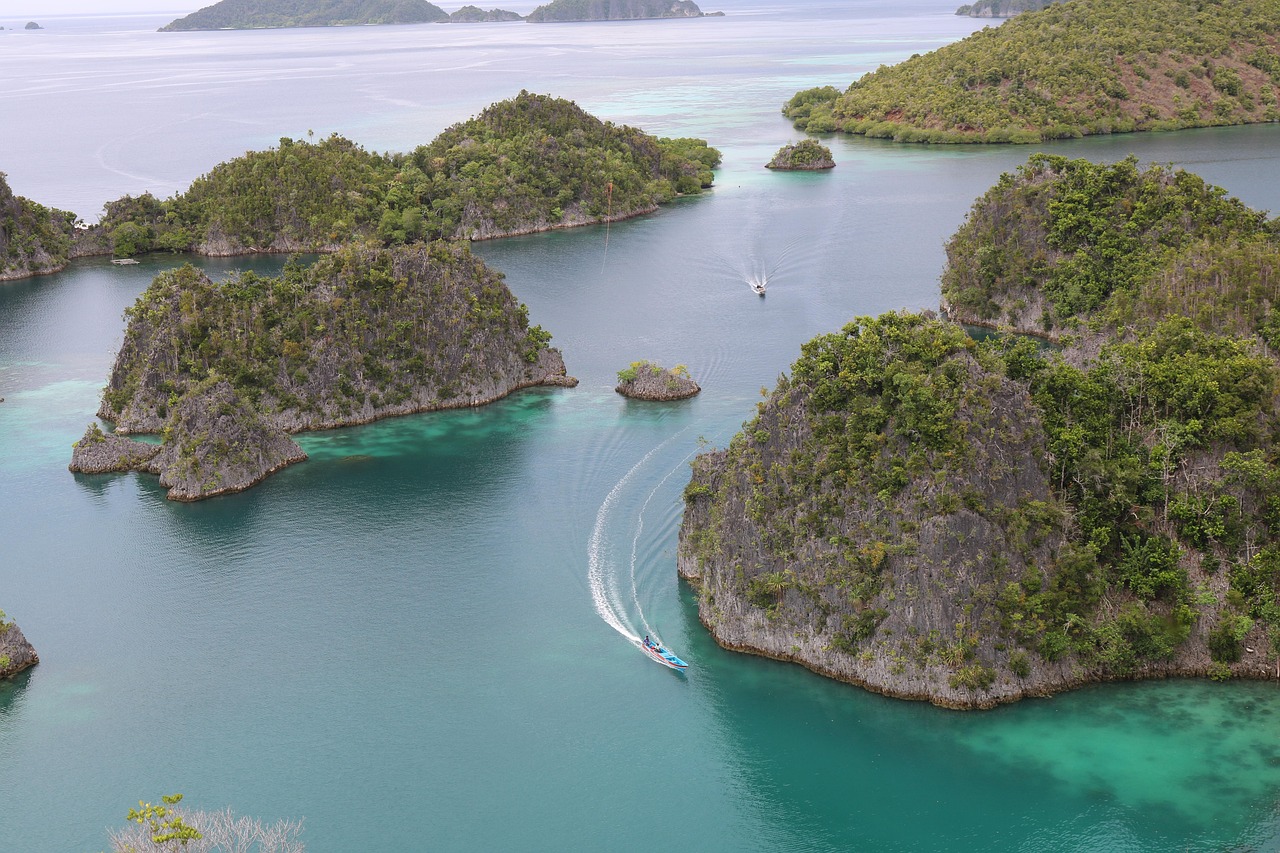
This region is the heart of the "Coral Triangle." In Indonesia, regions like Raja Ampat and Komodo have become sanctuaries thanks to dive operators who work directly with local villages to stop blast fishing and promote sustainable tourism. In Thailand, the island of Koh Tao—once known only as a "certification factory"—has transformed into a powerhouse of conservation training, with centers like Black Turtle Dive leading the way in marine ecology courses.
In the Philippines, the protection of thresher sharks in Malapascua and the remote Tubbataha Reefs (a UNESCO site) is largely managed by Eco Centers that fund ranger patrols and shark research.
4. Oceania & The Americas: From Kelp to Coral
Australia’s Great Barrier Reef is currently undergoing one of the largest restoration efforts in history. Eco Centers in Cairns and Port Douglas are now utilizing "Coral Clips"—a specialized tool that allows divers to quickly reattach broken coral fragments to the reef without using cement or plastic.
In Costa Rica, Oceans Unlimited and the programs at Peninsula Papagayo focus on the intersection of the rainforest and the sea. Their "Coral Hero" program allows even novice divers to get involved in reef monitoring. Closer to home in the USA, Eco Centers in the Florida Keys are fighting "Stony Coral Tissue Loss Disease," while California-based shops are focusing on the restoration of decimated kelp forests, proving that "eco-diving" isn't just for the tropics.

The Comprehensive Guide: 35+ PADI Eco Centers for 2026
To help you plan your next conscious adventure, here is a curated list of world-class PADI Eco Centers categorized by their primary conservation impact.
| Region | Recommended PADI Eco Center | Primary Conservation Focus |
|---|---|---|
| Caribbean | Buddy Dive Resort (Bonaire) | Genetic diversity in Coral Restoration |
| Caribbean | Ocean Encounters (Curaçao) | Reef Renewal & Community Education |
| Mexico | Dive Ninja Expeditions (Cabo) | Pelagic Protection & Citizen Science |
| Mexico | Scuba Libre (Playa del Carmen) | Cenote Preservation & Shark Conservation |
| Egypt | Red Sea Diving Safari (Marsa Alam) | Sustainable Coastal Management |
| Egypt | Emperor Divers (Red Sea) | Green Fins Best Practices & Waste Reduction |
| Saudi Arabia | Blue Force (Red Sea Project) | Regenerative Tourism & New Reef Monitoring |
| Indonesia | Misool Resort (Raja Ampat) | Marine Protected Area (MPA) Management |
| Indonesia | Buceo Variado (Bali) | "Dive Against Debris" & Plastic Mitigation |
| Philippines | Evolution (Malapascua) | Thresher Shark Research & Protection |
| Philippines | Sea Explorer (Cabilao) | Mangrove Restoration & Reef Health |
| Thailand | Black Turtle Dive (Koh Tao) | Artificial Reef Construction |
| Thailand | Big Blue Conservation (Koh Tao) | Marine Ecology Education |
| Australia | Passions of Paradise (Cairns) | Great Barrier Reef Biology Expeditions |
| Australia | Sunreef Mooloolaba | Whale Conservation & Awareness |
| Costa Rica | Oceans Unlimited (Quepos) | Coral Nursery Management |
| USA | Rainbow Reef (Florida Keys) | Disease Mitigation & Restoration |
| USA | Bamboo Reef (California) | Kelp Forest Advocacy |
| Maldives | Six Senses Laamu | Sea Turtle Nesting & Seagrass Protection |
| Maldives | Barefoot Eco Hotel | Community-based Conservation |
| Fiji | Beqa Lagoon Resort | Shark Cathedral Protection |
| Fiji | Volivoli Beach Resort | Reef Monitoring & Local Employment |
| Belize | Hamanasi Adventure & Dive | Sustainable Land-Sea Management |
| Belize | Belize Pro Dive Center | Turtle Conservation |
| Honduras | Roatan Dive Center | Caribbean Reef Shark Advocacy |
| Greece | Atlantis Dive Center (Santorini) | Mediterranean Marine Litter Removal |
| Spain | Pura Vida Diving (Lanzarote) | Marine Biodiversity Monitoring |
| Portugal | Haliotis (Azores) | Sustainable Pelagic Encounters |
| Iceland | Magmadive (Silfra) | Geological Heritage Preservation |
| South Africa | Pisces Divers (Cape Town) | Kelp Forest & Shark Conservation |
| Mozambique | Peri-Peri Divers (Tofo) | Manta Ray & Whale Shark Research |
| Seychelles | Blue Safari | Remote Atoll Conservation |
| French Polynesia | TopDive (Bora Bora) | Lagoon Health & Shark Protection |
| Cook Islands | Pacific Divers | Crown-of-Thorns Starfish Management |
| Ecuador | Galapagos Sky (Liveaboard) | UNESCO World Heritage Stewardship |
2026 Sustainable Diving Calendar: When to Go
Planning your eco-trip isn't just about the "where"—it's about the "when." Aligning your visit with natural cycles ensures you witness the ocean's greatest spectacles without adding undue stress to the environment.
- January – March: Head to Mexico or the Dominican Republic for Humpback Whale season. PADI Eco Centers here follow strict "no-touch, no-chase" protocols.
- April – June: This is the prime time for Western Australia (Ningaloo Reef) and the Philippines for whale sharks. It’s also the start of the Manta season in parts of Indonesia.
- July – September: The Galapagos is in its prime for Whale Sharks and Hammerheads. In the Caribbean, look for Coral Spawning events—usually a few days after the full moon in August or September.
- October – December: The Maldives offers incredible Manta Ray aggregations in Hanifaru Bay. In Egypt, the cooler air makes the Red Sea’s deep south much more comfortable for exploring remote reefs.
How to Plan Your Eco-Diving Vacation
1. Choose the Right Course
Enhance your trip by taking a PADI Specialty course that focuses on the environment. PADI Dive Against Debris teaches you how to safely remove and report marine litter, while Fish ID or Coral Reef Conservation turns every dive into a data-gathering mission.
2. Audit Your Gear
The "leave no trace" philosophy starts with what you pack.
- Reef-Safe Sunscreen: Avoid oxybenzone and octinoxate. Look for non-nano zinc oxide formulas.
- Eco-Friendly Rash Guards: Many brands now make high-performance rash guards from recycled ghost nets and ocean plastic.
- Streamline Your Setup: Ensure your gauges and octopus are clipped in properly to prevent accidental reef contact.
3. Support the Local Economy
Sustainability extends beyond the water. Choose resorts that employ local staff, support local farmers, and reduce single-use plastics. Your economic impact is a powerful tool for conservation—when local communities see that healthy reefs bring in tourism dollars, they become the ocean’s fiercest protectors.
FAQ
Q: Are PADI Eco Centers more expensive than regular dive shops? A: Not necessarily. While some high-end resorts are Eco Centers, many are budget-friendly operations. The "Eco" designation is about operational standards and conservation commitment, which doesn't always correlate with a higher price tag. Often, the value is higher because you get better-trained guides and healthier reefs.
Q: Do I need to be an experienced diver to visit an Eco Center? A: Absolutely not! In fact, Eco Centers are the best places for beginners to learn. They prioritize good buoyancy and environmental awareness from Day 1, ensuring you develop the skills to be a responsible diver for life.
Q: How can I help if I can't travel to an Eco Center this year? A: You can support the PADI AWARE Foundation through donations or participate in local "Adopt the Blue" initiatives in your own backyard—whether that’s a local lake, river, or coastline.
Ready to Dive with Purpose?
The ocean doesn't need us to just admire it; it needs us to act. By choosing a PADI Eco Center for your 2026 travels, you are making a direct investment in the future of our blue planet. Whether you're planting coral in Bonaire or documenting manta rays in the Maldives, your journey matters.