Quick Facts
- Optimal Season: The best months to ski in Japan are January and February, offering the most reliable and consistent powder snow across regions like Hokkaido and Nagano.
- Beginner Top Choice: Shiga Kogen is the premier destination for novices, featuring approximately 40% beginner trails and status as the country's largest interconnected ski area.
- Significant Value: Skiing in Japan is notably more affordable than in North America; a premier one-day lift pass in Niseko or Hakuba costs approximately $60–$70 (¥9,000–¥11,000), roughly 70% cheaper than major US resorts like Vail or Aspen.
- Snowfall Extremes: Kiroro Resort in Hokkaido averages over 800 inches (20 meters) of snow annually, while Mt. Tanigawadake serves as a heavy snow corridor, capturing a staggering 50 feet of annual precipitation.
The Magic of 'Japow': Why Japan Dominates the Global Winter Stage
To understand why Japan has become the definitive pilgrimage for winter sports enthusiasts, one must look at the meteorology. The phenomenon colloquially known as "Japow" is the result of freezing Siberian air masses sweeping across the Sea of Japan. As this moisture-laden air hits the mountain ranges of Hokkaido and Honshu, it is forced upward, resulting in relentless, dry, and incredibly light snowfall.
For the 2026 season, the "Japow" experience remains the gold standard for powder skiing. Unlike the heavy "Sierra Cement" of the American West or the variable conditions of the European Alps, Japanese snow is consistently deep and cold. While the season technically runs from December through April, seasoned travelers prioritize January and February to ensure they catch the "Powder Reset"—a cycle where fresh tracks are replenished almost nightly.
The 2026 Value Proposition: Comparing Japan to the West
From an analytical perspective, the economic argument for choosing Japan in 2026 is staggering. Despite the rise in international travel costs, the weakness of the Japanese Yen combined with localized pricing strategies makes Japan a bargain for those accustomed to $250+ daily lift tickets in the United States.
| Metric | Japan (Niseko/Hakuba) | USA (Vail/Aspen/Palisades) |
|---|---|---|
| Daily Lift Pass | $60 – $70 | $220 – $299 |
| High-End Ski Rental | $45 – $55 | $85 – $110 |
| On-Mountain Lunch | $12 – $18 (Ramen/Katsu) | $25 – $40 (Burger/Fries) |
| Annual Snowfall | 400 – 600 inches | 250 – 400 inches |
Beyond the numbers, the "Onsen Culture" provides a recovery benefit that Western resorts simply cannot replicate. The ritual of soaking in mineral-rich, volcanic hot springs after a day of -10°C temperatures is not just a luxury; it is a physiological necessity that aids muscle recovery and defines the Japanese ski experience.
1. Niseko United, Hokkaido: The Undisputed Epicenter
Niseko remains the crown jewel of Japanese skiing, comprised of four interconnected resorts: Grand Hirafu, Hanazono, Niseko Village, and Annupuri. It is the most "Westernized" of the Japanese resorts, offering a seamless experience for those who prioritize English-language services and world-class infrastructure.
The terrain is vast, but the real draw is the lift-accessible backcountry. Unlike many other Japanese resorts that have historically restricted off-piste skiing, Niseko’s gate system allows expert skiers to access some of the most consistent powder on the planet safely.
- The Pass: Niseko is a premier Ikon Pass partner. An All-mountain day pass is approximately 10,500 JPY.
- Eat: Rakuichi Soba in Annupuri offers a legendary hand-cut buckwheat noodle experience (booking essential).
- Stay: For ultimate luxury, the Park Hyatt Niseko Hanazono provides true ski-in/ski-out access with private onsens in select suites.
Pro Tip: Don't miss the night skiing. Niseko offers one of the largest lit areas in the world, and the visibility is often better during a night-time storm than in the flat light of a snowy day.
2. Hakuba Valley, Nagano: Olympic Vertical and Alpine Views
Located in the "Japanese Alps" on the main island of Honshu, Hakuba Valley gained international fame during the 1998 Winter Olympics. Unlike the rolling hills of Hokkaido, Hakuba offers dramatic, steep alpine terrain and significantly more vertical drop. The valley consists of 10 distinct ski areas, with Happo-One and Hakuba 47 being the most prominent.
The culture here is a blend of traditional Japanese mountain life and a bustling international community. It serves as the perfect base for those who want to combine high-performance skiing with cultural excursions, such as visiting the historic Matsumoto Castle or the Zenko-ji Temple.
- The Pass: Hakuba is an Epic Pass partner. An All-mountain pass is approximately 10,400 JPY.
- Eat: Zen in Hakuba Village is renowned for its local soba and tempura.
- Stay: The Ridge Hotel & Apartments offers sophisticated, Western-style comfort with stunning mountain views.
3. Shiga Kogen, Nagano: The Beginner's Paradise
Shiga Kogen is often overlooked by powder hounds in favor of Niseko, but for families and beginners, it is arguably the best destination in Asia. With 18 interconnected ski areas and a trail map where 40% of the runs are rated for beginners, it allows novices to travel across a massive landscape without the fear of ending up on a "black diamond" by mistake.
As Japan's highest-altitude resort (peaking at 7,568 feet), the snow quality remains exceptionally dry and reliable throughout the season, even when lower-elevation resorts face warmer spells.
- The Pass: Shiga Kogen is a new Ikon Pass partner for the 2025-26 season.
- Stay: Okushiga Kogen Hotel is a classic mountain lodge with a refined atmosphere and excellent access to beginner slopes.
Pro Tip: Shiga Kogen is massive. Use the free shuttle bus system to explore the different areas like Yokoteyama, which offers panoramic views of the clouds from its summit café.
4. Kiroro Resort, Hokkaido: The Snowfall King
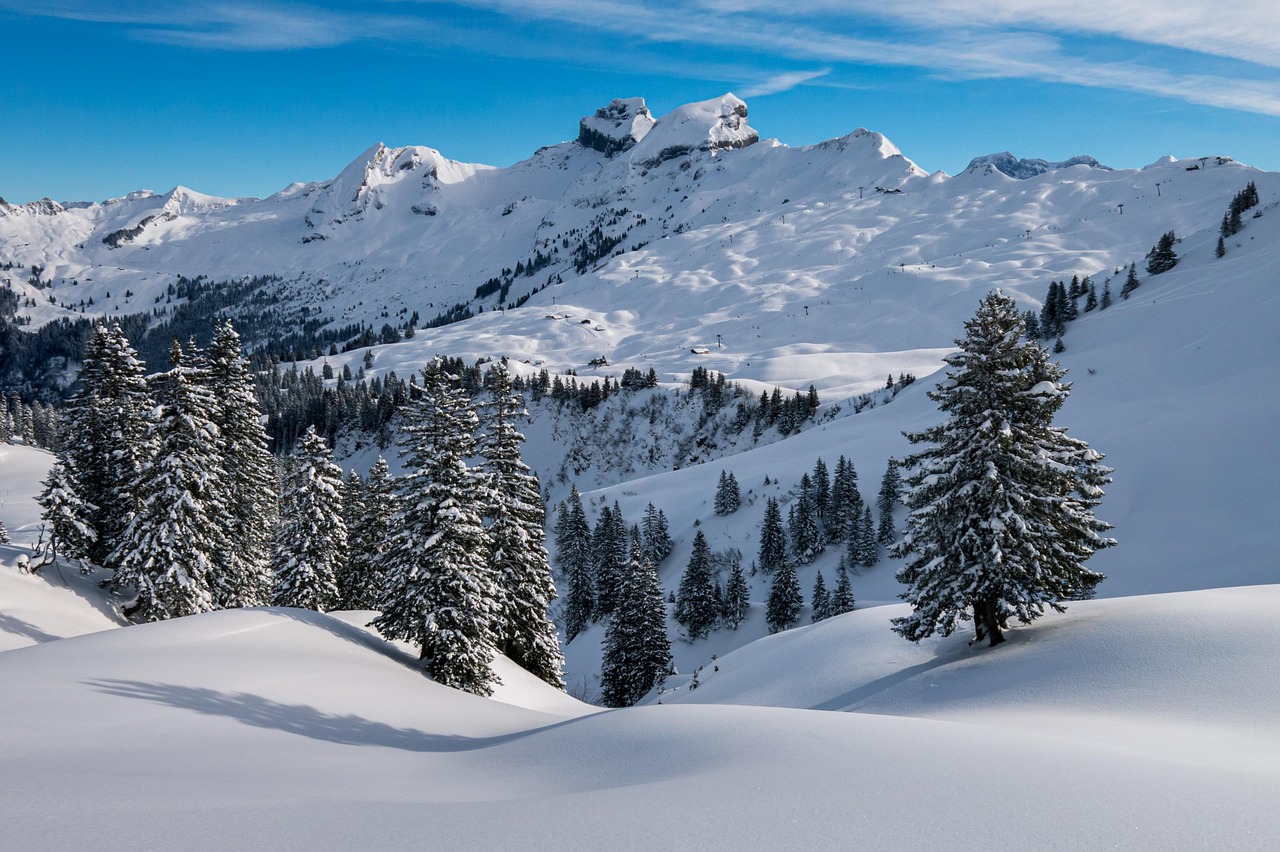
If your primary objective is the sheer volume of snow, Kiroro is your destination. Statistics show that Kiroro averages over 800 inches (20 meters) of snow annually—nearly double that of many high-end North American resorts. Because it is slightly more isolated than Niseko, it avoids the massive mid-day crowds, preserving the "fresh tracks" experience longer into the afternoon.
The resort is modern and upscale, with a focus on high-quality resort amenities. It is an excellent choice for couples and luxury travelers who prefer a quieter, more curated experience.
- The Pass: Part of the Indy Pass and offers competitive local day rates (~7,000 JPY).
- Stay: YU Kiroro offers luxury ski-in/ski-out condominiums that are among the highest-rated accommodations in Hokkaido.
5. Rusutsu Resort, Hokkaido: The Tree-Skiing Wonderland
Rusutsu is frequently voted Japan's Best Ski Resort, and for good reason. It spans three mountains—West, East, and Mt. Isola—and is world-renowned for its perfectly spaced birch tree glades. Because the resort is owned by a single company, the lift systems and amenities are highly integrated and efficient.
While Niseko can feel crowded, Rusutsu often feels like a private playground. The terrain is less steep than Hakuba but offers some of the most playful, lift-accessed tree skiing you will find anywhere in the world.
- The Pass: Rusutsu is an Epic Pass partner.
- Eat: The Izakaya inside the Rusutsu Resort Hotel serves excellent Hokkaido seafood and local sake.
6. Mt. Tanigawadake (Mt. T), Gunma: The Powder Purist’s Pilgrimage
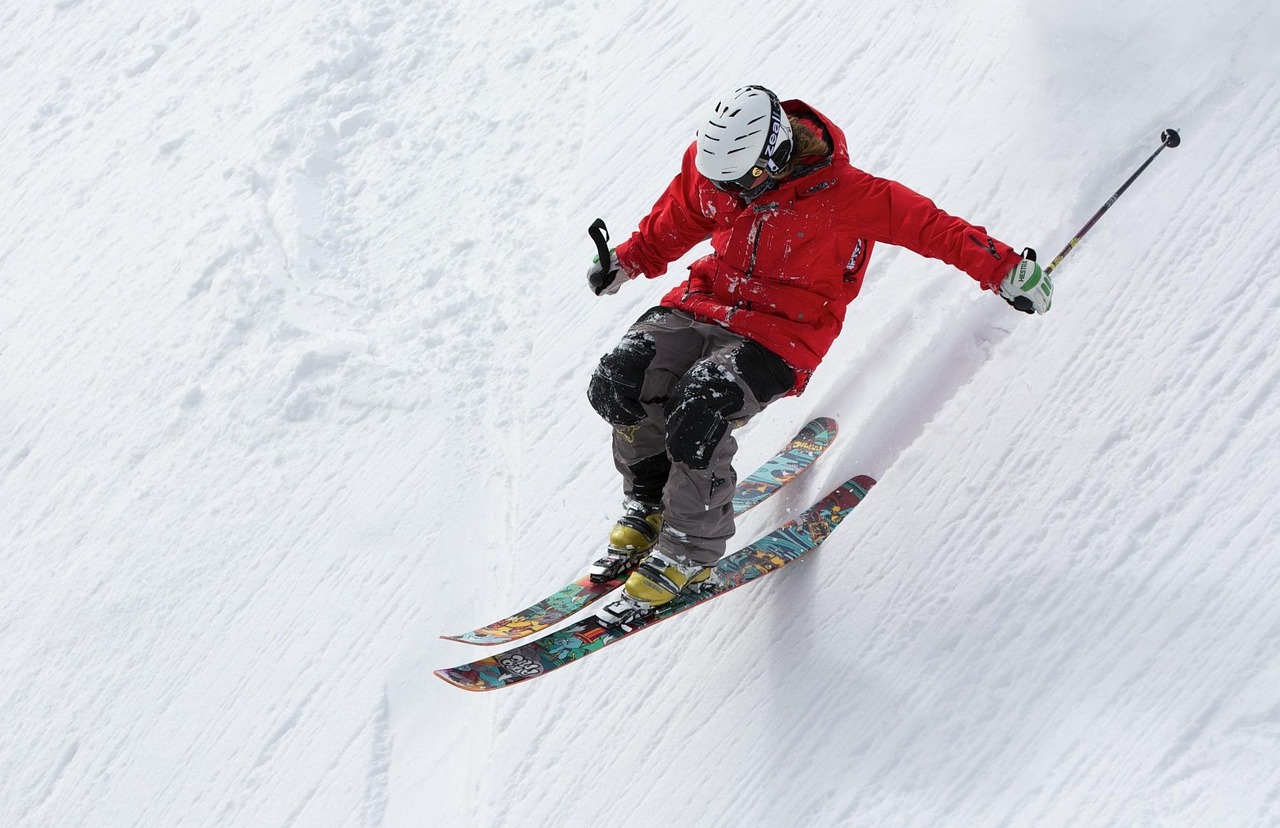
For the elite skier, Mt. Tanigawadake (Tenjindaira) represents the raw, untamed side of Japanese skiing. It is not a "resort" in the traditional sense; it is a steep, rugged mountain that captures a staggering 50 feet of annual precipitation. This is the heavy snow corridor of Japan.
Logistically, this mountain requires respect. Avalanche gear (beacon, shovel, probe) is mandatory, and hiring a professional guide is highly recommended due to the complex terrain and extreme weather changes.
- The Pass: Recently added to the Ikon Pass for the 2025-2026 season.
- Logistics: Most visitors stay in the nearby town of Minakami and take the ropeway up to the ski area.
7. Nozawa Onsen, Nagano: Historic Charm and Public Baths
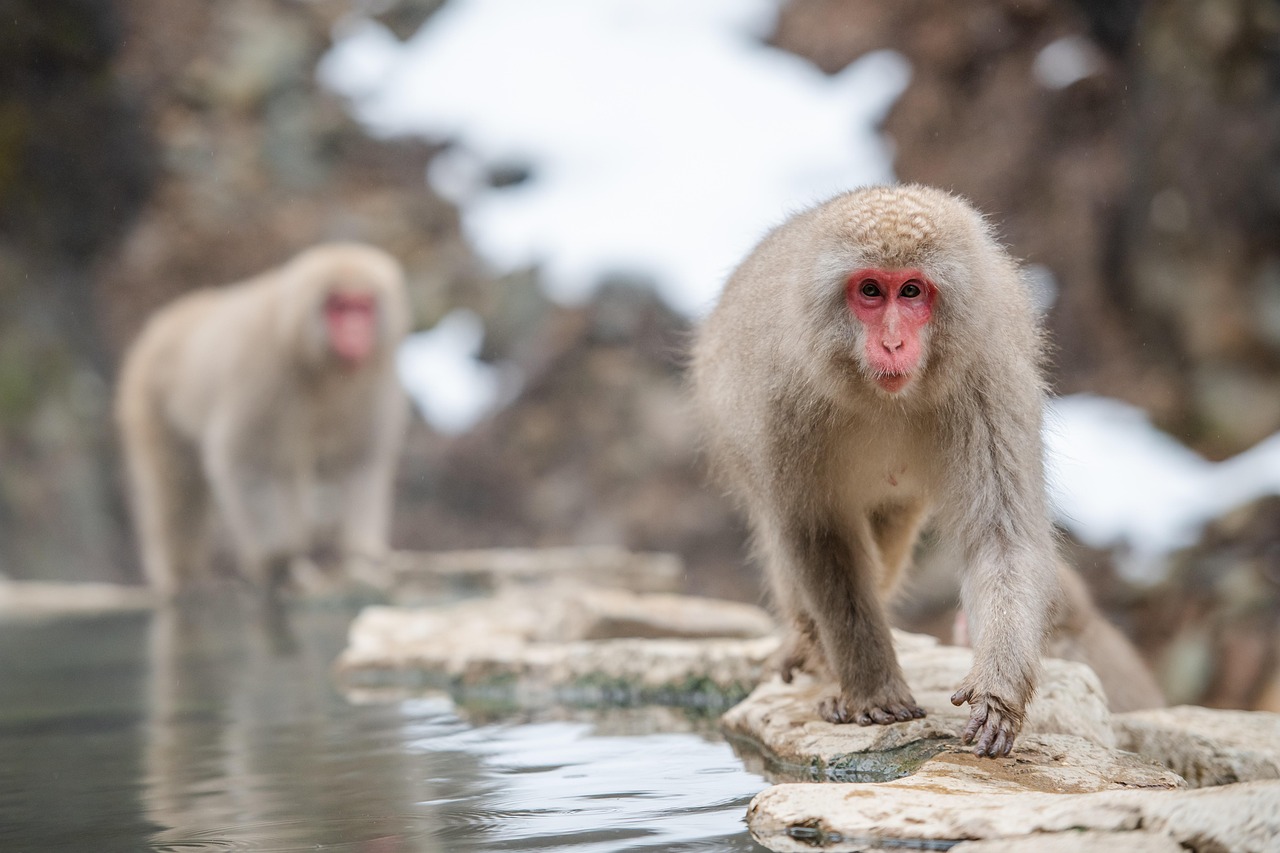
Nozawa Onsen offers the quintessential "Ski Japan" cultural experience. This is a historic village that existed long before the ski resort was built. The streets are narrow and cobblestoned, lined with traditional ryokans and 13 "Soto-yu" (free public onsens) maintained by the local community.
The skiing itself is excellent, with a high top elevation and long, groomed runs that are perfect for intermediate skiers. The combination of high-quality snow and a deep sense of history makes Nozawa a favorite for those who want to "feel" Japan as much as they want to ski it.
- Atmosphere: Traditional, authentic, and social.
- Cultural Highlight: The Dosojin Fire Festival (held every January 15th) is one of Japan's three great fire festivals.
Planning Your 2026/2027 Japan Ski Trip
Logistics: Hokkaido vs. Nagano
If you fly into New Chitose (CTS), you are positioned for Niseko, Rusutsu, and Kiroro. This is the "Powder Factory" experience. If you fly into Haneda or Narita (Tokyo), you can take the Shinkansen (bullet train) to Nagano for Hakuba, Shiga Kogen, and Nozawa Onsen. This is the "Alpine & Culture" experience.
Essential Gear
While rental shops in Niseko and Hakuba now carry high-end "fat" powder skis (essential for the deep snow), those with specific boot fit requirements should bring their own boots. Note that most Japanese mountain huts are cash-only, so keep a reserve of Yen for your ramen and coffee.
Onsen Etiquette
Before entering the communal hot springs, you must wash thoroughly at the provided stations. Bathing suits are strictly prohibited; the experience is entirely nude. Most public onsens also have policies regarding visible tattoos, though many major ski resorts are becoming more progressive in this area.
FAQ
Q: Is skiing in Japan safe for solo travelers? A: Extremely. Japan is one of the safest countries in the world. The ski resorts are well-organized, and the Japanese hospitality (Omotenashi) ensures that even those who don't speak the language are well-cared for.
Q: Can I use my Epic or Ikon Pass in Japan? A: Yes. Hakuba Valley and Rusutsu are on the Epic Pass, while Niseko United, Shiga Kogen, and Mt. Tanigawadake are on the Ikon Pass. Always check your specific pass level for the number of days included.
Q: How do I get my gear between resorts? A: Use the "Takkyubin" (Black Cat) luggage delivery service. For a small fee, you can send your ski bags from the airport to your hotel, or between resorts, allowing you to travel hands-free on the bullet train.
Ready to experience the world's best powder? Whether you’re seeking the international luxury of Niseko or the historic charm of Nozawa Onsen, the 2026 season is the perfect time to visit Japan.