Quick Facts: Bryce Canyon Hiking at a Glance
Before we lace up our boots and dive into the labyrinth of orange spires, here’s the high-level intel you need for your 2026 expedition. Bryce Canyon isn't just a "smaller Zion"—it’s a high-altitude playground that requires a different strategy.
| Hike Name | Distance (RT) | Difficulty | Key Feature |
|---|---|---|---|
| Mossy Cave | 0.8 miles | Easy | Seasonal Waterfall & Grotto |
| Navajo & Queen’s Garden | 2.9 miles | Moderate | Thor’s Hammer & Wall Street |
| Rim Trail (Paved section) | 1.0 mile | Easy | Accessible & Dog-Friendly |
| Bristlecone Loop | 1.0 mile | Easy | 1,800-year-old Ancient Trees |
| Tower Bridge | 3.0 miles | Moderate | "Chinese Wall" Formations |
| Peekaboo Loop | 5.5 miles | Strenuous | Wall of Windows & Cathedral |
| Fairyland Loop | 8.0 miles | Strenuous | Absolute Solitude |
| Sheep Creek / Swamp Canyon | 4.0 miles | Moderate | Lush Forests & Backcountry Vibe |
The Magic of the Bryce Amphitheater: Why 2026 is Your Year
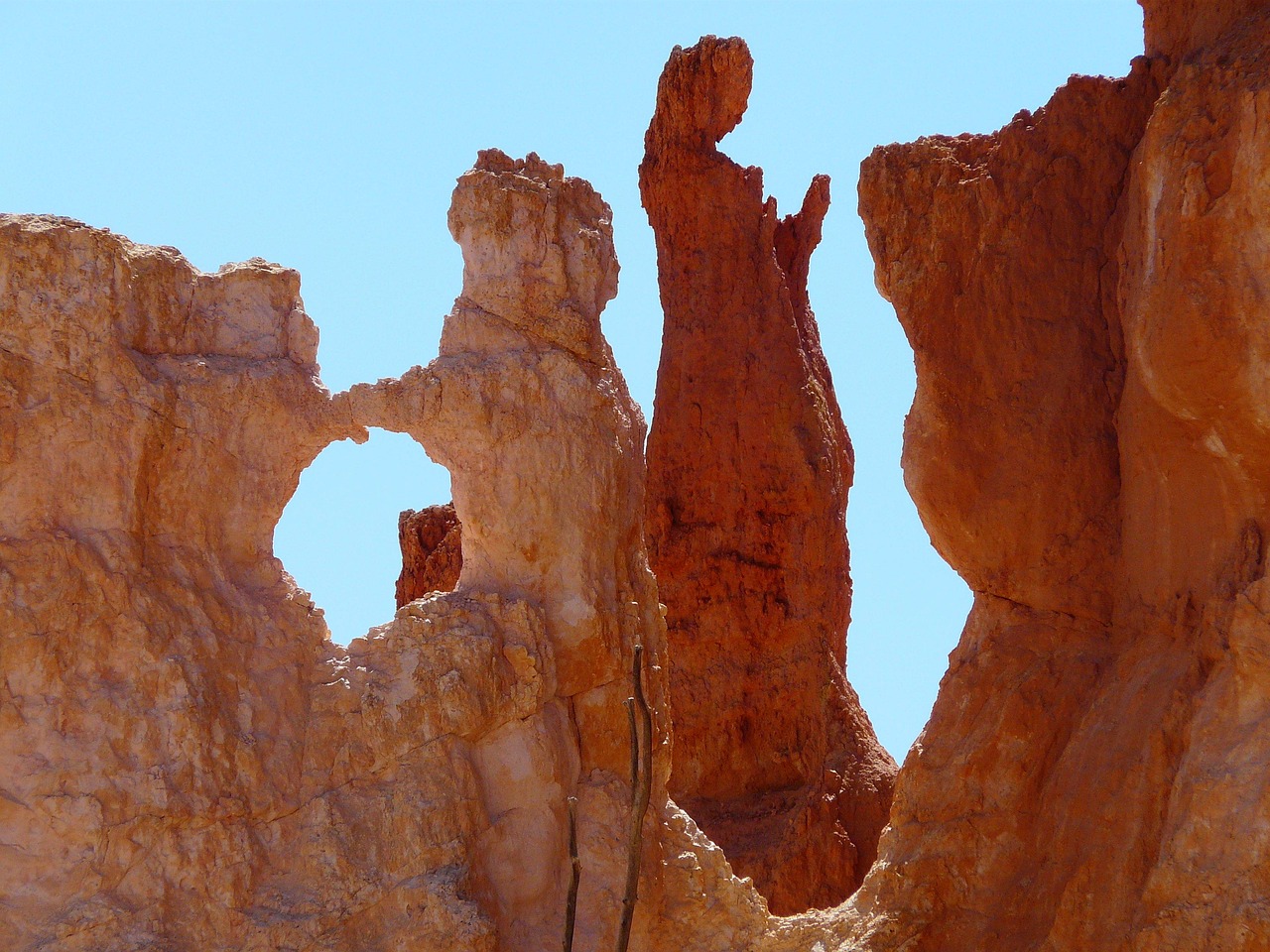
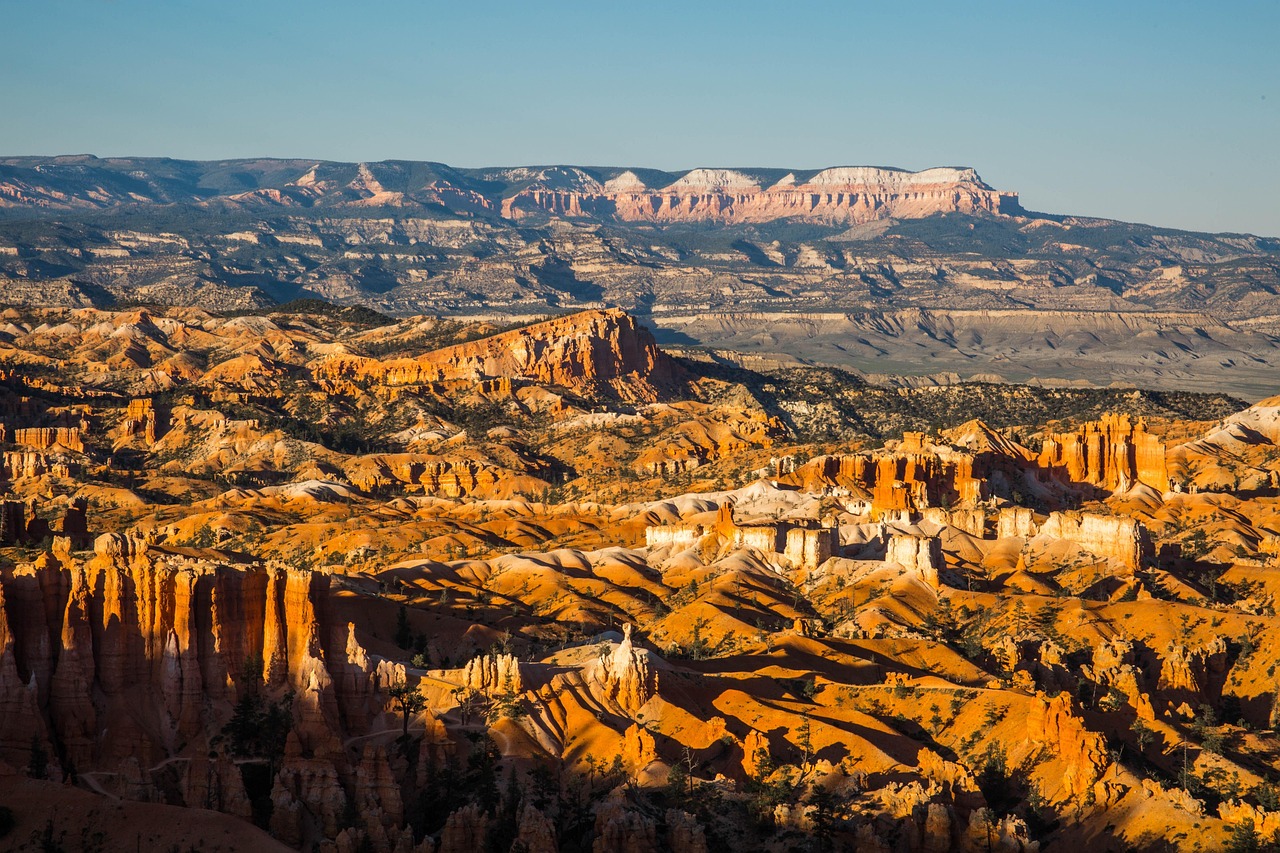
I’ve stood on the edge of many canyons, from the Grand to the Copper in Mexico, but there is something fundamentally different about Bryce. It isn’t actually a canyon in the traditional sense; it’s a collection of giant natural amphitheaters carved into the eastern edge of the Paunsaugunt Plateau. While Zion makes you feel small looking up at monolithic walls, Bryce makes you feel like an explorer navigating a delicate, frozen city of stone.
One of the biggest surprises for first-timers is the climate. While hikers in Zion are sweltering in 100°F heat during July, we’re usually enjoying a crisp 78°F up here. Because the park sits at an elevation between 7,000 and 9,100 feet, it stays remarkably cool. However, that same altitude is the "silent killer" of hiking pace. If you’re coming from sea level, your lungs will feel every single step.
Essential Prep: 2026 Expert Hiking Tips
Listen, I’ve seen enough "trail fails" to know that Bryce Canyon respects those who prepare. As we head into 2026, the park is seeing more visitors than ever, making strategy just as important as your gear.
- Respect the Thin Air: You are starting your hikes at 8,000 feet. That’s higher than most ski resorts in the East. Take it slow, drink twice as much water as you think you need, and don’t be ashamed to take "photo breaks" every few switchbacks to catch your breath.
- The 2026 Temperature Reality: Even in the height of summer, temperatures rarely exceed 80°F. However, the mornings are freezing. I’ve started hikes in June wearing a down puffer and ended them in a t-shirt. Layering is non-negotiable.
- Leave No Trace & Social Trails: With the rise in popularity, "social trails" (unauthorized paths) are destroying the fragile desert crust. Stay on the designated path. In 2026, rangers are stepping up enforcement to protect the hoodoos—if you’re caught off-trail, expect a heavy fine.
Pro-Tip: If you’re visiting in the winter or early spring, "traction is king." The trails into the amphitheater become icy chutes. Don’t even think about descending the Navajo Loop without a pair of Yaktrax or microspikes in your pack.
1. Mossy Cave Trail: The Iconic Waterfall Hike
If you’re looking for a change of pace from the dry, dusty spires, this is your spot. The best hike to see a waterfall in Bryce Canyon is the Mossy Cave Trail. It’s a short, 0.8-mile round-trip walk that offers a surreal contrast to the rest of the park.
This isn't a natural mountain stream, though. You’re actually walking alongside the "Tropic Ditch," an irrigation canal dug by Mormon pioneers in the 1890s to bring water to the valley below. Today, it has created a lush oasis. The trail leads to a dripping grotto that stays cool year-round. In the winter, this grotto fills with massive ice pillars that look like something out of Frozen. Just a few yards further, you’ll find a seasonal waterfall that tumbles over a shelf of orange rock. It’s the perfect "warm-up" hike or a great option for families with younger kids who want a big payoff for very little effort.
2. Navajo Loop & Queen’s Garden Trail: The World's Best 'Two-Hour' Loop
If you only have time for one hike, this is it. Period. For the most iconic hoodoo views, combine the Navajo Loop with the Queen's Garden Trail. This 2.9-mile circuit takes you from the rim at Sunset Point down into the very heart of the amphitheater and back up at Sunrise Point.
I always recommend hiking this clockwise. Start at Sunrise Point and head down through Queen’s Garden. Why? Because the descent is more gradual, and you get to save the most dramatic scenery—the "Wall Street" switchbacks—for the grand finale. As you weave through the "garden," look for the hoodoo that looks remarkably like Queen Victoria overlooking her court.
When you hit the bottom and start the Navajo Loop section, you’ll enter "Wall Street," a narrow slot canyon with towering 200-foot walls and a lone Douglas Fir stretching toward the light. It’s otherworldly. You’ll also pass 'Thor’s Hammer,' arguably the most famous rock formation in the world.
Expert Warning: I’ve seen people try this in flip-flops. Don't be that person. The "Wall Street" section is steep and the gravel (scree) is incredibly slippery. Wear boots with decent lugs.
3. The Rim Trail: Accessible & Dog-Friendly Vistas
Most people think you have to descend into the canyon to see the best views, but the Rim Trail proves them wrong. Stretching 5.5 miles one way along the edge of the amphitheater, it offers a literal "bird's eye view" of the chaos below.
However, there’s a specific section you need to know about. The only dog-friendly and wheelchair-accessible hiking path in Bryce Canyon is the 1-mile paved section of the Rim Trail between Sunset Point and Sunrise Point. This stretch is almost entirely flat and offers some of the most spectacular vistas in the park. If you have a pup with you or are traveling with someone who has mobility challenges, this is where you spend your "Golden Hour." The way the light hits the hoodoos at sunset from this vantage point is a photographer's dream.
4. Bristlecone Loop: High-Altitude Forest Treks
If you want to escape the crowds, head to the very end of the park road to Rainbow Point. This is where you’ll find the Bristlecone Loop. At an elevation of 9,115 feet, it’s the highest hiking point in the park.
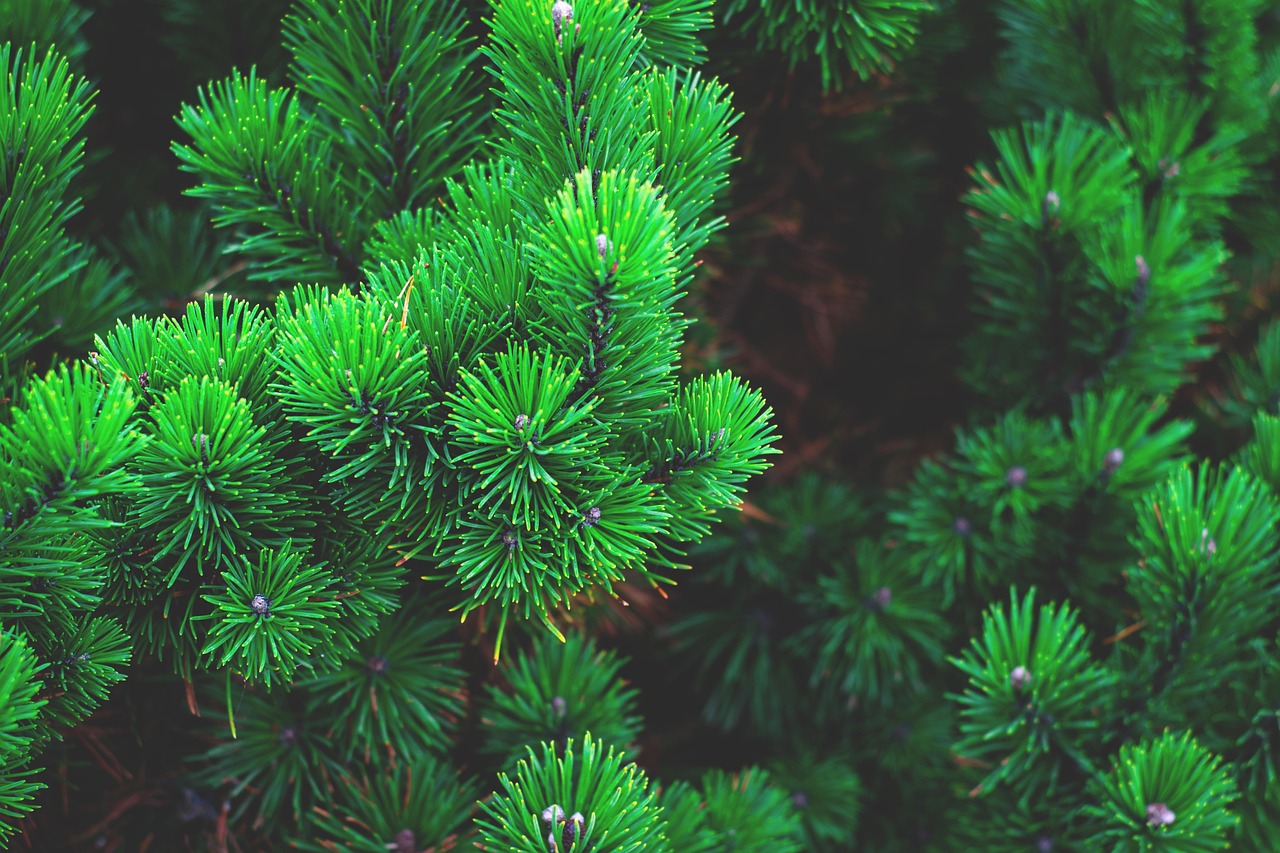
The air is thinner here, but the rewards are ancient. This trail features Bristlecone Pines that have survived for over 1,800 years. These trees aren't just old; they are resilient, twisted by centuries of high-altitude winds and lightning. On a clear day, the views from the cliffs here extend all the way to the "Four Corners" region where Utah, Arizona, New Mexico, and Colorado meet. It feels less like a desert and more like a high-alpine forest, with the scent of pine needles replacing the smell of dry dust.
5. Tower Bridge
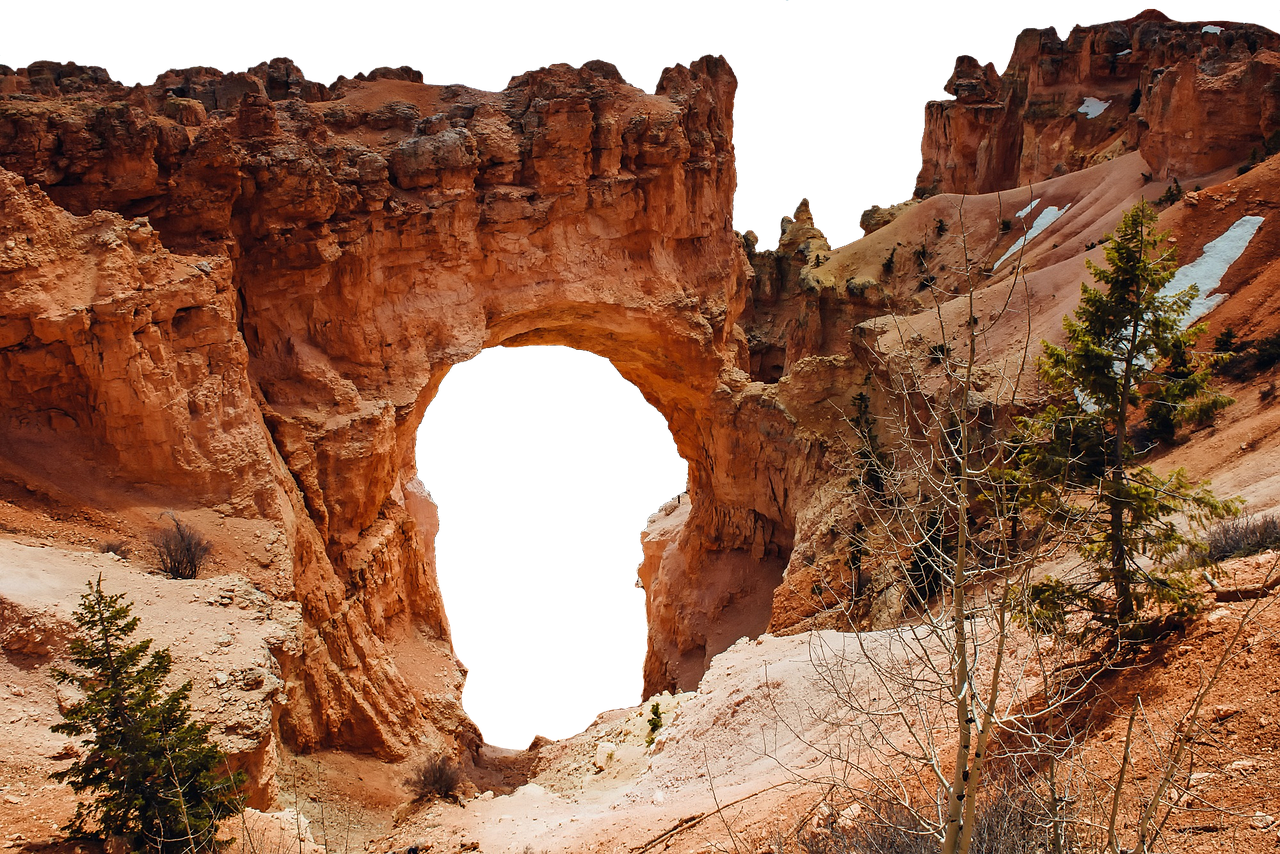
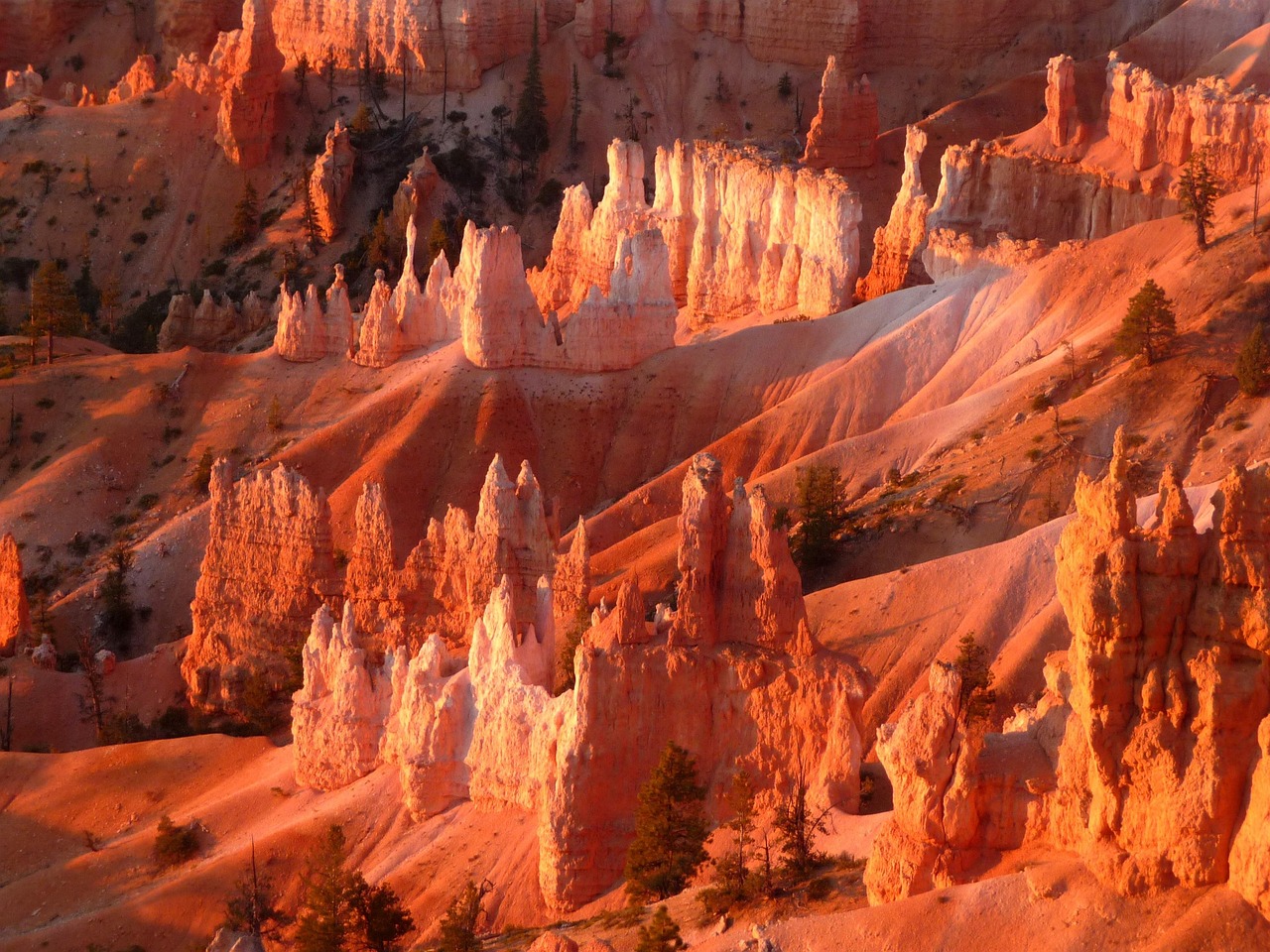
This 3.0-mile moderate trek starts at Sunrise Point and drops you into a valley filled with "Chinese Wall" formations—long, thin fins of rock that look like ancient fortifications. The destination is Tower Bridge, a natural stone arch that looks strikingly like its London namesake. It’s a great mid-range hike if you find the Navajo Loop too crowded but aren't ready for an 8-mile slog.
6. Peekaboo Loop Trail: Deep Canyon Exploration
This is where things get serious. The Peekaboo Loop is a 5.5-mile "rollercoaster" trail. It constantly climbs and descends, taking you through the "Wall of Windows" and the "Cathedral." It’s spectacular, but there’s a catch: it’s a shared trail with the park’s mule tours.
Pro-Tip for 2026: If you hate the smell of mules or stepping around "trail apples," skip this one during the middle of the day. If you do go, yield to the mules. Stand on the uphill side of the trail and remain quiet until the entire string has passed.
7. Fairyland Loop Trail
For the solo hiker seeking peace, the Fairyland Loop is my top pick. It’s an 8-mile commitment that most tourists avoid because it’s not served by the park shuttle. You’ll see the "Tower Bridge" and the "China Wall," but more importantly, you’ll see the canyon without a thousand other people in your selfie. It’s rugged, it’s quiet, and it captures the "off-the-beaten-path" spirit better than any other trail in the park.
8. Sheep Creek / Swamp Canyon
Don't let the name "Swamp Canyon" fool you; it’s not a bog. It’s actually a lush, forested area that feels incredibly secluded. This 4-mile loop is perfect for those who want a "backcountry" experience without actually leaving the trail system. It’s shaded, quiet, and offers a glimpse into the diverse ecosystems that exist within the park's boundaries.
Bryce Canyon Logistics for 2026: Know Before You Go
Planning your 2026 trip requires a bit of savvy to avoid the "congestion crush."
- The Shuttle System: Bryce Canyon’s shuttle is your best friend. In 2026, parking at the major overlooks (Sunset/Sunrise) is nearly impossible after 9:00 AM. Park your vehicle at the Shuttle Station in Bryce Canyon City or at Ruby’s Inn and ride the shuttle in. It’s free with your park pass and drops you right at the trailheads.
- Entrance Fees: Expect to pay around $35 per vehicle (unless you have the "America the Beautiful" pass).
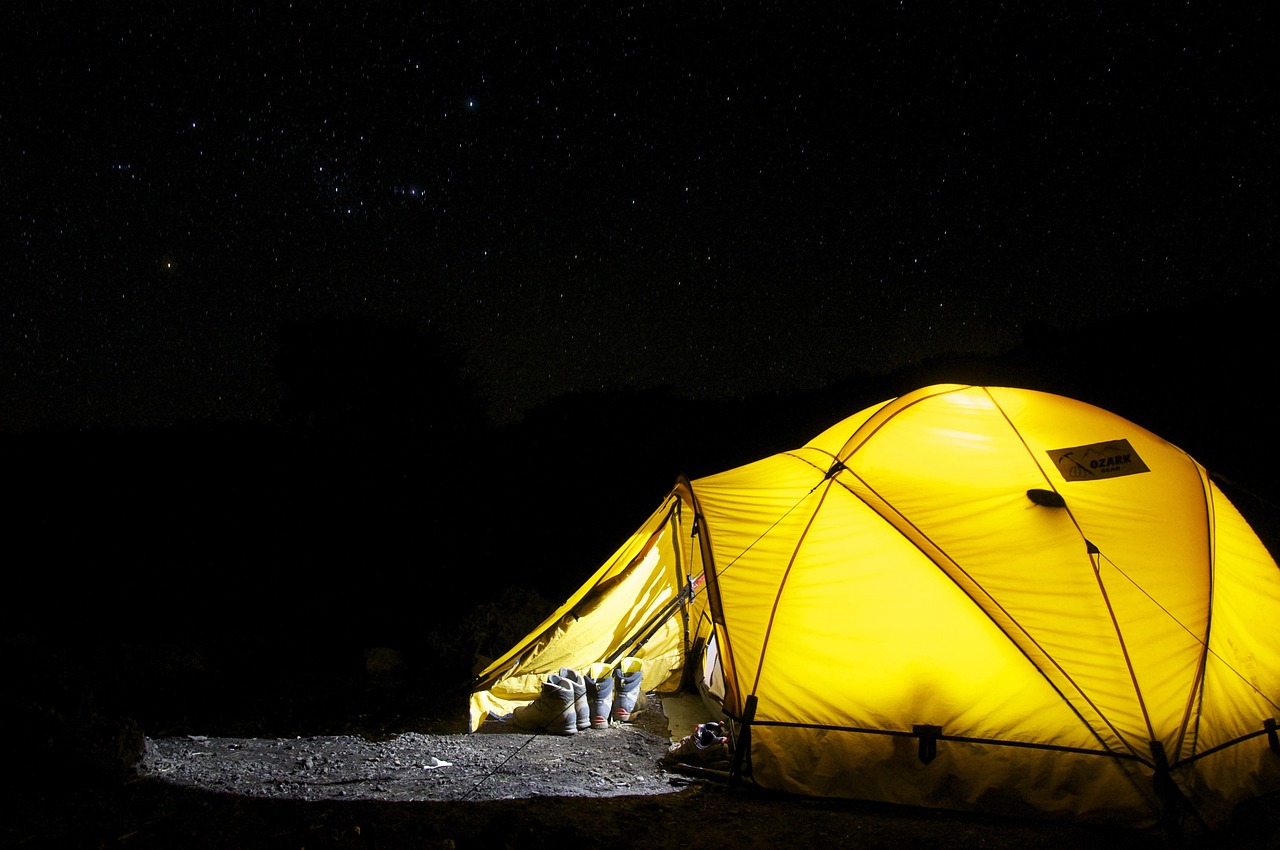
- Where to Stay: If you’re camping, the North Campground is closer to the Visitor Center and often has better shade, while the Sunset Campground puts you right next to the best trailheads. Both fill up months in advance for 2026 dates, so book early on Recreation.gov.
FAQ: Your Bryce Hiking Questions Answered
Is Bryce Canyon better than Zion? It’s different! Zion is about scale and massive cliffs; Bryce is about intricate detail and unique geology. Plus, Bryce is much cooler in the summer, making it a better choice for high-heat months.
Can I hike Bryce Canyon in one day? Yes. You can easily do the Navajo/Queen’s Garden Loop in the morning and Mossy Cave in the afternoon. That covers the "greatest hits."
Do I need hiking boots? I highly recommend them. The trails are covered in "scree" (loose gravel) which is like walking on marbles. Ankle support and good grip make a huge difference.
Pack Your Bags and Get Out There
Bryce Canyon is a place that defies description until you’re standing in the middle of a "silent city" of orange stone. Whether you're chasing the spray of the Mossy Cave waterfall or standing under the massive span of Tower Bridge, this park offers a connection to the Earth that is hard to find elsewhere.
Ready to start your 2026 adventure? Don't wait until the permits are gone.