Quick Facts
- The Route: Start with 3 days of urban sophistication in Cape Town, South Africa, followed by a 6-day immersive safari in Botswana’s Okavango Delta and Moremi Game Reserve.
- The Connection: A seamless 2.5-hour direct flight from Cape Town to Maun serves as the gateway to the wilderness.
- The Experience: Combines ultra-luxury permanent lodges in private concessions with the raw, "leave-no-trace" romance of a professional mobile expedition.
- Best Timing: May to October offers the perfect synergy—Cape Town’s crisp air and Botswana’s peak flood season, ensuring the most dramatic wildlife encounters.
- The Frontier: Botswana remains Africa’s most exclusive destination, utilizing a low-impact, high-value tourism model that preserves the soul of the bush.
There is a specific kind of magic that occurs when the salt-sprayed elegance of the Atlantic coast meets the ancient, rhythmic pulse of the African bush. For the discerning traveler planning for the 2026-2027 season, a 9-day Southern Africa safari isn't just a trip; it is a study in contrasts. To perfectly combine Cape Town and Botswana, one must balance the "electric" energy of a global design capital with the profound, echoing silence of the Okavango Delta.
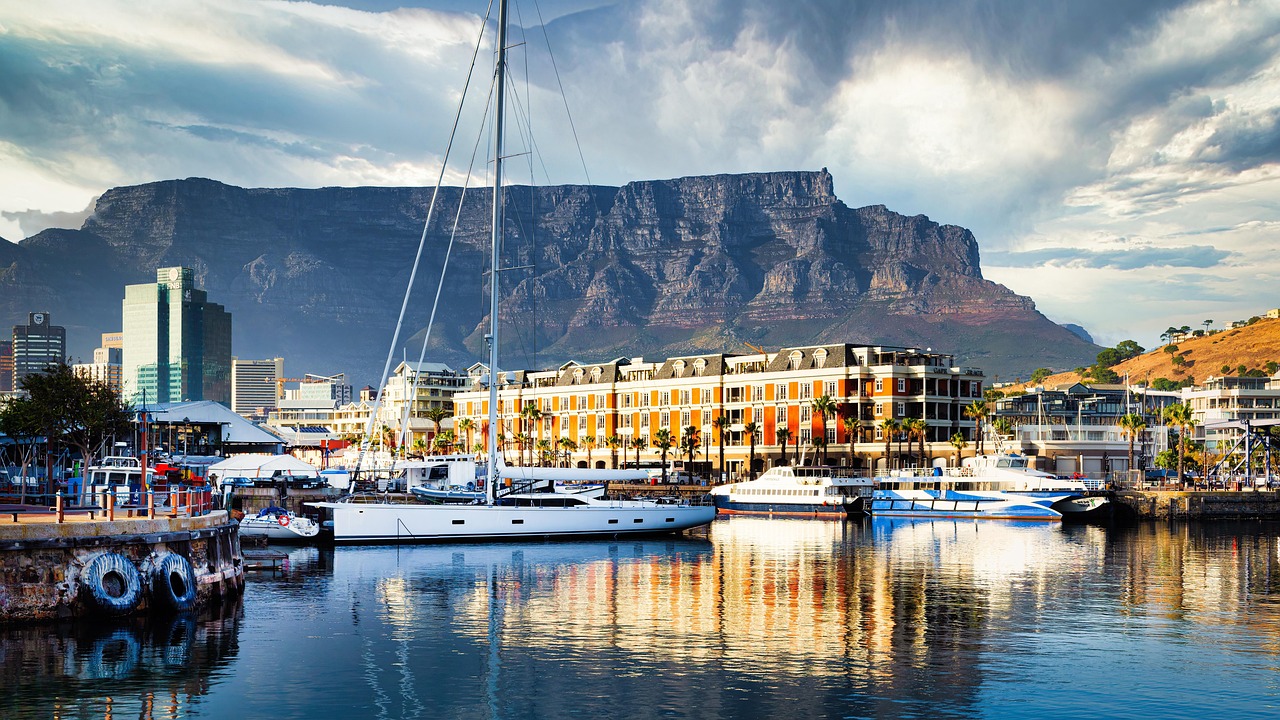
The journey begins in the shadow of Table Mountain, where the world feels curated and vibrant, before transitioning into Botswana—a land where the "leave-no-trace" philosophy is a religion. Here, professional operators like Barclay Stenner craft bespoke mobile camps that follow the migration of the giants, allowing you to inhabit the wilderness rather than just visit it. In an era where "luxury" is often overused, Botswana’s model of low-impact, high-value tourism provides the ultimate exclusivity: space, silence, and a visitor-to-land ratio that makes you feel like the only person on earth.
Why This Itinerary Works: The Best of Both Worlds
Planning a Southern Africa safari often presents a dilemma: the desire for urban refinement versus the thirst for raw adventure. This 9-day itinerary resolves that tension by treating the transition as an art form. You begin at the pinnacle of design—perhaps the Heatherwick Studio-designed Silo Hotel—and end in a canvas tent where the only thing between you and the obsidian night sky is a thin layer of mosquito netting.
The logistical secret to maximizing your nine days is the direct flight from Cape Town to Maun. Rather than losing a day to layovers in Johannesburg, this 2.5-hour leap transports you from a morning cappuccino at the V&A Waterfront to a sundowner overlooking the floodplains by late afternoon. This efficiency allows for a full six days in the bush, split between the permanent luxury of private concessions and the nomadic thrill of a mobile camp.
Days 1-3: Cape Town’s Urban Wild
Cape Town is a city that demands to be felt. Your first three days are a sensory immersion into a landscape where the mountains literally tumble into the sea. Base yourself at the V&A Waterfront for ease, or seek out the boutique charm of Kloof Street to feel the city's creative heartbeat.
- Day 1: The Iconic Ascent: Start with Table Mountain. Instead of the standard cable car, consider a guided hike up Skeleton Gorge to see the rare fynbos flora, or for a touch of nostalgia, hire a vintage motorcycle sidecar to scarf around the curves of Chapman’s Peak Drive.
- Day 2: Coastal Romance: Head to Boulders Beach to visit the African penguins. The trick is to arrive early, before the crowds, to watch these tuxedoed locals navigate the granite boulders. Follow this with a private gin tasting at Hope Distillery, where the botanicals are inspired by the very fynbos you saw on the mountain.
- Day 3: Art and Atmosphere: Spend your final urban morning at the Zeitz MOCAA, the world’s largest museum of contemporary African art. It provides a necessary cultural context for the continent you are about to explore more deeply.
The Transition: Flying to the Delta
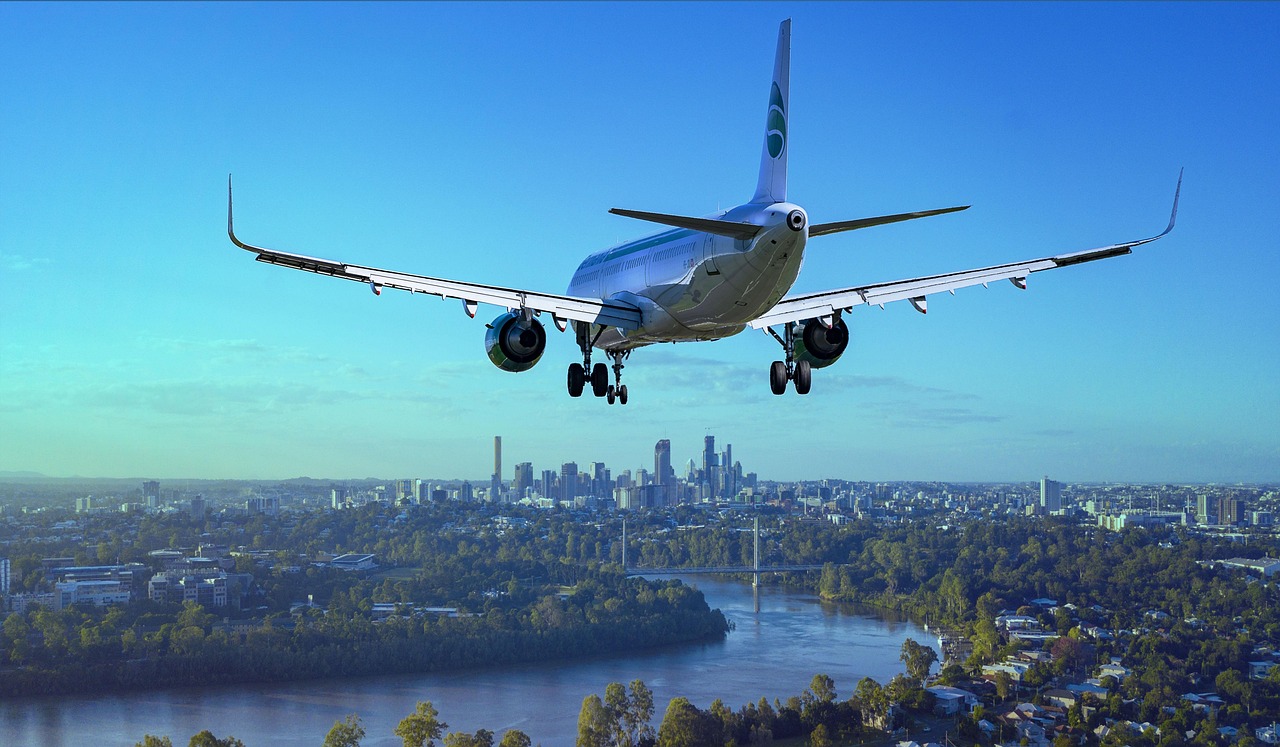
The journey from Cape Town to Maun is one of the most visually arresting flights in Africa. As the light aircraft ascends, you watch the rugged peaks of the Western Cape give way to the arid expanses of the Kalahari, before the landscape begins to fracture into the emerald veins of the Okavango Delta.
Pro-Tip: The Right Seat When flying into Maun, try to secure a window seat on the left side of the aircraft. As you approach the Delta, you’ll get your first glimpse of the "miracle of the water"—where the Kavango River empties into the sand, creating a labyrinth of lagoons that support one of the densest wildlife populations on the planet.
Days 4-6: The Heart of the Okavango (Permanent Luxury)
Upon landing in Maun, a light bush plane will whisk you into a private concession, such as Duba Plains. These concessions are the crown jewels of Botswana tourism. Unlike national parks, these private areas—often exceeding 33,000 acres—are leased by a single operator, ensuring a visitor-to-land ratio significantly lower than traditional park boundaries. You won't find a queue of vehicles here; you will find lions.
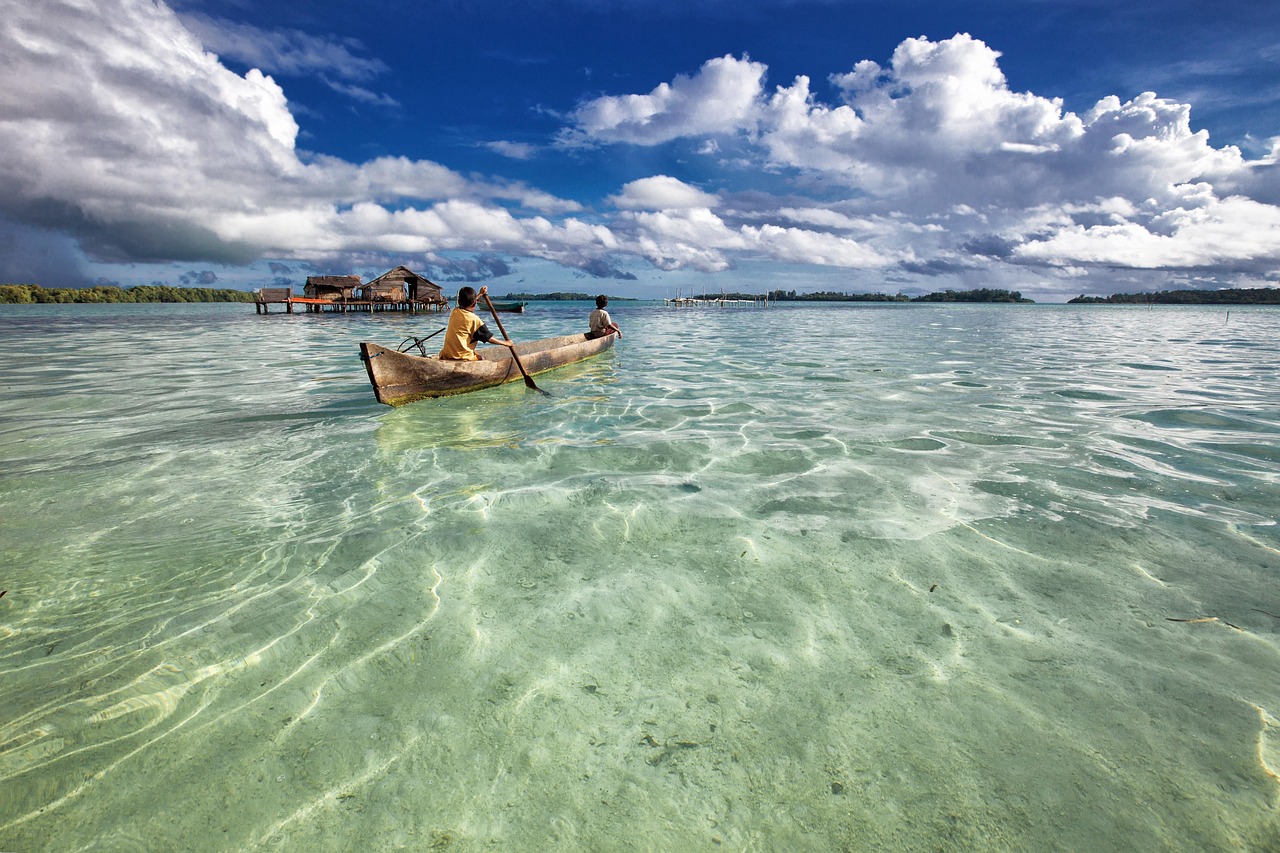
The Okavango is a world of water. One of the most transcendent experiences is the Mokoro excursion. Drifting in a traditional dugout canoe, your poler guides you through narrow channels lined with papyrus. The only sounds are the drip of water from the pole and the distant, rhythmic grunt of a hippo.
From a scientific perspective, the Delta is a marvel. Expert conservationists here point out that 98% of the region’s extant wildlife species possess unique evolutionary adaptations specifically for survival in these seasonal floodplains. You might see lechwe (a water-loving antelope) leaping through the shallows or lions that have learned to swim to track their prey.
Days 7-9: Moremi Game Reserve (The Mobile Safari Experience)
For the final three days, we transition from the permanent to the nomadic. A mobile safari is the "Low-Impact, High-Value" model in its purest form. Operators like Barclay Stenner set up luxury tented camps in the Moremi Game Reserve, positioned precisely where the wildlife action is highest.
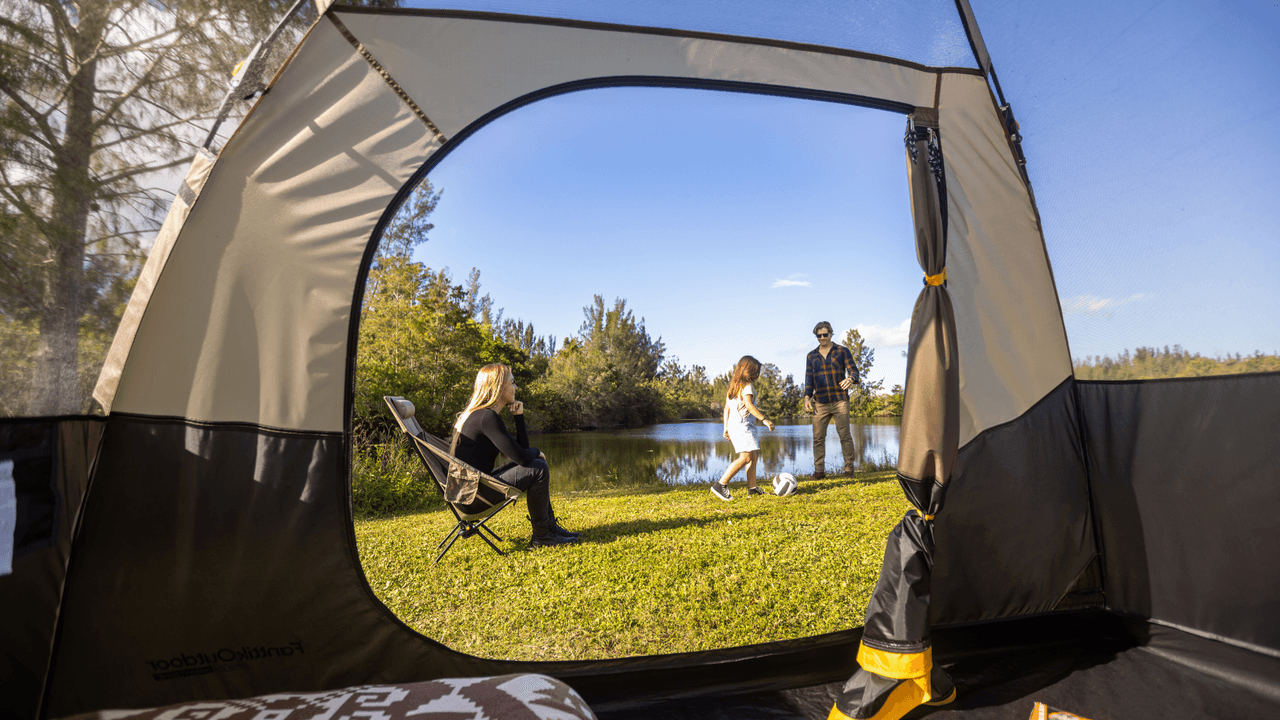
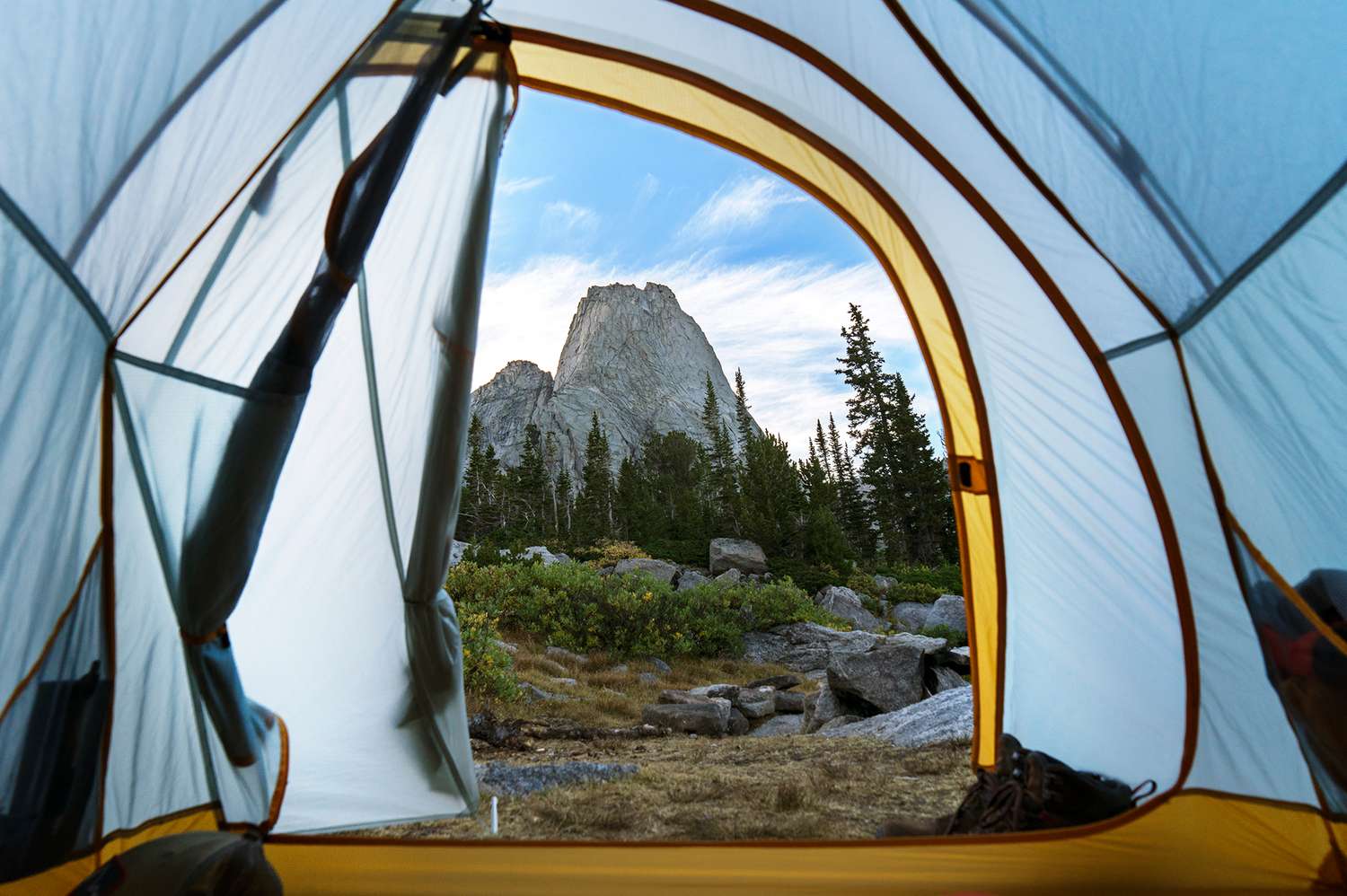
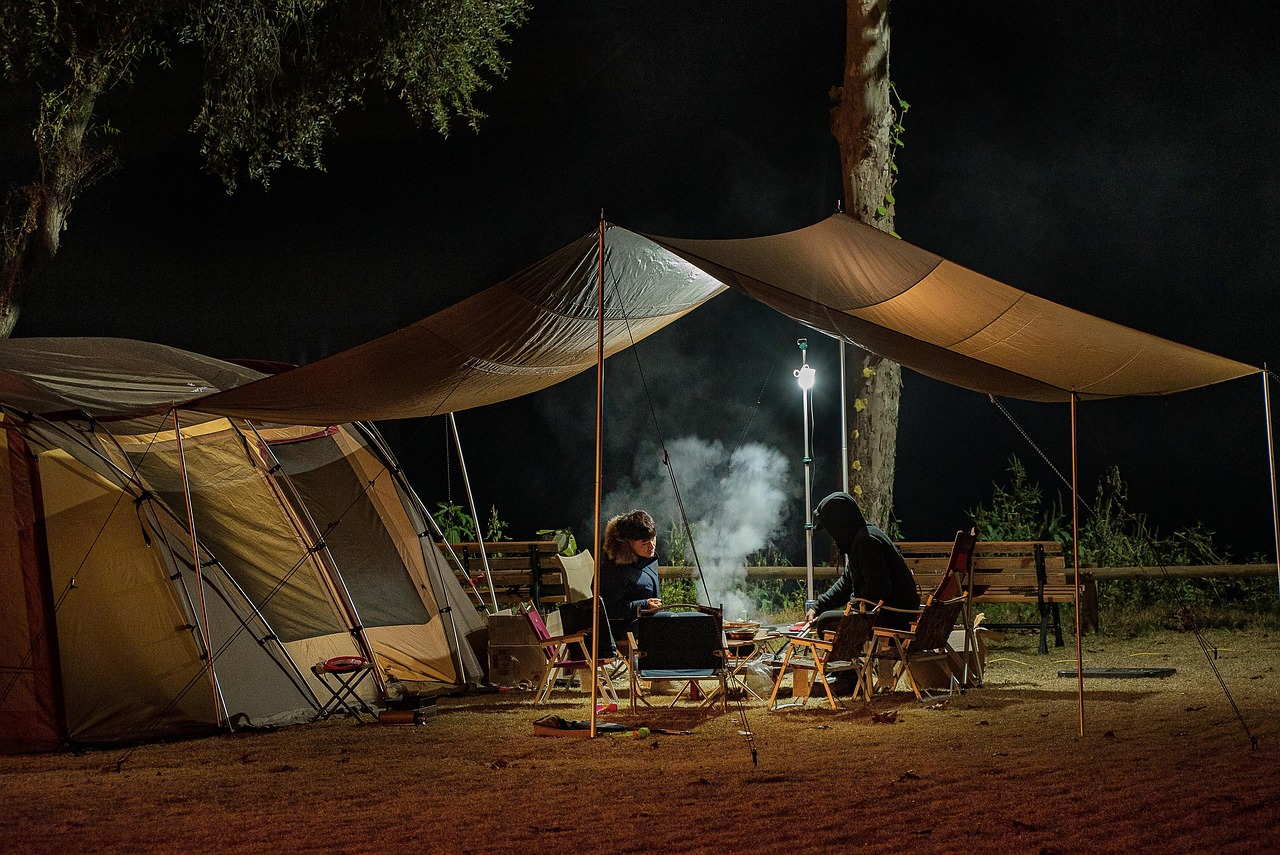
A mobile expedition is not "camping" in the traditional sense. You wake to the scent of wild sage and fresh coffee, served outside your tent. Your "room" features fine linens, ensuite bathrooms with bucket showers (the height of bush luxury), and "barely-there" mosquito netting that allows you to fall asleep while stargazing at the Milky Way.
The thrill of an unfenced camp is visceral. At night, the sounds of the bush are amplified. You might hear the saw-like rasp of a leopard patrolling the perimeter or the splashing of elephants in a nearby pool. It is a profound reminder that here, you are the guest in their world.
The final days are spent on intensive predator tracking. With no fences and expert guides who read the "newspaper of the bush" (the tracks in the sand), you are likely to witness the raw drama of the wild—a pack of African wild dogs on the hunt or a pride of lions resting in the shade of an umbrella thorn tree.
Essential Planning Logistics (2026-2027)
When to Go
The sweet spot for this combined 9-day Southern Africa safari is between May and October. This aligns with Botswana’s dry season, when animals congregate around the receding water sources, and the Delta’s floodwaters (originating from Angola months earlier) are at their peak.
Permanent Camp vs. Mobile Safari
| Feature | Permanent Luxury Lodge | Mobile Expedition Camp |
|---|---|---|
| Structure | Timber, stone, and thatch; permanent. | High-quality canvas; temporary. |
| Location | Fixed private concessions. | Follows seasonal wildlife hotspots. |
| Amenities | Plunge pools, gyms, wine cellars. | "Bucket" showers, campfires, stars. |
| Vibe | Sophisticated, stationary comfort. | Raw, intimate, and nomadic. |
| Sustainability | High-end eco-tech. | Zero-footprint; "leave-no-trace". |
Cost Breakdown
- Entry-Level / Group Mobile: Expect to pay around $400–$600 per day. These use more basic camps but offer the same incredible wildlife access.
- Mid-Range Boutique: Roughly $700–$900 per day, combining 4-star Cape Town hotels with quality Botswana lodges.
- Ultra-Luxury: $1,500–$3,000+ per day. This includes iconic stays like The Silo and private mobile expeditions with legendary guides.
Explore Barclay Stenner Expeditions →
FAQ
1. Is 9 days enough for both Cape Town and Botswana? Yes, provided you use the direct Cape Town to Maun flight. Spending 3 days in the city and 6 in the bush is the ideal ratio to experience the highlights without feeling rushed.
2. Is a mobile safari safe? Absolutely. While the camps are unfenced, you are accompanied by professional guides who are experts in animal behavior. At night, you remain in your tent, and the animals generally view the structure as a solid object to be avoided.
3. What should I pack for a 2026/2027 safari? Stick to neutral tones (khaki, olive, beige) to blend in. Because of the small bush planes, luggage is usually restricted to 15-20kg in soft-sided bags. Don't forget a high-quality pair of binoculars and a camera with at least a 300mm zoom lens.
The allure of Southern Africa lies in its ability to make you feel both incredibly small and deeply connected to the world. Whether you are watching the sun set behind the silhouette of Table Mountain or listening to the heartbeat of the Okavango from a canvas tent, this 9-day journey is an invitation to witness the extraordinary.
Ready to curate your 2026 expedition? The wilderness is waiting.