Quick Facts
- The Masterpiece's Birthplace: Bruce Springsteen wrote the majority of his seminal 1975 album Born to Run, including "Thunder Road" and "Backstreets," in a humble cottage at 7 1/2 West End Court in Long Branch, New Jersey.
- The Band's Namesake: The E Street Band takes its name from E Street in Belmar, New Jersey. The group rehearsed at the home of original keyboardist David Sancious, located at 1107 E Street.
- The Hallowed Stage: The Stone Pony in Asbury Park is the most iconic Springsteen venue; he has performed there more than 100 times in various capacities since 1974.
- Expert Insight: For those seeking the deepest dive, the 'Rock & Roll Tour of the Jersey Shore' has been providing expertly curated historical tours of these sites for nearly 25 years.
Introduction: The Sound of the Jersey Shore
To understand Bruce Springsteen is to understand the geography of the Jersey Shore. It is a landscape defined by boardwalks and backstreets, by the neon hum of Asbury Park and the quiet, working-class resilience of Freehold. For over five decades, "The Boss" hasn't just been a musician; he has been the region's chief chronicler, turning the salt-sprayed towns of Monmouth and Ocean Counties into a mythic Americana landscape.
Walking these streets isn't just a trip through musical history; it’s a pilgrimage through the settings of some of the greatest stories ever told in rock and roll. Whether you’re a lifelong fan or a curious traveler, this guide traces the evolution of a local hero into a global icon, town by town, lyric by lyric.
1. Freehold: Where It All Began
Before the bright lights of the boardwalk, there was Freehold. This is the town of "My Hometown," a place of textile mills and quiet neighborhoods that shaped Bruce’s blue-collar ethos. While the factories he sang about may be gone, the spirit of the town remains remarkably intact.
Jersey Freeze (120 Manalapan Ave) Long before he was selling out stadiums, a young Bruce Springsteen was a regular at this classic ice cream stand, which has been serving the community since 1952. Legend has it that as a child, Bruce would wait for the "broken cones"—the ones that didn't quite make the cut—which the owners would give away for free. Even today, it’s not uncommon to see the Boss pulling up in a vintage ride for a soft-serve cone.
Lyric Connection: "I was eight years old and running with a dime in my hand / Into the bus stop to pick up a paper for my old man." — "My Hometown"

The Bruce Springsteen Archives & Center for American Music Located on the campus of Monmouth University, this is the future permanent home for Springsteen’s vast legacy. While much of the collection is for researchers, the university frequently hosts public exhibits that showcase rare photographs, handwritten lyrics, and personal artifacts. It is the definitive repository for the "Jersey sound."
2. Belmar: Naming the E Street Band
Belmar is a classic Shore town, known for its wide beaches and fishing boats. For Springsteen fans, however, it represents the moment a group of talented local musicians became a legendary unit.
10th Avenue & E Street The intersection of 10th Avenue and E Street is perhaps the most famous crossroad in New Jersey music history. It was here, in the early 1970s, that the band would gather at the home of David Sancious, the original keyboardist for the E Street Band. Sancious lived at 1107 E Street, and the band’s late-night rehearsals in his mother's garage became the stuff of local legend.
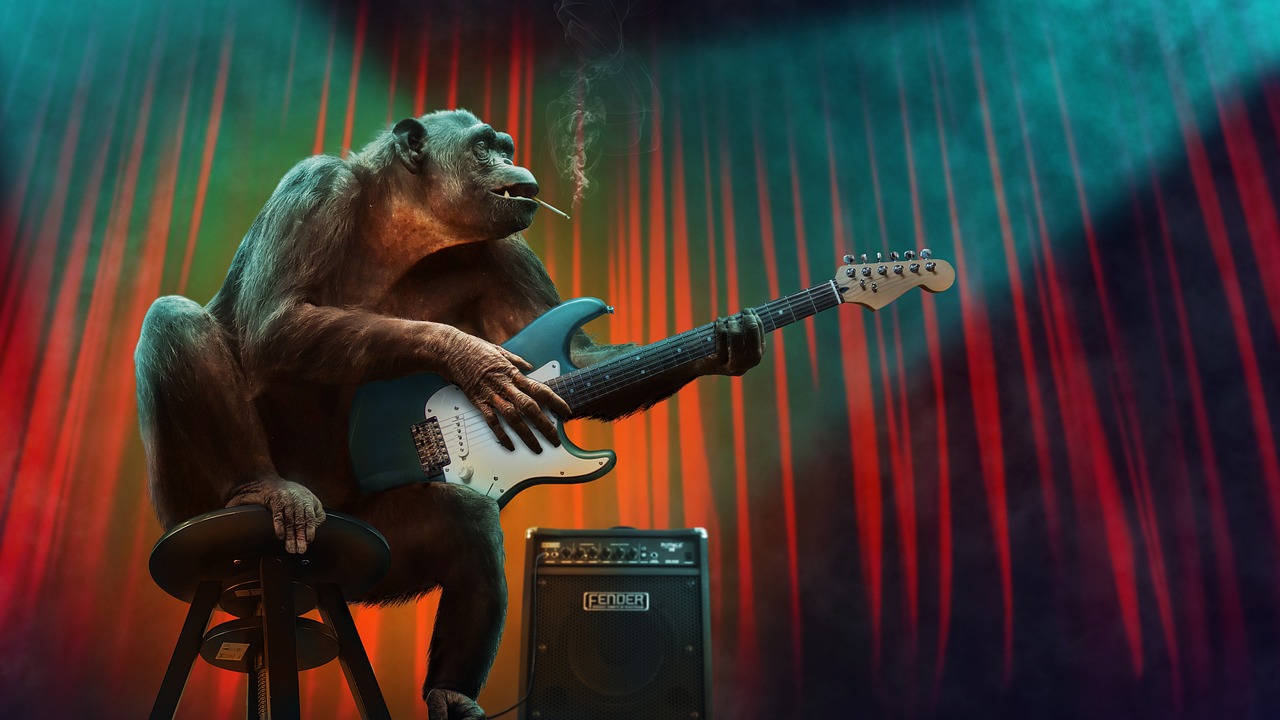
When the time came to name the group during the recording of The Wild, the Innocent & the E Street Shuffle, they looked no further than the street sign outside. Today, the town honors this history with an 8-foot-tall replica Fender Esquire guitar sculpture right at the intersection—it is the essential "photo op" for any fan on a pilgrimage.
| Landmark | Significance | Address |
|---|---|---|
| E Street House | Original rehearsal space and band namesake | 1107 E Street, Belmar |
| Guitar Sculpture | 8-foot tribute to the E Street Band | 10th Ave & E St, Belmar |
3. Asbury Park: The Epicenter of the Legend
Asbury Park is the soul of the Jersey Shore. Once a grand Victorian resort, then a gritty, decaying city, and now a revitalized cultural hub, its history mirrors Bruce’s own career. This is where he found his voice and his "big brother" in Clarence Clemons.
The Stone Pony (913 Ocean Ave) You cannot talk about Springsteen without talking about the Pony. Since opening in 1974, this "gritty" venue has been Bruce’s home away from home. He has made more than 100 unannounced guest appearances here, often jumping on stage with local bands or performing benefit shows. It’s also where he first met his wife and fellow band member, Patti Scialfa.

Madam Marie’s Temple of Knowledge On the boardwalk, you'll find a small, colorful booth that belonged to the real Madam Marie (Marie Castello), the fortune teller Bruce immortalized in his 1973 hit. She predicted great things for the young musician, and the booth remains a functioning piece of boardwalk history, now run by her descendants.
Convention Hall & The Wonder Bar The massive Convention Hall that juts out over the Atlantic has served as the rehearsal space for many of Bruce’s world tours. Look for the "Greetings from Asbury Park" mural nearby, which pays homage to his debut album. Just a few blocks away is The Wonder Bar, famous for its "Tillie" mural (the smiling face that has become a symbol of the city) and its legendary Sunday afternoon jam sessions where Bruce has been known to drop in.
Pro Tip: Keep an eye on the "Stone Pony Summer Stage" schedule. Even if Bruce isn't playing, the outdoor atmosphere with the ocean breeze and the history in the walls is the quintessential Shore experience.
4. Long Branch: Writing the Masterpiece
While Asbury Park was where Bruce played, Long Branch was where he worked. Specifically, it was where he spent the grueling months crafting what many consider the greatest rock album of all time.
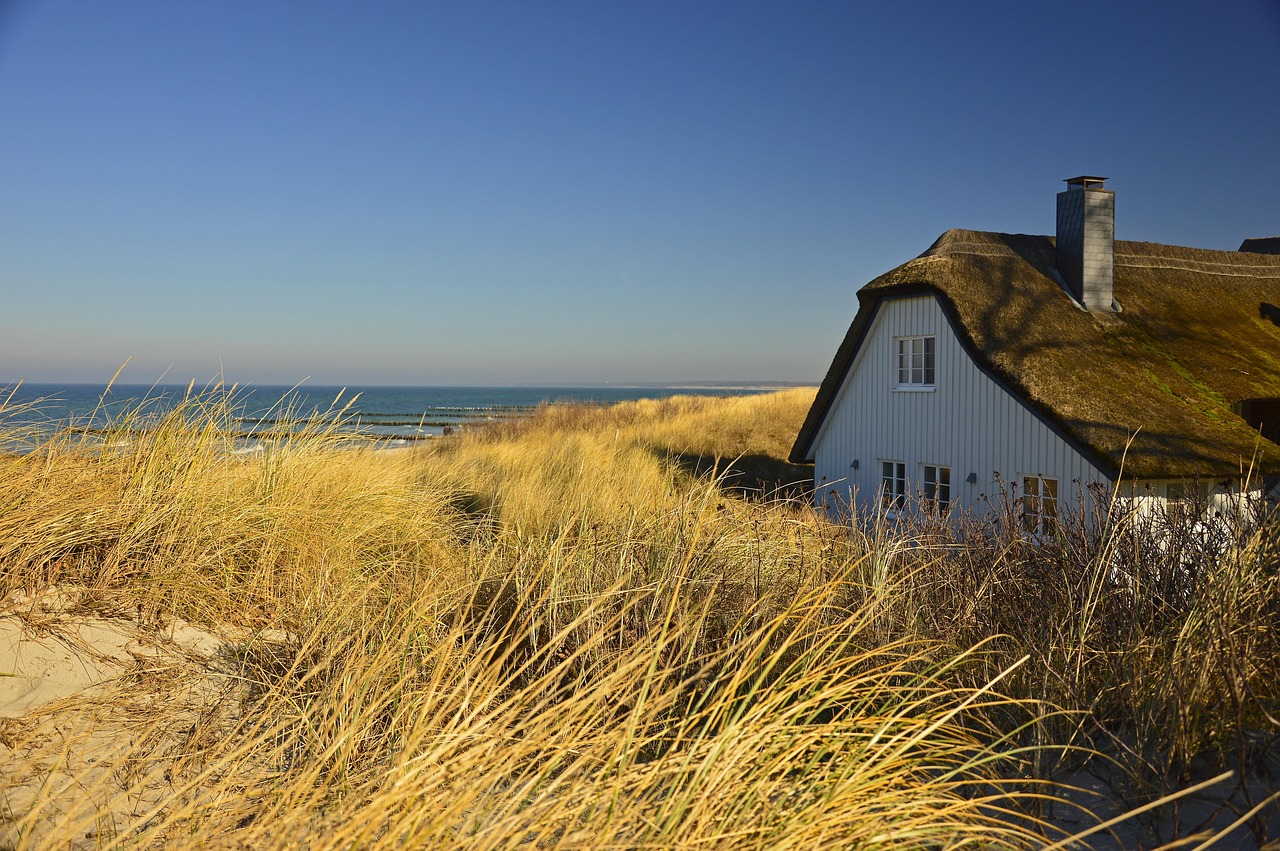
7 1/2 West End Court In 1974, Springsteen moved into a small, nondescript white cottage in Long Branch. It was here, sitting at a piano in a cramped living room, that he wrote "Thunder Road," "Backstreets," "Jungleland," and the title track of Born to Run. He lived here during the most pivotal transition of his life—moving from a local favorite to a national phenomenon.
Long Branch Arts & Cultural Center Long Branch is fiercely proud of this history. The town frequently hosts exhibits at the Long Branch Arts & Cultural Center, including recent celebrations of the 50th anniversary of Born to Run. The town’s West End district still maintains much of the bohemian, beach-town vibe that Bruce enjoyed in the mid-70s.
5. Manasquan: The First Legal Drink
Just south of Belmar lies Manasquan, a town with a more residential, family-oriented feel, but home to a legendary nightlife spot.
The Osprey (201 1st Ave) This classic Jersey Shore nightclub is the site of a very specific piece of Springsteen lore: it’s where Bruce reportedly had his first legal shot of tequila. The high-energy, sweaty atmosphere of the Osprey served as the inspiration for the "Seaside Bar Song," capturing the frantic energy of summer nights on the coast.
6. Atlantic City: From Lyrics to Reality
Traveling further south to Atlantic City, the mood shifts. If Asbury Park represents the romanticism of the Shore, Atlantic City represents its cinematic grit.
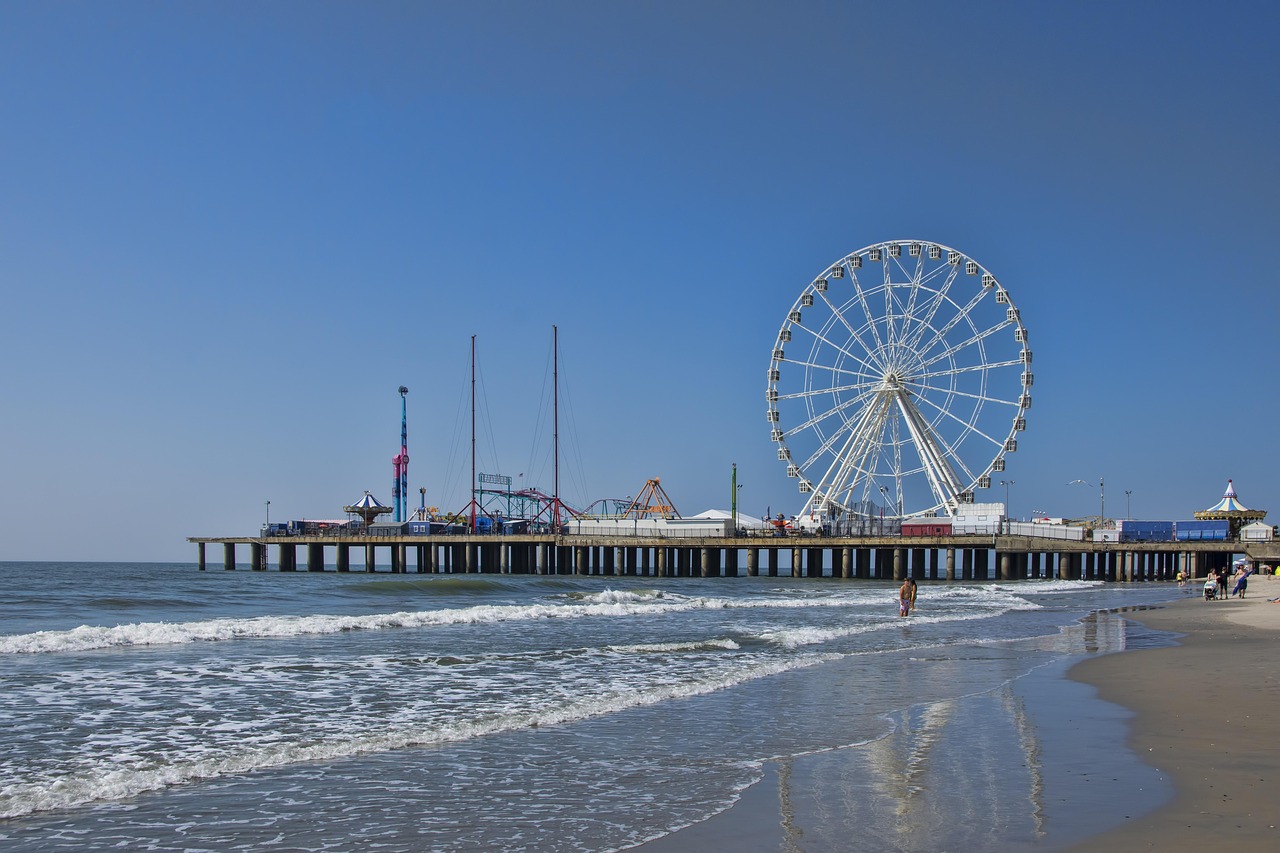
The Boardwalk & Iconic Casinos Bruce’s 1982 song "Atlantic City" is a haunting masterpiece about the struggles of the working class against the backdrop of the gambling industry. Fans can still walk the boardwalk and see locations featured in the iconic music video, including Caesars and the remnants of the old casinos. To get a taste of the old Atlantic City Bruce sang about, head to Steel’s Fudge for a boardwalk snack or Dock’s Oyster House, a local institution since 1897.
7. Planning Your Pilgrimage
A true Springsteen tour of the Jersey Shore requires more than just a map; it requires a sense of timing and a bit of local knowledge.
- The Professional Route: If you want the stories behind the stories, consider The Rock & Roll Tour of the Jersey Shore. Led by Stan Goldstein and Jean Mikle, who have been documenting this history for 25 years, these tours offer access and anecdotes you simply can't find on your own.
- Best Time to Visit: While summer is when the Shore is "alive," true "Springsteen weather" happens post-Labor Day. The crowds thin out, the air gets a bit crisper, and the parking in Asbury Park becomes much easier. It’s the perfect time to walk the boardwalk with Tunnel of Love playing in your headphones.
- Transportation: Driving is essential to cover the distance from Freehold to Atlantic City, but once you are in Asbury Park or Belmar, a bicycle is the best way to navigate. Cruising down Ocean Avenue on two wheels allows you to soak in the architecture and the ocean air that inspired so many lyrics.
FAQ
Can I go inside the house at 7 1/2 West End Court? No, the cottage is a private residence. Fans are encouraged to view it from the street and be respectful of the current residents' privacy.
How much does the Rock & Roll Tour cost? Pricing varies depending on whether you choose the 2-hour or 4-hour option, typically ranging from $50 to $100 per person. Private group tours are also available.
Is The Stone Pony open every day? The Stone Pony is primarily a concert venue. It is generally open on nights when there are scheduled performances. However, the legendary "Summer Stage" hosts many events throughout the warmer months.
Conclusion
The Jersey Shore isn't just a place Bruce Springsteen is from; it is a character in his music—a landscape of hope, heartbreak, and "the promised land." To visit these landmarks is to see the scaffolding of a legendary career. Whether you’re standing in the quiet shadow of a cottage in Long Branch or feeling the floorboards shake at the Stone Pony, you aren't just looking at history—you're feeling the enduring rhythm of the Shore. As the Boss himself would say, the door's open, but the ride it ain't free. It’s time to start your engine.