Quick Facts
- Relaunch Date: The Amtrak Cascades service officially resumes its full international route between Seattle and Vancouver, B.C., on September 26.
- The Route: A 200-mile odyssey through the heart of the Pacific Northwest, featuring stops in Edmonds, Everett, Stanwood, Mount Vernon, and Bellingham.
- Pricing: One-way coach tickets for the peak fall foliage season start as low as $45, offering an affordable alternative to the I-5 corridor.
- Onboard Highlights: 100% of the Bistro car's menu features products grown or produced within the Pacific Northwest, from regional wines to local hard ciders.
The Return of the PNW's Most Scenic Journey
There is a specific rhythm to the Pacific Northwest that is best experienced at ground level, where the mist clings to the evergreens and the tide of the Salish Sea dictates the mood of the shoreline. For more than two years, a vital artery of this regional experience was severed as cross-border rail service between the United States and Canada remained suspended. This autumn, however, the silence along the northern tracks is finally ending. The return of the Amtrak Cascades service between Seattle’s King Street Station and Vancouver’s Pacific Central Station marks more than just a logistical restoration; it is the revival of one of North America’s most evocative travel experiences, timed perfectly for the arrival of the "shoulder season" gold.
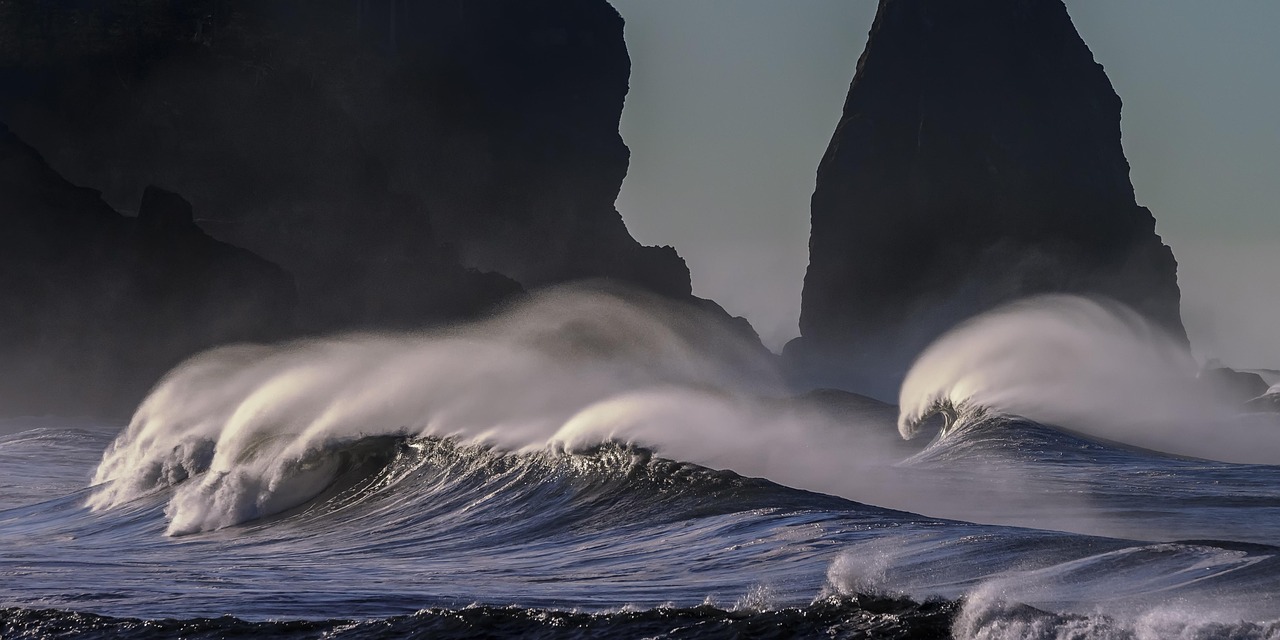
The journey covers approximately 200 miles of diverse terrain, weaving through a landscape that feels both rugged and curated by nature. As we look toward the fall of 2026, this route stands out as a premier choice for those seeking to witness the changing of the seasons without the stress of navigating border traffic or the monotony of highway driving. The Amtrak Cascades is not merely a mode of transport; it is a moving gallery of the region's most stunning natural formations, from the craggy peaks of the Cascade Mountains to the salt-sprayed flats of the Puget Sound.
Key Service Details and Relaunch Timeline
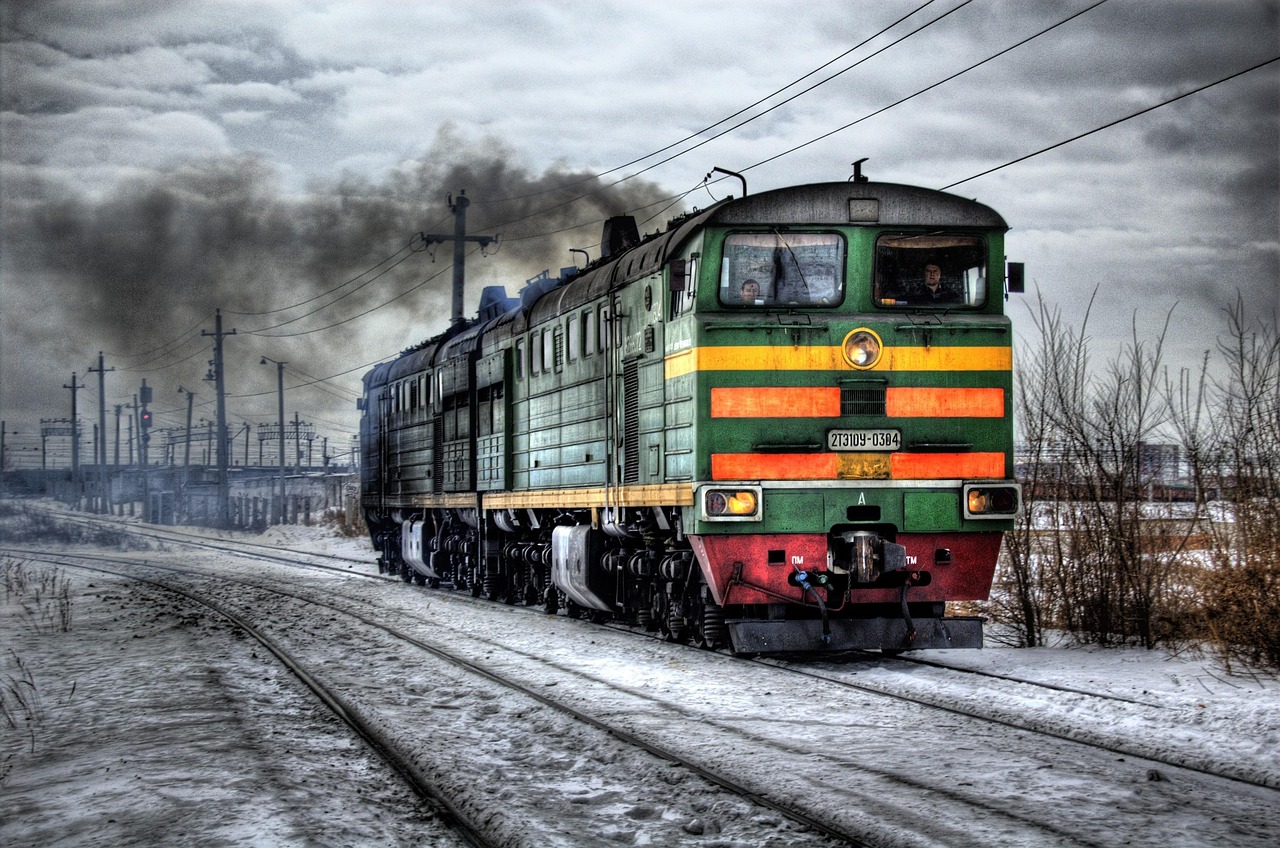
The anticipation surrounding the September 26 relaunch is palpable among regional travelers and international tourists alike. Initially, the service will operate with one daily roundtrip, providing a strategic morning departure from Seattle and a late afternoon return from Vancouver. This schedule is designed to maximize daylight hours, ensuring that passengers spend the bulk of their four-hour journey bathed in the soft, autumnal light that defines the region.
The route is punctuated by five key stops in Washington state before crossing the 49th parallel:
- Edmonds: A charming seaside town offering immediate views of the ferry terminal.
- Everett: A hub of industrial history and the gateway to the North Cascades.
- Stanwood: The stop for those looking to explore Camano Island.
- Mount Vernon: Famous for its tulip fields in spring, but a gateway to pastoral fall beauty in October.
- Bellingham: A vibrant university city where the forest literally meets the sea.
While the current focus is on the Seattle-to-Vancouver leg, the Amtrak Cascades service also extends south through the Columbia River Gorge to Portland and Eugene, Oregon. While those segments have remained operational, the restoration of the northern link completes the "Cascadia Corridor," allowing for a seamless rail vacation that could span from the Willamette Valley all the way to British Columbia.
Fall Foliage Highlights: What to See from the Window
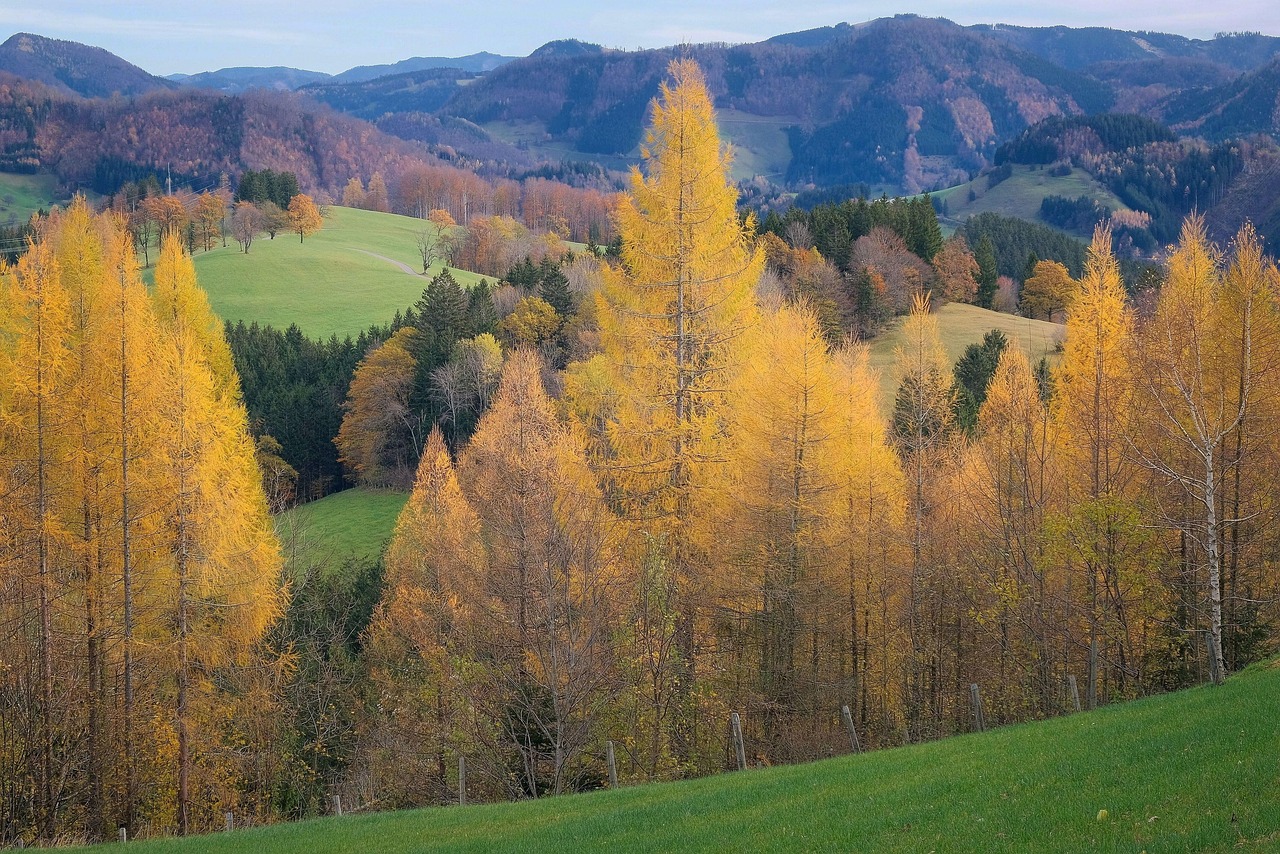
Traveling by rail offers a perspective that no other medium can match. Because the tracks often hug the coastline or cut through private timberlands inaccessible by car, passengers are treated to a "backstage pass" of the Pacific Northwest. In late September and throughout October, the region undergoes a dramatic transformation. The deep, perennial greens of the Douglas firs and Western Red Cedars provide a steady backdrop for the deciduous stars of the season: the Bigleaf Maples and Vine Maples.
As the train glides north, keep your eyes pressed to the "Picture Windows." The transition begins in the lowlands, where the maples turn a brilliant, buttery yellow. In the distance, the snowy peaks of the Olympic Mountains rise across the Sound, often framed by a dramatic, moody sky. Further north, near Bellingham, the "craggy Cascade Mountains" dominate the eastern horizon, their higher elevations already dusted with the first "termination dust" of snow, while the valleys below glow with crimson and gold.
Pro Tip: For the best coastal views when traveling north from Seattle, request a seat on the left side of the train (the west side). This ensures an unobstructed view of the Puget Sound and the Olympic Peninsula for the first half of the trip.
Beyond the flora, the fall season is a prime time for wildlife spotting. It is not uncommon to see bald eagles perched on the weathered pilings of old piers or, if you are particularly lucky, the dorsal fins of Southern Resident orcas or humpback whales breaking the surface of the Salish Sea—a sight that remains possible through late October.
Onboard Experience: A Taste of the Pacific Northwest
The Amtrak Cascades experience is intentionally distinct from the standard long-haul routes found elsewhere in the country. The equipment itself—often featuring the sleek, European-style Talgo trainsets—is designed for comfort and stability on the winding tracks of the coast. The seats are notably roomier than those in coach class on an airplane, featuring ample legroom, fold-down trays, and individual power outlets.
However, the true heart of the train is the Bistro Car. In a move that celebrates regional pride, 100% of the food and beverage offerings in the Amtrak Cascades Café Car are grown, brewed, or produced in the Pacific Northwest. This is not your standard "train food." Instead, travelers can indulge in:
- Regional Sips: Local hard ciders from Washington orchards, sparkling wines from the Willamette Valley, and craft beers from Seattle and Portland breweries.
- Local Bites: Artisanal cheeses, locally sourced smoked salmon, and pastries from regional bakeries.
- Sustainable Sourcing: A commitment to reducing the carbon footprint of the dining service by keeping the supply chain within the Cascadia region.
The Bistro Car features a standing area with panoramic windows, making it the social hub of the train. It is the perfect place to strike up a conversation with a fellow traveler over a glass of Washington Syrah while the Skagit Valley farmsteads roll by outside.

Planning Your Trip: Pricing and Booking
One of the most compelling arguments for choosing the train over a rental car or a short-hop flight is the cost-to-convenience ratio. With one-way coach tickets starting at just $45, the Amtrak Cascades is one of the best values in North American travel. When you factor in the rising cost of fuel and the notorious unpredictability of the I-5 traffic through Everett and the Canadian border, the four-hour rail journey becomes even more attractive.
Booking is straightforward, but given the high demand for the autumn foliage season, it is advisable to secure tickets at least three to four weeks in advance. Travelers can choose between Coach Class and Business Class. Business Class offers additional legroom, priority boarding, and a voucher for the Bistro Car, providing a slightly more elevated experience for a modest price increase.
Book Your Fall Foliage Trip on Amtrak →
The journey concludes at Vancouver’s Pacific Central Station, a historic terminal located just minutes from the city's vibrant Gastown district and the scenic seawall of Stanley Park. Arriving by train allows you to bypass the often-lengthy car queues at the Peace Arch border crossing, as customs and immigration are handled directly at the station in a streamlined process.
Cross-Border Travel Essentials
While the return of the rail service simplifies travel, crossing an international border still requires careful preparation. Travelers should ensure they have all necessary documentation ready before arriving at King Street Station or Pacific Central Station.
- Identification: A valid passport, PASSPORT Card, or Enhanced Driver’s License (EDL) is required for all passengers.
- ArriveCAN: While requirements have fluctuated over the years, it is currently recommended to check the latest ArriveCAN app status for Canadian entry. Most travelers find that pre-clearing their information speeds up the process significantly.
- Customs Protocol: On the northbound journey, you will clear Canadian customs upon arrival in Vancouver. On the southbound trip, U.S. Customs and Border Protection (CBP) officers typically conduct inspections at the Vancouver station prior to boarding, meaning you can step off the train in Seattle and head straight to your hotel.
FAQ
When is the best time to see the peak fall colors on the Amtrak Cascades? While the season varies slightly each year, the "sweet spot" is typically between the second week of October and the first week of November. During this window, the maples are at their most vibrant, and the mist of the early rains adds a classic "Pacific Northwest Gothic" atmosphere to the landscape.
Can I bring my bike or pet on the Amtrak Cascades? Yes, but both require advanced reservations. The Cascades route is particularly bike-friendly, featuring specialized racks for those looking to cycle through Stanley Park or the Interurban Trail in Bellingham. Small pets are also welcome in carriers for a nominal fee, provided the journey is under seven hours.
How does the train compare to driving in terms of time? On a day with zero traffic, driving from Seattle to Vancouver takes about 2.5 to 3 hours. However, with border wait times often exceeding 60 minutes and heavy congestion in the Everett and Marysville areas, the train's consistent 4-hour schedule is often faster and infinitely more relaxing.
Start Your Autumn Adventure
There is something inherently romantic about the rails, a sense of connection to a slower, more deliberate way of moving through the world. As the Amtrak Cascades returns to its full northern glory, it invites us to stop squinting at the brake lights of the car in front of us and instead look out the window at the majesty of the Pacific Northwest. Whether you are a local looking for a weekend getaway in British Columbia or a visitor seeking the quintessential autumn experience, the tracks are calling. Pack a light sweater, grab a seat in the Bistro car, and let the Cascades show you the season as you've never seen it before.