Quick Facts
| Category | Information |
|---|---|
| Ideal Duration | 3 Days (perfect for coastal icons, the hinterland, and local culture) |
| Best Time to Visit | Spring (Sept-Nov) and Autumn (March-May) for sunny, mild weather |
| Must-Visit Spots | Cape Byron Lighthouse, Wategos Beach, The Farm, Julian Rocks |
| Marine Protection | Cape Byron Marine Park covers 22,000 hectares of protected ecosystem |
| Luxury Stay Icon | Raes on Wategos (recently expanded from 7 to 18 boutique suites) |
Introduction: The Haute-Boho Utopia
It’s 6:00 AM at Wategos Beach. A steady stream of salt-crusted longboarders are picking their way across the doughy sand, eyes fixed on the green troughs of the Pacific. There is a specific, quiet hum here—a frequency that seems to exist only at this exact longitude. This is Byron Bay, a place that has spent the last five decades evolving from a sleepy dairy port and whaling station into Australia’s most celebrated haute-boho utopia.
For the modern traveler, the question is often whether the "magic" has survived the influx of Hollywood A-listers and high-end boutiques. The answer is a resounding yes, provided you know where to look. Byron is no longer just a destination; it is a state of mind that bridges the gap between rugged coastal wilderness and sophisticated luxury.
How many days should I spend in Byron Bay? Three days is the perfect duration to experience the iconic lighthouse walk, soak in the legendary surf culture, and explore the lush, rolling hills of the hinterland.
When is the best time to visit Byron Bay? While summer brings the heat and the crowds, Spring (September to November) and Autumn (March to May) offer the most sublime balance. You’ll find crystal-clear waters, consistent swells, and a gentle sun that makes the 3.7km coastal walk a pleasure rather than a sweat-drenched endurance test.
Day 1: Coastal Icons and Lighthouse Sunsets
We begin where the land ends. Byron’s geography is defined by its protrusion into the sea—Cape Byron is the easternmost point of the Australian mainland, a fact that lends the town an energetic, "first light" atmosphere.
Morning: Main Beach and Clarkes Beach Stroll
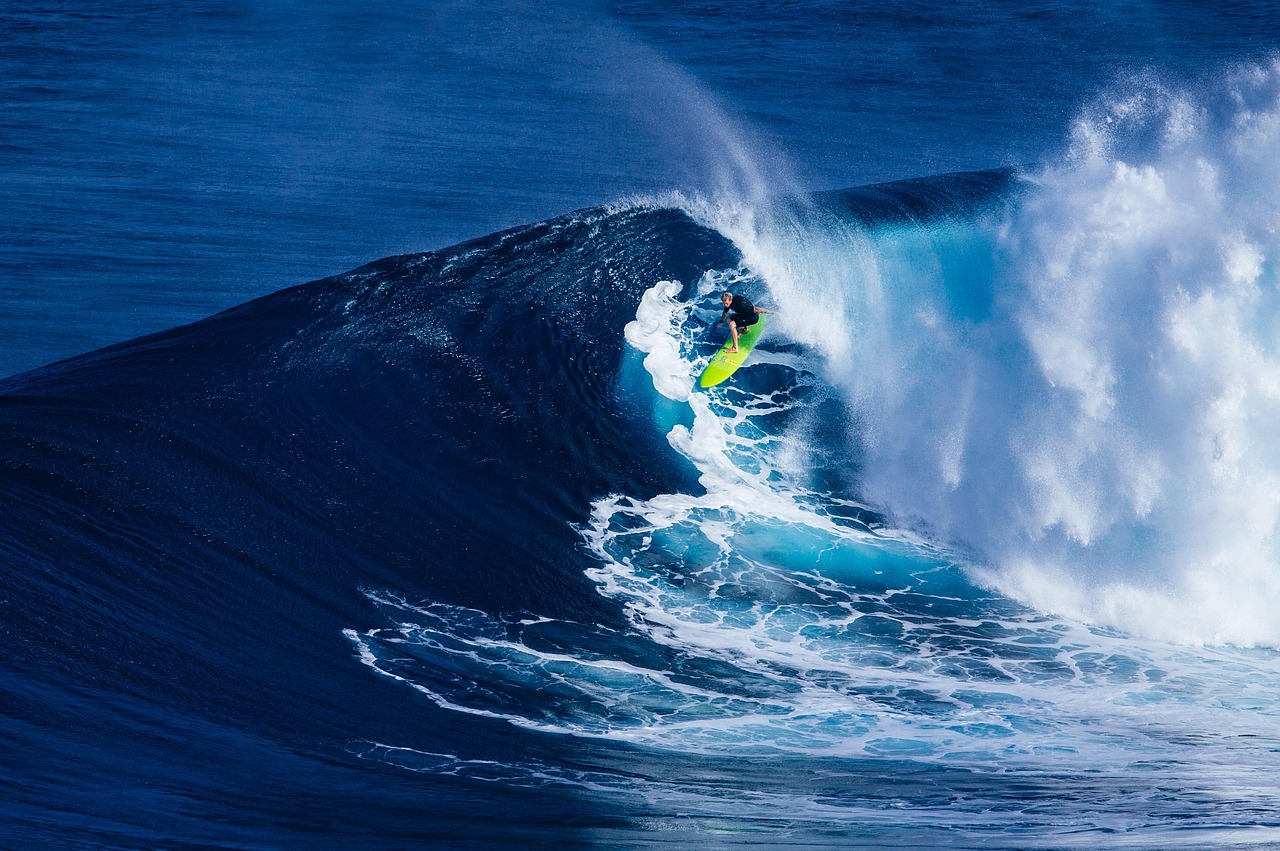
Start your morning at Main Beach. This is the town’s communal living room. Even if you aren't a surfer, the gentle, consistent swells here are magnetic. For beginners, the waves at Clarkes Beach offer a soft introduction to the sport that defines this town’s DNA.
Mid-Day: The Pass & Fisherman’s Lookout
Walking east from Main Beach, you’ll reach The Pass. This is perhaps the most famous longboard break in the world. Watch the "party waves" where multiple surfers share a single long ride, then climb the stairs to Fisherman’s Lookout for a panoramic view of the coastline. For lunch, The Pass Cafe serves sustainable bowls and some of the best coffee in the Northern Rivers, tucked right into the coastal scrub.
Afternoon: Wategos Beach & The Cape Byron Walking Track
Wategos Beach is the epicenter of Byron’s coastal chic. It’s a sheltered cove where the forest meets the sea, lined with some of the country’s most coveted real estate. From here, join the Cape Byron Walking Track. This 3.7km loop trail is a sensory feast; look out to the sea to spot resident bottlenose dolphins or, if you’re visiting between May and November, the breaching silhouettes of migrating Humpback whales.
Late Afternoon: Cape Byron Lighthouse
Standing 118 meters above sea level, the Victorian-era Cape Byron Lighthouse is an architectural marvel. The white tower has stood guard since 1901, and as the sun begins to dip behind the Mount Warning (Wollumbin) caldera in the distance, the light here turns a dusty, nostalgic gold.
Insider Tip: Don't just drive to the top. The walk from Wategos up to the lighthouse allows you to feel the transition from the humid forest air to the salt-whipped breeze of the cliffs.
Day 2: The Green Behind the Gold (The Hinterland)
While the coast is Byron’s face, the hinterland is its soul. Just a fifteen-minute drive inland, the landscape shifts from turquoise to emerald.
Morning: Farm-to-Fork at 'The Farm'
Start your second day at The Farm, a 32-hectare working farm located on the edge of town. This isn't just a restaurant; it’s an education in sustainable living. The onsite eatery, Three Blue Ducks, pioneered the field-to-fork movement in the region. After a breakfast of local sourdough and farm-fresh eggs, wander through the macadamia orchards and say hello to the heritage-breed pigs.

Mid-Day: Killen Falls & Bangalow Village
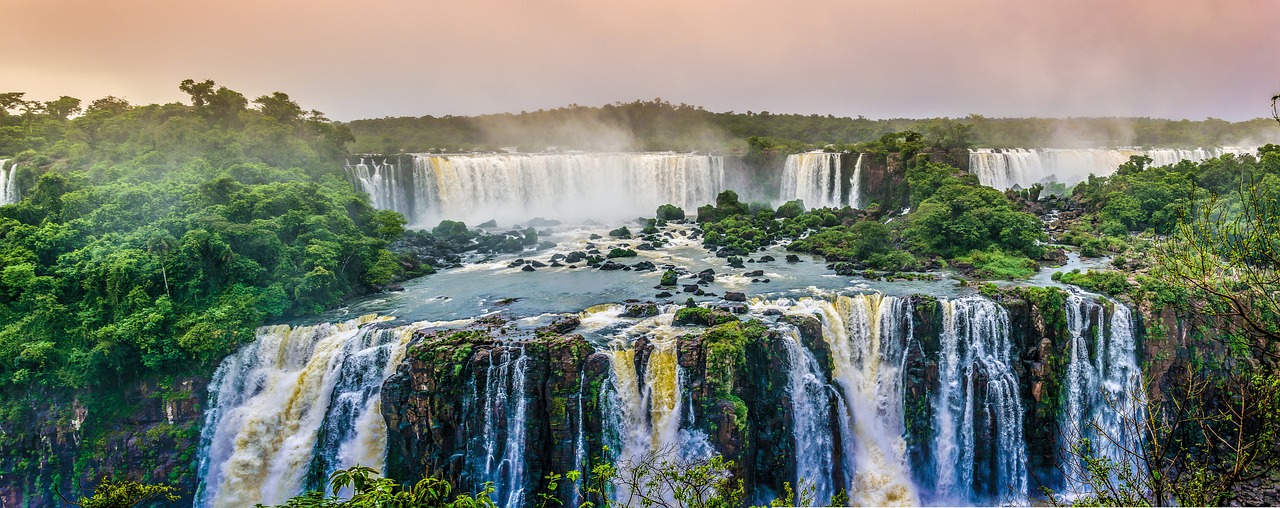
Drive twenty-five minutes inland to Killen Falls. Here, a short walk through the rainforest leads to a dramatic waterfall cascading into a prehistoric-looking swimming hole. It is the perfect antidote to the salt and sand of the previous day.
Follow this with a visit to Bangalow. This historic village feels "frozen in time" with its 19th-century streetscape, yet the interiors of its shops are cutting-edge. It’s the place to hunt for artisanal ceramics or high-end French night creams.
Afternoon: Cape Byron Distillery
Nestled in the heart of a restored rainforest is the Cape Byron Distillery. They produce Brookie’s Gin, infused with 17 native botanicals found on their property. Taking a guided "Gin Walk" through the rainforest is an essential Byron experience, blending spirits with botanical education.
Evening: Sunset at Tallow Beach
Return to the coast but head to the "other side." Tallow Beach stretches as far as the eye can see toward Broken Head. It is the local’s favorite—a wild, unmanicured stretch of sand where the sunsets are vast and the crowds are non-existent.
Day 3: Marine Wonders & Industrial Chic
The final day is about diving deep—literally—into the local ecosystem and exploring the creative "New Byron" that has emerged in the town's industrial sector.
Morning: Kayaking with Dolphins or Snorkeling Julian Rocks
The Cape Byron Marine Park is a gargantuan conservation success, protecting 22,000 hectares of diverse marine ecosystems. At its heart lies Nguthungulli (Julian Rocks), a pair of ancient rock formations that host a meeting point for tropical and temperate waters.
Whether you choose to paddle out in a sea kayak to greet the local dolphins or snorkel among sea turtles and grey nurse sharks, the biodiversity here is staggering. It is one of the few places on earth where you can see such a dense concentration of marine life so close to shore.

Afternoon: The Arts & Industry Estate
Byron’s most interesting shopping isn't on the main street anymore. The Arts & Industry Estate is where local designers have built their flagship shrines to minimalist cool.
- St. Agni: The home of refined, understated leather footwear and apparel.
- Nagnata: High-end knitwear and technical studio-to-street wear.
- Zulu & Zephyr: Iconic Australian swimwear.
After shopping, head to Comma, a modern bathhouse that embodies the Byron "slow-living" ethos. A soak in their magnesium hot tubs or a session in the cedar-lined sauna is the ultimate way to decompress.

Late Afternoon: Stone & Wood Brewery
End your journey at the Stone & Wood Brewery. Their Pacific Ale is the unofficial beverage of the Northern Rivers. Tasting a paddle of fresh brews in the sun-drenched hangar where it all started feels like a rite of passage.
Luxury Stays & Destination Dining
The evolution of Byron Bay is perhaps most visible in its hospitality. The town has moved away from basic hostels toward some of the most sophisticated boutique stays in the Southern Hemisphere.
Boutique Accommodations
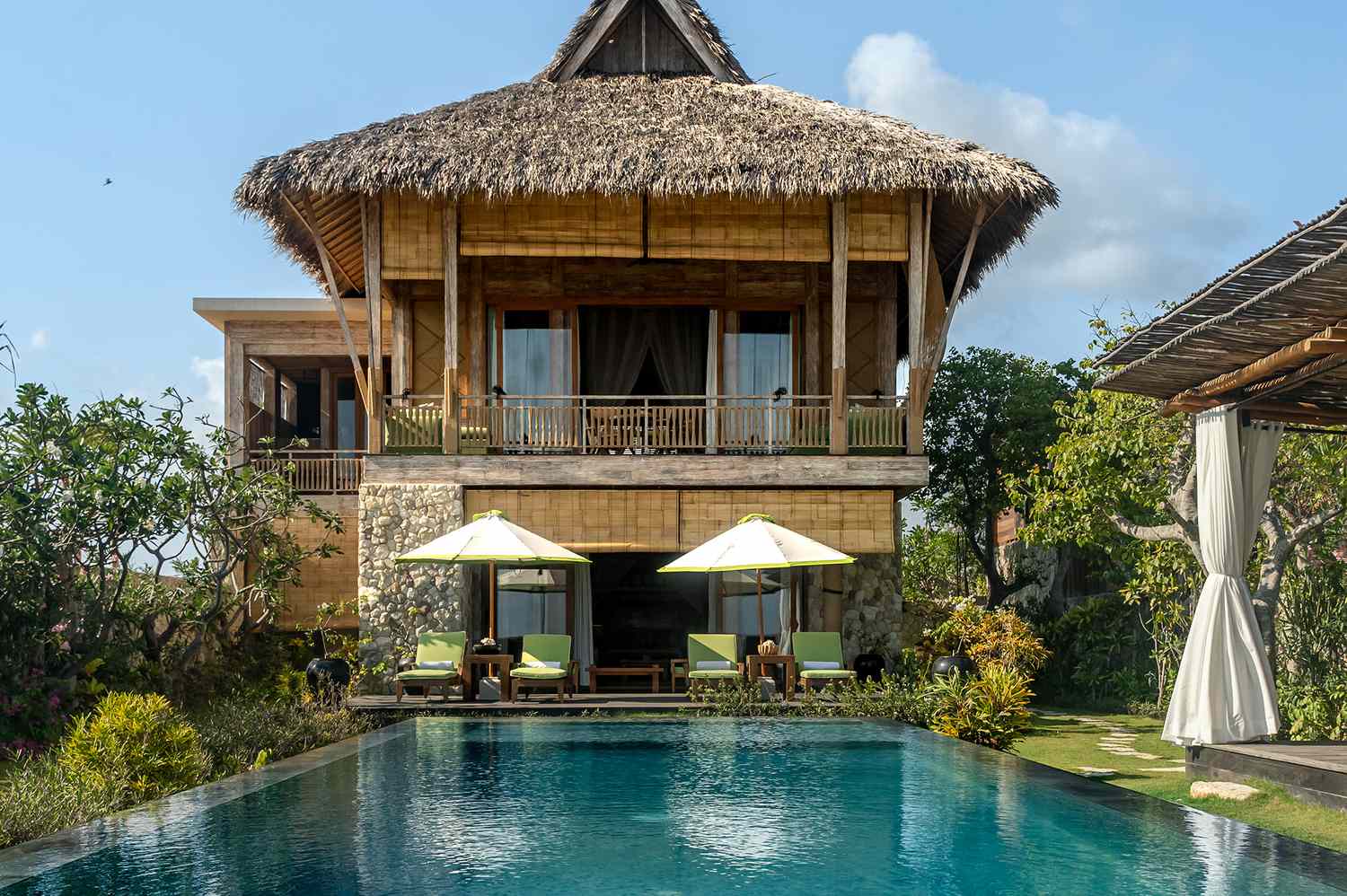
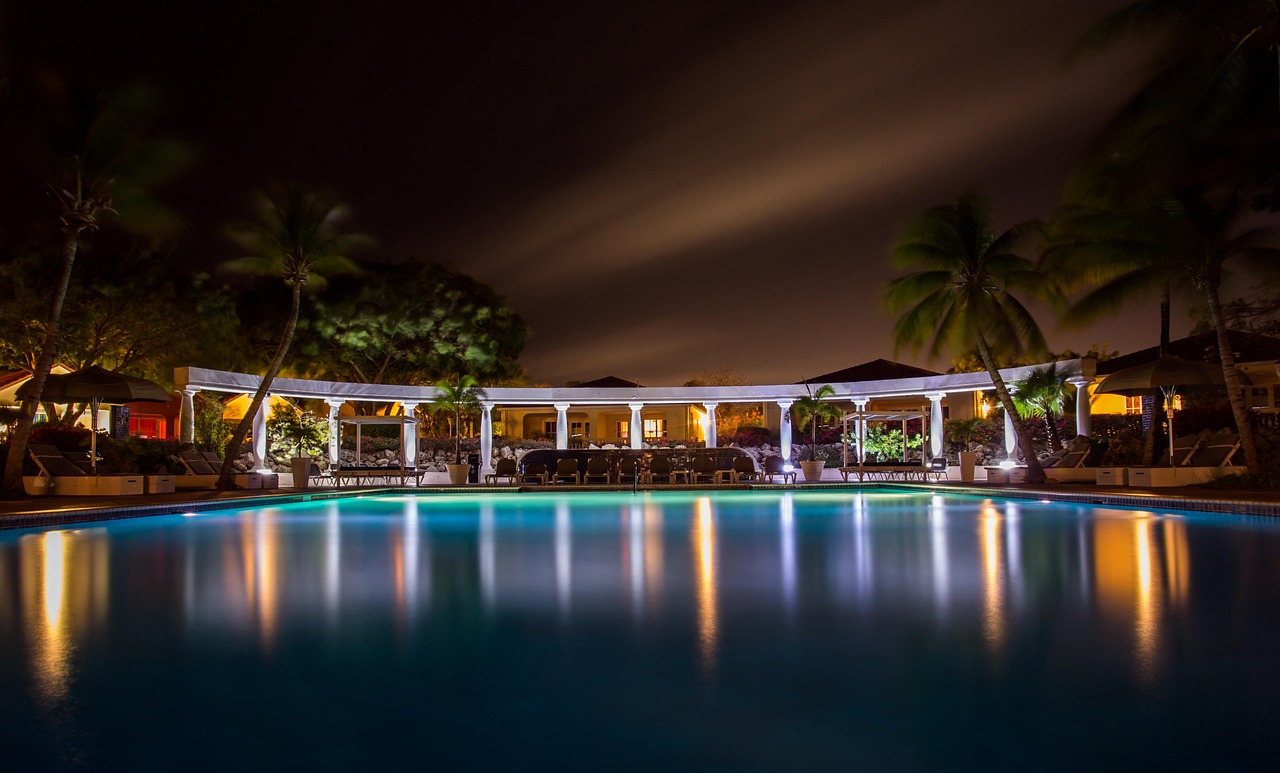
The crown jewel remains Raes on Wategos. To meet the soaring demand for luxury coastal stays, Raes recently increased its capacity by over 150%, expanding from 7 to 18 suites. Each room is a masterclass in "coastal chic," blending Mediterranean aesthetics with the effortless cool of the Byron shoreline.
For those who prefer the hinterland, Sun Ranch is a 55-acre "good-time ranch" that offers a nostalgic, 70s-inspired luxury experience complete with a whiskey bar and a magnesium pool.
Refined Eateries
- Raes Dining Room: Mediterranean-inspired cuisine that makes the most of local seafood.
- Light Years: Buzzy, high-energy pan-Asian dining—the ginger kingfish ceviche is a must.
- Bar Heather: A sophisticated natural wine bar with Italo-disco beats and a focus on small-producer labels.
Essential Byron Bay Travel Tips
- Getting Around: While the town center is walkable, a rental car is essential for exploring the waterfalls and villages of the hinterland. E-bikes are also a popular and eco-friendly way to navigate the coastal tracks.
- Logistics: Most travelers fly into Ballina Byron Gateway Airport (BNK), which is a 30-minute drive south. Alternatively, Gold Coast Airport (OOL) is 45 minutes north and offers more international and domestic flight options.
- Sustainability: Byron prides itself on its environmental stewardship. Bring a reusable water bottle and coffee cup—many local cafes offer discounts for those who eschew single-use plastics.
Plan Your Byron Bay Escape Now →
FAQ
Q: Is Byron Bay too expensive now? A: While luxury options abound, the "best" things in Byron remain free—the sun rising over the lighthouse, the coastal walks, and the pristine beaches. You can balance high-end dining with picnics at the beach to manage costs.
Q: Can I see whales from the shore? A: Yes! The Cape Byron Walking Track is one of the best shore-based whale-watching spots in Australia. From June to October, you are almost guaranteed to see Humpback whales on their annual migration.
Q: Is it safe to swim at the beaches? A: Main Beach and Clarkes Beach are generally patrolled by lifeguards and offer safer conditions for families. Always swim between the red and yellow flags.
Byron Bay has undoubtedly changed since its days as a hippie haven, but its fundamental allure remains. It is a place where you can start your day with a spiritual sunrise and end it with a world-class natural wine, all while feeling the sand between your toes. It’s a haute-boho utopia that, despite its fame, still feels like a secret you’re lucky to be in on.