Quick Facts
- Best Time to Visit: The "sweet spot" occurs during the shoulder seasons of April to May and September to October, offering sunny weather with fewer crowds and lower prices.
- Recommended Duration: First-timers should aim for 9 to 10 days to balance the island’s diverse southern coast and its cultural interior.
- The "Split Stay" Strategy: 85% of first-time visitors opt for a multi-destination itinerary, typically dividing their time between the spiritual hub of Ubud and the southern beaches of Uluwatu or Canggu.
- Budget Hack: Traveling during the shoulder season can save you 30% to 50% on luxury villa rentals compared to the peak months of July and August.
The Island of the Gods Awaits
Bali is a rare geography where the physical landscape is indistinguishable from the spiritual one. Known as the "Island of the Gods," this Indonesian province is a tapestry of ancient Hindu traditions, volcanic peaks, and some of the world’s most dramatic coastline. For the first-timer, the initial arrival can be a sensory whirlwind—the smell of incense from canang sari (flower offerings) on every sidewalk, the rhythmic clanging of gamelan music, and the relentless hum of scooters.
To truly understand Bali, one must move at a slower pace. The best time to visit Bali is during the shoulder seasons of April to May and September to October. These months offer the most reliable weather for exploration while avoiding the logistical gridlock of peak tourism. By planning a 9-day journey, you allow the island to reveal its layers, moving from the limestone cliffs of the south to the emerald-green jungles of the heartland.

When to Go: Weather, Seasons, and Budget Hacks
Timing your Bali trip is less about avoiding "bad" weather and more about choosing the "vibe" of your environment. Bali has two primary seasons: the dry season (April to October) and the rainy season (November to March).
The Shoulder Season "Sweet Spot"
If you are looking for the ultimate balance of affordability and blue skies, April, May, September, and October are your target months. During these windows, the humidity is manageable, the ocean is clear for diving and snorkeling, and the price of luxury accommodation drops significantly.
Recent travel data suggests that travelers visiting during these shoulder seasons can save between 30% to 50% on luxury villa rentals compared to the peak months of July, August, and the Christmas/New Year period. You get the five-star experience at a three-star price point.
The Dynamics of the Seasons
| Month | Weather Condition | Crowds | Price Level | Recommended For |
|---|---|---|---|---|
| April - May | Sunny / Clear | Moderate | Mid-range | Photography & Hiking |
| June - August | Dry / Cool Breezes | High | Peak | Surfing & Nightlife |
| Sept - Oct | Sunny / Warm | Moderate | Mid-range | Cultural Exploration |
| Nov - March | Humid / Rain | Low | Budget | Yoga & Spa Retreats |
The "Lush-Than-Usual" Rainy Season
Don't let the rainy season deter you entirely. From November to March, the rain usually arrives in short, dramatic bursts, leaving the rest of the day warm and sun-drenched. The advantage? The jungles are "lusher than usual," the waterfalls are at their most powerful, and the island’s natural greenery is vibrant. It’s an ideal time for those who prioritize wellness, spa treatments, and the "Eat Pray Love" aesthetic without the crowds.

Planning Your Stay: How Long is Enough?
A common mistake for beginners is trying to see the whole island in five days. Bali moves slowly, both spiritually and logistically. Traffic can turn a 20-kilometer drive into a two-hour ordeal. To fully experience the island’s diversity, first-time visitors should spend at least 9 to 10 days.
The most successful itineraries follow a multi-destination trend. Statistics show that 85% of first-time visitors prefer a split stay, usually moving between the southern peninsula (for beaches and surfing) and the central highlands (for culture and nature). This 9-day guide is designed to minimize travel time while maximizing immersion.
The Ultimate 9-Day First-Timer Itinerary
Days 1-2: Uluwatu – Cliffside Views and Ocean Vibes
Start your journey on the Bukit Peninsula, Bali’s rugged southern tip. Uluwatu is characterized by its towering limestone cliffs and world-class surf breaks. It is significantly drier than the rest of the island, making it a perfect introduction.
- The Experience: Spend your first afternoon at Uluwatu Temple, perched 70 meters above the Indian Ocean. As the sun begins to set, watch the Kecak Fire Dance, a rhythmic performance involving 50+ men chanting in unison without instruments.
- Hidden Gems: Hike down to Suluban Cave (also known as Blue Point) to see the beach tucked beneath massive rock formations. For a more relaxed afternoon, visit Bingin Beach for a fresh seafood dinner on the sand.
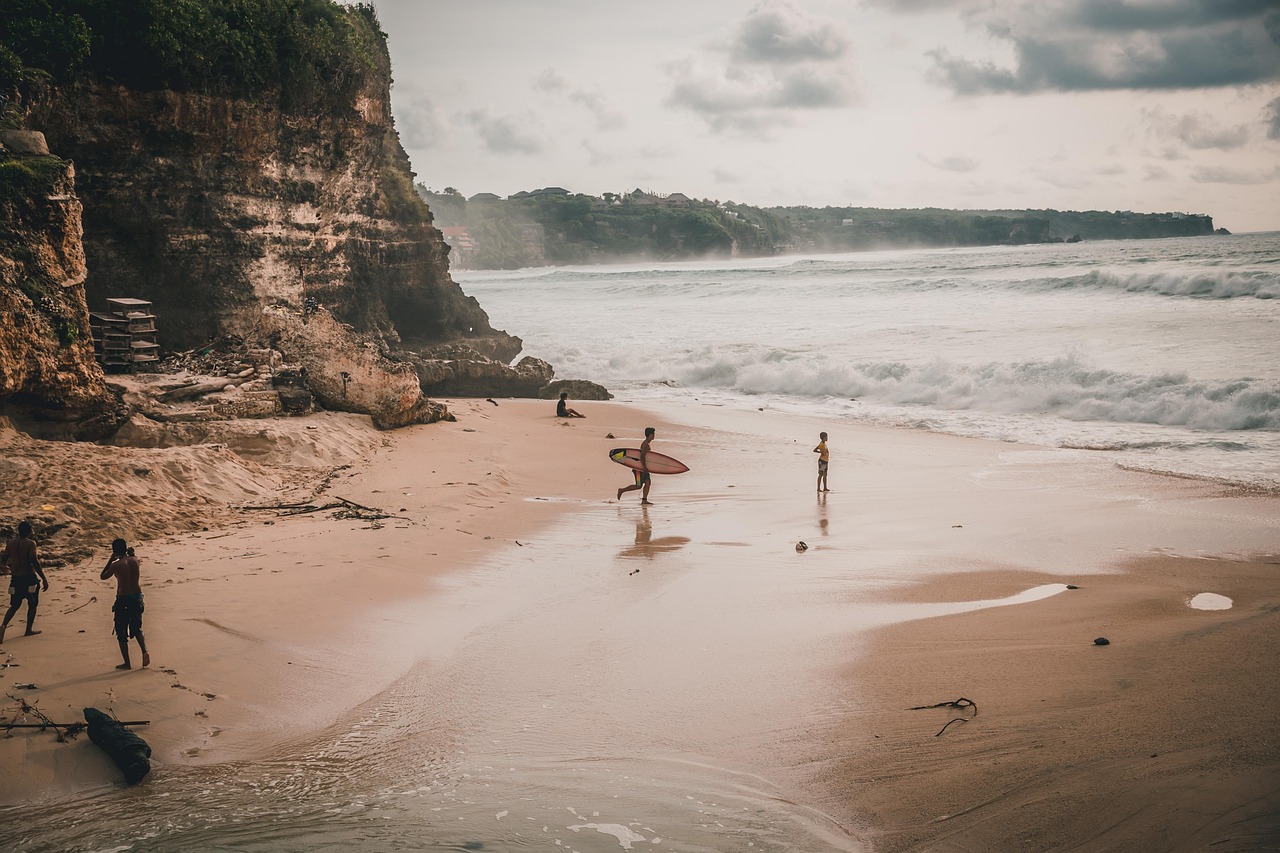
Pro-Tip: Stay in the Uluwatu area to avoid the heavy traffic of Kuta and Seminyak. This allows you to wake up to ocean views and explore the southern beaches before the day-trippers arrive from the north.
Days 3-6: Ubud – Jungles, Temples, and Cultural Heart
Once you’ve soaked up the salt air, head north to Ubud. As you cross into the central highlands, the air turns cooler and the landscape shifts from dry scrub to dense, tropical jungle. This is where you will spend four days diving into Balinese heritage.
Ubud is the epicenter of Balinese art, dance, and spirituality. It is home to the royal family and thousands of working artisans.
- Tegallalang Rice Terraces: These UNESCO-listed terraces are a masterclass in ancient irrigation (Subak). Arrive at 7:00 AM to beat the heat and the crowds.
- Tirta Empul Ritual: Participate in a traditional purification ritual at this holy spring temple. It’s a profound way to connect with local beliefs (ensure you follow the proper dress codes and guidelines).
- Monkey Forest Safety: The Sacred Monkey Forest Sanctuary is a must-see, but respect the inhabitants. Keep your belongings secure, don't feed them, and avoid eye contact to prevent aggression.

For those looking for a wellness reset, Ubud is the global hub for yoga. Whether you're a seasoned practitioner or a beginner, a morning session at The Yoga Barn or Radiantly Alive followed by a traditional Balinese massage is an essential Ubud experience.
Days 7-9: Canggu & Seminyak – Beach Clubs and Surf Culture
End your trip by heading back to the coast, but this time to the western shore. Canggu and Seminyak represent "modern" Bali—a blend of digital nomad culture, high-end boutiques, and legendary beach clubs.
- The Surf & Cafe Scene: Canggu is famous for its "black sand" beaches and beginner-friendly waves at Batu Bolong. Spend your mornings surfing and your afternoons hopping between world-class cafes.
- Sunset Rituals: No trip to Bali is complete without a sunset at a beach club. Whether it’s the architectural marvel of Potato Head in Seminyak or the high-energy Finns in Canggu, these venues offer a sophisticated way to toast the end of your trip.
- Shopping: Seminyak’s "Eat Street" and boutique-lined lanes are the best places to find high-quality linen wear, artisanal jewelry, and home decor to take back with you.

Explore More Bali Destinations →
Essential Bali Survival Guide for Beginners
Navigating the Logistics
- Visa on Arrival (VoA): For 2025-2026, most travelers can obtain a 30-day Visa on Arrival for approximately 500,000 IDR (approx. $35 USD). You can now apply for an e-VoA online before arrival to skip the queues.
- Transportation: Download the Grab or Gojek apps. They are the Southeast Asian versions of Uber and are essential for transparent pricing on taxis and food delivery.
- The Scooter Dilemma: While renting a scooter is cheap (approx. $5/day), only do so if you have an international driving permit and experience. Bali’s traffic is unpredictable and often dangerous for novices.

Health, Safety, and Respect
- Bali Belly: This is a common stomach upset caused by contaminated water or food. To avoid it, never drink the tap water (even for brushing your teeth), and be cautious with ice in smaller establishments. Stick to reputable "warungs" (local eateries) and cafes.
- Temple Etiquette: Always wear a sarong and sash when entering temples. Both men and women must cover their knees and shoulders. Most major temples provide these for a small rental fee.
- Money Matters: Bali is still largely a cash society for smaller vendors. Always use authorized money changers (look for the "No Commission" and official bank signs) to avoid common scams.
Packing List for the Tropics
When packing for Bali, think breathable and functional. The humidity is the primary factor to dress for.
- Clothing: Lightweight linen shirts, cotton dresses, and at least one "modest" outfit for temples.
- Footwear: Sturdy sandals (like Tevas or Birkenstocks) and one pair of sneakers if you plan on hiking Mount Batur or exploring waterfalls.
- Sun Protection: Reef-safe sunscreen is essential to protect Bali’s delicate coral ecosystems.
- Tech: A universal power adapter (Type C/F) and a dry bag if you plan on taking boat trips to Nusa Penida or the Gili Islands.
FAQ Section
Q: Do I need to book my activities in advance? A: For popular experiences like the Kecak Fire Dance in Uluwatu or sunrise trekking at Mount Batur, booking 24-48 hours in advance is recommended during the shoulder season. For peak season, book at least a week ahead.
Q: Is Bali safe for solo female travelers? A: Yes, Bali is widely considered one of the safest destinations in Southeast Asia for solo travelers. The local culture is welcoming, though usual travel precautions regarding late-night transport and drink safety should be followed.
Q: Can I use my credit card everywhere? A: Large hotels, beach clubs, and high-end boutiques in Seminyak and Canggu accept credit cards (usually with a 2-3% surcharge). However, for local markets, smaller warungs, and transportation, cash (IDR) is required.
Conclusion
Bali is more than a destination; it is a mood. Whether you are seeking the spiritual clarity of Ubud’s morning mist or the adrenaline of Uluwatu’s waves, the island rewards those who come prepared but remain flexible. By choosing the shoulder season and following a structured yet spacious 9-day itinerary, you ensure that your first encounter with the Island of the Gods is just the beginning of a lifelong love affair.