Quick Facts
- Established Scene: Cafe Manhattan opened in 1994, predating the current democratic constitution.
- Legal Status: South Africa became the first African nation to legalize same-sex marriage in 2006.
- The Gay Hub: De Waterkant district, specifically the area along Somerset Road known as The Strip.
- Social Beach: Clifton 3rd Beach is the primary queer social spot for sun and networking.
- Planning Tip: The average stay for international visitors is 4.2 nights; book 40 days in advance for Pride.
- Safety Context: While the city is inclusive, travelers should use ride-sharing apps like Uber (ZAR 250-400) after dark.
Cape Town is widely recognized as the most LGBTQ+-friendly city in Africa. Is Cape Town gay friendly? Absolutely. With a scene rooted in the De Waterkant district and protected by the 1996 South African constitution, it serves as a global beacon for inclusive travel and African queer history.
A Sanctuary of Rights: The Legal & Historical Foundation
To understand the cape town gay scene, one must first understand its legal bedrock. While many neighboring countries continue to struggle with queer rights, South Africa carved a different path following the end of apartheid. The 1996 South African constitution was a global pioneer, being the first in the world to explicitly prohibit discrimination based on sexual orientation.
This legal shift wasn't just on paper; it fundamentally transformed the social fabric of the city. Later, South Africa made history in 2006 as the first country in Africa and the fifth in the world to legalize same-sex marriage. For many visitors from across the continent, Cape Town serves as a regional refuge. Travelers often remark that the city feels like a sanctuary where post-apartheid civil rights are actively lived.
Despite these protections, it is important to understand the nuance of the local culture. While the city center is progressive, it remains a diverse urban environment. Visitors often ask: is being gay legal in South Africa? The answer is a resounding yes, though the community remains vigilant about maintaining these hard-won freedoms through high visibility in public life.
The Heart of the Scene: Exploring De Waterkant & 'The Strip'
The geographic soul of the community is the De Waterkant district. Located between the city center and the V&A Waterfront, this enclave is often called the Pink Quarter. Walking through its streets feels like stepping into a curated history book, where the architecture of the 1700s—defined by Georgian and Cape Dutch styles—now houses some of the most progressive businesses in the country.
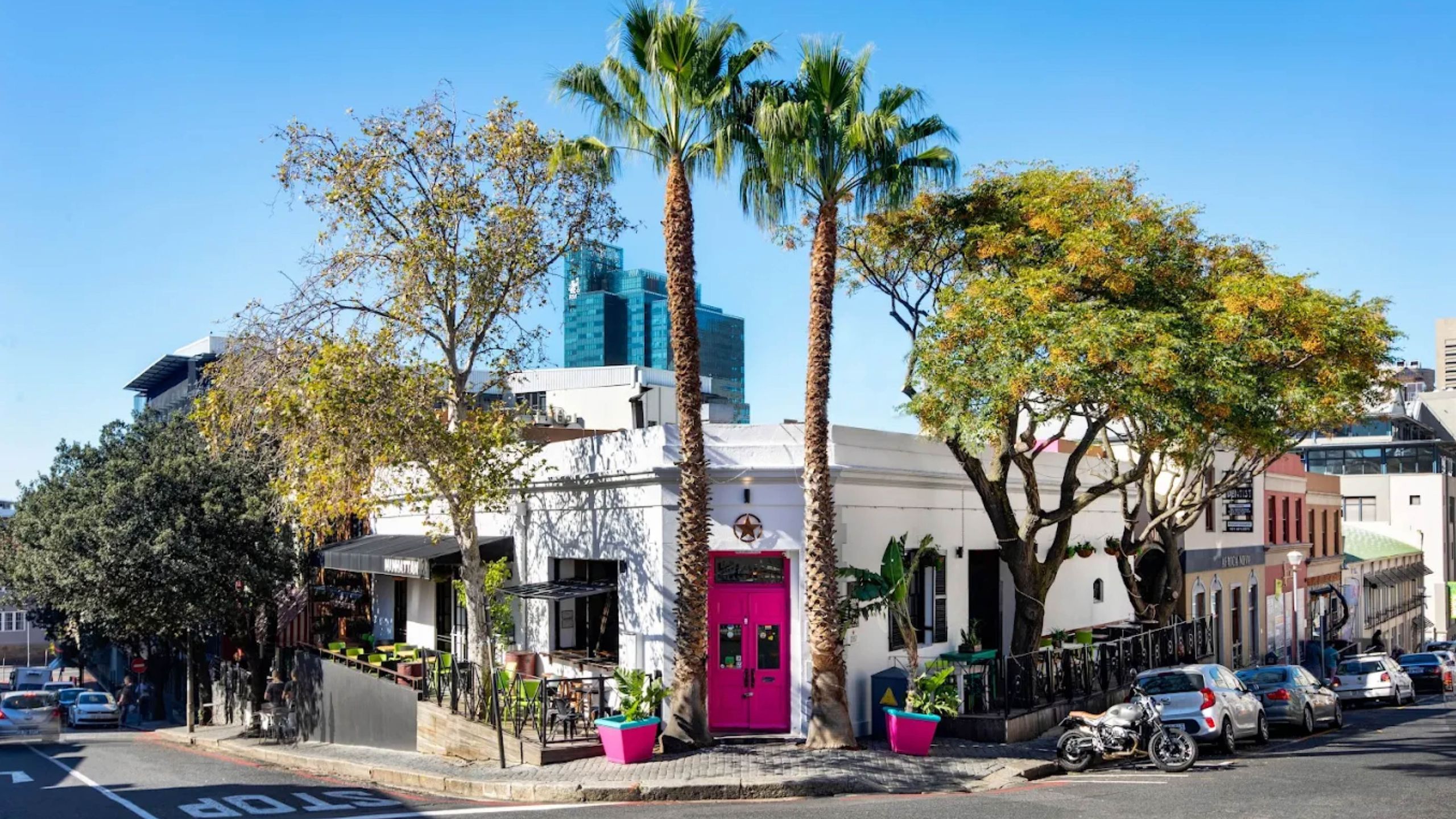
The primary social artery is Somerset Road, famously known as The Strip. This is where you will find the highest concentration of gay bars in cape town. The area is characterized by:
- Street market culture: Daytime explorers can browse inclusive boutiques and art galleries.
- Green Point village: Adjacent to De Waterkant, this area offers a more residential but equally welcoming vibe.
- Accessibility: Most venues are within walking distance of each other, making it easy to hop between cafes and bars.
Whether you are looking for a morning espresso or a late-night cocktail, Somerset Road provides a continuous thread of LGBTQ+ hospitality that remains unmatched on the continent.
Inside the Legend: Cafe Manhattan and Traditional Landmarks
No guide to the cape town gay scene would be complete without a deep dive into Cafe Manhattan. Established in 1994, Café Manhattan is recognized as the oldest continuously operating gay bar and kitchen in Cape Town. It opened its doors just as the nation was transitioning into democracy, making it a living landmark of African queer history.
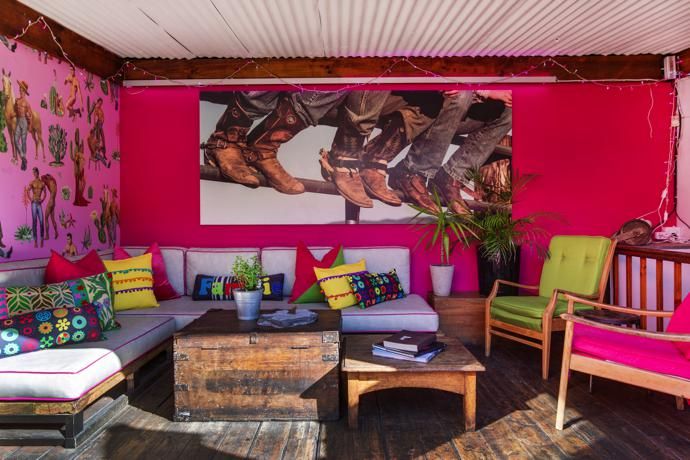
The atmosphere inside is a blend of industrial decor and vintage charm, featuring a famous outdoor terrace that is perfect for people-watching on Somerset Road. It is more than just a place to grab one of their legendary burgers; it is one of the city's most vital inclusive community spaces. It has long played host to the Village Drinks networking series, where locals and international 'swallow' travelers (those who fly south for the summer) mingle over sundowners.
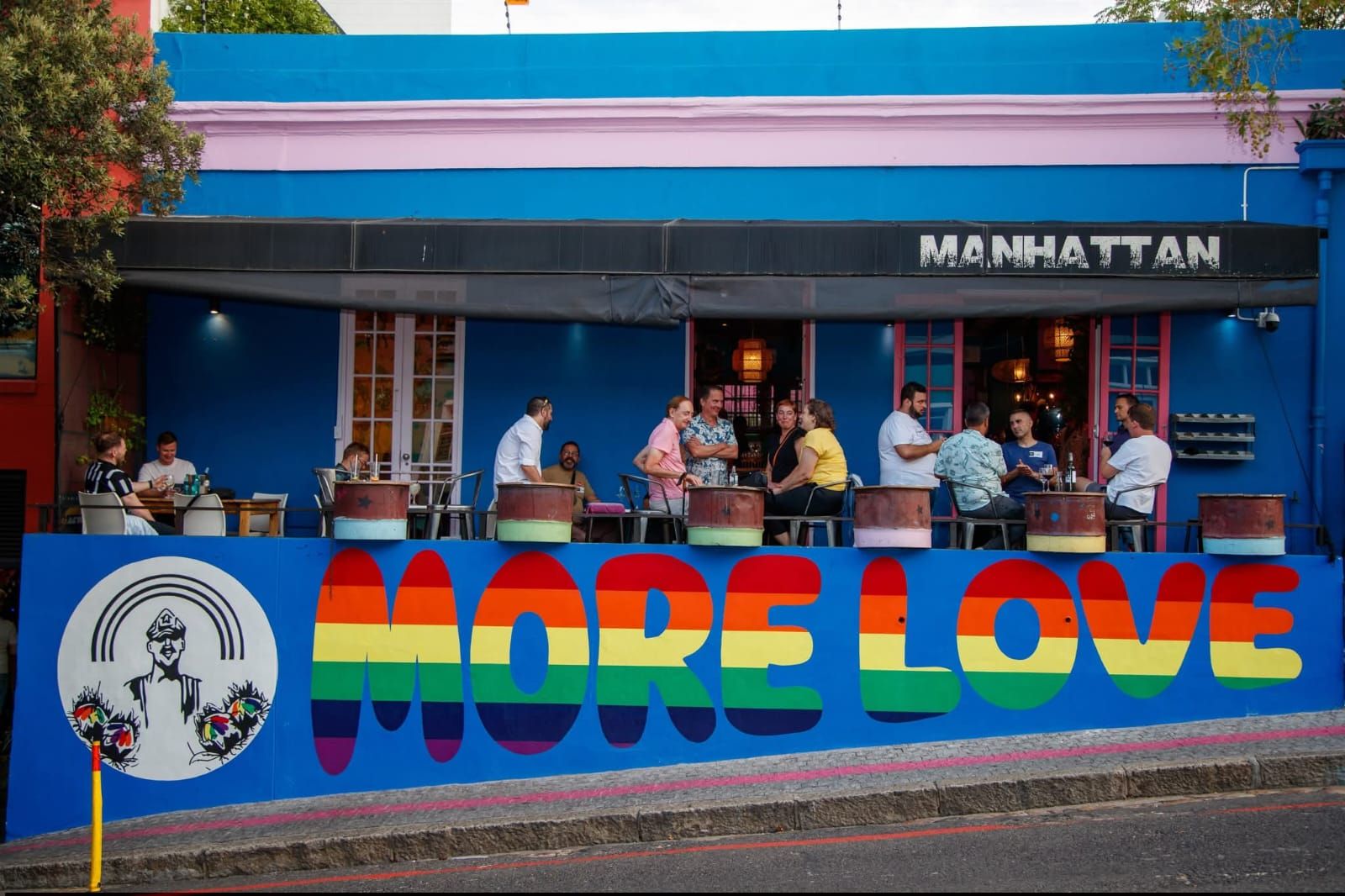
The longevity of Cafe Manhattan is a testament to the strength of the local community. While other venues have come and gone, Manhattan has remained a constant, offering a safe and celebratory environment for over three decades.
After Dark: Best Gay Clubs and Performance Artistry
As the sun sets over the Atlantic, the energy of the city shifts toward high-octane performance and dancing. The best gay clubs cape town has to offer are known for their diversity and local flair.
- Crew Bar: This is the go-to spot for high-energy dancing. Located on The Strip, it features multiple levels and a dedicated following of both locals and tourists.
- Zer021 Social: Located in the vibrant district of District Six/Zonnebloem, this venue is celebrated for its diverse local performances and a more 'local' feel that highlights the intersectional nature of Cape Town's queer culture.
For those who prefer drag performance artistry and cabaret entertainment, the city does not disappoint. You can find several gay friendly restaurants cape town locals frequent that offer dinner-and-a-show experiences. Beefcakes, for example, has long been a staple for drag dinners, though it is always wise to check their current booking status for the upcoming 2026 season as the scene is constantly evolving.
| Venue Type | Logistics | Average Cost (ZAR) |
|---|---|---|
| Nightclubs | Doors usually open at 9:00 PM | 100 - 200 (Cover) |
| Cabaret Bars | Bookings essential for dinner | 350 - 600 (Dinner + Show) |
| Transport | Use Uber or Bolt apps | 250 - 400 (Round trip) |
Sun and Sand: Clifton 3rd Beach and Day Socials
In Cape Town, social life is as much about the outdoors as it is about the nightlife. Clifton 3rd Beach is the undisputed premier queer social spot. Located just 5km from the city center, it is tucked away from the wind and offers stunning Table Mountain views and a glimpse of the Twelve Apostles mountain range.
To get there, take a short Uber from De Waterkant. Once you descend the stairs to the white sands, you will find a vibrant community of seasonal international travelers and locals. If you are looking for a more private or clothing-optional experience, Sandy Bay is the city’s unofficial gay beach cape town visitors use for a secluded escape, though it requires a bit of a hike from the Llandudno parking area.
During the peak summer months (December to February), these beaches become the primary networking hubs. It is here that you will hear about the best private parties and pop-up events happening throughout the week.
Planning for 2026: Pride, Logistics, and Safety
If you are looking ahead to gay pride cape town 2026, the festivities typically take place in late February or early March. The parade route usually winds through the De Waterkant district and culminates at the Green Point Track for a large-scale festival. Because this is the busiest time for gay events cape town hosts, booking accommodation at least 40 to 60 days in advance is highly recommended.
For a specialized stay, consider boutique accommodations that cater specifically to the community:
- Cactus House: A well-known guest house that has served as a cornerstone of queer hospitality for years.
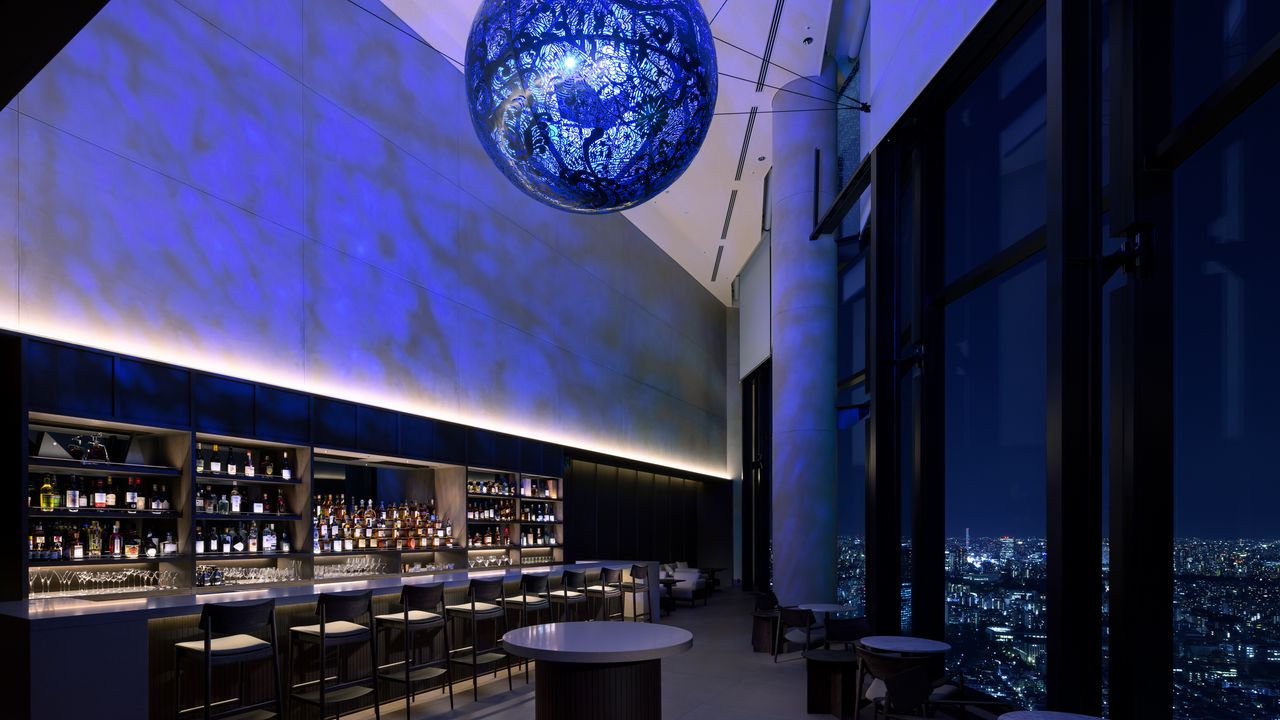
- The Grey Hotel: Located in the heart of the village, this hotel offers a stylish retreat with a rooftop bar that provides panoramic views of the city.
Safety is a common question: is South Africa safe for gay tourists? Generally, yes, especially in the established tourist corridors of Cape Town. However, like any major global city, general urban safety rules apply. Do not walk home alone at night, even within the De Waterkant district. Always use a reputable ride-sharing service to travel between venues, and keep your valuables out of sight while exploring the street market culture during the day.
FAQ
Is Cape Town gay friendly?
Cape Town is widely considered the most gay-friendly city on the African continent. The De Waterkant district, often called the Pink Quarter, is home to the most established LGBTQ+ community on the African continent. The city features a high density of queer-owned businesses and is a major destination for international LGBTQ+ tourism.
Is being gay legal in South Africa?
Yes, South Africa has some of the most progressive LGBTQ+ laws in the world. The 1996 constitution was the first to protect against discrimination based on sexual orientation, and same-sex marriage has been legal since 2006.
What is the gay district in Cape Town?
The primary gay district is De Waterkant, which is located near the city center. Most of the social activity is concentrated on Somerset Road, which is frequently referred to as The Strip.
Does Cape Town have a gay beach?
Yes, Clifton 3rd Beach is the most popular social beach for the LGBTQ+ community. Sandy Bay is another option for those looking for a more secluded, clothing-optional environment.
Is South Africa safe for gay tourists?
Cape Town is generally safe for gay tourists, particularly in central and tourist-heavy areas. While the legal protections are strong, visitors should still exercise standard travel safety precautions, such as using ride-sharing apps at night and being aware of their surroundings.