Quick Facts
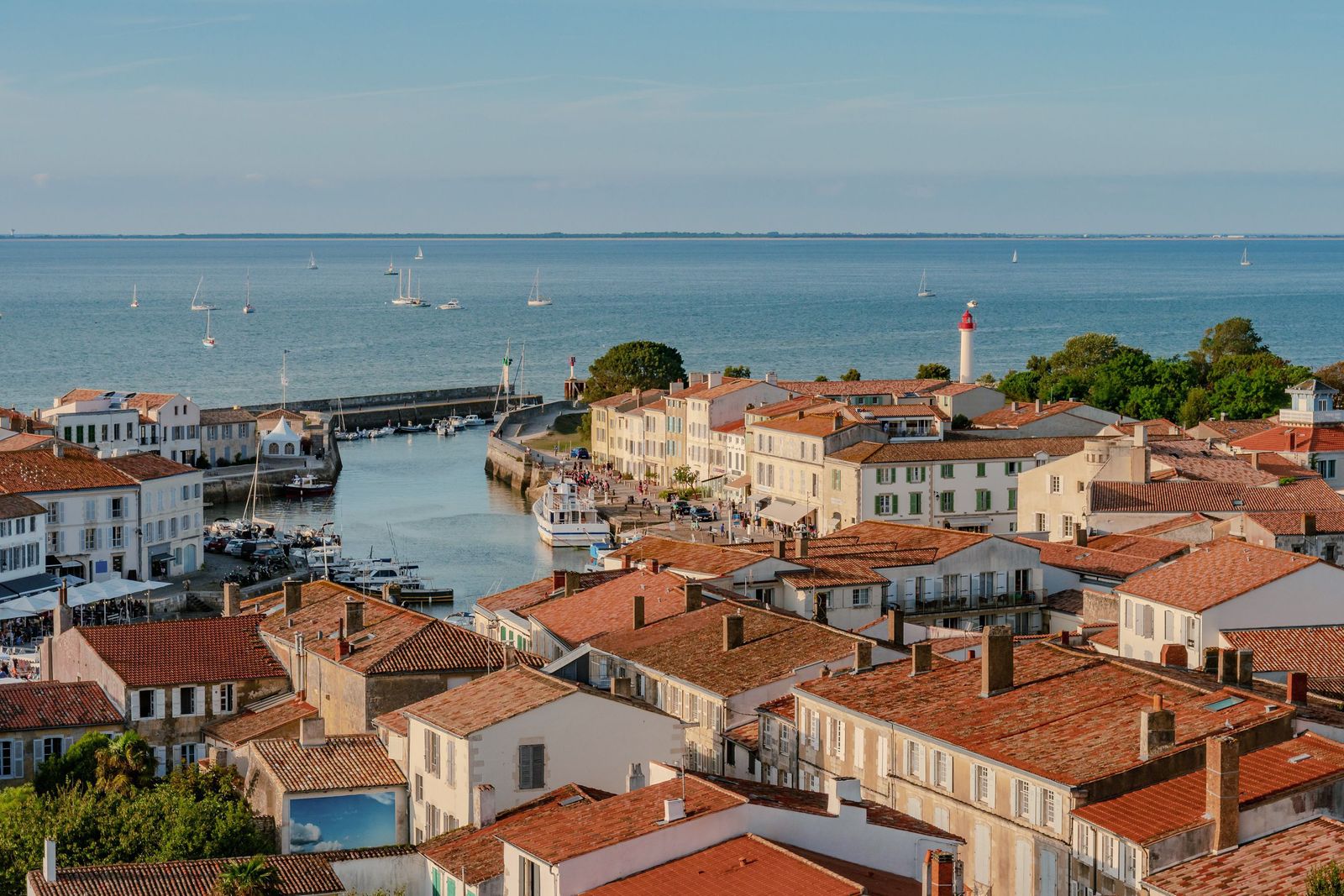
- Capital: Saint-Martin-de-Ré, a UNESCO World Heritage site known for its star-shaped fortifications.
- Vibe: Casual-chic, eco-conscious, and intentionally understated.
- Primary Transport: Bicycles; the island boasts over 138 kilometers of dedicated paths.
- Historical Hook: Birthplace of Nicolas Martiau, the Huguenot ancestor of George Washington.
- Local Produce: Famous for Fleur de sel, artisanal donkey milk soap, and fresh oysters.
- Accommodation: A mix of boutique île de ré hotels in saint-martin-de-ré and luxury glamping.
- Travel Window: Peak season sees the population grow from 20,000 permanent residents to 250,000 people in July and August.
Île de Ré is France's premier Atlantic coast escape, often called the French answer to Martha’s Vineyard for its blend of low-key luxury and rustic charm. Accessible via a bridge from La Rochelle in Charente-Maritime, this island offers a tranquil pace defined by white-washed facades and slow travel.
The Spirit of the Island: Why the Comparison Sticks
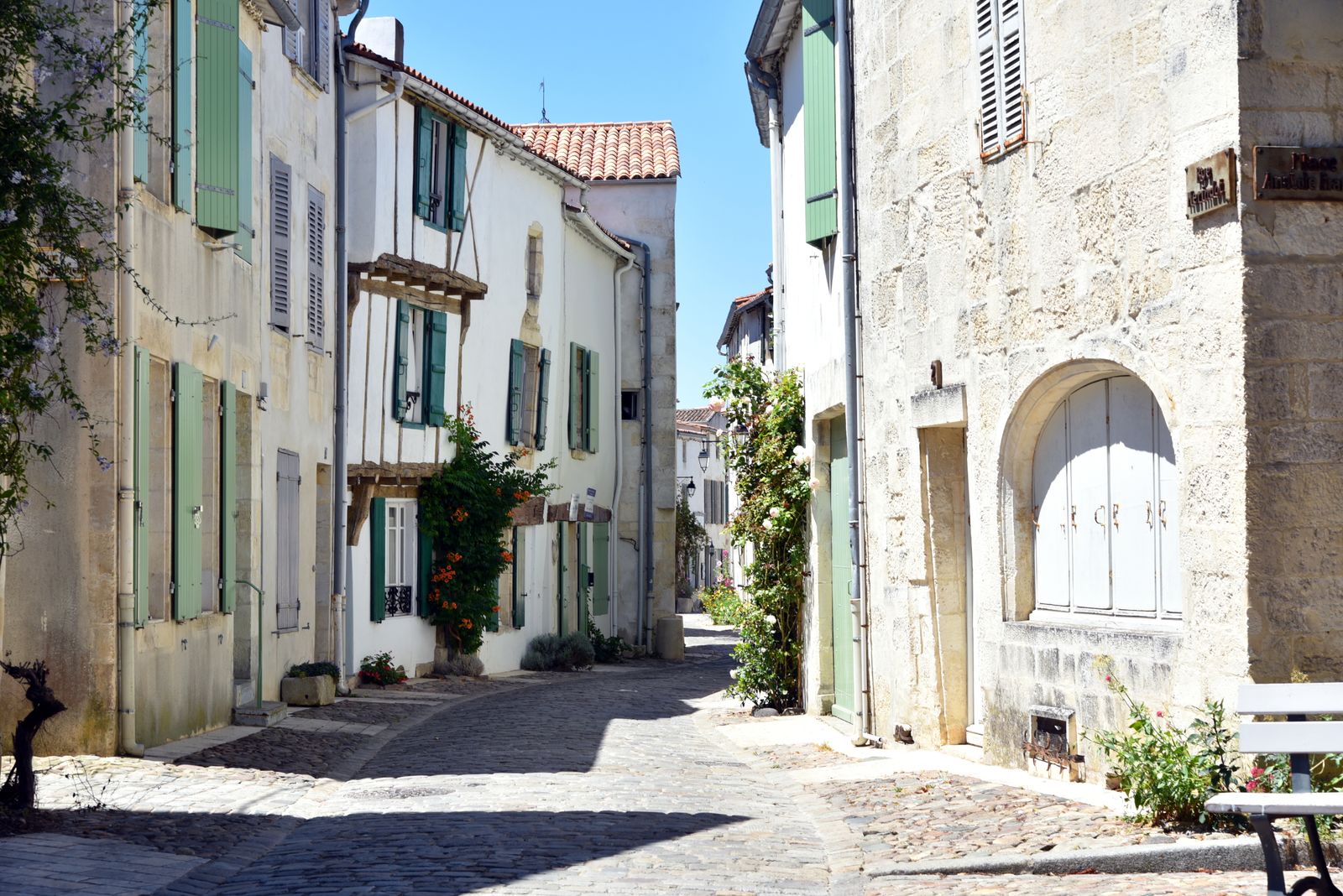
There is a specific kind of quietude that descends the moment you cross the three-kilometer bridge from the mainland. While the French Riviera offers glitz and high-octane glamour, île de ré provides a retreat into the "art de vivre." It is a place where wealth is whispered rather than shouted, mirrored in the strict building codes that require all shutters to be painted in a specific palette of "Ré blue," sea green, or soft grey. This aesthetic discipline creates a cohesive, timeless beauty that reminds American travelers of the cedar-shingled exclusivity of Martha’s Vineyard.
The connection isn't merely atmospheric; it is historical. Local lore proudly notes that Nicolas Martiau, a native of the island, was the direct ancestor of George Washington. This shared DNA between the French Atlantic and American history adds a layer of depth to the île de ré vs martha’s vineyard comparison.
The exclusivity of the island is reflected in its real estate. In sought-after enclaves like Les Portes-en-Ré, average house prices range from €6,000 to €12,500 per square meter, with choice waterfront estates exceeding €20,000 per square meter. Despite these figures, the island remains deeply tied to its maritime and agricultural roots.
Life on Two Wheels: The Cycling Culture
On this island, the bicycle is king. Cars are often left at the villa or the hotel, as the geography is remarkably flat, making cycling île de ré bike rentals the first order of business for any visitor. The island’s commitment to an eco-friendly lifestyle is evident in its 138 kilometers of dedicated cycling paths that weave through pine forests, salt marshes, and vineyard-lined meadows.
One of the best things to do in île de ré is to spend a morning pedaling between villages. During ile de ré holidays, we recommend pre-booking e-bikes, especially if you plan to traverse the western tip where the Atlantic coast winds can be surprisingly spirited. The routes are well-marked and provide a sensory immersion that a car windows-up journey simply cannot match: the scent of wild broom, the salt-heavy air, and the rhythmic sound of waves hitting the dunes.
Navigating the Villages: From Saint-Martin to Ars-en-Ré
To understand the island, one must look at an ile de ré france map and see how the ten villages are strung together like a necklace. Each has a distinct personality, and a mental île de ré map of villages helps prioritize your itinerary.
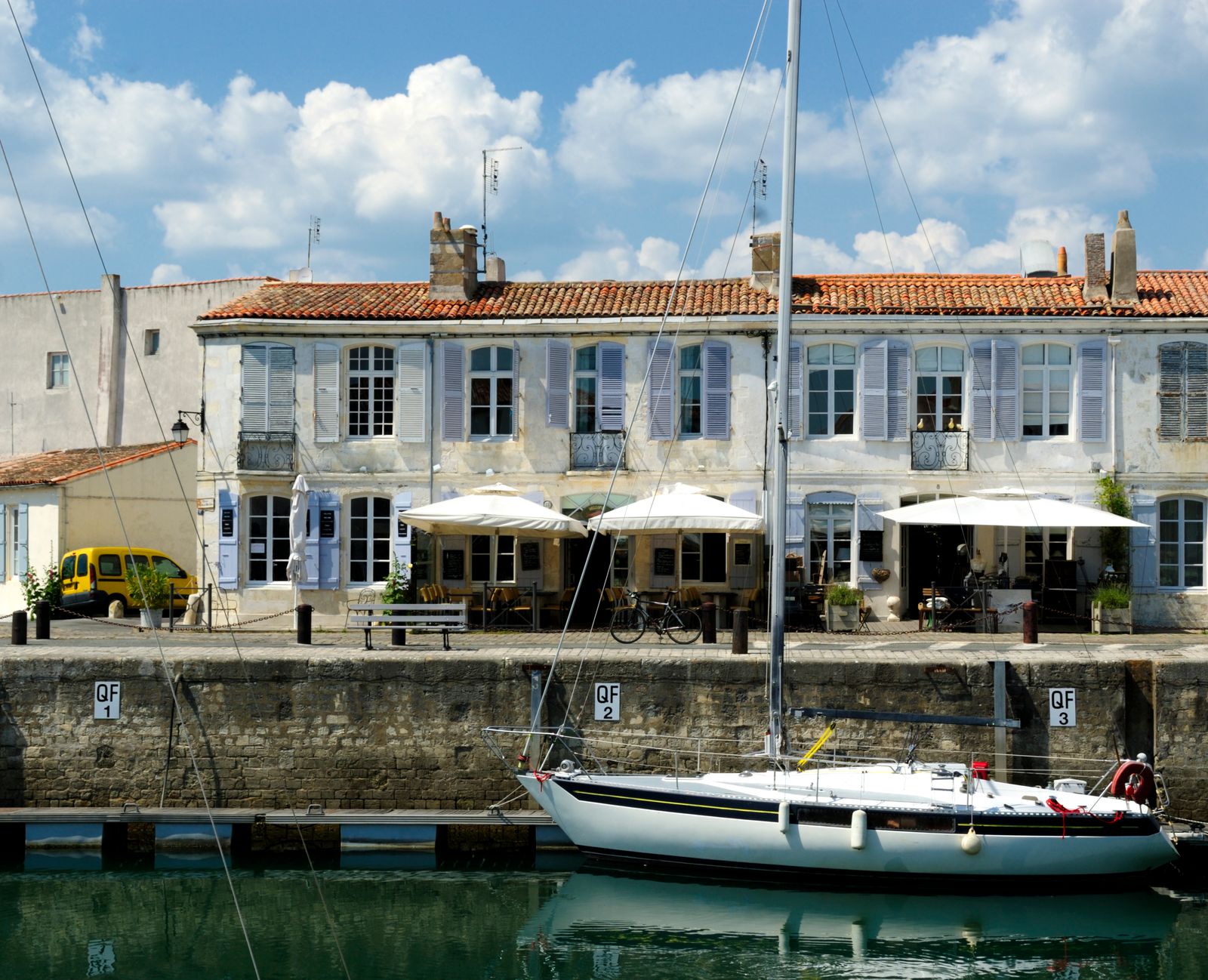
- Saint-Martin-de-Ré: The stylish capital. Its harbor is lined with terraces where you can sip chilled white wine while watching masts bob in the tide. The Vauban fortifications, a UNESCO World Heritage site, offer a grand promenade with views of the sea.
- La Flotte: Often cited as one of the most beautiful villages in France, its harbor is slightly more intimate than Saint-Martin, perfect for an early evening "apéro."
- Ars-en-Ré: Recognized by its iconic black-and-white church spire, which served as a landmark for sailors. The streets here are narrow, winding, and often overflowing with hollyhocks.
- Le Bois-Plage-en-Ré: The hub for beach lovers, offering expansive stretches of fine sand and the island's largest daily market.
Wandering these settlements, you’ll notice the meticulous preservation of the white-washed facades. It is in these quiet, hollyhock-lined alleys that the island feels at its most authentic—far removed from the rush of 21st-century life.
A Taste of Terroir: Oysters, Salt, and Pineau
The culinary landscape of the island is dominated by the elements. To the north and west, the salt marshes (marais salants) dominate the view. Salt workers, or "sauniers," still use traditional methods to harvest Fleur de sel, the "cream" of the salt, which is prized by chefs worldwide.
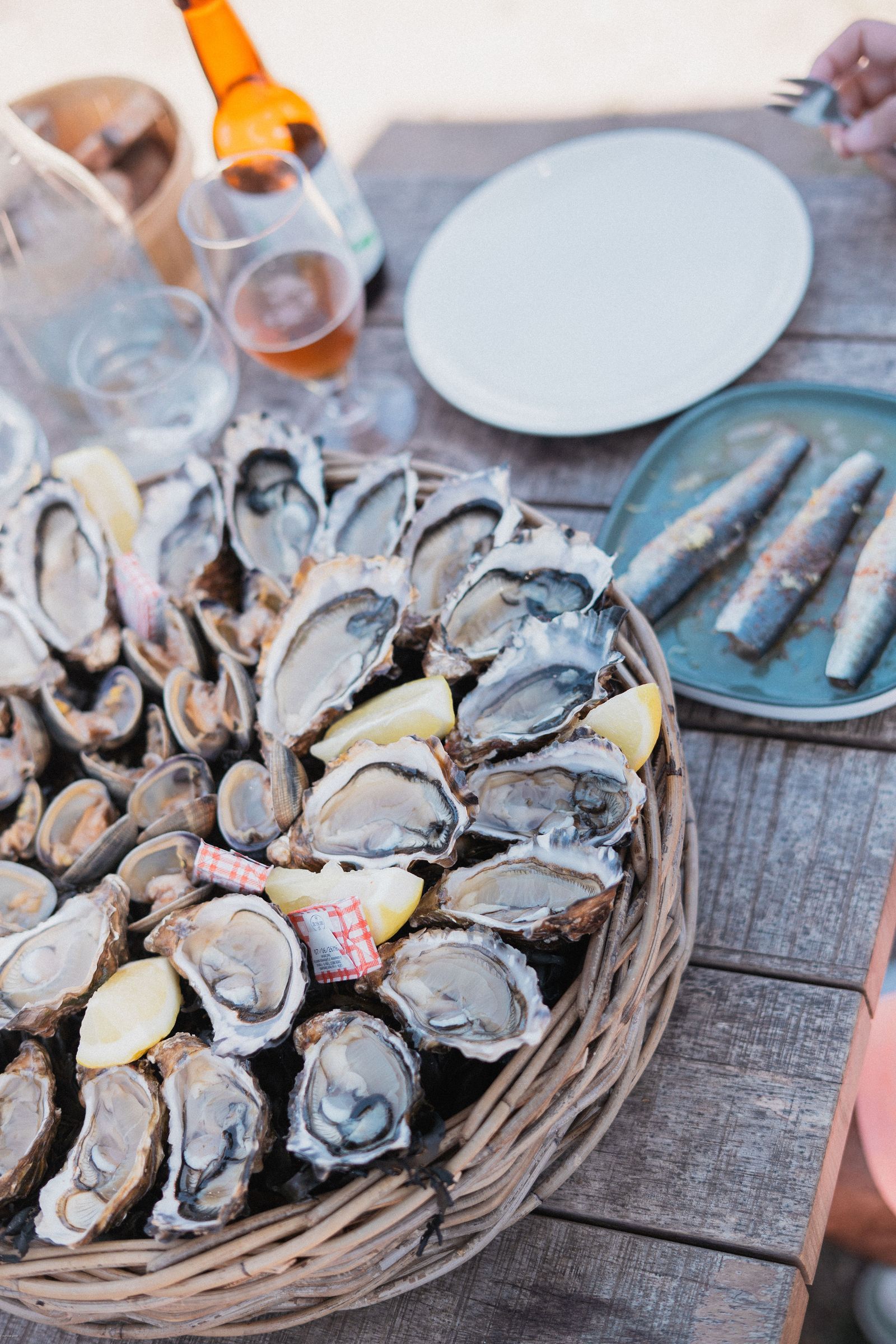
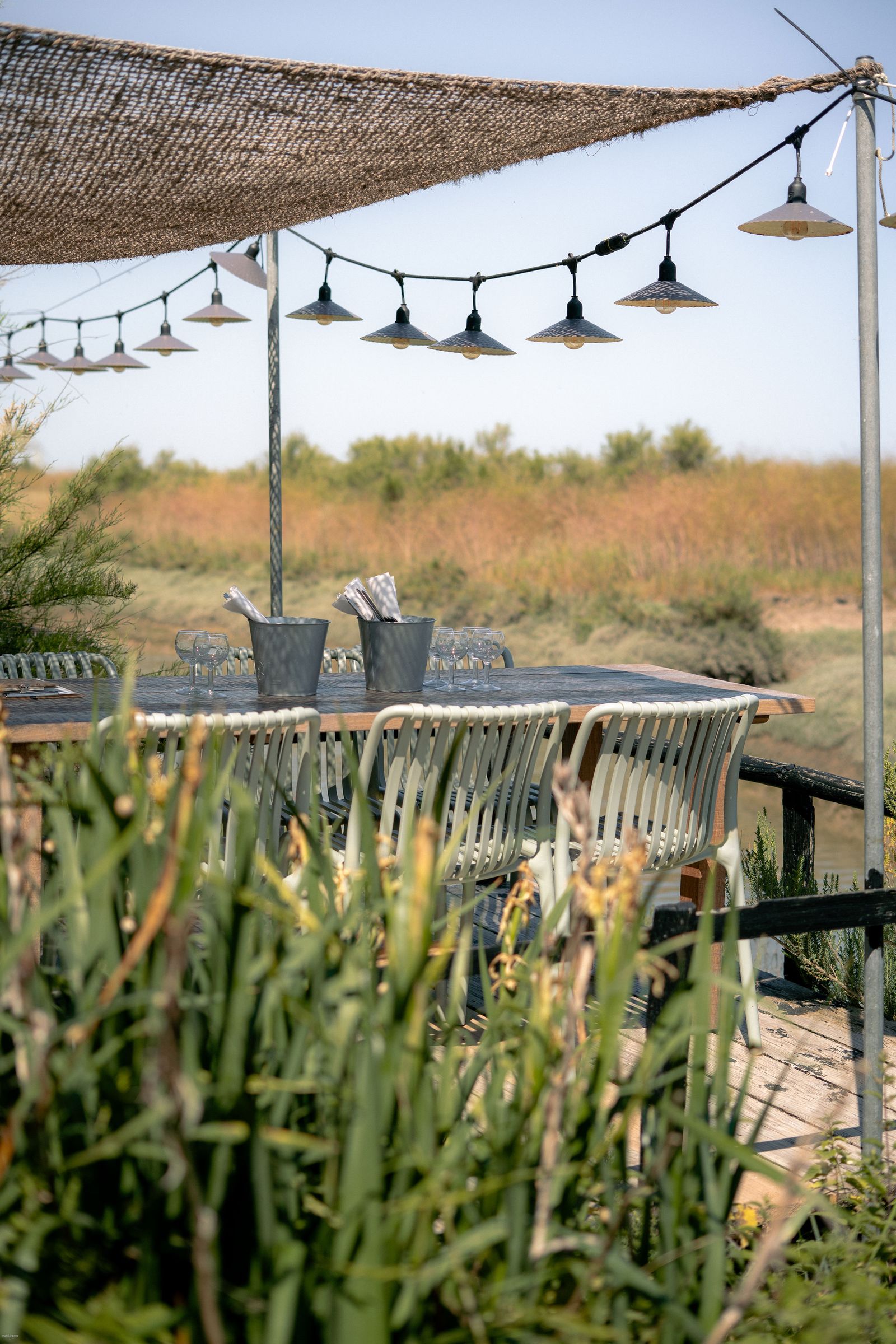
However, the true star of the island is the oyster. For an authentic experience, skip the formal dining rooms and head directly to an oyster shack along the coast. Some of the most beloved île de ré restaurants for seafood are simple wooden huts where the day's catch is served on communal tables.
Expert Tip: Visit "L'Écailler" or any of the small "dégustation" spots near the salt marshes. Order a dozen "Fines de Claire" oysters and a glass of Pineau des Charentes—a local fortified wine—and enjoy the view of the Atlantic coast.
The island's potatoes are another delicacy; the "Pomme de terre de l'île de Ré" is the only potato in France to hold an AOP (Appellation d'Origine Protégée) status. Small, sweet, and nutty, they are best enjoyed simply sautéed in local butter with a sprinkle of sea salt.
Essential Logistics: Planning Your 2026 Visit
Planning a journey to this corner of the Charente-Maritime region requires a bit of foresight. The ile de re weather is exceptionally mild, often compared to the micro-climate of the Mediterranean, but the Atlantic influence means it can be unpredictable in spring.
Bridge and Transport Information
| Service | Detail | Estimated Cost |
|---|---|---|
| Pont de l'île de Ré (Bridge Toll) | Varies by season (Car) | €8.00 (Off-peak) / €16.00 (Summer) |
| Buses from La Rochelle | Routes 150, 151, 152 | ~€2.30 one way |
| Bike Rental | Classic or Electric options | €15 - €35 per day |
For a panoramic view of the entire island, a phare des baleines lighthouse visit is mandatory. Located at the westernmost tip, visitors can climb the 257 steps to the top. From this height, the patchwork of the salt marshes and the curve of the Whale Bay beach are beautifully visible.
When it comes to accommodation, the choices prioritize slow travel. Whether you choose the opulent île de ré hotels in saint-martin-de-ré or a private villa tucked behind stone walls, the emphasis is always on privacy and proximity to the natural landscape.
FAQ
Pourquoi l'île de Ré est-elle si chère?
The high price point is primarily driven by strict urban planning and environmental protection laws. Because over 80% of the island is protected as natural space or agricultural land, the supply of available real estate is extremely limited. This scarcity, combined with the island's reputation as a playground for the European elite and Parisian "BoBos" (Bourgeois-Bohemians), keeps property values and rental rates high.
Quelle est la capitale de l'île de Ré?
The capital is Saint-Martin-de-Ré. It serves as the island's administrative and historical heart, famous for its harbor and the massive star-shaped walls designed by the military architect Vauban.
Quel est le prix pour la traversée du pont de l'île de Ré?
The toll for the bridge connecting La Rochelle to the island depends on the time of year. For a standard car, the price is generally €8.00 during the low season (mid-September to mid-June) and increases to €16.00 during the high summer season. This toll helps fund the ecological preservation of the island.
L'île de Ré vaut-elle le détour?
Absolutely. For travelers who appreciate a blend of history, gourmet local produce, and active outdoor living, it is one of the most rewarding destinations in France. It offers a rare opportunity to slow down, explore on a bicycle, and experience the raw beauty of the Atlantic coast in a sophisticated setting.