Rote Island - Asia's southernmost secret where the Indian Ocean meets barefoot luxury. Far beyond the crowds of Bali, this remote sanctuary in Nusa Tenggara Timur is emerging as a premier destination for those seeking authentic Indonesia and world-class surf. This is a place where the landscape is sculpted by dry savannahs and ancient lontar palms, offering a rugged elegance that is increasingly rare in the modern travel world.
Quick Facts
- Status: Indonesia’s southernmost inhabited island and a hidden gem of the Lesser Sunda Islands.
- Primary Appeal: World-class uncrowded surf, pristine marine ecosystems, and ultra-high-end eco-sanctuaries.
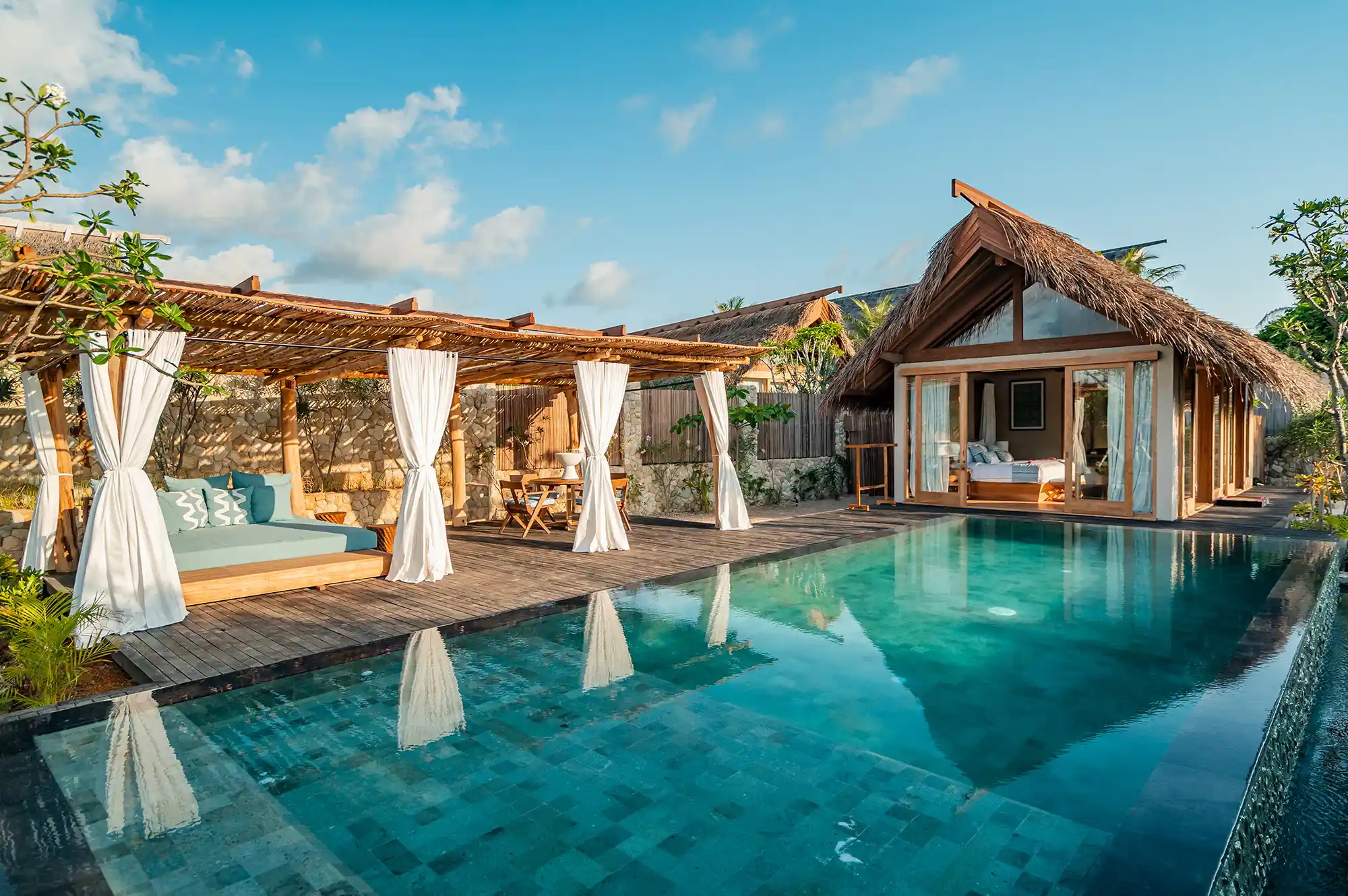
- Signature Resort: NIHI Rote, which features 21 oceanfront pool villas and was established by the team behind the world-renowned NIHI Sumba.
- Best For: Luxury adventurers, surf enthusiasts seeking privacy, and those pursuing deep cultural immersion.
- Getting There: Multi-leg journey via Kupang to D.C. Saudale Airport (RTI) in Ba'a.
- Key Experience: Surfing the legendary T-Land break or exploring hidden mangroves by paddleboard.
To get to Rote Island, travelers typically fly from Bali to Kupang, then connect to D.C. Saudale Airport near Ba'a. The island is definitively worth visiting for those seeking a secluded sanctuary and authentic Indonesia away from mass tourism, where the journey itself serves as a buffer against the hurried world.
Strategic Remoteness: Why Rote is the New Frontier
There is a specific kind of magic found only at the edges of the map. In the luxury travel world, we often speak of places being the new Bali or the next Sumba, but Rote Island defies easy categorization. It feels like Bali might have felt thirty years ago—untamed, quiet, and deeply spiritual—but with the sophisticated layer of barefoot luxury that modern travelers demand.
Located in the heart of Nusa Tenggara Timur, Rote is an archipelago of dramatic coastlines and rolling hills. The air here smells of salt and dry grass, a sensory reminder that you are closer to Australia than to Jakarta. For years, it remained the guarded secret of intrepid surfers, but the arrival of high-end hospitality has transformed it into a legitimate luxury villas rote island indonesia destination. The appeal lies in its strategic remoteness; because it requires effort to reach, the people who arrive here share a common appreciation for silence and space.
The island’s evolution is anchored by a commitment to eco-conscious tourism. Unlike other islands that have succumbed to rapid, haphazard development, Rote is moving forward with a sense of stewardship. The luxury here is not about gold faucets; it is about the luxury of time, the luxury of empty horizons, and the luxury of being the only person on a white-sand beach at sunset.
The Journey: How to Get to Rote Island
The path to paradise is rarely a straight line, and the journey to this corner of Indonesia is a deliberate pilgrimage. To understand how to get to rote island, one must embrace the logistics as part of the narrative. Most travelers begin their journey in Bali or Jakarta, flying into El Tari International Airport in Kupang, West Timor. From Kupang, a small commuter aircraft makes the twenty-minute hop across the Rote Strait to D.C. Saudale Airport.
Navigating a rote island map reveals that while the island is small, its infrastructure is charmingly minimal. Upon landing at D.C. Saudale Airport, you are met by a landscape that feels instantly different—more arid, more open. Most luxury resorts provide private air-conditioned transfers for the forty-five-minute drive to the southern coast, where the most exclusive properties are tucked away.
Proper planning is essential for this rote island travel guide for luxury travelers. While the journey usually requires a full day of travel, the transition from the bustling terminal in Kupang to the quiet, palm-fringed roads of Rote acts as a mental palate cleanser. By the time you reach your villa, the stressors of the city have evaporated.
For those wondering how to get to rote island from bali specifically, there are daily flights to Kupang. For an even more seamless experience, some high-end resorts can facilitate private charter flights, though the commercial connection is reliable and offers a glimpse into the local way of life in West Timor.
World-Class Waves and Marine Serenity
For decades, the name Rote was synonymous with one thing: rote island surf. The crown jewel of the island is t-land rote island, a world-class left-hand break located off the village of Nemberala. It is often compared to G-Land in Java but with a more forgiving nature, offering consistent, long rides that can reach up to 300 meters. What makes it a luxury experience today is the lack of crowds; while Bali's breaks are often a struggle for position, T-Land offers a sense of camaraderie and space.
However, the rote island things to do list extends far beyond the surf lineup. The island’s marine life is incredibly diverse, benefiting from its position at the confluence of the Indian and Pacific Oceans.
- Mangrove Paddleboarding: Navigate the crystal-clear waters of the mangrove forests in the northeast, where the roots create a submerged cathedral.
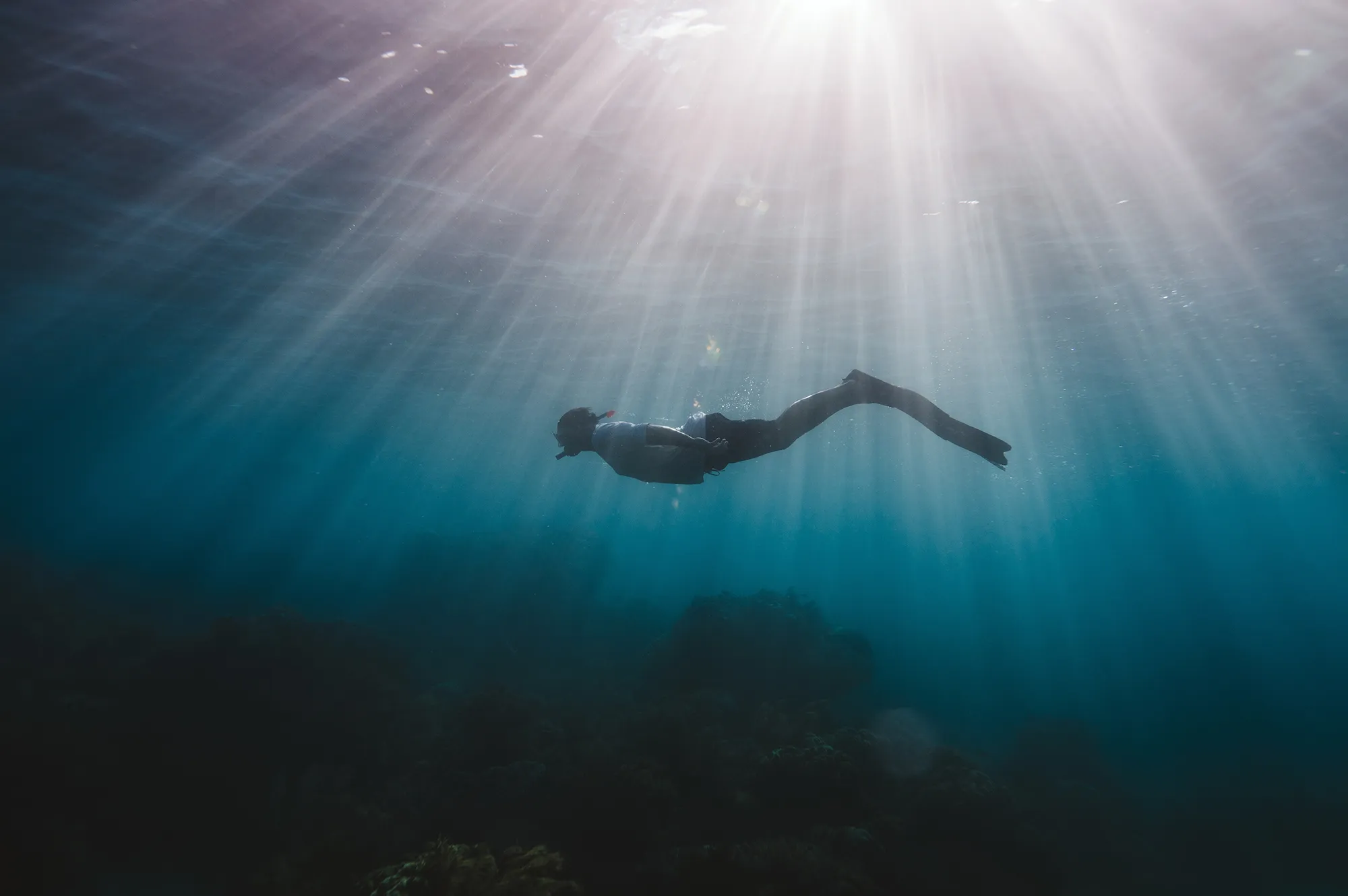
- Snorkeling and Diving: Explore reefs that have seen very little human interference, teeming with colorful soft corals and pelagic fish.
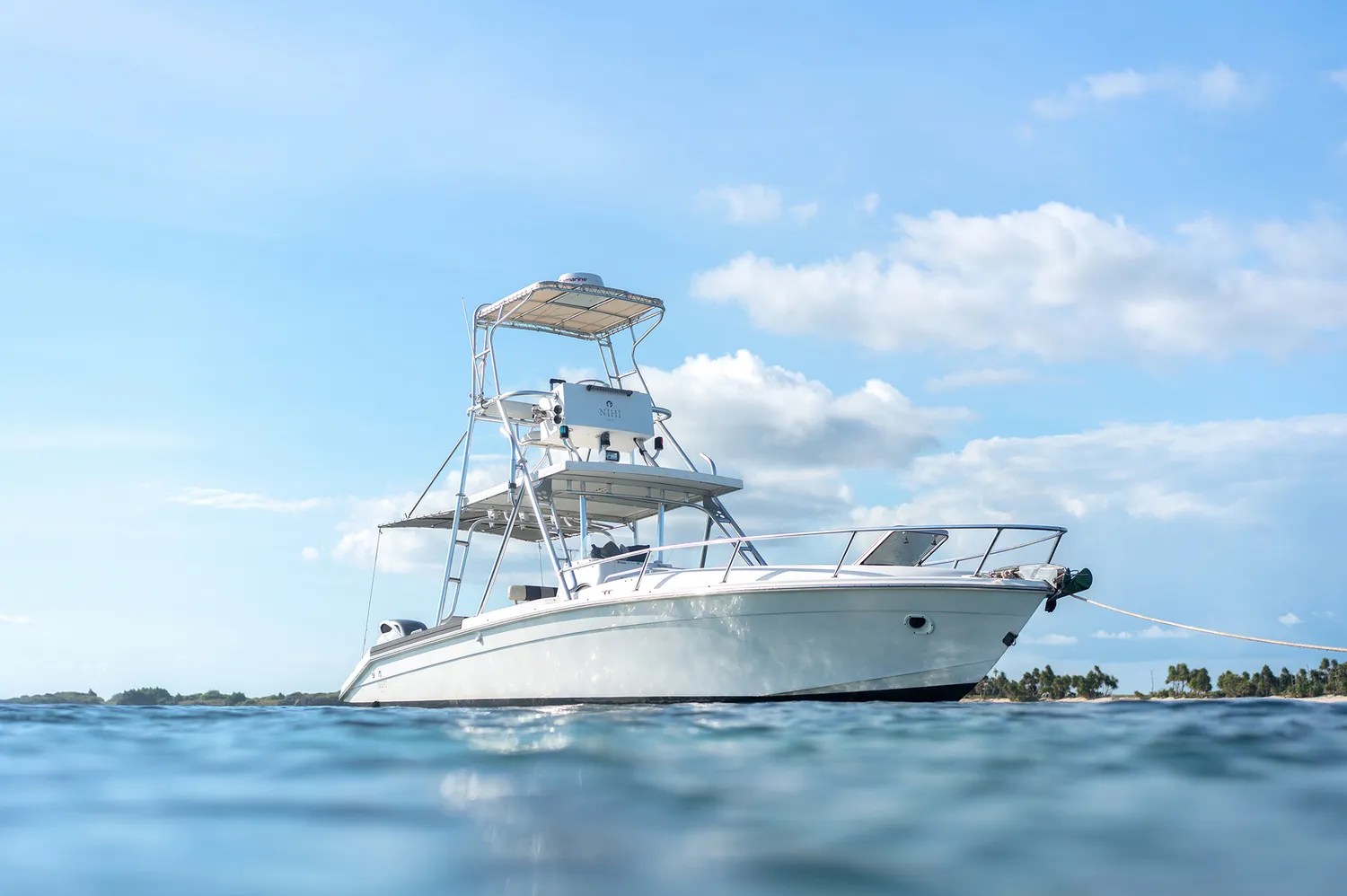
- Deep Sea Fishing: The waters around Rote are famous for Spanish Mackerel, Wahoo, and Tuna.
The southern coast is particularly beautiful, characterized by jagged limestone cliffs and turquoise lagoons. Whether you are an expert surfer or someone who prefers the quiet contemplation of a paddleboard, the water is the soul of the Rote experience.
Sustainable Soul: Nihi Rote and Cultural Immersion
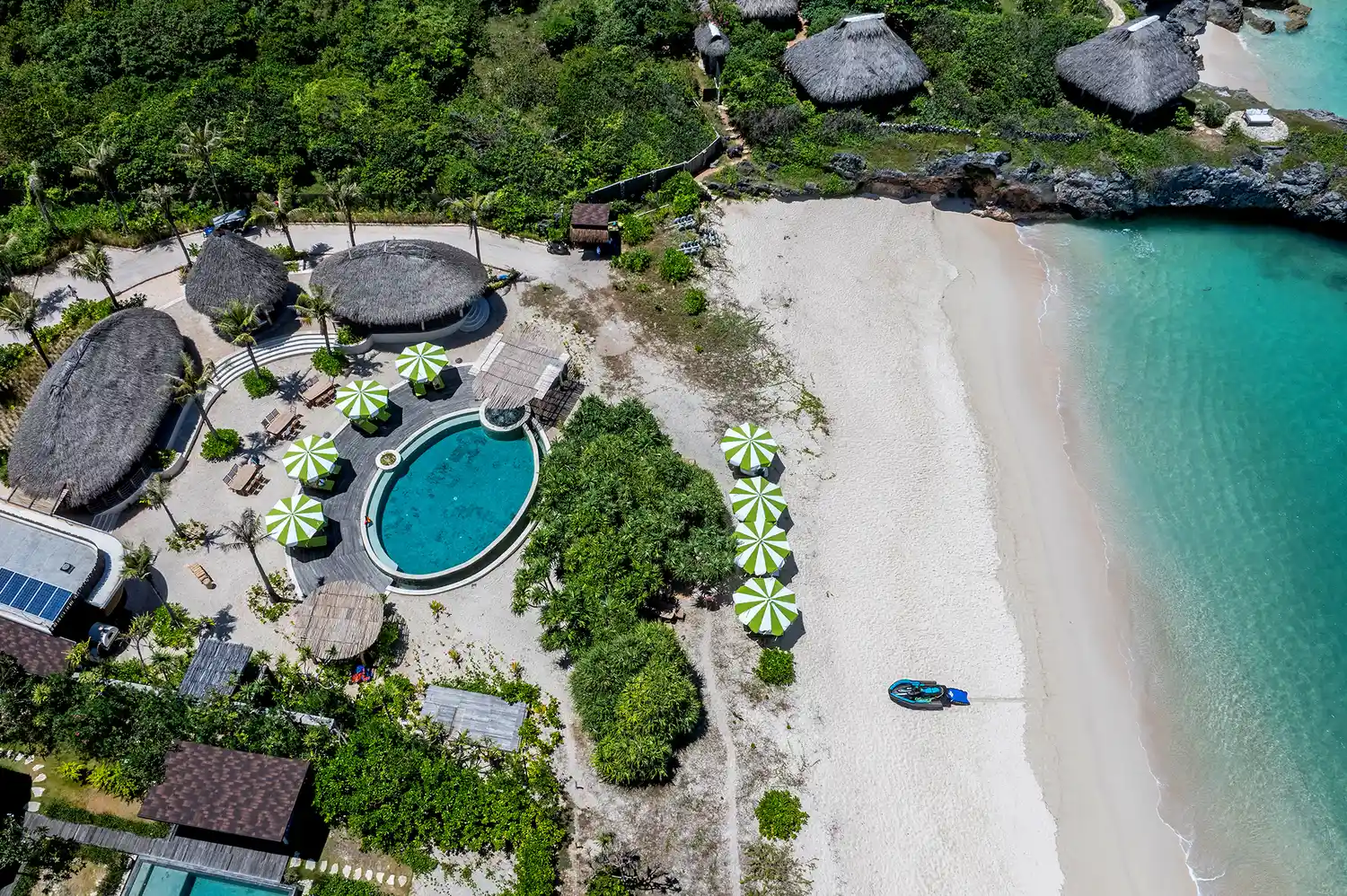
The opening of NIHI Rote has set a new benchmark for luxury villas rote island indonesia. Built by the team that turned NIHI Sumba into a global icon, this resort is more than just a place to stay; it is a catalyst for social and environmental change. The resort’s architecture is a love letter to the island, utilizing Lontar leaf architecture—a traditional method where the leaves of the lontar palm are woven into durable, beautiful roofing and walls. This carbon-neutral approach ensures that the structures feel like a natural extension of the forest.
Sustainability here goes deep. The resort supports sustainable reforestation efforts to protect the local watershed and operates a hospitality academy to train local Rotenese youth, ensuring that the benefits of tourism stay within the community.
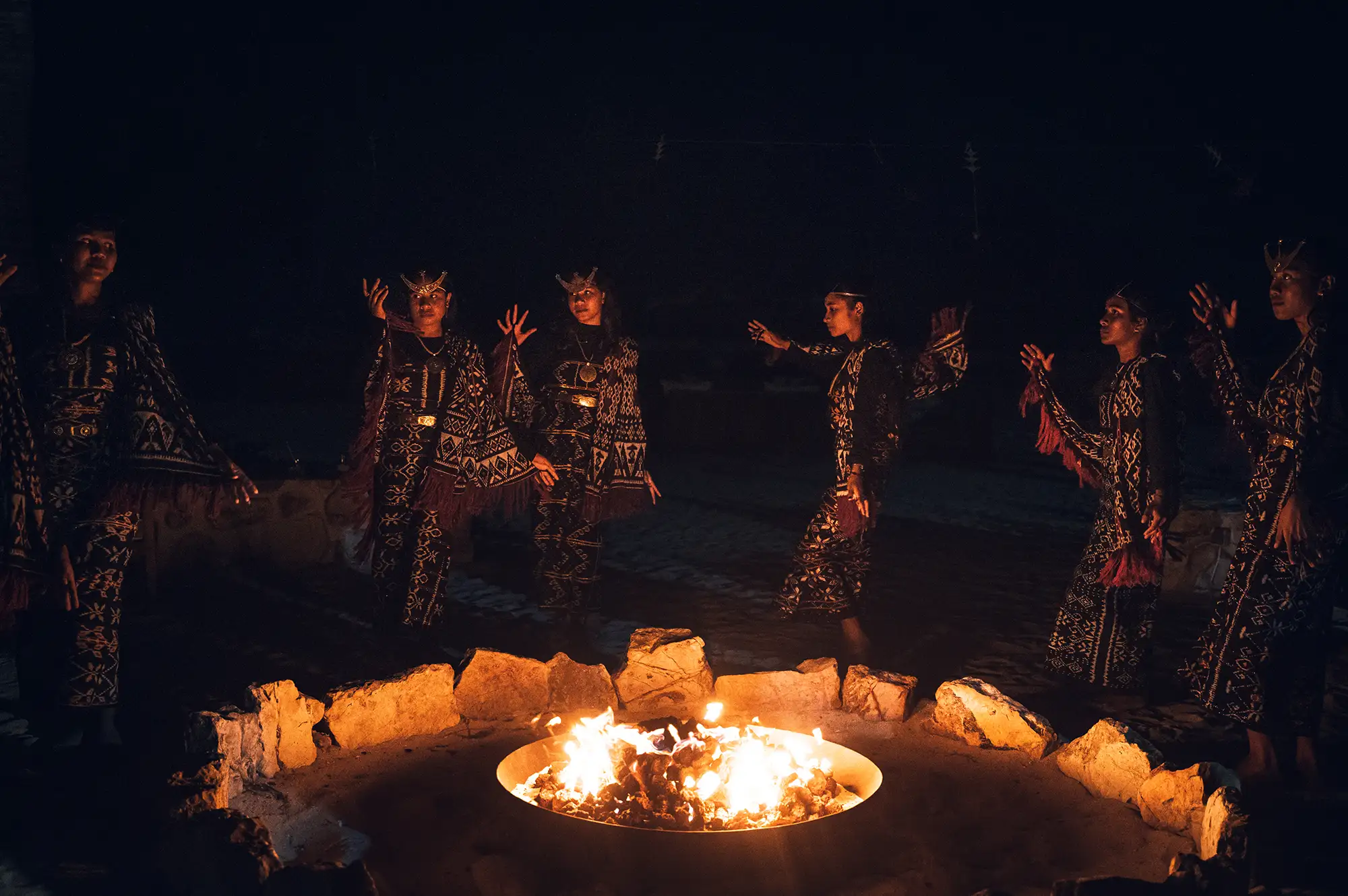
Cultural immersion is woven into the daily rhythm. You might wake up to the hauntingly beautiful sounds of the Sasando musical instrument, a traditional stringed instrument made from a lontar leaf resonator.
- Ikat Weaving: Visit local villages to watch women create intricate Ikat weaving, a traditional textile art that uses natural dyes to tell stories of ancestral lineage.
- Lontar Tapping: Observe the local tradition of tapping the lontar palm for its juice, which is fermented into sugar or "sopi," a local spirit.
This is the essence of eco-conscious tourism: a high-end experience that respects and elevates the local culture rather than overshadowing it.
Planning Your Escape: Best Time & Practicalities
Timing is everything when visiting a remote island. The best time to visit rote island is during the dry season, which stretches from April to October. This window provides the most reliable weather—sunny days and cool offshore breezes—and coincides with the peak swell season for surfing. During these months, the island is bathed in a golden light that makes the savannah landscapes particularly photogenic.
From November to March, the island enters the wet season. While the landscape turns a vibrant emerald green, travel can be more challenging due to wind and rain, and some smaller boat-based activities may be limited. However, for those seeking total solitude and "forest bathing" in a tropical setting, the shoulder months can be surprisingly rewarding.
When packing for Rote, think of "island chic" meets "adventure ready." While the resorts offer every luxury, the environment is raw. High-quality reef-safe sunscreen, polarized sunglasses, and light linen clothing are essentials. Most importantly, bring a sense of wonder; Rote rewards those who arrive with an open heart.
FAQ
Is Rote Island worth visiting?
Absolutely. For travelers who find Bali too commercialized, Rote offers a rare combination of raw natural beauty, world-class surfing, and high-end eco-resorts. It is a destination for those who value privacy and authentic cultural experiences over nightlife and shopping.
How do you get to Rote Island?
Travelers fly into Kupang (West Timor) from Bali or Jakarta, then take a short connection on a local airline to D.C. Saudale Airport in Ba'a. From the airport, most luxury resorts provide a private car service to the southern coast.
What is there to do on Rote Island?
Beyond surfing at T-Land, you can explore mangrove forests by paddleboard, visit traditional villages to see Ikat weaving, listen to Sasando musical performances, go deep-sea fishing, or simply enjoy the secluded beaches and marine life.
Does Rote Island have an airport?
Yes, the island is served by D.C. Saudale Airport (RTI), located near the main town of Ba'a. It handles daily flights from Kupang, making the remote island accessible for those on a luxury itinerary.
Experience Excellence in Rote Island
Rote Island represents the future of luxury travel—a move away from the "seen and be seen" hotspots toward places that offer a profound connection to the earth and its people. By choosing to visit this southernmost frontier, you are not just booking a vacation; you are participating in a movement that celebrates the preservation of authentic Indonesia. Whether you are catching the ride of your life at T-Land or sharing a moment of silence in a villa made of lontar leaves, Rote promises an experience that will linger in your memory long after the tan lines fade.