Quick Facts
- Diego Luna’s Top Eats: Rosetta (Roma Norte) for its domestic elegance and Nico’s (Clavería) for traditional, time-honored Mexican flavors.
- Must-Visit Neighborhoods: The colonial sanctuary of San Ángel and the bohemian, historic streets of Coyoacán.
- Cultural Highlights: The National University (UNAM) theaters for cutting-edge performances and the Diego Rivera Studio Museum.
- Best Time to Visit: March through May offers the iconic Jacaranda blooms and mild temperatures (22-26°C) before the summer rains.
- Theater Capital: Mexico City boasts one of the top five largest theater offerings in the world, blending commercial hits with a thriving independent scene.
The 'Long-Term Love Story' of Diego Luna and CDMX
To understand Mexico City through the eyes of Diego Luna is to understand a city that breathes, groans, and sings like a living entity. While the world knows him as the face of Star Wars: Andor or the gritty protagonist of Narcos: Mexico, in the labyrinthine streets of the capital, Luna is a local son whose heart never truly left for the manicured lawns of Los Angeles. For Luna, Mexico City is not just a location; it is a "long-term love story"—a relationship defined by a charmingly chaotic energy that forces its inhabitants to be present in every moment.
In recent years, the city has evolved into a vibrant hybrid. It is a place where independent theater troupes rehearse in the shadow of centuries-old cathedrals and where a 15-minute standing taco experience is held in the same high regard as a three-hour fine-dining marathon. When asked where he finds the true essence of the city, Luna points away from the glittering skyscrapers toward the southern enclaves where history feels thick enough to touch. Whether he is seeking the perfect mole or the avant-garde pulse of a university play, his recommendations serve as a compass for the traveler looking to peel back the layers of this megalopolis.
The Neighborhoods: Walking Through History in San Ángel and Coyoacán
For those looking to escape the relentless pace of the Reforma district, Luna suggests heading south to San Ángel and Coyoacán. These two neighborhoods represent the soul of "old-world" Mexico. Within a compact 5-mile radius, a traveler can experience over 300 years of architectural history, ranging from the austere stone walls of 17th-century convents to the radical functionalism of the 20th century.
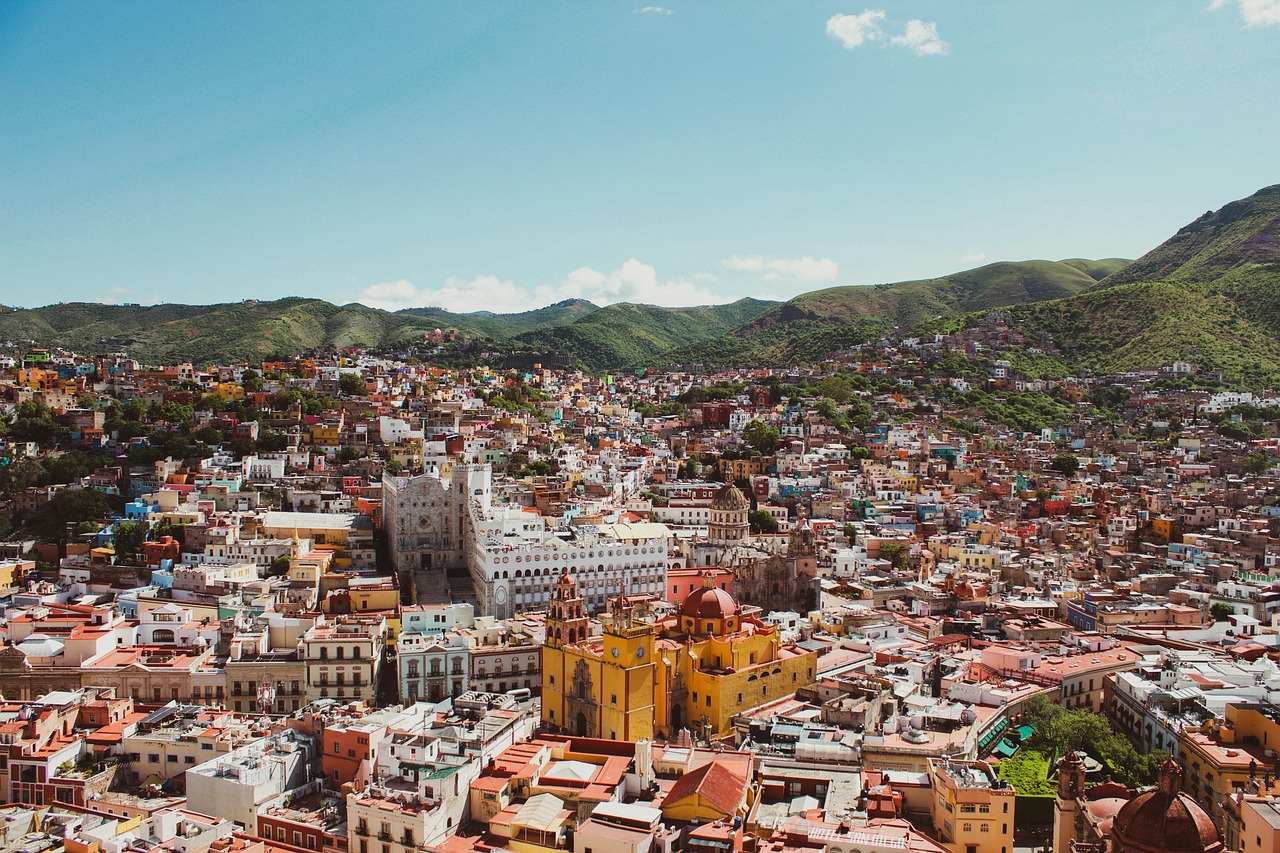
San Ángel feels like a village that the city accidentally grew around. Its cobblestone streets are lined with bougainvillea-draped walls and hidden plazas that offer a quietude rarely found elsewhere in CDMX. Just five minutes away lies Coyoacán, the "Place of Coyotes." This was Luna’s childhood home, a bohemian bastion that has long been the refuge of artists, intellectuals, and revolutionaries. To walk through the Jardin Centenario is to see the city as it used to be: families sharing churros, street performers under the shadow of the San Juan Bautista church, and a sense of community that feels defiant against the encroaching modernity.
Central to this southern pilgrimage is the Diego Rivera and Frida Kahlo Studio House Museum. Designed by Juan O’Gorman, these twin structures—connected only by a rooftop bridge—stand as a testament to the complex, intertwined lives of Mexico’s most famous artistic duo. It is here that the city's architectural evolution is most visible: the red and blue blocks of the studios rising sharply against the traditional backdrop of the San Ángel district.
Culinary Pilgrimage: From Fine Dining to Historic Flavors
If the neighborhoods are the soul of the city, the food is its lifeblood. Luna’s culinary map of Mexico City is a masterclass in balancing the contemporary with the traditional. At the forefront of his recommendations is Rosetta, located in a refurbished mansion in Roma Norte. Under the guidance of Chef Elena Reygadas, Rosetta has garnered international acclaim, but for Luna, the appeal is more visceral. He describes the restaurant as having a "home-like energy," a place where the atmosphere is as nourishing as the food.
The menu at Rosetta is a poetic exploration of Mexican ingredients. Luna highlights the white fish cooked in salt and the legendary mole—a dish that, in Reygadas' hands, feels both ancient and entirely new. But the experience isn't limited to white tablecloths. In Mexico City, the culinary spectrum is vast. Luna often speaks of the beauty in the "standing taco"—a quick, sensory explosion of cilantro, onion, and searing heat—contrasted with the slow, two-hour "comida" that serves as the centerpiece of Mexican social life.
For those seeking a more historic connection to the plate, Luna points toward Nico’s in the Clavería neighborhood. Since 1957, this family-run institution has been a "chef-approved" sanctuary for traditional flavors. There are no fusion gimmicks here; instead, you find the meticulous preparation of dishes like sopa seca de natas and organic pork in a green sauce that tastes of heritage and hard work.

The Cultural Offerings: Theater and Art Beyond the Surface
Mexico City boasts one of the top five largest theater offerings in the world, a cultural landscape that Luna describes as having evolved into a vibrant hybrid of independent and commercial productions. For an actor who cut his teeth on the stage, the theaters at the National University (UNAM) are sacred ground. The Centro Cultural Universitario is a modernist marvel, housing multiple stages that host everything from experimental performance art to classical Spanish drama.
Beyond the university, the Centro Cultural Helénico in San Ángel serves as another vital artery for the city's theatrical soul. It is a space where the boundaries between the audience and the performer often blur, set within a complex that includes a 12th-century Romanesque chapel transported from Spain.
"The theater in Mexico City is a reflection of the city itself: it is resilient, diverse, and deeply connected to the social fabric. You don't just watch a play here; you participate in a cultural conversation that has been ongoing for decades." — Travel Insight from the local perspective.
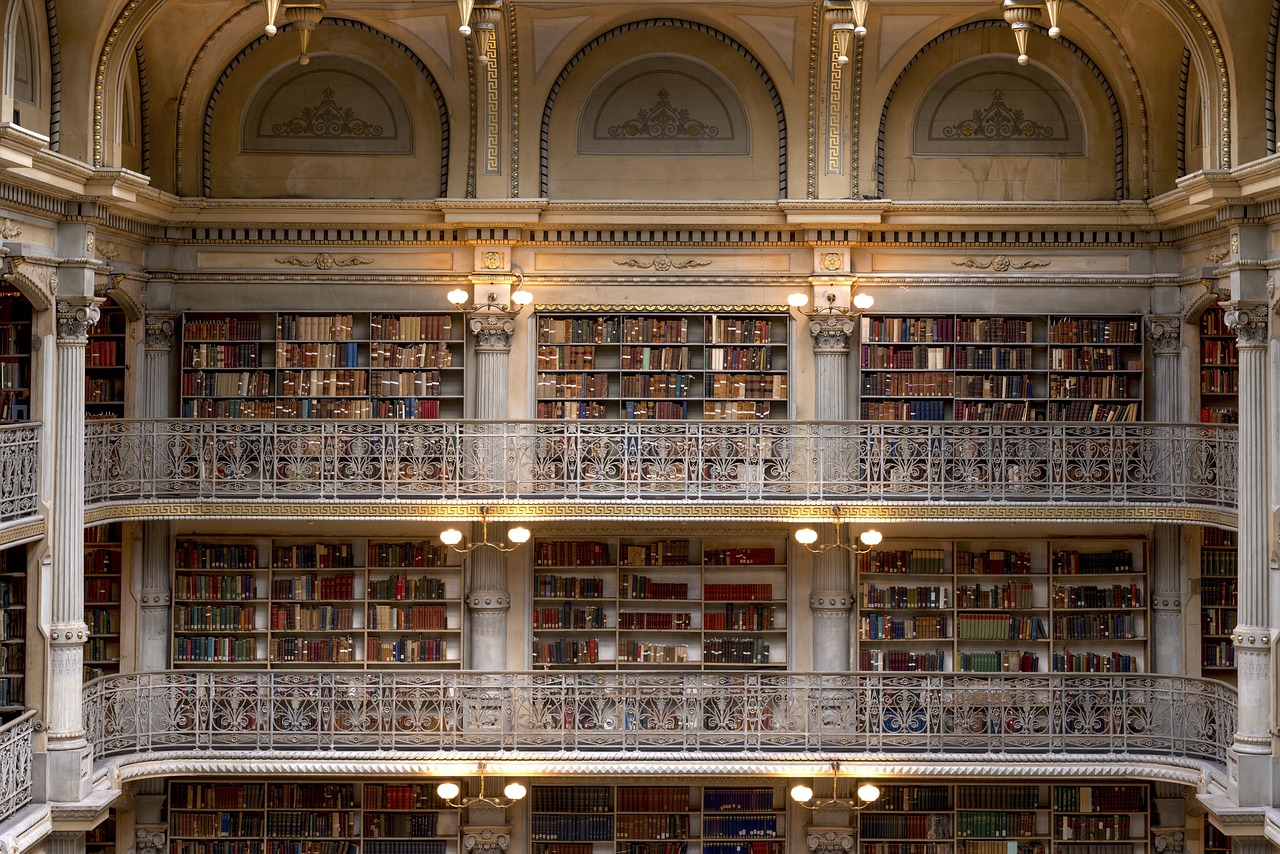
The UNAM campus is not just for theater-goers; it is a UNESCO World Heritage site recognized for its monumental murals by Siqueiros and Rivera, and its integration of pre-Hispanic concepts with modern architecture. It is a place where the history of the country is literally painted onto the walls of the Central Library.
Planning Your 2026 Visit: Seasonal Strategy & Weather
Planning a trip to a city sitting at 2,240 meters (7,350 feet) requires a bit of tactical foresight. The altitude means the sun is stronger, the air is thinner, and the weather can shift from a bright spring morning to a dramatic afternoon deluge within minutes. For those looking ahead to 2026, the spring months are the undisputed "Golden Era" for a visit.
Between March and May, the city undergoes a transformation. This is the season of the Jacarandas, when the streets are carpeted in violet blossoms, and the temperature hovers in a perfect 22-26°C range. It is the driest part of the year, making it ideal for the long walks through Coyoacán that Luna recommends. Conversely, if you are drawn to the mystical and the macabre, planning for Día de los Muertos (October 31 – November 2, 2026) offers a sensory experience unlike any other, though you should prepare for the tail end of the rainy season.
2026 Seasonal Planning Guide
| Month | Avg. Temperature | Rainfall Risk | Highlight |
|---|---|---|---|
| Jan - Feb | 12°C - 21°C | Low | Clear skies, cool nights |
| Mar - May | 15°C - 26°C | Moderate | Jacaranda Season |
| Jun - Sep | 14°C - 23°C | High | Daily 4-6 PM rain rhythm |
| Oct - Nov | 12°C - 22°C | Moderate | Día de los Muertos |
| December | 10°C - 20°C | Low | Festive lights, cool air |
Beyond the Capital: Diego Luna’s Bucket List Road Trips
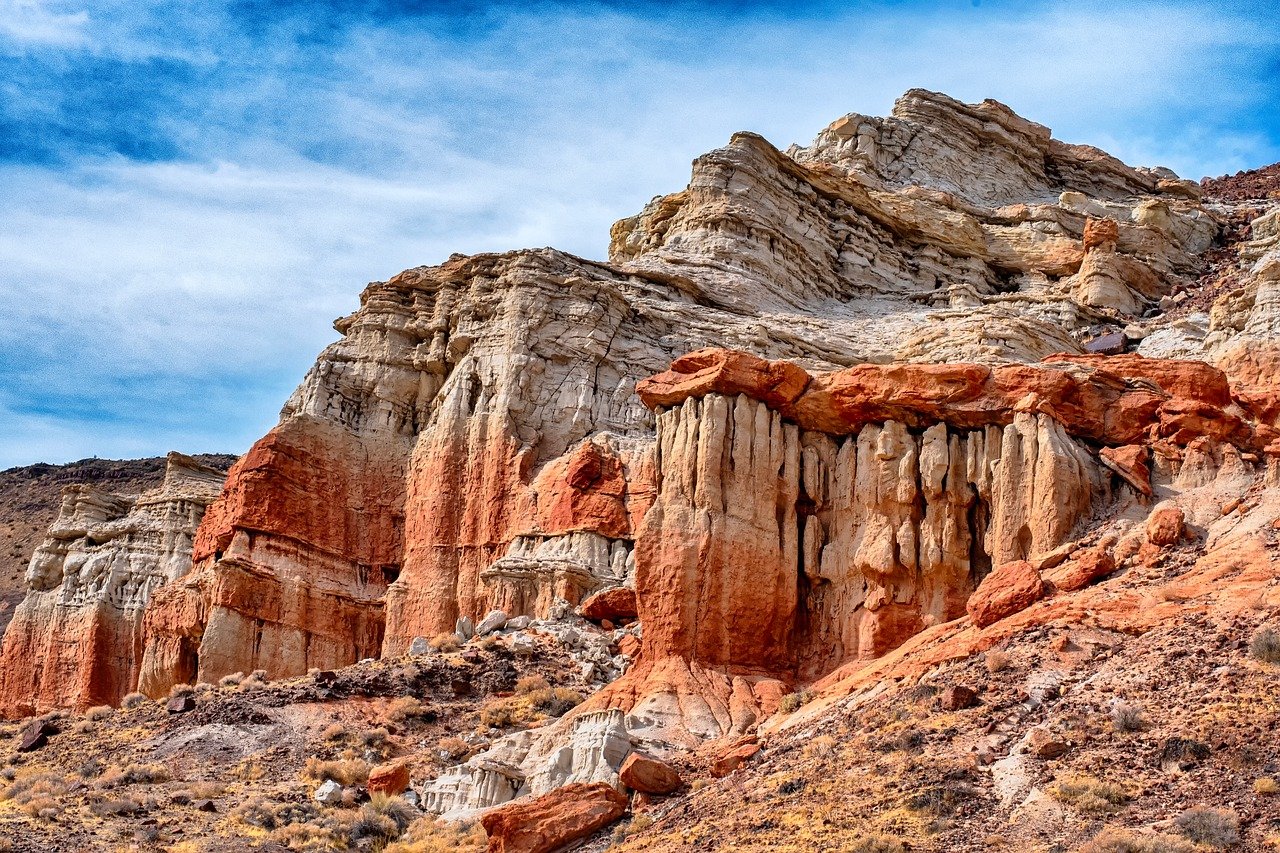
While Mexico City is the anchor, Luna often encourages travelers to look toward the horizon. His personal "bucket list" road trips reveal a deep appreciation for the country’s raw, natural beauty. To the north, the Sonora Desert offers a lunar landscape, specifically the crater at El Pinacate, a place of haunting stillness that feels worlds away from the noise of the capital.
For those with a penchant for the sea, the drive across Baja California—from the border grit of Tijuana all the way down to the turquoise waters of San José del Cabo—is a journey of epic proportions. It is a route defined by the transition from rugged desert to the "Aquarium of the World," as Jacques Cousteau once described the Sea of Cortez.
To experience Mexico with the same depth as its most famous cinematic ambassador, one must be willing to get lost. It is in the "lost" moments—stumbling upon a hidden mezcal bar in Roma, hearing the distant echo of a university rehearsal, or watching the sunset over the terracotta roofs of San Ángel—that the city finally reveals itself.
Start Planning Your CDMX Journey →
FAQ
Q: Is Mexico City safe for first-time travelers following Diego Luna’s guide? A: Yes, particularly the neighborhoods mentioned like San Ángel, Coyoacán, and Roma Norte. These are well-traversed, pedestrian-friendly areas. However, as in any major city, stay aware of your surroundings, especially at night.
Q: Do I need to book Rosetta and Nico’s in advance? A: Absolutely. Rosetta, in particular, is one of the most sought-after reservations in the city. Aim to book 3-4 weeks in advance. Nico’s is typically easier for lunch, but weekend reservations are highly recommended.
Q: How do I manage the altitude in Mexico City? A: The 2,240m elevation can cause mild headaches or fatigue. Drink plenty of water, limit alcohol for the first 48 hours, and allow yourself time to acclimate before doing strenuous activities like climbing the nearby pyramids of Teotihuacán.
Explore the Heart of Mexico The beauty of Mexico City lies in its layers. From the ancient stones of the Templo Mayor to the contemporary genius of Elena Reygadas’ kitchen, every corner tells a story of survival and celebration. Follow in the footsteps of Diego Luna, but don't be afraid to find your own path through the Jacarandas.