Quick Facts
- Best Time to Visit: April–May and September–October for mild weather; January–February for stunning snow-dusted hoodoos.
- Top Hike: The combined Navajo Loop and Queen’s Garden Trail (approx. 3 miles).
- Stargazing Status: International Dark Sky Park; home to the world-renowned Dark Ranger Observatory.
- Unique Lodging: Luxury panoramic sky domes in Cannonville offer a high-end "glamping" experience under 28-foot glass walls.
- Elevation Warning: Altitudes range from 6,600 to 9,100 feet. Pack layers and stay hydrated to combat the thin air.
The Magic of the Hoodoos: A 60-Million-Year Masterpiece
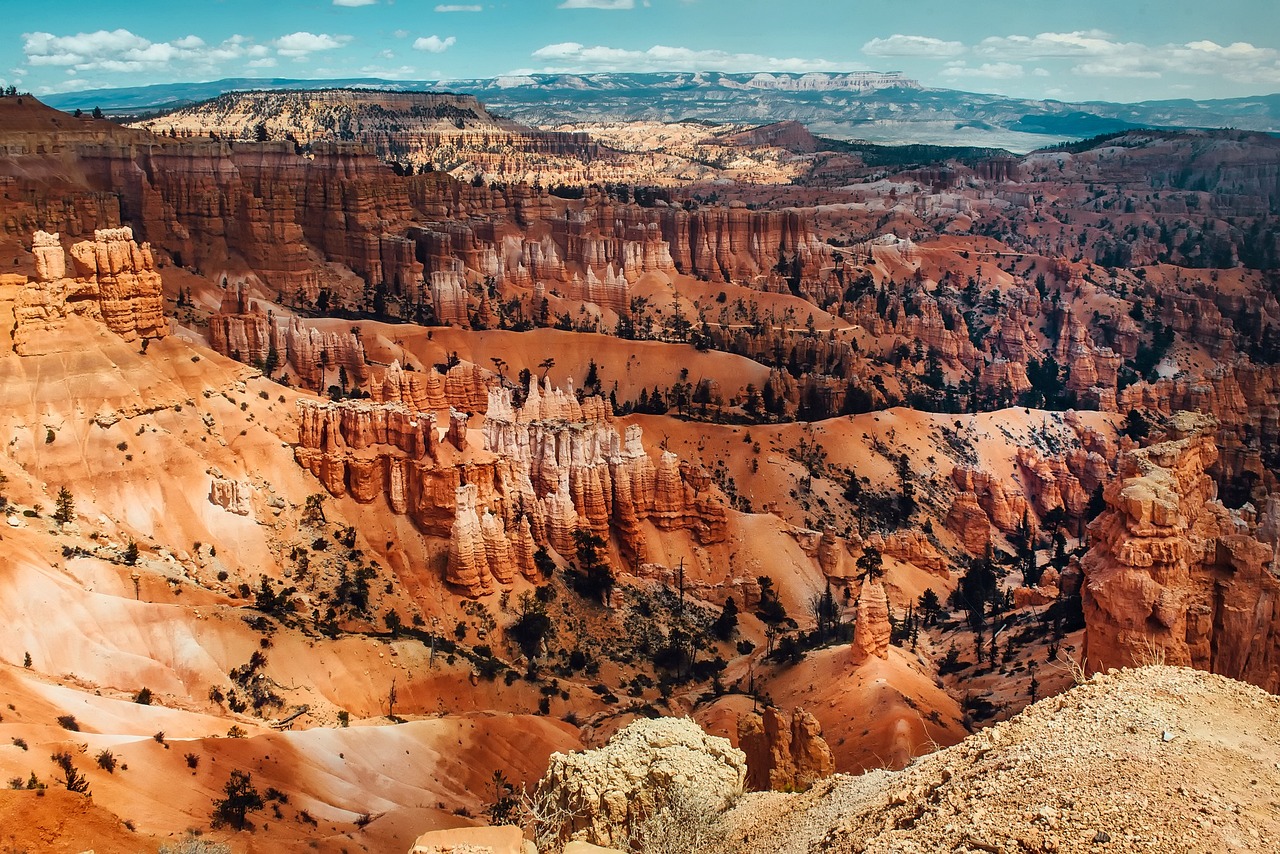
To the Southern Paiute people, the towering, spindly rock spires of Bryce Canyon were known as the Angka-ku-wass-a-wits—the "Legend People" who were turned to stone by a trickster Coyote as punishment for their greed. Standing at the rim of the Bryce Amphitheater today, it is easy to see why these formations evoke such human-like presence. Bryce Canyon National Park preserves the world’s largest concentration of hoodoos, geological wonders that have been sculpted by the relentless forces of frost wedging and rainwater over 60 million years.
Unlike the vast, horizontal expanses of the Grand Canyon, Bryce is intimate and vertical. It is a labyrinth of fins, windows, and spires that glow with an ethereal crimson hue at sunrise. For travelers planning a 2026 expedition, Bryce remains one of the most accessible yet otherworldly landscapes in the American West. Whether you are descending into the "Wall Street" switchbacks or reclining in a luxury sky dome to watch the Milky Way, the park offers a profound connection to deep time.
Planning Your 2026 Visit: Timing and Logistics
The most common mistake travelers make is grouping Bryce Canyon with nearby Zion or Arches in terms of climate. Because of its high elevation—peaking at over 9,000 feet at Rainbow Point—Bryce is significantly cooler. In mid-summer, while Zion swelters at 100°F, Bryce often enjoys a pleasant 80°F.
When to Go:
- Spring (April to May): The sweet spot for hikers. The shuttle system is fully operational, the wildflowers begin to bloom, and the daytime temperatures are perfect for long treks.
- Early Fall (September to October): Crisp air and thinning crowds make this an ideal time for photography.
- Winter (December to February): For the adventurous, seeing the vibrant orange hoodoos topped with a layer of pristine white snow is a life-changing visual experience. Many trails remain open for snowshoeing, though the Navajo Loop may have seasonal closures due to ice.
Navigating the Park: Most visitors arrive via Scenic Byway 12, often cited as one of the most beautiful drives in the world. Once inside the park, the UT-63 scenic drive runs 18 miles from the northern entrance to the southern tip. During peak months, I highly recommend utilizing the free park shuttle to avoid the frustration of finding parking at popular trailheads like Sunset Point.
Pro Tip: High Altitude Hydration At 8,000 feet, your body loses water twice as fast as it does at sea level. Don’t wait until you’re thirsty. Carry a minimum of two liters of water per person, even on shorter "easy" walks.
Best Hikes: From the Rim to the Canyon Floor
Bryce offers over 50 miles of hiking trails, ranging from paved strolls along the rim to strenuous multi-day backcountry loops. To truly experience the scale of the hoodoos, you must leave the rim and descend into the "silent city."
The "World’s Best 3-Mile Hike"
If you only have one day, the combination of the Navajo Loop and Queen’s Garden Trail is non-negotiable. Starting at Sunset Point, you descend into the shadows of "Wall Street," a narrow canyon where towering Douglas firs reach for a sliver of blue sky between sheer orange walls. You’ll eventually connect to the Queen’s Garden, where a specific hoodoo remarkably resembles Queen Victoria overseeing her court.
Quick Hike Comparison Stats
| Trail Name | Distance (Round Trip) | Difficulty | Key Feature |
|---|---|---|---|
| Rim Trail | 1–11 miles | Easy | Panoramic views; paved sections from Sunrise to Sunset Point. |
| Navajo/Queen's | 3 miles | Moderate | Wall Street switchbacks and iconic hoodoo formations. |
| Peekaboo Loop | 5.5 miles | Strenuous | Passes the "Wall of Windows"; steep elevation changes. |
| Fairyland Loop | 8 miles | Strenuous | A quieter, more secluded trek through younger hoodoos. |
| Mossy Cave | 0.8 miles | Easy | A hidden waterfall and "windows" via Highway 12. |
For those looking to escape the crowds, the Fairyland Loop is my personal favorite. It begins at Fairyland Point—a spot many tourists skip—and offers a mesmerizing 8-mile journey through a landscape that feels significantly more intimate and fragile than the main amphitheater.
After Dark: Why Bryce is an International Dark Sky Park
The experience of Bryce Canyon doesn't end when the sun dips below the horizon. In fact, for many, the real show is just beginning. As an International Dark Sky Park, Bryce boasts some of the darkest skies in the lower 48 states. On a clear night, the naked eye can see over 7,500 stars, the silver band of the Milky Way, and even the planet Venus casting a shadow on the ground.
Stargazing Programs & Tours
The National Park Service hosts ranger-led telescope sessions and an annual Astronomy Festival every June. However, if you want a more intimate and professional experience, look into the Dark Ranger Observatory. Located just outside the park, these nightly tours ($42 per person) utilize high-powered telescopes and provide expert narration on the constellations and deep-space objects visible from this high-altitude perch.
Best Viewing Spots
If you prefer a solo experience, head to Inspiration Point or Natural Bridge Overlook. The high elevation and distance from any major city lights create an "aquarium of stars" effect that is increasingly rare in our modern world.
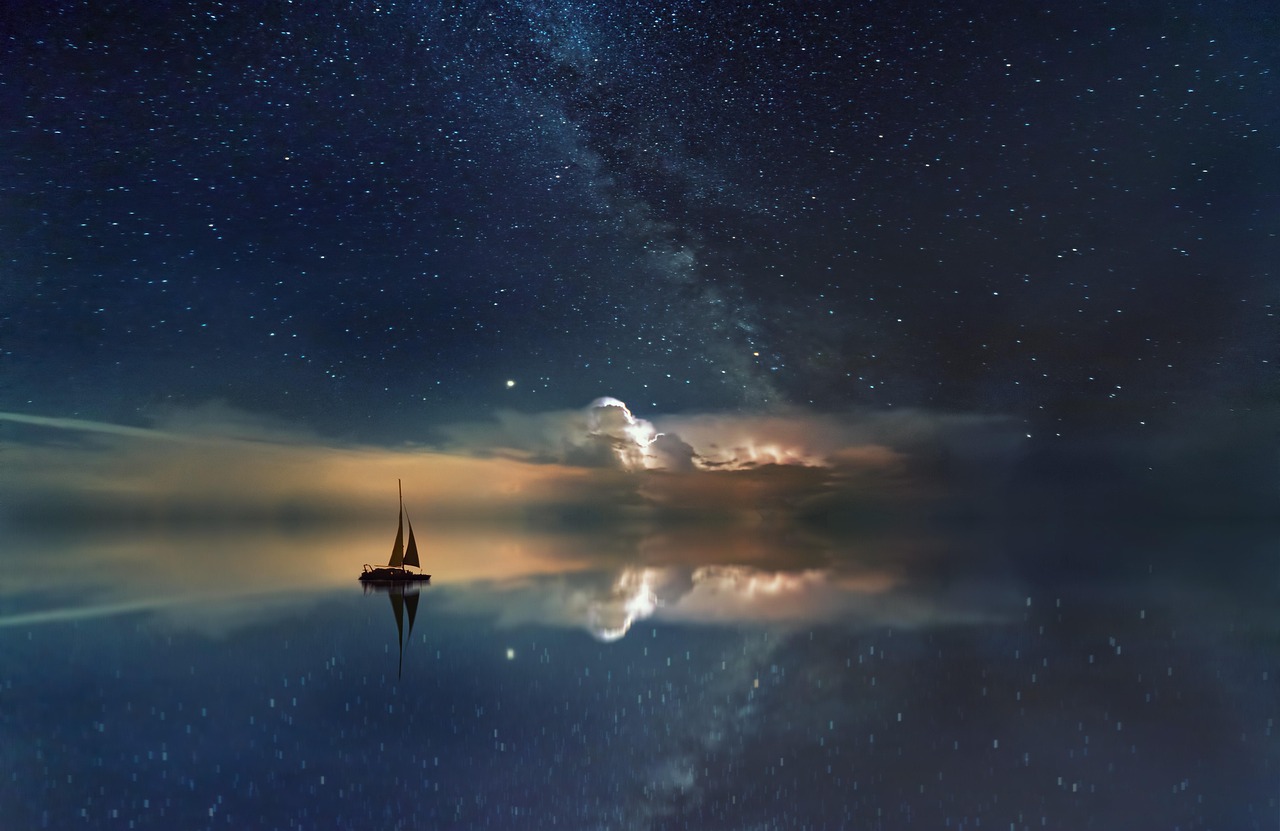
Unique Lodging: Sleeping Under a Celestial Canopy
The lodging landscape near Bryce Canyon has evolved significantly in recent years. While the historic Lodge at Bryce Canyon offers unbeatable proximity (steps from the rim), it lacks modern luxuries and fills up nearly a year in advance. For the 2026 traveler, the most exciting developments are happening in the realm of high-end glamping.
Clear Sky Resorts: The Panoramic Sky Dome Experience
Located in nearby Cannonville, Clear Sky Resorts has redefined the concept of "sleeping under the stars." These geodesic sky domes feature 28-foot floor-to-ceiling panoramic glass walls. Each dome is uniquely themed—ranging from "Space Galaxy" to "British Secret Agent"—and includes luxury linens, private modern bathrooms, and even "sky decks" for private stargazing.
Staying here isn't just about a bed; it's about staying immersed in the landscape. You can fall asleep watching the constellations move across the sky from the comfort of a climate-controlled room.
Book Your Sky Dome Experience →
Other Notable Options
- Under Canvas Bryce Canyon: Located on 700 acres of high desert, these safari-style tents offer an eco-conscious luxury experience with wood-burning stoves.
- Stone Canyon Inn: Offers charming treehouses and bungalows in Tropic, providing a great middle-ground for families.
Beyond the Amphitheater: Nearby Hidden Gems
While the main Bryce Amphitheater is the star of the show, the surrounding region holds treasures that often see a fraction of the traffic.
Red Canyon Located within the Dixie National Forest, Red Canyon is often the first glimpse of hoodoos that visitors see on their way into the park. It is a haven for mountain bikers (the Thunder Mountain Trail is legendary) and ATV enthusiasts who want a more high-octane experience than the National Park allows.
Kodachrome Basin State Park Just 40 minutes from Bryce, Kodachrome Basin was named by the National Geographic Society for its vibrant, photogenic colors. It is famous for its 67 monolithic stone spires (sedimentary pipes) and offer excellent, quiet hiking trails that feel like a secret world.
FAQ: Your 2026 Bryce Questions Answered
Can I bring pets on the trails? Pets are allowed on all paved surfaces, including the paved portion of the Rim Trail between Sunset and Sunrise Points, but they are strictly prohibited on all unpaved canyon trails.
Is a shuttle required for all trailheads? The shuttle is not mandatory, but it is highly recommended during the peak season (May through October). Parking lots at Bryce Point and Sunset Point often fill up by 9:00 AM. Using the shuttle allows you to hike one-way segments of the Rim Trail without needing to double back to your car.
How far in advance should I book Sky Domes? For peak summer dates or the Astronomy Festival in June, I recommend booking at least 6 to 8 months in advance. The unique nature of the Clear Sky Resorts means they are in high demand for honeymooners and photography enthusiasts.
Start Your Utah Adventure Today
Bryce Canyon is more than a destination; it is a lesson in the patient, beautiful work of time. Whether you find yourself breathless at the bottom of Wall Street or waking up to a sunrise filtered through the glass of a sky dome, this park promises a perspective you won't find anywhere else on Earth.
Plan your 2026 journey with a sense of wonder, a sturdy pair of boots, and an eye on the stars. The "Legend People" are waiting.