To stand on the windswept cliffs of Hermaness, looking out over the Muckle Flugga lighthouse toward the North Pole, is to understand what it means to be at the edge of the world. The Shetland Islands—an archipelago of over 100 islands, only 15 of which are inhabited—are geographically closer to Bergen than to London. This proximity has forged a culture that is distinctly "Northern." For approximately 600 years, these islands were under Norwegian rule, only becoming part of Scotland in 1462 as a dowry for a royal marriage. Today, that Norse legacy is a living pulse, felt in the local dialect, the seafaring traditions, and the annual fire festivals that light up the midwinter sky.
Whether you are drawn here by the brooding atmosphere of the BBC’s Shetland series or a desire to witness the raw power of the Atlantic meeting the North Sea, this archipelago offers a profound sense of isolation and resilience. It is a place where the air smells of salt and peat smoke, and where the "Simmer Dim"—the long midsummer twilight—means the sun barely dips below the horizon.
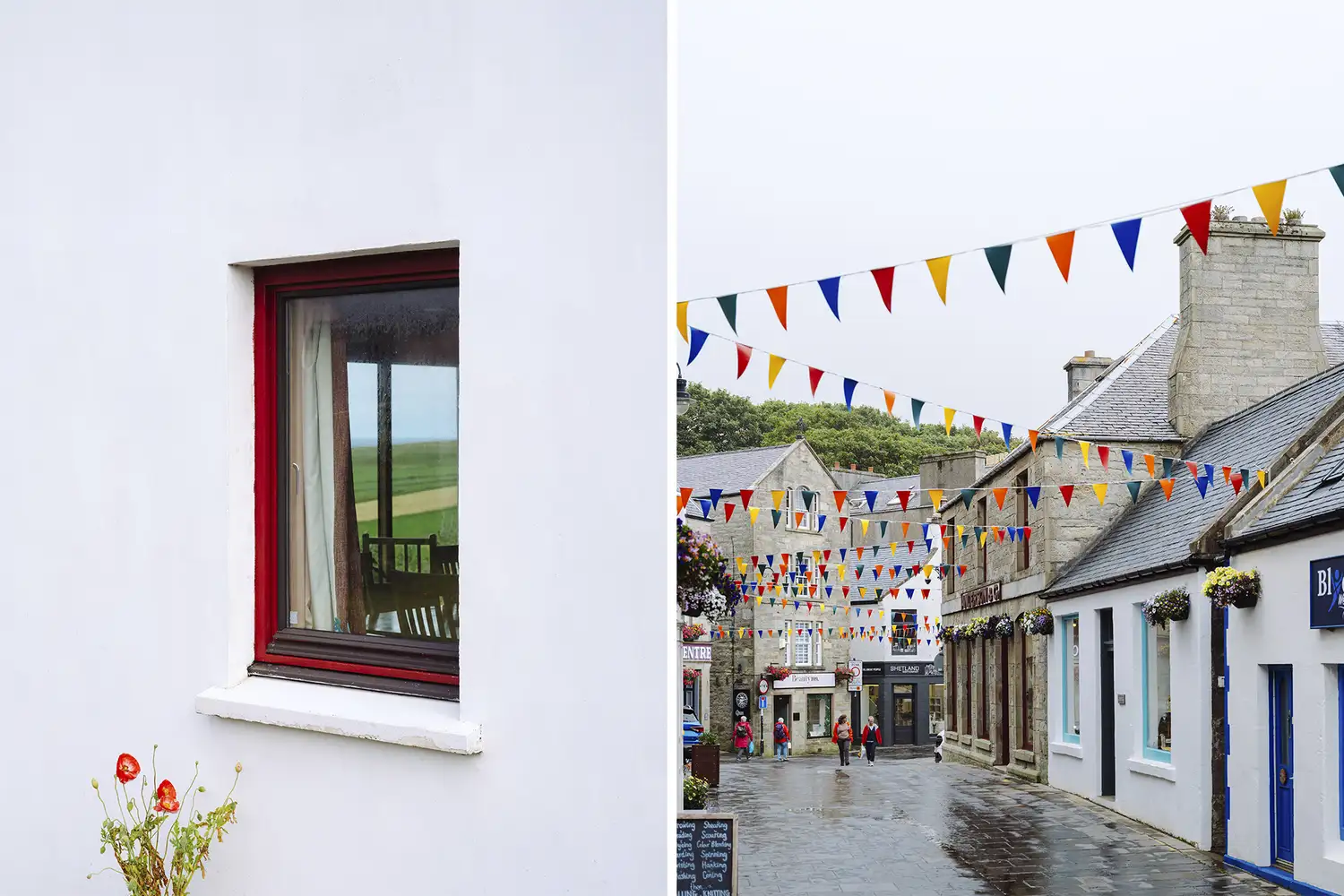
Planning Your Journey: Logistics and Timing
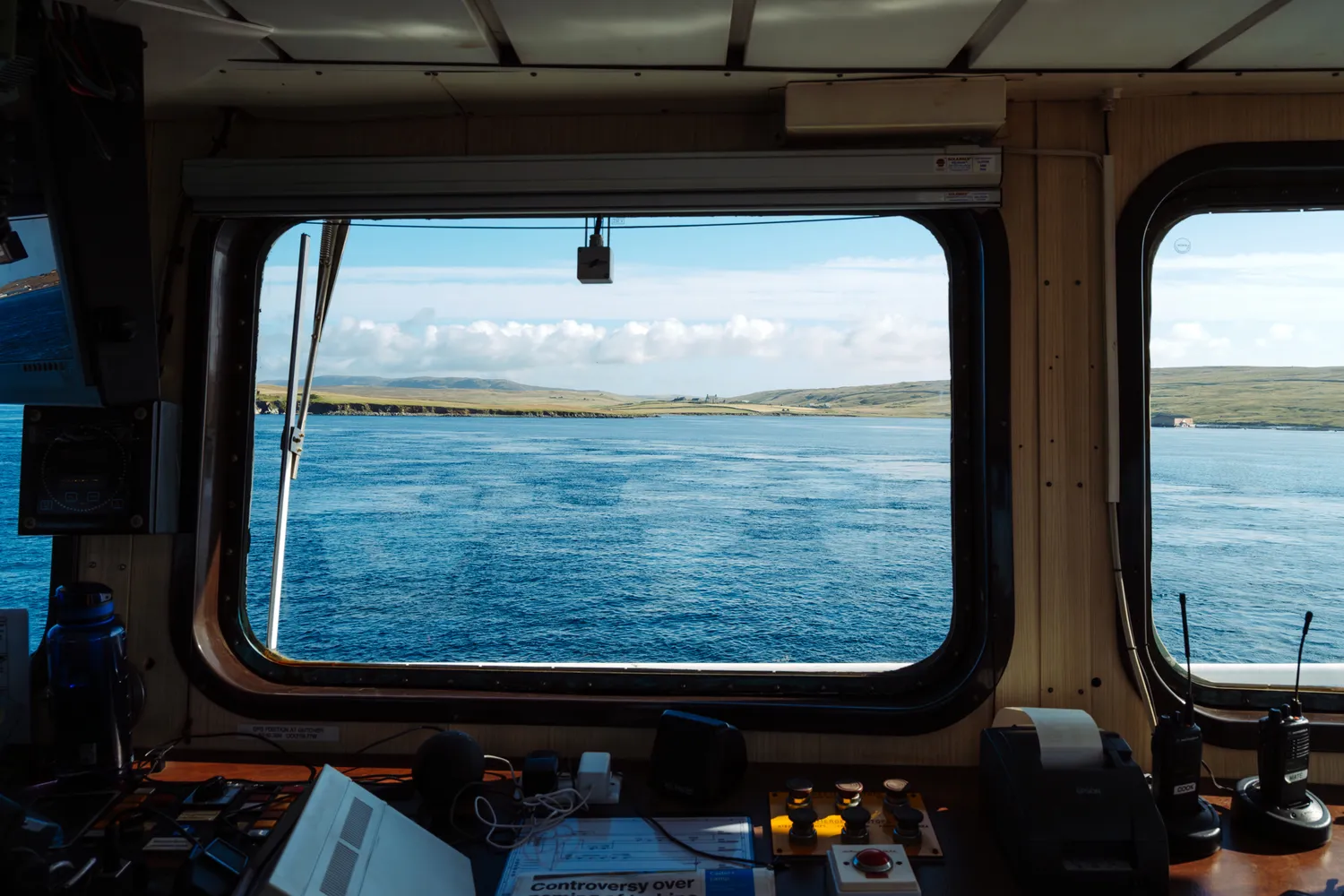
Reaching the Shetland Islands requires a deliberate choice: the slow, rhythmic transition of the sea or the swift, aerial hop from the mainland.
How do you get to the Shetland Islands? Visitors typically arrive via two main routes. The NorthLink ferry departs daily from Aberdeen, offering a 12-to-14-hour journey that arrives in Lerwick, Shetland's capital. For many, the overnight ferry is a rite of passage, waking up as the ship sails past the towering cliffs of the South Mainland. Alternatively, Loganair operates flights into Sumburgh Airport (LSI) from major Scottish hubs including Edinburgh, Glasgow, Inverness, and Aberdeen. While flying is faster, be prepared for "Shetland weather"—the islands are prone to thick sea mists known locally as haar, which can occasionally disrupt flight schedules.
Once on the ground, a rental car is almost essential for exploring beyond Lerwick. While there is a public bus system, the true magic of Shetland lies in the remote "vips" (narrow inlets) and high moors where the schedule of a bus rarely aligns with the movement of the light or the appearance of wildlife.
Pro-Tip: Inter-Island Ferries Shetland’s internal ferry network is incredibly efficient and heavily subsidized. While some routes (like the short hop to Bressay) are turn-up-and-go, the ferries to the "North Isles" (Yell, Unst, and Fetlar) can get busy in summer. It is highly recommended to book your vehicle space online via the Shetland Islands Council website at least 48 hours in advance.
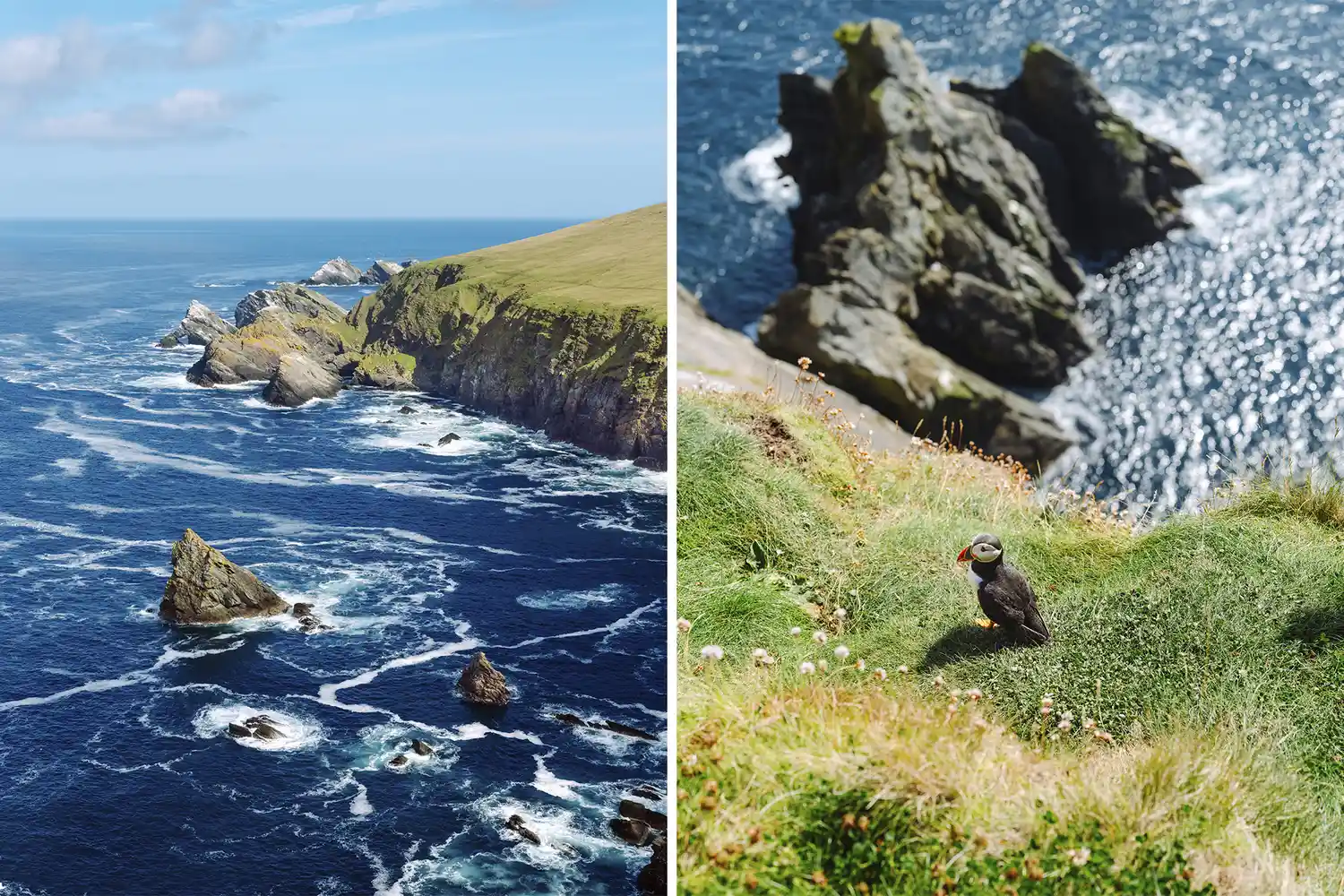
Wildlife Wonders: From Puffins to Orcas
For naturalists, Shetland is nothing short of a pilgrimage site. The archipelago hosts some of the most significant seabird colonies in the North Atlantic, and the surrounding waters are a highway for marine giants.
What is the best time to see wildlife in the Shetland Islands? Late spring to early summer (mid-May to mid-July) is the peak window. This is the breeding season when the cliffs are teeming with life. By late July, many puffins begin to depart for the open ocean, and by August, the great "seabird cities" begin to quiet down.
| Month | Daylight Hours | Wildlife Highlights |
|---|---|---|
| May | 16 - 18 hours | Puffins arrive; wildflowers (thrift) carpet the cliffs. |
| June | 18 - 19 hours | Peak nesting season; best time for the "Simmer Dim" light. |
| July | 17 - 18 hours | Orca sightings are frequent; puffins still present. |
| August | 15 - 16 hours | Gannets remain; great time for spotting otters. |
Iconic Viewing Spots
- Sumburgh Head: At the southern tip of the Mainland, this RSPB reserve is the most accessible place to see puffins. They burrow in the grassy slopes right beside the lighthouse paths, seemingly unfazed by photographers.
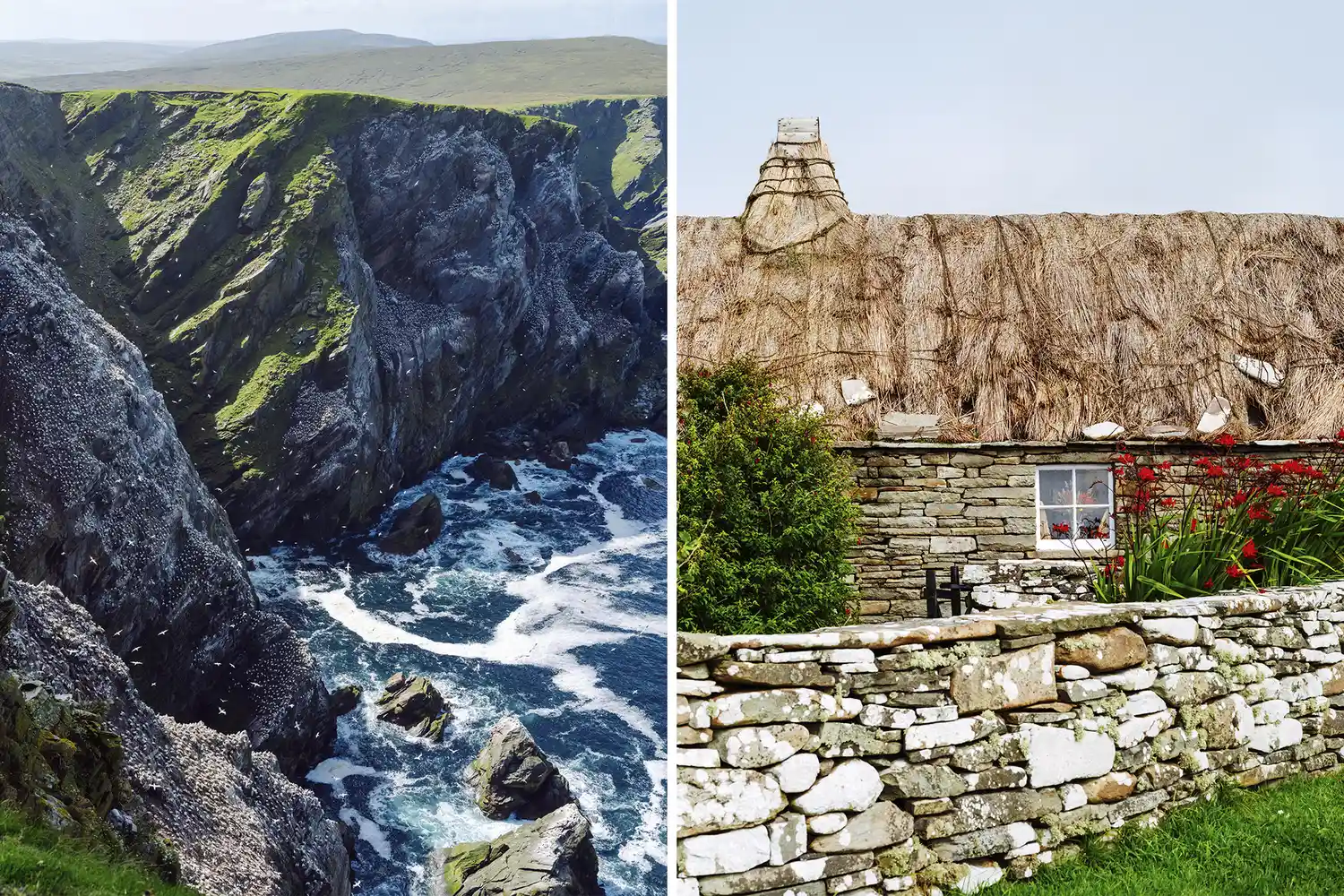
- Hermaness National Nature Reserve: Located on Unst, a walk through the moorland brings you to towering cliffs home to over 25,000 pairs of gannets. The sight of these massive white birds plunging into the dark sea is a visceral display of nature's power.
- The Hunt for Orcas: Shetland has become world-famous for its near-shore orca sightings. Follow the "Shetland Orca Sightings" Facebook group for real-time alerts. These apex predators are often seen patrolling the coast in search of seals.
A Tapestry of Tradition: Shetland’s Craft Heritage
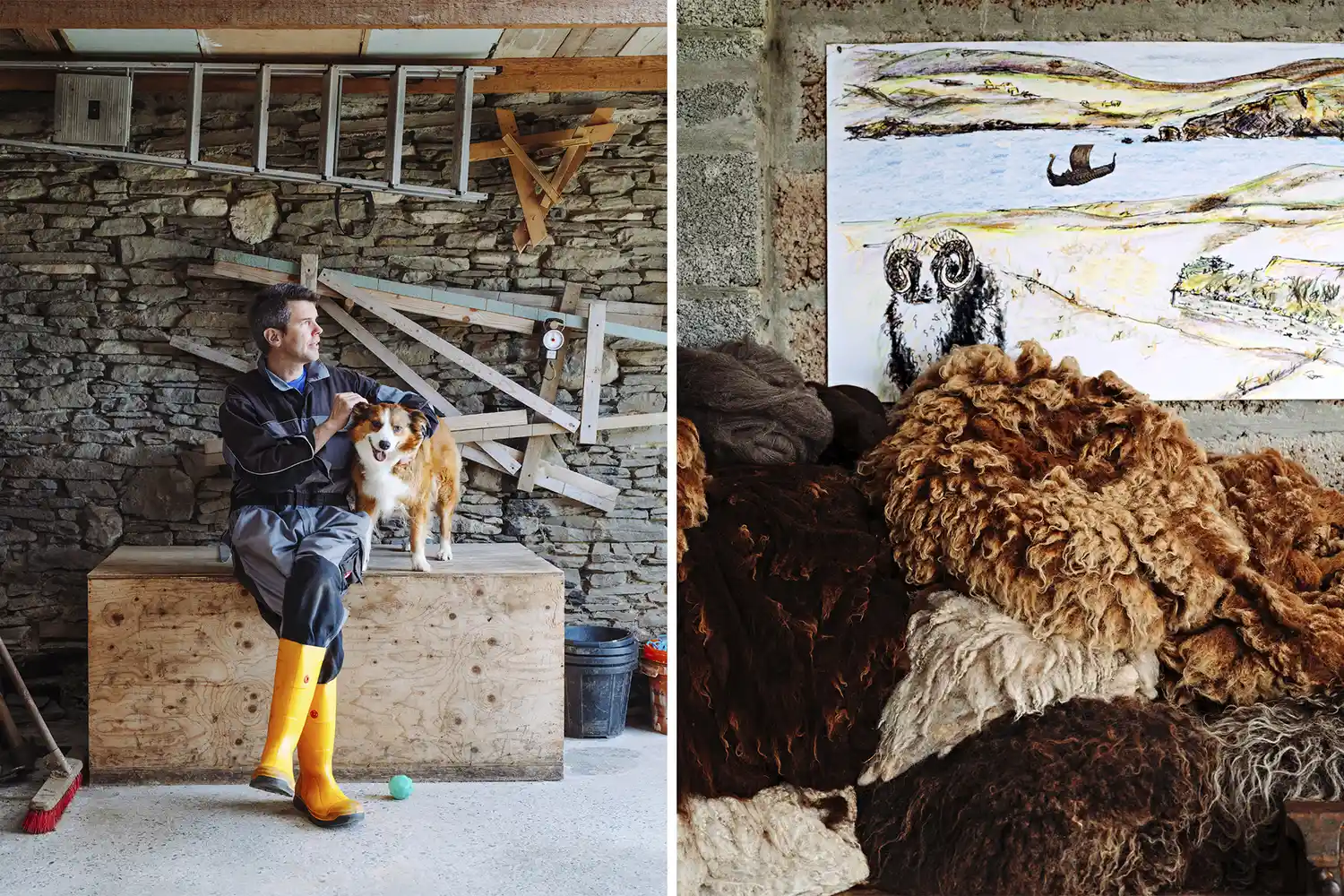
Shetland’s landscape is inseparable from its sheep. The hardy, diminutive Shetland sheep produce a wool that is prized globally for its warmth and softness. This raw material has fueled two distinct knitting traditions that are vital to the islands' identity.
Fair Isle Knitting Originating from the tiny, remote Fair Isle (located halfway between Orkney and Shetland), this technique involves "stranded colorwork," where two colors are used in a single row to create intricate geometric patterns. It gained global fame in the 1920s when the Prince of Wales wore a Fair Isle vest, and today, it remains a symbol of artisanal excellence.
The Lace of Unst In the northernmost island of Unst, a different tradition emerged: "Fine Lace" knitting. Using yarn spun so thin it resembles a spiderweb, Unst knitters created "wedding ring shawls"—intricate garments so delicate they could be pulled through a person's wedding ring. The Unst Heritage Centre is the best place to witness this extraordinary skill and view historical examples that rival the finest European lace.
Modern makers are currently revitalizing these traditions. In Hoswick, you’ll find designers like Nielanell, whose contemporary knitwear plays with traditional motifs in avant-garde ways, and Karlin Anderson, a jeweler whose work is often inspired by the textures of Shetland lace and the rugged coastal geology.
Walking the Wild North: Top Coastal Trails
The best way to experience Shetland’s "wild and windswept" character is on foot. The lack of trees means the views are vast, dominated by the shifting colors of the sea and sky.
- St. Ninian’s Isle (Mainland)
- Distance: 6km (loop)
- Difficulty: Easy
- Key Attraction: Crossing the UK’s largest active double tombolo—a stunning natural sand causeway with turquoise water on both sides.
- Eshaness Cliffs (North Mainland)
- Distance: 6km (loop)
- Difficulty: Moderate
- Key Attraction: The "Grind o da Navir," a massive breach in the volcanic cliffs where the sea has tossed huge boulders inland. The geology here is a 300-million-year-old volcanic complex.
- The Hams of Muckle Roe
- Distance: 15km (round trip)
- Difficulty: Hard/Remote
- Key Attraction: Red granite cliffs and secluded "hams" (natural harbors). This is one of the most tranquil spots in the archipelago, far from any road noise.
Echoes of the Vikings: Essential Heritage Sites
The history of Shetland is layered, quite literally, one civilization upon another. Because of the islands' relative lack of wood, people built with stone, resulting in some of the best-preserved archaeological sites in Northern Europe.
What are the must-see cultural sites in Shetland? The "Big Three" of Shetland heritage are Jarlshof, Mousa Broch, and the Shetland Museum.
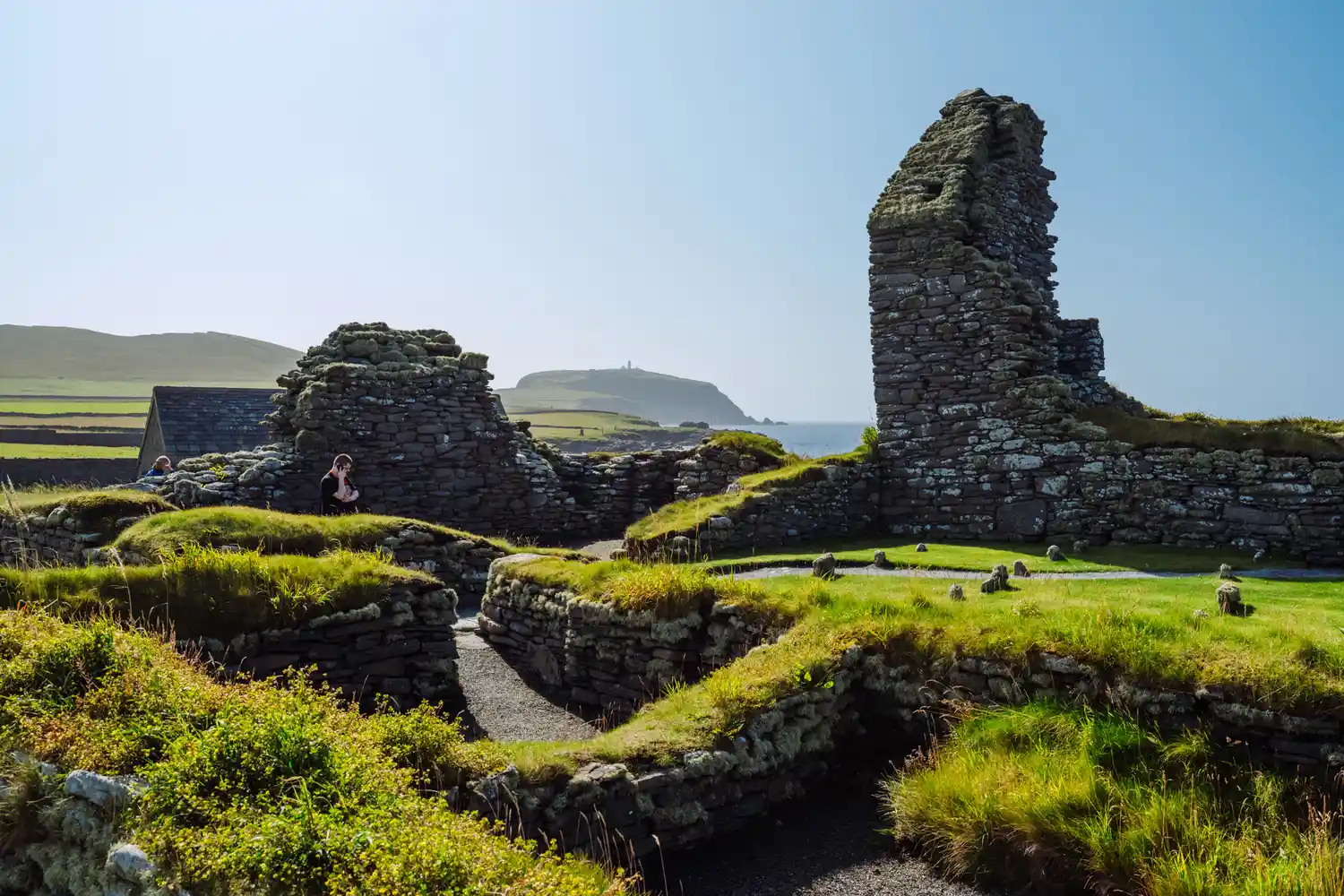
- Jarlshof Prehistoric and Norse Settlement: Located near Sumburgh, Jarlshof is a palimpsest of human history. Within a single site, you can walk through Bronze Age smithies, Iron Age wheelhouses, a sprawling Viking longhouse complex, and a 16th-century laird’s house. It is a rare opportunity to see 4,000 years of continuous habitation in one footprint.
- Mousa Broch: A short boat trip from Sandwick takes you to the uninhabited island of Mousa, home to the finest preserved Iron Age broch (stone tower) in existence. Standing at 13 meters tall, you can still climb the internal spiral staircase to the top for a view over the Sound.
- The Shetland Museum and Archives (Lerwick): This award-winning museum provides the necessary context to understand the "Shetland way of life." From the maritime history of the Haaf fishing (deep-sea fishing in open boats) to the linguistic transition from the Norn language to the modern Shetland dialect, it is an essential first stop.
A Taste of the Isles: Culinary Highlights
Shetland’s food scene is defined by its pristine environment. The surrounding waters provide some of the world's best seafood, while the salt-sprayed hills produce exceptionally flavorful lamb.
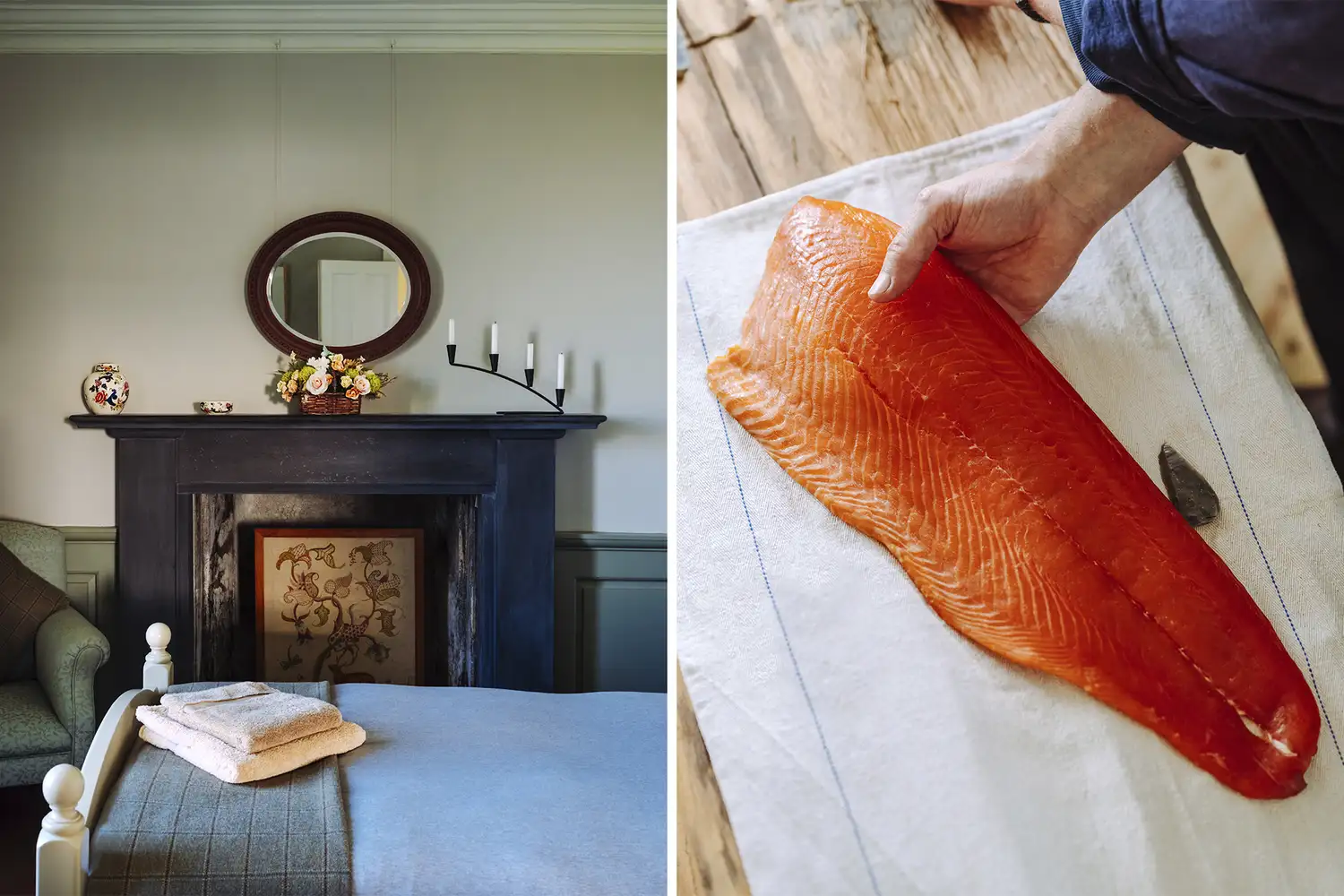
Don't leave without trying a traditional Shetland Bannock—a dense, scone-like bread often served with local butter. For a contemporary taste of the islands, visit the Hand-Made Fish Co. in Bigton. Their artisanal smoked salmon is cured using traditional methods that allow the quality of the fish to shine through.
For a formal meal with historical atmosphere, the Busta House Hotel near Brae is a local favorite. This 16th-century manor house offers a menu featuring local scallops and Shetland "Reestit Mutton" (mutton salted and dried over a peat fire), which is the basis for the islands' most famous soup.
FAQ: Your Shetland Travel Questions Answered
Is Shetland part of the Scottish Highlands? Geographically and culturally, Shetland is distinct from the Highlands. While it is part of Scotland, its heritage is Nordic-Gaelic. You won't find many kilts or bagpipes here; instead, you’ll find fiddles and Up Helly Aa fire festivals.
What should I pack for a trip to Shetland? Layers are non-negotiable. Even in summer, the wind can be biting. Bring a high-quality waterproof and windproof jacket, sturdy walking boots, and a warm wool hat. Don't forget sunscreen—the northern sun can be surprisingly strong, especially with the reflection from the sea.
Can you see the Northern Lights (Aurora Borealis) in Shetland? Yes, locally known as the "Mirrie Dancers." The best time to see them is from late autumn to early spring (October to March) when the nights are dark. Shetland’s northern latitude makes it one of the best places in the UK for aurora hunting.
Conclusion: The Enduring Magic of the North
The Shetland Islands do not reveal themselves to those in a hurry. They require you to slow down to the pace of the tides and the weather. It is a place of profound contrasts: the violence of a North Sea gale against the silence of a deserted white-sand beach; the ancient stone walls of a broch standing alongside modern "Polycrubs" (Shetland’s reinforced greenhouses).
To visit Shetland is to step into a landscape where history is etched into every cliff face and where the spirit of the Vikings still whispers in the wind. Whether you are watching a puffin return to its burrow or sharing a dram in a peat-warm inn, you will find that the "Wild North" stays with you long after you’ve crossed the Minch back to the mainland.