Quick Facts
- Duration: 7 days / 6 nights (Saturday to Friday).
- Distance: 125 miles (200 kilometers) between Saint-Louis and Podor.
- Operating Season: November through April (The West African dry season).
- Vessel: The Bou el Mogdad, a historic 1950s-era former mail and cargo ship.
- Highlights: UNESCO-listed Saint-Louis, Djoudj National Bird Sanctuary, and cultural immersions in the ancient Waalo Kingdom.
The Timeless Allure of the Senegal River
While Dakar pulses with the rhythmic thrum of mbalax music and the chaotic energy of a modern African metropolis, the northern frontier of Senegal offers a vastly different tempo. Here, life is measured by the slow, caramel-brown flow of the Senegal River, a waterway that has served as the lifeblood of West African trade for centuries. For the traveler seeking a deep-dive into the region’s soul, there is no substitute for the river’s vantage point.
The best way to explore this historic corridor is a 7-day, 125-mile cruise on the historic Bou el Mogdad. Navigating the stretch between the colonial capital of Saint-Louis and the desert outpost of Podor, this journey offers an unparalleled window into the interplay between French colonial history, the remnants of ancient African kingdoms, and the raw beauty of the Sahelian landscape. This is not merely a vacation; it is a slow-motion immersion into a territory roughly the size of Hawaii’s Big Island, where the modern world feels like a distant memory.
The Vessel: A Legend Reborn
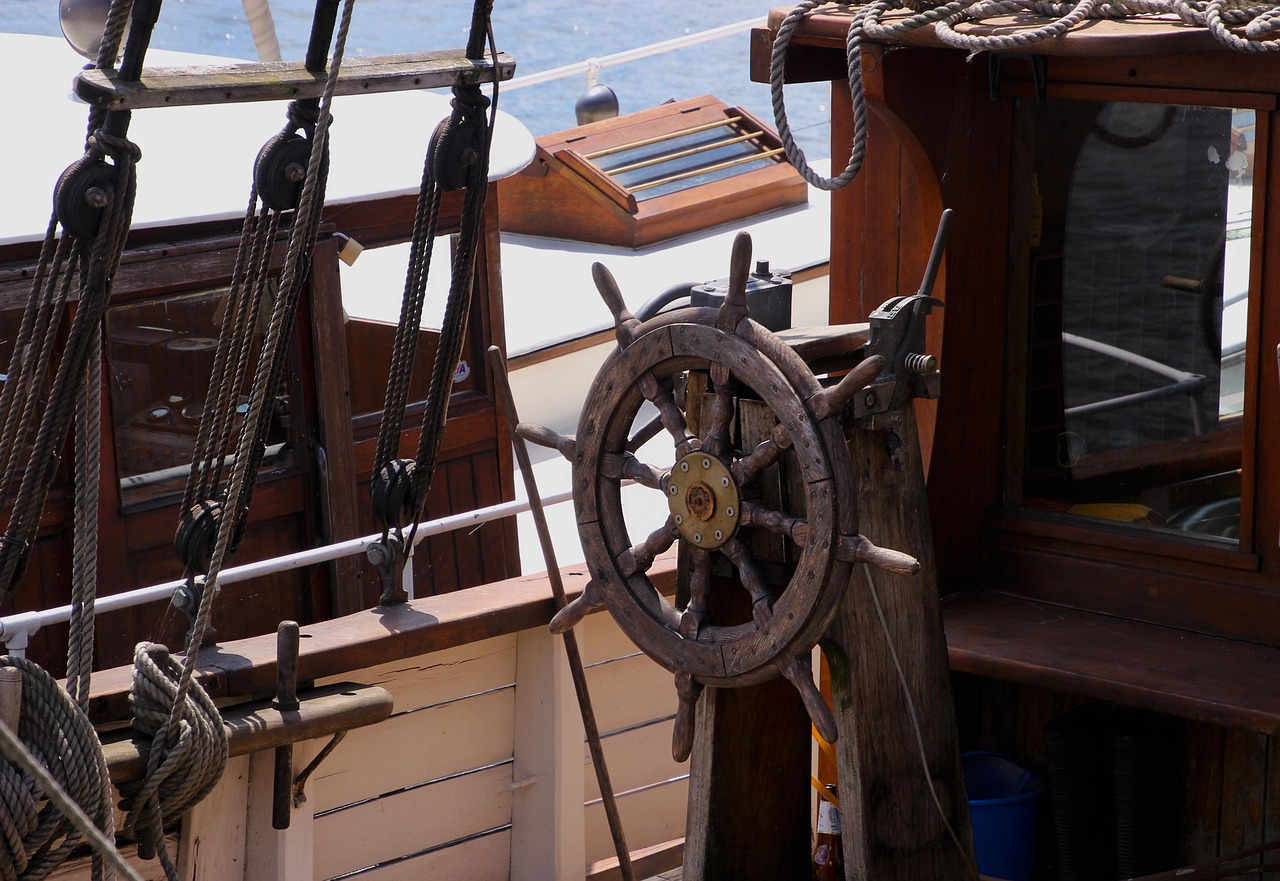
The Bou el Mogdad is as much a part of the landscape as the river itself. Built in 1950 by the Dutch for the Messageries du Sénégal, it spent decades as a vital link for the communities of the river valley, carrying mail, cargo, and passengers long before reliable roads existed. After a period of neglect, it was lovingly restored, retaining its "sun-bleached bone" white exterior and mid-century character.
Stepping onto the Bou el Mogdad is like entering a Graham Greene novel. The ship features:
- 25 Cabins: Ranging from standard cabins with shared facilities to "comfort" cabins with en-suite bathrooms.
- Slow Travel: The ship travels at a leisurely pace of just 3 knots—essentially a walking pace—allowing passengers to truly absorb the riverside scenery.
- Amenities: A small plunge pool to combat the Sahelian heat, a rooftop bar for sundowners, and a library stocked with West African history and literature.
The atmosphere on board is one of quiet sophistication. There is no loud music or frantic itinerary; instead, the rhythm is dictated by the gentle vibration of the engine and the shifting colors of the riverbank.
Starting Point: Saint-Louis, the UNESCO Gem
Every Saturday, the journey begins in Saint-Louis (known locally as Ndar). As the first French settlement in Africa, this UNESCO World Heritage site is a labyrinth of ochre-colored colonial buildings, wrought-iron balconies, and bustling fishing ports. The city is famously anchored by the Faidherbe Bridge, a 500-meter-long engineering marvel designed by Gustave Eiffel’s workshops.
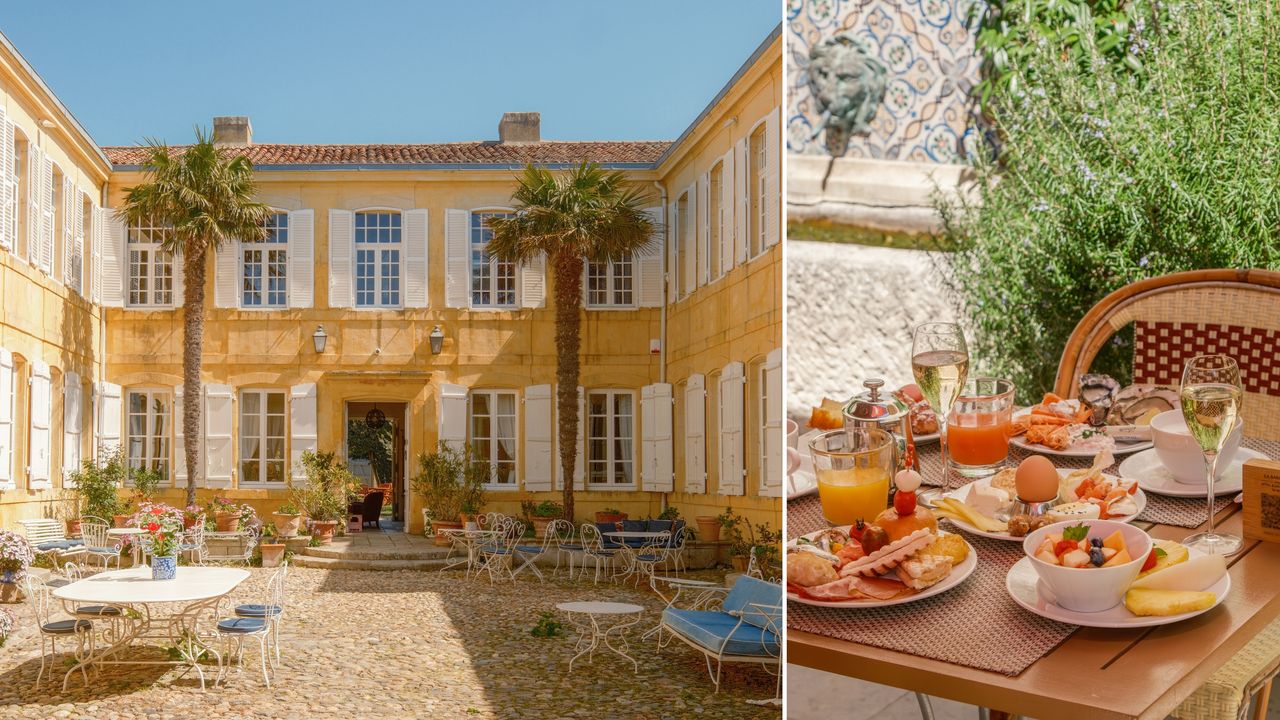
Before boarding, I highly recommend spending a night at La Résidence. This boutique hotel, housed in a renovated colonial mansion, captures the old-world atmosphere of the city perfectly. Walking through the streets of the fishermen’s quarter, Guet Ndar, provides a sensory explosion—thousands of brightly painted pirogues (traditional fishing boats) line the shore, while the smell of drying fish and the sound of the Atlantic surf create a scene that hasn't changed in generations.
Into the Wild: Djoudj National Bird Sanctuary
Leaving the colonial facades of Saint-Louis behind, the Bou el Mogdad heads north toward one of the world's most significant ecological sites. The Djoudj National Bird Sanctuary is a vast wetland ecosystem that serves as the first water source for migratory birds after crossing the Sahara Desert.
The statistics here are staggering. Djoudj is the third most important bird sanctuary in the world, hosting over 365 species of migratory birds. As the ship anchors, passengers transfer to smaller pirogues to navigate the narrow channels of the marshes.
- Pelicans: Large colonies of Great White Pelicans can be seen nesting in spectacular numbers.
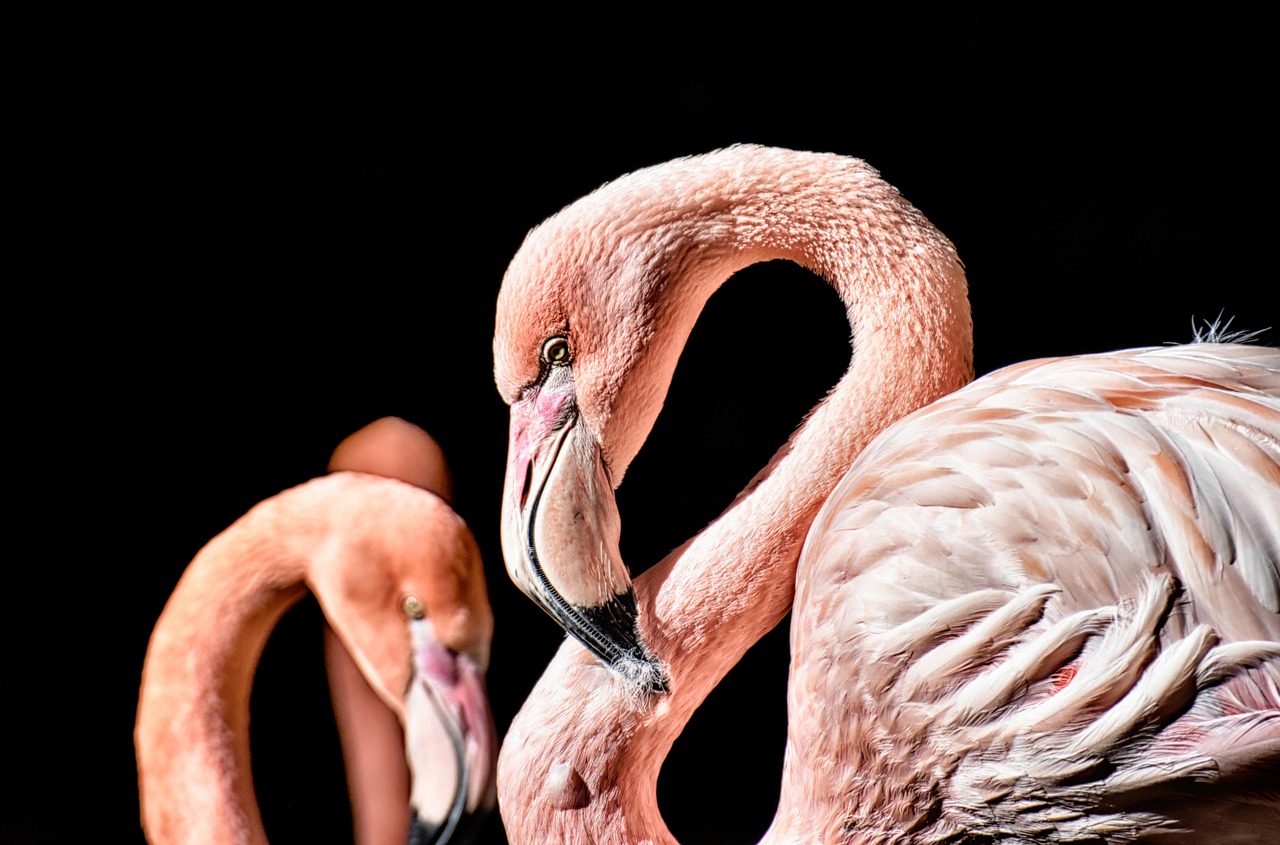
- Flamingos: The sight of thousands of Greater Flamingos turning the horizon pink is a highlight of the dry season.
- Other Species: You will likely spot African Spoonbills, Purple Herons, and various species of kingfishers darting through the mangroves.
Cultural Immersions: Kingdoms and Villages
As the cruise progresses, the landscape shifts into the heart of the ancient Waalo Kingdom. This region was once a powerful sovereign state, and its history is still told today by griots (traditional oral storytellers and musicians).
The river is the primary artery for the communities here. From the deck of the Bou el Mogdad, you observe a tapestry of daily life:
- Pastoralism: Massive herds of hump-backed zebu cattle are brought to the river’s edge to drink, guided by Peul (Fulani) herdsmen.
- Agriculture: Lush green plots of rice and sugar cane contrast sharply with the surrounding arid scrubland.
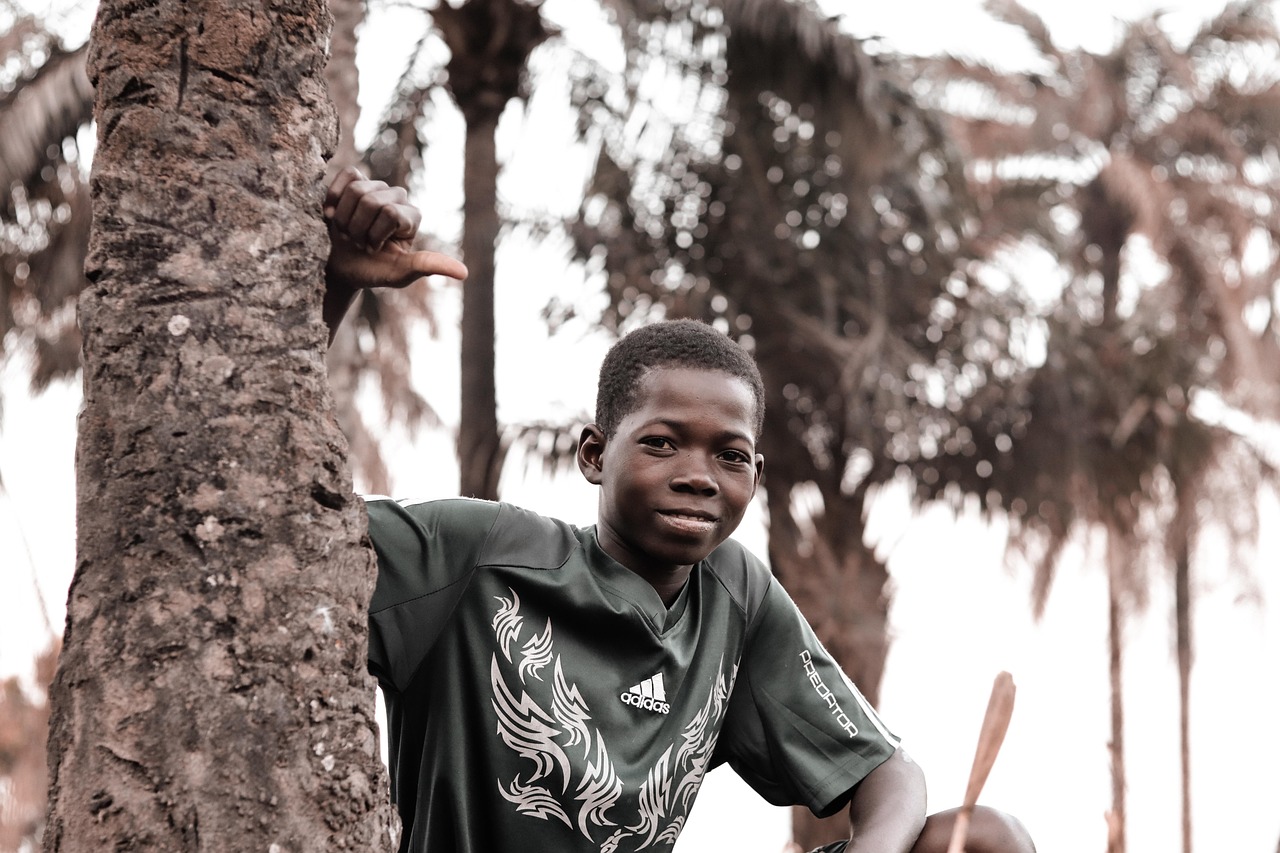
- Village Visits: The cruise includes guided walks through villages like Dagana and Richard-Toll. In Dagana, visitors often explore the historic fort and visit local schools, offering a chance for respectful interaction with the local Wolof and Peul populations.
Expert Tip: Bring small gifts like notebooks or pens for the school visits in Dagana, but always coordinate with your guide to ensure they are distributed equitably through the village elders or teachers.
The Interior Frontier: Podor and the Ferlo Desert
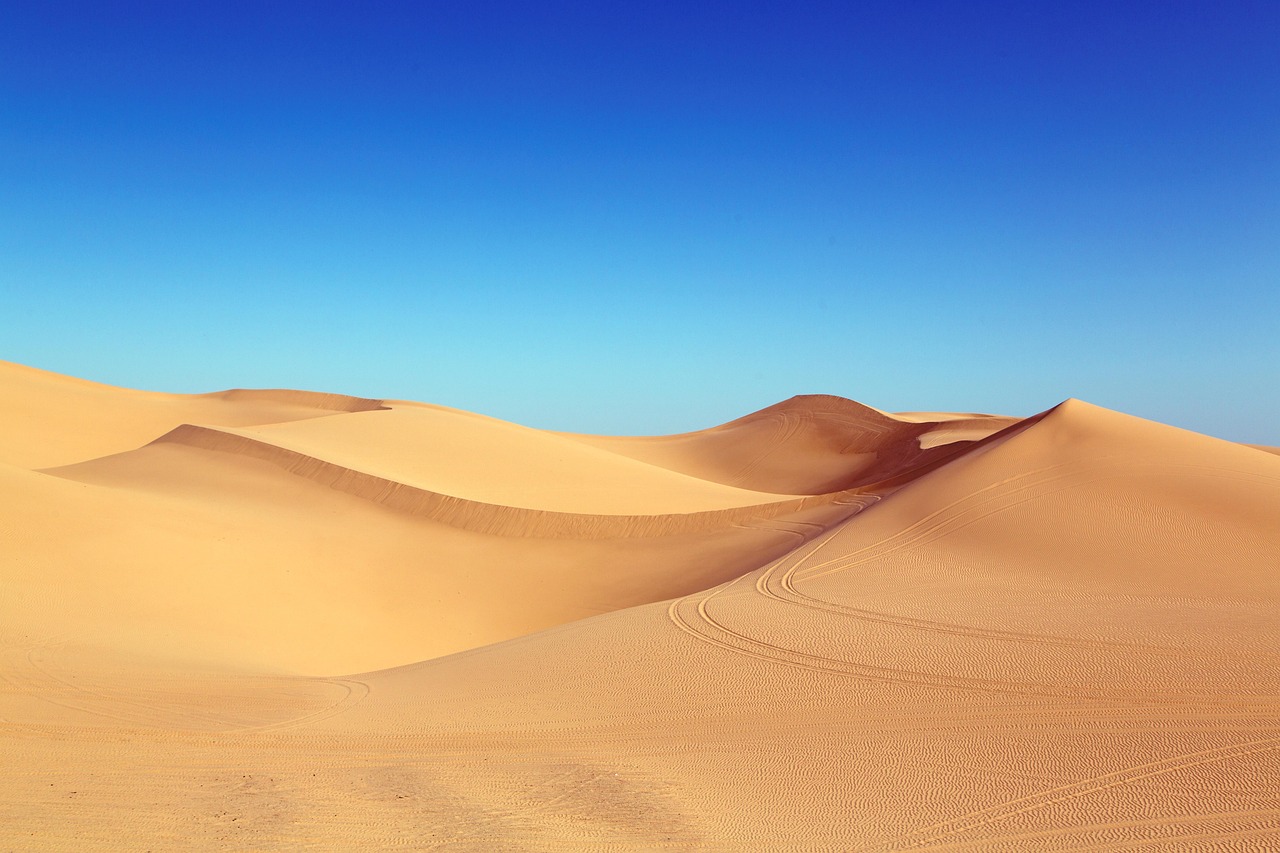
The journey culminates in Podor, a town that feels like the edge of the world. Here, the "waalo" (fertile floodplain) gives way to the "jeeri" (the dry, sandy hills of the Ferlo Desert). Podor was once a major trading hub for gum arabic, gold, and ivory, evidenced by the large, decaying warehouses that line the waterfront.
Exploring Podor is an exercise in "archaic paradise." The architecture is a blend of Sudanese and colonial styles, and the pace of life is incredibly slow. The town’s fort, rebuilt by the French in 1854, serves as a poignant reminder of the colonial struggles for control over the river’s trade routes. As the sun sets over the Sahel, the golden light transforms the mud-brick buildings into glowing monuments of a bygone era.
Life on the River: Gastronomy and Atmosphere
While the excursions are the focus, life on the Bou el Mogdad is a culinary journey in its own right. The kitchen produces a sophisticated Senegalese-French fusion that highlights the bounty of the region.
- Senegalese Staples: Expect expertly prepared Chicken Yassa (marinated in lemon and onions) and the national dish, Thieboudienne (fish and rice).
- Fresh Catch: Depending on the season, grilled river lobster or capitaine (Nile perch) may appear on the menu.
- Evenings: Dinner is often served under the stars or by the warm glow of oil lamps. It is common for local musicians or dancers to come aboard in the evenings, providing a vibrant introduction to the region's performing arts.

Practicalities: Planning Your Voyage
A cruise on the Senegal River requires forward planning, as the Bou el Mogdad is the only vessel of its kind and its season is limited.
| Feature | Details |
|---|---|
| Season | November to April (Dry Season) |
| Departure | Every Saturday (Alternating between Saint-Louis and Podor) |
| Price (Standard) | From $900 USD per person (shared facilities) |
| Price (Comfort) | From $1,300 USD per person (en-suite) |
| Inclusions | All meals, guided excursions, and transfers from Saint-Louis |
Getting There
Most travelers fly into Dakar (DSS). From there, it is a four-hour drive to Saint-Louis. It is highly recommended to arrive in Saint-Louis at least one day before the cruise begins to adjust to the heat and explore the city's historic district.
Book Your Senegal River Voyage →
FAQ
Is the Senegal River cruise safe? Yes, the northern region of Senegal along the river is considered very safe for international travelers. The cruise is well-organized, and the Bou el Mogdad has a long-standing reputation for safety and professional service.
What should I pack for the Sahelian climate? During the cruising season, days are hot and dry, but nights on the river can be surprisingly chilly. Pack lightweight linen or cotton clothing for the day, a wide-brimmed hat, and a light fleece or jacket for the evenings. Don't forget high-quality binoculars for the Djoudj Bird Sanctuary.
Do I need a visa for Senegal? Visa requirements vary by nationality. Citizens of the US, UK, and EU currently do not require a visa for stays under 90 days, but you must have a passport valid for at least six months beyond your departure date. Always check the latest requirements before booking.
The Final Word
The Senegal River cruise on the Bou el Mogdad is one of the last great travel adventures in West Africa. It offers a rare opportunity to disconnect from the digital world and reconnect with the primary rhythms of nature and history. Whether you are a birdwatcher, a history buff, or simply a traveler looking for the "road less traveled," this 125-mile journey through the heart of the Sahel is an experience that will resonate long after you've returned to the bustle of the modern world.