Quick Facts
- Filming Locations: The movie was shot entirely outside Vatican City, primarily at Cinecittà Studios and historic Roman palaces like the Museo Barberini.
- The Sistine Chapel: Not the real one—it was a massive set recreation that took a team of Italian artisans 10 weeks to hand-paint.
- Access Secrets: While the Vatican remains off-limits for film crews, the locations that inspired Conclave’s "jigsaw" of sets are accessible to the public with proper planning.
- 2026 Travel Trend: "Set-jetting" to Rome is peaking, with premium tours focusing on the "Secret Vatican" aesthetic seen in the film.
Introduction: The Mystery of the Vatican on Screen
There is a specific, heavy silence that exists within the corridors of the Vatican—a silence that Edward Berger’s Conclave captures with haunting precision. Yet, as any seasoned traveler or ecclesiastical historian knows, the Holy See does not simply open its heavy bronze doors to Hollywood. The Vatican is a sovereign city-state with a long-standing "no filming" policy for commercial cinema, protecting the sanctity of its rituals and the privacy of its inhabitants. This posed a formidable challenge for production designer Suzie Davies: how to recreate the most secretive election in the world without actually stepping foot inside the Sistine Chapel with a camera.
As we look toward 2026, a new wave of "set-jetting" is sweeping through the Eternal City. Travelers are no longer just looking for the standard Colosseum tour; they are seeking the atmospheric, hermetically sealed world depicted in the film. The movie’s success lies in its ability to simulate the Vatican’s blend of ancient opulence and modern bureaucracy. By utilizing a "jigsaw" of historic Roman locations and massive studio builds, the production team created a version of the Vatican that feels perhaps more real on screen than the actual site does to a hurried tourist.
The film was shot entirely outside the walls of Vatican City. Instead, it relied on the architectural DNA of Rome—its hidden palazzos, its baroque museums, and the legendary soundstages of Cinecittà. For the modern traveler, this "Secret Rome" offers a way to experience the cinematic mood of Conclave while navigating the very real logistical hurdles of visiting the world’s smallest state.
Recreating the Inaccessible: The Miracle of the Sistine Chapel Set
The centerpiece of Conclave is, naturally, the Sistine Chapel. Since filming inside the actual chapel is an impossibility, the production team retreated to Cinecittà Studios, the historic "Hollywood on the Tiber." However, building a 1:1 scale replica of Michelangelo’s masterpiece is a Herculean task that few budgets can afford.
Suzie Davies and her team employed a clever bit of cinematic recycling, utilizing existing set structures from previous productions. But the soul of the room—the frescoes—required a more artisan touch. A dedicated team of Italian painters spent approximately 10 weeks specifically hand-painting the walls of the set. This wasn't merely about copying the art; it was about capturing the texture of centuries-old plaster and the specific way light interacts with Renaissance pigments.
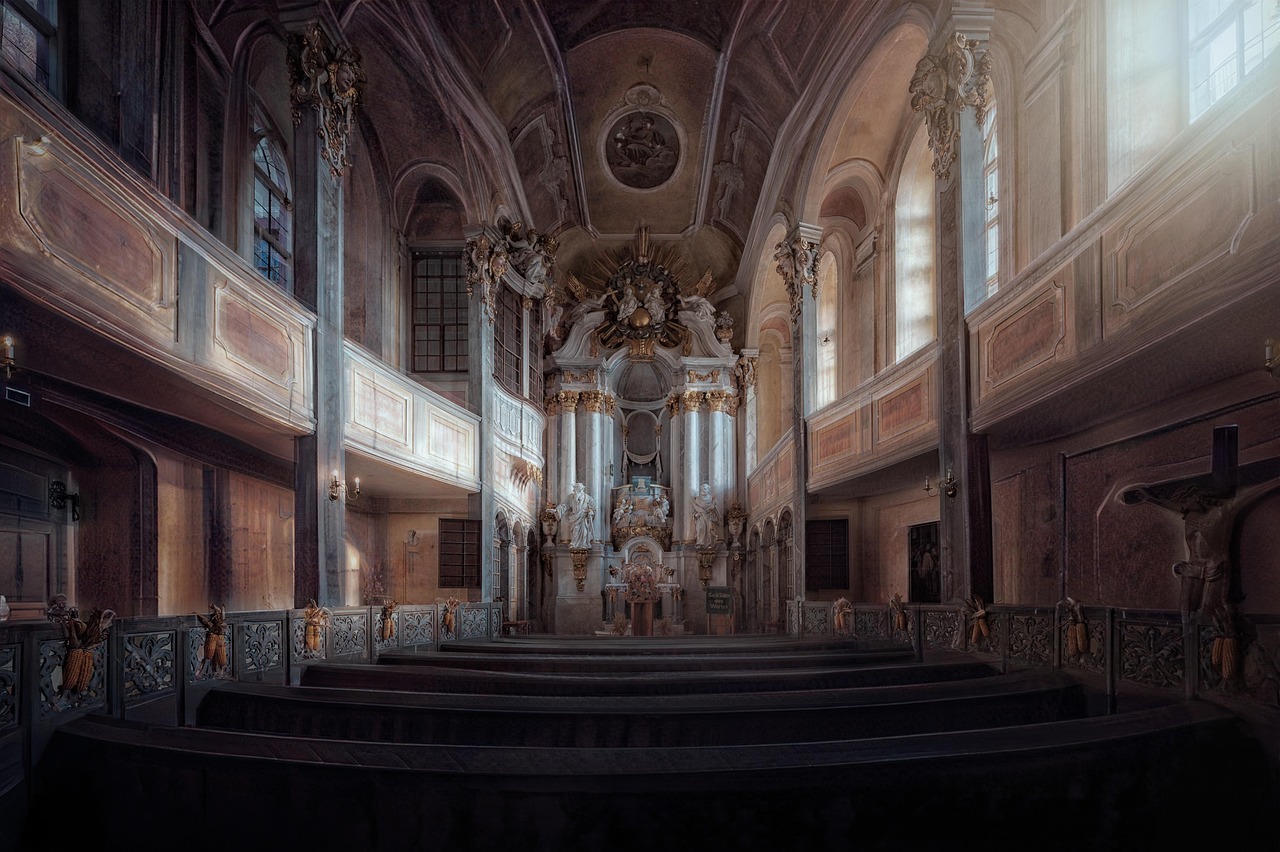
The production design philosophy for Conclave was starkly different from previous Vatican films like The Two Popes. Davies opted for what she described as a "prison-like" aesthetic for the Casa Santa Marta, the residence where the cardinals stay during the election. While the real Casa Santa Marta is a functional, somewhat sterile modern guest house, the film leans into a "municipal vibe"—all long corridors, harsh fluorescent lighting, and a sense of being trapped. This creative license heightens the tension of the film, turning the architectural environment into a psychological pressure cooker.
Pro-Tip for 2026 Travelers: While you cannot visit the movie set today, you can visit the Cinecittà Studios Museum on the outskirts of Rome. They often rotate production design exhibits, and seeing the scale of these soundstages provides a profound appreciation for the "jigsaw" construction used in the film.
Stepping into the 'Gold Room': The Real Rome Locations You Can Visit
To ground the studio builds in reality, the production team moved into the city’s historic center, scouting for locations that possessed the "Vatican vibe." One of the most significant stand-ins was the Museo Barberini (Palazzo Barberini). Its grand staircases and opulent, high-ceilinged halls provided the perfect backdrop for the cardinals' diplomatic maneuverings.
The use of real Roman aristocratic homes allowed the film to tap into an authenticity that CGI simply cannot replicate. The "Gold Room" moments in the film—those scenes filled with silk wallpaper and heavy chiaroscuro lighting—were often shot in these palazzos. The architecture did the "heavy lifting," providing the historical weight required for a story about the weight of tradition.
If you are planning a Conclave-inspired tour, these are the sites that bridge the gap between the screen and the street:
- Palazzo Barberini: Visit the Borromini oval staircase and the grand salon. The sheer scale of the Baroque architecture here mirrors the film’s portrayal of ecclesiastical power.
- Villa Medici: Though less featured, the gardens and certain exterior galleries in Rome’s villas were used to simulate the restricted Vatican gardens where cardinals take their rare breaths of fresh air.
- The Pantheon Neighborhood: While the film feels isolated, the exterior shots of Rome’s cobblestone streets and the dramatic play of shadows are quintessential "Centro Storico."
Film Location vs. Real Life Destination
| Feature | Conclave Film Set | The Real Vatican Experience |
|---|---|---|
| Sistine Chapel | Hand-painted replica at Cinecittà | The original (No photography allowed) |
| Casa Santa Marta | A "municipal-style" psychological set | A functional, modern hotel-style residence |
| Meeting Halls | Palazzo Barberini (Baroque opulence) | Apostolic Palace (Restricted access) |
| Atmosphere | Dark, tense, autumn shadows | Bright, crowded, bustling with pilgrims |
| Soundscape | Isolated, echoing footsteps | Multilingual whispers and distant church bells |
Planning Your 'Conclave' Tour in 2026: Expert Guide
By 2026, the "Conclave effect" will be in full swing. Navigating Rome to find these locations requires more than just a map; it requires a strategy to avoid the crushing crowds that have returned to the city in record numbers.
The question I am most frequently asked is: Why was Conclave not filmed inside the actual Vatican? Beyond the privacy concerns, the Vatican is a working state. A film production of this scale involves hundreds of crew members, massive lighting rigs, and weeks of occupation. It is simply incompatible with the daily operations of the Holy See. However, this shouldn't discourage you. In many ways, visiting the sites inspired by the film offers a more intimate look at Roman history than the crowded Vatican Museums.
Vatican City Tour Essentials
To see the real Sistine Chapel and the areas that inspired Suzie Davies, you must book early. In 2026, "Skip-the-Line" is no longer a luxury—it is a necessity.
- Early Morning Access: Look for tours that offer 7:30 AM entry. This is the only way to experience the "silent, echoing" feeling depicted in the film's opening shots.
- Private Cabinet Tours: If your budget allows, some high-end agencies offer access to the "Bramante Staircase" or the "Niccoline Chapel," areas usually closed to the public that share the film’s aesthetic of hidden, sacred spaces.
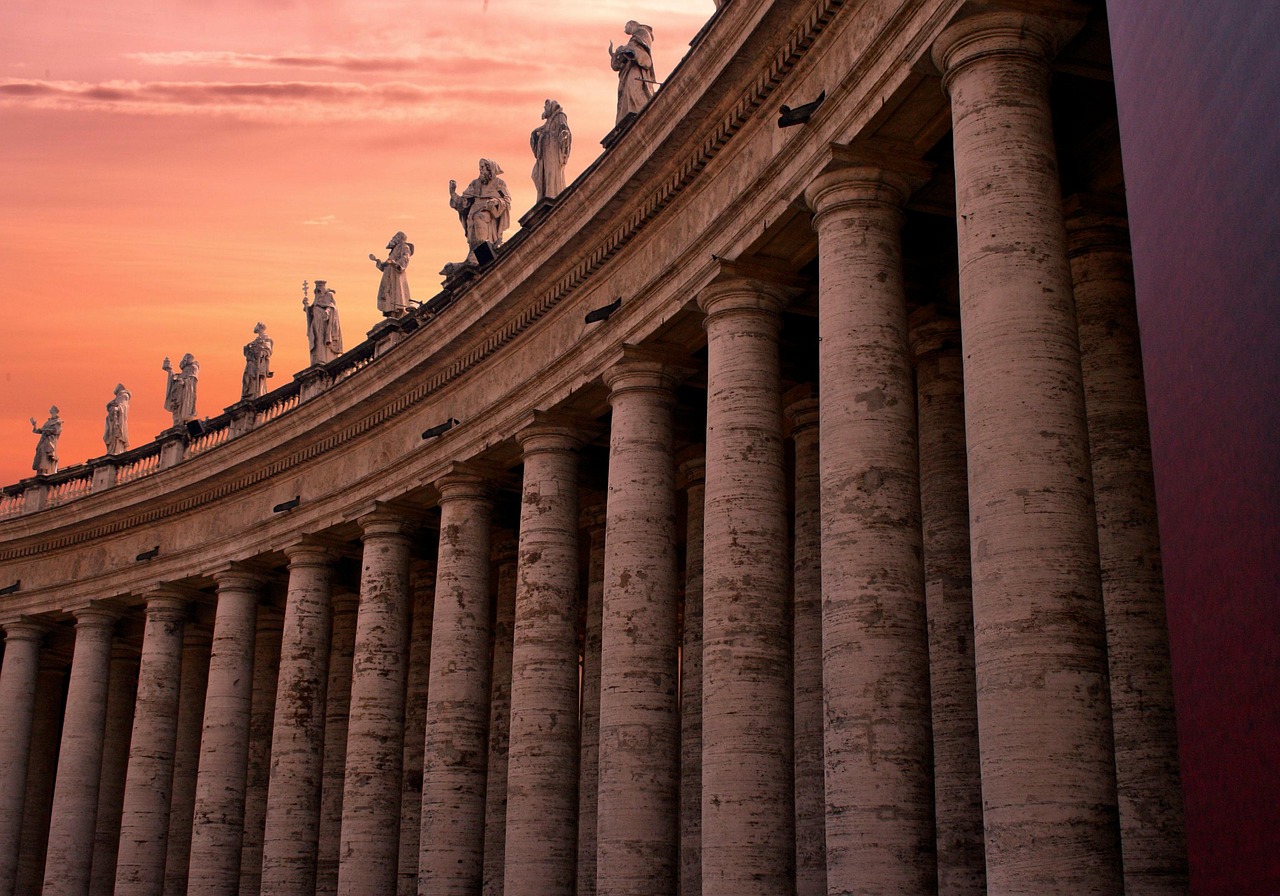
- Timing for Photography: To capture the "Berger look"—those long, dramatic shadows and cinematic light—aim for the "Golden Hour" near St. Peter’s Square or the outskirts of the Borgo neighborhood.
2026 Pricing and Logistics:
- Standard Vatican Entry: €25–€35 (Book 2-3 months in advance).
- Premium Early Access Tours: €120–€150.
- Palazzo Barberini Entry: €15 (Often much quieter than the Vatican).
Book Official Vatican Tickets →
Beyond the Vatican: The Living Rome Experience
One of the best ways to connect with the production of Conclave is to step away from the altars and into the trattorias. The film crew spent months living in Rome, and Suzie Davies herself spoke of the "jigsaw" of life required to pull off such a production. Much of the crew's downtime was spent in Trastevere, the bohemian heart of Rome.
Trastevere offers a grounded contrast to the ecclesiastical pomp of the film. While the cardinals in the movie are eating simple, sequestered meals, the reality of Roman film production is much more delicious. Exploring the food culture here allows you to see the "other" Rome—the one that exists in the shadows of the great basilicas.
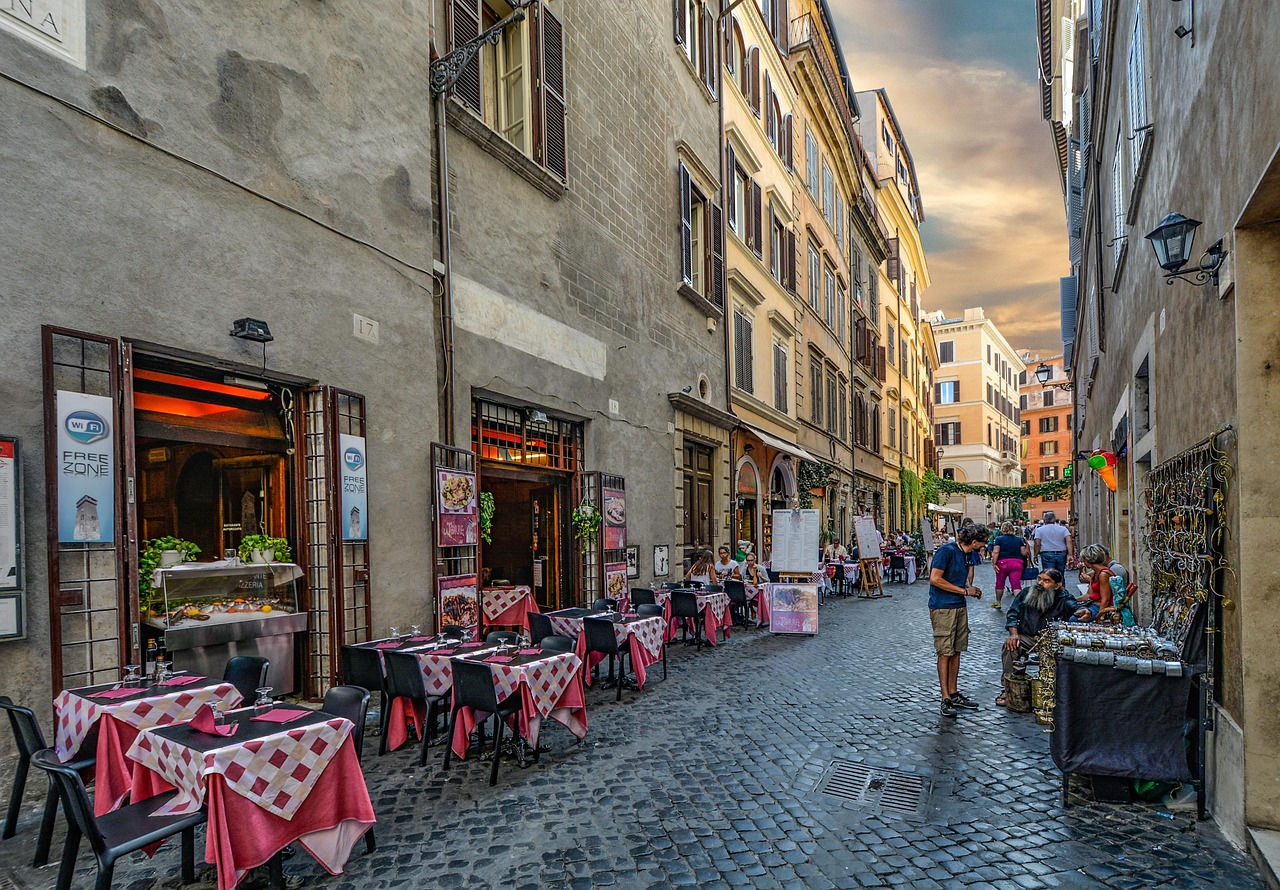
For a true "cinematic" dinner, head to the backstreets of Trastevere during the autumn. There is a specific quality to the Roman air in October and November—a crispness that matches the movie's tone. The light turns a deep ochre, and the smell of roasting chestnuts begins to fill the air. It is the perfect time to reflect on the film's themes of power, secrecy, and the human element behind the Divine.
Conclusion: The Enduring Allure of the Eternal City
Conclave succeeds because it recognizes that Rome is a character in its own right. By meticulously recreating the Vatican and carefully selecting Roman palazzos to fill the gaps, the filmmakers have given us a new lens through which to view the Eternal City. Whether you are standing in the middle of a hand-painted set at Cinecittà or looking up at the real Michelangelo ceiling, the feeling is the same: one of awe, mystery, and the weight of history.
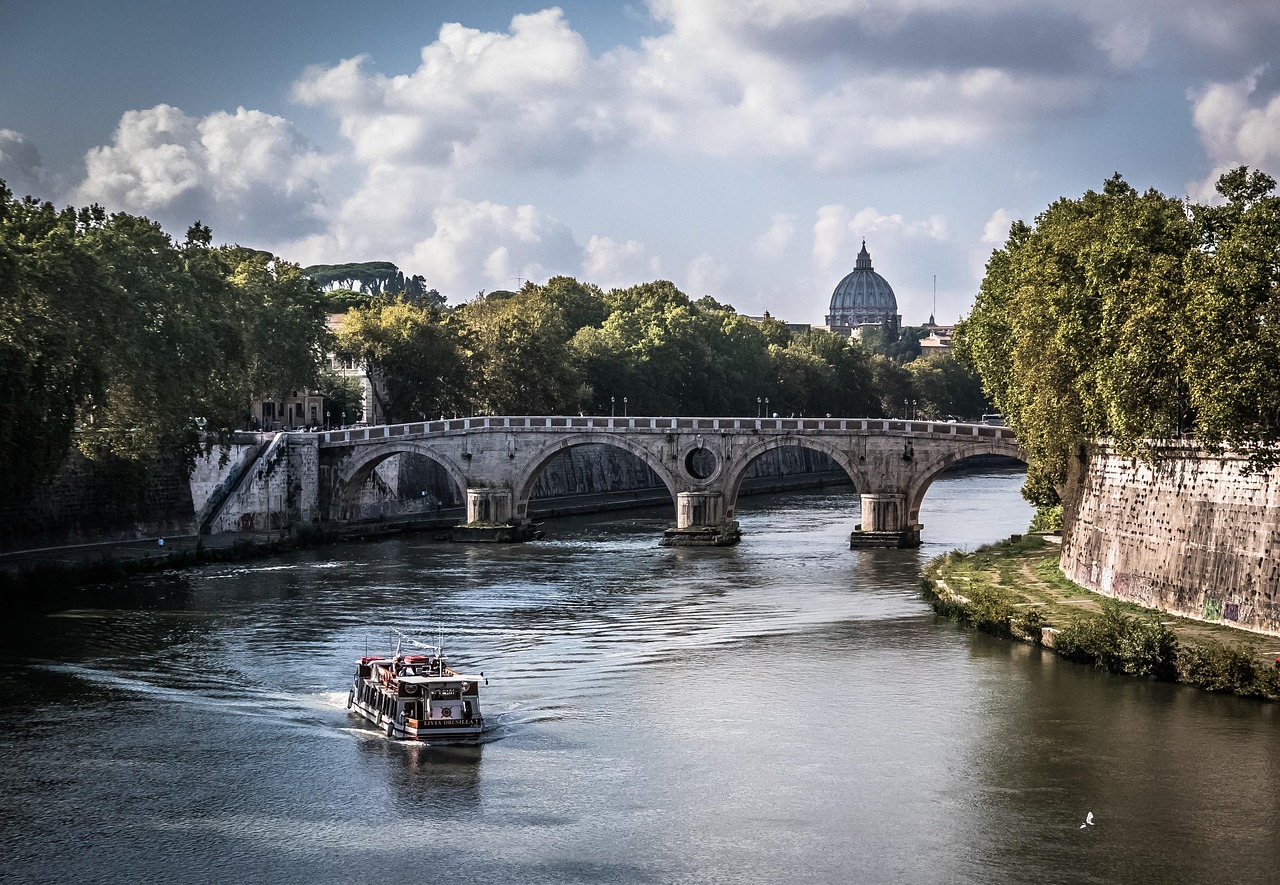
As you plan your journey for 2026, remember that the "Secret Rome" of the film is hidden in plain sight. It’s in the quiet corners of the Museo Barberini, the early morning light on the Tiber, and the lingering silence of a Roman autumn.
FAQ
Q: Can I visit the actual Sistine Chapel seen in the movie? A: No, that was a temporary set built at Cinecittà Studios. However, you can visit the real Sistine Chapel in the Vatican Museums, which served as the inspiration for every detail of the set.
Q: Is it possible to see the Casa Santa Marta where the cardinals stay? A: Generally, no. The Casa Santa Marta is a private residence within Vatican City. Tourists can see the exterior from certain vantage points near St. Peter's Basilica, but the interior is restricted to clergy and official guests of the Pope.
Q: What is the best way to avoid crowds when visiting Conclave locations? A: Visit during the "low season" (November to early March, excluding Christmas) and prioritize the lesser-known palazzos like Palazzo Barberini or Palazzo Altemps, which offer the same architectural grandeur as the Vatican with a fraction of the tourists.