Quick Facts
- What You Learn: Harvesting olives in Sicily teaches the profound value of manual labor, the necessity of patience, and the grace of adaptability. The transformation of a bitter, raw fruit into vibrant extra virgin oil mirrors the human capacity for personal growth through complex life transitions.
- Optimal Timing: The traditional raccolta (harvest) typically occurs from early October through mid-November.
- The Cost: Immersive 7-day olive harvest tours for 2026 generally range from $4,499 to $5,999, while private single-day experiences in regions like the Belìce Valley start around €195 per person.
- The Process: A traditional harvest involves "combing" the fruit onto nets using handheld rakes, followed by immediate cold-pressing at a local oleificio (mill) to produce peppery, electric-green oil.
The Golden Hour in Contrada Noce: Finding Stillness in the Grove
The light in Sicily during late October is not merely sunlight; it is a liquid, honeyed weight that settles over the Val di Noto, turning the limestone walls of the farms into gold. I remember a specific afternoon in Contrada Noce, the air smelling of wild fennel and drying earth. My arms were bare, scratched lightly by the silver-green leaves, and my mind—usually a chaotic whirlwind of deadlines and the lingering debris of a difficult divorce—was, for the first time in years, completely silent.
I had come to Sicily seeking a specific kind of medicine. I didn’t want a spa or a silent retreat; I wanted manual labor. I wanted to touch something real, something that hadn’t changed in centuries. Harvesting olives in Sicily teaches you that some things cannot be rushed, no matter how fast our digital world moves. It is a lesson in the "slow burn" of life. The process of turning a hard, bitter fruit into the world's finest extra virgin oil through traditional methods mirrors our own ability to navigate messy transitions. We are pressed, we are filtered, and eventually, we emerge clearer and more potent than before.

As I stood beneath a tree that had likely seen the rise and fall of several dynasties, I realized that the "healing through travel" stories we often read aren't about the destination itself, but about the rhythm the destination imposes on you. In Sicily, that rhythm is dictated by the land.
The Anatomy of the Harvest: Rakes, Tarps, and Tradition
The actual work of the raccolta is a sensory symphony. It begins with the laying of the teli—large, heavy nets of orange or green spread carefully beneath the canopy of the trees. Then comes the "combing." Using small, handheld yellow rakes called rastrelli, you reach into the silver foliage and pull.
There is an ASMR-like quality to the sound: the rhythmic thwack-shush of the rakes, followed by the soft, percussive rain of olives hitting the tarp. It is a repetitive motion that demands a strange mix of focus and surrender. You cannot think about your emails when you are trying to ensure you don’t bruise the fruit or snap a delicate fruiting branch.
Expert Tip: The secret to a high-quality harvest is speed—not in the raking itself, but in the time between the tree and the mill. Olives begin to oxidize the moment they are picked, so the goal is always to get the day’s haul to the oleificio by sunset.
The traditional Sicilian olive harvest follows a specific, ancestral sequence:
- Spreading the Nets: Ensuring the ground is covered to prevent the olives from touching the soil, which can increase acidity.
- Manual Raking: Combing the branches by hand to preserve the integrity of the tree and the fruit.
- Sorting: Removing "the intruders"—stray twigs, leaves, and the occasional curious snail—from the crates.
- Transport: Moving the crates to the local mill before the cool evening air settles in.

As I combed the branches of those ancient trees, I felt a literal untangling of my own internal knots. Every rake stroke felt like a deliberate choice to let go of the "messy reality" I had left behind in London. By the third day, my shoulders ached with a satisfying, honest fatigue that no gym session could ever replicate.
From Bitter Fruit to Electric-Green Oil: The Oleificio Experience
If the grove is the place of meditation, the oleificio (the mill) is the place of celebration. In the small towns surrounding Chiaramonte Gulfi—often called the "Balcony of Sicily"—the local mills become the social heart of the community during harvest season. Farmers pull up in weathered Ape trucks, their crates overflowing with Tonda Iblea olives, the local variety known for its notes of tomato leaf and fresh grass.
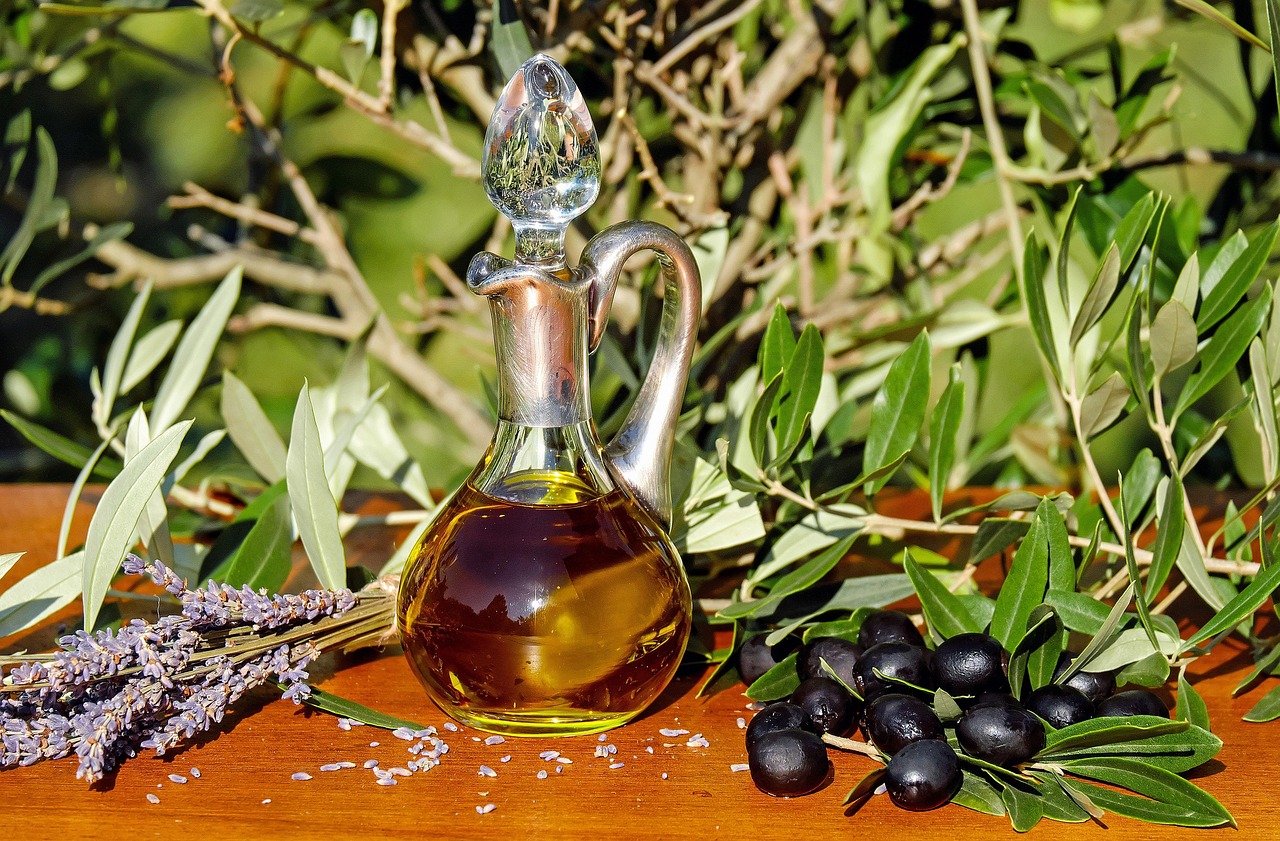
Inside the mill, the air is thick with a scent so potent it feels like you could eat it. It’s the smell of crushed leaves, cold water, and raw, spicy fruit. Watching the olives disappear into the stainless steel hoppers and emerge minutes later as a stream of electric-green liquid is nothing short of miraculous.
This is where the metaphor for personal change becomes visceral. To get to the oil, the olive must be crushed. It must go through the gramolatura (kneading) process, where the tiny droplets of oil are coaxed out of the paste. Finally, the centrifuge separates the water and solids from the pure gold.
The reward for this labor is the pane cunzato—thick slices of day-old bread toasted over a small fire, rubbed with garlic, and drenched in the warm, peppery oil that was inside the fruit just an hour prior. The first bite hits the back of your throat with a spicy kick—a sign of high polyphenols and absolute freshness. It is a stark contrast to the bland, store-bought oils most of us are used to.
Planning Your 2026 Harvest Journey: Practical Guide and Costs
2026 is shaping up to be the year of "Oleoturismo" in Italy. Much like wine tourism took off decades ago, olive oil tourism is now offering a more rugged, authentic alternative for travelers who want to get their hands dirty. If you are looking for a guided gateway into this world, the options range from luxury all-inclusive weeks to rugged day-long immersions.
For a full seven-day experience, expect to pay between $4,499 and $5,999. These premium tours, such as those curated by Lit'l Pond Hospitality, are designed to balance the physical work of the harvest with high-end culinary education and boutique accommodations. They take the guesswork out of finding a farm and navigating the local mill culture.
Why choose a guided tour?
- Access: Private estates that aren't usually open to the public.
- Education: Direct access to master tasters (Sommeliers of oil) who teach you how to identify "defects."
- Logistics: Transportation in rural Sicily can be notoriously difficult; these tours handle the winding, unmapped backroads for you.
Curated 2026 Olive Harvest Tours & Day Trips
To help you decide which path fits your appetite for adventure (and labor), I’ve compared the top-tier options for the upcoming 2026 season.
| Experience Type | Provider | Location | Est. Price | Highlight |
|---|---|---|---|---|
| Full Immersion (7 Days) | Lit'l Pond Hospitality | Chiaramonte & Etna | $4,499 - $5,999 | Harvest at an award-winning estate; ceramics in Caltagirone. |
| Boutique Culinary (8 Days) | The Lazy Italian | Eastern Sicily | $5,200+ | Ortigia markets and harvesting on the volcanic slopes of Etna. |
| Private Day Trip | Amodeo’s Farm | Belìce Valley | €195 per person | Hands-on picking and a traditional farm lunch in Western Sicily. |
The Full Immersion: Lit'l Pond Hospitality
This is the gold standard for those who want a deep dive into the culture. Their 2026 itinerary is particularly compelling, focusing on the Ragusa region. You’ll spend mornings in the groves and afternoons exploring UNESCO heritage sites. It’s less of a "tour" and more of a temporary residency in a Sicilian family’s life.
Explore the 2026 Harvest Tour →
The Boutique Escape: The Lazy Italian
Francesca and her team specialize in the "hidden" Sicily. Their 2026 Eastern Sicily Culinary Adventure includes harvesting olives on the slopes of Mount Etna, where the volcanic soil imparts a unique, almost mineral quality to the oil.

Beyond the Trees: Autumn Festivals and Cultural Stops
A harvest trip to Sicily shouldn’t end at the grove’s edge. Late autumn is perhaps the most culturally rich time to visit the island. The scorching summer heat has broken, replaced by crisp mornings and warm, golden afternoons.
In the village of Zafferana Etnea, the Ottobrata Zafferanese takes place every Sunday in October. It is a sprawling festival of food—honey, porcini mushrooms, chestnuts, and, of course, the new oil. It is a masterclass in Sicilian conviviality.
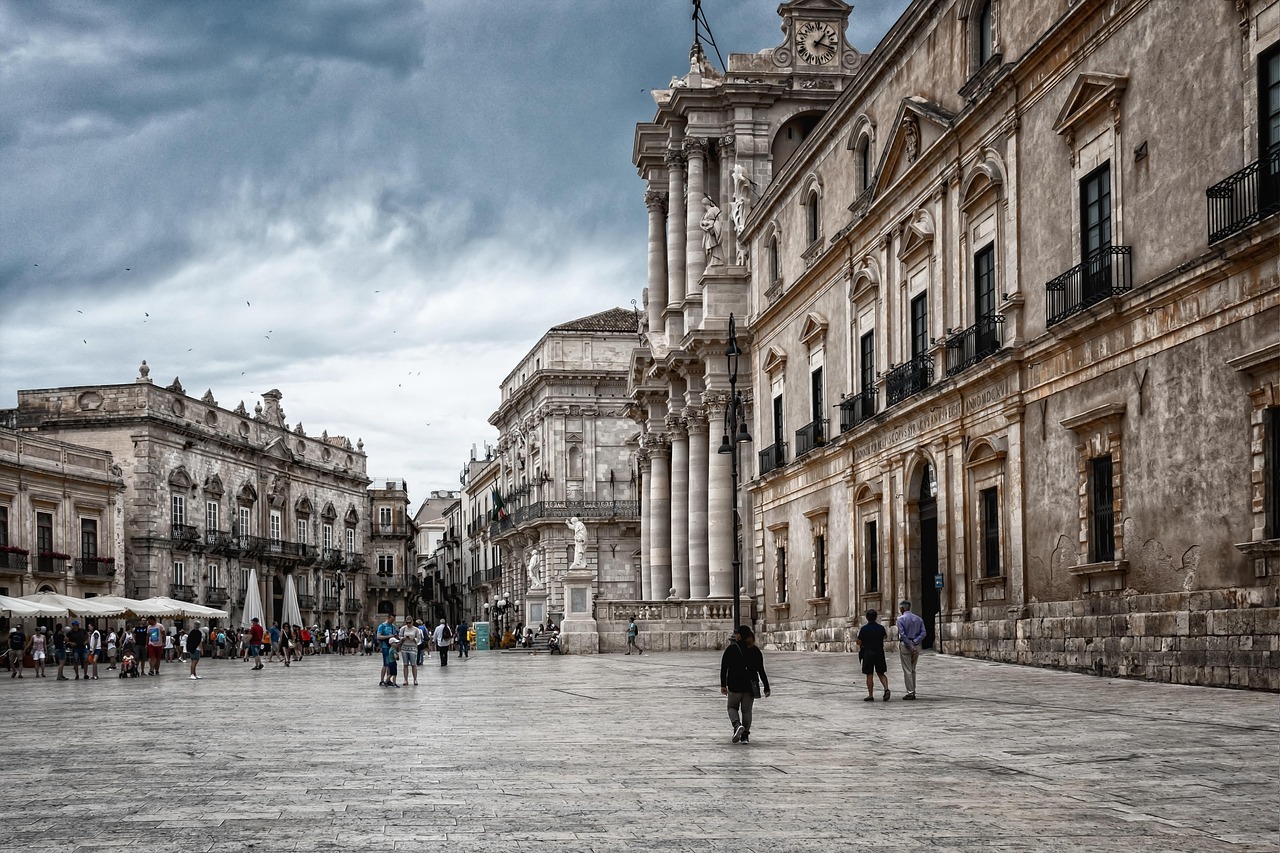
Furthermore, being in the Southeast allows for easy afternoon trips to Ragusa Ibla. Walking through its labyrinthine streets feels like stepping into a dream of the Baroque era. The contrast between the rugged, dusty work of the harvest and the refined, ornate architecture of the Duomo di San Giorgio is what makes the Sicilian experience so intoxicating. It reminds you that beauty often follows a period of upheaval—Ragusa Ibla was rebuilt into this masterpiece only after a devastating earthquake in 1693.
Frequently Asked Questions (FAQ)
Is the olive harvest physically demanding? It can be, but it’s adaptable. Most tours allow you to participate as much or as little as you like. Raking olives for 2-3 hours is a wonderful workout, but it’s not a grueling boot camp. The focus is on the connection to the land and the tradition.
What should I pack for a Sicilian harvest trip? Think layers. The mornings are cool, but once the sun hits the groves, it gets warm quickly. Bring sturdy, closed-toe shoes (you’ll be walking on uneven ground), long trousers to protect your legs from branches, and a hat.
How do I bring the olive oil home? Most farms and tours are well-equipped to help you ship a tin or "bag-in-box" back to your home country. If you plan to carry it in your luggage, ensure it is in a sealed tin rather than glass, and check your local customs regulations (most allow personal quantities of olive oil).
Start Your 2026 Sicilian Adventure
The olives are waiting, and perhaps, so is a newer, clearer version of yourself. If you are standing at a crossroads in your life, sometimes the best way to move forward is to step back into a tradition that has remained unchanged for three thousand years.
Whether you choose a luxury week with Lit'l Pond Hospitality or a rugged day on the slopes of Etna, the lessons of the harvest remain the same: cherish the labor, trust the process, and always, always save room for the bread.