Quick Facts
- The Spire Capital: Bryce Canyon National Park boasts the world’s highest concentration of hoodoos—crimson-colored rock spires created by millions of years of frost wedging and erosion.
- High-Altitude Paradise: Elevations range from 6,600 to 9,100 feet, making it significantly cooler than nearby Zion or Arches. Expect about 70% of the oxygen you’d find at sea level.
- Dark Sky Sanctuary: As a certified International Dark Sky Park, it offers one of the few places in the lower 48 where the Milky Way is visible to the naked eye with startling clarity.
- Ancient Life: The park is home to Bristlecone Pine trees, some of which have stood for nearly 2,000 years, weathering the harshest conditions on the rim.
Introduction: The Magic of the Stone Forest
There is a profound stillness that settles over Bryce Canyon just before dawn. As a photographer, I’ve stood on many rims, but none quite capture the imagination like this Utah masterpiece. Long before it was a National Park, the Southern Paiute people told the story of the Ang-ka-ku-wass-a-wits, or the "Legend People." They believed these pillars of stone were ancient creatures turned to rock by a trickster coyote. Looking out over the Bryce Amphitheater, it’s not hard to see why. The landscape doesn’t feel like geology; it feels like an audience of thousands, frozen in mid-applause.
Technically speaking, these "Legend People" are hoodoos. These tall, thin sandstone spires are the result of 60 million years of geological labor. Unlike the broad canyons formed by rushing rivers, Bryce is the work of ice and chemistry. For roughly 200 days a year, water melts during the day and freezes at night, expanding in the cracks of the Claron Formation—a process called frost wedging. This, combined with slightly acidic rainwater, has sculpted the highest concentration of hoodoos on the planet.
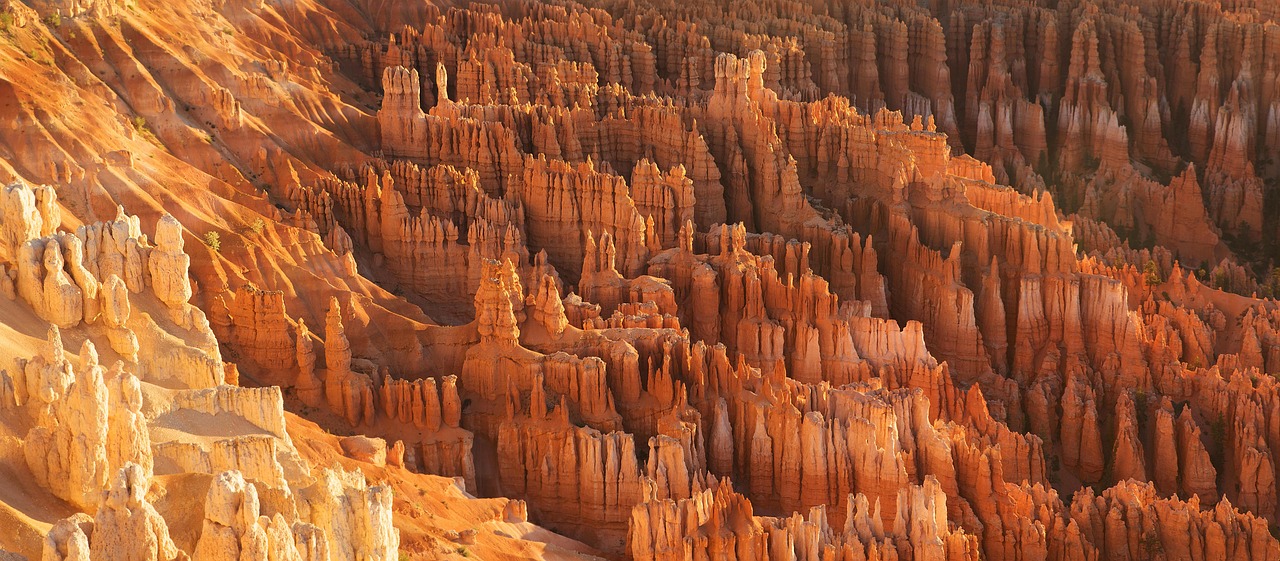
For the visual storyteller, Bryce is a lesson in perspective. The scale is intimate yet overwhelming. We recommend spending at least two nights here, not just to witness the shifting shadows of the day, but to experience the celestial theater that unfolds after the sun dips below the horizon.
Planning Your Expedition: Altitude and Timing
Bryce Canyon is often a surprise to those coming from the desert heat of Las Vegas or Zion. Because the park sits on the high edge of the Paunsaugunt Plateau, the climate is decidedly alpine. At elevations reaching up to 9,100 feet, the air is thin and crisp. Even in the height of summer, daytime temperatures rarely soar into the triple digits, and nights can be chilly.
When should you pack your gear? Each season offers a unique palette:
- Spring and Fall: The "sweet spot" for hiking. Temperatures are idyllic for long treks, and the light remains soft throughout the afternoon.
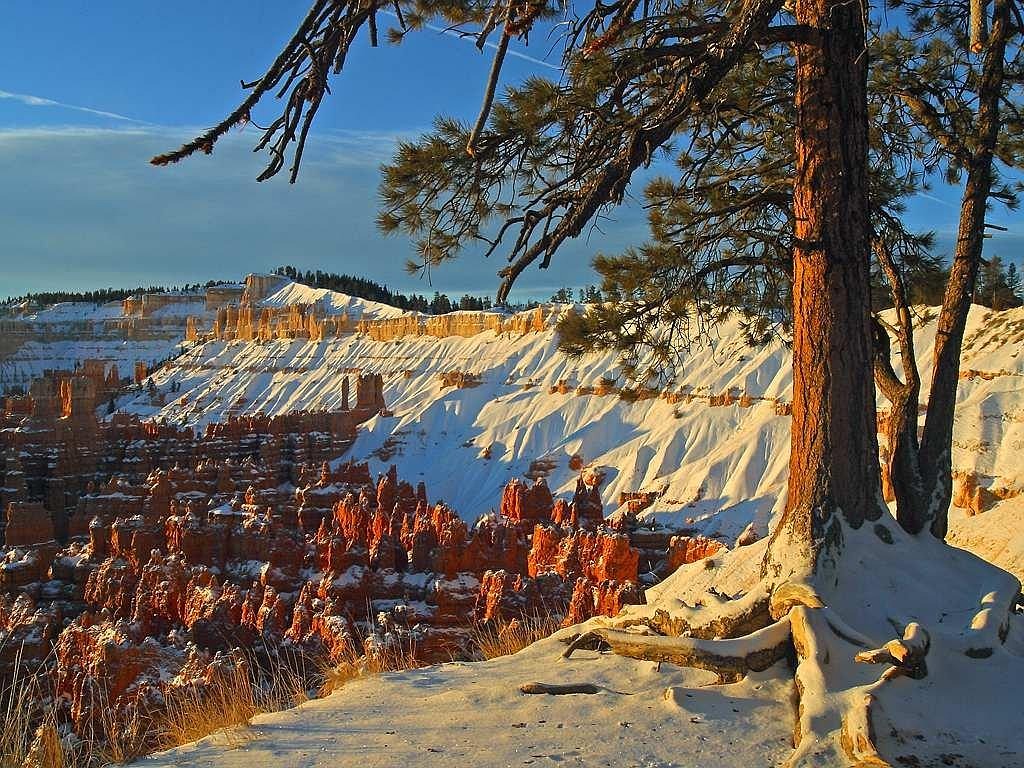
- Winter: This is my personal favorite for photography. The contrast of brilliant white snow against the deep vermilion of the hoodoos creates a visual punch that is hard to replicate elsewhere. The park remains open, and the silence of a snow-covered canyon is meditative.
- Summer: The busiest season. If you visit now, utilize the park’s shuttle system to avoid the "hell of a place to lose a cow" (as early settler Ebenezer Bryce famously described the maze-like terrain) and the stress of finding parking.
Regardless of when you visit, remember that you are at high altitude. Stay hydrated and give your body time to acclimate. Walking uphill at 9,000 feet feels significantly different than a stroll at sea level.
Iconic Hoodoo Hikes: From Rim to Floor
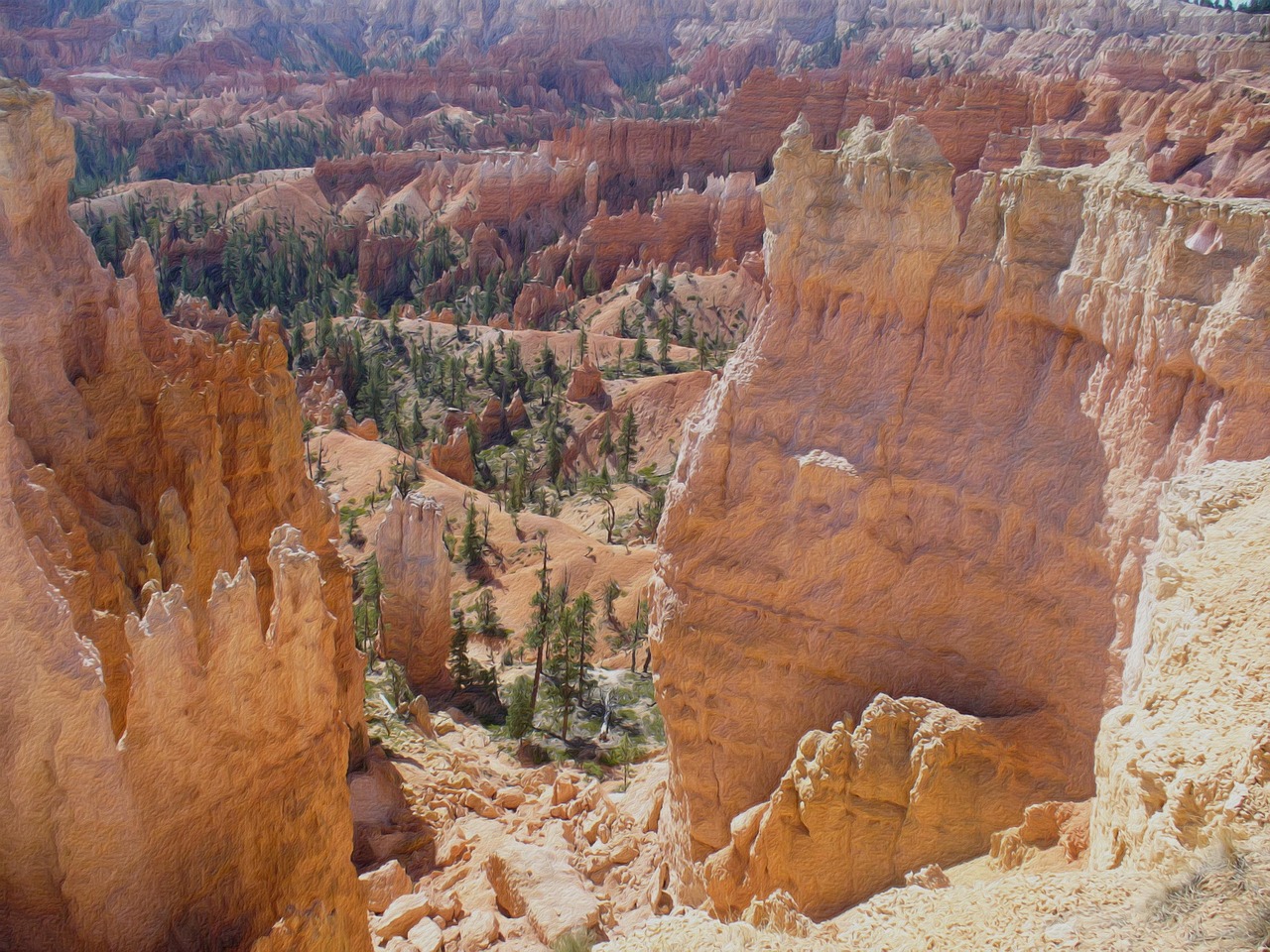
To truly understand Bryce, you have to leave the rim and descend into the "silent city." There is a rhythmic change in the atmosphere as you drop below the plateau edge; the wind dies down, and the hoodoos begin to tower over you like Gothic skyscrapers.
The Essential Loop: Queen’s Garden and Navajo Loop
If you only have time for one hike, this is it. This 3-mile combination is the quintessential Bryce experience. We suggest starting at Sunrise Point and descending via the Queen’s Garden Trail. It’s the least steep descent into the canyon and leads you past the "Queen Victoria" formation—a hoodoo that bears an uncanny resemblance to the monarch.
From the garden, connect to the Navajo Loop. Here, you’ll encounter "Wall Street," a narrow slot canyon flanked by towering cliffs that reach toward a sliver of blue sky. This trail also provides the best vantage point for "Thor’s Hammer," perhaps the most famous single spire in the park.
The Ancient Giants: Bristlecone Loop
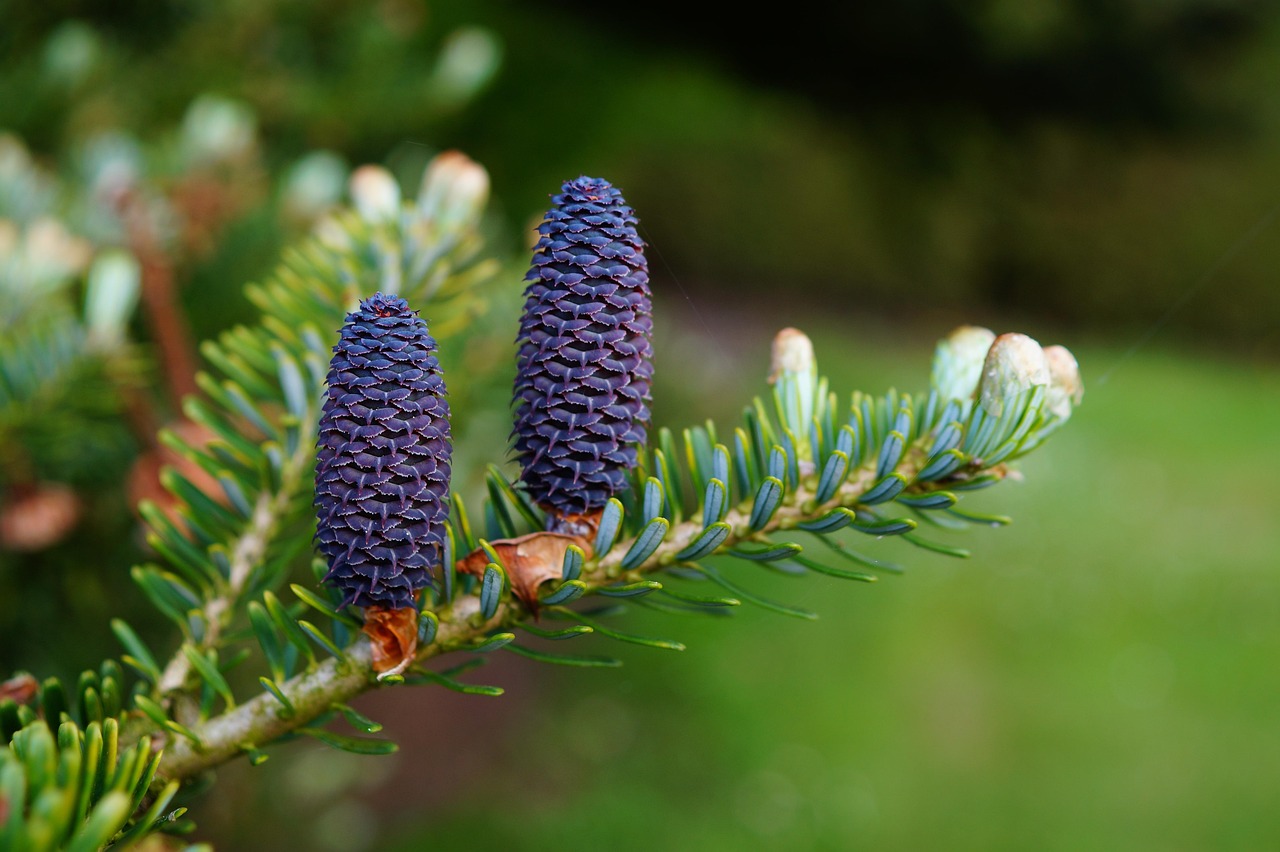
For those looking for a different kind of history, head to the park’s highest point: Rainbow Point. The Bristlecone Loop is a gentle one-mile stroll, but its residents are anything but ordinary. Some of the Bristlecone Pines here are estimated to be nearly 2,000 years old. These trees thrive where nothing else can, their twisted, gnarled trunks a testament to centuries of resisting the wind.
Comparison of Top Hiking Trails
| Trail Name | Distance (Loop) | Difficulty | Elevation Gain | Key Highlight |
|---|---|---|---|---|
| Queen's Garden / Navajo | 3.0 miles | Moderate | 600 ft | Wall Street & Thor's Hammer |
| Fairyland Loop | 8.0 miles | Strenuous | 1,700 ft | Tower Bridge & Total Solitude |
| Peekaboo Loop | 5.5 miles | Strenuous | 1,500 ft | The Wall of Windows |
Pro Tip: The Secret Entrance If the main park entrance has a long queue, consider the Tropic Trail. Accessible from the town of Tropic, this trail allows you to hike up into the park from the bottom. It offers a unique perspective of the amphitheater and bypasses the busiest rim-side parking lots.
Chasing the Light: Photography and Viewpoints
In photography, timing is everything, but at Bryce, location during that timing is the secret sauce. The "Big Four" overlooks—Sunrise, Sunset, Inspiration, and Bryce Point—are all spectacular, but they aren't created equal.
Surprisingly, Sunset Point isn’t always the best place for sunset. Because the amphitheater faces east/northeast, the most dramatic light often happens at Bryce Point or Inspiration Point during the "Golden Hour." As the sun sets behind you, it illuminates the hoodoos in a fiery glow, while the "Chinese Wall" creates long, dramatic shadows that provide depth and leading lines for your composition.
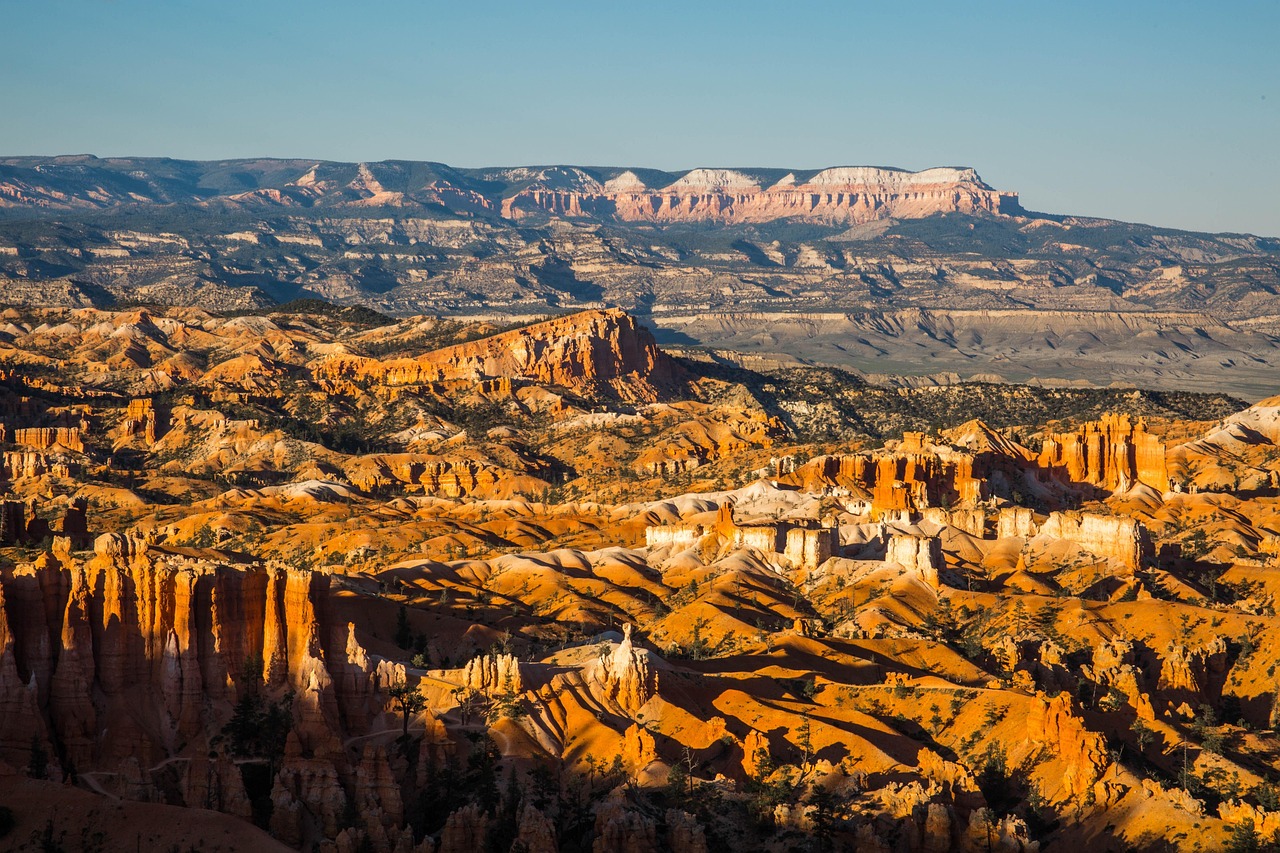
Look for "rim light"—that thin, glowing edge on the rock formations—by shooting slightly toward the sun during the early morning hours at Sunrise Point. Use a telephoto lens (70-200mm) to compress the hoodoos, making the forest of stone look even denser and more imposing.
Stargazing at Bryce Canyon: The Dark Ranger’s Realm
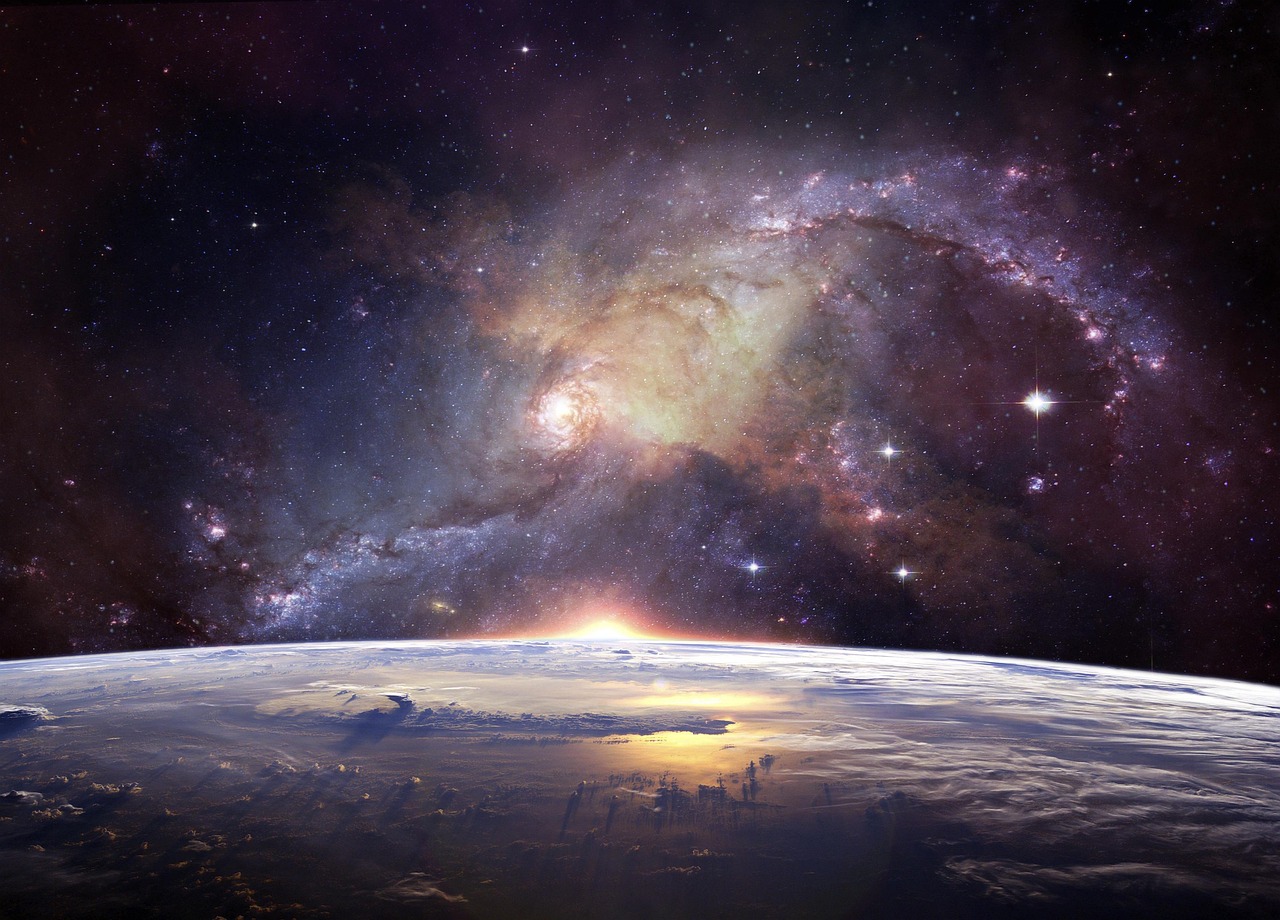
When the sun goes down, a second "park" emerges. Bryce Canyon is a certified International Dark Sky Park, and the lack of light pollution here is staggering. On a clear night during a new moon, the sky is so crowded with stars that the familiar constellations can actually be hard to pick out.
The best time for stargazing is during the new moon phases between May and October. During these months, the park’s "Dark Rangers" host astronomy programs, complete with high-powered telescopes. If you prefer a solitary experience, head to Farview Point. At 8,800 feet, you are literally closer to the stars, and the horizon is wide enough to capture the full arc of the Milky Way.
Expert Night Photography Techniques
Capturing the stars at Bryce requires more than just a tripod; it requires patience and a bit of technical finesse. The transition from "civil twilight" (just after sunset) to "astronomical twilight" (true dark) is the most critical window for the visual editor.
Pro Tip: The Night Owl's Settings
To get that "magazine-ready" night shot, we recommend a two-exposure blend:
- Foreground: Take a long exposure (2-4 minutes) during the end of civil twilight. This captures the deep reds and textures of the hoodoos without them turning into black silhouettes.
- Stars: Once it is pitch black, switch to a wide-angle lens (14mm-24mm) at f/2.8, ISO 3200, for 20 seconds to freeze the stars.
- Light Painting: Use a professional flashlight (like the Coast HP7) to selectively "paint" a nearby hoodoo for just 1-2 seconds to add a touch of three-dimensional pop.
Logistics: Where to Stay and Eat
To make the most of your photography schedule (sunrise starts early!), staying close to the rim is vital.
- Inside the Park: The Lodge at Bryce Canyon is a historic gem. Built in the 1920s, it offers rustic charm and is just steps away from the amphitheater rim. It is typically open from April through November.
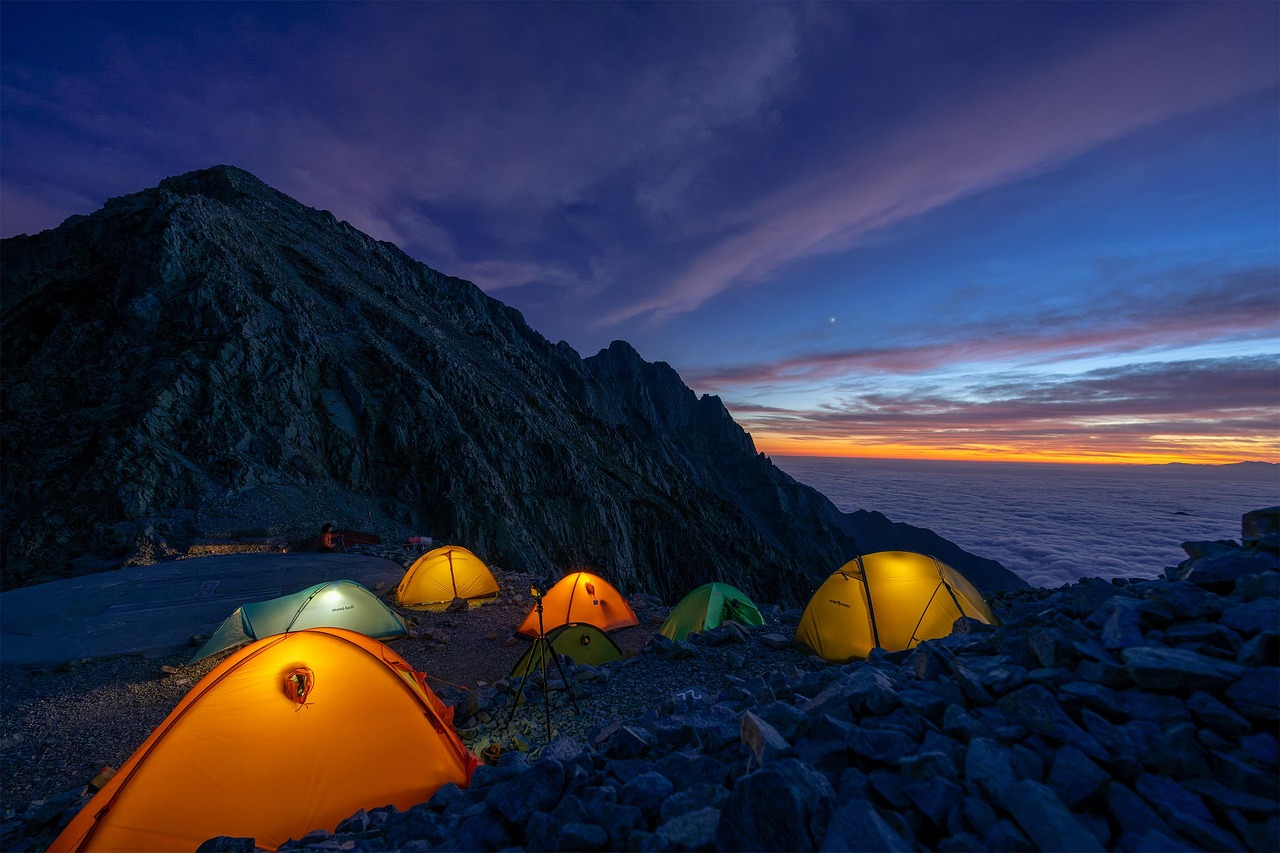
- Glamping: For a more modern, adventurous aesthetic, Under Canvas Bryce Canyon provides luxury safari-style tents. It’s the perfect middle ground between rugged outdoors and high-end comfort, and the stargazing from your tent deck is world-class.
- Dining: After a long day of trekking, head to i.d.k. Barbecue in the nearby town of Tropic. Their award-winning brisket is the perfect fuel for a morning of sunrise shooting. For a more formal sit-down meal, the dining room at the Lodge serves hearty, regional fare like Utah trout.
Nearby Sights for the Bold
If you have an extra day, don't overlook the surrounding areas. Just 15 miles west of the park entrance lies Red Canyon. Often mistaken for Bryce by hurried travelers, Red Canyon offers something Bryce doesn't: accessibility for mountain bikes and ATVs. The hoodoos here are just as red, and the trails are far less crowded.
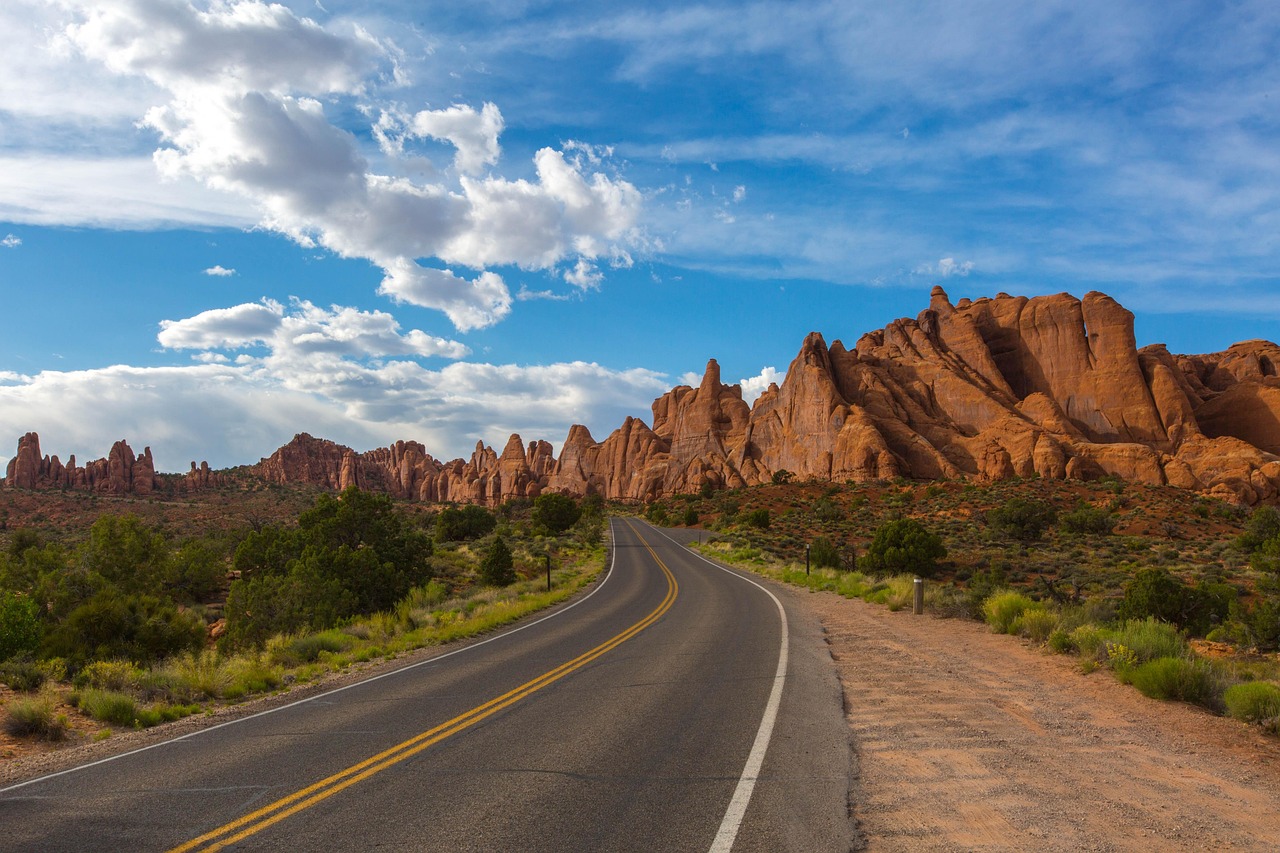
For those willing to drive a bit further, Cedar Breaks National Monument is essentially a giant amphitheater sitting at 10,000 feet. It is often referred to as a "mini Bryce," but with a 2,500-foot drop, there is nothing mini about the views.
FAQ
Q: Do I need a permit to hike in Bryce Canyon? A: Day hikes do not require permits. However, if you plan on an overnight backpacking trip on the Under-the-Rim Trail, you must obtain a backcountry permit from the Visitor Center.
Q: Is Bryce Canyon dog-friendly? A: Like most National Parks, dogs are limited. They are allowed on paved surfaces (like the Rim Trail between Sunset and Sunrise Points) but are strictly prohibited on all unpaved wilderness trails and in the canyon itself.
Q: Can I see the Milky Way year-round? A: While stars are visible year-round, the dense "Galactic Center" of the Milky Way is best viewed from late spring through early fall. In winter, the sky is clear but the core of the galaxy is below the horizon.
Start Your Adventure
Ready to capture the stone forest for yourself? The hoodoos are waiting. Plan Your Bryce Expedition Now →