Quick Facts
- Total Area: 6 million acres of subarctic wilderness—larger than the entire state of New Hampshire.
- The Road Status: Due to the Pretty Rocks Landslide, the Denali Park Road is currently closed at Mile 43. Full access is expected to resume in 2026.
- The High Point: Denali stands at 20,310 feet, making it the highest peak in North America.
- Unique Feature: Home to the only working sled dog kennel in the U.S. National Park Service.
- Hiking Culture: Unlike most national parks, Denali has only 35 miles of maintained trails, encouraging off-trail wilderness navigation.
Introduction: The Immensity of the Subarctic
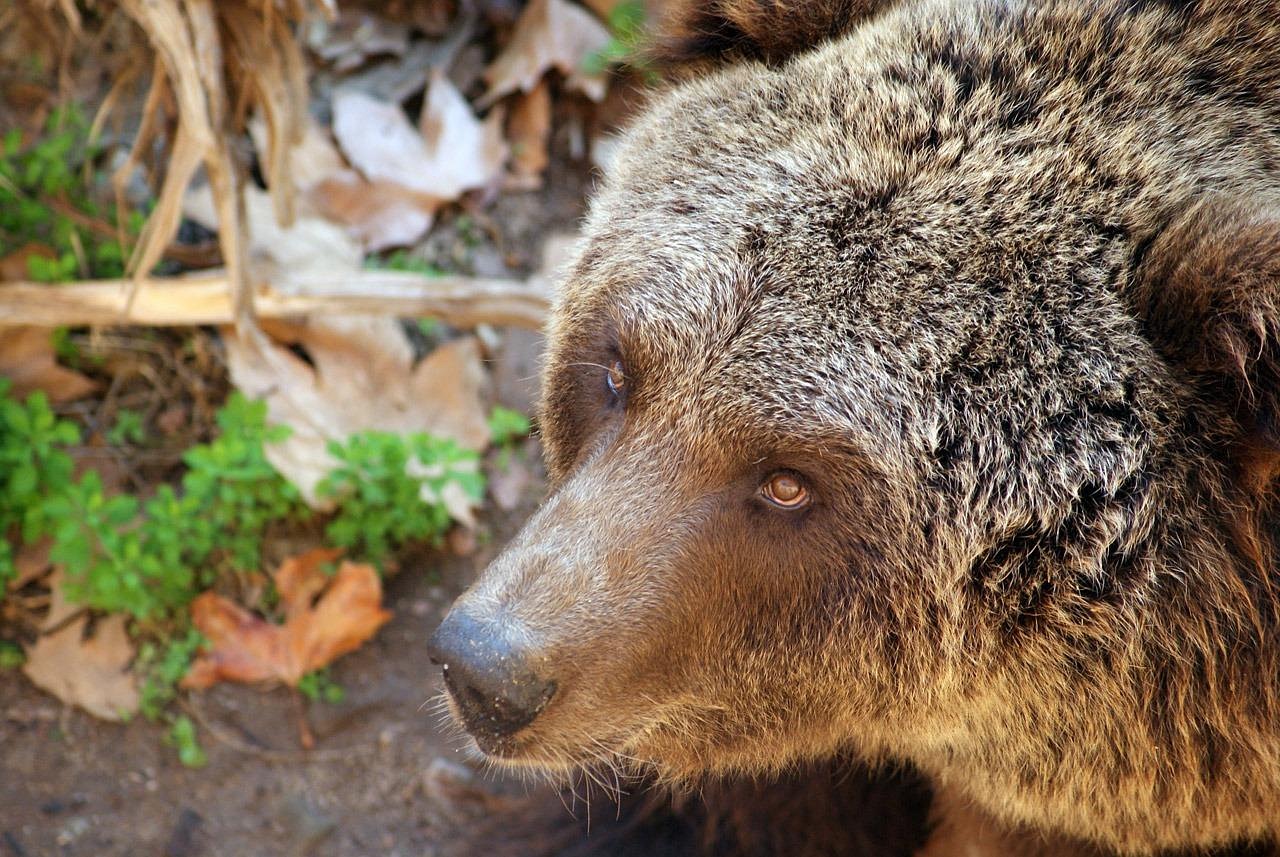
To step into Denali National Park and Preserve is to confront a scale of wilderness that defies conventional geography. Spanning six million acres, this is not just a park; it is a living, breathing ecosystem where the rules of the modern world are replaced by the ancient rhythms of the subarctic. For decades, travelers have come here to catch a glimpse of "The Mountain"—the 20,310-foot granite monolith of Denali—and to witness the raw interactions of Alaska's "Big Five": grizzly bears, wolves, moose, caribou, and Dall sheep.
The sheer magnitude of the landscape often leaves first-time visitors overwhelmed. Imagine an area larger than New Hampshire with only one road cutting through it. This road, the 92-mile-long Denali Park Road, serves as the park’s singular artery. However, exploring Denali between 2024 and 2026 requires a more nuanced approach than in years past. Due to geological shifts, the way we traverse this landscape has changed, but the spirit of adventure remains as potent as ever.
Crucial 2024-2026 Update: The Denali Park Road Status
If you are planning a visit in the next two years, the most critical piece of information is the status of the Denali Park Road. Since 2021, a massive geological event known as the Pretty Rocks Landslide has halted traffic at Mile 43. The warming climate has accelerated the movement of the debris flow beneath the road, making it impossible to maintain a safe passage for vehicles.
As of 2024, the road is strictly closed to all traffic beyond Mile 43. The National Park Service is currently bridging the gap with an ambitious construction project, with the goal of restoring full access to the western half of the park (including the famous Kantishna region) by the summer of 2026.
What this means for you:
- Private Vehicles: Still restricted to the first 15 miles (Savage River).
- Buses: Transit and narrated tour buses operate up to Mile 43 (East Fork).
- Backcountry: Access to the deep wilderness requires fly-in services or significantly longer treks from the closure point.
Planning Your Visit: Timing and Weather
Denali’s season is short but spectacular. The peak visiting window is mid-May through mid-September. This is when the shuttle buses are running, the visitor centers are fully staffed, and the wildlife is most active.
- Summer (June – July): This is the time of the Midnight Sun. Expect nearly 24 hours of daylight, which is incredible for late-night hiking but can disrupt your sleep cycle. Temperatures range from 45°F to 75°F, though rain is common.
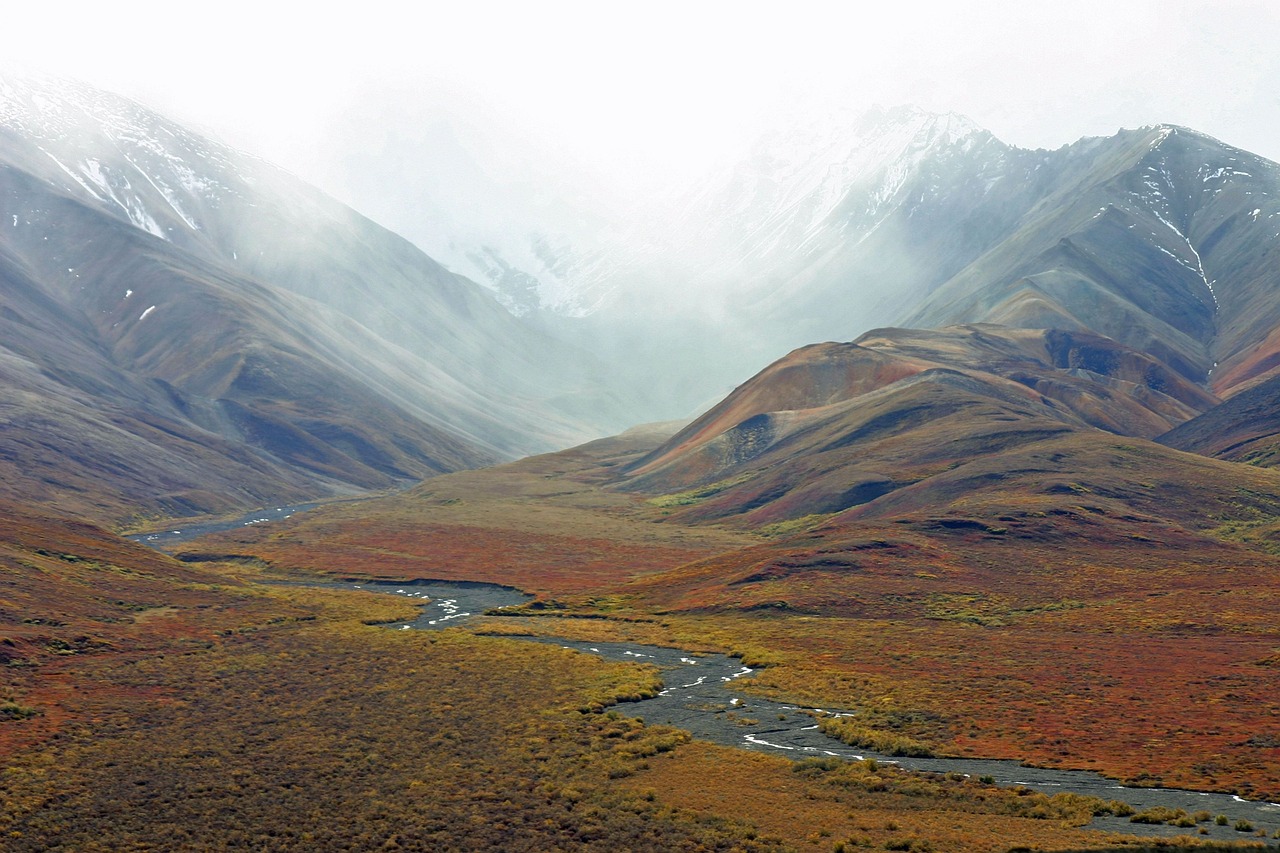
- The "Two Weeks" of Autumn (Late August – Early September): This is arguably my favorite time in the park. The tundra turns a fiery crimson and gold, and the absence of mosquitoes makes hiking a joy. This is also when "termination dust"—the first light dusting of snow on the peaks—appears.
- Winter (October – April): For the truly hardy, winter offers a silent, frozen cathedral. While most facilities are closed, the Murie Science and Learning Center remains open, and the aurora borealis frequently dances across the sky.
Getting to Denali: The Journey is the Destination
Denali is located roughly 240 miles north of Anchorage and 120 miles south of Fairbanks along the George Parks Highway. While driving yourself offers flexibility, there is a distinct Alaskan charm in letting someone else lead the way.
The Alaska Railroad offers the most iconic approach. The Denali Star Train departs daily from both Anchorage and Fairbanks, featuring glass-domed cars that allow for panoramic views of the Susitna River and the Alaska Range. If you prefer the road but don't want to drive, the Park Connection Motorcoach provides high-end bus service between major hubs.
Remember, once you arrive at the park entrance, your private vehicle is limited. Beyond Mile 15 (Savage River), the road is gravel and strictly reserved for park-sanctioned buses. This policy, in place since 1972, is vital for protecting the wildlife and the fragile tundra ecosystem.
Navigating the Park: Transit vs. Tour Buses
Deciding between a "Tour" bus and a "Transit" bus is often the biggest source of confusion for visitors. Think of the Transit Buses (Green) as a hop-on, hop-off service for those who want to hike or camp, while Tour Buses (Tan) are curated experiences for those who want to learn the history and ecology of the park without leaving the vehicle for long.
| Feature | Transit Buses (Green) | Tour Buses (Tan) |
|---|---|---|
| Purpose | Transportation to trailheads/backcountry | Guided educational sightseeing |
| Narration | Informal (Driver may share tips) | Fully narrated by a trained naturalist |
| Flexibility | Hop off and on any green bus | Stay with your specific bus/group |
| Food | Bring your own | Lunch or snacks often included |
| Cost | Generally more affordable | Higher price point |
Pro-Tip: Even if you take the Transit Bus, keep your eyes peeled. The drivers are experts at spotting "white dots" (Dall sheep) on distant ridges or the subtle rustle of a grizzly in the willow thickets.
Top Activities & Best Denali Tours
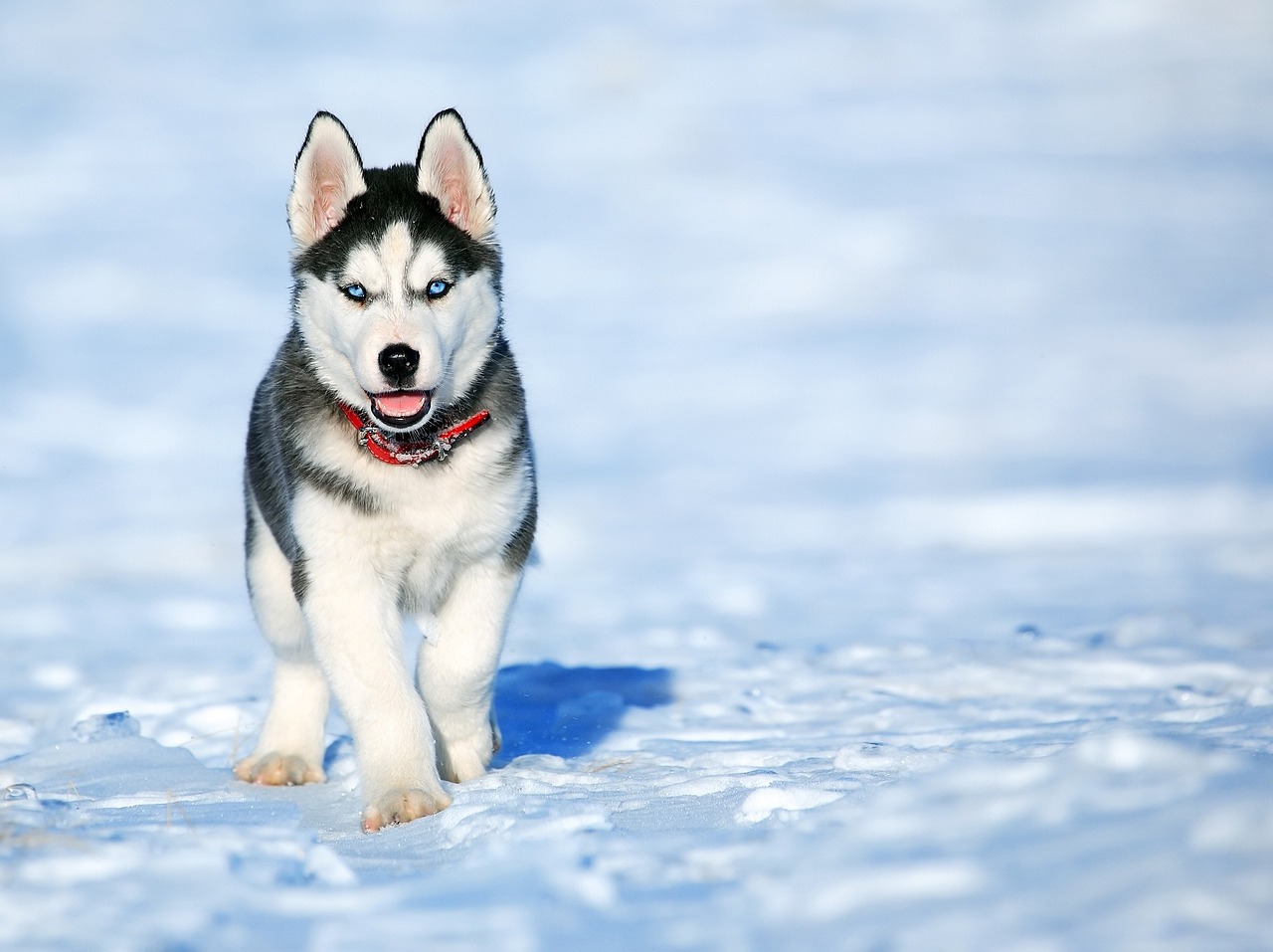
The Sled Dog Kennels
One of the most authentic experiences in Denali is visiting the NPS Sled Dog Kennels. These aren't just for show; canine teams traverse an average of 3,000 miles every winter to patrol the wilderness where motorized vehicles are prohibited. You can walk through the kennels, meet the huskies, and watch a mushing demonstration.
- Demonstrations: Usually held at 10 AM, 2 PM, and 4 PM during the summer.
Flightseeing from Talkeetna or Denali
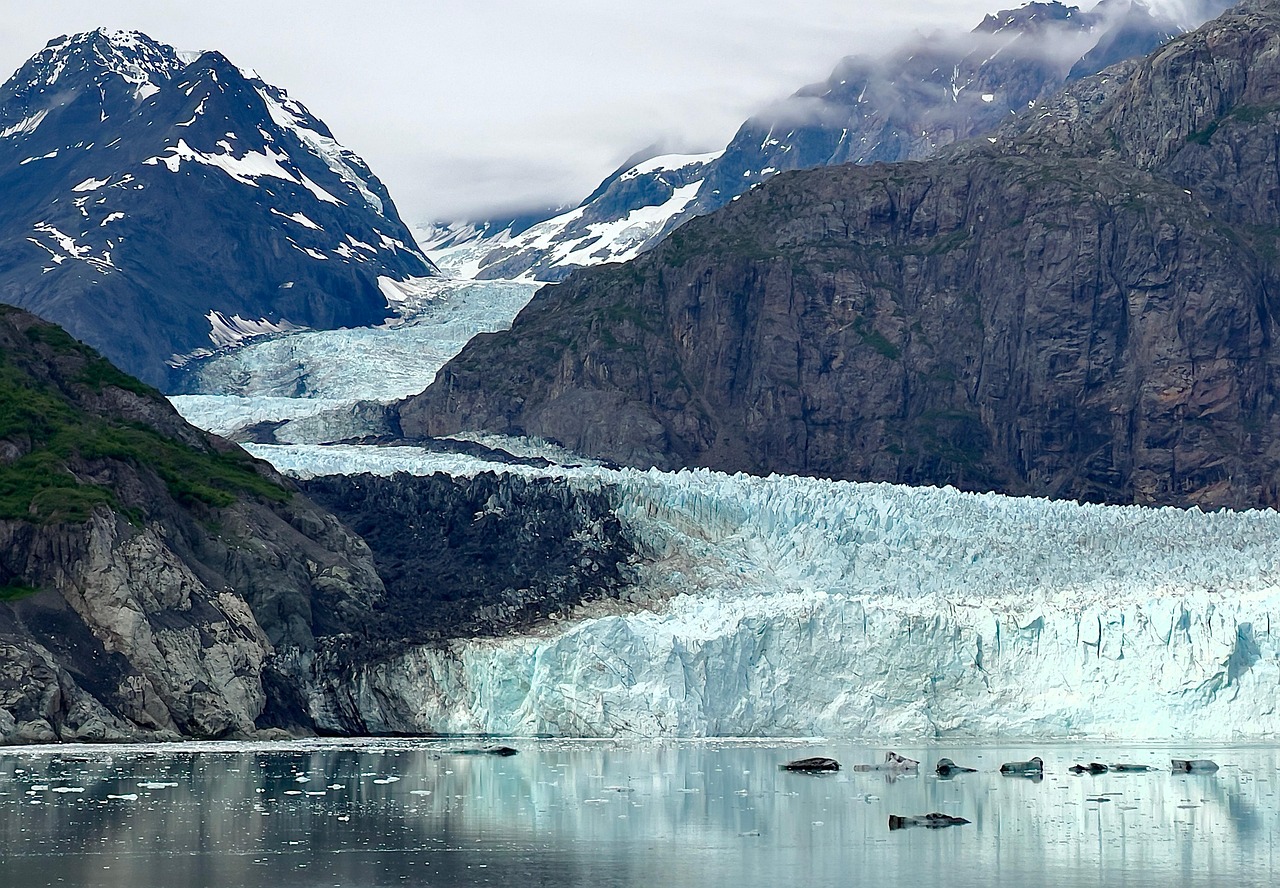
With the road closure at Mile 43, flightseeing has become the premier way to see the "Deep Park" and the towering summit of Denali itself. Many tours depart from the park entrance or the nearby town of Talkeetna. I highly recommend a tour that includes a glacier landing. Standing on the Ruth Glacier, surrounded by the granite walls of the Great Gorge, is a humbling experience that puts the scale of Alaska into perspective.
Nenana River Rafting
For a change of pace, head to the Nenana River on the park’s eastern boundary. You can choose between "Canyon" runs (Class III and IV whitewater) or "Scenic" floats (Class I and II). It’s a fantastic way to see the park's geology from the water level.
Hiking Denali: From Maintained Trails to Tundra Trekking
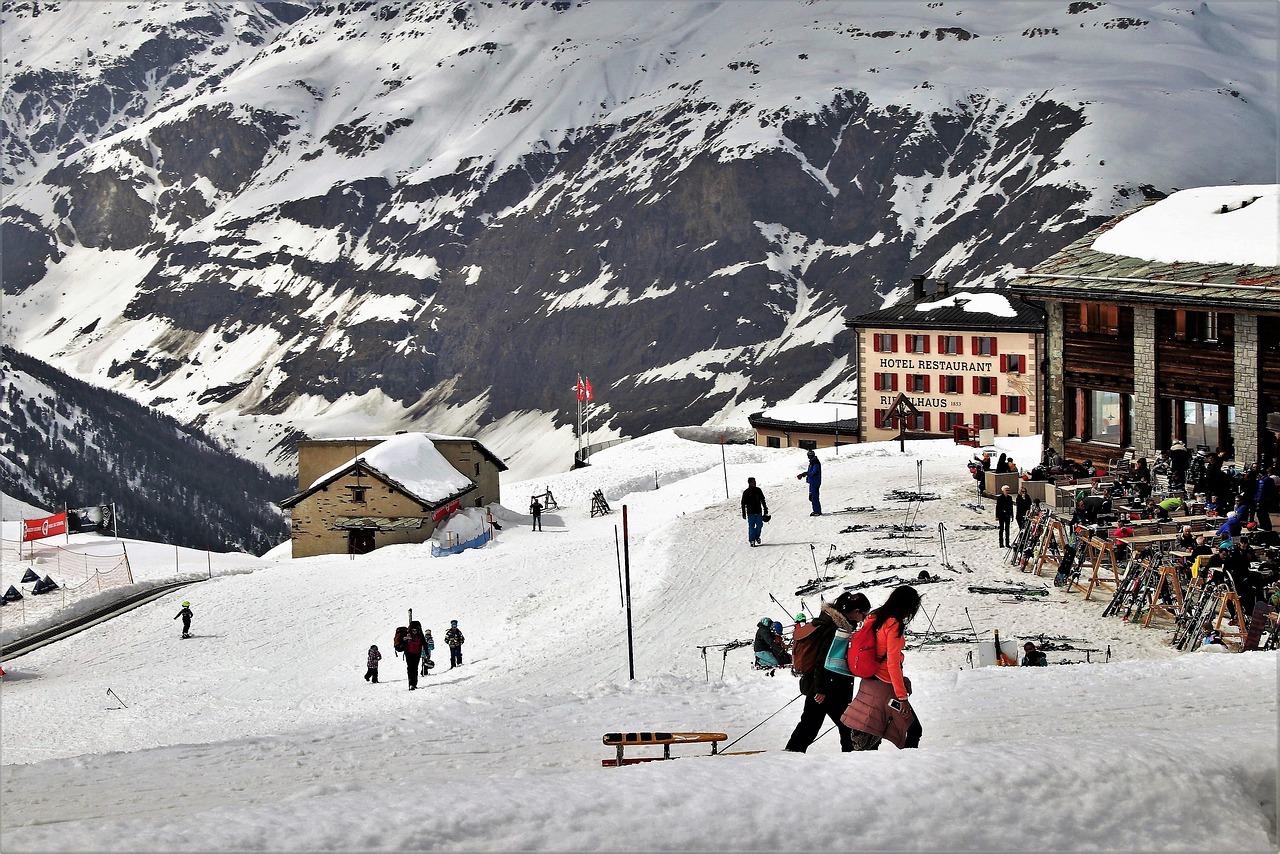
Denali is a "trail-less" park. While there are a few established paths near the entrance, the park encourages "off-trail" hiking. This can be intimidating, but it offers a level of solitude rarely found in the Lower 48.
Best Maintained Trails
- Savage Alpine Trail (4 miles, Strenuous): This trail connects the Savage River (Mile 15) with the Savage River Campground. It offers a steep climb but rewards you with some of the best views of Denali (on a clear day) from the eastern side of the park.
- Horseshoe Lake (2.5 miles, Easy): A beautiful loop around a lake often frequented by moose and beavers. It’s perfect for a morning stroll before catching a bus.
- Triple Lakes Trail (9 miles, Moderate): The longest maintained trail in the park, offering views of three alpine lakes and the Nenana River.
Off-Trail Wilderness Tips
If you decide to strike out across the tundra, remember that you are walking on "spongy" ground. It is physically demanding.
- Safety: Always carry bear spray and know how to use it. Maintain a distance of at least 300 yards from bears and 25 yards from other wildlife.
- Navigation: There are no cairns or markers. You must be comfortable using a GPS or a topo map.
- Backcountry Permits: If you plan to camp overnight in the wilderness, you must obtain a permit at the Denali Bus Depot and watch a mandatory safety video.
Where to Stay: Lodging Inside and Outside the Park
Choosing where to stay depends on your budget and your desire for isolation.
Inside the Park
While the Kantishna lodges (like Kantishna Roadhouse and Denali Backcountry Lodge) are currently restricted by the road closure, they are offering "fly-in" packages. These are high-end, all-inclusive experiences that allow you to stay in the heart of the park despite the landslide.
Outside the Park (The Gateway)
Most visitors stay in the "Canyon" area, often referred to as "Glitter Gulch" for its seasonal shops and restaurants.
- Luxury: The Grande Denali Lodge sits high on a hill with commanding views.
- Convenience: The Denali Princess Riverside Lodge offers expansive decks overlooking the Nenana River.
- Local Vibes: Look toward Healy (11 miles north). It’s quieter and has a more authentic Alaskan feel.
Camping
- Riley Creek: The largest campground, located right at the entrance. It’s open year-round and is great for RVs.
- Teklanika River (Mile 29): The furthest you can drive a private vehicle, provided you stay for at least three nights. It offers a much deeper wilderness feel.
Dining in the Wild
You might be in the wilderness, but you won't go hungry.
- 49th State Brewing Company (Healy): A must-visit. They have great beer, the "Into the Wild" bus replica, and fantastic yak burgers.
- Moose-AKa’s: A local favorite in the Canyon serving incredible Eastern European fare (the goulash is perfect after a cold hike).
- Alpenglow Restaurant: For a more formal dinner with a view, this spot in the Grande Denali Lodge is hard to beat.
FAQ: Your Essential Denali Questions
Q: Can I see the mountain every day? A: No. Denali is so large that it creates its own weather system. It is often shrouded in clouds. There is a "30% Club"—only about 30% of visitors get to see the peak in its full glory. Your best bet is to stay for at least 3 days to increase your odds.
Q: Is bear spray really necessary? A: Yes. Denali is active grizzly country. While the bears here are generally not aggressive, a surprise encounter in thick brush can be dangerous. Carry it on your hip, not in your pack.
Q: Do I need to book buses in advance? A: Absolutely. During the peak months of July and August, buses can book up weeks in advance. Reservations usually open in December or January for the following summer season.
CTA: Plan Your Alaska Adventure
The 2024-2026 seasons offer a unique, transitional chapter in Denali’s history. While the road closure limits the distance you can travel by bus, it opens up new opportunities for flightseeing, flight-in lodge stays, and quiet exploration of the eastern front.
Check Current Park Conditions & Permits →
Whether you are here for the "Big Five," the high-alpine hiking, or simply the chance to stand in the shadow of the continent's highest peak, Denali promises an encounter with the sublime. Start your planning early, pack your layers, and prepare for the wild.