Quick Facts
- Best Time to Visit: October. By the first week, over 85% of tourist traffic in iconic villages like Gordes has dissipated, yet the Mediterranean sun remains generous.
- Ideal Duration: 7 days. This allows for a comprehensive loop covering the historic "Three A’s" (Aix, Arles, and Avignon) without feeling rushed.
- Geography: While Provence covers 12,000 square miles, this itinerary keeps your average daily transit under 90 minutes.
- Transportation: A rental car is essential for the Luberon and Haute-Provence, while the larger cities are best explored on foot.
Introduction: The Secret to Seeing Provence Solo
Provence is a victim of its own ethereal beauty. For decades, the image of lavender fields and honey-hued villages has drawn millions, often resulting in a "Disney-fied" version of the French south where the local accent is drowned out by the click of a thousand shutters. However, there is a way to reclaim the quietude that inspired Van Gogh and Cézanne. The secret lies in a simple temporal shift: travel in October.
As the Destinations Editor, I’ve navigated the 12,000 square miles of Provençal territory in every season. While summer offers the purple haze of lavender, it also brings stifling heat and gridlocked cobblestones. In October, the light turns a liquid gold, the harvest is in full swing, and the crowds have vanished. We recommend a "Three A’s" strategy—anchoring your trip in Aix, Arles, and Avignon—while branching out into the wilder, less-trodden corners of the Luberon and the Mediterranean coast. This is Provence as it was meant to be seen: slow, sensory, and deeply personal.
Day 1: Aix-en-Provence – Aristocratic Charms and Morning Markets
We begin in Aix-en-Provence, the "City of a Thousand Fountains." Aix serves as the sophisticated gateway to the region, a place of 17th-century mansions and aristocratic grace. The ritual here starts early. Bypass the main tourist drags and head straight for the heart of local life at Place Richelme.
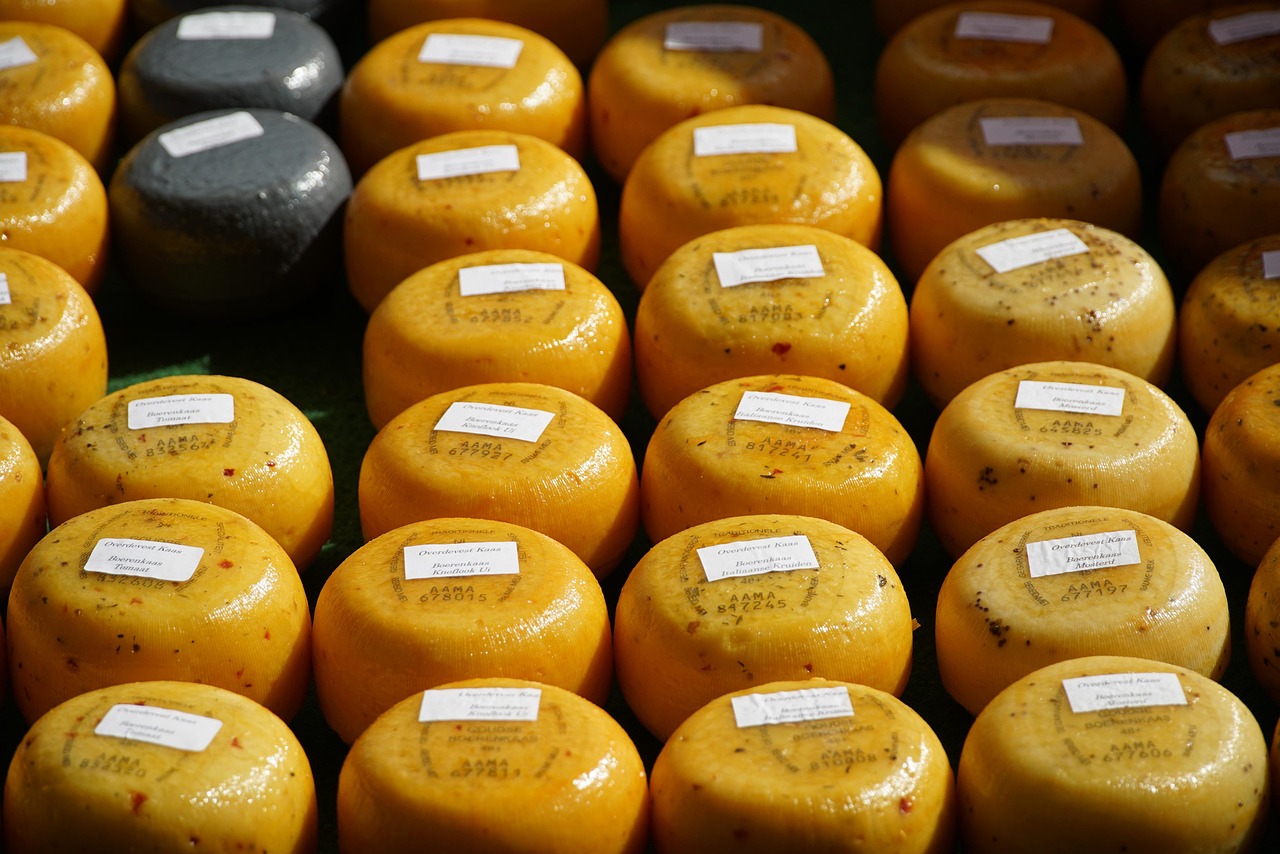
The Saturday Market at Place Richelme is a masterclass in Provençal living. Here, the air is thick with the scent of Herbes de Provence and ripe melons. This isn't just a shopping trip; it's a social event where vendors recognize their regulars by name. After filling your basket with local goat cheese and calissons (the city's signature almond sweet), wander toward the Cours Mirabeau. Under the canopy of ancient plane trees, the grand facades of the Quartier Mazarin reveal the city's wealthy history.
Finish your morning at the Atelier Paul Cézanne. Preserved exactly as it was when the master died in 1906, it feels less like a museum and more like he just stepped out for a walk to Mont Sainte-Victoire.
Day 2: Cassis – The Low-Key Alternative to the Côte d’Azur
While the world flocks to Saint-Tropez, the discerning traveler heads to Cassis. This former fishing village, tucked between the highest sea cliffs in Europe and the Mediterranean, offers a more intimate coastal experience.
The morning should be dedicated to the 'Visite des Calanques.' These narrow, fjord-like inlets carved into white limestone are the crown jewels of the Mediterranean coast. Taking a boat tour from the harbor allows you to see the contrast between the blindingly white cliffs and the deep turquoise water, a sight often missed by those who stay on the beach.
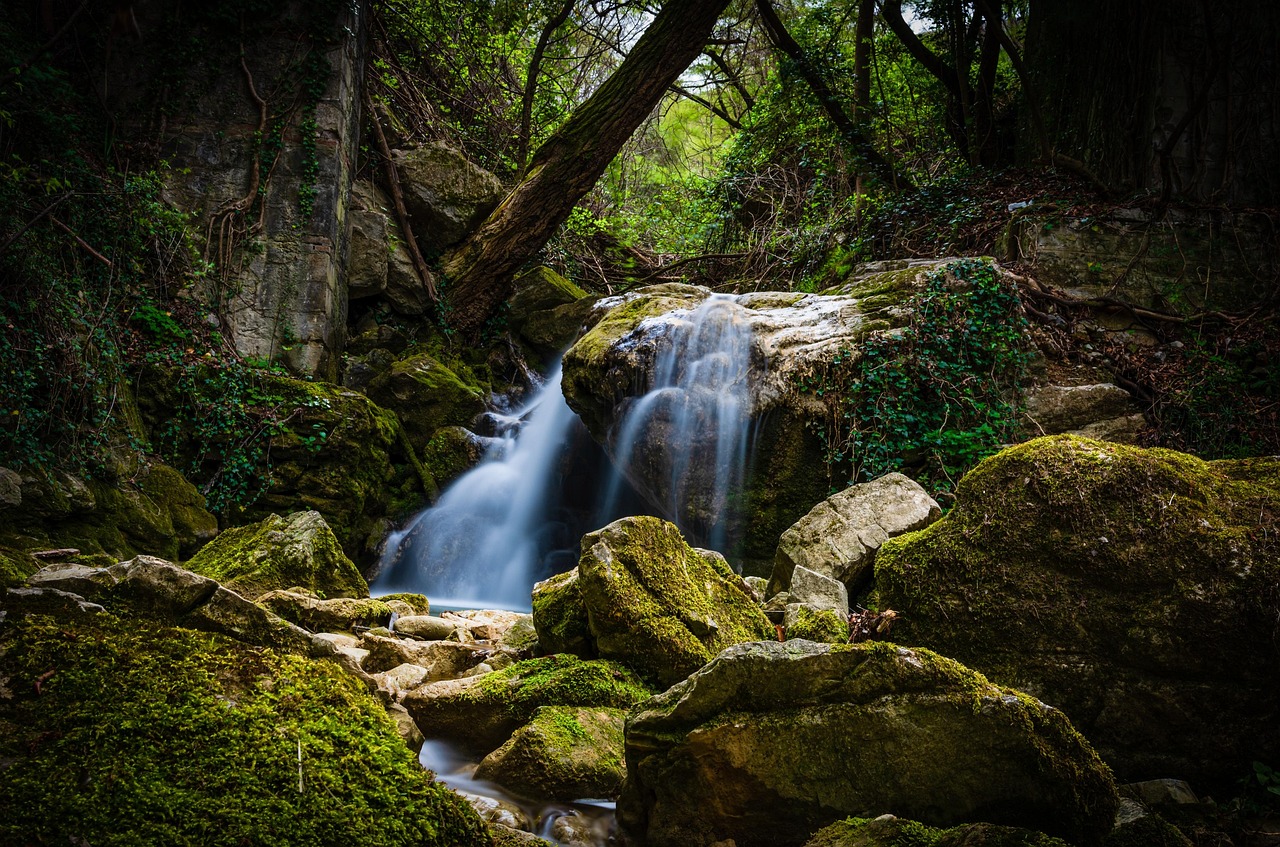
In the afternoon, drive the Route des Crêtes toward La Ciotat. This winding road climbs to the top of Cape Canaille, offering panoramic views that stretch across the sea. For dinner, return to the harbor for the bouillabaisse ritual. Unlike the overpriced versions in Marseille, the stew here is often made with fish caught that very morning.
Editor’s Tip: When ordering bouillabaisse, ensure the restaurant serves the broth and the fish separately. This is the mark of an authentic preparation.
Day 3: Haute-Provence – Floating Above the Crowds
Day three takes us north into Haute-Provence, a region of rugged mountains and lavender plateaus that feel worlds away from the coast. To truly grasp the scale of this landscape, you must see it from above.
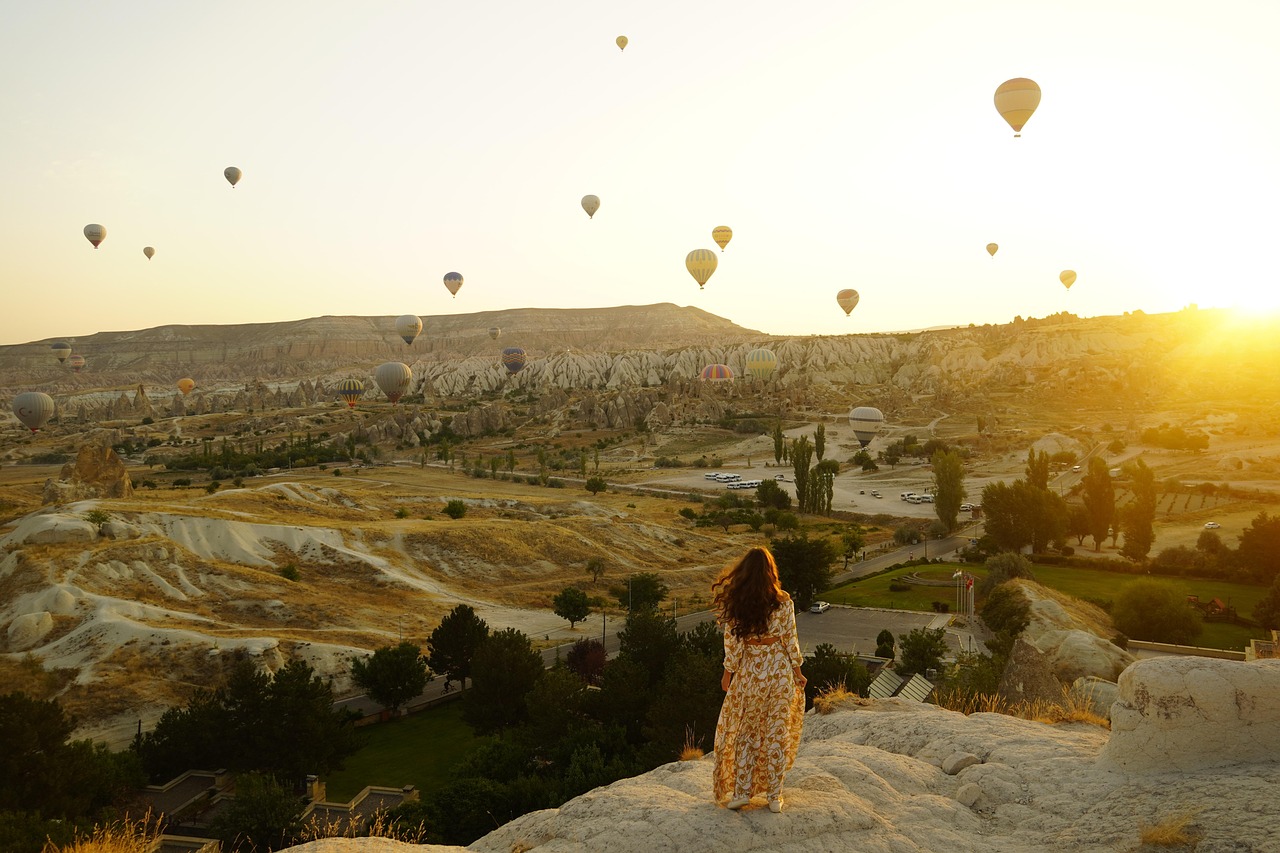
A sunrise hot-air balloon ride in Forcalquier is the definitive non-touristy activity. As the balloon drifts silently over the mosaic of oak forests and limestone ridges, the geography of Provence reveals itself in a way no map can. Below, you’ll see the "Three A’s" region to the west and the Alps rising to the east.
After landing, head to the nearby village of Mane. This is the home of Le Couvent des Minimes and the roots of l'Occitane. It’s a center for wellness and botanicals, perfect for a midday recharge. By late afternoon, take the scenic D900 road toward Avignon, passing through the undulating hills of the Luberon.
Day 4: Avignon – Living Like a Pope
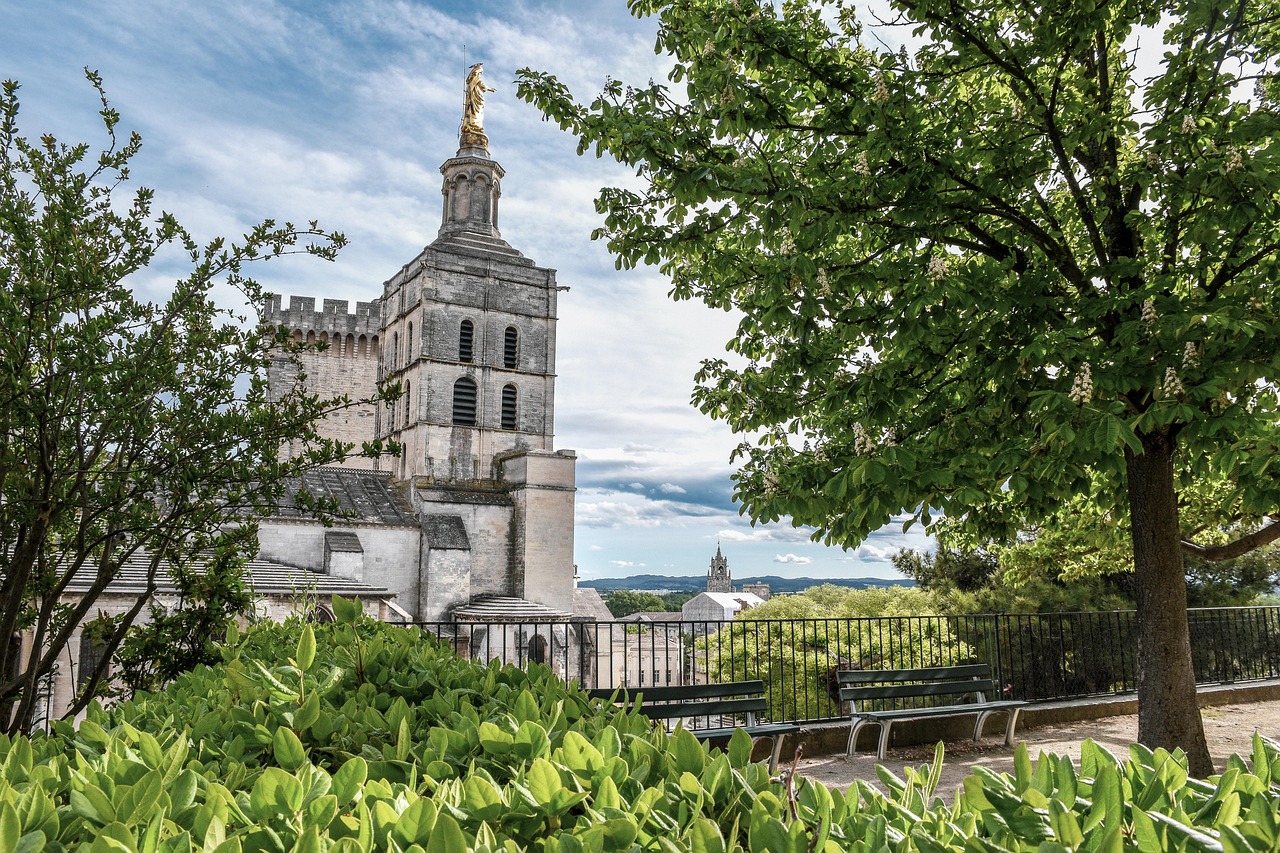
Avignon is a city of layers. Most visitors see the bridge and the palace, then leave. We suggest a deeper dive. The Palais des Papes, the world's largest Gothic palace, is an architectural marvel that served as the seat of Western Christianity in the 14th century. In October, the echoes in the Great Tinel hall aren't drowned out by tour groups, allowing you to appreciate the sheer scale of Papal ambition.
After exploring the palace, cross the Pont d’Avignon and visit the Petit Palais Museum, which houses an exceptional collection of Italian Renaissance paintings. For a true hidden gem, seek out the Angladon Museum. This private mansion contains a stunning collection of works by Van Gogh, Cézanne, and Picasso, displayed in an intimate setting that feels like a private home rather than a public gallery.
Day 5: The Luberon Villages – Essential Provence Without the Traffic
The Luberon is the "postcard" Provence, home to the hilltop villages that Peter Mayle made famous. While summer traffic can make these roads a nightmare, our statistics show that 85% of tourist traffic dissipates by October. This is the time to visit Gordes and Roussillon.
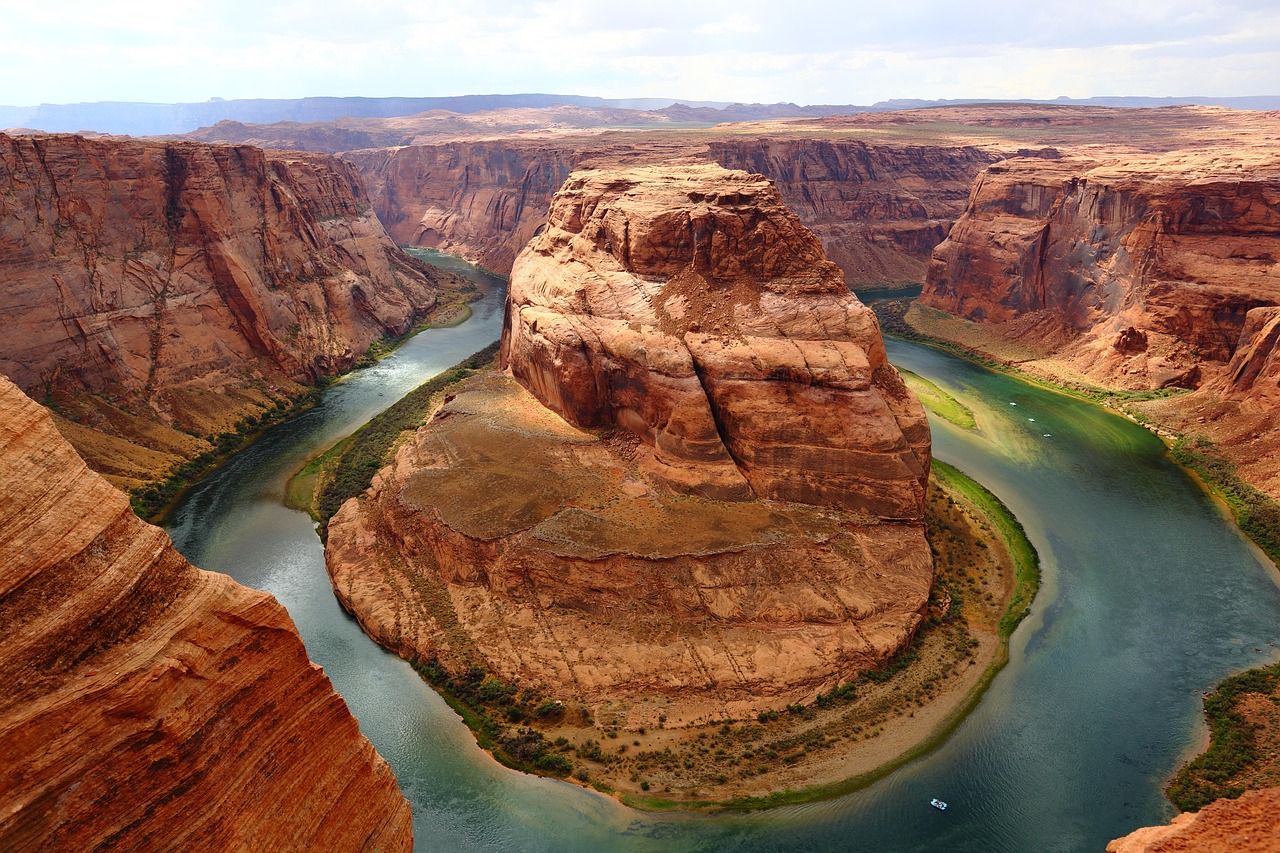
Start in Roussillon, famous for its ochre cliffs. The Ochre Trail (Le Sentier des Ocres) takes you through a landscape that looks more like Arizona than France, with vibrant reds, oranges, and yellows creating a surreal contrast against the green pines and blue sky.
From there, head to Gordes to see the "stone igloos" or bories. These ancient dry-stone huts are a testament to the region's agricultural past. To avoid the remaining visitors in Gordes, spend your late afternoon in Saignon or Bonnieux. These villages offer equally stunning valley views but receive a fraction of the attention.
Day 6: Arles & The Camargue – Roman Ruins and Wild Horizons
Arles is the soul of Provence. It is a city where Roman history, Van Gogh’s madness, and Spanish-style bullfighting culture collide. Begin at the Roman Amphitheatre, still used today for festivals, and follow the Van Gogh Walk to see the locations that inspired his most famous works.
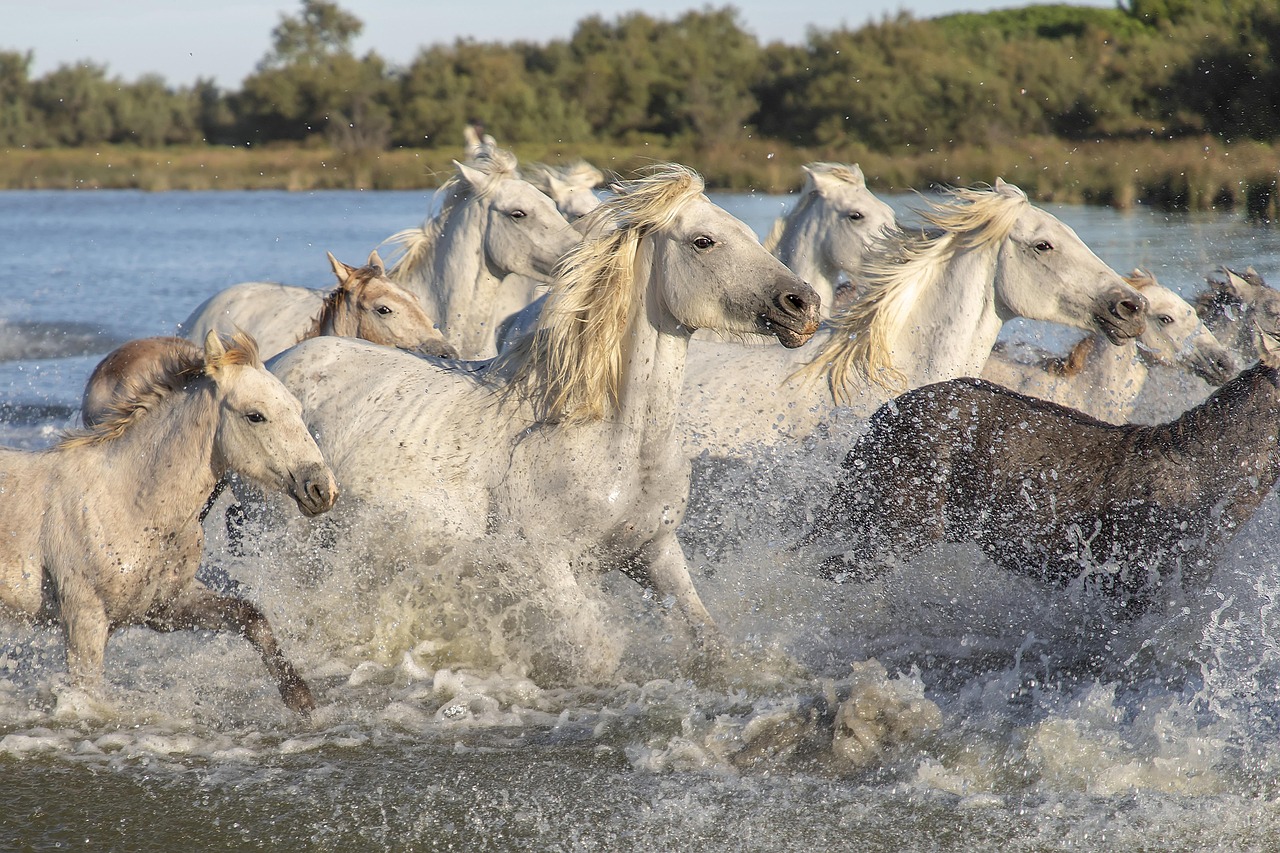
By midday, drive south into the Camargue delta. This is Europe’s largest river delta and a wild frontier of salt marshes and rice paddies. It is a land of black bulls and the famous white Camargue horses, but the highlight is the birdlife.
The Ornithological Park of Pont de Gau is the best place to see thousands of pink flamingos in their natural habitat. End your day at Les Saintes-Maries-de-la-Mer, where the Rhône meets the sea. The sunset over the wild beaches here is a spiritual experience.
Day 7: St-Rémy & Châteauneuf-du-Pape – Final Toasts
Our final day balances art and viticulture. We begin in St-Rémy-de-Provence at St-Paul-de-Mausole. This is the asylum where Vincent van Gogh voluntarily checked himself in and painted over 150 works, including 'The Starry Night.' The Romanesque cloister and the reconstructed room of the artist offer a poignant look at his final years.
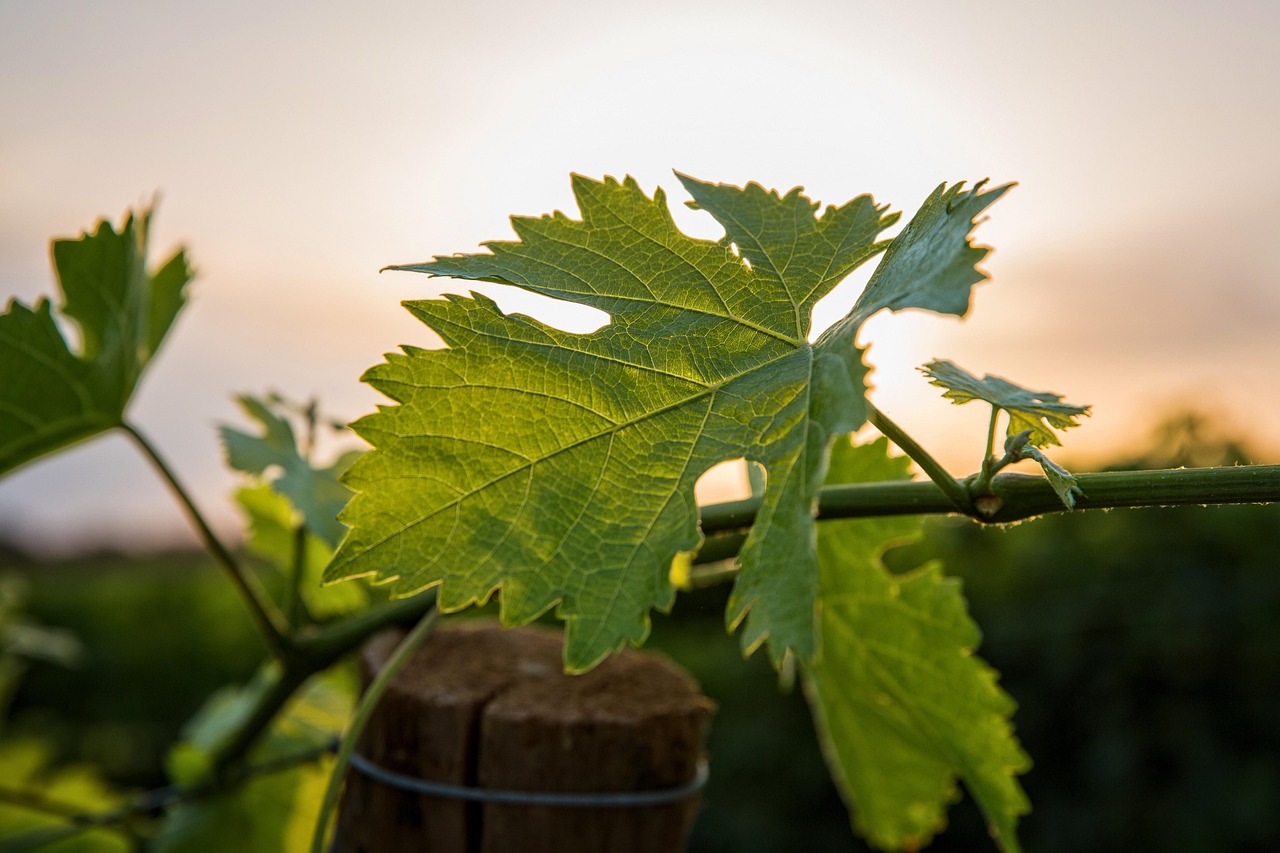
To toast the end of our journey, we drive north to Châteauneuf-du-Pape. While many visitors simply buy a bottle and leave, we recommend a private wine-blending workshop. Under the guidance of a master sommelier, you can learn the art of balancing Grenache, Syrah, and Mourvèdre, creating your own personalized bottle of one of the world's most prestigious wines.
For your farewell dinner, choose a bistro in the center of the village that specializes in game meats and truffles—the hallmarks of the October harvest season.
Summary of Logistics & Travel Tips
Planning a 7-day trip across 12,000 square miles requires a "hub and spoke" philosophy to keep transit times under 90 minutes.
| Feature | Summer (July/August) | Autumn (October) |
|---|---|---|
| Crowd Levels | Peak (100%) | Low (approx. 15%) |
| Average Temp | 30°C+ (86°F+) | 18-22°C (64-72°F) |
| Key Scenery | Lavender & Sunflowers | Vineyards & Orchre Leaves |
| Accommodation | Premium Pricing | Off-peak rates (20-30% less) |
| Availability | Requires 6+ months booking | Flexible / Walk-ins often possible |
Transportation Advice
We strongly advocate for the "unpack once" philosophy. Choose two bases—perhaps Aix for the first three days and Avignon for the remaining four. This eliminates the daily chore of checking in and out of hotels while keeping all the major sights within a short, scenic drive.
Book Your TGV Train to Provence →
FAQ
1. Is 7 days really enough to see Provence? While you could spend a lifetime here, 7 days is the "Goldilocks" duration. It allows you to cover the essential historical sites (The Three A’s) while having enough time to disappear into the Luberon or the Camargue without feeling like you’re on a marathon.
2. Can I do this itinerary without a car? It is difficult. While trains connect Aix, Arles, and Avignon perfectly, the "hidden gems" like the Luberon villages, the Route des Crêtes, and the Camargue require a car. If you don't drive, consider hiring a private driver-guide for those specific days.
3. What should I pack for Provence in October? Layers are essential. The mornings can be crisp (around 10°C), but the afternoons often reach a beautiful 22°C. Bring comfortable walking shoes for the cobblestones and a slightly dressier outfit for dinner in Aix or Avignon.
Experience the Real Provence
The magic of Provence isn't found in the souvenir shops or the crowded lavender tours. It is found in the mist rising over a vineyard in the Luberon, the smell of woodsmoke in a mountain village, and the quiet dignity of a Roman ruin at dusk. By choosing the right season and the right path, you don't just see Provence—you feel it.
Ready to plan your escape? Start by exploring our curated selection of boutique stays in the Luberon.