Quick Facts: Cairo 2026 at a Glance
For the traveler planning a journey to the "Mother of the World" in 2026, here are the essential logistics to keep in mind:
- The Grand Egyptian Museum (GEM): Scheduled for its full, unrestricted public opening in 2026, featuring the complete 5,000-piece Tutankhamun collection.
- Optimal Timing: Visit between October and April for temperate weather (20°C–28°C), ideal for exploring open-air archaeological sites.
- Daily Budget: A mid-range traveler should budget €80–120 per person per day, covering boutique accommodation, traditional dining, and major entry fees.
- The Golden Ticket: The Cairo Archaeological Pass (~1,200 EGP) offers a 30% reduction on entry fees for three days of comprehensive access to major sites.
The Pulse of the Mother of the World: A City Reborn
Cairo has always been a city of contradictions—a place where the dust of five millennia settles on the dashboards of modern ride-shares. But as we approach 2026, the "Mother of the World" (Umm al-Dunya) is undergoing a transformation that feels less like a facelift and more like a soul-stirring renaissance. For years, Cairo was often treated as a mere transit point—a hectic, two-day stopover before flying south to the temples of Luxor or the beaches of the Red Sea.
That narrative is officially obsolete. The Cairo of 2026 is a polished global capital that has learned to embrace its "grit and charm" simultaneously. We are seeing a monumental shift where historic preservation meets high-end innovation. The city’s downtown, once a fading relic of Belle Époque grandeur, is being meticulously restored, while the Giza plateau has been reimagined with world-class infrastructure. It is a city that finally recognizes its own worth, offering a literary and sensory depth that rewards those who linger.
The $1 Billion Centerpiece: The Grand Egyptian Museum (GEM)
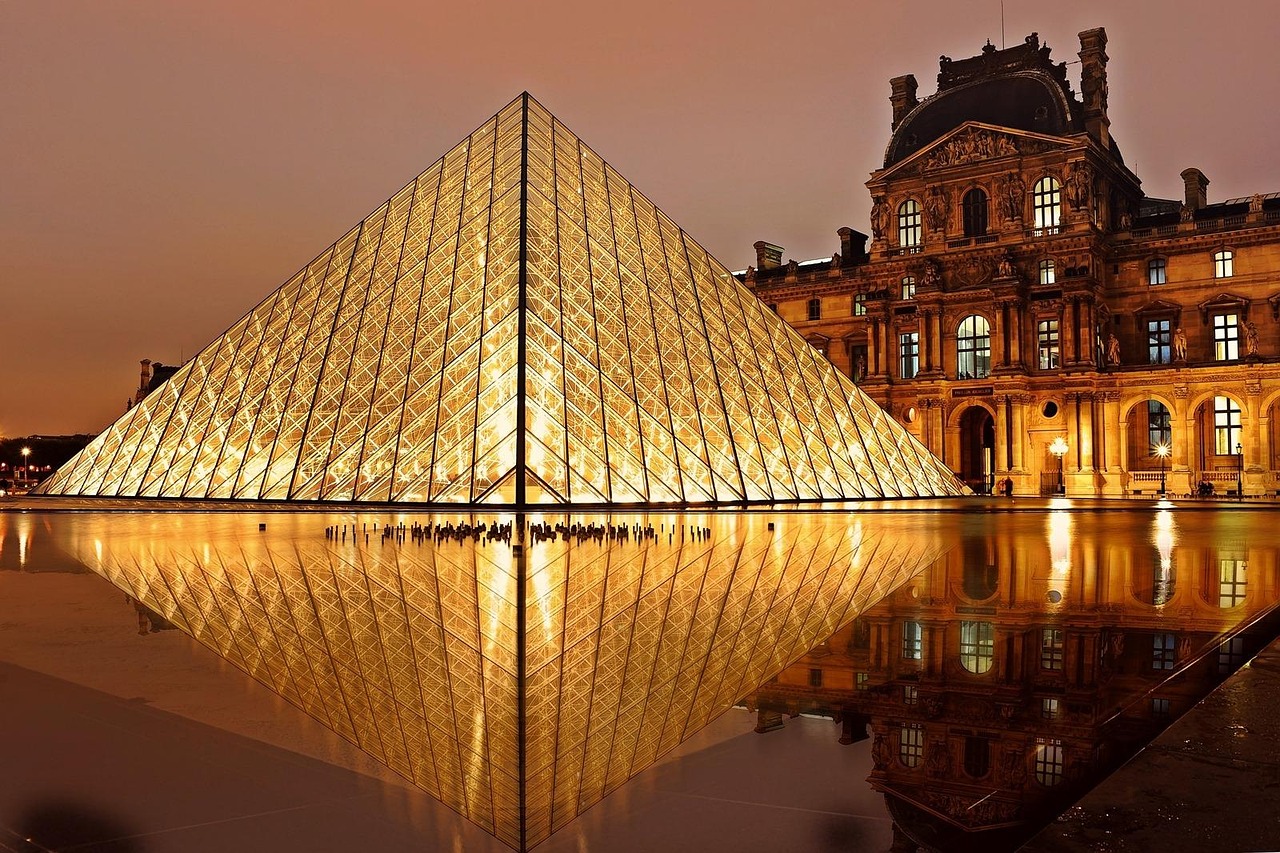
The gravitational pull of Cairo in 2026 centers undoubtedly on the Grand Egyptian Museum (GEM). After decades of anticipation and a $1 billion investment, the GEM is scheduled for its full public opening in 2026. This is not merely a museum; it is a 120-acre architectural statement situated just two kilometers from the Pyramids of Giza, designed to bridge the gap between the ancient world and the third millennium.
Spanning 12 sprawling galleries, the GEM houses approximately 100,000 ancient artifacts, charting a staggering 700,000 years of human history. The undeniable crown jewel is the Tutankhamun gallery. For the first time since his tomb’s discovery in 1922, all 5,000 pieces of the Boy King’s funerary treasure—including his gold mask, chariots, and even his linen loincloths—will be displayed together in a singular, immersive space.
As you enter, you are greeted by the 3,200-year-old, 36-foot-tall red granite statue of Ramses II, standing beneath a skylight that allows the sun to illuminate his face twice a year, mimicking the solar alignment at Abu Simbel. The "Grand Staircase" offers a chronological ascent through pharaonic history, with floor-to-ceiling glass windows that provide a breathtaking visual link to the Great Pyramids themselves.
Boutique Stays: Where History Meets Modern Luxury
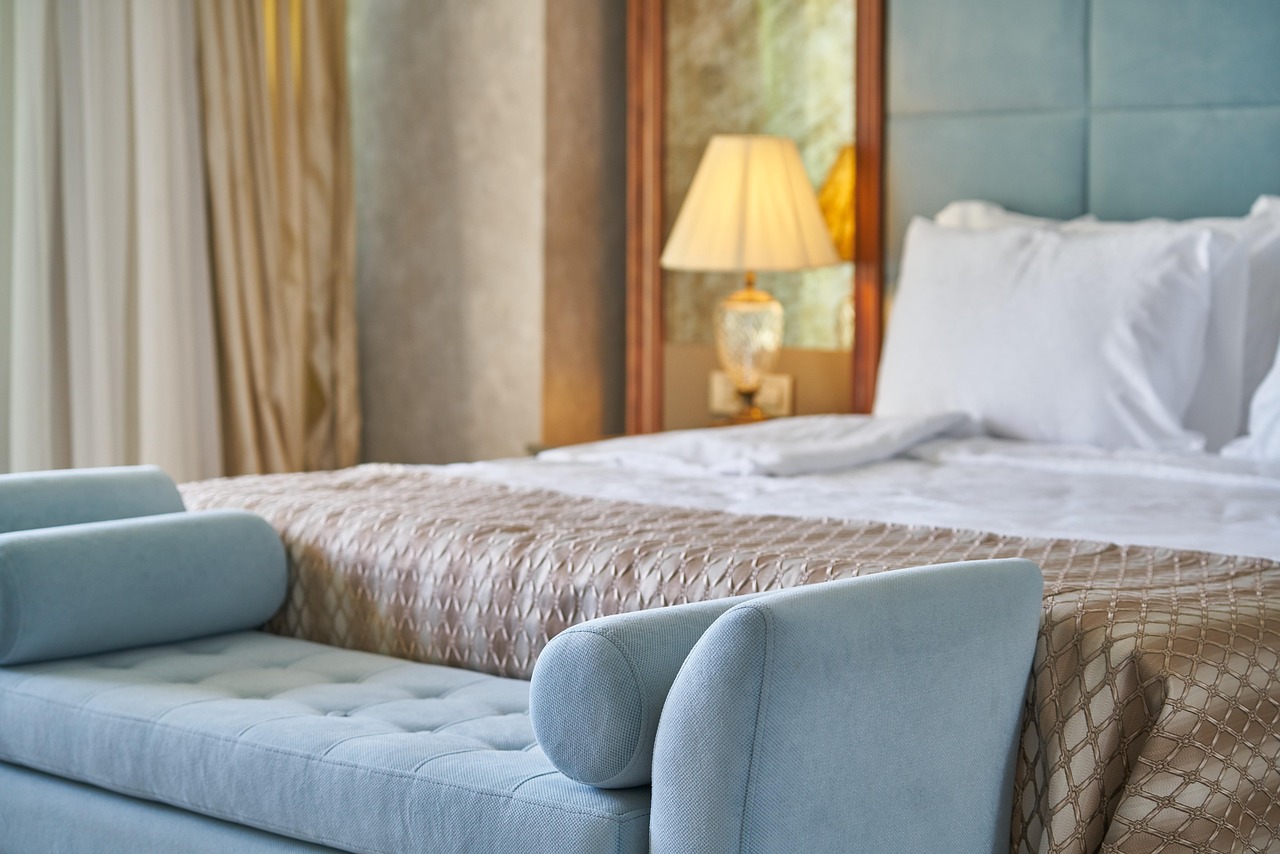
The 2026 renaissance extends deeply into Cairo’s hospitality scene. The era of the sterile, branded five-star high-rise is being challenged by a wave of intimate, high-design boutique hotels that celebrate Egyptian heritage through a contemporary lens. Nowhere is this more apparent than in Downtown Cairo and the historic Garden City district.
The revitalization of Downtown has breathed new life into Art Deco gems. Mazeej Balad, a standout in this new movement, is housed within a stunning historical building. The interiors, designed by the visionary Malak Orfy, blend minimalist chic with traditional Egyptian motifs, creating a space that feels both cosmopolitan and deeply rooted. Similarly, the Egypt Beyond collection has reclaimed spaces in the iconic Art Deco Immobilia building, offering travelers a chance to live within the "Paris on the Nile" era of the 1930s but with every modern amenity.
These properties aren't just places to sleep; they are cultural hubs. Their lobbies often double as galleries for local contemporary artists, and their rooftops serve as the city’s most coveted lounges, where the scent of jasmine mingles with the distant hum of the Nile.
- Mazeej Balad: Best for travelers seeking high-concept design in the heart of the city.
- The Steigenberger El Tahrir: A mid-range reliable choice with unparalleled proximity to the Egyptian Museum (the "old" pink museum).
- Garden City Boutiques: Look for renovated colonial villas that offer a quieter, leafier retreat from the city’s frenetic energy.
Planning Your 2026 Journey: Timing and Budget
To truly capture the magic of Cairo, one must respect its seasons. In 2026, the best time to visit is from October to April. During these months, the city sheds its summer haze, and temperatures hover between a pleasant 20°C and 28°C. This window allows for long, contemplative walks through the Islamic Cairo district or sunrise visits to the Giza plateau without the oppressive heat of the desert sun.
Financially, Cairo remains one of the world’s most accessible high-culture destinations. While luxury experiences are available, a mid-range travel budget for 2026 is estimated at €80–120 per person per day. This budget is generous enough to cover:
- Boutique accommodation in a character-rich neighborhood.
- Twice-daily meals featuring both traditional street food and upscale Cairene cuisine.
- Private guides for key archaeological sites.
- Entry fees for the GEM and the Giza Plateau.
Traveler’s Tip: To optimize your budget, secure your hotel rates at least 2-3 months in advance, especially if you plan to visit during the peak season of November through February.
Beyond the Museum: The Eternal Guardians
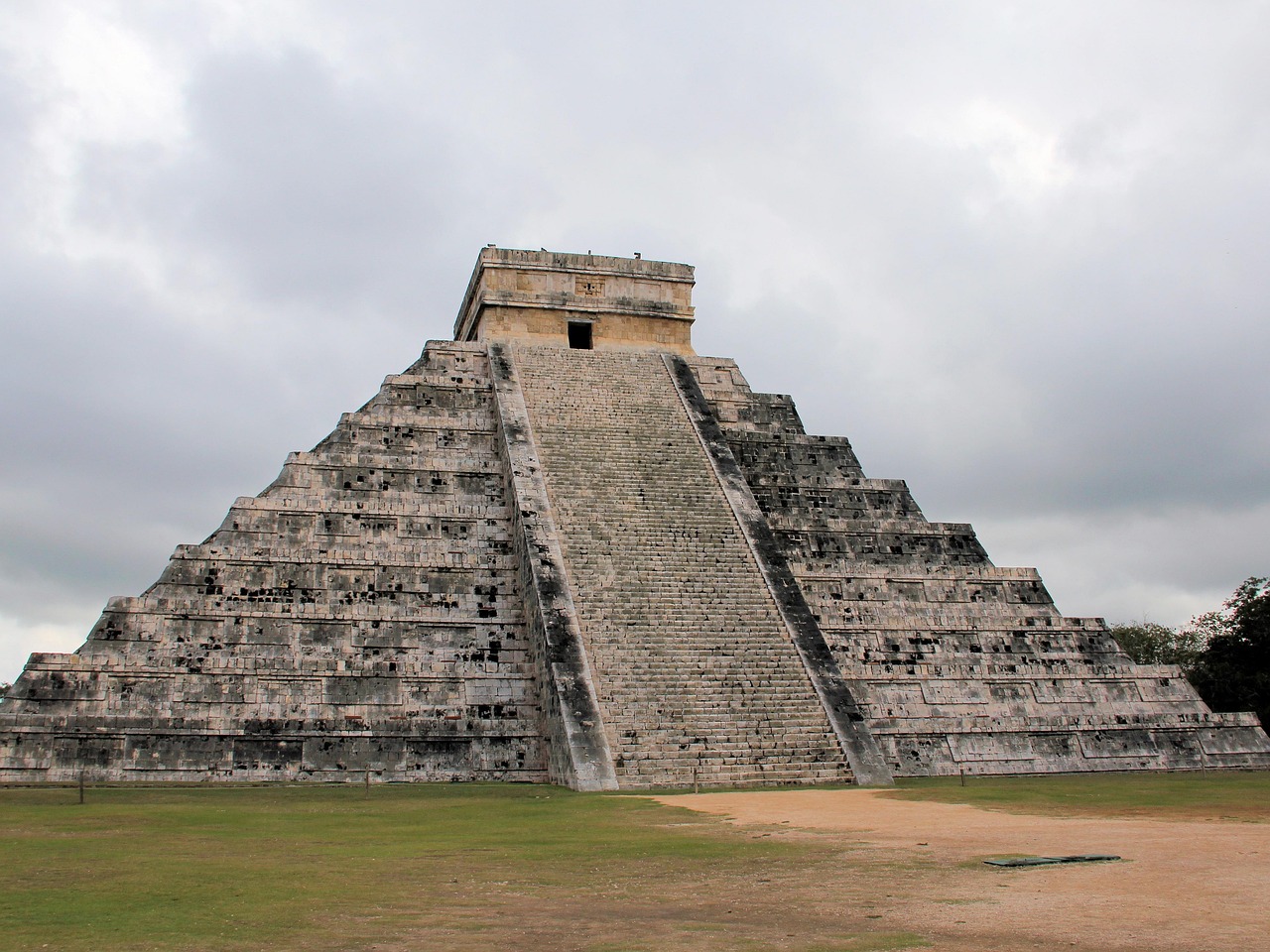
While the GEM is the newcomer, the eternal guardians of the city—the Pyramids of Giza—have not remained static. Recent infrastructure improvements at the Giza Plateau have made the site more pedestrian-friendly, with new electric buses and high-end dining options like 9 Pyramids Lounge, where you can enjoy a coffee with the Great Pyramid of Khufu as your backdrop.
However, the savvy 2026 traveler looks further south to Saqqara and Dahshur. Saqqara, home to the Step Pyramid of Djoser, is currently a hotbed of archaeological activity, with new tombs being discovered almost monthly. Unlike Giza, Saqqara offers a quieter, more intimate connection to antiquity. Dahshur, featuring the "Bent" and "Red" pyramids, provides a fascinating look into the experimental phase of pyramid building—an architectural journey into the minds of the ancients.
Purchase Your Cairo Archaeological Pass →
A Cairene Feast: Dining and Artisanal Shopping
To eat in Cairo is to understand its history. The culinary scene in 2026 is a vibrant dialogue between the humble street stall and the refined rooftop. You cannot leave without visiting Abou Tarek for a bowl of Koshary. It is a chaotic, delicious symphony of lentils, rice, macaroni, and chickpeas, topped with a spicy tomato sauce and crispy fried onions—the ultimate fuel for a day of exploring.
For a more elevated experience, the city’s rooftops offer a different kind of sustenance. Places like the rooftop at Mazeej Balad serve modern takes on Egyptian classics—think slow-cooked lamb with pomegranate glaze—paired with cocktails that utilize local botanicals like hibiscus and mint.
The artisanal renaissance is equally compelling. Cairo has moved beyond the "made-in-China" souvenirs of the past.
- Cairopolitan: A concept store that reimagines Cairene everyday life into pop-art souvenirs.
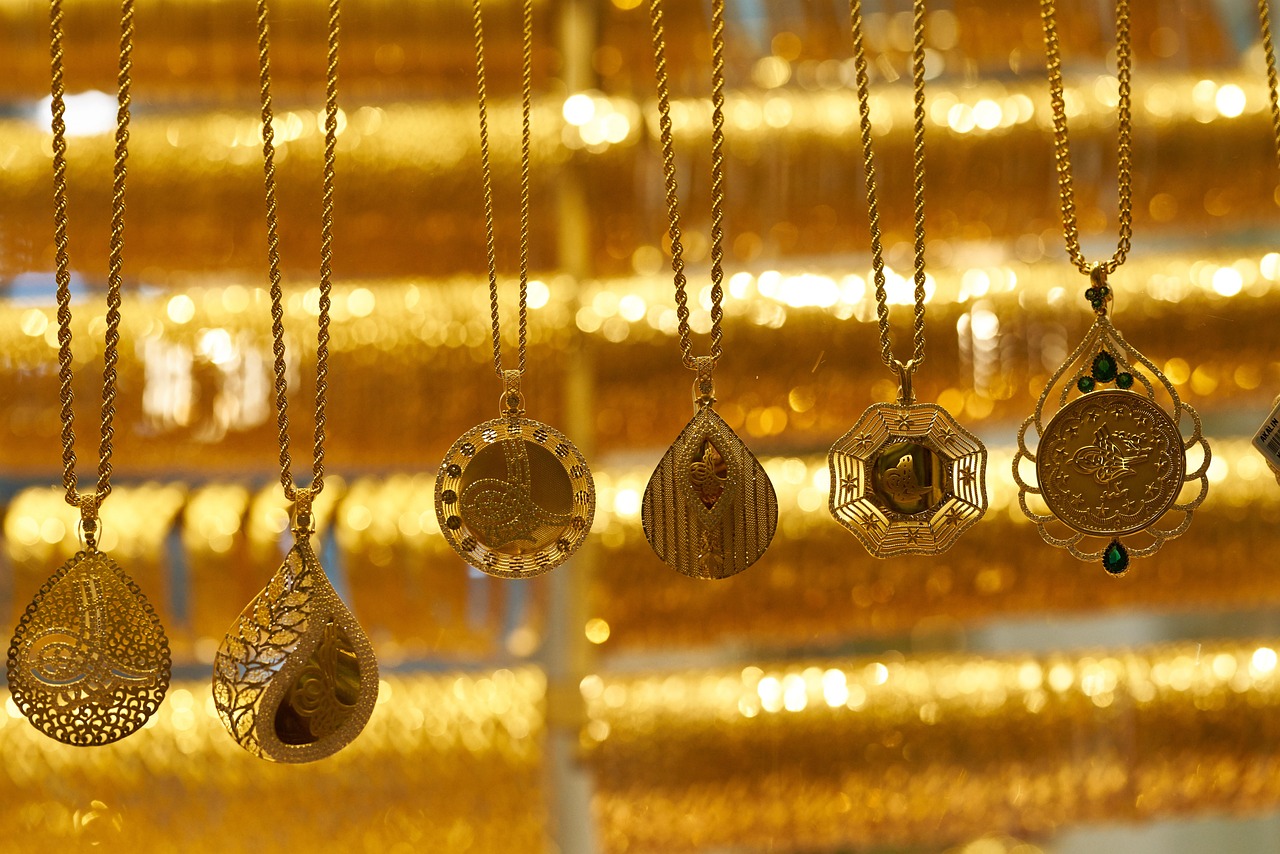
- Azza Fahmy: For those seeking heritage jewelry, Fahmy’s work is legendary, weaving calligraphy and Ottoman-era craftsmanship into wearable art.
- Abdelzaher Bookbinding: Located in Islamic Cairo, this centuries-old workshop still practices the fine art of hand-marbling paper and leather binding.
Navigating the Metropolis
Navigating a city of 20 million people requires a strategy. While the traffic is legendary, the infrastructure is catching up. Cairo’s three-line metro is remarkably efficient and clean, offering a reprieve from the gridlock above. For most travelers, however, ride-sharing apps like Uber and Careem are the gold standard. They offer transparent pricing and GPS navigation, eliminating the "negotiation dance" often required with traditional taxis.
When arriving at Cairo International Airport (CAI), consider the location of your hotel carefully. A transfer to Downtown Cairo usually takes 45–60 minutes, while reaching Giza-based hotels can take upwards of 90 minutes during peak traffic. The city’s new highways have significantly cut travel times, but in Cairo, time is always a suggestion, never a promise.
Frequently Asked Questions (FAQ)
Q: Is the Grand Egyptian Museum fully open right now? A: As of early 2026, the GEM has transitioned from "limited preview tours" to a full public opening. This includes all 12 main galleries and the complete Tutankhamun collection. It is highly recommended to book tickets online in advance.
Q: Is Cairo safe for solo travelers in 2026? A: Yes, Cairo remains one of the safer mega-cities in the world for travelers. Common sense applies—be mindful of your belongings in crowded markets like Khan el-Khalili and use reputable ride-sharing apps for transportation. The Egyptian people are famously hospitable and often go out of their way to assist visitors.
Q: How do I get the Cairo Archaeological Pass? A: The pass can be purchased at the Egyptian Museum in Tahrir Square or at the Giza Plateau entrance. You will need a passport-sized photo and your physical passport. It is a fantastic investment if you plan to visit more than four major sites within three days.
Start Your Cairo Adventure 2026
Cairo is no longer a city waiting for its future; it is living it. The salmon-hued sunsets over the Nile, the aromatic smoke of the shisha pipes in the evening air, and the monumental weight of history are now matched by a new energy of creativity and luxury. Whether you are standing before the golden mask of a boy king or sipping a locally roasted coffee in a restored Art Deco lobby, Cairo in 2026 promises an experience that is as deep as the river that sustains it.