The New Frontier of Luxury Travel: From Traveler to Astronaut
There is a profound difference between being a traveler and being an astronaut. For decades, the boundary between the two was guarded by years of military training and scientific rigor. Today, that boundary has dissolved into a bespoke, multi-sensory journey designed for those who seek the ultimate perspective. Virgin Galactic has reimagined space not merely as a destination, but as a refined transition of the soul.
A journey aboard VSS Unity is a choreographed 90-minute odyssey. It begins with a gentle ascent to 50,000 feet, cradled beneath the twin-fuselage carrier plane, VMS Eve, before a heart-stopping release and a Mach 3 vertical surge toward the heavens. Reaching an altitude of nearly 300,000 feet, you are granted something few humans have ever tasted: four minutes of crystalline silence and weightlessness against the backdrop of the Earth’s sapphire curve. This is the legacy of VSS Unity, a vessel that has paved the way for the next generation of Delta Class ships, turning the dream of commercial spaceflight into a visceral reality.
Quick Facts
| Feature | Detail |
|---|---|
| Total Flight Duration | Approximately 90 minutes |
| Peak Altitude | Nearly 300,000 feet (Suborbital) |
| Time in Weightlessness | Approximately 4 minutes |
| Maximum Speed | Mach 3 (Three times the speed of sound) |
| Ticket Price | $450,000 USD |
| Preparation Period | 8 to 10 months Readiness Program |
The Preflight Readiness: 10 Months to Launch
The journey does not begin on the tarmac; it starts months earlier through a curated Readiness Program. Over 8 to 10 months, Future Astronauts undergo a physical and mental evolution designed to ensure they don't just survive the flight, but savor every second of it. This isn't just about G-force endurance; it is about sensory management—learning how to move in zero gravity so that when the moment arrives, your body knows exactly how to dance.
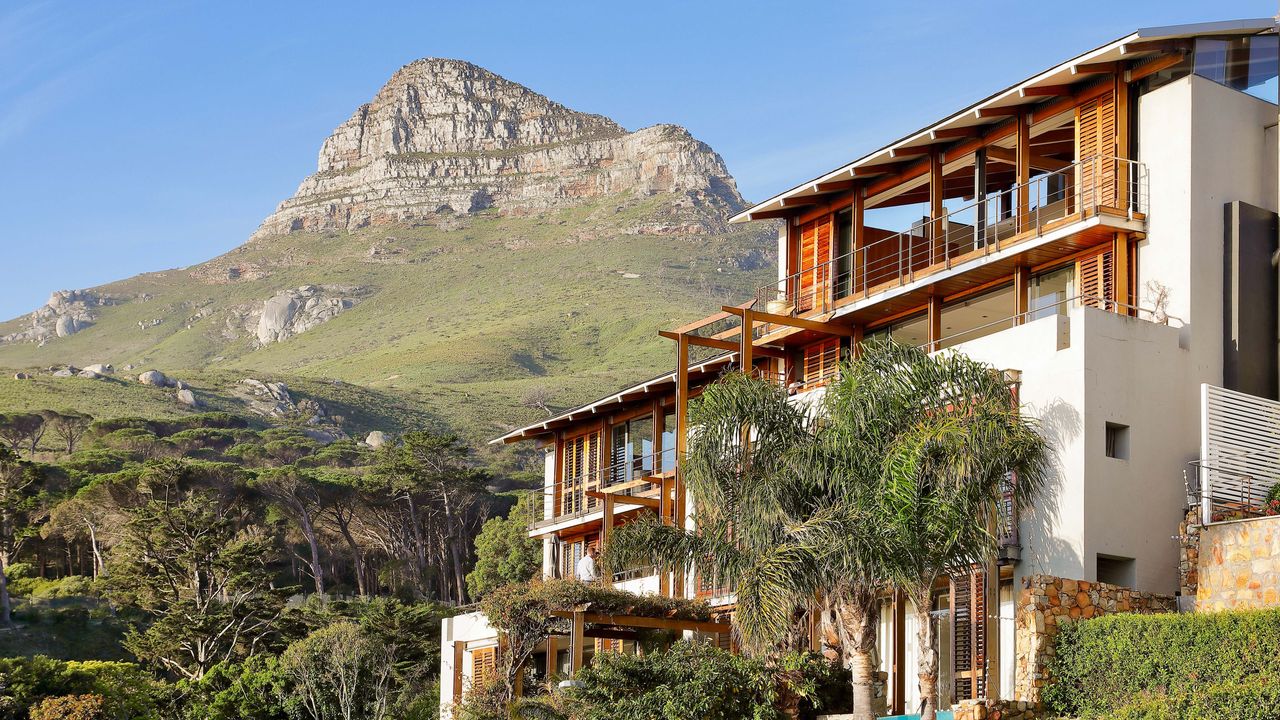
The setting for this transformation is Spaceport America in New Mexico, the world’s first purpose-built commercial spaceport. It is an architectural marvel that feels more like a high-end desert retreat than a launch facility. Here, the hospitality is as seamless as the engineering. You aren't just a passenger; you are part of an elite cohort. The bonding that occurs over shared seminars on weightlessness prep and the anticipation of the unknown creates a community—a "Future Astronaut" family—that persists long after the dust of the New Mexico desert has settled.
The Ascent: VMS Eve and the Mach 3 Boost
On the day of the flight, the atmosphere is electric yet composed. You don the specialized flight suit—a masterpiece of Italian tailoring and aerospace functionality—and board VSS Unity. The first phase of the journey, the "Mated Climb," is surprisingly serene. Attached to the underbelly of VMS Eve, you spend approximately 45 to 60 minutes ascending through the thickest parts of the atmosphere. Through the windows, the sky slowly transitions from a pale robin’s egg blue to a deep, bruised indigo.
Then comes the moment of release. At 50,000 feet, the umbilical cord is severed. For a split second, there is a stomach-flipping drop—the ultimate "free-fall" sensation—immediately followed by the ignition of the hybrid rocket motor.
The acceleration is instantaneous and breathtaking. You are propelled vertically at Mach 3, three times the speed of sound. The force of 3.5 Gs presses you into your custom-contoured seat, a firm, steady embrace from the physics of the universe. The vibration is a low-frequency hum that vibrates through your bones, a reminder of the sheer power required to punch through the ceiling of our world.
Four Minutes of Timelessness: Weightlessness in Space
When the rocket motor shuts off, the transition is startling. The roar vanishes, replaced by a silence so absolute it feels like a physical presence. This is the apogee—the peak of your journey at 300,000 feet.
As the "Release Seatbelts" sign illuminates, the laws of gravity dissolve. You unbuckle and find yourself effortlessly floating. It is a sensation often described by past passengers as "timeless." Without the weight of your body, your movements become fluid, almost liquid. The cabin of VSS Unity, designed with 17 circular windows, becomes your private gallery to the cosmos.
"The first time I saw the Earth from that height, I forgot to breathe. It wasn't just a map; it was a living, glowing jewel suspended in a velvet void. You realize in that moment that we aren't just on Earth; we are part of it." — Reflections from a Future Astronaut.
From this vantage point, you see the "Overview Effect"—the thin, fragile line of the atmosphere protecting everything we’ve ever known against the infinite blackness of space. The curvature of the planet is sharp and undeniable. You aren't just looking at the view; you are immersed in it. The cabin’s soft-touch surfaces and hand-holds allow you to navigate this ethereal environment with grace, ensuring that your four minutes of weightlessness are spent in wonder rather than struggle.

The Descent: Feathering and Landing
As gravity begins to reclaim its hold, the VSS Unity prepares for re-entry using its ingenious "Feather" system. The twin tailbooms of the ship rotate upward, increasing drag and allowing the vehicle to tumble back into the atmosphere in a stable, heat-minimized configuration—much like a shuttlecock. It is a brilliant piece of engineering that ensures the descent is as safe as it is smooth.
Once the air becomes thick enough, the feathers fold back down, and VSS Unity transforms from a spaceship into a high-performance glider. The final stage of the journey is a silent, aerodynamic descent. Without the roar of engines, you glide over the rugged, sun-drenched landscape of the New Mexico desert. The return to the Gateway to Space is a masterpiece of precision, culminating in a gentle touchdown on the same runway from which you departed 90 minutes earlier.
Post-Flight: The Wings Ceremony and Membership
The moment the cabin door opens, you are no longer the person who strapped into that seat two hours ago. To mark this transformation, Virgin Galactic hosts the Wings Ceremony—a sophisticated celebration where you are officially pinned with the Virgin Galactic Astronaut Wings. It is a moment of profound personal achievement, shared with your family and the flight crew.
However, the experience doesn't end with the flight. Your $450,000 investment grants you lifelong membership in the Future Astronaut community. This is an "access-all-areas" pass to a world of curated luxury, including:
- Exclusive Events: Annual gatherings at Sir Richard Branson’s Necker Island.
- Insider Access: Early looks at new aerospace developments and Delta Class ship milestones.
- Luxury Keepsakes: Personal flight data, high-definition footage of your time in zero-G, and bespoke memorabilia.

The Cost of the Stars: Tickets and Future Manifesting
While the current price tag of $450,000 positions this experience in the stratosphere of luxury travel, it represents more than just a flight; it is an investment in the future of human exploration. The "white-glove" sales process ensures that every detail, from your medical clearance to the fit of your flight suit, is handled with the utmost discretion and care.
Looking ahead, the horizon is expanding. The debut of the Delta Class ships in 2026 is set to revolutionize the industry. Designed for higher flight frequencies—up to two or three times per week—these new vessels will allow more travelers to experience the "Overview Effect." For the modern connoisseur of experiences, space is no longer the final frontier; it is the next great adventure.

Apply to Join the Future Astronaut Community →
FAQ
How much does a Virgin Galactic ticket cost? The current price for a single seat is $450,000 USD. This includes the full training program, the flight itself, the flight suit, and lifelong membership in the Future Astronaut community.
How long does the weightless experience last? Passengers on VSS Unity experience approximately four minutes of complete weightlessness. During this time, you are free to unbuckle and float throughout the cabin to view the Earth through the windows.
Do I need to be in peak physical condition? The 8-10 month Readiness Program is designed to prepare people of various fitness levels for the G-forces of launch and re-entry. While a basic level of health is required, the program focuses on mental and physical techniques to manage the sensations of flight rather than rigorous "top-gun" style training.