Quick Facts
- Skill Level: You don’t need to be a pro. If you can confidently ski "blue" and "single-black" runs at a resort, you are ready for British Columbia’s backcountry.
- The Secret Weapon: Modern "fat" powder skis act like cheat codes, providing massive floatation that makes deep snow feel like a groomed run.
- The Scale: To put the terrain in perspective, CMH Purcell alone manages 495,000 acres—that is roughly 60 times the size of Whistler Blackcomb.
- Safety First: Every trip is led by ACMG-certified guides who use a two-guide system (lead and tail) to ensure no one is left behind and everyone stays in their comfort zone.
The Myth of the Vertical Drop
I’ve spent the better part of a decade chasing lines across the globe, and if there is one thing I hear constantly at the après bar, it’s this: "I'd love to try heli-skiing, but I’m not a Red Bull athlete." There’s a persistent myth that heli-skiing in British Columbia is reserved for professional cliff-droppers and people who eat adrenaline for breakfast.
Let’s clear the air right now: That is simply not true.
In reality, the vast majority of heli-skiing in BC is designed for the "confident intermediate." When you see those high-octane films of skiers backflipping off 40-foot cornices, you’re looking at the 1%. The other 99% of us are out there for the "hero snow"—that perfectly spaced glade-run or the wide-open alpine bowl where the pitch is consistent, the crowds are non-existent, and the powder is so light it feels like you're skiing on a cloud.
Is heli-skiing only for professional skiers? No. If you’ve reached the point where you can navigate most of a major resort with a smile on your face, the BC backcountry isn't just a dream—it's your next logical step.
Defining the 'Intermediate' Level for BC Terrain
Before you book your seat in the bird, you need an honest self-assessment. When we talk about "confident intermediates" in the context of heli-skiing British Columbia for beginners, we aren't talking about people who just learned to parallel turn last week.
You should be comfortable on groomed black runs and able to handle "variable" conditions—think bumps, some ice, and perhaps a bit of slush—at your local resort. The technical skill required is less about speed and more about control and stamina. Heli-skiing involves long descents. While a resort run might last five to ten minutes, a single heli-run can offer thousands of vertical feet of continuous movement.
Physical stamina is often more important than being a technical "expert." If you can ski a full day at a place like Revelstoke or Kicking Horse without your legs turning to jelly by noon, you have the fitness required for a day in the alpine. The goal isn't to survive a death-defying couloir; it’s to enjoy 6 to 10 runs of pure, untouched powder without exhausting yourself on run three.
The Gear Advantage: How Technology Makes It Easier
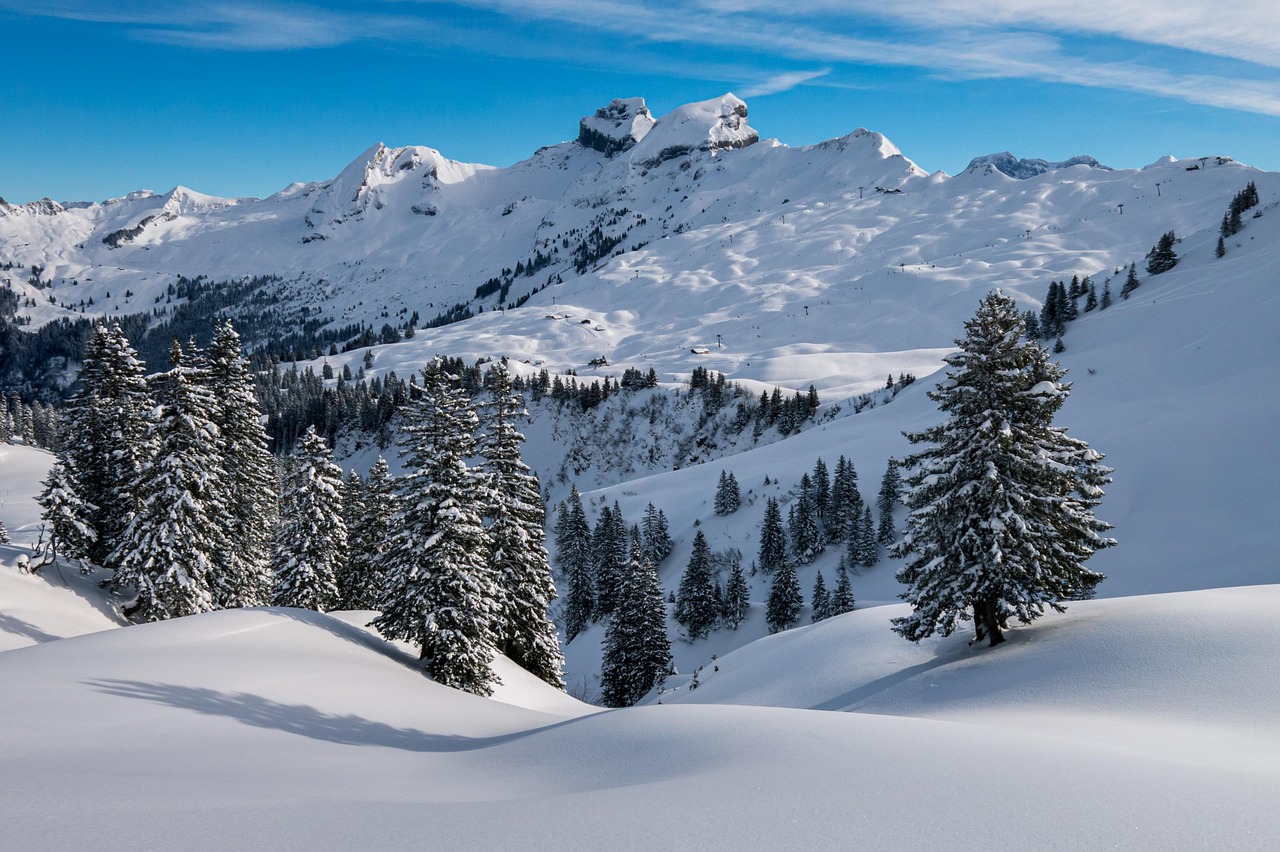
One of the biggest hurdles for first-timers is the fear of "sinking" in deep snow. We’ve all had that nightmare: you go off-trail, hit a pocket of powder, and your narrow resort skis dive like a submarine, leaving you head-first in a drift.
This is where modern technology changes the game. Every reputable operator in BC, from the legends at CMH to the boutique teams at Stellar Heliskiing, provides "fat skis" (or wide powder boards) specifically designed for the backcountry. These aren't the skis you use on the East Coast ice. They are wide—often 115mm to 125mm underfoot—with a "rockered" profile that curves upward at the tip and tail.
Think of it like the difference between a road bike and a fat-tire mountain bike. These skis are designed to "float" on top of the snow rather than cut through it. For an intermediate skier, this is a total game-changer. It eliminates the need for the old-school "pumping" leg motion and allows you to make smooth, surf-like turns with about half the effort. You aren't fighting the snow; you’re gliding over it.
Safety and Guiding: Your Safety Net in the Alpine
Is heli-skiing safer than resort skiing? It’s a different kind of safety. In a resort, your primary risks are collisions with other skiers and hard-packed snow. In the backcountry, we manage natural hazards like crevasses and avalanches.
However, BC has the strictest safety standards in the world. Operators like Whistler Heli-Skiing and CMH employ guides certified by the Association of Canadian Mountain Guides (ACMG). These professionals are more than just "pathfinders"; they are snow scientists. Every morning before you even wake up, they are analyzing snow pits and weather data to decide exactly which slopes are safe for that specific hour.
For non-experts, the "two-guide system" is the ultimate reassurance. A lead guide chooses the line and sets the pace, while a tail guide follows the group to assist anyone who takes a tumble or needs a quick tip on powder technique. You are never "on your own."
Marcus’s Pro Tip: Don't be afraid to speak up. If you're feeling tired or the terrain looks a bit spicy for your liking, tell your guide. They have thousands of acres of terrain to choose from and can easily pivot to a mellow, "double-blue" style run that fits your vibe.
The Mind-Blowing Scale of British Columbia
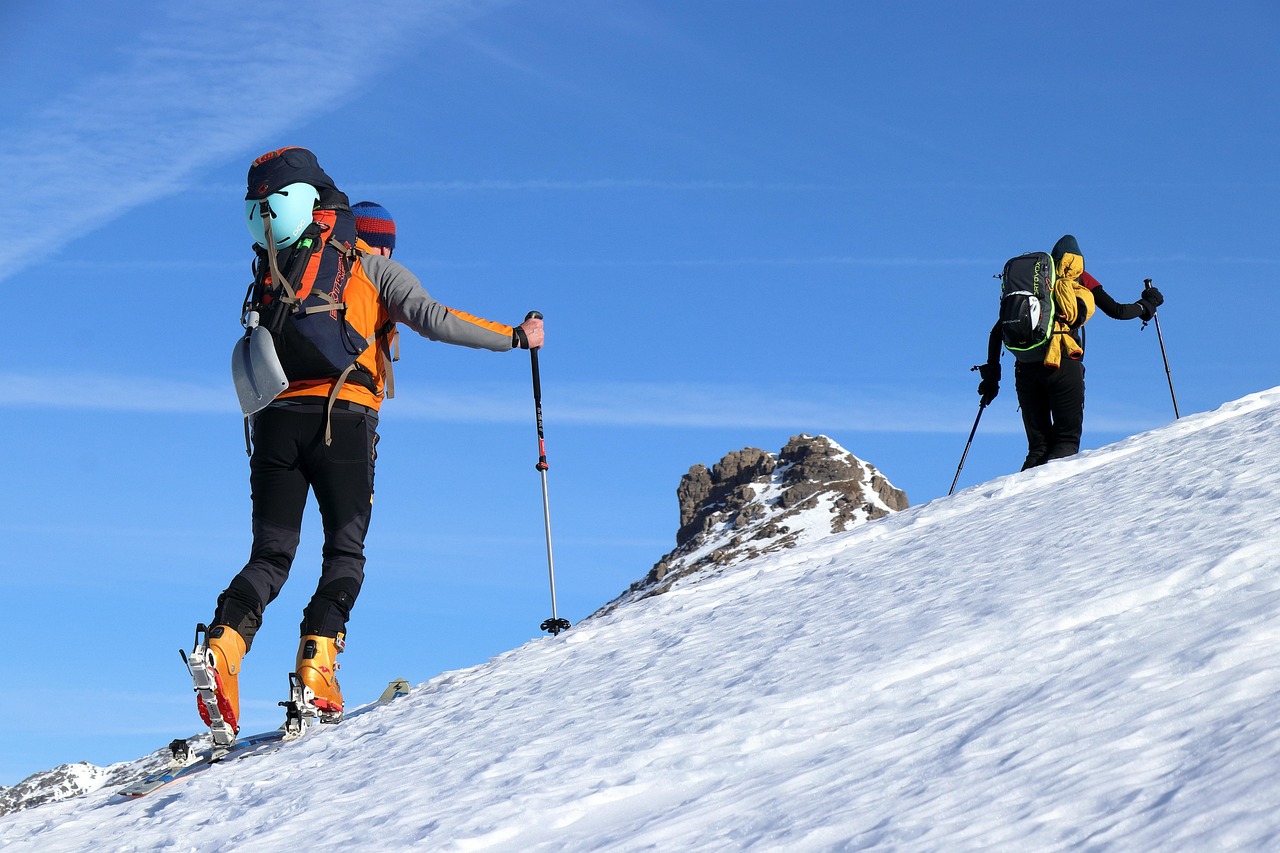
The biggest shock for first-timers isn't the helicopter—it’s the silence and the sheer, impossible scale of the wilderness. To understand the best heli-skiing in BC for non-experts, you have to look at the numbers.
At a resort, you are sharing a few thousand acres with thousands of people. In the BC backcountry, you are sharing hundreds of thousands of acres with maybe a dozen people. CMH Purcell, based out of Golden, BC, accesses a staggering 495,000 acres. That is roughly 60 times the size of Whistler Blackcomb.
This massive scale means your guides can always find "fresh tracks." You aren't racing anyone for the first chair. You aren't dodging kids on a school trip. It is just you, your small group, and a landscape that looks like a desktop wallpaper come to life.
For those who want even more personalized attention, elite operators like Stellar Heliskiing utilize a strict 4:1 guest-to-guide ratio. This ensures that even if you’re the least experienced person in the group, you receive expert coaching and attention throughout the day.
| Feature | Resort Skiing (Whistler Blackcomb) | Heli-Skiing (CMH Purcell Example) |
|---|---|---|
| Acreage | ~8,171 Acres | ~495,000 Acres |
| Crowd Density | High (Thousands per day) | Ultra-Low (Small groups) |
| Terrain Type | Mostly groomed / Tracked powder | 100% Untouched Backcountry |
| Lift System | Chairlifts & Gondolas | High-Performance Helicopters |
| Guidance | Self-guided | ACMG-certified Professional Guides |
A Day in the Life of a Heli-Skier
The day starts early with a hearty lodge breakfast—think thick-cut bacon, fresh fruit, and enough coffee to power a small village. Before the rotors even spin, you’ll undergo a mandatory safety briefing and transceiver training. You’ll learn how to use your beacon, probe, and shovel. This isn't meant to scare you; it’s about making you a competent member of a backcountry team.
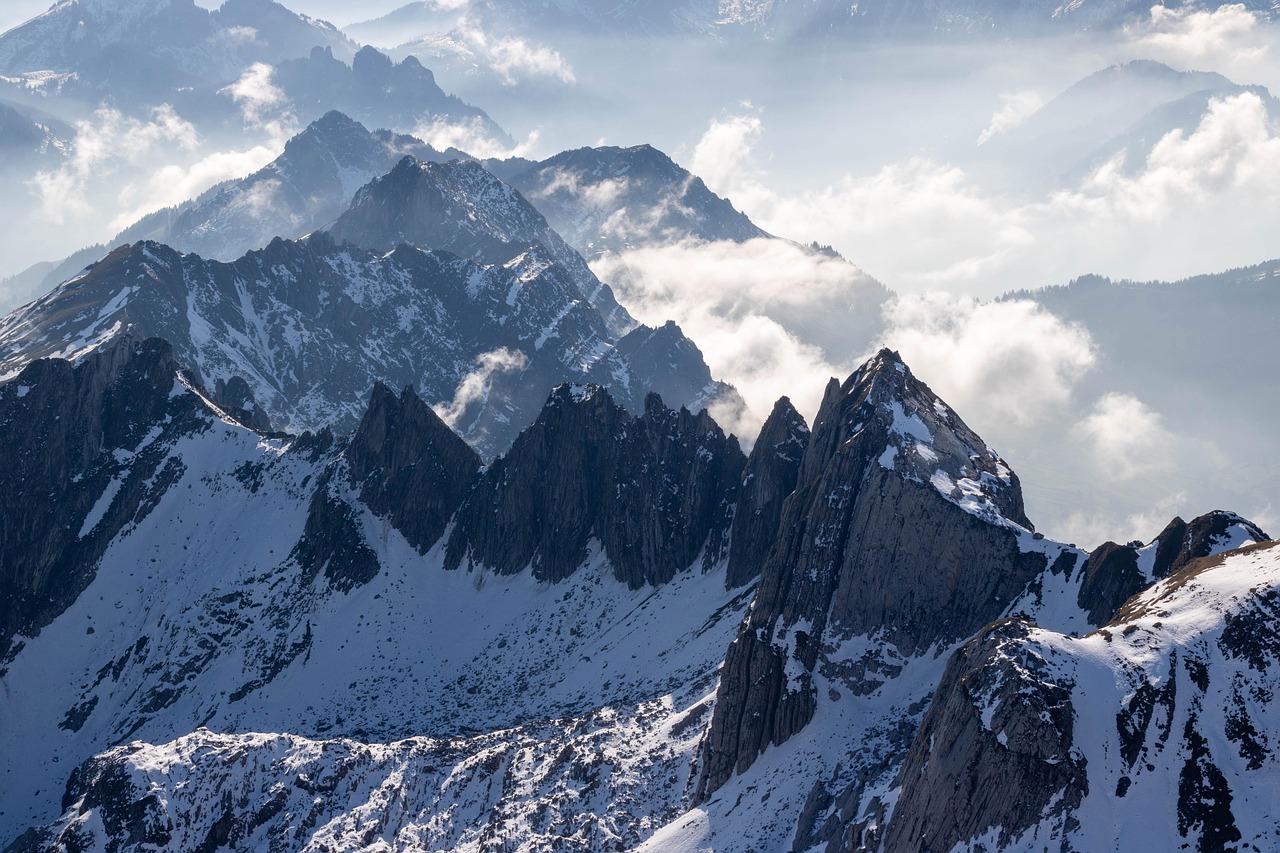
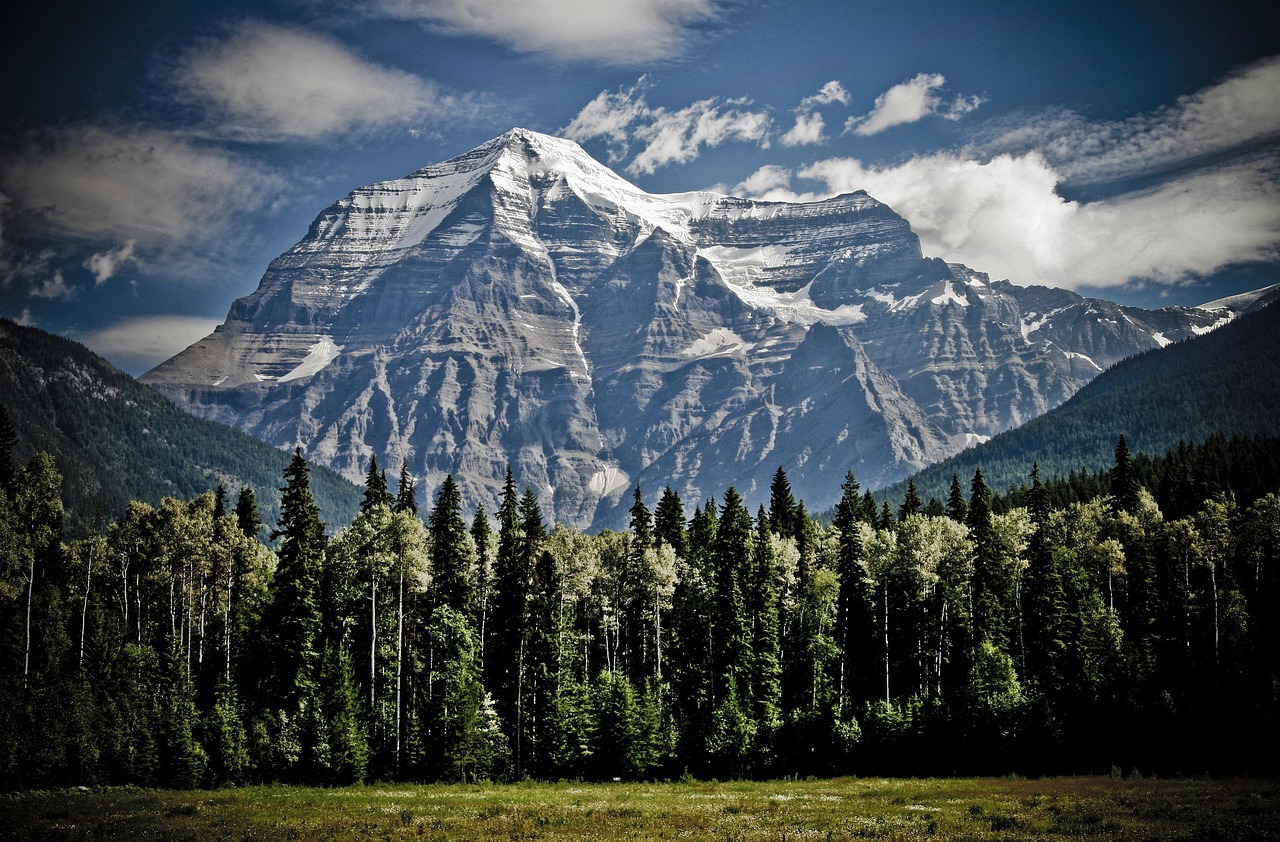
Then comes the "lift." There is nothing quite like the feeling of the helicopter lifting off, the ground falling away, and the jagged peaks of the Selkirks or Monashees rising up to meet you. You’ll land on a wide, flat ridge, the helicopter will depart in a whirlwind of snow, and suddenly... silence.
The skiing itself is a rhythm. You follow the guide’s tracks, keeping a respectful distance. You find your "float." Around midday, the helicopter meets you in a scenic valley for a "mountain lunch." We’re talking hot soup, gourmet sandwiches, and cookies, often served on a makeshift snow table.
By the time the sun starts to dip behind the peaks, you’ll head back to the lodge for the "après" culture that BC is famous for. In places like Revelstoke or Whistler, this means craft beers, hot tubs under the stars, and sharing stories about the "best run of your life" with people who started the day as strangers and ended it as teammates.
Conclusion: Turning Trepidation into Confidence
If you’ve been staring at heli-skiing brochures for years but haven't pulled the trigger because you're worried you aren't "good enough," consider this your sign to go.
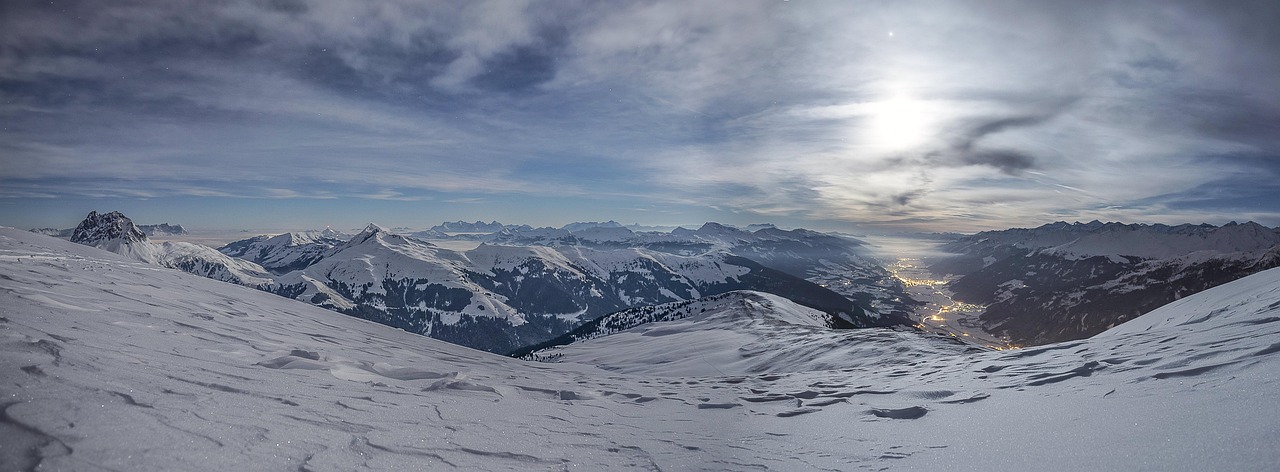
The "secret" prime months for intermediates are often March and April. The days are longer, the temperatures are milder, and the snowpack is generally more settled, offering what we call "hero snow"—consistently soft, predictable, and incredibly forgiving.
Heli-skiing is a bucket-list experience, but it shouldn't just stay on the list. It’s a transition from being a "resort skier" to being a "mountain explorer." With the right gear, expert guides, and the massive terrain of British Columbia, you’ll find that the "pro" level was a lot closer than you thought.
Frequently Asked Questions
What happens if I fall in deep powder? Don't sweat it. Everyone falls. Because the snow is so deep and soft, falling usually feels like landing on a giant pillow. Your tail guide is always there to help you find your skis and get back on your feet.
Do I need to bring my own skis? Most operators actually prefer you use their "fat skis." They are specifically tuned for the local snow conditions and are included in most packages. Just bring your own boots—nothing beats the comfort of your own liners.
How many runs will we do? Most "Intro to Heli" packages guarantee a certain amount of vertical meters (usually around 3,000 to 5,000 meters), which typically translates to 6–10 runs depending on the group's speed and the terrain.
Book Your First BC Heli-Adventure
Ready to trade the lift lines for the flight line? Whether you're looking for a single-day trip out of Whistler or a multi-day lodge experience in the heart of the Monashees, BC’s operators are ready to show you that the backcountry belongs to everyone.