Fisherman’s Trail Portugal: The Ultimate 140-Mile Coastal Hike Guide
The salt spray hits your face long before you hear the roar of the Atlantic. Standing on a jagged cliff edge in the Alentejo region, watching waves shatter against copper-colored rocks, I realized that I hadn’t seen another hiker for three hours. This isn't the crowded, social experience of the Camino de Santiago; this is something raw, wild, and profoundly solitary.
The Fisherman's Trail (Trilho dos Pescadores) is a 140-mile (226 km) coastal hiking route along Portugal's Rota Vicentina, stretching from Porto Covo in Alentejo to Lagos in the Algarve. Renowned for its dramatic Atlantic cliffs and shifting sandy dunes, it follows the actual paths used by locals to reach the best fishing spots and secluded beaches. If you are looking for the best coastal hikes in Europe that offer a true "edge of the world" feeling, this is your finish line.
Quick Facts: The Fisherman's Trail at a Glance
| Feature | Details |
|---|---|
| Total Distance | 140 miles (226 km) |
| Duration | 11–12 Days (full route) |
| Difficulty | Moderate (mostly flat but heavy sand walking) |
| Start / End | Porto Covo to Lagos |
| Best Time | Spring (April–May) or Fall (September–October) |
| Scenery | Wild cliffs, secret coves, nesting storks, and cork forests |
The Camino of the Sea: Why This Trail Now?
For years, the Camino de Santiago has been the go-to pilgrimage for those seeking a long-distance trek in Iberia. But as the popular routes become increasingly crowded, savvy adventurers are turning south. The Fisherman's Trail is often called the "Camino of the Sea," but the comparison only goes so far. While the Camino is about the social journey and spiritual heritage, the Fisherman's Trail is about a visceral connection to the elements.
In the Alentejo and Algarve regions, life moves at what I like to call an "unhurried pace." You aren’t racing to get a stamp in a passport; you’re timing your arrival at the next village to catch the sunset with a plate of grilled sardines. It’s one of the few places in Europe where the coastline remains largely undeveloped, protected by the Southwest Alentejo and Vicentine Coast Natural Park.
Essential Logistics: Planning Your Trek
A full journey on the Fisherman's Trail typically takes 12 days to complete, though it is easily broken into shorter sections requiring 3 to 6 hours of walking between coastal villages. Unlike mountain treks, you aren't carrying a tent and a week's worth of dehydrated food. Each stage ends in a charming white-washed village where a cold Sagres beer and a soft bed await.
The best time to hike the Fisherman's Trail is during the shoulder seasons of spring (April to May) and fall (September to October). During these windows, you’ll find mild temperatures (around 18-24°C) and optimal trail conditions. Summer is punishingly hot with very little shade, while winter can bring Atlantic storms that make the cliff-side paths treacherous.
To get to the start, take a Rede Expressos bus from Lisbon to Porto Covo. It’s a scenic two-and-a-half-hour ride that drops you right at the trailhead. From there, you just keep the ocean on your right and walk south.
The 12-Day Itinerary: Stage by Stage
I’ve broken the 226km journey into four distinct phases. This helps with planning if you only have a week or a long weekend to spare.
Phase 1: Porto Covo to Zambujeira do Mar (Days 1–3)
Distance: 36 miles (58 km)
This is the "sand phase." The first day from Porto Covo to Vila Nova de Milfontes is legendary among hikers—not for its elevation, but for its deep, soft sand. You’ll be navigating dunes for hours. It’s grueling, but the reward is Arroz peixe e camarão (fish and shrimp rice) at Lamelas in Milfontes.
While in this region, I highly recommend detouring slightly inland to experience the sustainable side of Portuguese hospitality.
Editor’s Choice: Stay at Craveiral Farmhouse. This government-certified nature hotel is a masterclass in eco-conscious luxury. They source up to 70% of their restaurant ingredients directly from on-site organic gardens. It’s the perfect place to soothe your "sand-tired" legs before heading further south.

Check Availability at Craveiral Farmhouse →
Phase 2: Zambujeira do Mar to Arrifana (Days 4–6)
Distance: 38 miles (61 km)
This phase marks your transition from the Alentejo into the Algarve. The scenery shifts from rolling dunes to towering, dark schist cliffs. This section includes the challenging 18 km trek from Odeceixe to Aljezur, which features a 310m total ascent—the most significant climbing you’ll do on the trail.
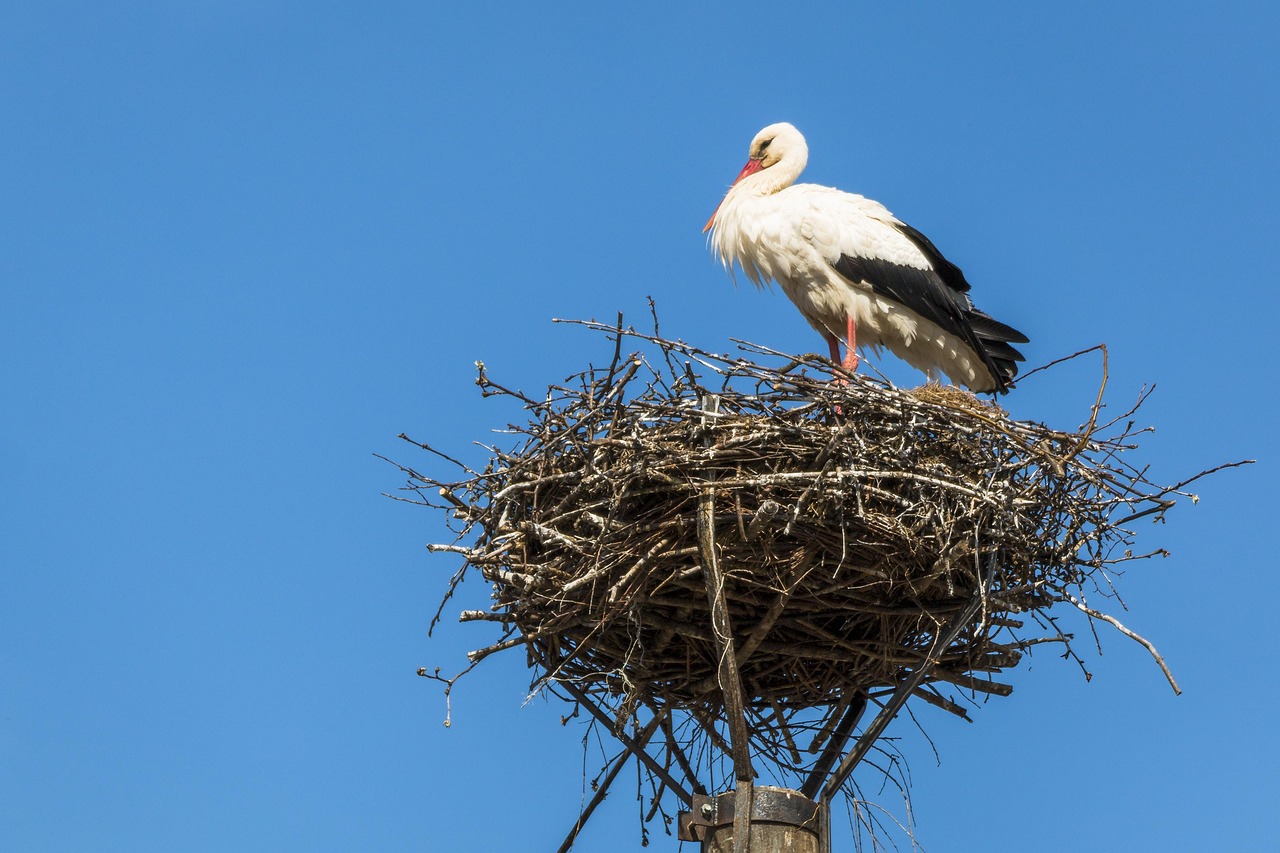
Keep your eyes on the sea stacks. The Rota Vicentina is the only place in the world where white storks are known to nest on sea stacks, braving the salt spray to raise their young on precarious rocky pillars. As you pull into Aljezur, don't miss the 10th-century Moorish castle overlooking the town; it’s a steep climb but worth the panoramic view of the valley.
Phase 3: Arrifana to Sagres (Days 7–9)
Distance: 34 miles (55 km)
The terrain changes again as you move toward the southwestern tip of Europe. You’ll weave through aromatic shrublands and occasionally head inland through cork forests and small vineyards. The wind picks up here—this is the "Wild West" of Portugal.
The climax of this phase is reaching the Cabo de São Vicente lighthouse. Known in ancient times as the "End of the World," this lighthouse sits on 75-meter-high cliffs overlooking the infinite blue. Standing there, watching the sunset, you truly feel the scale of the Atlantic.

Phase 4: Salema to Lagos (Days 10–12)
Distance: 26 miles (42 km)
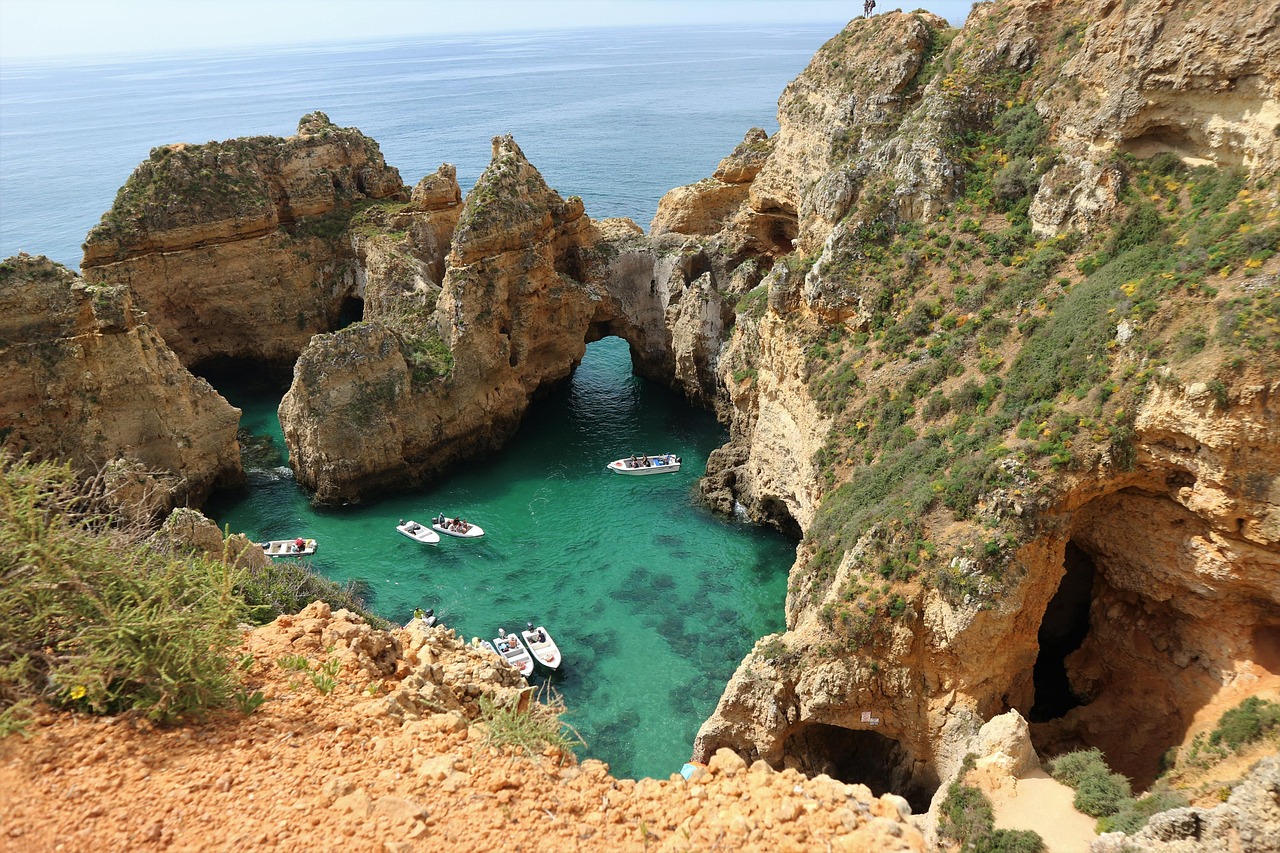
The final leg is a victory lap through the southern Algarve. The rugged, dark cliffs of the west give way to the golden limestone and turquoise waters the Algarve is famous for. You’ll pass through Salema—a village where dinosaur footprints are still visible on the rocks—and eventually reach the stunning limestone grottoes of Ponta da Piedade.
Entering Lagos feels like returning to civilization. The town's rooftop pools, historic slave market site, and vibrant nightlife offer a sharp contrast to the silent cliffs of the previous ten days.
The Survival Guide: Sand, Tides, and Gear
Walking the Fisherman's Trail isn't technically difficult in terms of climbing, but it is physically taxing in unique ways.
The Sand Challenge
Be prepared for miles of soft sand. My biggest pro-tip? Don't wear heavy, waterproof hiking boots. They are too hot and will fill with sand. Instead, opt for lightweight, breathable trail runners with a gaiter to keep the grit out. Use high-quality wool socks (like Merino) to prevent blisters, even when your feet get sweaty.

Tides and Navigation
While the trail is excellently marked with blue and green stripes, tides matter. Some sections allow for beach shortcuts, but only at low tide. Always check the daily tide charts before setting out. If in doubt, stay on the cliff-top Fisherman's Trail—it’s safer and offers better views.
Logistics Made Easy
If you don’t want to carry a 15kg pack, use a luggage transfer service. Vicentina Travel is the gold standard here. They will pick up your bag at 9:00 AM and have it waiting at your next guesthouse by the time you arrive. It allows you to hike with just a daypack, 2-3L of water, and plenty of sunscreen.
Sustainability and Trail Etiquette
The Fisherman's Trail passes through a sensitive Natural Park. As an editor who lives for the outdoors, I can't stress this enough: Leave No Trace.
- No Wild Camping: It is strictly prohibited. The ecosystem on these cliffs is fragile, and the park relies on hikers staying in official accommodations to manage the environmental impact.
- Protect the Storks: During nesting season, stay on the marked paths. Getting too close to the cliff edge for a "better photo" can disturb the birds.
- Support Local: Eat at the small tascas in the villages. Your morning coffee and pastel de nata are the direct economic link that keeps these trails open and maintained.
FAQ
Is the Fisherman's Trail dangerous for solo hikers? Not at all. The trail is well-marked and passes through safe, friendly communities. However, the cliffs are sheer and unfenced. If you have a severe fear of heights, some narrow sections might be intimidating. Always stay at least two meters from the edge—the sandstone can be unstable.
Do I need to book accommodation in advance? In the peak shoulder seasons (April, May, September), yes. Many of the villages are small and guesthouses fill up months in advance. If you’re hiking in the "off" season, you can be more flexible.
Can I hike it in reverse (Lagos to Porto Covo)? You can, but I wouldn't recommend it. Walking north means you’ll have the sun in your face all day and the wind (which usually blows from the north/northwest) hitting you head-on. Plus, the scenery builds in drama as you head south!
Ready to trade the crowds for the coast? The Fisherman's Trail is waiting. Whether you do the full 12-day trek or just a three-day highlights reel, it will change the way you see Portugal. Pack light, respect the ocean, and don't forget to try the Percebes (goose barnacles) in Vila Nova de Milfontes—they taste like the sea itself.